
Herniated disc often causes significant pain and discomfort, negatively affecting overall health and quality of life. Therefore, avoiding the following factors can help reduce symptoms and limit disease progression.
Dietary considerations
A proper diet plays an important role in treatment and recovery. Patients should:
Drink at least 2 liters of water per day
Consume foods rich in calcium, magnesium, protein, vitamin C, vitamin K and omega 3
Increase intake of green vegetables and dairy products
Limit red meat, salty foods, high sugar intake, fast food, fried and spicy foods
Avoid stimulants such as alcohol, carbonated beverages, caffeine and tobacco
Reduce body weight if overweight or obese

Dietary management plays an important role in the prevention and treatment of herniated disc.
Avoid excessive physical activity
Exercise is beneficial; however, excessive or inappropriate physical activity may increase stress on the spine and worsen the condition. Patients should avoid heavy exercises such as weightlifting, pull ups, squats, stretching or any movement involving spinal flexion and heavy lifting. Instead, low impact activities such as walking, swimming or guided physiotherapy are recommended.

Excessive physical exercise should be avoided in patients with herniated disc.
Avoid lifting heavy objects
Lifting or carrying heavy items, as well as bending or reaching, can place excessive pressure on the spine and lower back. Patients should avoid these activities or seek assistance when needed.
Be cautious when coughing, sneezing or laughing
Even minor actions such as coughing, sneezing or laughing can aggravate symptoms. Patients should engage core muscles and avoid sudden forward movements.
Avoid prolonged sitting
Sitting for extended periods increases pressure on the lumbar discs. Patients should take breaks to stand, walk or lie down to relieve spinal load.
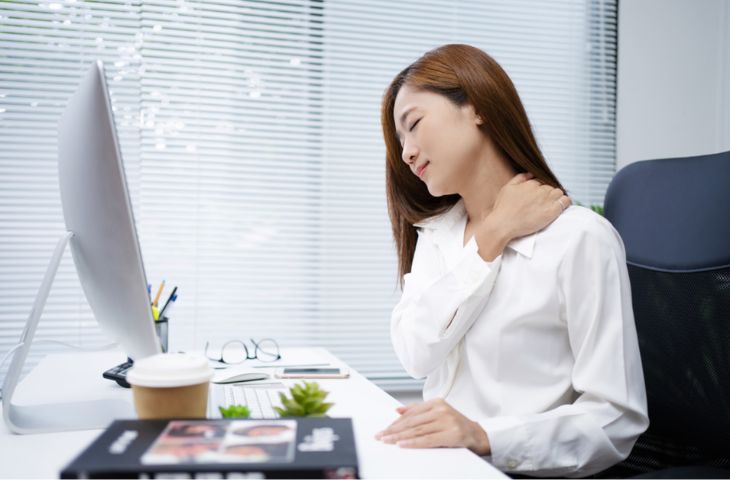
Prolonged sitting should be avoided in patients with herniated disc.
Avoid excessive bed rest
Although rest is necessary, prolonged immobility may lead to joint stiffness and reduced flexibility. Gentle activity should be maintained to support recovery.
Avoid bending, twisting or excessive spinal movements
Movements such as bending, twisting or repeated spinal flexion should be avoided. Patients should maintain proper posture with a straight back and neutral spine.
Activities requiring frequent lumbar strain, such as gardening, vacuuming or laundry, should also be limited.
Transitions such as moving from lying to sitting or standing should be performed slowly. Avoid sudden movements that may increase pressure on the intervertebral discs.
Avoid psychological stress
Psychological stress may worsen symptoms and negatively impact recovery. Maintaining a stable mental state is important for optimal treatment outcomes.
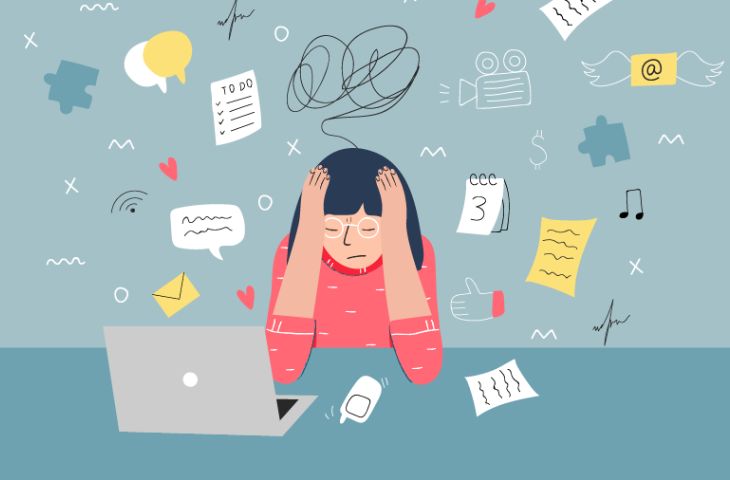
Psychological stress is one of the factors that should be avoided in patients with herniated disc.
In addition, when symptoms such as persistent back pain or limited mobility occur, patients should seek evaluation at reputable medical facilities with specialized musculoskeletal care for accurate diagnosis and appropriate management.
At the Musculoskeletal Department of Hong Ngoc General Hospital, patients benefit from high quality healthcare services in the capital, including:
A team of highly experienced specialists with strong expertise, previously trained and working at leading hospitals both domestically and internationally, such as Bach Mai Hospital, Viet Duc Hospital and Royal North Shore Hospital (Australia)
A modern, fully integrated system of advanced medical equipment imported from the United States, including SIGNA Prime MRI, 128 slice CT scanner, Hologic bone densitometry system and Logiq P7 musculoskeletal ultrasound, providing high resolution imaging for early and accurate detection of tumors and musculoskeletal lesions
An integrated treatment approach combining physiotherapy and rehabilitation, utilizing German therapeutic systems and advanced Austrian manual therapy techniques to help patients restore mobility and effectively relieve pain caused by herniated disc
Individualized follow up schedules with proactive appointment reminders for each patient
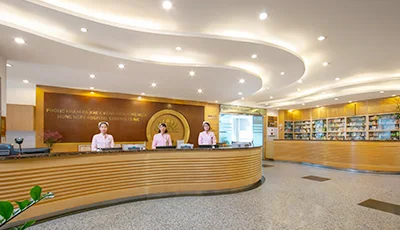
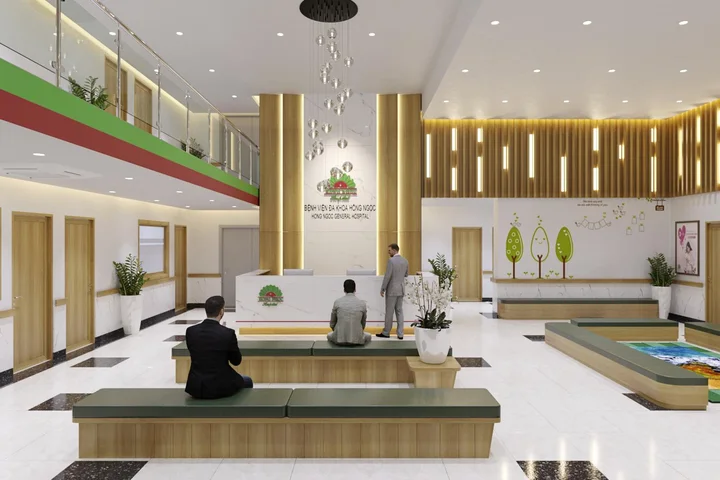
A clean, modern hospital environment with comprehensive amenities, including free Wi Fi, café and dining services
Weekend service availability with no additional charges
Fast and efficient insurance direct billing procedures, ensuring maximum patient benefits
Note: The information provided in this article by Hong Ngoc General Hospital is for reference purposes only and does not replace professional medical diagnosis or treatment. Patients are strongly advised not to self medicate. For an accurate assessment of their condition, individuals should seek direct consultation, diagnosis and appropriate treatment planning from qualified healthcare professionals.
Herniated disc often causes significant pain and discomfort, negatively affecting overall health and quality of life. Therefore, avoiding the following factors can help reduce symptoms and limit disease progression.
Dietary considerations
A proper diet plays an important role in treatment and recovery. Patients should:
Drink at least 2 liters of water per day
Consume foods rich in calcium, magnesium, protein, vitamin C, vitamin K and omega 3
Increase intake of green vegetables and dairy products
Limit red meat, salty foods, high sugar intake, fast food, fried and spicy foods
Avoid stimulants such as alcohol, carbonated beverages, caffeine and tobacco
Reduce body weight if overweight or obese
Dietary management plays an important role in the prevention and treatment of herniated disc.
Avoid excessive physical activity
Exercise is beneficial; however, excessive or inappropriate physical activity may increase stress on the spine and worsen the condition. Patients should avoid heavy exercises such as weightlifting, pull ups, squats, stretching or any movement involving spinal flexion and heavy lifting. Instead, low impact activities such as walking, swimming or guided physiotherapy are recommended.
Excessive physical exercise should be avoided in patients with herniated disc.
Avoid lifting heavy objects
Lifting or carrying heavy items, as well as bending or reaching, can place excessive pressure on the spine and lower back. Patients should avoid these activities or seek assistance when needed.
Be cautious when coughing, sneezing or laughing
Even minor actions such as coughing, sneezing or laughing can aggravate symptoms. Patients should engage core muscles and avoid sudden forward movements.
Avoid prolonged sitting
Sitting for extended periods increases pressure on the lumbar discs. Patients should take breaks to stand, walk or lie down to relieve spinal load.
Prolonged sitting should be avoided in patients with herniated disc.
Avoid excessive bed rest
Although rest is necessary, prolonged immobility may lead to joint stiffness and reduced flexibility. Gentle activity should be maintained to support recovery.
Avoid bending, twisting or excessive spinal movements
Movements such as bending, twisting or repeated spinal flexion should be avoided. Patients should maintain proper posture with a straight back and neutral spine.
Activities requiring frequent lumbar strain, such as gardening, vacuuming or laundry, should also be limited.
Transitions such as moving from lying to sitting or standing should be performed slowly. Avoid sudden movements that may increase pressure on the intervertebral discs.
Avoid psychological stress
Psychological stress may worsen symptoms and negatively impact recovery. Maintaining a stable mental state is important for optimal treatment outcomes.
Psychological stress is one of the factors that should be avoided in patients with herniated disc.
In addition, when symptoms such as persistent back pain or limited mobility occur, patients should seek evaluation at reputable medical facilities with specialized musculoskeletal care for accurate diagnosis and appropriate management.
At the Musculoskeletal Department of Hong Ngoc General Hospital, patients benefit from high quality healthcare services in the capital, including:
A team of highly experienced specialists with strong expertise, previously trained and working at leading hospitals both domestically and internationally, such as Bach Mai Hospital, Viet Duc Hospital and Royal North Shore Hospital (Australia)
A modern, fully integrated system of advanced medical equipment imported from the United States, including SIGNA Prime MRI, 128 slice CT scanner, Hologic bone densitometry system and Logiq P7 musculoskeletal ultrasound, providing high resolution imaging for early and accurate detection of tumors and musculoskeletal lesions
An integrated treatment approach combining physiotherapy and rehabilitation, utilizing German therapeutic systems and advanced Austrian manual therapy techniques to help patients restore mobility and effectively relieve pain caused by herniated disc
Individualized follow up schedules with proactive appointment reminders for each patient
A clean, modern hospital environment with comprehensive amenities, including free Wi Fi, café and dining services
Weekend service availability with no additional charges
Fast and efficient insurance direct billing procedures, ensuring maximum patient benefits
Note: The information provided in this article by Hong Ngoc General Hospital is for reference purposes only and does not replace professional medical diagnosis or treatment. Patients are strongly advised not to self medicate. For an accurate assessment of their condition, individuals should seek direct consultation, diagnosis and appropriate treatment planning from qualified healthcare professionals.
Để lại câu hỏi của bạn để nhận được giải đáp từ các bác sĩ của Hồng Ngọc
Lorem ipsum dolor
Lorem ipsum dolor sit amet, consectetur adipiscing elit. Mauris odio lectus, pretium faucibus nisi eu, accumsan consectetur orci. In blandit vehicula nisl, vel lacinia ligula finibus a. Donec fermentum rhoncus