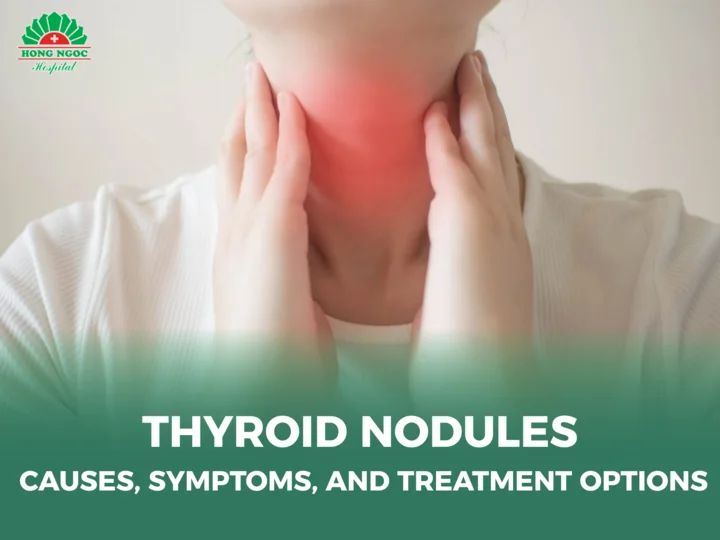



The thyroid gland is an endocrine organ that is highly susceptible to abnormalities, one of which is thyroid nodules. About 5% of thyroid nodules are malignant. Recognizing the symptoms of thyroid nodules and detecting the condition early can help patients avoid serious complications that may affect their health.
Thyroid nodules and the importance of early detection
Thyroid nodules occur when nodular lesions develop in the thyroid parenchyma, affecting thyroid function. This means that the body’s overall health may also be affected, including the cardiovascular system, digestive system, and nervous system.
The thyroid gland produces thyroid hormones that regulate the body’s metabolic rate, energy levels, and nervous system function. When thyroid nodules develop, the gland may grow abnormally and produce excess thyroid hormones, causing a range of symptoms.
Among patients with thyroid nodules, up to 95% of cases are reported to be benign. The remaining 5% are malignant thyroid nodules, also known as thyroid cancer. Notably, thyroid cancer is currently the most common endocrine malignancy.
In fact, the symptoms of thyroid nodules are often unclear or may be considered normal by some people. Therefore, people should have their thyroid checked regularly every six months, as recommended by medical specialists.
Early detection of thyroid nodules is very important for timely treatment and reducing the risk of potential complications. Even patients with thyroid cancer can still be treated effectively if the disease is detected early.
5 symptoms of thyroid nodules
Thyroid nodules smaller than 1 cm often do not cause specific symptoms. As a result, many patients may not detect the condition unless they undergo regular thyroid checkups, during which the nodules can be identified by ultrasound.
However, when a thyroid nodule grows larger than 1 cm, patients should pay special attention if they notice any of the following symptoms:
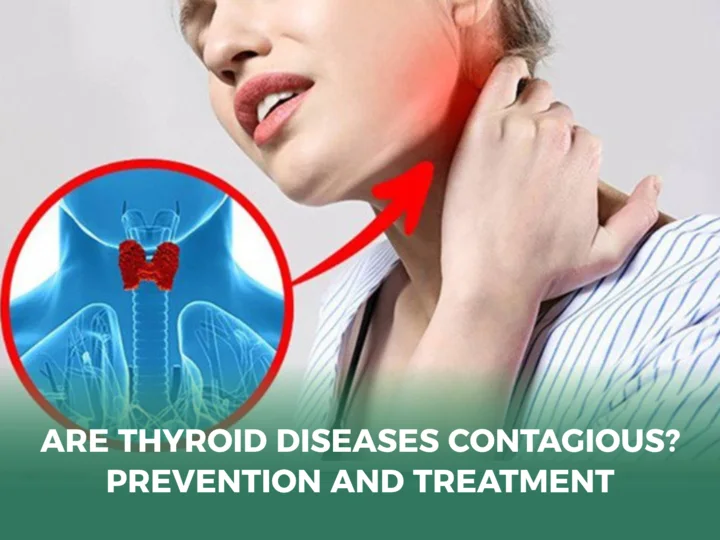
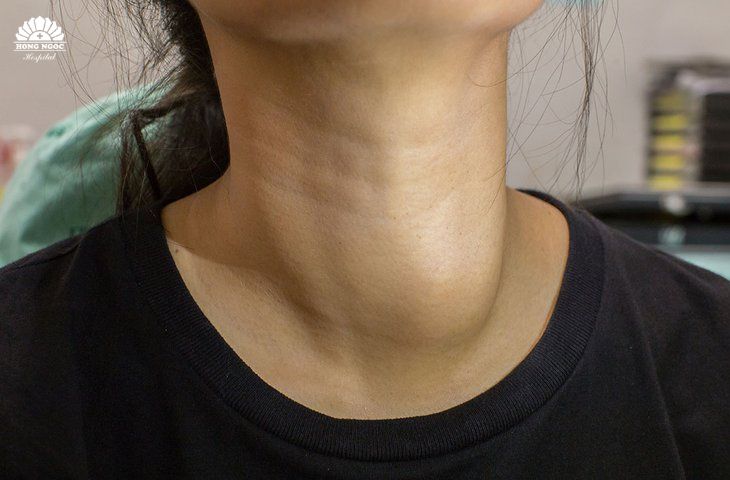
Enlarged thyroid gland
In patients with thyroid nodules, the thyroid gland may become enlarged. Patients may be able to see or feel the lump in the neck area.
Voice changes
Excessive thyroid hormone production may cause overgrowth of muscles and tissues in the throat, leading to voice changes. Patients may experience hoarseness or a feeling of throat stiffness.
Fatigue
Patients with thyroid nodules often feel tired and lack energy, even when they get enough sleep and do not engage in excessive physical activity.
Mood changes
Thyroid abnormalities may also affect the production of serotonin, a chemical compound in the brain that is associated with mood regulation. Patients with thyroid nodules may become easily agitated, anxious, or irritable, and may also experience depression.
Heart function problems
In many cases, thyroid nodules may affect heart function, causing symptoms such as a fast or slow heart rate, low or high blood pressure, and chest pain.
If any of the above symptoms of thyroid nodules are detected, patients should consult an endocrinologist for professional medical advice. To schedule an appointment with an Endocrinology and Thyroid specialist, please contact the hotline at 0911 858 626 or register HERE.
Causes of thyroid nodules
Below are some possible causes of thyroid nodules:
- Genetic factors: If someone in your family has had thyroid nodules, your risk of developing this condition may be higher.
- Other thyroid disorders: Certain thyroid conditions, such as thyroiditis, may also contribute to the development of thyroid nodules.
- Iodine deficiency: Iodine is an essential mineral required for the growth and function of the thyroid gland. If the body lacks iodine, thyroid function may be affected, increasing the risk of nodule formation.
- Age: The detection rate of thyroid nodules increases with age, especially among women after menopause.
- Environmental factors: Certain environmental factors, such as chemical toxins or radiation exposure, may contribute to the development of thyroid nodules.
Advice from an endocrinology specialist
Effective treatment of thyroid disorders requires not only the physician’s high level of expertise but also close cooperation from the patient.
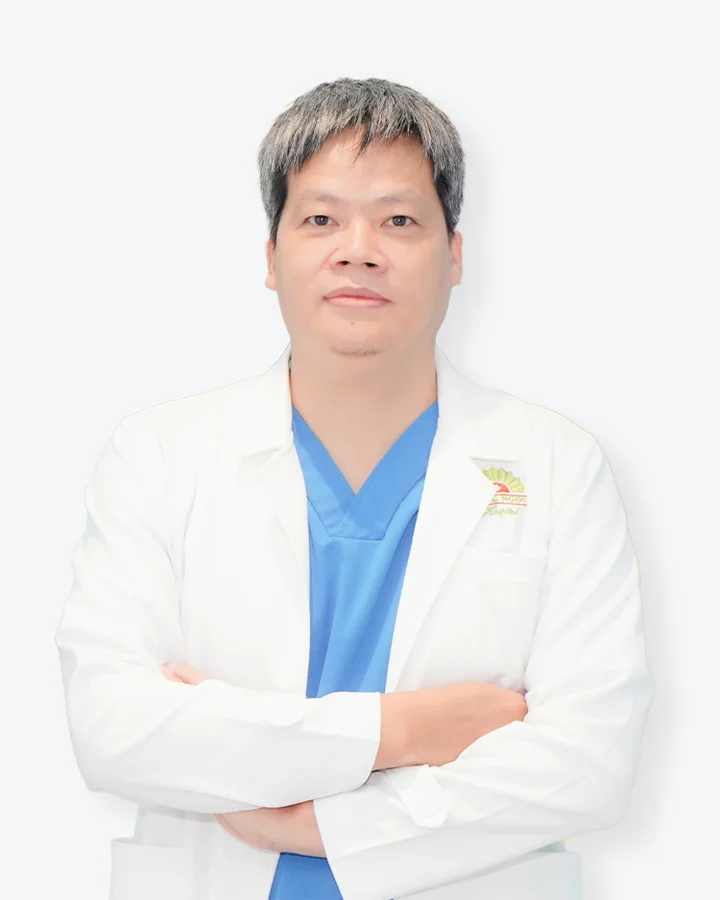
Dr. Dao Duc Phong, MSc, former Deputy Head of the Department of Endocrinology at Bach Mai Hospital and Head of the Department of Endocrinology at Hong Ngoc General Hospital, with more than 20 years of experience in treating thyroid disorders, offers several recommendations to help patients reduce the risk of serious complications:
- Recognize the symptoms of thyroid nodules early: The signs of the disease are often unclear, which may cause patients to underestimate the condition. However, patients should pay attention to changes in their body and, in particular, undergo regular health checkups to detect the disease early and receive an appropriate treatment plan.
- Strictly follow treatment instructions: Treatment for thyroid nodules depends on each specific case. Patients should fully comply with the doctor’s instructions and treatment recommendations to ensure that the condition is properly monitored and managed. They should also consult their doctor if they have any questions or experience any side effects.

- Take care of overall health: Patients with thyroid nodules should take good care of themselves to strengthen their health and reduce the risk of complications. They should maintain a healthy diet, exercise regularly, and get enough sleep.
- Avoid alcohol and tobacco: Alcohol and tobacco can weaken overall health and increase the risk of conditions related to thyroid nodules. Patients should avoid alcohol and tobacco completely or minimize their use during treatment.
Note: The information provided in this article by Hong Ngoc General Hospital is for reference purposes only and is not intended to replace professional medical diagnosis or treatment. To accurately determine their condition, patients should visit a reputable medical facility for direct examination and consultation with a doctor on an effective treatment plan.
Follow the Facebook fanpage of Hong Ngoc General Hospital for more useful information.