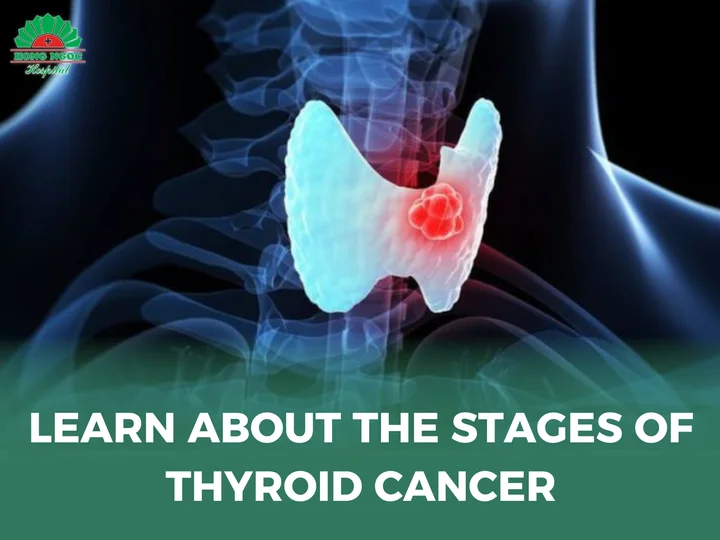



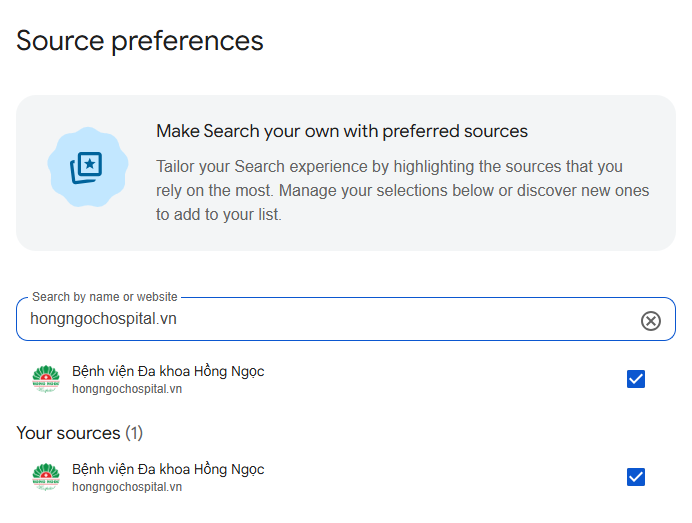
Thyroid cancer has become the most common endocrine malignancy, accounting for more than 90% of all endocrine cancer cases. Early manifestations of thyroid cancer may be subtle or nonspecific, often leading patients to overlook the condition. This article outlines 10 warning signs of thyroid cancer highlighted by an endocrinology specialist with 20 years of clinical experience.
How dangerous is thyroid cancer?
Thyroid cancer is a common malignancy of the thyroid gland, caused by the uncontrolled growth of malignant cells that form a tumor within the thyroid - an endocrine gland located in the neck that plays a vital role in regulating the body’s metabolism.
Thyroid cancer may progress slowly and often causes no noticeable symptoms in its early stages. However, without timely detection and appropriate treatment, the disease can advance and become potentially life-threatening.
The major types of thyroid cancer include papillary thyroid carcinoma, medullary thyroid carcinoma, follicular thyroid carcinoma, and anaplastic thyroid carcinoma.
Among these, papillary and follicular thyroid cancers generally grow more slowly and are associated with a higher likelihood of successful treatment. The other two types are more aggressive, carry a greater risk of metastasis, may lead to functional complications, and are associated with lower treatment success rates.
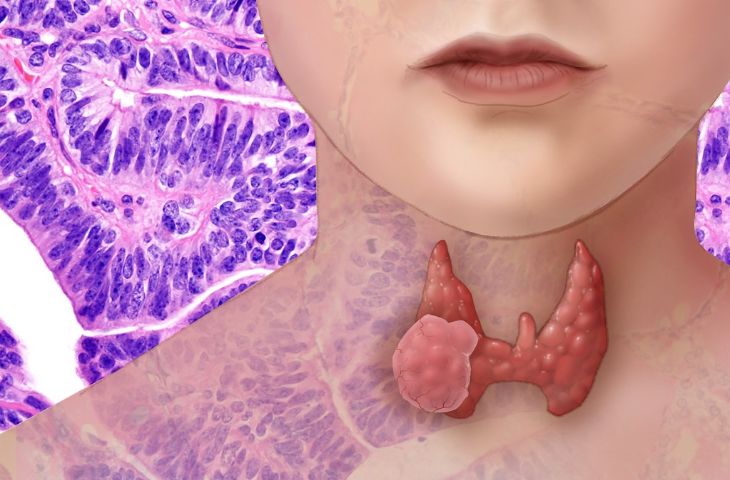
High-risk groups for thyroid cancer
Scientific studies have shown that several groups of people are at higher risk of developing thyroid cancer, including:
Family history: Individuals with a family member who has had thyroid cancer are at higher risk than those without a family history of the disease.
Sex: Women are more likely to develop thyroid cancer than men, particularly women of reproductive age, from 22 to 35 years old.
Age: Older adults have a higher risk of thyroid cancer than younger individuals.
History of radiation exposure and antineoplastic therapy: People who have previously received X-ray radiation therapy or antineoplastic drugs as part of treatment for another cancer may have an increased risk.
Thyroid disorders: Various thyroid diseases may contribute to the development of thyroid cancer, including chronic thyroiditis and multinodular goiter.
Nutritional status: Iodine deficiency in the diet may increase the risk of thyroid cancer.
Exposure to toxic substances: Individuals who are frequently exposed to hazardous substances such as chemicals, pesticides, or radioactive materials may face a higher risk of developing thyroid cancer.
10 warning signs of thyroid cancer
With 20 years of experience in diagnosing and treating thyroid disorders, Master’s-level physician Dr. Dao Duc Phong, former Deputy Head of the Department of Endocrinology at Bach Mai Hospital and currently Head of the Department of Endocrinology at Hong Ngoc General Hospital, has treated numerous cases of thyroid cancer detected at an advanced stage, when treatment becomes significantly more challenging.
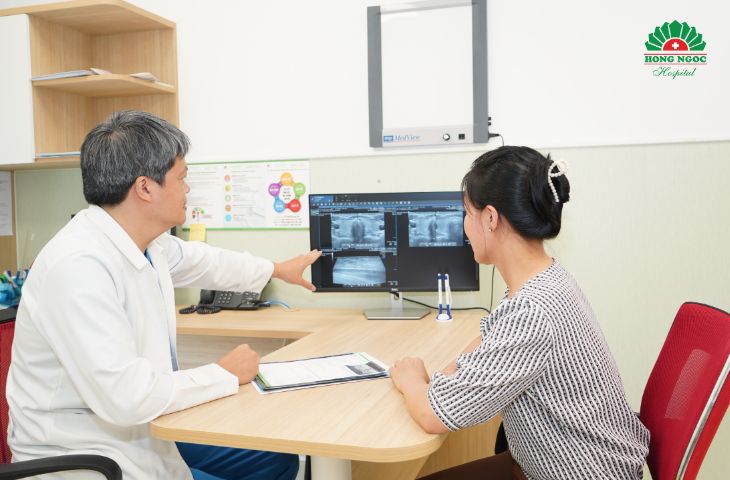
Dr. Phong has identified 10 warning signs of thyroid cancer, advising people to pay closer attention to unusual changes in their body.
Early-stage signs of thyroid cancer
Hoarseness: Hoarseness is one of the most common symptoms of thyroid cancer. It may occur when a thyroid tumor compresses the vocal cords, leading to voice changes and, in some cases, breathing difficulty.
Chronic throat irritation or itching: Throat irritation is a common symptom in many respiratory conditions. However, in thyroid cancer, persistent throat irritation may be an early warning sign caused by thyroid enlargement or pressure on the throat.
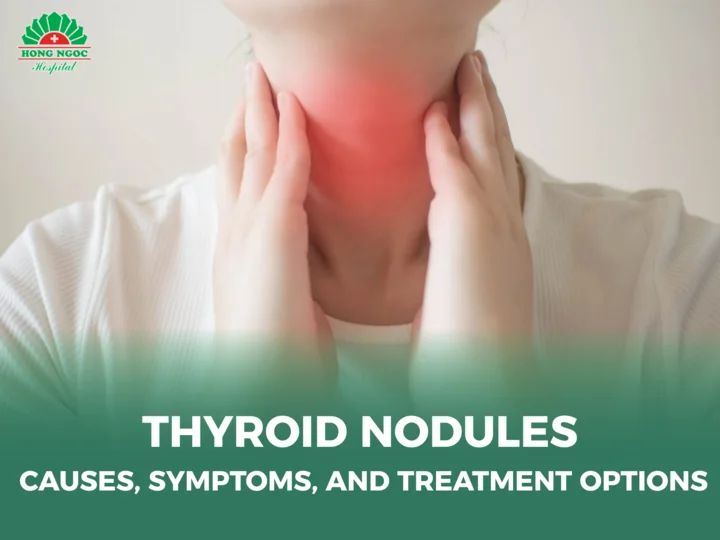
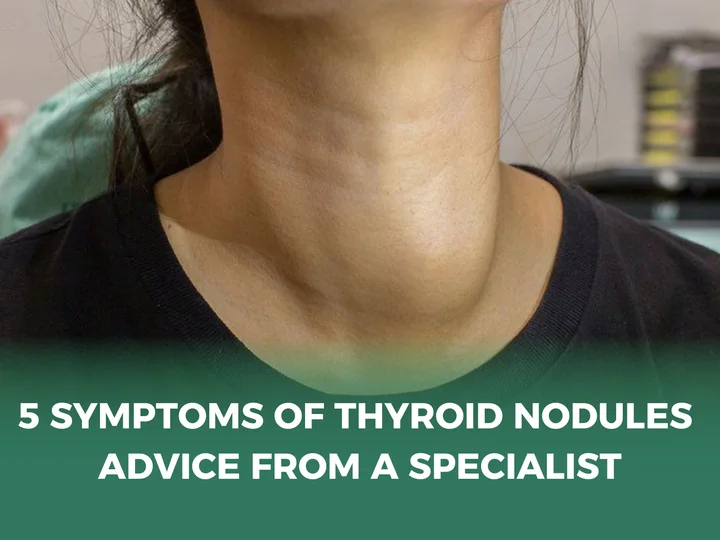
Appearance of a lump: The presence of a lump is one of the most noticeable signs of thyroid cancer. A thyroid nodule or tumor may develop in any part of the thyroid gland and can sometimes be felt by gently palpating or examining the neck area.
Enlarged cervical lymph nodes: Swelling of the lymph nodes in the neck may be among the early signs of thyroid cancer. Enlarged cervical lymph nodes may occur due to thyroid enlargement or local infection.
Late-stage signs of thyroid cancer
A large, firm, fixed mass in the front of the neck: A thyroid tumor may become large, firm, and fixed in the anterior neck. If the mass does not move when palpated, it may be a warning sign of thyroid cancer.
Hoarseness accompanied by shortness of breath: Thyroid tumors may cause breathing difficulty and hoarseness when they affect the vocal cords and the respiratory tract.
Difficulty swallowing or a choking sensation in the throat: A thyroid tumor may cause dysphagia or a choking sensation, particularly when eating or drinking.
Redness, nodularity, ulceration, or bleeding of the skin in the neck area: If a thyroid tumor invades nearby blood vessels and soft tissues, it may cause skin changes in the neck, such as redness, nodular lesions, ulceration, and bleeding.
Symptoms of distant metastasis: When thyroid cancer progresses and spreads to other parts of the body, it may cause symptoms of distant metastasis, including bone pain, fatigue, weight loss, and malnutrition.
Swollen lymph nodes and neck pain: Cervical lymph node swelling is a common manifestation of thyroid cancer and may cause pain or discomfort in the neck region.
Anyone experiencing one or more of the above symptoms should visit a reputable medical facility for evaluation and seek specialist advice from an endocrinologist. To schedule a consultation with an endocrinology and thyroid specialist, please contact the hotline at 0911 858 626 or register HERE.
What to do when signs of thyroid cancer appear
Thyroid cancer is one of the most common endocrine malignancies worldwide. Early detection is critically important to ensure timely treatment and improve therapeutic outcomes.
To detect thyroid cancer, patients should undergo regular health check-ups and appropriate diagnostic tests. These may include:
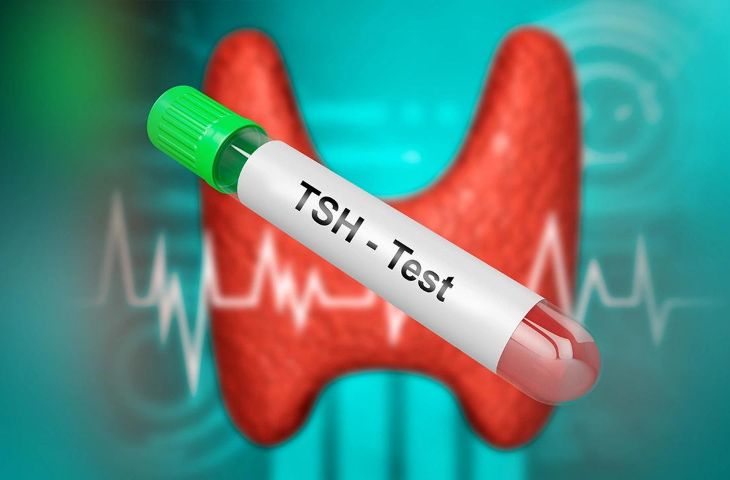
Blood tests: Tests measuring thyroid-stimulating hormone (TSH), total T4, free T4, total T3, free T3, thyroid peroxidase antibodies (TPOAb), and thyroglobulin antibodies (TgAb) may help identify abnormalities in thyroid function and detect thyroid-related antibodies that may be associated with thyroid disease.
Thyroid ultrasound: Thyroid ultrasonography can help determine the size, shape, and number of nodules or tumors within the thyroid gland.
If test results indicate the presence of a tumor in the thyroid gland, the physician will order additional diagnostic tests to determine the type of cancer and assess the severity of the disease.
Once thyroid cancer is confirmed, the patient should receive prompt treatment. Treatment options may include surgery, medical therapy, and radioactive iodine therapy using I-131.
Trusted by thousands of patients, the Thyroid Disease Center at Hong Ngoc General Hospital receives 2,500 patient visits and performs more than 1,000 thyroid surgeries each year. It is recognized as a trusted medical address for the examination and treatment of thyroid-related disorders.
With a team of highly experienced physicians who have previously worked at leading medical institutions such as Bach Mai Hospital and the National Hospital of Endocrinology, together with a modern system of medical equipment, each patient is managed with an individualized treatment protocol designed to optimize treatment outcomes and shorten the course of therapy.
Contact information:
Department of Endocrinology - Hong Ngoc HospitalAddress: No. 8 Chau Van Liem Street, Nam Tu Liem District, Hanoi
Hotline: 0911 858 626
Note: The information provided in this article by Hong Ngoc General Hospital is for reference purposes only and should not be considered a substitute for medical diagnosis or treatment. To accurately determine their health condition, patients should visit a reputable medical facility for direct examination and consultation with a physician, who can recommend an appropriate and effective treatment plan.
Follow the official fanpage of Hong Ngoc General Hospital for more useful health information.