

Medical consultation: Master of Science, Resident Doctor Nguyen Xuan Quang, Department of Endocrinology, Hong Ngoc Phuc Truong Minh General Hospital
Diet has a direct influence on thyroid function and on how well treatment works. Certain nutrients, such as iodine, selenium and zinc, are involved in the production of thyroid hormones, while some foods can affect the absorption of thyroid medication. A well-planned diet therefore helps to control symptoms and keep thyroid function stable. This article provides detailed information on eight food groups that people with thyroid disease should be careful to avoid.
Summary of key points:
- People with thyroid disease should limit foods that can affect thyroid function or the effectiveness of treatment, including iodine-rich foods, processed foods, foods containing goitrogens, gluten, soy, high-salt foods, caffeine, alcohol and sugary foods.
- People with thyroid disease should prioritise foods rich in protein, vitamins, fibre, omega-3, zinc and selenium to support thyroid function and improve overall health.
- Pregnant women with thyroid disease need a suitable diet, appropriate micronutrient supplementation and regular monitoring of thyroid function as directed by their doctor.
- People with thyroid disease should get enough sleep, manage stress, exercise in moderation, take medication as prescribed and attend regular check-ups to improve treatment outcomes.
- If you notice abnormal signs that may indicate thyroid disease, see a specialist medical facility early for diagnosis and appropriate treatment advice.
1. What should people with thyroid disease avoid eating?
Diet can affect how the thyroid works as well as how well treatment succeeds. Alongside following their doctor’s treatment plan, people with thyroid disease should limit the foods below to help keep the condition under better control. As well as learning which foods to avoid, patients should also build a diet suited to their specific condition to support effective treatment.
1.1. Foods with excessive iodine
Iodine is an essential micronutrient that helps the thyroid produce hormones and keeps the body functioning normally. However, for some people with thyroid disease, such as hyperthyroidism, Hashimoto’s thyroiditis or other thyroid disorders, consuming too much iodine can upset the balance of thyroid function and affect the effectiveness of treatment. Patients should therefore not take iodine supplements on their own, or regularly eat foods high in iodine, without their doctor’s advice. [1]
Foods to limit:
- Seaweed
- Kelp
- Spirulina
- Seaweed snacks
- Broth made with seaweed
- Iodine supplements
1.2. Processed, high-fat foods
Fast food, fried food, sausages, bacon and canned foods typically contain high levels of saturated fat, sugar, salt and food additives. Eating them regularly not only affects heart health but also raises the risk of metabolic disorders in people with thyroid disease. [2]
Processed foods to limit:
- Fried chicken
- French fries
- Hamburgers
- Pizza
- Sausages
- Bacon
- Cold cuts
- Packaged cakes and pastries
This is also the food group most often mentioned when people ask what they should avoid eating with thyroid disease, in order to limit the impact on their health and treatment.

1.3. Cruciferous vegetables
Goitrogens are a group of naturally occurring compounds found in certain vegetables that can interfere with the thyroid’s ability to use iodine. When consumed in large amounts, especially raw and over a long period, foods containing goitrogens may reduce the production of thyroid hormones, particularly in people who are iodine-deficient or who already have thyroid disease. However, patients do not need to avoid them entirely, because cooking significantly reduces the effect of these compounds. Instead, they should be eaten in reasonable amounts as part of a balanced diet. [2]
Foods containing goitrogens that should be limited when eaten raw in large quantities:
- Cabbage
- Broccoli
- Cauliflower
- Kale
- Brussels sprouts
- Mustard greens
- Radish
For those wondering what to avoid eating with thyroid disease, foods containing goitrogens can still be eaten, but they should be cooked and eaten in reasonable amounts.
1.4. Foods high in gluten
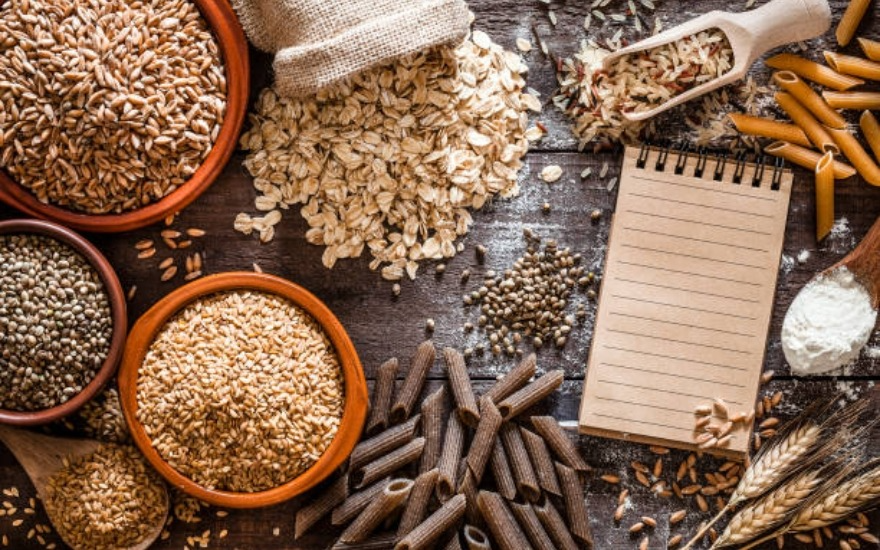
Gluten is a protein found in wheat, barley and some other grains. Some studies suggest that people with Hashimoto’s thyroiditis are at higher risk of also having coeliac disease or gluten sensitivity. In such cases, limiting gluten may help reduce inflammation and support disease management. [3]
Common foods containing gluten:
- Bread
- Pasta
- Noodles
- Biscuits
- Cakes and pastries made with wheat flour
- Breakfast cereals containing wheat
1.5. Soy products
Soybeans and soy products are a good source of plant-based protein. However, the isoflavone compounds in soy can affect the absorption of thyroid hormone medication if taken at the wrong time. Patients do not need to avoid this food group entirely, but should eat it well apart from the time they take their medication, as directed by their doctor. [4]
Soy foods to eat in moderation:
- Soy milk
- Tofu
- Whole soybeans
- Soy milk skin (yuba)
- Soy flour
1.6. High-salt foods (sodium)
People with thyroid disease need to keep an eye on the amount of sodium in their diet, particularly those with hypothyroidism. Consuming too much salt can raise the risk of high blood pressure and cardiovascular disease. Meanwhile, many processed foods today contain significantly more sodium than the body needs each day. [5]
High-salt foods to limit:
- Instant noodles
- Canned foods
- Pickled vegetables
- Pickled aubergine
- Sausages
- Cold cuts
- Salty snacks
1.7. Caffeinated drinks
Caffeine is a stimulant found in coffee, strong tea and many energy drinks. In people with hyperthyroidism, caffeine can worsen symptoms such as palpitations, a rapid heartbeat, trembling hands or insomnia. In addition, drinking coffee too close to the time of taking thyroid hormone medication may reduce its absorption and affect how well treatment works. [4]
Caffeinated drinks to limit:
- Coffee
- Strong tea
- Energy drinks
- Caffeinated soft drinks
If you are wondering what to avoid eating with thyroid disease, you should also limit drinks high in caffeine to avoid worsening your symptoms.
1.8. Alcohol
Alcohol can affect overall health and, if consumed regularly, impair the quality of sleep. Some studies also suggest that alcoholic drinks may affect the workings of the endocrine system and interfere with the body’s recovery. People with thyroid disease are therefore advised to limit alcohol to help keep their condition under better control. [6]
Alcoholic drinks to limit:
- Beer
- Wine
- Spirits
- Cocktails
- Other alcoholic drinks

1.9. Foods high in refined sugar
People with thyroid disease, particularly hypothyroidism, are often at higher risk of weight gain and metabolic disorders than the general population. Eating too much refined sugar can raise blood sugar levels, promote the build-up of excess fat and make weight control more difficult. Patients are therefore advised to limit sugary foods to maintain their overall health. [2]
Foods to limit:
- Fizzy drinks
- Bubble tea
- Sweets and confectionery
- Cakes and pastries
- Ice cream
- Jam and syrup
1.10. Calcium and iron-rich foods and supplements
Calcium and iron are essential nutrients, but they can reduce the absorption of thyroid hormone medication if taken at the same time. Patients do not need to avoid these foods entirely, but should take them at least four hours apart from their medication, as directed by their doctor. [4]
Foods to be mindful of when taking thyroid medication:
- Milk and dairy products
- Cheese
- Yoghurt
- Calcium supplements
- Iron supplements
- Iron-fortified cereals
2. What should people with thyroid disease eat?
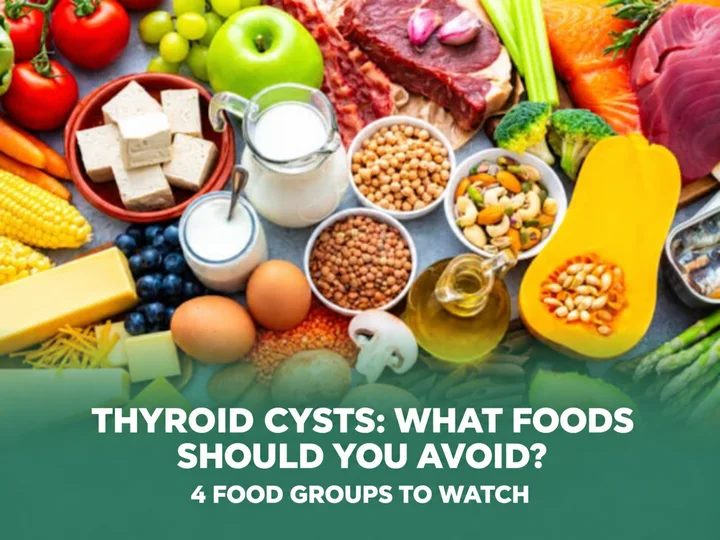
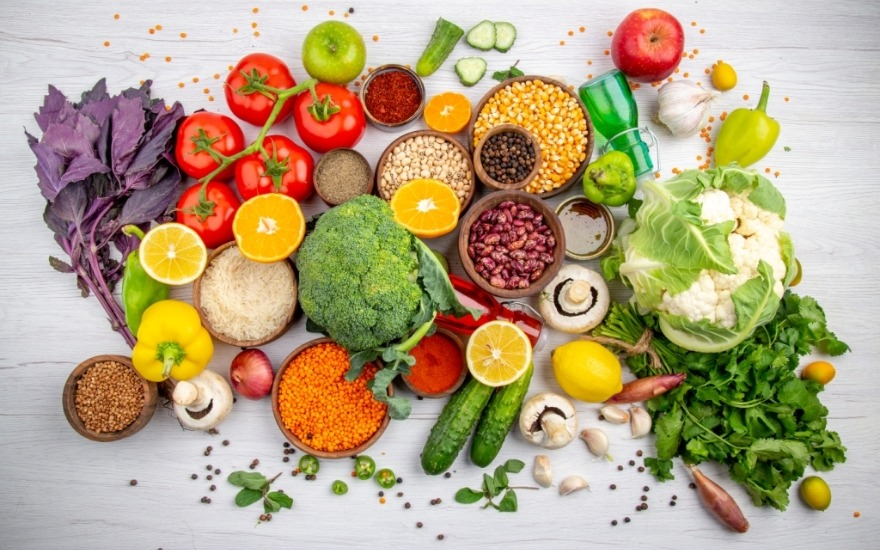
As well as knowing what to avoid, people with thyroid disease also need to know what to eat, so that they can build a science-based diet that supports thyroid function and improves quality of life.
Iodine-rich foods
Iodine is a raw material the thyroid needs to produce hormones. Patients can get iodine from foods such as sea fish, prawns, crab, eggs, milk and iodised salt. However, intake should be tailored to the specific thyroid condition and discussed with a doctor, particularly for people with hyperthyroidism or autoimmune thyroiditis. [7]
Selenium-rich foods
Selenium is a mineral involved in the metabolism of thyroid hormones and helps protect thyroid cells from damage caused by oxidative stress. Selenium-rich foods include tuna, sardines, eggs, poultry, cashew nuts and wholegrains. [8]
Zinc-rich foods
Zinc supports the synthesis of thyroid hormones and the normal functioning of the immune system. Patients can get zinc from lean meat, seafood, pulses, pumpkin seeds and wholegrain cereals. [9]
Protein-rich foods
Protein helps maintain muscle mass, supports metabolism and aids the transport of thyroid hormones in the body. Healthy protein sources include lean meat, fish, eggs, low-fat dairy, beans and nuts. [6]
Foods rich in vitamins and fibre
Vegetables and fruit provide vitamins, minerals, antioxidants and fibre that are essential for overall health. Patients should aim for a variety of leafy greens and fresh fruit to support the immune system and reduce the risk of constipation, a common symptom in people with hypothyroidism. [2]
Omega-3-rich foods
Omega-3 has anti-inflammatory properties, supports heart health and helps reduce the risk of abnormal blood fat levels. Good sources of omega-3 include salmon, mackerel, herring, sardines, flaxseed, chia seeds and walnuts. [10]
3. Diet for people with thyroid disease during pregnancy
Women with thyroid disease who are pregnant need to pay particular attention to their diet, to help keep thyroid function under control and meet the needs of the developing baby. [11]
- Get enough iodine, iron, selenium and zinc from food to support thyroid function and the baby’s development.
- Prioritise healthy foods such as fish, eggs, milk, lean meat, leafy greens and fresh fruit.
- Do not take iodine or other dietary supplements on your own without your doctor’s advice, because both too little and too much iodine can affect the pregnancy.
- Follow the treatment plan and attend regular check-ups so that thyroid function is monitored throughout pregnancy.
A suitable diet is also the answer for pregnant women wondering what to avoid with thyroid disease, helping to protect the health of both mother and baby.

4. Important points on diet and lifestyle for people with thyroid disease
As well as choosing suitable foods, people with thyroid disease need to adopt a healthy lifestyle to help control symptoms and improve treatment outcomes.
Eating and drinking
Maintain a balanced, varied diet that provides all the necessary nutrients. Patients should not restrict their diet excessively on their own, or use supplements, without their doctor’s advice. [12] This is an important principle for anyone looking into which foods to avoid during treatment.
Rest and daily routine
Getting seven to nine hours of sleep a night, keeping a regular routine and doing suitable exercise help the body recover and support stable endocrine function.
Take care with iodine and dietary supplements
Using products containing iodine, selenium or other micronutrients without medical advice can affect thyroid function. Patients should consult their doctor before taking them. In many cases, the doctor will advise specifically on which foods to limit, based on the patient’s condition and overall health.
Taking medication correctly
Certain foods and minerals, such as calcium and iron, can reduce the absorption of thyroid medication. Patients should therefore take their medication exactly as their doctor directs. Besides taking medication correctly, they should also find out which foods to avoid, to limit anything that could affect how well treatment works.
Managing stress and balancing work
Prolonged stress can affect overall health and worsen the symptoms of thyroid disease. Patients should organise their working hours sensibly and make time to relax and rest.
Regular check-ups
Attending follow-up appointments as scheduled allows the doctor to assess thyroid function, monitor how well treatment is working and adjust the diet or medication when necessary.

5. Frequently asked questions: what should people with thyroid disease avoid eating?
Many people wonder what they should avoid eating with thyroid disease, so that they get enough nutrition without affecting thyroid function.
5.1. Can people with thyroid disease drink milk?
Milk is a source of protein and calcium that is good for health. However, according to endocrine specialists, people with thyroid disease should drink milk in reasonable amounts and choose a suitable type. This is because milk contains iodine. If too much is consumed, iodine intake may exceed the recommended level for certain thyroid conditions. In addition, patients taking thyroid hormone medication should ask their doctor when to drink milk, so that it does not affect the absorption of the medication. [4]
5.2. Can people with thyroid disease eat seafood?
Seafood is a source of protein, zinc, selenium and iodine, all of which benefit the body. However, some people with hyperthyroidism, or those whose doctor has advised limiting iodine, need to be careful with seafood that is high in iodine, such as seaweed and other marine algae. [7]
5.3. Do people with thyroid disease need to avoid eggs?
Eggs are rich in protein, vitamins and minerals and can be included in the diet of people with thyroid disease. Eaten in reasonable amounts as part of a balanced diet, eggs do not harm thyroid function. [6]
A sensible diet plays an important role in helping to control thyroid disease and improve treatment outcomes. As well as learning which foods to avoid, patients need to plan a science-based menu, maintain a healthy lifestyle and follow their doctor’s guidance to protect their long-term health.
If you notice signs that may indicate thyroid disease, or need advice on a suitable diet, you should visit Hong Ngoc Phuc Truong Minh General Hospital, where endocrinology specialists can help with effective diagnosis and treatment.
If you are experiencing thyroid problems, do not hesitate to contact Hong Ngoc General Hospital on the hotline 0916 987 366 for prompt support.
Note: The information provided in this Hong Ngoc General Hospital article is for reference only and is not a substitute for medical diagnosis or treatment. To find out your exact condition, you should visit a reputable medical facility, where a doctor can examine you in person and advise on an effective treatment plan.
References:
- National Institute of Diabetes and Digestive and Kidney Diseases - Hashimoto's Disease. https://www.niddk.nih.gov/health-information/endocrine-diseases/hashimotos-disease
- Cleveland Clinic - Thyroid Issue? Here’s What To Eat and What To Avoid. https://health.clevelandclinic.org/thyroid-issues-what-you-need-to-know-about-diet-and-supplements
- American Thyroid Association - Hashimoto’s Thyroiditis (Chronic Lymphocytic Thyroiditis or Autoimmune Thyroiditis). https://www.thyroid.org/hashimotos-thyroiditis/
- Mayo Clinic - Hypothyroidism diet: Can certain foods increase thyroid function? https://www.mayoclinic.org/diseases-conditions/hypothyroidism/expert-answers/hypothyroidism-diet/faq-20058554
- American Heart Association - Sodium. https://www.heart.org/en/healthy-living/healthy-eating/eat-smart/sodium
- British Thyroid Foundation - Diets and supplements for thyroid disorders. https://www.btf-thyroid.org/diets-and-supplements-for-thyroid-disorders
- NIH Office of Dietary Supplements – Iodine Fact Sheet for Consumers. https://ods.od.nih.gov/factsheets/Selenium-Consumer
- National Institutes of Health (NIH) – Selenium Fact Sheet for Consumers. https://ods.od.nih.gov/factsheets/Selenium-Consumer
- National Institutes of Health (NIH) – Zinc Fact Sheet for Consumers. https://ods.od.nih.gov/factsheets/Zinc-Consumer
- American Heart Association - Fish and Omega-3 Fatty Acids. https://www.heart.org/en/healthy-living/healthy-eating/eat-smart/fats/fish-and-omega-3-fatty-acids
- National Institute of Diabetes and Digestive and Kidney Diseases - Thyroid Disease & Pregnancy. https://www.niddk.nih.gov/health-information/endocrine-diseases/pregnancy-thyroid-disease
- National Institute of Diabetes and Digestive and Kidney Diseases - Hypothyroidism (Underactive Thyroid). https://www.niddk.nih.gov/health-information/endocrine-diseases/hypothyroidism