

Most thyroid cysts are benign and do not require immediate treatment. However, many patients remain concerned about which foods to avoid with a thyroid cyst to prevent adverse effects on thyroid function. Alongside monitoring and treatment as advised by a doctor, a balanced diet can support thyroid health and overall well-being. So, which foods should people with thyroid cysts limit, and which should they include in their diet? Read on to learn more with Hong Ngoc General Hospital.
Key points:
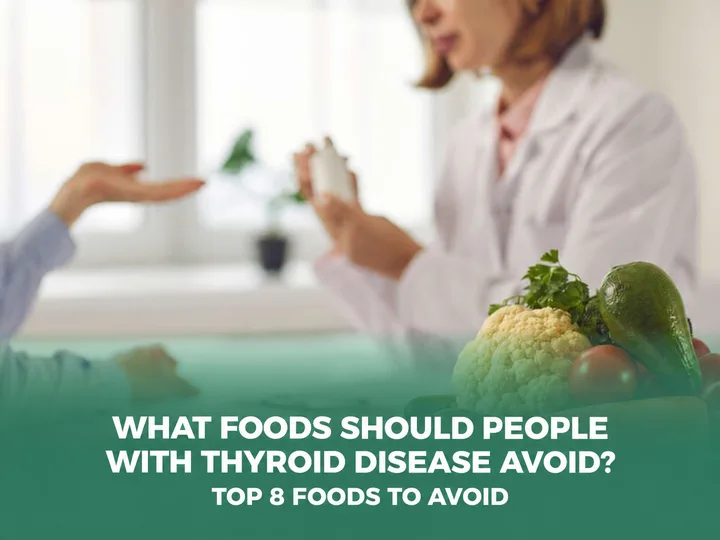
- Certain food groups may need to be limited: These include processed foods, excessive amounts of iodine-rich foods, large quantities of raw vegetables containing goitrogens, soy products, and drinks high in caffeine or alcohol. Dietary restrictions should be based on thyroid function and medical advice.
- A balanced diet supports thyroid and general health: Prioritise fresh, minimally processed foods rich in protein, vitamins, antioxidants, fibre and probiotics.
- Diet cannot make a thyroid cyst disappear: Nutrition plays a supportive role only. Patients still need regular monitoring and treatment when recommended by their doctor.
- A healthy lifestyle supports effective disease management: A balanced diet, adequate hydration, sufficient sleep, appropriate physical activity and regular follow-up can help maintain thyroid health.
- Specialist assessment supports accurate diagnosis and management: A doctor can evaluate the thyroid cyst and recommend an appropriate diet, monitoring schedule or intervention based on the individual patient’s condition.
1. What foods should people with thyroid cysts avoid? Processed foods
Processed foods are often high in salt, sugar, saturated fat and preservatives. Frequent consumption may adversely affect metabolic health and is not recommended for people being monitored for thyroid conditions. Those with thyroid cysts should prioritise fresh foods and limit highly processed products. [1]
Foods to limit include:
- Sausages, cold cuts, bacon and canned foods.
- Fast food such as fried chicken, hamburgers and pizza.
- Foods and drinks high in added sugar, including sweets, fizzy drinks and bubble tea.
- Foods high in saturated and trans fats.

2. Iodine-rich foods - potential effects on thyroid function
Iodine is an essential micronutrient required for thyroid hormone production. However, excessive iodine intake may disrupt thyroid function in some people with thyroid disorders. People with thyroid cysts should therefore avoid excessive consumption of foods or supplements containing high levels of iodine. [2]
Foods and products to consume in moderation include:
- Seaweed.
- Marine algae.
- Seafood with a high iodine content.
- Iodine supplements.
3. Vegetables containing goitrogens - potential effects on iodine utilisation
Certain vegetables contain goitrogens, compounds that may interfere with the thyroid gland’s ability to use iodine when consumed in very large amounts. This effect may be more relevant in people with iodine deficiency, as the thyroid requires iodine to function normally.
Vegetables containing goitrogens can still be included in a balanced diet. Steaming, boiling or cooking them rather than consuming large amounts raw can reduce goitrogenic activity while retaining beneficial vitamins, minerals and antioxidants. [3]
Foods to be mindful of include:
- Cabbage.
- Broccoli.
- Cauliflower.
- Kale.
- Brussels sprouts.
- Mustard greens.
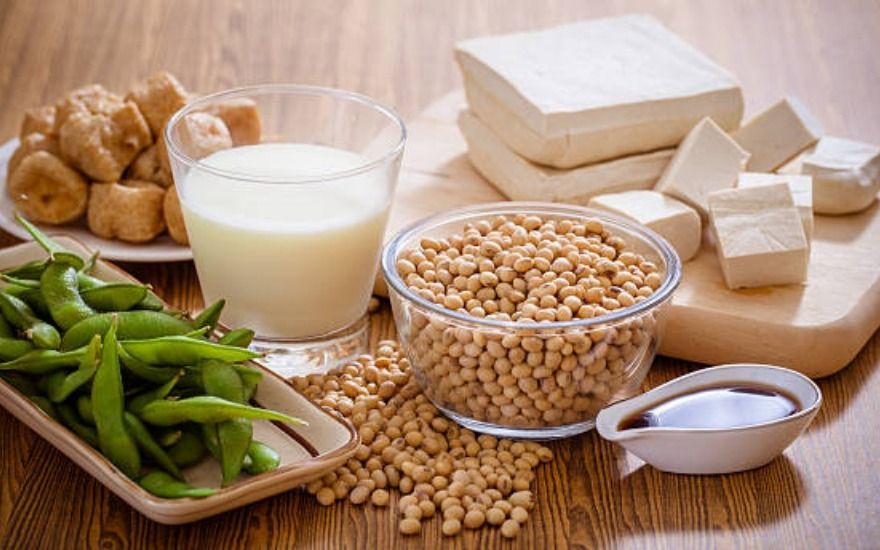
4. Soy products - potential effects on thyroid function
Isoflavones are naturally occurring compounds found in soybeans and soy-based products. They may affect thyroid hormone synthesis, particularly in people with iodine deficiency. Soy may also interfere with the absorption of thyroid hormone replacement medication if consumed too close to the time the medicine is taken.
People with thyroid cysts do not need to avoid soy entirely but should consume soy products in moderation and follow their doctor’s advice, particularly if they are taking thyroid medication. [4]
Soy products to consume in moderation include:
- Soybeans.
- Soy milk.
- Tofu.
- Edamame.
- Soy flour.
- Tempeh.
- Miso.
5. Drinks containing caffeine or alcohol - potential effects on sleep, cardiovascular health and hormonal balance
Excessive consumption of certain drinks may affect sleep quality, cardiovascular health and hormonal balance. People with thyroid cysts do not necessarily need to avoid coffee or tea completely, but they should consume them in moderation and avoid excessive intake of caffeine or alcohol. Drinking enough water each day is also important for maintaining overall health. [5]
Drinks to limit include:
- Alcoholic beverages.
- Energy drinks.
- Strong coffee.
- Strong tea.
- Fizzy drinks.
6. What should people with thyroid cysts eat?
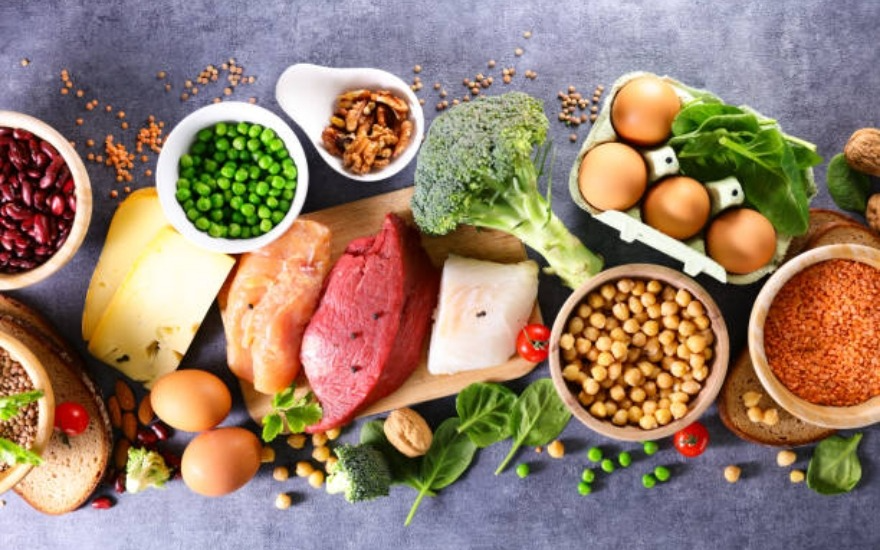
In addition to limiting unsuitable foods, people with thyroid cysts should maintain a balanced and varied diet to support thyroid and overall health. Nutrient-rich foods can help meet the body’s nutritional needs, support immune function and maintain general well-being while the thyroid cyst is being monitored.
6.1. Foods rich in protein and vitamins - supporting thyroid and overall health
Adequate protein, vitamins and minerals are important for normal bodily functions, including thyroid health. People with thyroid cysts should therefore prioritise nutrient-rich, minimally processed foods as part of a balanced diet. [4]
Recommended foods include:
- Fish.
- Eggs.
- Milk and dairy products.
- Lean meat.
- Poultry.
- Beans and pulses.
- Whole grains.
6.2. Antioxidant-rich foods - helping manage inflammation in the body
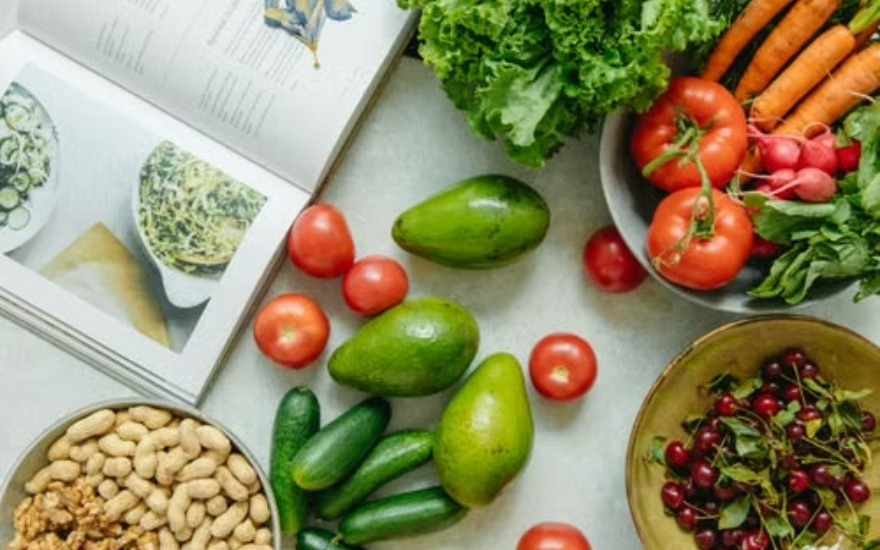
Thyroid cysts are not inflammatory lesions. However, chronic inflammation may affect overall health and endocrine function. Foods rich in antioxidants and naturally occurring anti-inflammatory compounds may help reduce oxidative stress, protect cells and support an environment conducive to healthy thyroid function. [6]
Foods to prioritise include:
- Leafy green vegetables, such as spinach.
- Tomatoes.
- Carrots.
- Bell peppers.
- Berries.
6.3. Foods rich in probiotics and minerals - supporting immune health
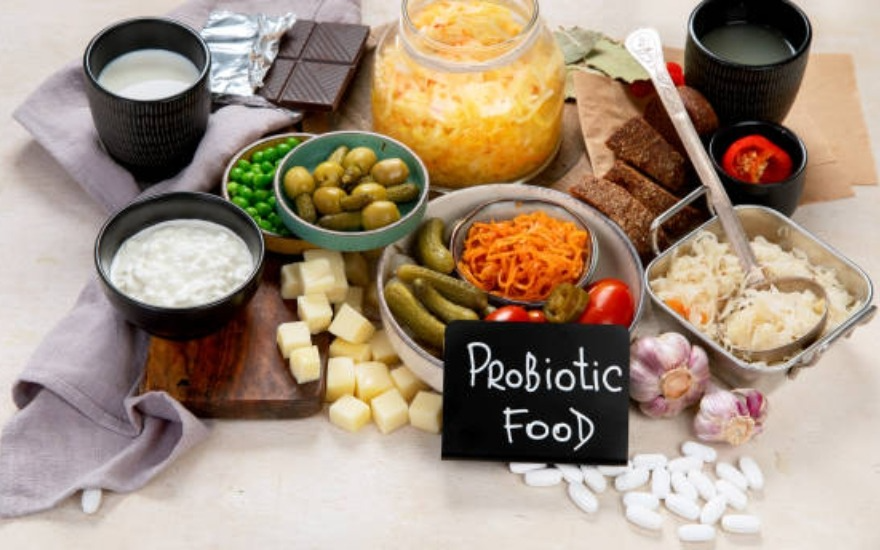
Maintaining a healthy immune system helps the body defend itself against disease and supports overall well-being. People with thyroid cysts should prioritise foods rich in vitamins, minerals and probiotics to support immune function and maintain good general health. [7]
Foods to prioritise include:
- Yoghurt.
- Kefir.
- Oranges, mandarins and grapefruit.
- Kiwi fruit.
- Strawberries.
- Nuts and seeds.
6.4. Foods rich in fibre and complex carbohydrates - supporting a healthy weight
Maintaining a healthy weight supports metabolic and endocrine health. People with thyroid cysts should prioritise foods rich in fibre and complex carbohydrates, which can promote a lasting sense of fullness and help prevent overeating at main meals. [8]
Foods to prioritise include:
- Oats.
- Brown rice.
- Sweet potatoes.
- Beans and pulses.
- Green vegetables.
- Whole grains.
6.5. Natural, low-sugar and minimally processed foods - healthy options between meals
Appropriate snacks can help maintain energy levels between main meals and provide additional nutrients. People with thyroid cysts should choose natural, low-sugar and minimally processed foods instead of sweets or fast food. [9]
Foods to prioritise include:
- Unsweetened yoghurt.
- Almonds.
- Walnuts.
- Unsalted cashews.
- Apples.
- Pears.
- Bananas.
- Berries.
7. Dietary considerations for people with thyroid cysts
In addition to choosing suitable foods, people with thyroid cysts should maintain a balanced diet that provides adequate nutrients. Healthy eating habits can support general well-being and thyroid health.
- Maintain a balanced and varied diet: Include all major food groups, such as protein, carbohydrates, healthy fats, vegetables and fruit. Dietary variety provides essential vitamins and minerals while reducing the risk of nutritional deficiencies. [11]
- Avoid unnecessary or excessive dietary restrictions: Completely eliminating a food group without medical advice may lead to nutritional imbalances. People with thyroid cysts should only limit foods when clinically appropriate and follow dietary guidance tailored to their health needs.
- Maintain an appropriate iodine intake: Iodine is essential for thyroid hormone production. However, patients should neither take iodine supplements nor severely restrict iodine without medical advice. Intake should be adjusted according to recommendations from a qualified healthcare professional. [12]
- Prioritise fresh foods and limit processed products: Fresh foods generally provide more naturally occurring nutrients and contain fewer preservatives than highly processed products, supporting long-term health. [11]
- Stay adequately hydrated: Water supports many metabolic processes and helps the body’s organs function normally. Adults should drink according to their individual needs while limiting sugary or highly caffeinated drinks. [12]
- Combine a balanced diet with a healthy lifestyle: Alongside good nutrition, people with thyroid cysts should get sufficient sleep, remain appropriately active and attend regular follow-up appointments as advised by their doctor.

8. Frequently asked questions about diet and thyroid cysts
8.1. Do people with thyroid cysts need additional vitamins or minerals?
In most cases, people with thyroid cysts can meet their vitamin and mineral requirements through a balanced and varied diet. Taking high-dose vitamin or mineral supplements without medical advice is not recommended, as excessive amounts of certain nutrients, particularly iodine, may affect thyroid function. [13]
8.2. Is a special diet required after thyroid cyst aspiration?
A special diet is generally not required after thyroid cyst aspiration. However, if the neck remains uncomfortable, patients may prefer soft, easy-to-swallow foods during the first one or two days. Maintaining a healthy, balanced diet can also support recovery. [14]
Diet cannot make a thyroid cyst disappear. However, appropriate food choices and a healthy lifestyle can support thyroid function and overall well-being. In addition to making suitable dietary adjustments, people concerned about which foods to avoid with a thyroid cyst should attend regular follow-up appointments so that any changes in the cyst can be assessed and managed promptly when necessary.
Anyone who discovers a thyroid cyst or develops symptoms such as a lump in the neck, difficulty swallowing, persistent hoarseness or a sensation of pressure in the neck should visit Hong Ngoc General Hospital for timely assessment and treatment by an endocrinologist.
If you have concerns about your thyroid health, please contact Hong Ngoc General Hospital on 0916 987 366 for timely assistance.
Medical disclaimer: The information provided in this article by Hong Ngoc General Hospital is for general reference only and does not replace professional medical diagnosis or treatment. For an accurate assessment, patients should visit a reputable healthcare facility for an in-person examination and an appropriate treatment plan recommended by a qualified doctor.
References:
- Health - 5 Foods That Support Thyroid Health, Plus What To Avoid. https://www.health.com/food/the-best-and-worst-foods-for-your-thyroid
- American Thyroid Association - Iodine Deficiency. https://www.thyroid.org/category/iodine-deficiency/
- Britannica - goitrogen. https://www.britannica.com/science/goitrogen
- British Thyroid Foundation - Diets and supplements for thyroid disorders. https://www.btf-thyroid.org/diets-and-supplements-for-thyroid-disorders
- American Thyroid Association - Thyroid Nodules. https://www.thyroid.org/thyroid-nodules/
- Harvard TH.CHAN - The Nutrition Source - Antioxidants. https://nutritionsource.hsph.harvard.edu/antioxidants/
- Harvard Health Publishing - How to boost your immune system. https://www.health.harvard.edu/healthy-aging-and-longevity/how-to-boost-your-immune-system
- Harvard TH.CHAN - The Nutrition Source - Healthy Weight. https://nutritionsource.hsph.harvard.edu/healthy-weight/
- NHS - How to eat a balanced diet. https://www.nhs.uk/live-well/eat-well/how-to-eat-a-balanced-diet/
- Mayo Clinic - Thyroid nodules. https://www.mayoclinic.org/diseases-conditions/thyroid-nodules/symptoms-causes/syc-20355262
- Harvard TH.CHAN - The Nutrition Source - Healthy Eating Plate. https://nutritionsource.hsph.harvard.edu/healthy-eating-plate/
- NHS - Eat well - https://www.nhs.uk/live-well/eat-well/
- American Thyroid Association – Complementary and Alternative Medicine (CAM) in Thyroid Disease. https://www.thyroid.org/thyroid-disease-cam/
- American Thyroid Association - Fine Needle Aspiration Biopsy of Thyroid Nodules. https://www.thyroid.org/fna-thyroid-nodules/