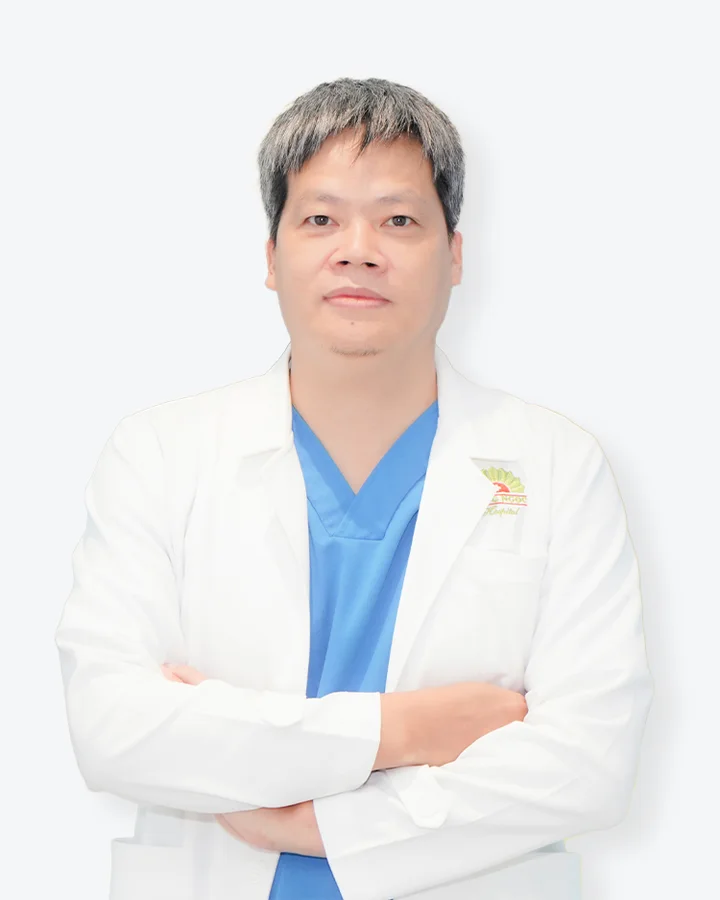


Medical review: Dao Duc Phong, MD, MSc – Department of Endocrinology, Hong Ngoc Phuc Truong Minh General Hospital
The thyroid is an important endocrine gland located at the front of the neck. It produces hormones such as T3 and T4, which regulate metabolism, heart rate and many other essential bodily functions. Thyroid abnormalities, including benign thyroid nodules, may affect thyroid function and overall health if they are not promptly monitored. So, are thyroid diseases contagious? What causes them, and how are they treated? Read on to find out.
Key points:
- Thyroid diseases are not infectious and cannot spread through physical contact, food, drink or everyday activities.
- Some forms of thyroid cancer have a hereditary component, meaning people with an affected family member may face a higher risk. However, this involves inherited genetic changes or risk factors, not person-to-person transmission.
- Thyroid diseases have a wide range of causes, including immune system disorders, iodine deficiency or excess, genetic factors, hormonal changes, prolonged stress, medication side effects and radiation exposure.
- Common thyroid disorders include hypothyroidism, hyperthyroidism, thyroiditis, Graves’ disease, Hashimoto’s thyroiditis, goitre, thyroid nodules and thyroid cancer. Each condition has different symptoms and health effects.
- Many thyroid disorders can be effectively managed when detected early and treated appropriately. Thyroid cancer also generally has a favourable prognosis when diagnosed and treated promptly.
- Seek medical advice promptly if you notice unusual symptoms, such as a lump in the neck, a rapid heartbeat, hand tremors, unexplained weight loss or gain, persistent fatigue or hoarseness.
1. What is thyroid disease? What causes it?
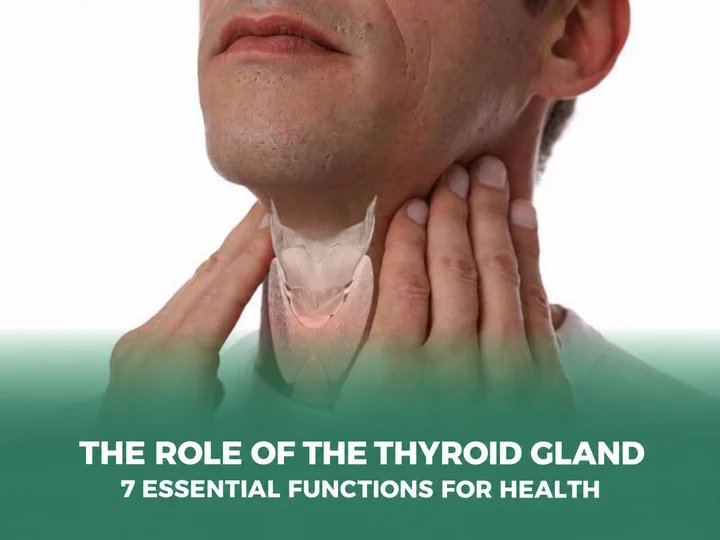
The thyroid is a butterfly-shaped endocrine gland located at the front of the neck, below the thyroid cartilage. It consists of two lobes connected by a narrow bridge of tissue called the isthmus. The gland produces T4 (thyroxine) and T3 (triiodothyronine), which help regulate metabolism and cardiovascular and nervous system function, as well as calcitonin, which contributes to calcium regulation.
Thyroid disease is a broad term encompassing structural abnormalities, such as goitre, thyroid nodules and cancer, as well as functional disorders, including hyperthyroidism and hypothyroidism. When thyroid function becomes disrupted, the gland may produce too much or too little hormone, affecting multiple systems throughout the body.
Thyroid disorders can have many different causes. The most common factors include:
- Immune system disorders: These are common causes of thyroid disease, particularly Graves’ disease, which causes hyperthyroidism, and Hashimoto’s thyroiditis. When the immune system malfunctions, it may attack the thyroid gland, leading to increased or reduced hormone production.
- Iodine deficiency or excess: Iodine is an essential micronutrient required for thyroid hormone production. Prolonged iodine deficiency can cause goitre and hypothyroidism. Conversely, excessive iodine intake may trigger abnormal thyroid activity in some susceptible individuals.
- Genetic factors: People with a parent or sibling who has thyroid disease may face a higher-than-average risk. This familial association sometimes leads people to wonder whether thyroid disease is contagious. Genetic susceptibility is commonly associated with autoimmune thyroid disorders such as Graves’ disease and Hashimoto’s thyroiditis, but these conditions are not infectious.
- Hormonal changes: Hormonal changes during pregnancy, after childbirth, perimenopause and menopause may affect thyroid function. This is one reason thyroid disorders are more common in women than in men.
- Prolonged stress and unhealthy lifestyle habits: Persistent stress, staying up late, insufficient sleep, smoking and an unhealthy diet may affect immune function and thyroid health, particularly in susceptible individuals.
- Exposure to radiation or harmful chemicals: People who have undergone radiotherapy to the head or neck or experienced regular radiation exposure may face a higher risk of thyroid nodules or thyroid cancer. Certain environmental chemicals may also interfere with thyroid function.
- Side effects of certain medications: Some medicines used to treat cardiovascular or psychiatric conditions, including lithium and the iodine-rich medication amiodarone, may disrupt thyroid hormone production, particularly with prolonged use.
- Viral or bacterial thyroiditis: In some cases, thyroiditis may develop following a viral or bacterial infection. This can temporarily damage the thyroid gland and cause abnormal fluctuations in thyroid hormone levels.

2. Common thyroid disorders
The thyroid gland can be affected by various conditions. The most common include:
- Thyroiditis: This common condition can result from several causes, including infection and autoimmune reactions. Symptoms may include pain and swelling in the neck, fever, fatigue and, in more severe cases, difficulty breathing.
- Hypothyroidism: This condition occurs when the thyroid gland does not produce enough hormones. Common symptoms include fatigue, weight gain, dry or thinning hair, dry skin and constipation.
- Hyperthyroidism: This condition occurs when the thyroid gland produces excessive amounts of thyroid hormones. Symptoms may include weight loss, sleep disturbances, a rapid heartbeat, excessive sweating and anxiety.
- Thyroid cysts: These are fluid-filled lesions within the thyroid gland. Most do not produce hormones and may cause no symptoms. Some nodules with cystic components may be hormonally active and cause symptoms of hyperthyroidism. Most benign thyroid nodules grow slowly, cause few symptoms and are detected incidentally during a routine health examination or thyroid ultrasound.
- Hashimoto’s thyroiditis: This autoimmune disorder occurs when the immune system attacks the thyroid gland, commonly leading to hypothyroidism. Patients may experience fatigue, weight gain, dry or thinning hair, dry skin and sleep disturbances.
- Graves’ disease: Graves’ disease is an autoimmune condition that causes hyperthyroidism. Common symptoms include a rapid heartbeat, hand tremors and weight loss despite a normal or increased appetite. Some patients may also develop prominent or bulging eyes.
- Goitre: A goitre is an abnormal enlargement of the thyroid gland. It may result from iodine deficiency, thyroid dysfunction or thyroid nodules. Patients may notice swelling in the neck, difficulty swallowing or hoarseness. Benign thyroid nodules often cause no obvious symptoms in their early stages. As a nodule grows, it may cause a sensation of pressure in the neck, difficulty swallowing or a palpable lump.
- Thyroid cancer: Thyroid cancer develops when cells within the thyroid gland grow abnormally and uncontrollably. It may present as a lump in the neck, persistent hoarseness or difficulty swallowing. When detected early, most thyroid cancers have a favourable prognosis.
During an examination, doctors commonly use ultrasound to assess the imaging characteristics of benign thyroid nodules, distinguish them from lesions suspected of malignancy and determine an appropriate monitoring or treatment plan.

3. Are thyroid diseases contagious?
Addressing the question of whether thyroid disease is contagious, Dao Duc Phong, MD, MSc, Head of the Department of Endocrinology at Hong Ngoc General Hospital, confirms that thyroid disorders such as goitre, thyroiditis, hypothyroidism and thyroid cancer are not contagious.
Most thyroid disorders are associated with immune system dysfunction, genetic factors, iodine deficiency or excess, and hormonal disturbances. They are not caused by pathogens that ordinarily spread between people and therefore cannot be transmitted through physical contact, shared food or drink, or everyday activities. Although certain viral or bacterial infections may trigger some forms of thyroiditis, the resulting thyroid disorder itself is generally not contagious.
Dr Phong notes that certain types of thyroid cancer can have a hereditary component. If a person carries a genetic variant associated with hereditary thyroid cancer, it may be passed on to subsequent generations. This represents inherited susceptibility rather than person-to-person transmission.
When several members of the same family develop thyroid cancer, shared environmental exposures, dietary patterns and lifestyle factors may also contribute. Family members may also have similar susceptibility to certain risk factors.

4. Important considerations when treating thyroid disorders
People undergoing treatment for thyroid disease should follow several important recommendations to help achieve better outcomes:
- Take medication at the prescribed dose and time: This is particularly important for patients with hypothyroidism or hyperthyroidism. Taking medication exactly as prescribed helps maintain its effectiveness and reduces the risk of adverse effects.
- Monitor thyroid hormone levels regularly: Patients should undergo regular blood tests to monitor thyroid function. If hormone levels become too high or too low, the doctor may adjust the medication dosage to maintain effective disease control.
- Maintain a balanced diet and suitable exercise routine: A nutritious diet, appropriate iodine intake and regular physical activity can support overall health. Patients should avoid taking iodine supplements without medical advice, as iodine requirements vary according to the thyroid condition.
- Watch for symptoms and side effects: During treatment, patients should report unusual symptoms such as a rapid heartbeat, persistent fatigue, hand tremors or unexplained weight gain so that their doctor can review and adjust the treatment plan when necessary.
- Do not change the medication dosage without medical advice: Increasing or reducing the dose, or stopping treatment without consulting a doctor, may destabilise thyroid hormone levels, worsen the condition and cause serious health problems. Medication should only be changed under the guidance of an endocrinologist.

5. Hong Ngoc General Hospital - a trusted provider of thyroid care in Hanoi
With a strong focus on the diagnosis and treatment of endocrine disorders, the Department of Endocrinology at Hong Ngoc General Hospital is trusted by patients seeking care for thyroid conditions such as hypothyroidism, hyperthyroidism, Graves’ disease, thyroid nodules and thyroid cancer. The hospital combines an experienced medical team with advanced technology to improve diagnostic accuracy and optimise treatment outcomes.
- Experienced endocrinologists: Doctors provide examinations and personalised consultations, explain the possible causes and hereditary risks of thyroid disorders, and advise patients on effective long-term disease management.
- Advanced diagnostic technology: The hospital provides a comprehensive range of thyroid investigations, including thyroid function tests such as TSH, FT3 and FT4, thyroid ultrasound, thyroid nodule assessment and fine-needle aspiration cytology when clinically indicated. These diagnostic methods allow doctors to evaluate benign thyroid nodules, determine their size and imaging characteristics, and recommend monitoring or intervention when necessary.
- Individualised treatment plans: Endocrinologists develop treatment plans tailored to each patient’s condition, including hyperthyroidism, hypothyroidism and thyroiditis, helping control the disease and reduce the risk of long-term complications.
- Comprehensive monitoring and disease management: Patients receive regular follow-up to monitor thyroid hormone levels, adjust medication when needed and obtain dietary and lifestyle guidance to support treatment.
- Modern healthcare environment: The hospital’s hospital–hospitality model provides patients with a comfortable environment throughout consultations, treatment and long-term follow-up.

6. Frequently asked questions about whether thyroid diseases are contagious
6.1. Can thyroid diseases spread through physical contact or shared food?
Thyroid disorders such as hypothyroidism, hyperthyroidism, goitre, thyroiditis and thyroid cancer are primarily associated with immune system dysfunction, genetic susceptibility, iodine deficiency or excess, and hormonal factors. They are not infectious and cannot spread through physical contact, shared food or drink, personal items or everyday interactions with an affected person.
6.2. Can thyroid diseases be cured?
Treatment outcomes depend on the specific condition and its severity. Many thyroid disorders, including hyperthyroidism, hypothyroidism and thyroiditis, can be effectively treated or controlled with medication and regular monitoring. When thyroid cancer is detected early and treated appropriately, patients generally have an excellent prognosis and a high long-term survival rate.
6.3. What are the symptoms of a benign thyroid nodule?
Benign thyroid nodules often cause few or no noticeable symptoms. Patients may only discover a lump in the neck while looking in a mirror or during a routine health examination. As a nodule grows, it may cause difficulty swallowing, hoarseness or discomfort in the neck.
In addition to clinical symptoms, the ultrasound characteristics of a benign thyroid nodule provide important information that helps doctors assess its risk, recommend monitoring or order further investigations when necessary.
This article has answered the question: “Are thyroid diseases contagious?” Thyroid diseases are not infectious and cannot spread from person to person through physical contact, shared food or drink, or everyday activities. However, anyone who develops unusual symptoms such as a lump in the neck, unexplained weight loss or gain, or persistent fatigue should seek medical assessment for timely diagnosis and treatment. With experienced endocrinologists and advanced diagnostic technology, Hong Ngoc General Hospital is a trusted provider of comprehensive thyroid care.
If you have concerns about your thyroid health, please contact Hong Ngoc General Hospital on 0916 987 366 for timely assistance.
Medical disclaimer: The information provided in this article by Hong Ngoc General Hospital is for general reference only and does not replace professional medical diagnosis or treatment. For an accurate assessment, patients should visit a reputable healthcare facility for an in-person examination and an appropriate treatment plan recommended by a qualified doctor.