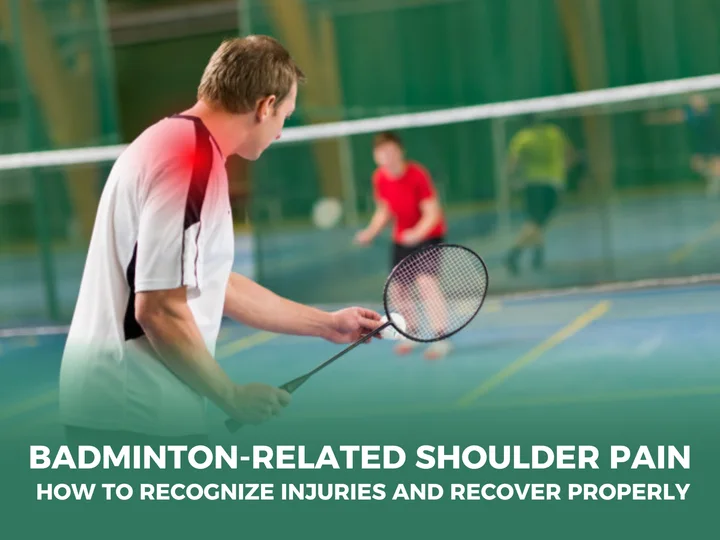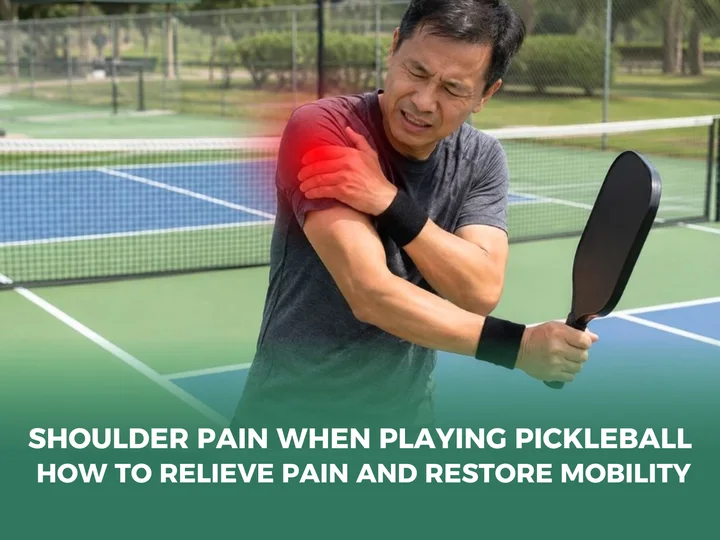



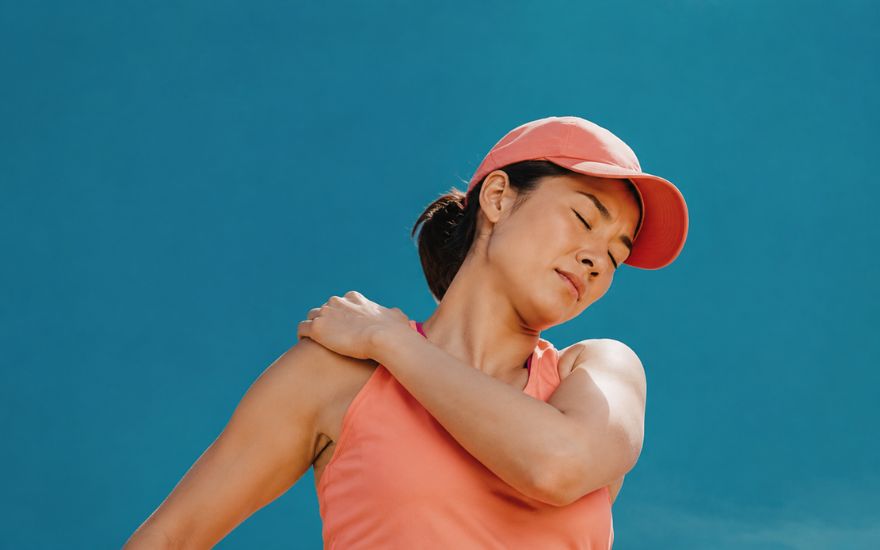
Sports-related rotator cuff tears can occur after a fall, a forceful arm swing or repetitive overhead movements in sports such as tennis, badminton, volleyball, swimming or weight training. Patients with this injury may experience pain when raising or rotating the arm, shoulder weakness and difficulty performing movements they could previously do.
If pain develops suddenly after an injury, accompanied by difficulty raising the arm or noticeable shoulder weakness, players should stop activity and seek medical evaluation.
Medical consultation: Hoang Van Ban, MSc, MD, Department of Orthopaedics, Trauma Surgery and Neurosurgery, Hong Ngoc Phuc Truong Minh General Hospital.
Medical disclaimer: The information provided in this article is for reference purposes only and does not replace medical examination, diagnosis or treatment by a physician. Patients experiencing shoulder pain after an injury should not self-medicate for prolonged periods or continue activities that worsen the pain.
If the shoulder becomes significantly swollen, deformed, severely painful, or is accompanied by marked arm weakness, numbness radiating down the arm or persistent movement limitations, patients should seek medical evaluation at a healthcare facility for timely diagnosis and treatment.
What are sports-related rotator cuff tears?
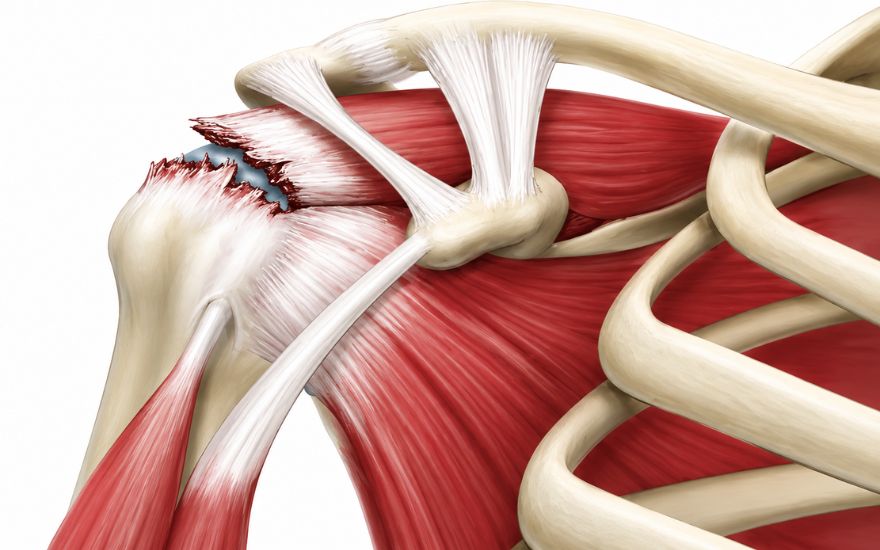
A rotator cuff tear is a condition in which one or more tendons of the rotator cuff are partially or completely torn. The rotator cuff consists of four muscles and their tendons surrounding the upper end of the humerus, helping stabilize the shoulder joint during arm elevation, shoulder rotation and overhead movements.
In sports, rotator cuff tendons can be injured following falls onto an outstretched hand, direct impact to the shoulder, heavy weightlifting or forceful arm movements. These injuries may develop from repetitive motions such as serving, smashing, volleyball spikes or swimming, especially when training frequency or intensity is increased too quickly.
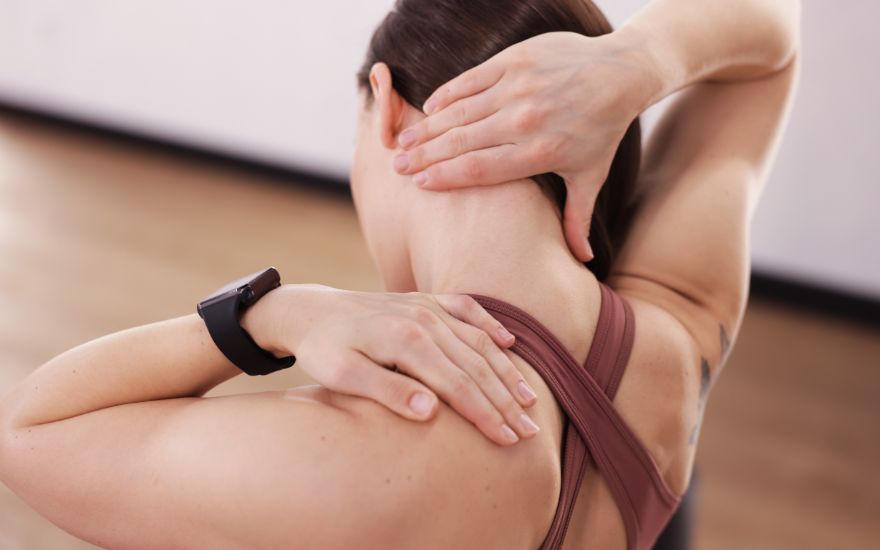
Signs of rotator cuff tears in sports players
Pain during arm elevation and a feeling of shoulder weakness are common symptoms of rotator cuff tears. The pain is often concentrated at the front or outer side of the shoulder and may sometimes extend down the upper arm. Players may experience increased pain during smashes, serves, swimming, weightlifting or reaching for objects overhead.
Common signs to watch for include:
- Pain when raising, lowering or rotating the arm.
- Shoulder weakness compared with before, with difficulty lifting or holding objects.
- Difficulty raising the arm overhead during sports activities.
- Increased pain at night or when lying on the affected shoulder.
- Difficulty putting on clothes, combing hair or reaching for objects overhead.
- A catching sensation or clicking sounds during shoulder movement.
When a tendon tear occurs after a clear injury, pain usually appears suddenly and arm strength may decrease significantly. For tears that develop gradually, players may initially experience pain only during intense activities, followed by increasing symptoms that begin to affect daily activities.
Does shoulder pain after playing sports always mean a rotator cuff tear?
Not all cases of shoulder pain after sports activities are caused by rotator cuff tears. The muscles around the shoulder can become sore after intense training sessions or when players recently change their exercise routines. Other conditions, such as tendinitis, bursitis or injuries to the shoulder labrum, can also cause pain during arm elevation or rotation.
Players should pay attention if pain is localized to the shoulder, repeatedly occurs during the same movement or does not improve despite rest. Pain accompanied by reduced arm strength, difficulty raising the arm or increased pain at night are signs that require early medical evaluation.
Patients should seek medical evaluation to identify the underlying cause rather than continue training without knowing the exact condition affecting the shoulder.

Are sports-related rotator cuff tears serious?
Persistent rotator cuff tears can cause shoulder pain, weakness and limited mobility. For athletes involved in sports such as tennis, badminton, volleyball or swimming, this injury can make movements such as serving, smashing or raising the arm overhead more difficult. Reduced shoulder function may also affect daily activities, including putting on clothes or reaching for objects overhead.
The impact of a rotator cuff tear depends on the location, size of the tear and the extent of tendon damage. Some cases may improve with activity modification and rehabilitation exercises. Patients with large tears, significant shoulder weakness or persistent pain should seek medical evaluation to determine the appropriate treatment approach.

When should athletes seek medical evaluation?
Players should seek medical evaluation if shoulder pain persists despite reducing training, occurs frequently at night or if shoulder strength gradually decreases. After a fall, impact or forceful movement, early assessment is recommended if the player has difficulty raising the arm or can no longer perform movements as before.
Medical evaluation should be sought sooner if the following signs appear:
- Severe pain or rapidly worsening pain after an injury.
- Difficulty or inability to actively raise the arm.
- Significant shoulder swelling or deformity.
- Arm numbness, coldness or reduced sensation.
- Noticeable weakness in one shoulder compared with the other.
These signs may occur in cases of dislocation, fracture or nerve injury. Therefore, players should not assume they have a rotator cuff tear based solely on symptoms.
How are sports-related rotator cuff tears treated?
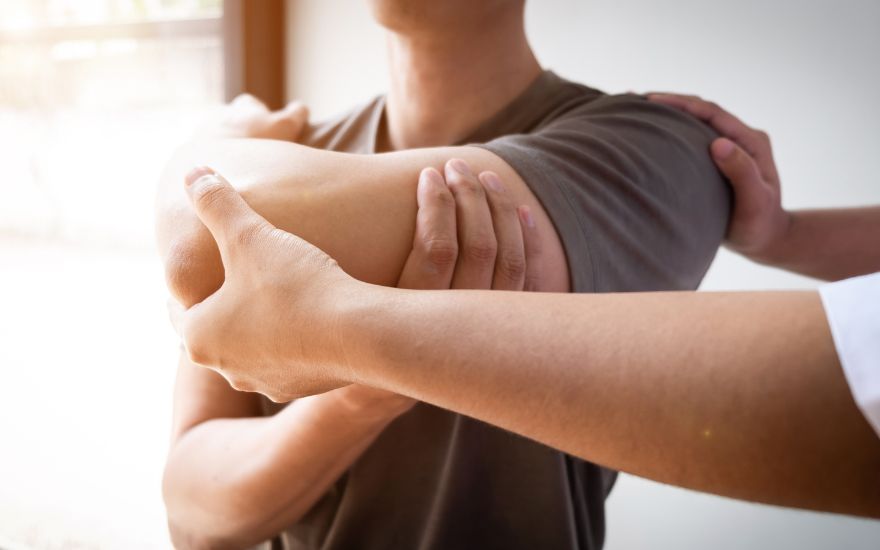
Treatment for rotator cuff tears depends on the severity of the injury and the shoulder’s functional ability. Depending on each case, patients may receive conservative treatment, rehabilitation or surgery when indicated.
Non-surgical treatment
For small rotator cuff tears or cases where shoulder function remains relatively preserved, patients may begin with reducing activities that trigger pain. Serving, smashing, swimming or overhead weightlifting should be temporarily avoided if these movements worsen symptoms. Pain relievers or anti-inflammatory medications may be used when indicated.
Rehabilitation helps gradually restore shoulder mobility and strength. Patients usually begin with gentle exercises, then progressively increase training for the shoulder and scapular muscles based on their recovery response. Players should not continue training through increasing pain or advance exercise intensity before the shoulder has adequately recovered.
When is surgery needed?
Surgery may be considered when the tear causes shoulder weakness, significantly affects daily activities or sports performance, and does not improve with conservative treatment. Large tears or tears caused by significant trauma require careful evaluation to determine the appropriate management approach.
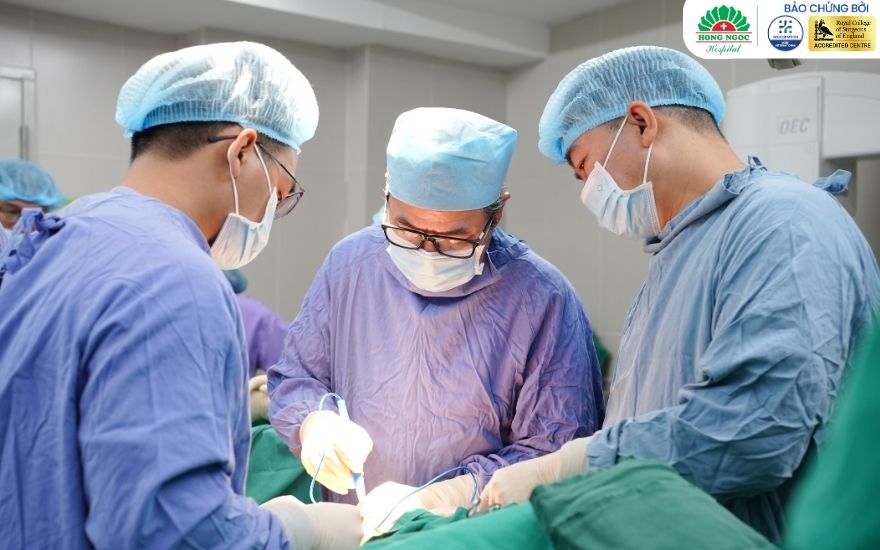
When surgery is indicated, physicians may perform shoulder arthroscopy to assess and repair the damaged tendon. After surgery, patients need a staged rehabilitation program to protect the repaired tendon and gradually restore shoulder function.
When can patients return to sports?
Patients with rotator cuff tears can return to sports when shoulder mobility has been restored, strength has sufficiently recovered and higher-intensity exercises no longer increase pain. The timing of return to sports should be based on the shoulder’s actual functional recovery rather than simply the number of days of rest or the degree of pain reduction.
Before resuming training, patients should ensure that the shoulder moves well and that there is no pain when raising the arm, rotating the shoulder or performing movements requiring greater force. After surgery, returning to sports usually takes longer because the repaired tendon requires sufficient time to heal and regain strength.
If shoulder pain returns as training intensity increases, players should reduce activity levels and seek medical evaluation for reassessment.
How can sports-related rotator cuff tears be prevented?
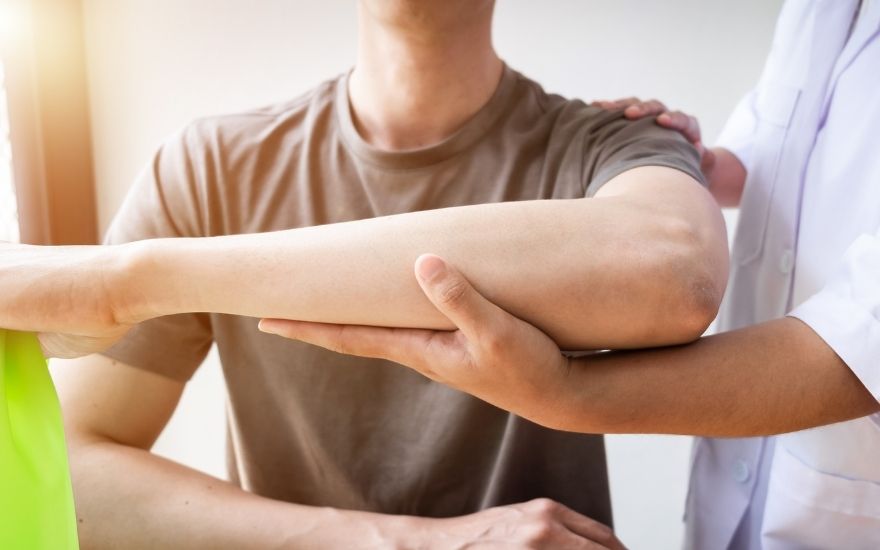
Players should gradually increase training frequency, duration and intensity to allow the shoulder to adapt to physical demands. After a long period of inactivity, training should be resumed at a lower intensity and increased gradually. Proper warm-up and correct technique also help reduce stress on the rotator cuff tendons during activity.
Strengthening exercises for the muscles around the shoulder and scapula can improve shoulder stability during arm elevation, rotation and swinging movements. If unusual shoulder pain occurs, players should reduce training intensity or temporarily stop movements that trigger symptoms. When pain repeatedly returns or shoulder strength decreases, medical evaluation is recommended to assess potential injuries.
Diagnosis and treatment of sports-related rotator cuff tears at Hong Ngoc General Hospital
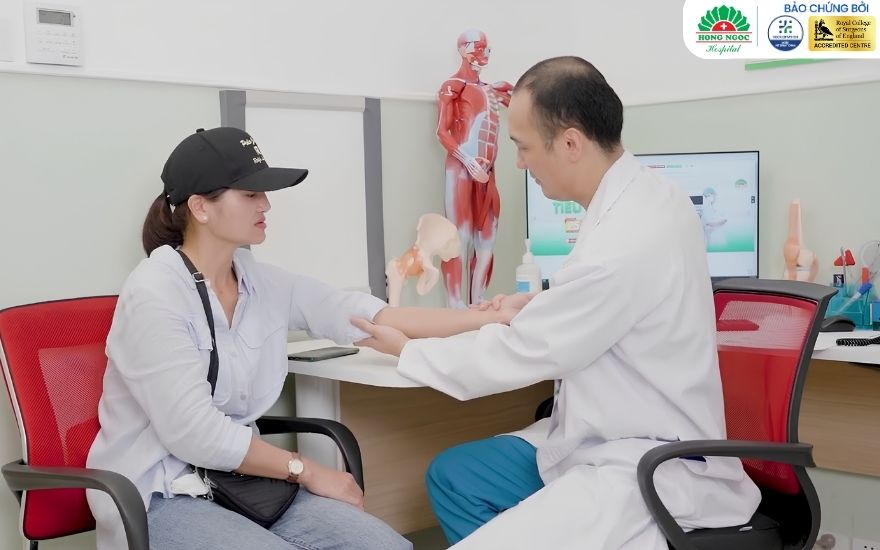
Rotator cuff tears not only cause pain but can also reduce shoulder strength and flexibility, making it difficult for players to return to their preferred sports. At the Department of Orthopaedics, Trauma Surgery and Neurosurgery, Hong Ngoc Phuc Truong Minh General Hospital, physicians evaluate the extent of injury, shoulder mobility, strength and frequently performed movements. These assessments provide a basis for developing treatment plans tailored to each patient’s condition and activity goals.
The hospital provides conservative treatment, rehabilitation and shoulder arthroscopic surgery when indicated. Treatment aims to reduce shoulder pain, restore range of motion, improve strength and minimize the risk of recurrence during sports activities. Throughout the rehabilitation process, patients receive guidance from rehabilitation specialists through each stage, from daily activities to sport-specific movements, helping them gradually return to safe physical activity.
Frequently asked questions about sports-related rotator cuff tears
Can people with rotator cuff tears still raise their arms?
People with rotator cuff tears may still be able to raise their arms, but the movement can become more painful, weaker or more difficult than before. Therefore, being able to raise the arm alone does not rule out tendon injury.
Does a rotator cuff tear always require surgery?
Many patients can reduce pain and improve shoulder function through activity modification combined with rehabilitation. If the shoulder does not improve as expected after this process, physicians may consider surgery, especially when significant weakness or movement limitations remain.
Can I return to sports immediately once shoulder pain disappears?
Returning to sports immediately after pain subsides is not recommended. The shoulder needs to regain mobility, arm strength and the ability to perform sport-specific movements without triggering pain again. Players should gradually increase training intensity before returning to their previous level of activity.
Conclusion
Sports-related rotator cuff tears are often associated with trauma or repetitive overhead movements. Players should pay attention to symptoms such as pain during arm elevation, worsening pain at night, shoulder weakness or difficulty performing familiar movements.
If pain develops suddenly after an injury, accompanied by difficulty raising the arm or reduced arm strength, players should seek medical evaluation to identify the underlying cause. Appropriate treatment and gradual rehabilitation can help improve shoulder function, restore strength and support a safe return to sports.
References
- American Academy of Orthopaedic Surgeons (AAOS). Management of Rotator Cuff Injuries – Evidence-Based Clinical Practice Guideline, 2025.Xem hướng dẫn AAOS 2025
- American Academy of Orthopaedic Surgeons – OrthoInfo. Rotator Cuff Tears.Xem tài liệu AAOS OrthoInfo
- American College of Radiology. ACR Appropriateness Criteria® – Acute Shoulder Pain, Revised 2024.Xem hướng dẫn ACR
- Migliorini F, et al. Patient outcomes and return to play after arthroscopic rotator cuff repair in overhead athletes: a systematic review. PubMed.Xem nghiên cứu trên PubMed