The unpredictable weather during seasonal changes, with alternating rain and sunshine and increased humidity, creates favorable conditions for the growth of bacteria and viruses. Children are particularly vulnerable to these pathogens, especially those that cause respiratory infections. Among them, bronchiolitis is one of the most common illnesses and can lead to serious complications if not detected and treated promptly.
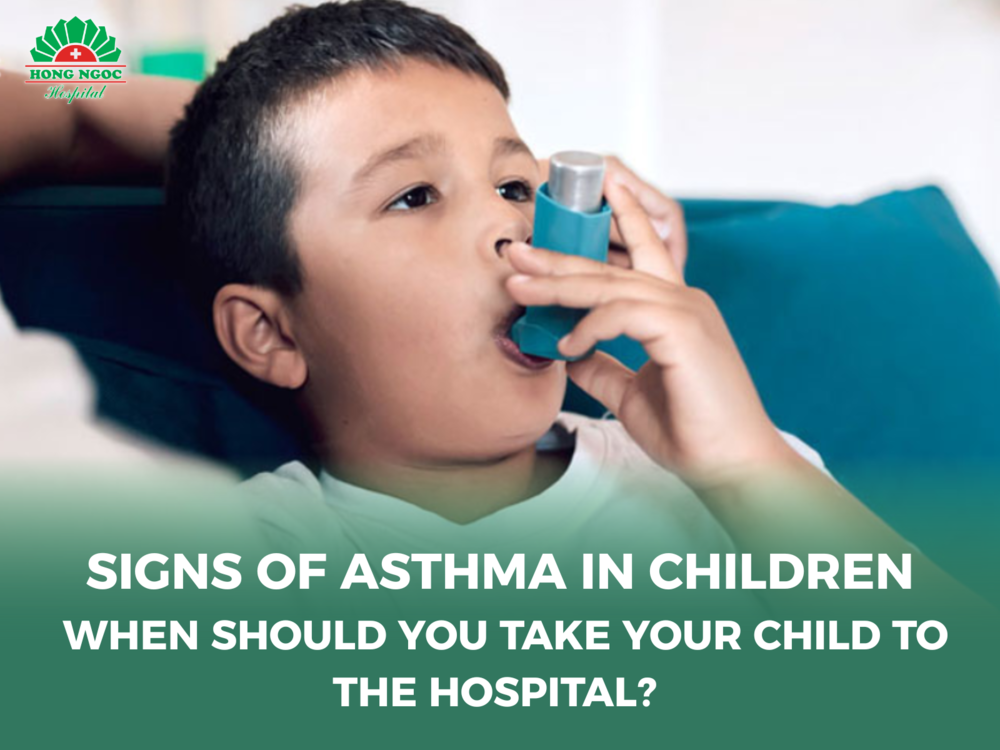
Early recognition of asthma symptoms in children plays a crucial role in disease control and in preventing dangerous complications. As a chronic respiratory condition, asthma is often prolonged and difficult to cure completely, significantly affecting children’s overall respiratory function. To achieve effective disease management, parents need to clearly understand what the signs of asthma in children are.
Chronic hypertrophic tonsillitis in children is a condition in which the tonsils remain persistently enlarged, leading to airway obstruction, difficulty swallowing, and impaired growth and development. The main causes include recurrent infections, allergic predisposition, or weakened immunity. Treatment focuses on controlling infection, relieving symptoms, and considering surgical intervention if the condition significantly affects the child’s health.
Pneumonia in newborns often presents with subtle or nonspecific symptoms. Therefore, parents should pay close attention to any unusual signs, ensure early medical evaluation, and take advantage of the “golden window” for treatment. Prompt diagnosis and timely care not only maximize safety for the infant but also help minimize long-term complications that could affect healthy growth and development.
Bronchitis in neonates can progress rapidly, as infants in the early stages of life have an immature immune system and underdeveloped respiratory musculature. Parents should be vigilant for the following signs in order to ensure early detection and timely medical intervention from the onset of the disease.
Acute bronchial asthma is a sudden exacerbation of asthma that causes severe shortness of breath, wheezing, and carries a high risk of respiratory failure if not managed promptly. An attack may be triggered after a child is exposed to irritants such as dust, animal dander, cold weather, or viral infections. Early recognition of symptoms and appropriate management at home play a crucial role in reducing the risk of serious complications.
Lorem ipsum dolor
Lorem ipsum dolor sit amet, consectetur adipiscing elit. Mauris odio lectus, pretium faucibus nisi eu, accumsan consectetur orci. In blandit vehicula nisl, vel lacinia ligula finibus a. Donec fermentum rhoncus