




Patellar fracture is a serious traumatic injury, most commonly resulting from direct impact or falls. If not managed appropriately, this condition may lead to significant complications such as knee osteoarthritis, joint stiffness, impaired mobility, and in severe cases, loss of ambulation. This article provides a detailed overview of the causes, clinical manifestations, and effective treatment strategies for patellar fracture.
What is a patellar fracture?
The patella is a sesamoid bone that protects the anterior aspect of the knee joint and plays a crucial role in knee biomechanics, facilitating extension, flexion, and maintenance of lower-limb stability. A patellar fracture refers to a severe injury in which the patella is cracked or fragmented into multiple pieces. When the patella is fractured, knee joint function is significantly compromised, resulting in substantial pain and marked difficulty performing daily activities.
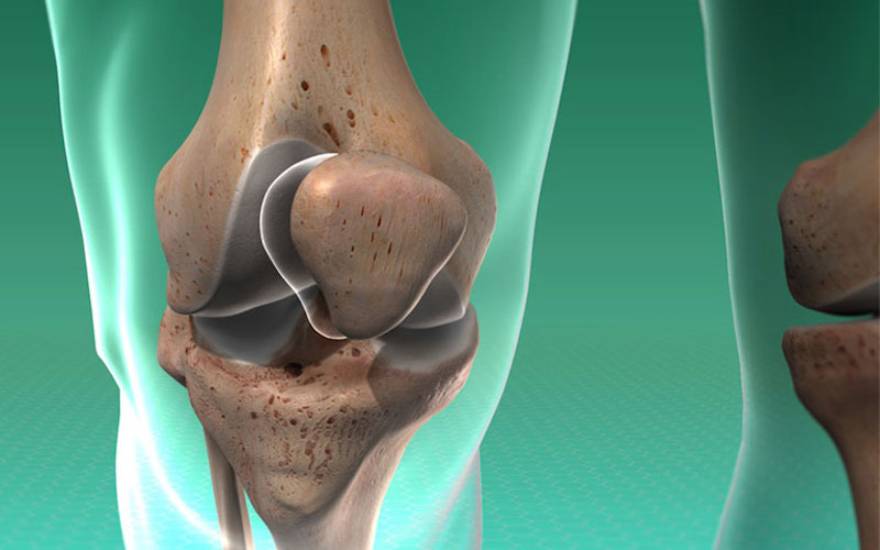
Causes and clinical manifestations of patellar fracture
Causes
There are three primary causes of patellar fracture, including:
High-impact sports trauma
High-intensity sports activities, particularly contact sports such as football and basketball, carry a significant risk of patellar fracture. When the knee is subjected to strong impact from collisions or falls onto a hard surface, the patella may crack or fragment into multiple pieces. Such injuries not only cause severe pain but also markedly impair knee joint function and mobility.
Falls from significant height
Falls from a considerable height are among the leading causes of patellar injury. When the body descends from height, body weight and impact forces are transmitted directly to the knee, potentially resulting in fracture or cracking of the patella, particularly when the individual lands in a weight-bearing position. Such injuries are often severe and require a prolonged recovery period to fully restore knee function.
Traffic accidents
Road traffic accidents, particularly those involving direct impact to the knee while driving or sitting in the front passenger seat, are a common cause of patellar fracture. Sudden and substantial forces may result in complex injuries that extend beyond the patella to involve surrounding structures such as ligaments, tendons, and muscles. These cases typically require prompt medical intervention and, in many instances, surgical management to ensure adequate restoration of knee function.
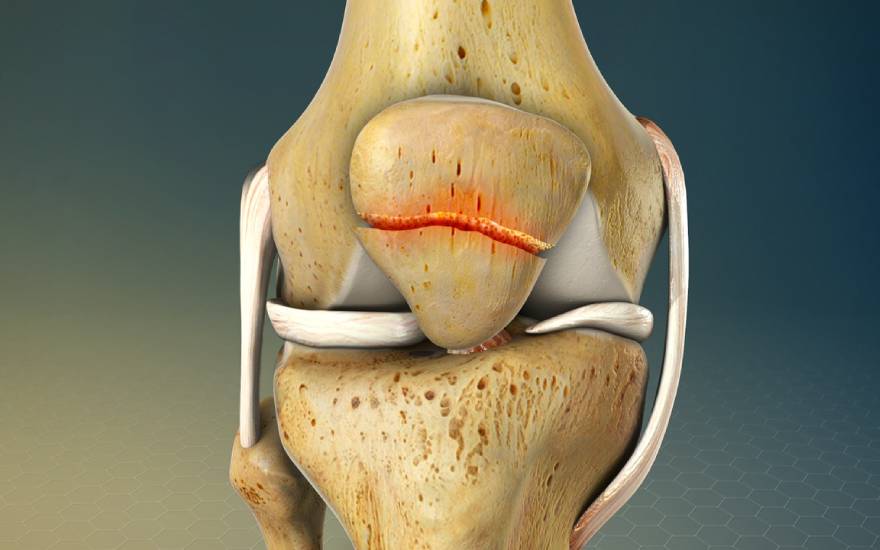
Symptoms
When a patellar fracture occurs, patients commonly present with the following symptoms:
Severe knee pain
A patellar fracture typically causes intense pain in the knee joint, especially immediately after the injury. This pain significantly impairs mobility. The severity increases with any attempt to use the knee, and even light palpation of the affected area may provoke sharp pain.
Difficulty with knee extension or flexion
One of the most characteristic manifestations of a patellar fracture is difficulty or inability to extend or flex the knee. Damage to the patella compromises the knee’s extensor mechanism, resulting in marked limitations in daily activities such as walking, climbing stairs, or even maintaining a stable standing position. Forced movement may exacerbate pain and lead to further injury.
Swelling and bruising around the patella
Peripatellar swelling and ecchymosis are common following a patellar fracture. Shortly after trauma, the knee becomes swollen due to the body’s inflammatory response, often accompanied by bruising secondary to subcutaneous vascular injury. These changes not only affect appearance but also increase intra-articular pressure, causing discomfort and further restricting the patient’s functional activities.
Common complications
If a patellar fracture is not promptly diagnosed and appropriately treated, it may lead to a range of serious complications.
Knee joint stiffness
Knee stiffness is one of the most common complications following a patellar fracture. This condition results from severe injury to the patella, which affects the surrounding muscles and ligaments of the knee joint, leading to a loss of joint flexibility. Patients may experience restricted knee motion, pain during attempts at flexion or extension, and significant difficulty in daily activities.
Infection and septic arthritis
Post-traumatic infection may occur, potentially progressing to septic arthritis of the knee, characterized by swelling, pain, warmth, and erythema. Without timely intervention, the infection can spread, causing severe functional impairment. Septic arthritis may result in intense pain, loss of joint mobility, and serious long-term consequences if not adequately managed.
Fibrosis and ligamentous calcification
A patellar fracture may also lead to fibrosis and calcification of the periarticular ligaments due to prolonged inflammatory responses. This process reduces ligament elasticity, contributes to knee stiffness, and further limits joint mobility.
Malunion, nonunion, and pseudoarthrosis
In some cases, the patella may heal in a malaligned position (malunion), resulting in cosmetic deformity and compromised knee function. Malunion increases mechanical stress on adjacent structures, causing persistent pain and elevating the risk of knee osteoarthritis in the future. More severely, if bone healing is disrupted or fails to occur (nonunion), patients may develop patellar pseudoarthrosis, which significantly impairs knee motion, causes pain during activity, and markedly reduces overall quality of life.
Management of Patellar Fracture
Non-surgical treatment (cast immobilization or knee bracing)
For patellar fractures without significant displacement, non-surgical management such as cast immobilization or knee bracing may be indicated. Immobilization helps stabilize the patella, prevents further displacement, and allows physiological bone healing to occur.
Surgical fixation
In cases of severely displaced or comminuted patellar fractures, or when bone fragments are separated, surgical intervention is the treatment of choice. The surgeon performs internal fixation, using appropriate fixation techniques to realign and stabilize the bone fragments, thereby restoring the anatomical structure and functional integrity of the patella. Surgical fixation also helps prevent long-term complications, such as joint malalignment and loss of knee function.
.jpg)
Rehabilitation and Functional Recovery
Once the patella has been adequately stabilized and bone healing has commenced, patients are advised to engage in a structured rehabilitation program. Physical therapy plays a critical role in restoring knee joint mobility, strengthening periarticular muscles, and reducing the risk of joint stiffness and muscle atrophy. Guided rehabilitation under the supervision of qualified specialists helps accelerate recovery and minimize the risk of recurrent injury.
A patellar fracture not only significantly affects quality of life but may also lead to serious long-term consequences if not treated in a timely and appropriate manner. A thorough understanding of the condition, together with proper care and treatment, is essential for optimal recovery and prevention of complications.
In Hanoi, the Department of Orthopaedics and Traumatology at Hong Ngoc General Hospital is widely recognized as a trusted center for the examination and treatment of patellar fractures, highly regarded by patients for both clinical expertise and quality of care.
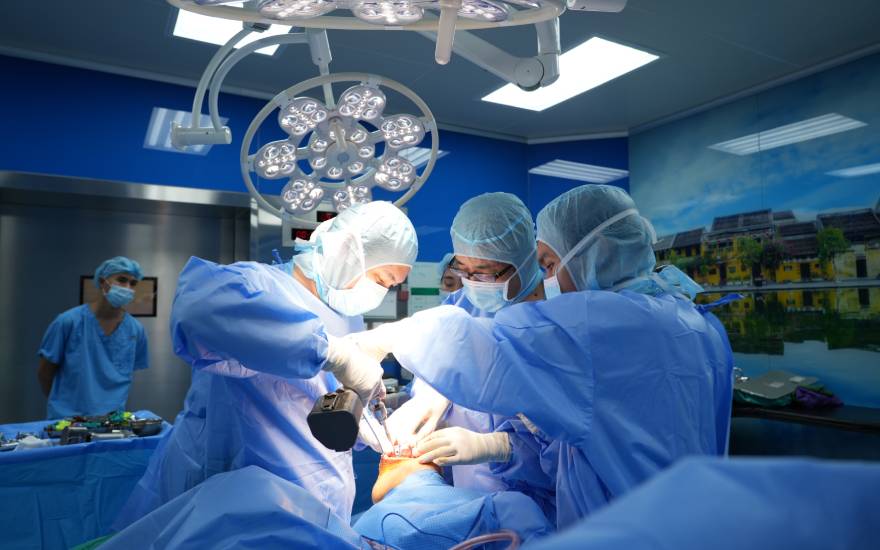
Patellar Fracture Surgery at Hong Ngoc General Hospital
- Hong Ngoc General Hospital meets global standards in surgical care, with accreditation from the Royal College of Surgeons of England (RCS).
- The orthopaedic surgical team has received formal training in Europe, France, Japan, and Australia, and continuously updates advanced techniques to promote minimally invasive surgery and faster postoperative recovery.
- The hospital applies a comprehensive anesthesia and pain management model before, during, and after surgery, ensuring patient safety and minimizing complications. This is combined with specialized postoperative rehabilitation protocols to enhance circulation and prevent muscle atrophy and joint stiffness.
- A system of specialized surgical instruments enables precise intervention, while fully sterile operating theaters ensure maximum safety and minimize the risk of infection.
- Advanced diagnostic and therapeutic equipment, synchronously imported from the United States, the United Kingdom, and Germany, supports early detection, accurate diagnosis, and effective treatment of patellar fractures as well as other structural causes of knee pain.
- In addition, patients undergoing examination and treatment for patellar fracture at Hong Ngoc General Hospital benefit from premium services, including a five-star hospital environment, personalized follow-up schedules, proactive appointment management, rapid insurance cashless approval, and weekend services without additional charges.
For in-depth consultation regarding the diagnosis and treatment of patellar fractures at Hong Ngoc General Hospital, please contact our Hotline: +84 912 002 131 or +84 949 646 556 for timely support.
Note: The information provided in this article by Hong Ngoc General Hospital is for reference purposes only and does not replace professional medical diagnosis or treatment. Patients should not self-medicate or purchase medications without medical guidance. To obtain an accurate assessment of their condition, patients are advised to visit a medical facility for direct examination, diagnosis, and consultation on an appropriate treatment plan by qualified physicians.
Follow the official fanpage of Hong Ngoc General Hospital for more useful and up-to-date information:https://www.facebook.com/BenhvienHongNgoc