
Grade 3 hemorrhoids are a relatively severe stage of the disease, in which the hemorrhoidal tissue prolapses outside the anal canal and cannot retract spontaneously. The prolapsed hemorrhoids can only be reduced manually by the patient. Patients may experience pain, burning sensation, bleeding and discomfort that worsen during defecation, and in some cases even when sitting.
So, is grade 3 hemorrhoids dangerous if left untreated, and can surgery completely cure it?
What are grade 3 hemorrhoids?
At stage 3, hemorrhoids prolapse outside the anal canal and are unable to retract spontaneously. They can only be reduced manually by the patient.
Patients may experience pain, burning sensation, bleeding and increased discomfort during defecation. In some cases, pain may occur even while sitting.
Patients can recognize grade 3 hemorrhoids based on the following common symptoms:
Rectal bleeding during defecation becomes more severe, with blood dripping or even spurting
Increasing anal pain and burning sensation, occurring more frequently, not only during defecation
Persistent itching and moisture in the anal area due to excessive mucous discharge, sometimes mixed with blood and associated with an unpleasant odor
Is grade 3 hemorrhoids dangerous?
With the above symptoms, grade 3 hemorrhoids are considered a relatively severe stage. If not treated promptly, the condition can quickly progress to grade 4. Symptoms not only affect daily life but may also lead to serious complications, including:
Chronic anemia: During defecation, stool passing through the anal canal rubs against the hemorrhoids, causing bleeding. If this persists, especially at stage 3, repeated blood loss may result in anemia, presenting with pallor, fatigue, headache, dizziness and reduced memory
Anal sphincter dysfunction: At this stage, the anal sphincter loses its normal contractile function due to the enlarged and frequently prolapsing hemorrhoids. This may lead to impaired control of flatus and defecation, significantly affecting daily activities
Risk of anorectal diseases: Prolapsed hemorrhoids combined with mucopurulent discharge create a favorable environment for bacterial growth. This increases the risk of infection, including anal abscess, hemorrhoidal necrosis, as well as conditions such as anal fissure and fistula
Thrombosed hemorrhoids: Long standing hemorrhoids may lead to increased venous pressure, resulting in rupture and clot formation. These thrombi can obstruct blood flow, causing severe pain, swelling and difficulty with defecation. If ruptured, they may lead to bleeding, infection, ulceration and even tissue necrosis in the anal region
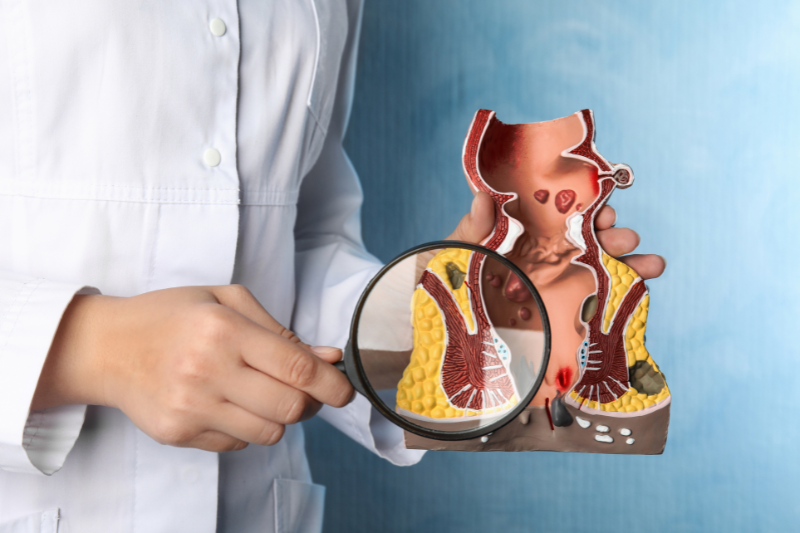
Grade 3 hemorrhoids may lead to thrombosis.
Is surgery necessary for grade 3 hemorrhoids?
At grade 3, hemorrhoids tend to prolapse outside the anal canal and cannot retract spontaneously, requiring manual reduction. This condition may lead to anal obstruction and damage to surrounding tissues, especially during defecation.
According to specialists, grade 3 hemorrhoids often progress rapidly and may cause serious complications. Therefore, timely treatment is essential, and patients should not delay or self-treat at home but seek medical evaluation for accurate diagnosis and appropriate management.
Whether surgery is required depends on the individual patient’s condition. However, for definitive treatment and prevention of complications, hemorrhoidectomy is considered an effective option.
Surgical intervention is particularly indicated in cases of severe pain, significant inflammation and swelling, circumferential hemorrhoids (combined prolapse of hemorrhoidal tissue and rectal mucosa), or when associated anorectal conditions are present.
Surgical methods for grade 3 hemorrhoids
Currently, several surgical techniques are widely used for the management of grade 3 hemorrhoids, including Longo procedure, Ferguson technique and Milligan Morgan hemorrhoidectomy.
In particular, laser hemorrhoidectomy is considered a modern approach, highly evaluated by medical experts and increasingly preferred by patients.
Laser hemorrhoidectomy
Laser hemorrhoidectomy is a minimally invasive technique that does not involve conventional surgical instruments. Instead, a high energy laser is used to target the hemorrhoidal tissue at its root, coagulating the vascular supply within the hemorrhoidal plexus. This effectively obliterates the feeding vessels, leading to rapid shrinkage and fibrosis of the hemorrhoids.
During the procedure, a fine laser probe (approximately 1.5 mm) is applied directly to the hemorrhoidal tissue. The laser energy acts precisely at the base of the hemorrhoid, destroying the blood vessels without damaging surrounding tissues.
Therefore, laser hemorrhoidectomy is considered an effective, safe and minimally invasive treatment modality, preserving the anatomical structure and physiological function of the anal canal, and reducing the risk of postoperative anal dysfunction.
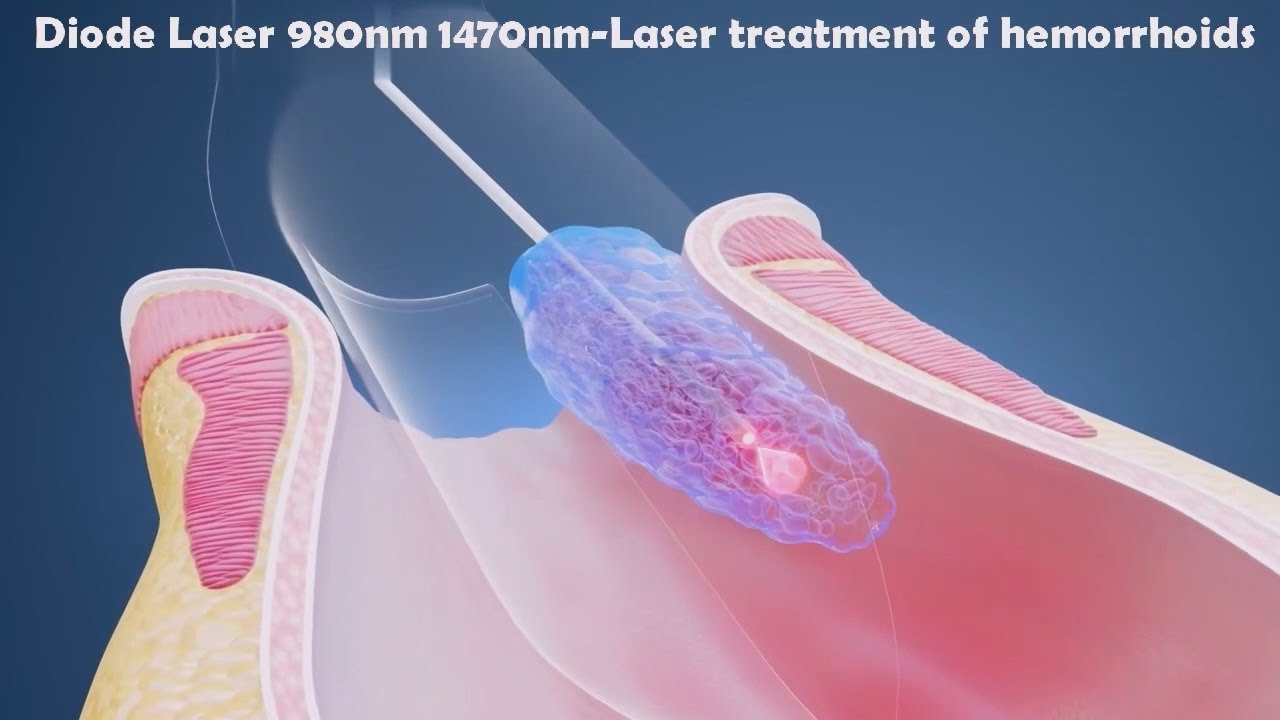
Laser hemorrhoidectomy uses high energy laser to target the root of hemorrhoids without conventional surgical incision.
Advantages of laser hemorrhoidectomy
High treatment efficacy: Laser hemorrhoidectomy achieves a success rate of over 90%, particularly when appropriately indicated for bleeding hemorrhoids at grades 1, 2 and 3, as well as smaller hemorrhoidal masses
Safe and minimally invasive: Laser energy targets only the hemorrhoidal tissue and submucosal layer without affecting surrounding structures. This helps preserve the anatomical integrity and physiological function of the anal sphincter, as well as the innervation of the anorectal region and mucosal lining
Rapid recovery: Patients are able to ambulate normally within approximately 5 hours after the procedure
Cost effective: Faster recovery and reduced postoperative care contribute to lower overall treatment costs
Longo hemorrhoidectomy
The Longo procedure is based on repositioning prolapsed hemorrhoids back to their normal anatomical location. It is commonly indicated for circumferential hemorrhoids or grade 3 and 4 hemorrhoids.
In this technique, the surgeon uses a circular stapling device specifically designed to excise and staple a ring of rectal mucosa and submucosa above the dentate line (the junction between the rectum and anal canal, distinguishing internal from external hemorrhoids). This simultaneously lifts the hemorrhoidal tissue and interrupts its blood supply, leading to gradual shrinkage of the hemorrhoids.
This method is associated with less postoperative pain, faster recovery and no open wounds, while minimizing the risk of anal stenosis.
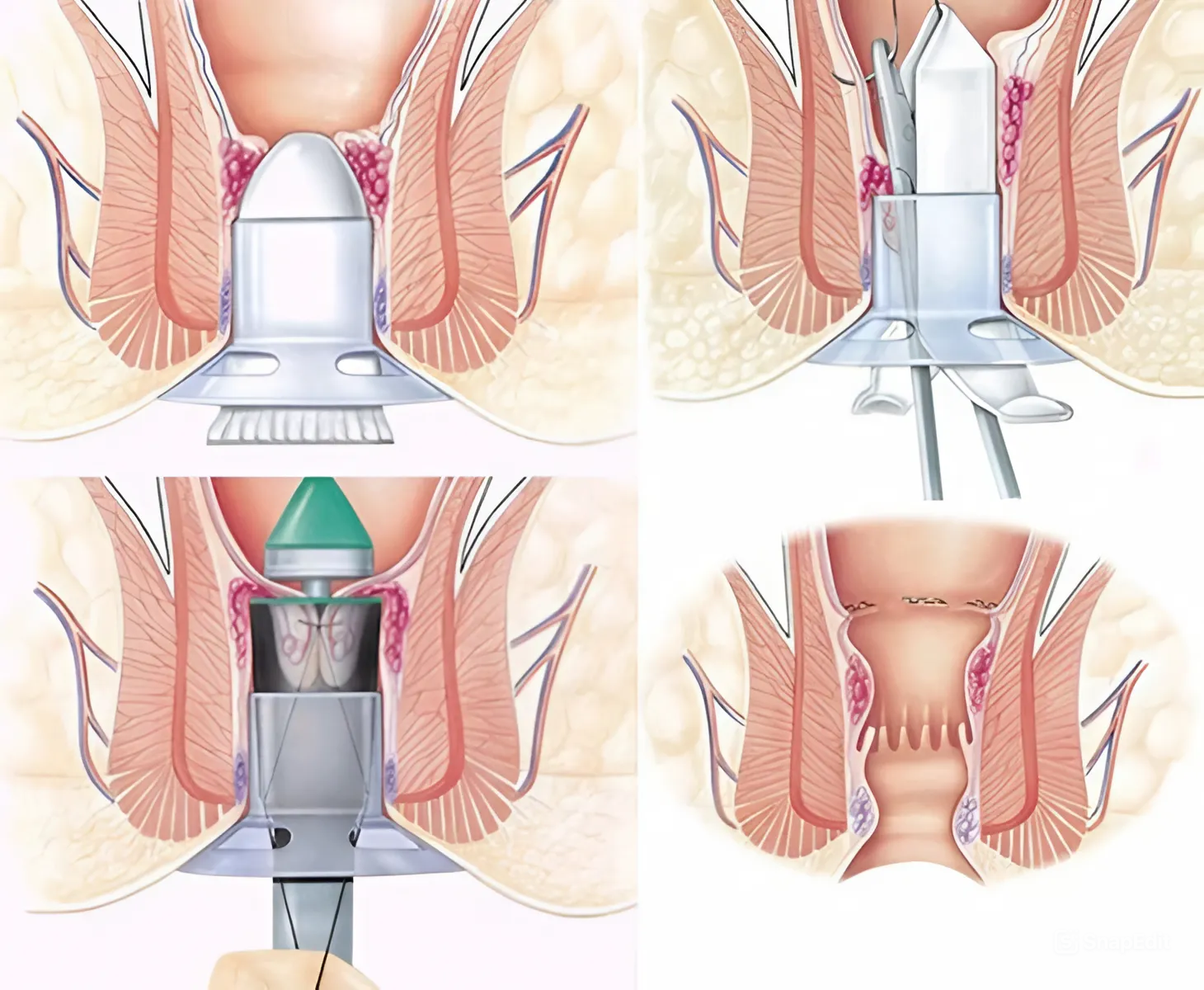
Longo hemorrhoidectomy
Ferguson hemorrhoidectomy
The Ferguson technique is a conventional surgical method in which each hemorrhoidal bundle is excised and sutured individually. This allows removal of hemorrhoids while preserving the anatomical structure of the anal canal. It is applicable to most surgical cases of hemorrhoids and requires a high level of surgical expertise as well as modern equipment.
Milligan Morgan hemorrhoidectomy
This technique involves excision of individual hemorrhoidal bundles while preserving bridges of skin and mucosa between them. In cases of circumferential hemorrhoids, additional hemorrhoidal tissue may be removed. With a relatively simple procedure, short operative time, low recurrence rate (approximately 5–10% within 5 years) and lower cost, this method is widely used.
Traditional techniques such as Longo, Ferguson and Milligan Morgan are considered standard procedures with high treatment efficacy. However, they may have limitations, including longer recovery time and increased postoperative pain.
In contrast, laser hemorrhoidectomy is considered a more advanced option, offering high efficacy, improved safety, reduced pain and faster recovery (patients may sit up within 5 hours postoperatively and be discharged after 2–3 days).
Watch the detailed consultation video on hemorrhoid symptoms by People’s Physician, Associate Professor, Dr. Nguyen Xuan Hung:
Where to undergo grade 3 hemorrhoid surgery safely and reliably?
To choose a reputable and high quality medical facility for hemorrhoid surgery, patients should carefully consider the following factors:
The facility is licensed by the Ministry of Health
A team of highly qualified, experienced and skilled specialists
Modern infrastructure with sterile operating rooms ensuring patient safety
Advanced medical equipment that is regularly maintained
Comprehensive services to meet the needs of both patients and their families
Hong Ngoc General Hospital meets all of these criteria, with a team of experienced physicians and a modern medical system, making it a trusted destination for patients requiring hemorrhoid surgery.
Patients can feel reassured by the highly experienced surgical team, including:
People’s Physician, Associate Professor, PhD Nguyen Xuan Hung – Former Director of the Colorectal and Perineal Surgery Center at Viet Duc University Hospital; Vice President of the Vietnam Society of Colorectal and Anal Diseases; Member of the French Society for Colorectal and Anal Disease Treatment
Meritorious Physician, PhD, Specialist Level II Pham Van Cuong – Nearly 40 years of clinical experience; Member of the Vietnam Society of Endoscopic and General Surgery
MSc, MD Cu Trung Kien – Advanced training in gastrointestinal surgery in Hong Kong; Former physician at Bach Mai Hospital; Deputy Head of Gastrointestinal Surgery Department, Hong Ngoc General Hospital – Yen Ninh
Specialist Level I Bach Phuc Huy – Over 15 years of experience; Head of Gastrointestinal Surgery Unit, Hong Ngoc General Hospital – Phuc Truong Minh
This team ensures high quality, safe and effective surgical management for hemorrhoidal disease.
With extensive medical expertise and clinical experience, physicians are able to provide accurate diagnosis, determine the most effective treatment strategies and directly perform safe surgical procedures for patients.
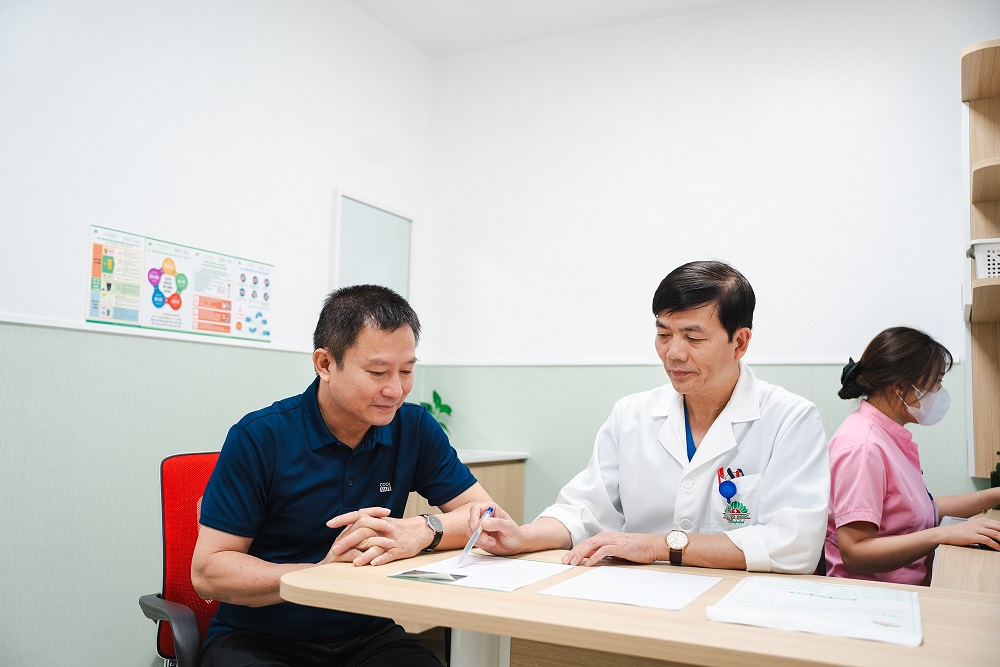
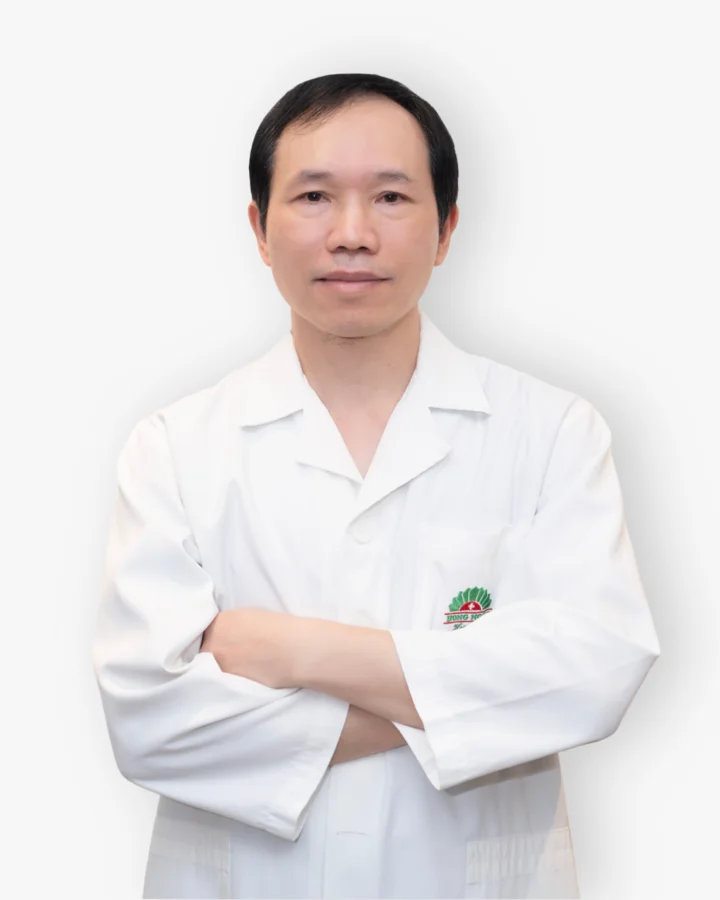
People’s Physician, Associate Professor, PhD Nguyen Xuan Hung is examining and consulting on hemorrhoid surgery options for the patient.
In addition, Hong Ngoc General Hospital currently applies safe and effective surgical techniques such as Longo hemorrhoidectomy and vascular ligation, along with advanced technologies including laser, LigaSure and ultrasonic scalpel. These are tailored to each patient, targeting pain free areas and minimizing tissue damage. As a result, patients typically require only 2 to 3 days for pain relief and recovery.
All operating rooms at Hong Ngoc are equipped with fresh air ventilation systems and high efficiency HEPA filtration, along with state of the art imported equipment, ensuring a sterile environment and maximum patient safety.
Patients are also closely monitored during hospitalization and at home to assess recovery progress, with continuous communication with physicians to facilitate early return to normal activities and work.
For further consultation, please contact:
- Hotline for specialist appointments: 0911 908 856
- Hotline for hemorrhoid surgery consultation: 0949 646 556
Note:
The information provided in this article by Hong Ngoc General Hospital is for reference purposes only and does not replace professional medical diagnosis or treatment. Patients are strongly advised not to self medicate. For an accurate assessment of their condition, individuals should visit medical facilities for direct consultation, diagnosis and appropriate treatment planning by qualified healthcare professionals.
Follow Hong Ngoc General Hospital’s official fanpage for more useful health information and updates on special offers and healthcare programs.
Grade 3 hemorrhoids are a relatively severe stage of the disease, in which the hemorrhoidal tissue prolapses outside the anal canal and cannot retract spontaneously. The prolapsed hemorrhoids can only be reduced manually by the patient. Patients may experience pain, burning sensation, bleeding and discomfort that worsen during defecation, and in some cases even when sitting.
So, is grade 3 hemorrhoids dangerous if left untreated, and can surgery completely cure it?
What are grade 3 hemorrhoids?
At stage 3, hemorrhoids prolapse outside the anal canal and are unable to retract spontaneously. They can only be reduced manually by the patient.
Patients may experience pain, burning sensation, bleeding and increased discomfort during defecation. In some cases, pain may occur even while sitting.
Patients can recognize grade 3 hemorrhoids based on the following common symptoms:
Rectal bleeding during defecation becomes more severe, with blood dripping or even spurting
Increasing anal pain and burning sensation, occurring more frequently, not only during defecation
Persistent itching and moisture in the anal area due to excessive mucous discharge, sometimes mixed with blood and associated with an unpleasant odor
Is grade 3 hemorrhoids dangerous?
With the above symptoms, grade 3 hemorrhoids are considered a relatively severe stage. If not treated promptly, the condition can quickly progress to grade 4. Symptoms not only affect daily life but may also lead to serious complications, including:
Chronic anemia: During defecation, stool passing through the anal canal rubs against the hemorrhoids, causing bleeding. If this persists, especially at stage 3, repeated blood loss may result in anemia, presenting with pallor, fatigue, headache, dizziness and reduced memory
Anal sphincter dysfunction: At this stage, the anal sphincter loses its normal contractile function due to the enlarged and frequently prolapsing hemorrhoids. This may lead to impaired control of flatus and defecation, significantly affecting daily activities
Risk of anorectal diseases: Prolapsed hemorrhoids combined with mucopurulent discharge create a favorable environment for bacterial growth. This increases the risk of infection, including anal abscess, hemorrhoidal necrosis, as well as conditions such as anal fissure and fistula
Thrombosed hemorrhoids: Long standing hemorrhoids may lead to increased venous pressure, resulting in rupture and clot formation. These thrombi can obstruct blood flow, causing severe pain, swelling and difficulty with defecation. If ruptured, they may lead to bleeding, infection, ulceration and even tissue necrosis in the anal region
Grade 3 hemorrhoids may lead to thrombosis.
Is surgery necessary for grade 3 hemorrhoids?
At grade 3, hemorrhoids tend to prolapse outside the anal canal and cannot retract spontaneously, requiring manual reduction. This condition may lead to anal obstruction and damage to surrounding tissues, especially during defecation.
According to specialists, grade 3 hemorrhoids often progress rapidly and may cause serious complications. Therefore, timely treatment is essential, and patients should not delay or self-treat at home but seek medical evaluation for accurate diagnosis and appropriate management.
Whether surgery is required depends on the individual patient’s condition. However, for definitive treatment and prevention of complications, hemorrhoidectomy is considered an effective option.
Surgical intervention is particularly indicated in cases of severe pain, significant inflammation and swelling, circumferential hemorrhoids (combined prolapse of hemorrhoidal tissue and rectal mucosa), or when associated anorectal conditions are present.
Surgical methods for grade 3 hemorrhoids
Currently, several surgical techniques are widely used for the management of grade 3 hemorrhoids, including Longo procedure, Ferguson technique and Milligan Morgan hemorrhoidectomy.
In particular, laser hemorrhoidectomy is considered a modern approach, highly evaluated by medical experts and increasingly preferred by patients.
Laser hemorrhoidectomy
Laser hemorrhoidectomy is a minimally invasive technique that does not involve conventional surgical instruments. Instead, a high energy laser is used to target the hemorrhoidal tissue at its root, coagulating the vascular supply within the hemorrhoidal plexus. This effectively obliterates the feeding vessels, leading to rapid shrinkage and fibrosis of the hemorrhoids.
During the procedure, a fine laser probe (approximately 1.5 mm) is applied directly to the hemorrhoidal tissue. The laser energy acts precisely at the base of the hemorrhoid, destroying the blood vessels without damaging surrounding tissues.
Therefore, laser hemorrhoidectomy is considered an effective, safe and minimally invasive treatment modality, preserving the anatomical structure and physiological function of the anal canal, and reducing the risk of postoperative anal dysfunction.
Laser hemorrhoidectomy uses high energy laser to target the root of hemorrhoids without conventional surgical incision.
Advantages of laser hemorrhoidectomy
High treatment efficacy: Laser hemorrhoidectomy achieves a success rate of over 90%, particularly when appropriately indicated for bleeding hemorrhoids at grades 1, 2 and 3, as well as smaller hemorrhoidal masses
Safe and minimally invasive: Laser energy targets only the hemorrhoidal tissue and submucosal layer without affecting surrounding structures. This helps preserve the anatomical integrity and physiological function of the anal sphincter, as well as the innervation of the anorectal region and mucosal lining
Rapid recovery: Patients are able to ambulate normally within approximately 5 hours after the procedure
Cost effective: Faster recovery and reduced postoperative care contribute to lower overall treatment costs
Longo hemorrhoidectomy
The Longo procedure is based on repositioning prolapsed hemorrhoids back to their normal anatomical location. It is commonly indicated for circumferential hemorrhoids or grade 3 and 4 hemorrhoids.
In this technique, the surgeon uses a circular stapling device specifically designed to excise and staple a ring of rectal mucosa and submucosa above the dentate line (the junction between the rectum and anal canal, distinguishing internal from external hemorrhoids). This simultaneously lifts the hemorrhoidal tissue and interrupts its blood supply, leading to gradual shrinkage of the hemorrhoids.
This method is associated with less postoperative pain, faster recovery and no open wounds, while minimizing the risk of anal stenosis.
Longo hemorrhoidectomy
Ferguson hemorrhoidectomy
The Ferguson technique is a conventional surgical method in which each hemorrhoidal bundle is excised and sutured individually. This allows removal of hemorrhoids while preserving the anatomical structure of the anal canal. It is applicable to most surgical cases of hemorrhoids and requires a high level of surgical expertise as well as modern equipment.
Milligan Morgan hemorrhoidectomy
This technique involves excision of individual hemorrhoidal bundles while preserving bridges of skin and mucosa between them. In cases of circumferential hemorrhoids, additional hemorrhoidal tissue may be removed. With a relatively simple procedure, short operative time, low recurrence rate (approximately 5–10% within 5 years) and lower cost, this method is widely used.
Traditional techniques such as Longo, Ferguson and Milligan Morgan are considered standard procedures with high treatment efficacy. However, they may have limitations, including longer recovery time and increased postoperative pain.
In contrast, laser hemorrhoidectomy is considered a more advanced option, offering high efficacy, improved safety, reduced pain and faster recovery (patients may sit up within 5 hours postoperatively and be discharged after 2–3 days).
Watch the detailed consultation video on hemorrhoid symptoms by People’s Physician, Associate Professor, Dr. Nguyen Xuan Hung:
Where to undergo grade 3 hemorrhoid surgery safely and reliably?
To choose a reputable and high quality medical facility for hemorrhoid surgery, patients should carefully consider the following factors:
The facility is licensed by the Ministry of Health
A team of highly qualified, experienced and skilled specialists
Modern infrastructure with sterile operating rooms ensuring patient safety
Advanced medical equipment that is regularly maintained
Comprehensive services to meet the needs of both patients and their families
Hong Ngoc General Hospital meets all of these criteria, with a team of experienced physicians and a modern medical system, making it a trusted destination for patients requiring hemorrhoid surgery.
Patients can feel reassured by the highly experienced surgical team, including:
People’s Physician, Associate Professor, PhD Nguyen Xuan Hung – Former Director of the Colorectal and Perineal Surgery Center at Viet Duc University Hospital; Vice President of the Vietnam Society of Colorectal and Anal Diseases; Member of the French Society for Colorectal and Anal Disease Treatment
Meritorious Physician, PhD, Specialist Level II Pham Van Cuong – Nearly 40 years of clinical experience; Member of the Vietnam Society of Endoscopic and General Surgery
MSc, MD Cu Trung Kien – Advanced training in gastrointestinal surgery in Hong Kong; Former physician at Bach Mai Hospital; Deputy Head of Gastrointestinal Surgery Department, Hong Ngoc General Hospital – Yen Ninh
Specialist Level I Bach Phuc Huy – Over 15 years of experience; Head of Gastrointestinal Surgery Unit, Hong Ngoc General Hospital – Phuc Truong Minh
This team ensures high quality, safe and effective surgical management for hemorrhoidal disease.
With extensive medical expertise and clinical experience, physicians are able to provide accurate diagnosis, determine the most effective treatment strategies and directly perform safe surgical procedures for patients.
People’s Physician, Associate Professor, PhD Nguyen Xuan Hung is examining and consulting on hemorrhoid surgery options for the patient.
In addition, Hong Ngoc General Hospital currently applies safe and effective surgical techniques such as Longo hemorrhoidectomy and vascular ligation, along with advanced technologies including laser, LigaSure and ultrasonic scalpel. These are tailored to each patient, targeting pain free areas and minimizing tissue damage. As a result, patients typically require only 2 to 3 days for pain relief and recovery.
All operating rooms at Hong Ngoc are equipped with fresh air ventilation systems and high efficiency HEPA filtration, along with state of the art imported equipment, ensuring a sterile environment and maximum patient safety.
Patients are also closely monitored during hospitalization and at home to assess recovery progress, with continuous communication with physicians to facilitate early return to normal activities and work.
For further consultation, please contact:
- Hotline for specialist appointments: 0911 908 856
- Hotline for hemorrhoid surgery consultation: 0949 646 556
Note:
The information provided in this article by Hong Ngoc General Hospital is for reference purposes only and does not replace professional medical diagnosis or treatment. Patients are strongly advised not to self medicate. For an accurate assessment of their condition, individuals should visit medical facilities for direct consultation, diagnosis and appropriate treatment planning by qualified healthcare professionals.
Follow Hong Ngoc General Hospital’s official fanpage for more useful health information and updates on special offers and healthcare programs.
Để lại câu hỏi của bạn để nhận được giải đáp từ các bác sĩ của Hồng Ngọc
Lorem ipsum dolor
Lorem ipsum dolor sit amet, consectetur adipiscing elit. Mauris odio lectus, pretium faucibus nisi eu, accumsan consectetur orci. In blandit vehicula nisl, vel lacinia ligula finibus a. Donec fermentum rhoncus