



Grade 4 hemorrhoids represent the most advanced stage of the disease. At this stage, patients experience persistent pain, bleeding and significant discomfort. Severe complications associated with grade 4 hemorrhoids may seriously impact overall health and can even be life threatening.
Classification of hemorrhoids
Hemorrhoids are classified into two main types: internal hemorrhoids and external hemorrhoids.
Internal hemorrhoids
Internal hemorrhoids originate above the dentate line and are covered by mucosa and transitional epithelium. They are classified into four grades based on severity, while external hemorrhoids are categorized into stages.
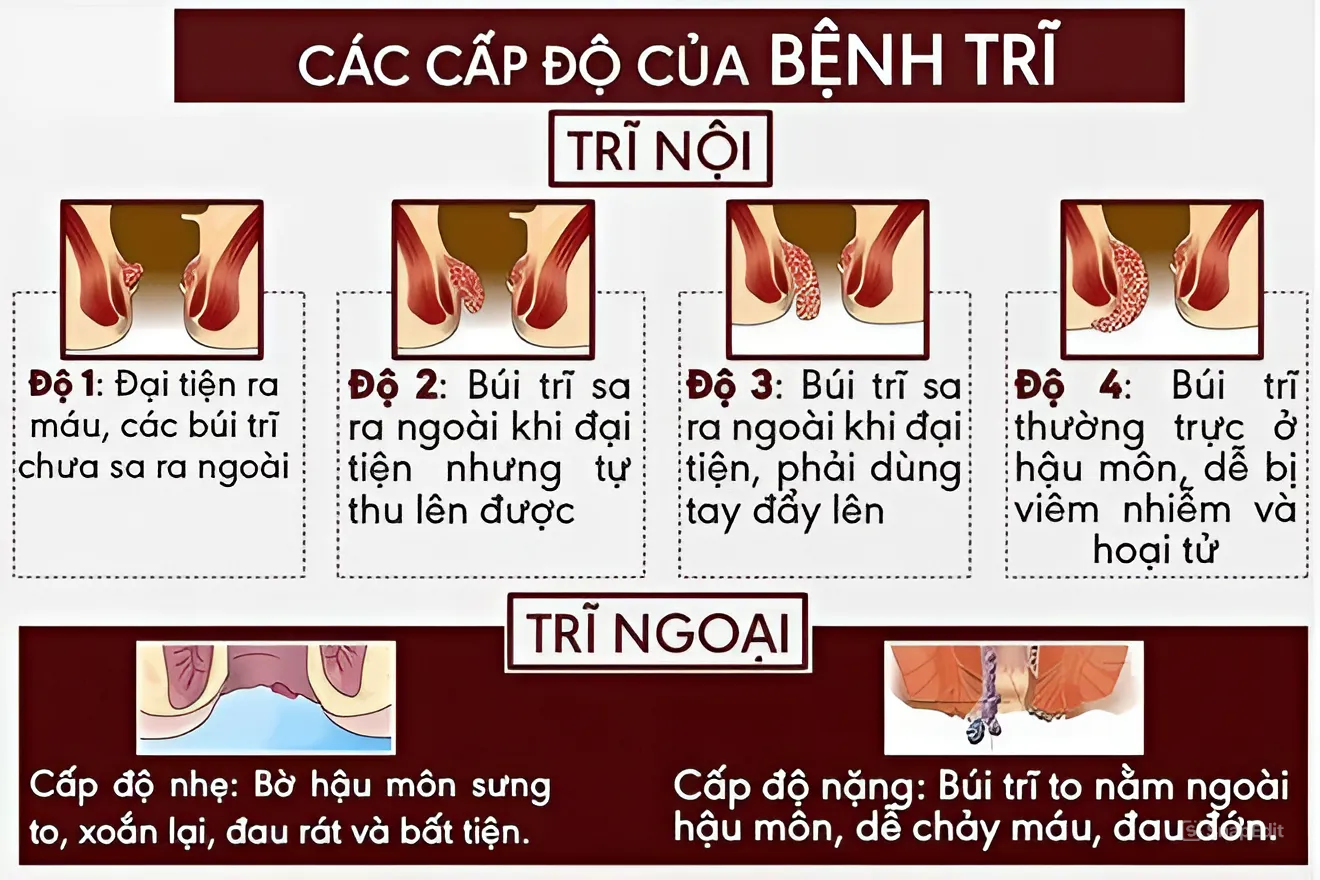
The grading of internal hemorrhoids is based on the degree of prolapse:
- Grade 1: Hemorrhoids remain entirely within the anal canal
- Grade 2: Hemorrhoids prolapse during defecation but spontaneously reduce after defecation
- Grade 3: Hemorrhoids prolapse during defecation, prolonged standing, squatting or heavy exertion, and require manual reduction or rest to return inside
- Grade 4: Hemorrhoids are persistently prolapsed and remain outside the anal canal
External hemorrhoids
External hemorrhoids originate below the dentate line (also known as the anorectal junction). In this case, the hemorrhoidal tissue is covered by squamous epithelium and located beneath the perianal skin.
External hemorrhoids are classified into four stages:
- Stage 1: Early stage with no obvious symptoms, making it difficult to detect. Patients may experience mild discomfort, itching or irritation in the anal region
- Stage 2: Dilated, tortuous veins become visible as they protrude externally. Patients may experience pain and discomfort during defecation; poor hygiene may increase the risk of infection
- Stage 3: Bleeding occurs during defecation due to venous congestion or thrombosis. Patients often experience persistent pain, and in severe cases may develop anemia or anal fissures
- Stage 4: The most advanced stage, with markedly enlarged hemorrhoids causing significant swelling, itching and discomfort. Secondary infection may occur, leading to severe pain and substantial impairment of daily activities
Symptoms of grade 4 hemorrhoids
Common clinical manifestations of grade 4 hemorrhoids include:
- Large hemorrhoidal masses that become darkened, prolapse outside the anal canal and cannot be reduced
- Internal hemorrhoids become markedly swollen and may cause obstruction. Patients experience significant pain and discomfort due to friction during movement or physical activity
- Mucous discharge from the anal region, leading to persistent moisture and discomfort; secondary infection may occur, causing pruritus and irritation
- Rectal bleeding, which in severe cases may result in significant blood loss and anemia
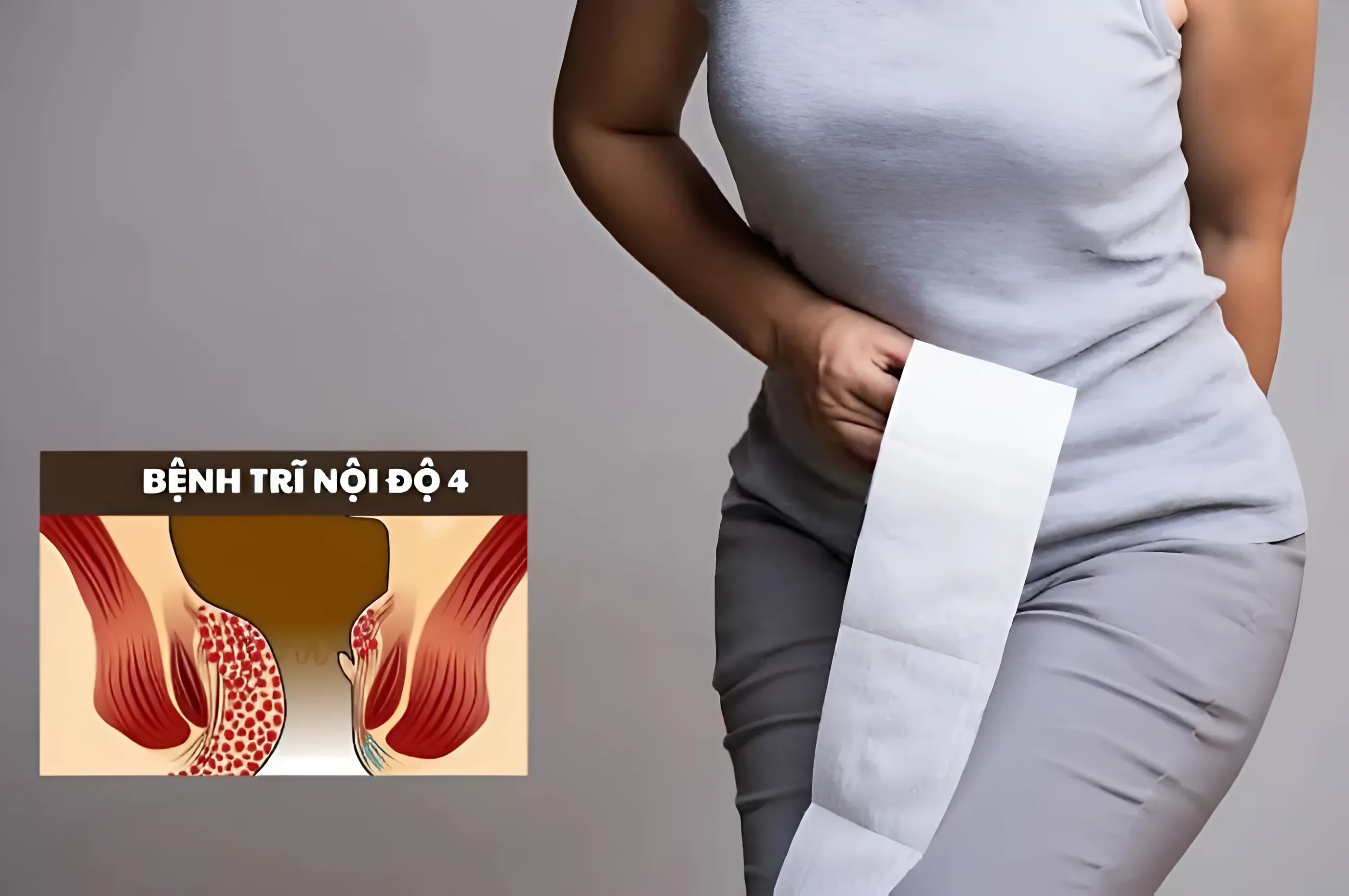
How dangerous are grade 4 hemorrhoids?
Grade 4 hemorrhoids represent the most advanced stage of the disease. If not treated promptly, they may lead to serious complications, making management more difficult and prolonged. Potential complications include:
- Severe anemia: Chronic and heavy rectal bleeding over time can lead to significant anemia, presenting with dizziness, fatigue and marked physical weakness, severely affecting daily activities
- Anorectal infection: Persistent mucous discharge from prolapsed hemorrhoids creates a favorable environment for infection, causing itching and discomfort. This may lead to complications such as anal fistula or perianal abscess
- Tissue necrosis: Prolonged bacterial invasion can result in necrosis of hemorrhoidal tissue, causing severe pain. In such cases, surgical intervention is often required, and restoration of normal anal function may be challenging
- Increased risk of malignancy: Although uncommon, advanced hemorrhoidal disease may be associated with an increased risk of anorectal malignancy. Delayed diagnosis can pose a significant threat to life
Treatment of grade 4 hemorrhoids
Grade 4 hemorrhoids represent the most severe stage, and medical therapy is no longer effective. Prolapsed hemorrhoidal tissue requires interventional treatment to relieve symptoms. Depending on the extent of damage, specialists will recommend appropriate surgical options.
Currently, most cases of grade 4 hemorrhoids are treated with procedures such as Longo hemorrhoidectomy, Milligan Morgan technique or laser hemorrhoidectomy. However, the choice of treatment must be carefully individualized based on the patient’s condition.
Longo hemorrhoidectomy
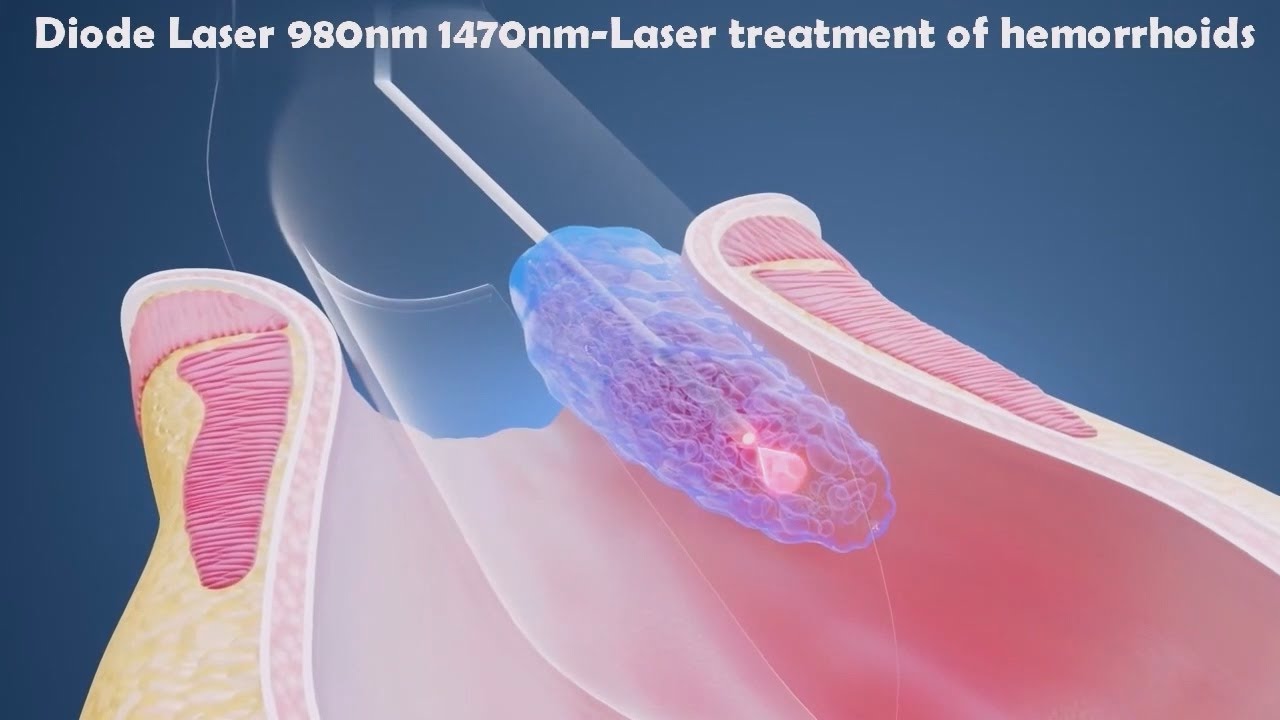
This is a conventional surgical technique performed by excising a 3–4 cm ring of rectal mucosa above the dentate line using a circular stapling device. The procedure reduces blood flow to the hemorrhoidal veins, leading to gradual shrinkage of the hemorrhoids. Prolapsed mucosa is simultaneously repositioned and fixed.
The procedure typically takes around 30 minutes. Its main advantage is reduced postoperative pain, as it is performed above the dentate line, an area with fewer sensory nerve endings.
Laser hemorrhoidectomy
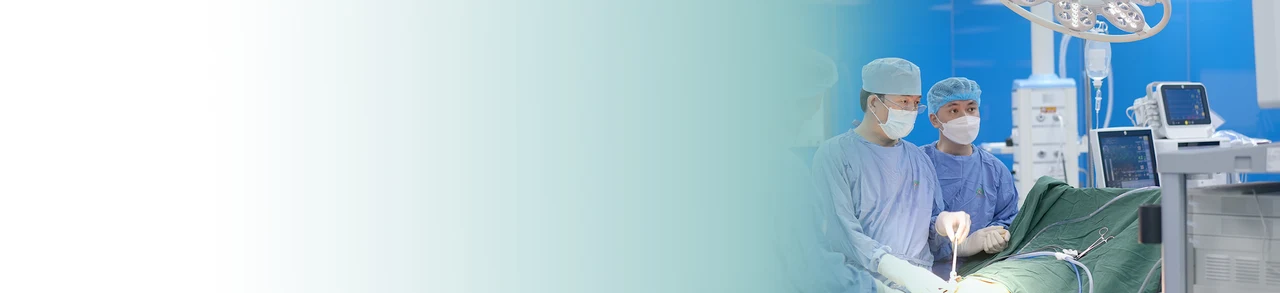
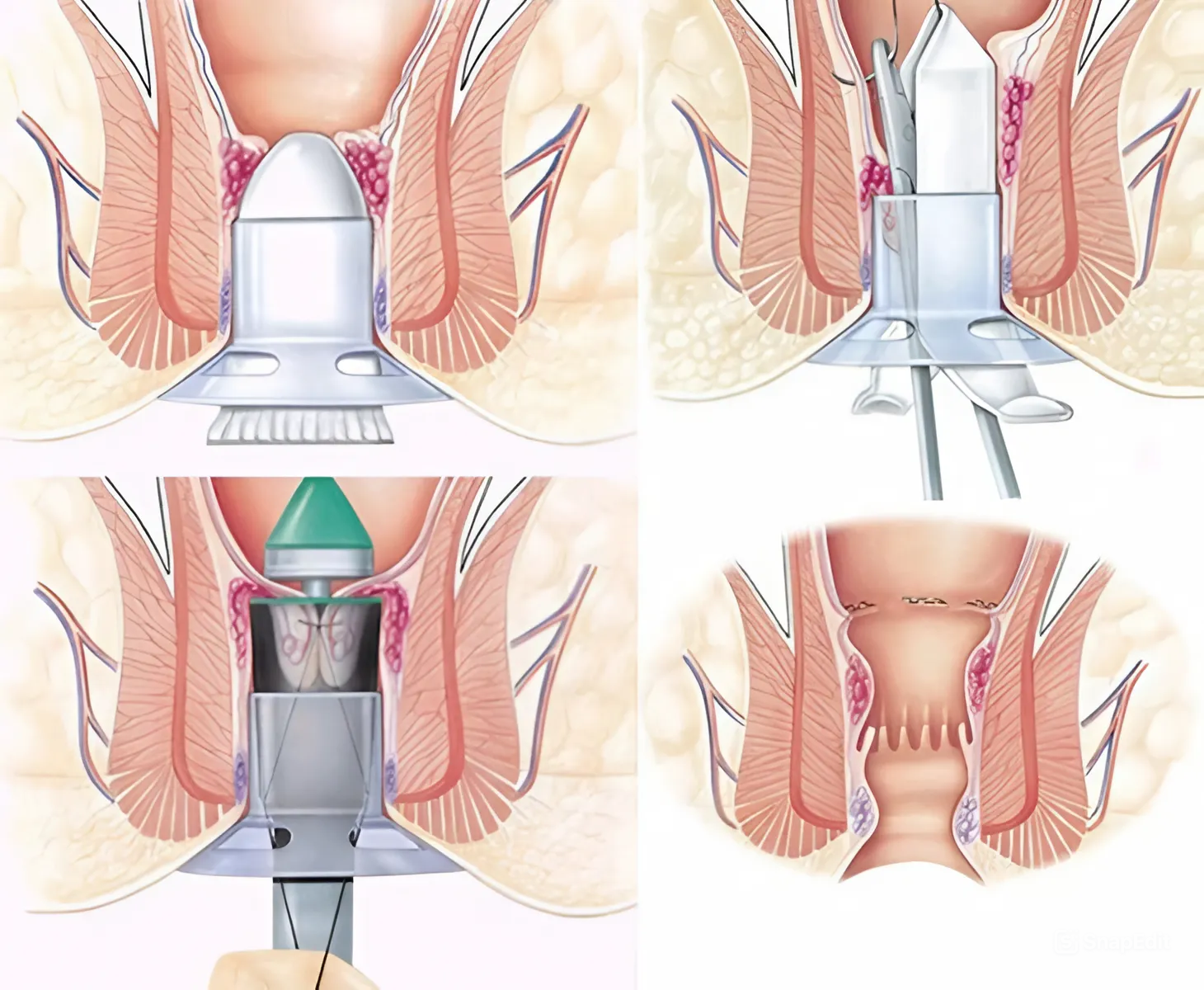
Laser hemorrhoidectomy is a minimally invasive technique that does not involve conventional surgical instruments. Instead, a high energy laser is used to target the hemorrhoidal tissue at its root, coagulating the vascular branches within the hemorrhoidal plexus. This effectively obliterates the blood supply, leading to rapid shrinkage and fibrosis of the hemorrhoids.
During the procedure, a fine laser probe (approximately 1.5 mm) is applied directly to the hemorrhoidal tissue. The laser energy precisely targets the base of the hemorrhoid, destroying feeding vessels without affecting surrounding structures.
Therefore, laser hemorrhoidectomy is considered an effective, safe and minimally invasive treatment modality, preserving the anatomical integrity and physiological function of the anal canal and minimizing the risk of postoperative functional impairment.
However, this method is generally indicated for mild cases of grade 4 hemorrhoids. In more severe, complex or complicated cases, alternative surgical approaches may be recommended based on individual patient assessment.
Conventional hemorrhoidectomy
Depending on the extent of tissue damage, the surgeon will select an appropriate excisional technique to remove the affected hemorrhoidal tissue. This approach is typically indicated in cases of large lesions or severe complications where other methods are not suitable.
Conventional hemorrhoidectomy is associated with significant postoperative pain and a relatively prolonged recovery period. In addition, if not carefully performed, it may lead to complications such as fecal incontinence or disruption of the normal anal structure.
Postoperative care after grade 4 hemorrhoid surgery
Proper postoperative care is essential to promote wound healing, prevent infection and reduce complications after hemorrhoid surgery. Key recommendations include:
Appropriate diet and lifestyle
Patients should maintain adequate hydration and increase intake of dietary fiber, vitamins and minerals. Recommended foods include vegetables and fruits. In addition, establishing a regular bowel habit, preferably in the early morning, is beneficial.
Follow-up as scheduled
Although the hemorrhoids have been removed, surgical wounds require time to heal. During recovery, mucous discharge may persist but typically resolves within 7–10 days. If discharge or bleeding persists longer, especially when associated with pain, swelling or signs of inflammation, infection should be suspected and medical evaluation is necessary. Patients should adhere to scheduled follow-up visits for monitoring and early detection of complications.
Adherence to prescribed medication
Postoperative medications help promote healing and prevent infection, bleeding and pain. Patients should not discontinue or adjust medication without medical guidance.
Reader may also be interested in:
- Are hemorrhoids dangerous? When should you see a doctor for hemorrhoids?
- 4 causes of hemorrhoids and preventive measures
- How dangerous are the complications of hemorrhoids? A safe and effective address for hemorrhoid treatment with minimized complications
Gentle physical activity
Before complete wound healing, strenuous activities such as excessive walking, running, straining or coughing may cause bleeding or wound disruption. Adequate rest is important, especially during the first postoperative day. Gradual return to light activity is recommended. If pain occurs, activity should be reduced. Prolonged inactivity should also be avoided.
Prefer walking
Instead of using bicycles or motorbikes, which may increase pressure on the anal region and risk wound disruption, patients are advised to walk or use public transportation.

Limit alcohol and stimulants
Stimulants such as alcohol, tobacco, tea, coffee and spicy foods can negatively affect the surgical wound and delay the healing process. Therefore, these substances should be limited during the postoperative recovery period.
Where to safely and reliably treat grade 4 hemorrhoids?
For the management of grade 4 hemorrhoids, patients should seek care at reputable medical facilities and consult with specialized physicians for accurate diagnosis and timely, appropriate treatment.
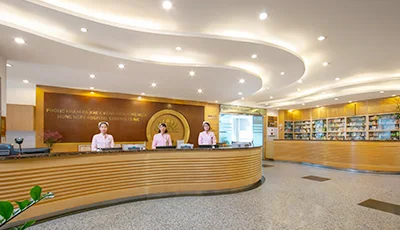
As one of the leading private healthcare providers in Northern Vietnam, Hong Ngoc General Hospital has become a trusted destination for thousands of hemorrhoid cases, offering:
Highly qualified and experienced medical team
- People’s Physician, Associate Professor, PhD Nguyen Xuan Hung – Former Director of the Colorectal and Perineal Surgery Center at Viet Duc University Hospital; Vice President of the Vietnam Society of Colorectal and Anal Diseases; Member of the French Society for the Treatment of Colorectal and Anal Disorders
- Meritorious Physician, PhD, Specialist Level II Pham Van Cuong – Nearly 40 years of clinical experience; Member of the Vietnam Society of Endoscopic and General Surgery
- MSc, MD Cu Trung Kien – Advanced training in gastrointestinal surgery in Hong Kong; Former physician at Bach Mai Hospital; Deputy Head of Gastrointestinal Surgery Department, Hong Ngoc General Hospital – Yen Ninh
- Specialist Level I Bach Phuc Huy – Over 15 years of experience; Head of Gastrointestinal Surgery Unit, Hong Ngoc General Hospital – Phuc Truong Minh
This team ensures accurate diagnosis and safe, effective surgical management for hemorrhoidal disease.
Advanced surgical techniques and modern perioperative protocols
- Application of leading German LHP laser hemorrhoid technology: minimally invasive, reduced pain, rapid recovery, with patients able to sit and ambulate within 5 hours post procedure
- Pain free hemorrhoid surgery with comprehensive pain control protocols before, during and after surgery, developed by MSc, MD Nguyen Thi Thu Ba, who received advanced residency training in France. An experienced anesthesia team closely monitors patients throughout the procedure
- Proactive pain management strategy: thorough pre-anesthetic evaluation, continuous intraoperative monitoring and early pain control before onset
Five star medical services
- Streamlined admission procedures with dedicated staff providing step by step assistance
- 24/7 support team delivering attentive care throughout hospitalization
- Spacious, comfortable inpatient facilities with full hotel standard amenities
Hotline for specialist appointments: 0911 908 856Hotline for surgical consultation: 0949 646 556
Note:
The information provided in this article by Hong Ngoc General Hospital is for reference purposes only and does not replace professional medical diagnosis or treatment. Patients are strongly advised not to self medicate. For an accurate assessment of their condition, individuals should visit medical facilities for direct consultation, diagnosis and appropriate treatment planning by qualified healthcare professionals.
Follow Hong Ngoc General Hospital’s official fanpage for more useful health information and updates on healthcare programs and special offers.