


Hemorrhoids are now a common condition affecting many individuals; however, not everyone clearly understands the underlying causes of this disease. By identifying the causes of hemorrhoids, individuals can proactively modify their lifestyle habits and reduce the risk of developing the condition. Let us explore this topic in more detail.
Common causes of hemorrhoids
Hemorrhoids occur when the veins in the anal or rectal region become dilated due to increased internal pressure. This condition may lead to venous congestion, bleeding, and in some cases prolapse of the hemorrhoidal tissue.
The causes of hemorrhoids are mainly associated with several predisposing factors, including:
Prolonged sitting and physical inactivity
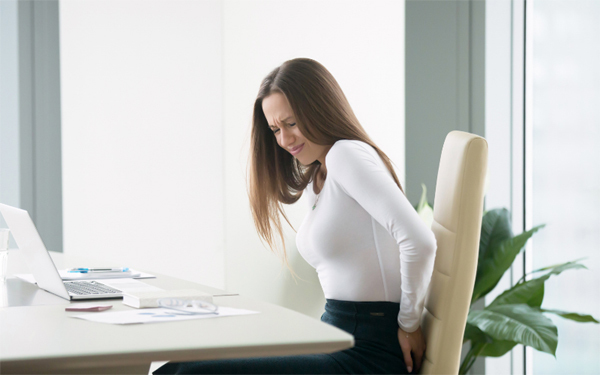
Prolonged sitting is considered one of the primary causes of hemorrhoids. Office workers and professional drivers are typical groups associated with this risk factor. Both occupations require individuals to remain seated for extended periods with minimal physical activity, which can impair blood circulation in the anorectal region and increase venous pressure in the lower rectum, thereby contributing to the formation of hemorrhoids.
In addition, long-distance drivers often delay or suppress the urge to defecate due to work constraints or lack of suitable facilities. Over time, this habit may weaken the normal defecation reflex, disrupt bowel movement frequency and rhythm, and ultimately increase the risk of hemorrhoid development.
Hemorrhoids during pregnancy and after childbirth
One cause of hemorrhoids in women is pregnancy and the postpartum period. In addition to common causes, pregnant and breastfeeding women also face other unavoidable factors. During pregnancy, intra-abdominal pressure increases, especially in the late stages of pregnancy. The uterus increasingly compresses the veins, affecting venous return and causing congestion and dilation of the hemorrhoidal venous plexus.
As a result, constipation may become more severe, and the lower rectum and anus may develop fissures, making pregnant women more susceptible to hemorrhoids.
Chronic constipation or diarrhea
Few people realize that hemorrhoids may be caused not only by constipation but also by frequent diarrhea. Individuals who consume insufficient dietary fiber and drink inadequate amounts of water are more likely to experience constipation. During defecation, excessive straining increases pressure on the anorectal region. Over time, this pressure may reduce the tone of the veins in this area, making them more susceptible to bleeding and directly contributing to the development of hemorrhoids.
Similarly, prolonged diarrhea may also reduce the tone of the rectal muscles and the anal sphincter due to potassium loss. This condition can affect the venous structures in the anorectal region and contribute to the formation of hemorrhoids.
Injury to the anal region
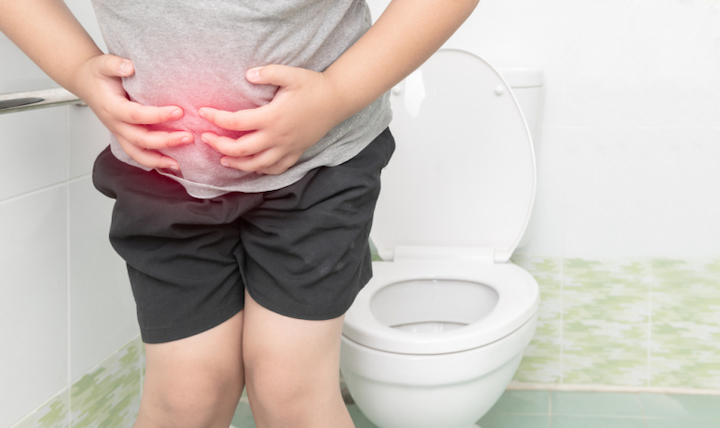
Another cause of hemorrhoids may result from trauma to the anal region. Such injuries may occur during daily activities or due to unsafe sexual practices. If these injuries are not properly treated, the damage may worsen over time and be accompanied by swelling and significant discomfort.
In addition, several other factors that may contribute to the development of hemorrhoids include:
- Insufficient water intake
- Frequent consumption of spicy and hot foods
- Lack of green vegetables and dietary fiber in daily meals, leading to prolonged constipation and chronic constipation
- Habitually delaying or suppressing bowel movements
- Sitting on the toilet for prolonged periods
- Underlying tumors affecting the rectum, anus, uterus, or related structures.
Watch the detailed video on the causes of hemorrhoids by PP., Assoc. Prof., Dr. Nguyen Xuan Hung:
Individuals at high risk of hemorrhoids
In modern lifestyles, anyone may develop hemorrhoids. However, certain groups have a higher risk of the condition and should pay particular attention:
- Office workers who spend long periods sitting (the most common group)
- Drivers, especially long-distance drivers
- Individuals engaged in heavy physical labor
- Pregnant women and women in the postpartum period
- Individuals who frequently experience constipation or diarrhea, which increases straining and pressure on the veins, leading to venous dilation and blood stasis
- Individuals with a low-fiber diet, which increases the risk of hemorrhoids
- Overweight or obese individuals, which increases the likelihood of developing the condition
- Individuals with pelvic tumors, including colorectal tumors, uterine tumors, or advanced pregnancy, which may obstruct venous return to the heart and cause venous dilation.
Prevent hemorrhoids before they develop
To prevent hemorrhoids from becoming a concern, especially for individuals at high risk, early preventive measures should be adopted. Some recommended measures include:
- Limit prolonged sitting: On average, after sitting for about 50 minutes, you should stand up and move for 5–10 minutes. This helps improve blood circulation and reduces pressure on the anal region, thereby lowering the risk of hemorrhoid formation.
- Establish a regular bowel movement schedule: Defecating at a fixed time each day helps maintain normal digestive function and prevent constipation. Bowel movements should occur promptly when the urge appears. Do not delay defecation and avoid excessive straining.
- Maintain proper anal hygiene: After bowel movements, use soft tissue paper for cleaning. Avoid excessive friction that may injure the perianal skin and create conditions for bacterial invasion that may contribute to hemorrhoids.
- Exercise regularly: Individuals with a sedentary lifestyle have nearly twice the risk of developing hemorrhoids. To reduce pressure on the anal region and promote healthy blood circulation, at least 30 minutes of daily physical activity is recommended, such as walking or participating in activities like badminton, football, volleyball, or swimming.
- Improve dietary habits: An unhealthy diet may lead to constipation or diarrhea, both of which increase the risk of hemorrhoids. Therefore, maintaining a balanced and appropriate diet is important.
- Increase dietary fiber intake: Daily intake should include approximately 25–30 grams of fiber from foods such as legumes, radishes, sweet potatoes, pumpkin, broccoli, green vegetables, and fruits including oranges, bananas, avocados, apples, and dragon fruit.

- Pay attention to adequate daily water intake according to body weight, typically about 1.5–2 liters per day. If possible, fruit smoothies or fresh fruit juices may also be included.
- Limit foods that are difficult to digest, as well as spicy and high-fat foods.
- Reduce consumption of beverages containing stimulants such as alcohol, beer, and carbonated drinks.
For patients who have undergone hemorrhoidectomy, it is especially important to adhere to preventive measures, as the risk of recurrence may be high if dietary recommendations and preventive strategies are not properly followed. In addition, patients should attend regular medical check-ups so that physicians can closely monitor their clinical condition.
Once the causes of hemorrhoids and the preventive measures are well understood, individuals can effectively control the risk of developing the disease. Maintaining healthy lifestyle habits and a balanced, nutritious diet from an early stage is essential for long-term health.
Hong Ngoc General Hospital brings together a highly qualified team of physicians along with a modern medical equipment system, gradually becoming a trusted healthcare destination for many patients seeking examination and treatment for hemorrhoids.
Reader may also be interested in:
- 4 causes of hemorrhoids and preventive measures
- Can postpartum hemorrhoids resolve on their own? What should mothers do to prevent hemorrhoids after childbirth?
Patients can feel completely reassured with the hospital’s team of surgical specialists:
- Assoc. Prof., Dr. Nguyen Xuan Hung, People’s Doctor – Former Director of the Colorectal and Pelvic Floor Surgery Center at Viet Duc University Hospital; Vice President of the Vietnam Association of Anus and Rectum; Member of the French Society of Physicians for the Treatment of Colorectal and Anal Diseases.
- Dr. Cu Trung Kien, MD, MSc – Received advanced training in gastrointestinal surgery in Hong Kong; previously worked at Bach Mai Hospital; currently Deputy Head of the Department of Gastrointestinal Surgery at Hong Ngoc Yen Ninh General Hospital.
- Dr. Bach Phuc Huy, MD, Specialist Level I – With more than 15 years of clinical experience; currently Head of the Gastrointestinal Surgery Unit at Hong Ngoc Phuc Truong Minh General Hospital.
Hotline for scheduling appointments with specialists: 0911 908 856Hotline for consultation on hemorrhoid surgery: 0949 646 556
Note: The information provided in this article by Hong Ngoc General Hospital is for reference purposes only and does not replace professional medical diagnosis or treatment. Patients should not self-medicate or independently purchase medications for treatment. To accurately determine their medical condition, individuals should visit a healthcare facility for direct examination, diagnosis, and appropriate treatment consultation by a qualified physician.
Follow the official Fanpage of Hong Ngoc General Hospital to receive more useful health information and updates on the hospital’s special offers and programs.