


The combination of physical fatigue and blurred vision is very common in modern life. When these symptoms occur, many people wonder what fatigue and blurred vision could indicate. Medically, they may be a temporary response to overexertion of the body and nervous system, but they can also signal an eye condition or an underlying systemic health problem. This article explains how to distinguish between possible causes and choose an appropriate course of action.
Key points in this article:
- What the symptoms may indicate: Fatigue accompanied by blurred vision may be caused not only by overwork but also by impaired blood circulation, strain on the central nervous system and reduced ability of the eyes to focus.
- Common causes: The symptoms may stem from three groups of factors: lifestyle habits, such as computer vision syndrome and insufficient sleep; eye conditions, such as refractive errors, chronic dry eye and glaucoma; or systemic conditions, such as diabetes, cardiovascular disease and high blood pressure.
- When to seek medical care promptly: If blurred vision does not improve with rest, or comes on suddenly with headache, nausea, numbness or weakness in the limbs, seek urgent medical assessment to rule out the risk of permanent vision loss or stroke.
- Principles of recovery: Protecting vision requires a combination of lifestyle changes, such as following the 20-20-20 rule and getting enough sleep; adequate intake of micronutrients, including iron, omega-3 and vitamins; and adherence to the prescribed treatment plan.
1. What warning signs can fatigue accompanied by blurred vision indicate?
Physical fatigue accompanied by blurred vision may signal reduced function in a specific organ or throughout the body. From a physiological perspective, this combination commonly arises through three basic mechanisms:
- Reduced blood flow and oxygen supply: When the body is weakened or anaemic, blood flow to the brain and retina may decrease. As a result, visual cells may not receive enough nutrients to function properly, causing blurred vision or dimming of vision.1
- Central nervous system overload: Prolonged stress or sleep disturbances may affect how the brain transmits and processes visual information, making a person more prone to dizziness, difficulty concentrating and difficulty seeing objects clearly.2
- Reduced accommodative function: When general health declines, the eye’s focusing muscles may also become less flexible. This can reduce the eyes’ ability to adjust focus, causing blurred vision.3
Therefore, fatigue accompanied by blurred vision is not always a temporary response to overwork; it may also indicate an underlying health problem that requires medical assessment and diagnosis.3

2. What can fatigue and blurred vision indicate? Key groups of causes
Fatigue accompanied by blurred vision can have many different causes. Medically, these factors can be classified into three main groups, including lifestyle habits and underlying conditions:
2.1. Physiological causes and lifestyle habits
Some unhealthy habits can affect overall health and place excessive strain on the visual system. These include:
- Computer vision syndrome (CVS): Prolonged focus on a computer or phone reduces blinking, forcing the eye’s focusing muscles to work continuously. This may cause dry, tired eyes, tension in the head and neck, and more widespread discomfort.4
- Insufficient sleep and frequent late nights: Getting too little sleep (less than 7–8 hours a night), sleeping fitfully or staying up too late can prevent the eyes and central nervous system from getting enough rest. Without this essential recovery time, a person may wake feeling drowsy and physically exhausted, with eye strain and difficulty bringing objects into focus.5
- Prolonged stress: Mental stress can increase eye strain, difficulty concentrating and headaches. Temporary blurred vision may also occur, particularly when a person is sleep-deprived or spends long periods working on an electronic screen.6

2.2. Warning signs of eye conditions
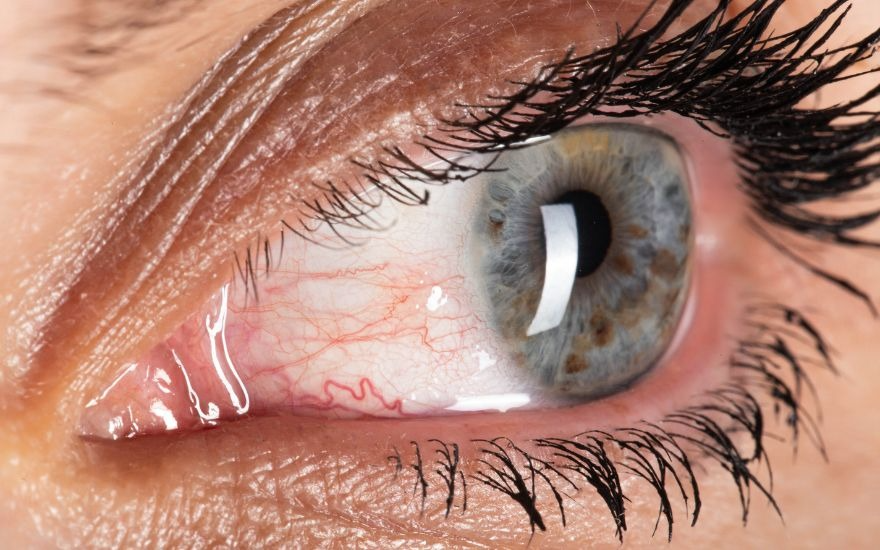
Blurred vision accompanied by fatigue may be a clinical sign of progressive damage to the eye, including:
- Uncorrected refractive errors: People with nearsightedness, farsightedness or astigmatism who do not use the appropriate corrective lenses may have to squint continuously to focus. Prolonged effort to focus can directly cause eye strain, headaches and blurred vision.7
- Chronic dry eye syndrome: A deficiency in the tear film can reduce the natural smoothness of the corneal surface. This may scatter light as it enters the eye, causing blurred vision along with a gritty or burning sensation and a feeling of heaviness in the eyelids.8
- Glaucoma: An acute rise in intraocular pressure may cause blurred vision, as though a fog has come over the eyes. More concerningly, it is accompanied by severe, deep eye pain that may spread to the top of the head and leave the person exhausted from the pain.9
- Cataracts and macular degeneration: These degenerative conditions are common in older adults and cause gradual vision loss. People may experience eye strain and fatigue when trying to see objects, particularly in dim light.10
2.3. Consequences of serious systemic conditions
When systemic conditions lead to complications, they can directly affect circulation and optic nerve function. These conditions include:
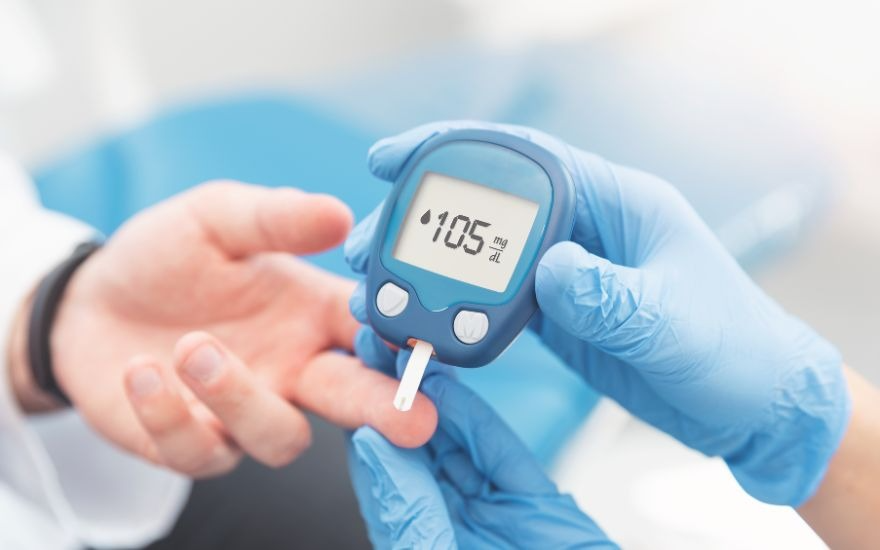
- Diabetic retinopathy: Prolonged high blood sugar can damage the retinal microvasculature. This may lead to retinal haemorrhage and swelling, significantly impairing vision. People may also feel fatigued due to the overall effects of diabetes.11
- High blood pressure and cardiovascular disease: A sudden rise in blood pressure may cause the small blood vessels supplying the retina to constrict or become locally blocked, directly leading to blurred vision. In addition, cardiovascular problems such as heart failure and arrhythmias can reduce the heart’s ability to pump blood, leaving the body and central nervous system without enough oxygen. Together, these effects can cause severe fatigue, dizziness and declining vision.12
- Anaemia or physical debility: When the heart’s pumping function is reduced or the body is severely anaemic, the brain and optic nerves may not receive enough oxygen. This can cause light-headedness, dizziness and blurred vision, particularly when changing position suddenly.13
3. Assessing severity and deciding what to do about fatigue and blurred vision
Fatigue accompanied by blurred vision may be a temporary physiological response, but it can sometimes signal a more complex condition. To determine the safest course of action, compare your symptoms with the following three clinical severity levels:
3.1. Common cases (can be monitored and may resolve with self-care at home)
Signs: Blurred vision and fatigue occur after prolonged strenuous work, continuous screen use or a night of insufficient sleep. These symptoms are not accompanied by pain in the head or face. Vision and general wellbeing improve on their own after blinking repeatedly, relaxing or getting enough sleep.3
What to do: These symptoms indicate visual fatigue and physical exhaustion from overwork. Complex medical intervention may not be necessary. Instead, re-establish healthy daily habits: follow the 20-20-20 rule, apply warm compresses to the eyelids, use artificial tears (preferably preservative-free) and ensure your body gets adequate nutrients.

3.2. Cases requiring prompt assessment by an eye specialist
Signs: Fatigue and blurred vision occur frequently or repeatedly and do not improve even after adequate rest. The eyes may feel dry, gritty or irritated; you may also experience a headache on one side or find yourself squinting frequently to see objects.14
What to do:
These symptoms may indicate a significant decline in eye and general health. They can be associated with inadequately corrected refractive errors, such as nearsightedness, farsightedness or astigmatism; chronic dry eye syndrome; or early signs of systemic conditions, such as anaemia or hormonal disorders.
You should seek medical assessment for refraction testing, intraocular pressure measurement and general health screening to determine the cause accurately.

3.3. “Red flag” cases requiring emergency medical care
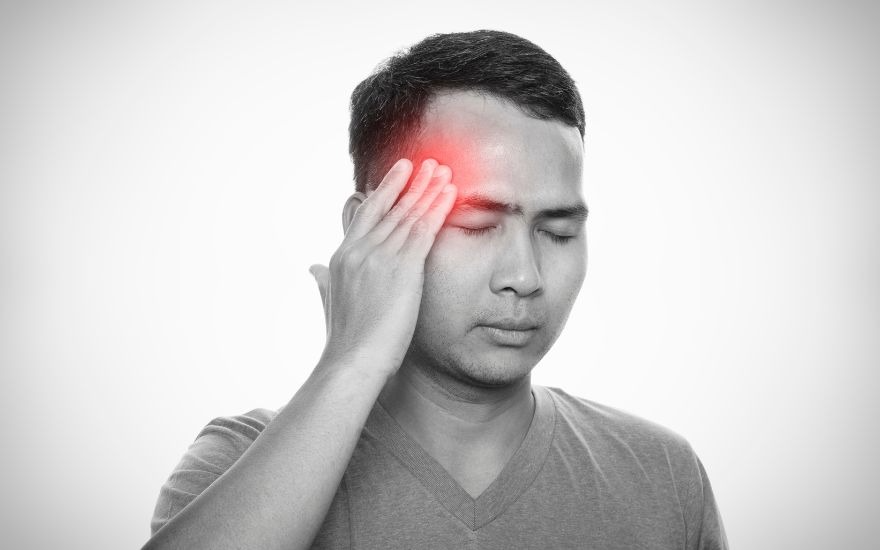
Signs: Sudden vision loss or complete loss of vision in one eye over a short period; double vision (diplopia); flashes of light or a dark area obstructing your vision. The situation is particularly serious if blurred vision occurs with a severe headache, nausea, numbness or weakness in the limbs, difficulty speaking or slurred speech, or loss of balance.7
What to do:
These are medical emergencies. Such symptoms may indicate conditions that directly threaten vision and life, including acute glaucoma, retinal tear or detachment, or stroke.15
Do not use eye drops on your own. Seek immediate medical care so that a doctor can intervene promptly to protect your vision and life.
4. A guide to managing blurred vision and supporting overall health
To improve fatigue accompanied by blurred vision, combine proper eye care with healthy lifestyle changes. Positive changes to your daily habits, diet and eye protection may help relieve symptoms and support healthy vision.
4.1. Adopt healthy daily habits
Maintaining a regular routine can help reduce strain on the nervous system and the eye’s focusing muscles:
- Follow the standard 20-20-20 rule: After every 20 minutes of focused work, give your eyes a break by looking at something 20 feet (approximately 6 metres) away for at least 20 seconds. This simple practice helps the eye’s focusing muscles relax and prevents eye strain.16
- Get enough quality sleep: Aim for 7–8 hours of sleep each night. This gives the central nervous system time to recover and allows the tear film to be replenished, helping maintain the moisture needed by the cornea the following day.16
- Manage stress effectively: Prolonged stress can increase eye strain, headaches and difficulty concentrating. Balance work with rest and make time for relaxing activities, such as exercise, yoga, meditation or deep breathing, to support mental wellbeing and reduce stress.17

4.2. Build a nutritional foundation to support healthy blood and vision
Eye and physical fatigue are often linked to nutrient deficiencies. A diet that nourishes the body from within is therefore essential:
- Include essential nutrients: Ensure adequate iron intake to support blood cell production, along with vitamins A, B and C and omega-3 to help maintain the function of visual cells.18
- Eat a varied diet: Choose omega-3-rich oily fish, such as salmon, herring and mackerel; red meat, which contains a range of micronutrients; and dark green vegetables, such as spinach and broccoli. This diet helps nourish the retina and support blood circulation to the brain.18

4.3. Ways to relieve fatigue and blurred vision at home
In addition to making lifestyle changes, you can use local eye-care measures to ease discomfort:
- Use artificial tears as needed: Artificial tears can add moisture to the ocular surface and help relieve dryness, a gritty sensation or general discomfort. If you work at a computer for long periods or often experience dry eyes, consult a doctor about choosing a suitable product.14
- Apply a warm compress to the eyes: Soak a clean cloth in comfortably warm water, not hot, and gently place it over your closed eyes for a few minutes. The warmth can help loosen natural oils that have become blocked in the eyelids, improve eye lubrication and relieve dryness, irritation and strain.14
- Massage and rest the eye area: Gentle massage around the eyes or regular breaks during work may help ease tension and strain. However, there is currently no evidence that eye massage can improve vision or treat eye conditions.4

The measures above are intended mainly to provide temporary symptom relief. If fatigue and blurred vision persist after adequate rest, or occur alongside unusual symptoms such as prolonged blurred vision, eye pain or persistent redness, seek care promptly at a specialist medical facility. A thorough assessment can identify the cause and guide timely treatment.
5. Assessment and treatment pathway for fatigue and blurred vision at Hong Ngoc Eye Center
Persistent fatigue and blurred vision cannot be addressed with temporary measures such as artificial tears or a short period of rest alone. Identifying the underlying cause is essential to protecting long-term vision. The eye care service at Hong Ngoc Eye Center, part of Hong Ngoc General Hospital, offers in-depth assessment supported by close coordination between ophthalmology and the hospital’s multidisciplinary services, helping patients address their concerns safely and effectively:
- Clinical assessment by experienced specialists: Patients are examined by ophthalmologists with extensive experience and strong clinical expertise, many of whom have worked at leading hospitals. The team includes Dr Hoang Anh, Assoc. Prof. Dr Duc Anh, Dr Vu Thi Tue Khanh, Dr Tamoki and Specialist Level II Doctor Le Anh Tam. The doctor will take a detailed medical history, ask about lifestyle habits and assess any accompanying systemic symptoms to identify potential risks before recommending tests.
- Advanced diagnostic imaging: The assessment may use advanced equipment, including fundus imaging systems, tonometers and corneal topography systems. These tools can help doctors detect damage early and identify whether blurred vision and eye strain are related to lifestyle habits or underlying conditions.
- Comprehensive treatment through a multidisciplinary model: A key advantage of care at Hong Ngoc General Hospital is its multidisciplinary consultation process, including international case conferences for complex cases. If blurred vision is found to be a complication of an underlying condition, the ophthalmologist can consult promptly with specialists in endocrinology, cardiology or neurology. This coordination helps develop an optimal treatment plan and manage the condition comprehensively, so patients can recover without having to travel between multiple healthcare facilities.

6. Frequently asked questions (FAQs)
6.1. What can dizziness with blurred vision indicate?
Dizziness accompanied by blurred vision may result from common causes such as insufficient sleep, low blood sugar, dehydration, anaemia or postural hypotension. It may also be associated with cardiovascular or neurological conditions, or impaired cerebral circulation. If symptoms recur frequently, persist or occur with weakness in the arms or legs, difficulty speaking or loss of balance, seek medical assessment promptly to rule out serious conditions.19
6.2. What can blurred vision in one eye indicate?
Blurred vision in one eye may be caused by dry eye, a refractive error, keratitis or more complex eye conditions, such as a retinal tear or detachment, retinal vascular occlusion, optic neuritis or glaucoma. Seek prompt assessment by an eye specialist if the symptom comes on suddenly, affects only one eye or occurs with eye pain, flashes of light, floaters or loss of part of the visual field. These may be warning signs of serious vision-threatening damage that requires timely treatment.3
6.3. What causes blurred vision upon waking?
Blurred vision after waking is often associated with dryness of the corneal surface caused by tear-film evaporation, eye discharge or a local allergic reaction. Vision may improve after blinking several times or gently cleaning the eyes. However, if the blurring persists, recurs frequently or occurs with redness or pain, seek an eye examination to rule out corneal damage and other eye conditions.14
6.4. What should I do if my vision is blurred as though a film is covering it?
A foggy or film-like blur may be associated with dry eye syndrome, cataracts or retinal damage. If it comes on suddenly, particularly in one eye, or occurs with flashes of light, floaters or loss of part of the visual field, seek emergency medical care. These are characteristic clinical signs of a retinal tear or detachment, or other serious retinal conditions.7
6.5. What can cause sudden loss of vision?
Sudden vision loss in one or both eyes is a medical emergency. Common causes include retinal vascular occlusion, a retinal tear or detachment, optic neuritis, acute glaucoma or stroke. Prompt medical assessment and treatment are crucial to the chances of recovering and preserving vision.20
The combination of general fatigue and declining vision is not always a temporary physiological response; it may indicate an eye or systemic condition that needs to be diagnosed. If you are experiencing these symptoms and wondering what fatigue and blurred vision could indicate, delaying medical assessment may allow structural damage to progress and seriously affect your vision and overall health. Maintaining healthy daily habits and attending regular health screenings are therefore essential to protecting your wellbeing and long-term eye health.
If you have persistent fatigue or physical weakness accompanied by blurred vision that does not improve with rest, contact Hong Ngoc Eye Center at Hong Ngoc General Hospital. With experienced eye specialists, modern diagnostic equipment and a multidisciplinary consultation model, the center provides accurate assessment and personalised treatment plans to help protect your overall health and vision.
If you have any eye-related concerns, contact Hong Ngoc General Hospital on 0916 987 366 for prompt assistance.
Please note: The information in this article is for reference only and is not a substitute for professional medical diagnosis or advice. Eye conditions and the structure of each person’s eyes vary. Patients should be examined and individually assessed by an eye specialist before deciding on a treatment plan.
References:
- Fatigue. (2010). Symptoms. https://medlineplus.gov/fatigue.html
- Eye twitching. (n.d.). Mayo Clinic. Retrieved July 19, 2026, from https://www.mayoclinic.org/symptoms/eye-twitching/basics/causes/SYM-20050838
- Blurry vision. (2022, October 10). Cleveland Clinic. https://my.clevelandclinic.org/health/symptoms/24262-blurred-vision
- Computers, digital devices, and eye strain. (2024, June 27). American Academy of Ophthalmology. https://www.aao.org/eye-health/tips-prevention/computer-usage
- Sleep deprivation. (2023, August 18). Cleveland Clinic. https://my.clevelandclinic.org/health/diseases/23970-sleep-deprivation
- Yetman, D. (2024, January 17). Stress and blindness or vision problems: The connection. Healthline; Healthline Media. https://www.healthline.com/health/stress/stress-blindness
- Refractive errors. (n.d.). Nih.gov; National Eye Institute. Retrieved July 18, 2026, from https://www.nei.nih.gov/eye-health-information/eye-conditions-and-diseases/refractive-errors
- Dry eyes. (2022, December 1). Cleveland Clinic. https://my.clevelandclinic.org/health/diseases/24479-dry-eye
- Website, N. H. S. (2026, April 24). Glaucoma. Nhs.uk. https://www.nhs.uk/conditions/glaucoma/
- Cataracts. (n.d.). Mayo Clinic. Retrieved July 18, 2026, from https://www.mayoclinic.org/diseases-conditions/cataracts/symptoms-causes/syc-20353790
- Diabetic retinopathy. (n.d.). Mayo Clinic. Retrieved July 19, 2026, from https://www.mayoclinic.org/diseases-conditions/diabetic-retinopathy/symptoms-causes/syc-20371611
- Website, N. H. S. (2026b, July 3). High blood pressure. Nhs.uk. https://www.nhs.uk/conditions/high-blood-pressure/
- Website, N. H. S. (2026b, May 6). Iron deficiency anaemia. Nhs.uk. https://www.nhs.uk/conditions/iron-deficiency-anaemia/
- Dry eyes. (n.d.). Mayo Clinic. Retrieved July 18, 2026, from https://www.mayoclinic.org/diseases-conditions/dry-eyes/symptoms-causes/syc-20371863%E2%80%A8
- Glaucoma. (n.d.). Mayo Clinic. Retrieved July 18, 2026, from https://www.mayoclinic.org/diseases-conditions/glaucoma/symptoms-causes/syc-20372839
- Nall, R. (2018, April 18). Does the 20-20-20 rule prevent eye strain? Medicalnewstoday.com; Medical News Today. https://www.medicalnewstoday.com/articles/321536
- Stress - Every Mind Matters. (n.d.). Nhs.uk. Retrieved July 19, 2026, from https://www.nhs.uk/every-mind-matters/mental-health-issues/stress/
- Dietary supplements for eye conditions. (n.d.). NCCIH. Retrieved July 18, 2026, from https://www.nccih.nih.gov/health/providers/digest/dietary-supplements-for-eye-conditions
- Website, N. H. S. (2025a, June 19). Dizziness. Nhs.uk. https://www.nhs.uk/symptoms/dizziness/
- Website, N. H. S. (2025b, November 11). Vision loss. Nhs.uk. https://www.nhs.uk/conditions/vision-loss/