
External hemorrhoids are a common anorectal condition that can significantly impact both health status and quality of life. In most cases, the underlying causes are closely associated with daily lifestyle habits. A clear understanding of the etiological factors contributing to external hemorrhoids plays a crucial role in effective prevention.
So, what are the primary causes of external hemorrhoids? The following article provides a comprehensive overview.
What are external hemorrhoids?
Hemorrhoidal disease is a condition characterized by abnormal dilation and distension of the venous plexus, leading to swelling and the formation of hemorrhoidal masses in the anorectal region.
In contrast to internal hemorrhoids, which develop above the dentate line within the anal canal, external hemorrhoids arise below the dentate line, located in the perianal region.
Common clinical manifestations of external hemorrhoids include:
Passage of bright red blood during defecation, which may present as dripping or, in some cases, spurting.
A sensation of anal discomfort, tenesmus, and perianal pruritus.
Anal pain and burning during and after bowel movements; in more severe cases, patients may experience persistent dull pain throughout the day, particularly exacerbated by prolonged sitting.
Prolapse of hemorrhoidal masses outside the anal verge during defecation.
External hemorrhoids are not typically life threatening; however, they can cause significant pain, pruritus, discomfort, and considerable disruption to daily activities and quality of life.
Due to the sensitive nature of the condition, many patients tend to tolerate symptoms or resort to self medication. However, according to medical experts, delayed or inadequate treatment of external hemorrhoids may lead to serious complications, including anemia, perianal infection, and thrombosis, which can adversely affect overall health and, in severe cases, pose potential risks to life.
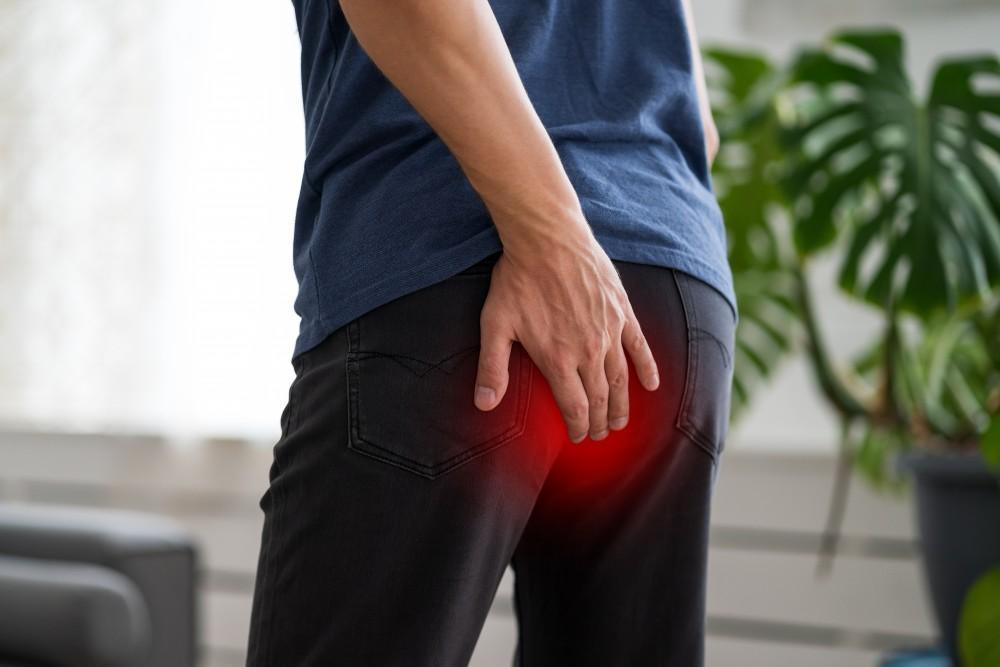
External hemorrhoids may clinically present with anal pain, a sensation of pressure, and a burning discomfort in the perianal region.
Etiology of external hemorrhoids
The exact cause of external hemorrhoids has not been definitively established. However, according to medical experts, several predisposing factors are recognized as contributing to the development of this condition, including:
Common predisposing factors for external hemorrhoids include:
Prolonged sitting or standing and physical inactivityA sedentary lifestyle increases intra abdominal pressure, leading to dilation and congestion of the venous plexus surrounding the rectum. Over time, this contributes to the formation of hemorrhoidal masses, causing pain and discomfort during defecation and even while sitting.
Chronic constipationPersistent constipation results in repeated straining and passage of hard stools, placing excessive pressure on the anorectal muscles and venous system. This leads to venous distension and the development of hemorrhoids.
Unhealthy dietary habitsA diet high in protein, spicy foods, fast food, and fatty meals, combined with low intake of fiber and fluids, increases the risk of constipation and diarrhea. These factors contribute to irritation and damage of the anorectal mucosa, promoting hemorrhoid formation.
Excessive alcohol consumptionFrequent intake of alcohol may lead to dehydration and disruption of gastrointestinal function, increasing the likelihood of constipation. Chronic exposure can also contribute to venous dilation in the anorectal region, facilitating hemorrhoid development.
Poor bowel habitsBehaviors such as prolonged sitting on the toilet, distraction during defecation (e.g., reading or using mobile devices), and excessive straining can increase pressure on the anorectal veins, leading to venous engorgement and hemorrhoid formation.
Pregnancy and postpartum periodIn pregnant women, increased intra abdominal pressure exerts significant stress on the anorectal venous system. Additionally, straining during vaginal delivery further elevates pelvic pressure, increasing the risk of hemorrhoidal prolapse. As a result, pregnant and postpartum women are at higher risk of developing hemorrhoids.
Advancing ageWith aging, intestinal motility, absorption, and defecatory function decline. There is also reduced tone of the colonic smooth muscle, anal sphincter, and supporting ligaments, leading to weakening of the anorectal venous system and increased susceptibility to hemorrhoids.
Increased intra abdominal pressure due to comorbid conditionsChronic conditions such as chronic bronchitis, bronchiectasis, and heart failure may elevate intra abdominal pressure, thereby increasing venous pressure in the anorectal region and predisposing individuals to external hemorrhoids.
Irritable bowel syndromePatients with irritable bowel syndrome often experience recurrent abdominal cramping, frequent urges to defecate, and excessive straining, all of which contribute to venous dilation and increase the risk of hemorrhoid development.
In addition, several other factors may further increase the risk of developing external hemorrhoids, including obesity, anal intercourse, and chronic psychological stress or fatigue.
High risk populations for external hemorrhoids
Given the multifactorial etiology of external hemorrhoids, this condition can occur across all age groups and in both sexes. It is most commonly observed in individuals aged 18 to 60 years, with a higher prevalence reported in females, particularly among the following populations:
Individuals with sedentary occupations, especially office workers who spend prolonged periods sitting.
Professional drivers, particularly those engaged in long distance driving.
Manual laborers who frequently perform heavy lifting.
Pregnant and postpartum women.
Individuals with chronic constipation or persistent diarrhea.

Office workers are considered a high risk population for hemorrhoidal disease in general, particularly external hemorrhoids.
Preventive strategies for external hemorrhoids
Based on the aforementioned risk factors, it is evident that the development of external hemorrhoids is largely associated with daily lifestyle habits. Therefore, individuals are encouraged to adopt appropriate preventive measures to reduce the risk of hemorrhoidal disease in general, and external hemorrhoids in particular, including:
Adopt a balanced diet rich in green vegetables and dietary fiber, including foods such as black beans, pumpkin, broccoli, radish varieties, leafy greens, potatoes, carrots, oranges, bananas, strawberries, avocados, and apples. Additionally, incorporate collagen rich foods such as salmon, tuna, and seaweed to support optimal gastrointestinal function, reduce the risk of constipation, and prevent hemorrhoidal disease in general and external hemorrhoids in particular. Pregnant women should pay special attention to dietary habits and lifestyle adjustments.
Limit the consumption of spicy foods, high fat meals, and avoid excessive alcohol intake and tobacco use.
Maintain adequate hydration by consuming approximately 1.5 to 2 liters of water per day to facilitate detoxification and prevent constipation. In addition to plain water, fruit juices, vegetable juices, and smoothies may be included to increase fiber intake.
Avoid prolonged sitting; it is recommended to stand up and engage in light movement for 5 to 10 minutes after every hour of sitting.
Use a donut cushion when prolonged sitting or long distance driving is required to reduce pressure on the anorectal region.
Avoid prolonged sitting on the toilet, and refrain from activities such as reading or using mobile devices during defecation. Excessive straining should also be avoided.
Respond promptly to the urge to defecate rather than delaying bowel movements.
Maintain proper perianal hygiene by using soft tissue or wipes to minimize friction and irritation. After defecation, cleansing with warm saline solution is recommended.
Avoid strenuous physical activity and heavy lifting that may increase intra abdominal pressure and strain the anorectal region.
Engage in regular physical activity for at least 30 to 60 minutes per day, such as walking, yoga, or swimming, to stimulate intestinal motility and promote healthy blood circulation, thereby reducing pressure on the anorectal veins.
Avoid wearing tight clothing that may cause friction in the perianal area.
Seek early treatment for gastrointestinal disturbances such as chronic constipation or diarrhea to prevent disease progression.
Undergo regular health check ups and seek prompt medical evaluation if any abnormal symptoms occur in the anorectal region.
Particularly in patients who have undergone surgical excision of external hemorrhoids, strict adherence to preventive measures is essential to minimize the risk of recurrence.
Without appropriate dietary management and preventive strategies, the likelihood of hemorrhoidal recurrence remains significantly elevated.
Where to seek safe and high quality care for external hemorrhoids?
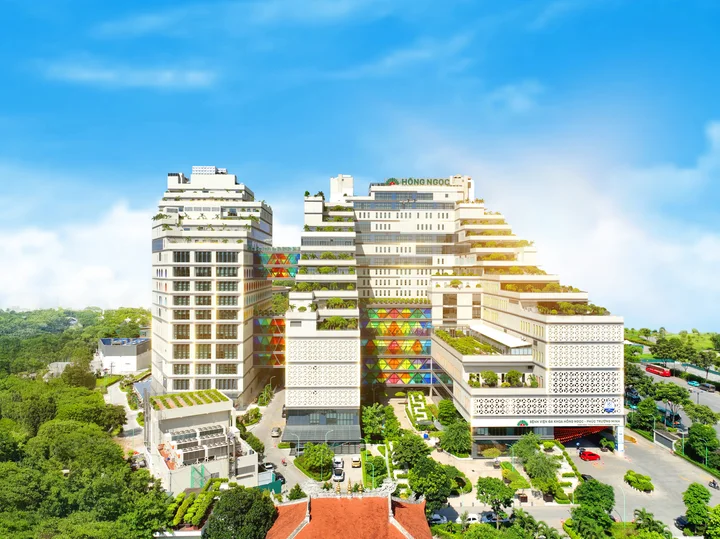
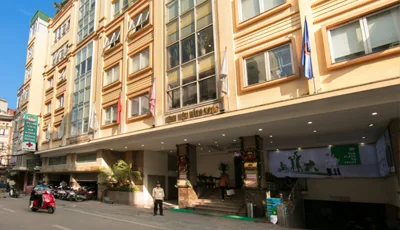
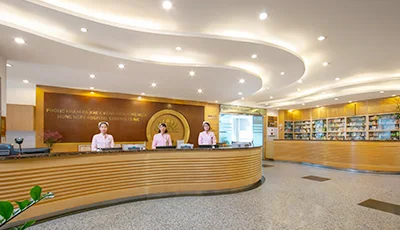
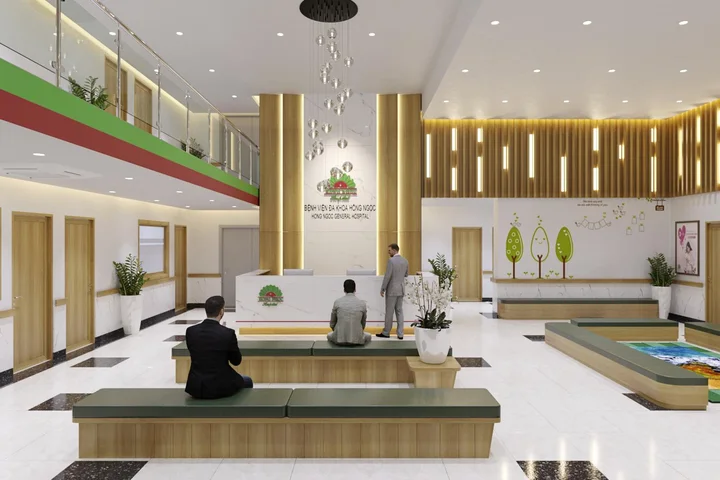
Hong Ngoc General Hospital is equipped with a highly qualified team of physicians and a modern medical infrastructure, making it a reputable destination for patients seeking examination and treatment of hemorrhoidal disease.
Patients can feel confident in the expertise of the Department of Surgery, which comprises highly skilled specialists with extensive clinical experience:
Distinguished Physician, Associate Professor, PhD Nguyen Xuan Hung, former Director of the Colorectal and Perineal Surgery Center at Viet Duc University Hospital, Vice President of the Vietnam Society of Colorectal and Anal Diseases, and member of the French Society of Coloproctology.
Distinguished Physician, PhD, Specialist Level II Pham Van Cuong, with nearly 40 years of clinical experience, and member of the Vietnam Society of Endoscopic and General Surgery.
Master of Medicine, MD Cu Trung Kien, extensively trained in gastrointestinal surgery in Hong Kong, former physician at Bach Mai Hospital, currently Deputy Head of the Department of Gastrointestinal Surgery at Hong Ngoc General Hospital, Yen Ninh branch.
Specialist Level I Bach Phuc Huy, with over 15 years of experience, Head of the Gastrointestinal Surgery Unit at Hong Ngoc General Hospital, Phuc Truong Minh branch.
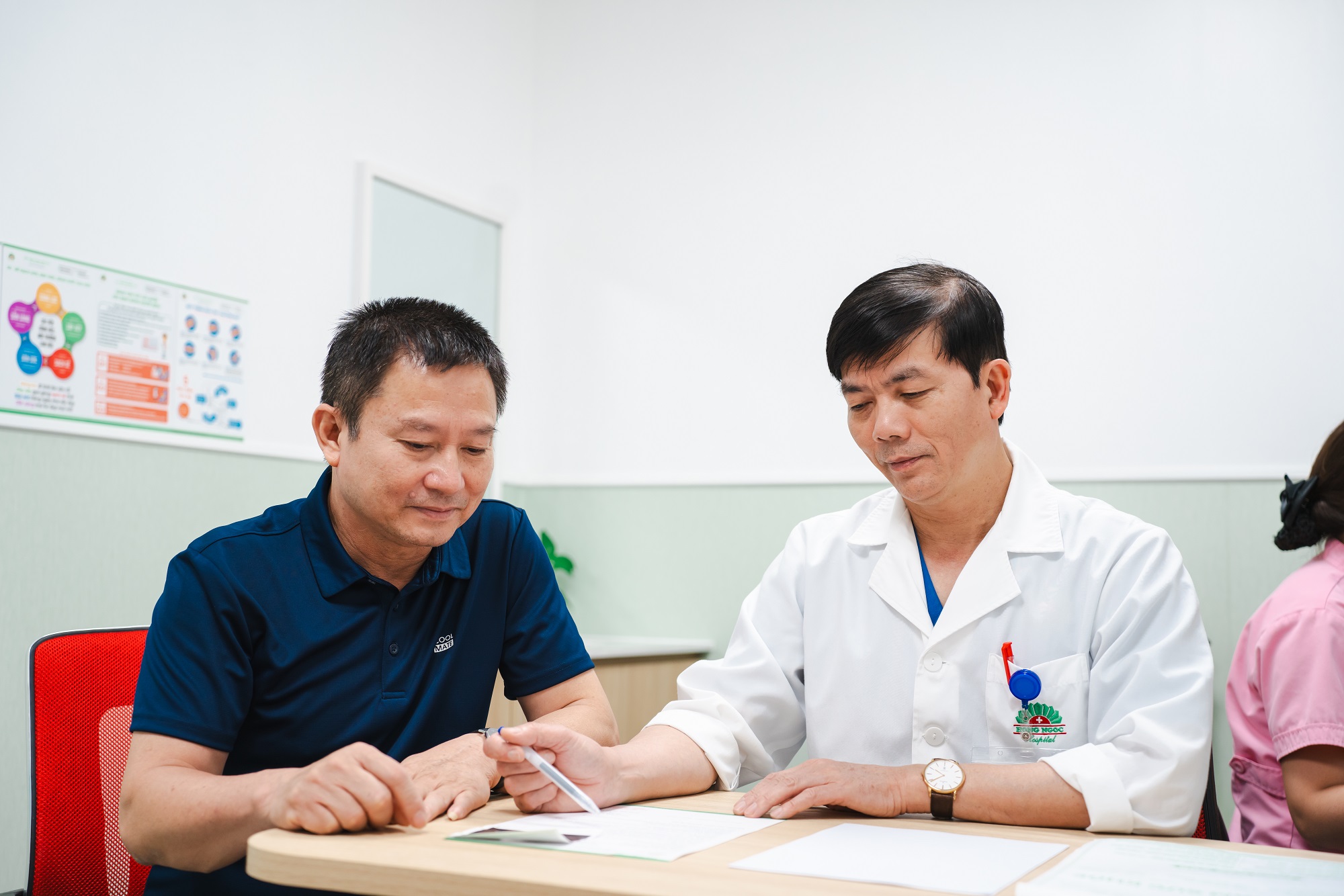
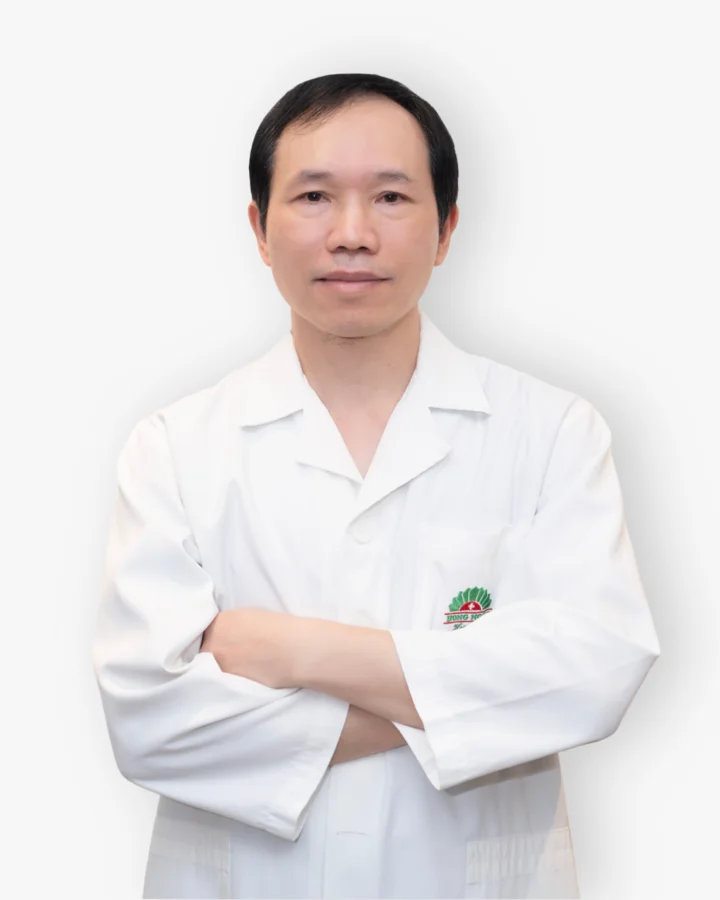
Distinguished Physician, Associate Professor, PhD Nguyen Xuan Hung conducts clinical examination and provides consultation on treatment strategies for patients with hemorrhoidal disease.
Hemorrhoid treatment with a specialist to achieve:
Accurate diagnosis: Avoid misdiagnosis with rectal cancer, polyps, and other anorectal conditions.
Comprehensive treatment: Approximately 50% of cases can be managed with medication combined with dietary and lifestyle modification, while 45% require simple procedural interventions.
Effective intervention: Minimized tissue damage, rapid recovery, very low complication rates, and a cure rate exceeding 95%.
For detailed consultation, please contact:
Hotline for specialist appointment scheduling: 0911 908 856
Hotline for hemorrhoid surgery consultation: 0949 646 556
---------------------------------
Note: The information provided in this article by Hong Ngoc General Hospital is for reference purposes only and does not replace medical diagnosis or treatment. For an accurate assessment of their condition, patients should visit reputable healthcare facilities for direct examination and consultation with qualified physicians to receive an appropriate and effective treatment plan.
Follow the official fanpage of Hong Ngoc General Hospital for more useful health information.
External hemorrhoids are a common anorectal condition that can significantly impact both health status and quality of life. In most cases, the underlying causes are closely associated with daily lifestyle habits. A clear understanding of the etiological factors contributing to external hemorrhoids plays a crucial role in effective prevention.
So, what are the primary causes of external hemorrhoids? The following article provides a comprehensive overview.
What are external hemorrhoids?
Hemorrhoidal disease is a condition characterized by abnormal dilation and distension of the venous plexus, leading to swelling and the formation of hemorrhoidal masses in the anorectal region.
In contrast to internal hemorrhoids, which develop above the dentate line within the anal canal, external hemorrhoids arise below the dentate line, located in the perianal region.
Common clinical manifestations of external hemorrhoids include:
Passage of bright red blood during defecation, which may present as dripping or, in some cases, spurting.
A sensation of anal discomfort, tenesmus, and perianal pruritus.
Anal pain and burning during and after bowel movements; in more severe cases, patients may experience persistent dull pain throughout the day, particularly exacerbated by prolonged sitting.
Prolapse of hemorrhoidal masses outside the anal verge during defecation.
External hemorrhoids are not typically life threatening; however, they can cause significant pain, pruritus, discomfort, and considerable disruption to daily activities and quality of life.
Due to the sensitive nature of the condition, many patients tend to tolerate symptoms or resort to self medication. However, according to medical experts, delayed or inadequate treatment of external hemorrhoids may lead to serious complications, including anemia, perianal infection, and thrombosis, which can adversely affect overall health and, in severe cases, pose potential risks to life.
External hemorrhoids may clinically present with anal pain, a sensation of pressure, and a burning discomfort in the perianal region.
Etiology of external hemorrhoids
The exact cause of external hemorrhoids has not been definitively established. However, according to medical experts, several predisposing factors are recognized as contributing to the development of this condition, including:
Common predisposing factors for external hemorrhoids include:
Prolonged sitting or standing and physical inactivityA sedentary lifestyle increases intra abdominal pressure, leading to dilation and congestion of the venous plexus surrounding the rectum. Over time, this contributes to the formation of hemorrhoidal masses, causing pain and discomfort during defecation and even while sitting.
Chronic constipationPersistent constipation results in repeated straining and passage of hard stools, placing excessive pressure on the anorectal muscles and venous system. This leads to venous distension and the development of hemorrhoids.
Unhealthy dietary habitsA diet high in protein, spicy foods, fast food, and fatty meals, combined with low intake of fiber and fluids, increases the risk of constipation and diarrhea. These factors contribute to irritation and damage of the anorectal mucosa, promoting hemorrhoid formation.
Excessive alcohol consumptionFrequent intake of alcohol may lead to dehydration and disruption of gastrointestinal function, increasing the likelihood of constipation. Chronic exposure can also contribute to venous dilation in the anorectal region, facilitating hemorrhoid development.
Poor bowel habitsBehaviors such as prolonged sitting on the toilet, distraction during defecation (e.g., reading or using mobile devices), and excessive straining can increase pressure on the anorectal veins, leading to venous engorgement and hemorrhoid formation.
Pregnancy and postpartum periodIn pregnant women, increased intra abdominal pressure exerts significant stress on the anorectal venous system. Additionally, straining during vaginal delivery further elevates pelvic pressure, increasing the risk of hemorrhoidal prolapse. As a result, pregnant and postpartum women are at higher risk of developing hemorrhoids.
Advancing ageWith aging, intestinal motility, absorption, and defecatory function decline. There is also reduced tone of the colonic smooth muscle, anal sphincter, and supporting ligaments, leading to weakening of the anorectal venous system and increased susceptibility to hemorrhoids.
Increased intra abdominal pressure due to comorbid conditionsChronic conditions such as chronic bronchitis, bronchiectasis, and heart failure may elevate intra abdominal pressure, thereby increasing venous pressure in the anorectal region and predisposing individuals to external hemorrhoids.
Irritable bowel syndromePatients with irritable bowel syndrome often experience recurrent abdominal cramping, frequent urges to defecate, and excessive straining, all of which contribute to venous dilation and increase the risk of hemorrhoid development.
In addition, several other factors may further increase the risk of developing external hemorrhoids, including obesity, anal intercourse, and chronic psychological stress or fatigue.
High risk populations for external hemorrhoids
Given the multifactorial etiology of external hemorrhoids, this condition can occur across all age groups and in both sexes. It is most commonly observed in individuals aged 18 to 60 years, with a higher prevalence reported in females, particularly among the following populations:
Individuals with sedentary occupations, especially office workers who spend prolonged periods sitting.
Professional drivers, particularly those engaged in long distance driving.
Manual laborers who frequently perform heavy lifting.
Pregnant and postpartum women.
Individuals with chronic constipation or persistent diarrhea.
Office workers are considered a high risk population for hemorrhoidal disease in general, particularly external hemorrhoids.
Preventive strategies for external hemorrhoids
Based on the aforementioned risk factors, it is evident that the development of external hemorrhoids is largely associated with daily lifestyle habits. Therefore, individuals are encouraged to adopt appropriate preventive measures to reduce the risk of hemorrhoidal disease in general, and external hemorrhoids in particular, including:
Adopt a balanced diet rich in green vegetables and dietary fiber, including foods such as black beans, pumpkin, broccoli, radish varieties, leafy greens, potatoes, carrots, oranges, bananas, strawberries, avocados, and apples. Additionally, incorporate collagen rich foods such as salmon, tuna, and seaweed to support optimal gastrointestinal function, reduce the risk of constipation, and prevent hemorrhoidal disease in general and external hemorrhoids in particular. Pregnant women should pay special attention to dietary habits and lifestyle adjustments.
Limit the consumption of spicy foods, high fat meals, and avoid excessive alcohol intake and tobacco use.
Maintain adequate hydration by consuming approximately 1.5 to 2 liters of water per day to facilitate detoxification and prevent constipation. In addition to plain water, fruit juices, vegetable juices, and smoothies may be included to increase fiber intake.
Avoid prolonged sitting; it is recommended to stand up and engage in light movement for 5 to 10 minutes after every hour of sitting.
Use a donut cushion when prolonged sitting or long distance driving is required to reduce pressure on the anorectal region.
Avoid prolonged sitting on the toilet, and refrain from activities such as reading or using mobile devices during defecation. Excessive straining should also be avoided.
Respond promptly to the urge to defecate rather than delaying bowel movements.
Maintain proper perianal hygiene by using soft tissue or wipes to minimize friction and irritation. After defecation, cleansing with warm saline solution is recommended.
Avoid strenuous physical activity and heavy lifting that may increase intra abdominal pressure and strain the anorectal region.
Engage in regular physical activity for at least 30 to 60 minutes per day, such as walking, yoga, or swimming, to stimulate intestinal motility and promote healthy blood circulation, thereby reducing pressure on the anorectal veins.
Avoid wearing tight clothing that may cause friction in the perianal area.
Seek early treatment for gastrointestinal disturbances such as chronic constipation or diarrhea to prevent disease progression.
Undergo regular health check ups and seek prompt medical evaluation if any abnormal symptoms occur in the anorectal region.
Particularly in patients who have undergone surgical excision of external hemorrhoids, strict adherence to preventive measures is essential to minimize the risk of recurrence.
Without appropriate dietary management and preventive strategies, the likelihood of hemorrhoidal recurrence remains significantly elevated.
Where to seek safe and high quality care for external hemorrhoids?
Hong Ngoc General Hospital is equipped with a highly qualified team of physicians and a modern medical infrastructure, making it a reputable destination for patients seeking examination and treatment of hemorrhoidal disease.
Patients can feel confident in the expertise of the Department of Surgery, which comprises highly skilled specialists with extensive clinical experience:
Distinguished Physician, Associate Professor, PhD Nguyen Xuan Hung, former Director of the Colorectal and Perineal Surgery Center at Viet Duc University Hospital, Vice President of the Vietnam Society of Colorectal and Anal Diseases, and member of the French Society of Coloproctology.
Distinguished Physician, PhD, Specialist Level II Pham Van Cuong, with nearly 40 years of clinical experience, and member of the Vietnam Society of Endoscopic and General Surgery.
Master of Medicine, MD Cu Trung Kien, extensively trained in gastrointestinal surgery in Hong Kong, former physician at Bach Mai Hospital, currently Deputy Head of the Department of Gastrointestinal Surgery at Hong Ngoc General Hospital, Yen Ninh branch.
Specialist Level I Bach Phuc Huy, with over 15 years of experience, Head of the Gastrointestinal Surgery Unit at Hong Ngoc General Hospital, Phuc Truong Minh branch.
Distinguished Physician, Associate Professor, PhD Nguyen Xuan Hung conducts clinical examination and provides consultation on treatment strategies for patients with hemorrhoidal disease.
Hemorrhoid treatment with a specialist to achieve:
Accurate diagnosis: Avoid misdiagnosis with rectal cancer, polyps, and other anorectal conditions.
Comprehensive treatment: Approximately 50% of cases can be managed with medication combined with dietary and lifestyle modification, while 45% require simple procedural interventions.
Effective intervention: Minimized tissue damage, rapid recovery, very low complication rates, and a cure rate exceeding 95%.
For detailed consultation, please contact:
Hotline for specialist appointment scheduling: 0911 908 856
Hotline for hemorrhoid surgery consultation: 0949 646 556
---------------------------------
Note: The information provided in this article by Hong Ngoc General Hospital is for reference purposes only and does not replace medical diagnosis or treatment. For an accurate assessment of their condition, patients should visit reputable healthcare facilities for direct examination and consultation with qualified physicians to receive an appropriate and effective treatment plan.
Follow the official fanpage of Hong Ngoc General Hospital for more useful health information.
Để lại câu hỏi của bạn để nhận được giải đáp từ các bác sĩ của Hồng Ngọc
Lorem ipsum dolor
Lorem ipsum dolor sit amet, consectetur adipiscing elit. Mauris odio lectus, pretium faucibus nisi eu, accumsan consectetur orci. In blandit vehicula nisl, vel lacinia ligula finibus a. Donec fermentum rhoncus