


“Does excessive smartphone use harm your eyes?” is a common concern as daily screen time continues to increase. In fact, prolonged smartphone use can contribute to eye strain, dry eye, blurred vision, and may increase the risk of visual problems if devices are used improperly. This article explains the signs that your eyes may be affected by excessive smartphone use.
Key takeaways:
- Excessive smartphone use can affect the eyes: Prolonged smartphone use may cause eye strain, dry eye, blurred vision, and increase the risk of visual problems when devices are used improperly.
- Habits that can harm the eyes: Using a smartphone in the dark, holding the screen too close, or using it continuously without breaks can place excessive accommodative strain on the eyes.
- Signs your eyes may be affected: Eye strain, redness, headache, light sensitivity, and sleep disturbance are common symptoms associated with excessive smartphone use.
- How to protect your eyes when using a smartphone: Follow the 20-20-20 rule, keep the screen approximately 30–40 cm from your eyes, and adjust screen brightness to a comfortable level to reduce visual strain.
- When to have an eye examination: If you frequently experience dry eye, blurred vision, or rapidly progressing myopia, regular eye examinations are recommended to help protect long-term visual health.
1. Does excessive smartphone use harm your eyes?
The answer is yes if smartphones are used for prolonged periods and inappropriately. Looking at a smartphone screen continuously for several hours each day can place excessive accommodative strain on the eyes, increasing the risk of problems such as eye strain, dry eye, temporary blurred vision, or myopia progression, particularly in children and people who frequently use digital devices. [1]
In addition, blue light emitted from smartphones, along with habits such as using the device in the dark, holding the screen too close, or using it before bedtime, may further contribute to eye discomfort.
Common symptoms include:
- Eye strain
- Dry eye
- Temporary blurred vision
- Headache
- Watery eyes
- Light sensitivity
- Neck and shoulder pain after prolonged smartphone use [1]
Although smartphones do not directly “damage the eyes,” prolonged and improper use can significantly affect visual comfort and eye health.
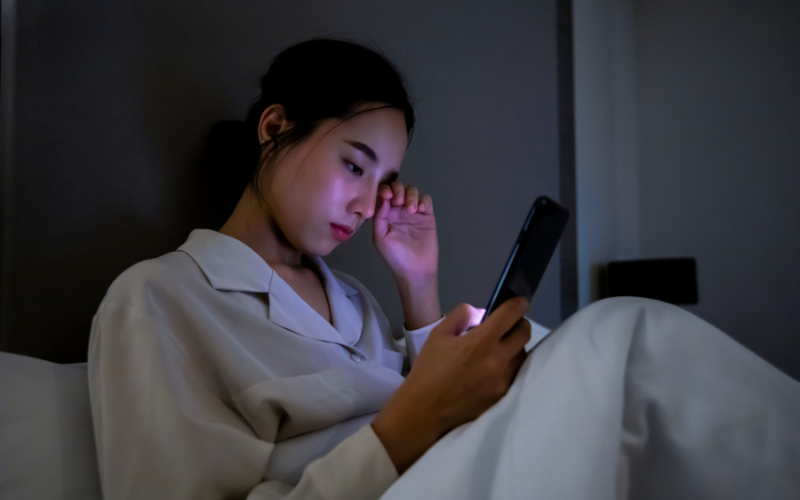
2. How does smartphone use affect the eyes?
When using a smartphone for prolonged periods, the eyes must continuously focus on a screen at close range. This places greater strain on the visual system and may lead to several adverse effects.
- Reduced blinking frequency: When concentrating on a screen, blinking frequency decreases significantly, causing tears to evaporate more quickly and increasing the risk of dry eye and ocular irritation. [2]
- Increased accommodative demand: Continuous near viewing forces the eye’s accommodative muscles to work constantly to maintain clear focus, which may lead to eye strain and temporary accommodative dysfunction. [2]
- Increased risk of computer vision syndrome (CVS): Prolonged exposure to smartphone screens may contribute to computer vision syndrome, with symptoms such as eye strain, blurred vision, dry eye, and headache. [2][5]
- Sleep disruption: Blue light emitted from smartphone screens may suppress melatonin production, a hormone that helps regulate sleep, which can make it more difficult to fall asleep or reduce sleep quality. [4]
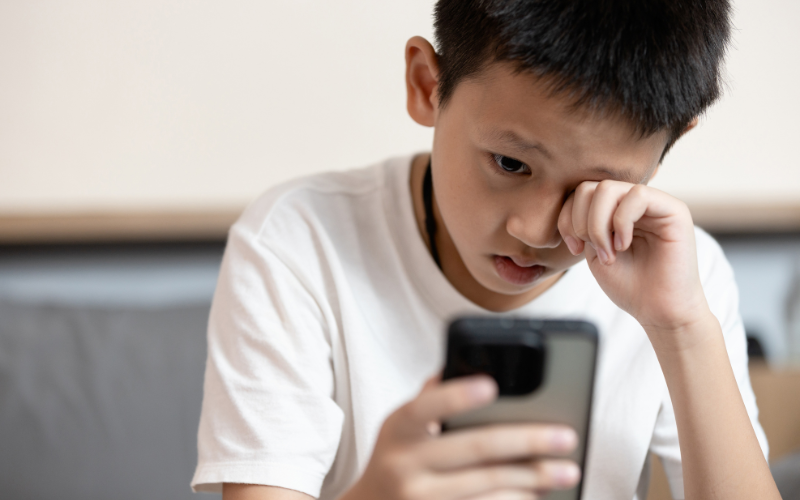
3. 7 signs that your eyes may be affected
Prolonged smartphone use can cause a range of uncomfortable eye symptoms due to continuous near focusing and extended exposure to screen light. If these symptoms occur frequently, you should adjust your smartphone habits to help protect your vision.
- Eye strain: A feeling of tightness, heaviness, or discomfort in the eyes after prolonged smartphone use. [2]
- Dry eye: Dryness, grittiness, or burning caused by reduced blinking while focusing on the screen. [5]
- Red eyes: Persistent irritation and dryness may cause dilation of blood vessels on the ocular surface, resulting in redness and discomfort. [5]
- Temporary blurred vision: Short-term blurred vision after continuous smartphone use due to excessive accommodative demand. [5]
- Headache: Excessive visual strain may trigger headache, particularly around the forehead and eye sockets. [5]
- Light sensitivity: The eyes may become more sensitive to bright light after prolonged screen exposure. [2]
- Difficulty sleeping or poor sleep quality: Using a smartphone at night may disrupt the body’s circadian rhythm, making it harder to fall asleep or achieve restful sleep. [4]
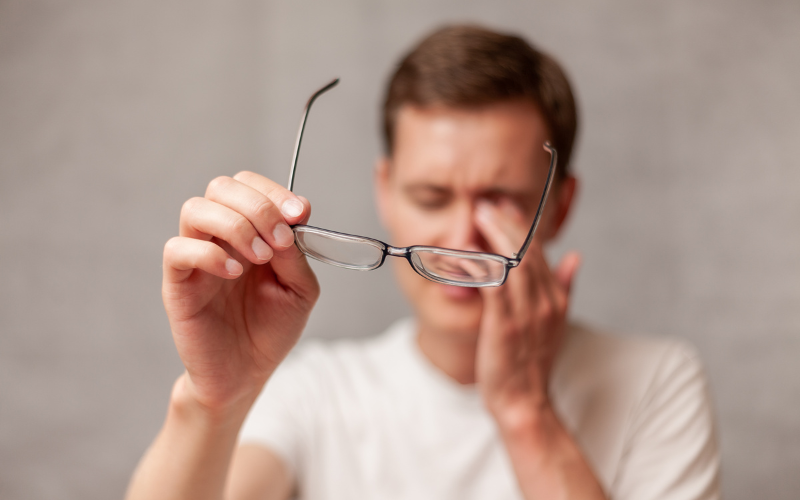
4. Smartphone habits that are most harmful to the eyes
It is not only the amount of time spent using a smartphone that matters. Daily habits such as using the device incorrectly can also place excessive strain on the eyes, increasing the risk of eye strain, dry eye, and visual impairment.
4.1. Using a smartphone continuously for several hours
Looking at a smartphone screen for prolonged periods forces the eyes to continuously accommodate at a close distance. This can lead to eye strain, a feeling of pressure or tightness around the eyes, temporary blurred vision, and difficulty concentrating after device use. In addition, blinking frequency decreases significantly when focusing on a screen, increasing the risk of dry eye and ocular irritation. [2]
4.2. Using a smartphone in low-light conditions
Many people use smartphones in dark rooms or before bedtime. In these situations, the large contrast between screen brightness and ambient lighting forces the eyes to adjust continuously. This may cause eye strain and discomfort and can also affect sleep quality because of nighttime exposure to blue light from screens. [4]
In addition, setting the screen too bright or too dim compared with the surrounding environment can make the eyes become strained and fatigued more quickly during prolonged use.
4.3. Holding the screen too close
Holding a smartphone too close to the eyes or using it while lying down is a common habit. However, a very short viewing distance increases accommodative demand, which may contribute to eye strain and accelerate myopia progression, particularly in children and adolescents. [6]
Using a smartphone while lying down can also cause the viewing distance to change repeatedly and increase strain on the neck and shoulders, leading to pain and discomfort. [6]
4.4. Not giving the eyes enough rest
Many people use smartphones continuously without taking regular breaks to rest their eyes. This causes the accommodative muscles to work for prolonged periods, increasing the risk of overuse, eye strain, and temporary accommodative dysfunction.
In addition, prolonged screen focus reduces blinking frequency, causing tears to evaporate more quickly and making the eyes more prone to dryness, redness, and irritation. [2]
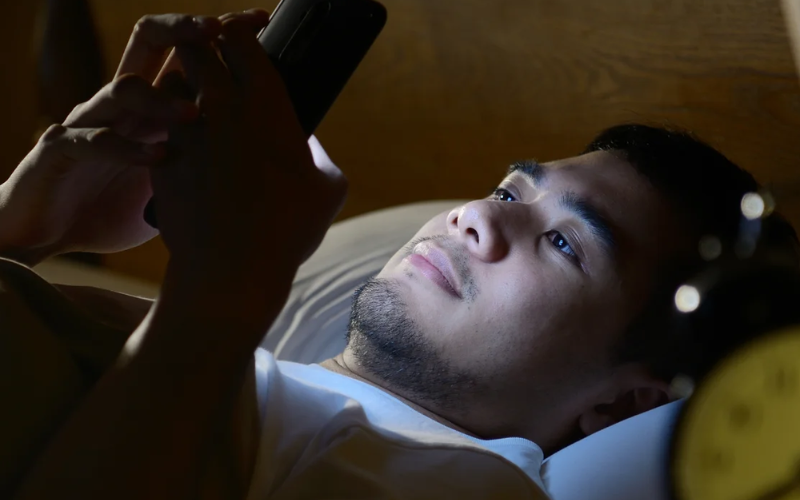
5. How to protect your eyes when using a smartphone frequently
In today’s digital age, daily smartphone use is difficult to avoid. However, you can reduce its effects on the eyes by adopting healthier device-use habits.
5.1. Follow the 20-20-20 rule
According to WHO recommendations, the 20-20-20 rule can help the eyes relax during prolonged screen use. After every 20 minutes of smartphone use, look at an object about 20 feet (approximately 6 meters) away for at least 20 seconds.
This habit helps reduce accommodative strain and may limit eye fatigue and blurred vision associated with continuous smartphone use.
5.2. Develop healthy smartphone-use habits
To reduce the effects of smartphone use on the eyes, you should maintain the following habits:
- Adjust screen brightness appropriately: Avoid setting the screen too bright or too dim. Increase brightness moderately when outdoors and reduce it when using the phone at night. [2]
- Maintain an appropriate viewing distance: Keep the smartphone approximately 30–40 cm from the eyes to reduce accommodative demand and eye strain. [5]
- Avoid using smartphones in the dark: If you need to use your phone at night, keep a night light or soft ambient lighting on to reduce the contrast between the screen and the surrounding environment. [2]
- Avoid holding the screen too close or using poor posture: Do not hold the phone too close to your face or keep your head bent forward for prolonged periods, as this can contribute to eye strain and neck and shoulder muscle tension.
- Use blue-light filtering modes: Features such as Night Shift, Eye Comfort Shield, or Eye Protection Mode can reduce blue-light exposure from the screen, particularly during evening use. [4]
- Limit prolonged smartphone use before bedtime: This allows the eyes to rest and may also help improve sleep quality.
5.3. When should you have an eye examination?
According to WHO recommendations, regular eye examinations can help detect and diagnose vision problems such as myopia, dry eye, or accommodative disorders at an early stage. In particular, you should seek an eye examination if you experience:
- Persistent blurred vision.
- Frequent eye pain or discomfort.
- Rapid progression of myopia.
- Severe eye redness or dry eye.
Proper eye care and regular eye examinations can help protect visual health during daily smartphone use.
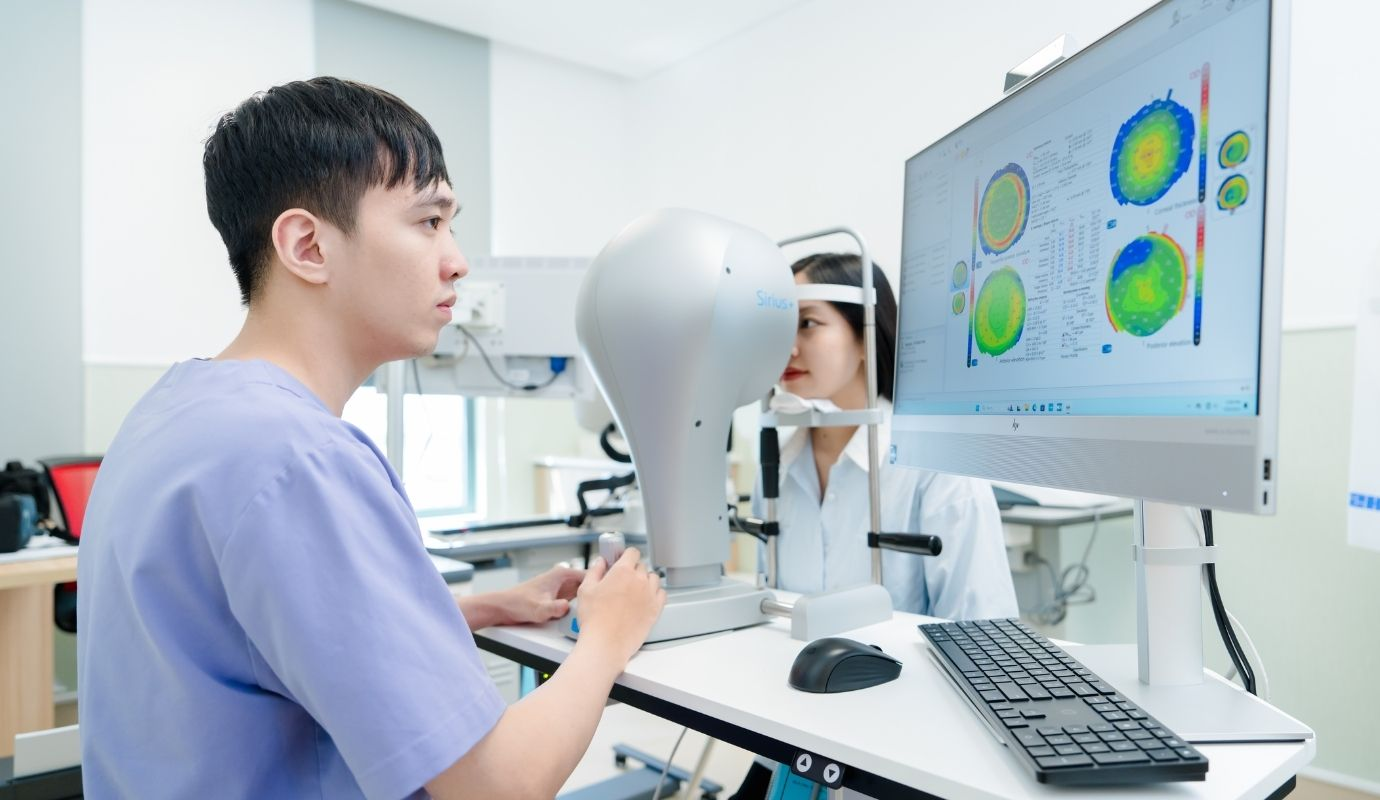
6. Hong Ngoc Eye Center - comprehensive eye care in the digital age
As the use of smartphones and other digital devices continues to increase, many people experience eye strain, dry eye, eye discomfort, or visual impairment due to prolonged accommodative effort. In addition to adopting healthier screen-use habits, regular eye examinations also play an important role in protecting visual health.
Hong Ngoc Eye Center provides comprehensive ophthalmic care and treatment for patients of different age groups, supported by advanced technology and an experienced team of specialists.
- Experienced ophthalmologists: Hong Ngoc Eye Center brings together leading Vietnamese and international ophthalmology specialists with extensive expertise in the diagnosis and treatment of eye diseases and advanced training in Russia, the United States, and Japan.
- Advanced ophthalmic technology: The center is equipped with advanced systems imported from Germany, Switzerland, and Japan, creating an integrated diagnostic imaging and refractive surgery ecosystem that supports accurate diagnosis and surgical treatment, particularly for refractive errors and cataracts.
- International-standard examination and treatment process: Clinical and surgical protocols are systematically developed, with an emphasis on comprehensive screening and individualized treatment planning to improve both treatment effectiveness and patient safety.
- Comprehensive care services: As part of a multidisciplinary general hospital, Hong Ngoc Eye Center can coordinate with other specialties in complex cases or when multidisciplinary treatment is required.
- Modern facilities and comfortable clinical environment: Consultation rooms and treatment areas are comprehensively equipped to provide patients with a comfortable and professional healthcare experience.
- A wide range of services for different age groups: Hong Ngoc Eye Center provides services including:
- Comprehensive eye examinations.
- Advanced refractive surgery, including SmartSight, SmartSight Nova, Smart Femto, SmartSurf, Phakic ICL, and bladeless Femto Phakic ICL.
- Presbyopia treatment with PresbyMAX.
- Cataract treatment, including phacoemulsification and bladeless femtosecond laser-assisted cataract surgery.
- Corneal transplantation and treatment of complex corneal disorders.
- Eye care for children and older adults.
7. Frequently asked questions (FAQs)
7.1. How does excessive smartphone use affect children’s eyes?
Excessive smartphone use in children may increase the risk of myopia and contribute to eye strain, dry eye, and sleep disturbances, particularly because their visual system is still developing. Prolonged screen use may also affect concentration and encourage unhealthy daily habits. Therefore, parents should limit smartphone use and encourage children to take regular visual breaks and spend more time outdoors. [3]
7.2. How much smartphone use per day is considered safe?
There is no single fixed duration that applies to everyone. However, experts recommend avoiding prolonged continuous smartphone use and taking regular visual breaks using the 20-20-20 rule to reduce eye strain and dry eye symptoms. [8]
7.3. Are blue-light-blocking glasses really effective?
Blue-light-blocking glasses may help reduce glare and improve visual comfort when using digital devices, particularly in the evening. However, they should be considered a supportive measure and do not replace appropriate screen brightness, regular visual breaks, or proper device-use habits. [7]
In summary, in answer to the question “Does excessive smartphone use harm your eyes?”, prolonged smartphone use can affect eye health and visual function, particularly when unhealthy device-use habits are maintained. Therefore, limiting screen time, practicing proper eye care, and having regular vision checks are important for protecting long-term eye health.
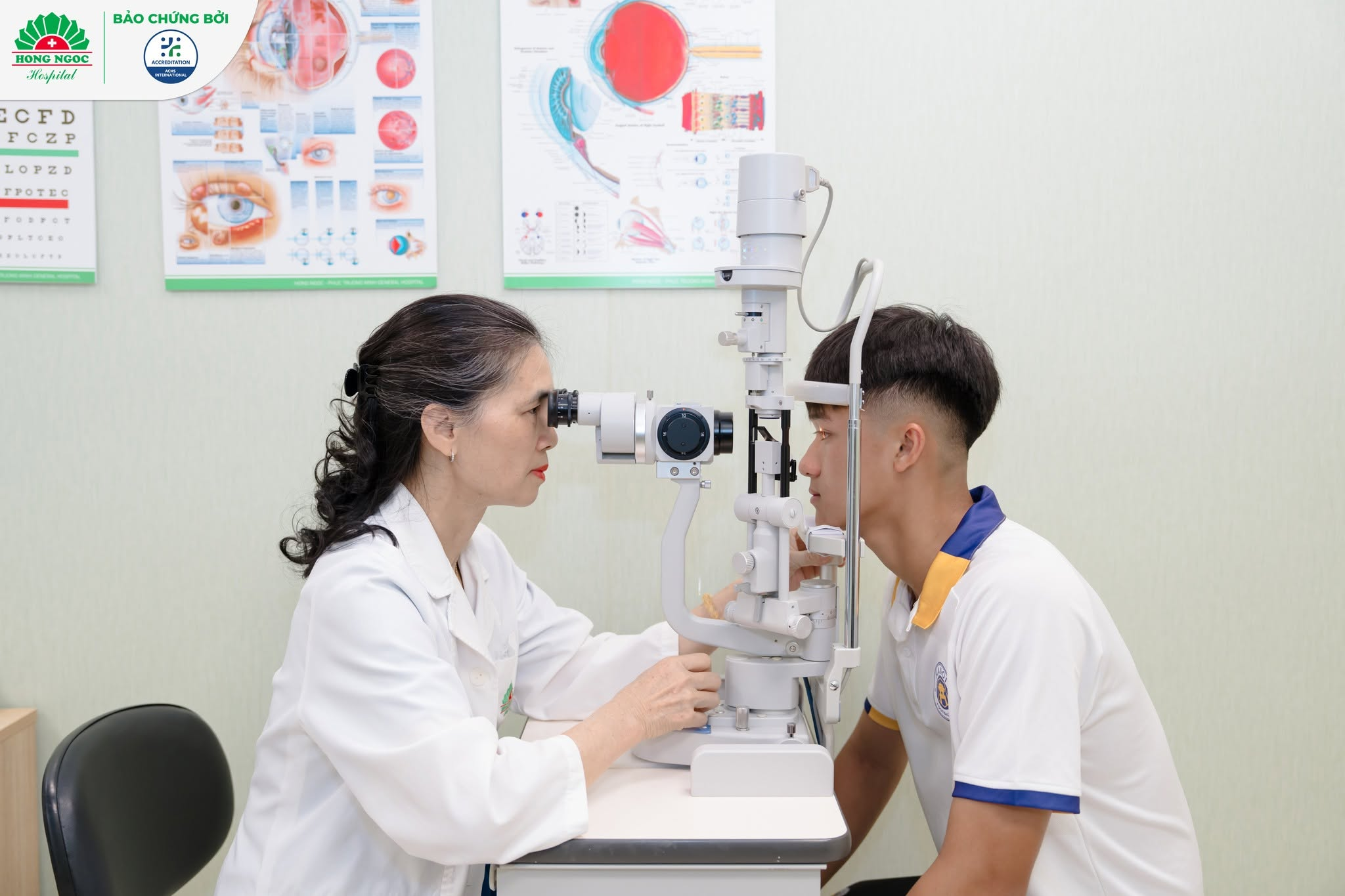
If you frequently experience eye strain, dry eye, blurred vision, or suspect that your vision is deteriorating, you should seek an early examination at the Eye Center, Hong Ngoc General Hospital. The center is equipped with modern diagnostic systems and staffed by experienced ophthalmologists, providing comprehensive eye examinations and vision care for both adults and children.
Medical disclaimer: The information provided in this article is for reference purposes only and is not intended to replace professional medical diagnosis or advice. Each patient’s ophthalmic condition and ocular anatomy are different. Therefore, patients should undergo a comprehensive examination and individualized assessment by an ophthalmologist before making any decisions regarding an appropriate surgical treatment plan.
References:
- Digital Devices and Your Eyes. By Daniel Porter. Reviewed By Alejandra G de Alba-Campomanes, MD, MPH. Published Dec. 05, 2025. https://www.aao.org/eye-health/tips-prevention/digital-devices-your-eyes
- Computer Vision Syndrome. Published 12/19/2025. https://my.clevelandclinic.org/health/diseases/24802-computer-vision-syndrome
- Screen Use for Kids. Published Jul. 19, 2024. By Luxme Hariharan, MD, Dan Gudgel. Reviewed By Rahul N Khurana, MD. aao.org/eye-health/tips-prevention/screen-use-kids
- What is blue light? The effect blue light has on your sleep and more. Reviewed by Howard E. LeWine, MD, Chief Medical Editor, Harvard Health Publishing; Editorial Advisory Board Member, Harvard Health Publishing. health.harvard.edu/healthy-aging-and-longevity/blue-light-has-a-dark-side
- Computer vision syndrome. https://www.aoa.org/healthy-eyes/eye-and-vision-conditions/computer-vision-syndrome
- Computers, Digital Devices, and Eye Strain. Published Jun. 27, 2024. Reviewed By James M Huffman, MD. Edited By David Turbert. https://www.aao.org/eye-health/tips-prevention/computer-usage
- Do Blue Light Glasses Work? https://health.clevelandclinic.org/do-blue-light-blocking-glasses-actually-work
- Eyestrain - Mayo Clinic Press. https://www.mayoclinic.org/diseases-conditions/eyestrain/symptoms-causes/syc-20372397