


Conjunctivitis during pregnancy is a common condition and can easily spread in outbreaks. According to medical experts, although it generally does not significantly affect the fetus, it can cause considerable discomfort for the mother. If not managed promptly and appropriately, it may lead to potentially serious complications.
What is conjunctivitis during pregnancy?
Conjunctivitis is an inflammation of the conjunctiva, most commonly caused by adenovirus infection. It can occur in individuals of all ages and both sexes. Due to its transmission through respiratory droplets, bodily secretions, and direct contact, it has a high potential for rapid spread and may lead to community outbreaks.
Pregnant women are particularly susceptible to conjunctivitis, as hormonal changes during pregnancy can weaken the immune system, making them more vulnerable to viral and bacterial infections. Clinically, conjunctivitis in pregnancy is similar to that in the general population. The condition typically resolves within approximately 7 days. However, without proper eye care and management, it may cause significant discomfort for the expectant mother.
Causes of conjunctivitis
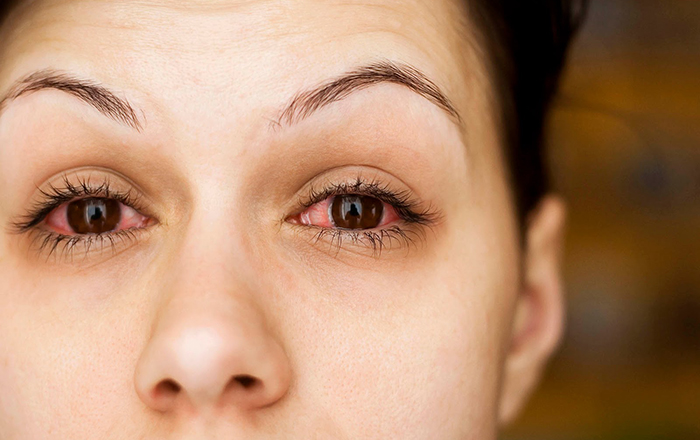
Conjunctivitis during pregnancy may arise from three primary causes:
- Bacterial infection: Bacteria such as Haemophilus influenzae and Staphylococcus species can invade the conjunctival mucosa, leading to inflammation. This condition is often associated with improper contact lens use or frequent eye rubbing with unclean hands.
- Viral infection: The most common cause is adenovirus infection. Viral conjunctivitis typically affects both eyes and is associated with persistent itching, redness, and irritation.
- Allergic reactions: Exposure to allergens such as animal dander or dust may trigger allergic conjunctivitis. In mild cases, symptoms include itching, foreign body sensation, and transient redness, which usually resolve once exposure to the allergen is eliminated.
In addition, conjunctivitis during pregnancy may also be associated with exposure to polluted environments and poor air quality. Airborne particles such as dust and sand can irritate the conjunctiva, and prolonged exposure may lead to inflammation and the development of conjunctivitis.
If any abnormal symptoms occur, pregnant women should consult a qualified healthcare professional and visit a reputable medical facility for proper evaluation. Please register for consultation via the form below.
Clinical manifestations of conjunctivitis during pregnancy
Clinical presentation may vary depending on the underlying etiology. Similar to the general population, pregnant women with conjunctivitis may exhibit the following symptoms:
- Viral conjunctivitis
- Ocular itching and excessive tearing
- Reduced visual acuity and photophobia
- Preauricular lymphadenopathy
- Bacterial conjunctivitis
- Purulent discharge, typically green or yellow, especially in the morning
- Difficulty opening the eyes upon waking due to crusting
- Corneal ulceration in severe cases
- Allergic conjunctivitis
- Persistent itching and tearing
- Increased discharge at the medial canthi of both eyes
- May be associated with allergic rhinitis in some pregnant women
Transmission routes of conjunctivitis
Conjunctivitis can spread through multiple routes, including:
- Airborne transmission: This is one of the fastest modes of spread and can easily lead to community outbreaks, particularly in crowded environments.
- Direct contact: Transmission may occur through direct contact with ocular secretions of an infected individual, such as through handshakes or contact with contaminated personal items and surfaces.
- Contaminated water: Exposure to polluted or contaminated water sources may also facilitate infection.
Due to its high transmissibility, conjunctivitis can rapidly spread and develop into widespread outbreaks.
Management of conjunctivitis in pregnant women
Although not typically severe, conjunctivitis during pregnancy can cause significant discomfort, fatigue, and negatively impact daily activities. Therefore, it should be promptly managed once symptoms are recognized.

Management depends on the underlying cause:
- Viral conjunctivitis: This form is typically self-limiting and may resolve within a few days. Supportive care includes cold compresses to reduce swelling and frequent use of artificial tears to cleanse and protect the ocular surface.
- Bacterial conjunctivitis: Treatment requires physician-prescribed therapy, including pregnancy-safe topical antibiotics, anti-inflammatory agents, or ophthalmic ointments to control infection and inflammation.
- Allergic conjunctivitis: Avoidance of identified allergens is essential. Patients should consult a physician for appropriate management, which may include anti-allergic medications and artificial tears to relieve itching and discomfort.
In cases of conjunctivitis during pregnancy, it is advisable for the patient to rest for several days to allow ocular recovery and reduce the risk of transmission. If medications are prescribed, strict adherence to the physician’s instructions is essential. Pregnant women should not self-medicate without medical guidance.
Ocular hygiene may be maintained by gently rinsing the eyes with 0.9% saline solution. However, proper hand hygiene must be ensured, and eye rubbing should be avoided to prevent further infection and mechanical irritation to the ocular surface.
Is conjunctivitis during pregnancy dangerous?
Conjunctivitis is a highly contagious condition, and pregnant women are more susceptible due to a relatively weakened immune system. Therefore, concerns about its potential risks during pregnancy are common.
According to medical experts, if not treated promptly and appropriately, conjunctivitis during pregnancy may lead to complications such as keratitis, corneal scarring, and potential reduction in visual acuity.
However, in most cases, conjunctivitis regardless of the causative agent rarely affects the fetus. The viruses and bacteria responsible for this condition typically do not interfere with pregnancy. Therefore, pregnant women should not be overly concerned but should ensure adequate eye care and allow proper rest for recovery.
Dietary recommendations for pregnant women with conjunctivitis
In addition to adhering to prescribed medications, appropriate nutritional support may help accelerate recovery and improve symptom control.
- Recommended foods
- Pregnant women are advised to consume foods rich in vitamin A and beneficial for eye health, such as carrots, bell peppers, fish oil, blueberries, and green leafy vegetables, including water spinach.
- Foods to avoid
- Patients should avoid seafood with a strong odor such as shrimp and fish, as well as stimulants including alcohol, carbonated beverages, and other irritants. Intake of animal fats should be limited. Water spinach should also be restricted, as it may increase ocular discharge.

Preventive measures for conjunctivitis
If prolonged or left untreated, conjunctivitis during pregnancy may affect long term visual function and lead to reduced visual acuity. Therefore, preventive measures should be strictly observed, even when there are no apparent cases in the surrounding environment.

The pathogens causing conjunctivitis can survive in the external environment for several days, making them difficult to detect and easily transmissible even before symptoms appear. Therefore, prevention remains the most effective strategy to protect ocular health.
Pregnant women should:
- Maintain proper personal hygiene, including frequent handwashing with antiseptic soap before meals and after using the restroom
- Avoid touching or rubbing the eyes
- Use lubricating eye drops regularly to maintain ocular surface health
- Avoid sharing personal items such as towels or wash basins
- Wash towels frequently and dry them under sunlight to reduce microbial growth
- Limit close contact with others during outbreaks to reduce transmission risk
- Avoid crowded places and high risk environments such as hospitals or clinics when not necessary
- Avoid using contaminated or polluted water sources
- Limit swimming, as infectious agents can be transmitted through pool water
Note: The information provided in this article by Hong Ngoc General Hospital is for reference purposes only and does not replace professional medical diagnosis or treatment. Patients should not self-medicate. For an accurate diagnosis and appropriate treatment plan, individuals are advised to visit a hospital for direct consultation with a qualified physician.
Follow the official fanpage of Hong Ngoc General Hospital for more useful health information: https://www.facebook.com/BenhvienHongNgoc