


Constipation with rectal bleeding is not uncommon among individuals with chronic constipation. However, it may also serve as a warning sign of underlying serious conditions. Therefore, patients should seek to identify the exact cause in order to receive timely and appropriate management. Below is detailed information about constipation associated with rectal bleeding for your reference.
What is constipation with rectal bleeding?
Constipation with rectal bleeding refers to the passage of blood during defecation in patients with constipation. Blood may be mixed with stool, present on toilet paper, or appear as droplets or spurting during bowel movements. The color may range from bright red to dark red, or even black, depending on the underlying cause and severity, as well as the duration of bleeding.
In some cases, this condition may resolve spontaneously if it is benign. However, if accompanied by additional symptoms such as indigestion, diarrhea, dyspnea, unexplained weight loss, or palpitations, it may indicate more serious underlying conditions, including hemorrhoids, peptic ulcer disease, or gastrointestinal malignancies.
In such situations, patients are advised to seek evaluation at specialized medical facilities for accurate diagnosis and timely, appropriate management.

Causes of constipation with rectal bleeding
Constipation with rectal bleeding may occur as a benign condition, often related to local irritation, dietary factors, or minor mucosal injury caused by hard stool. However, it can also be a warning sign of underlying anorectal or gastrointestinal pathology.
This raises an important question: Is constipation with rectal bleeding dangerous? The answer depends on the underlying cause. Therefore, understanding the associated symptoms and potential complications is essential for timely diagnosis and appropriate management.
Primary causes of constipation with rectal bleeding
Different types of constipation are associated with distinct underlying mechanisms:
- Normal-transit constipation: This type is related to dysfunction in the defecation mechanism, often involving abnormalities of the anal sphincter or pelvic floor coordination. It can be difficult to detect on routine physical examination.
- Slow-transit constipation: Reduced colonic motility leads to delayed bowel movement. This type is more commonly observed in women and is often associated with symptoms such as abdominal bloating and decreased urge to defecate.
- Pelvic floor dysfunction: Caused by weakening or dysfunction of the pelvic floor muscles and ligaments, leading to impaired support and coordination of pelvic organs. As a result, patients may experience difficulty with defecation, excessive straining, incomplete evacuation, and the need for manual assistance to pass stool.
Secondary causes of constipation with rectal bleeding
- Dietary and lifestyle factors: A low-fiber diet, excessive intake of animal fats, high consumption of sugar, coffee, tea, and alcohol, along with inadequate fluid intake, are common contributors to constipation. Sedentary lifestyle and habitual postponement of defecation also play a significant role in the development of this condition.
- Underlying organic diseases: Constipation with rectal bleeding may also be a clinical manifestation of various underlying conditions, such as:
- Hemorrhoids: Hemorrhoidal disease is a common cause of rectal bleeding in patients with constipation. Blood may be mixed with stool or visible on toilet paper. Contributing factors include prolonged sitting, excessive straining, chronic constipation, low fiber intake, inadequate hydration, chronic stress, and pregnancy. Hemorrhoids are also more prevalent in pregnant women and patients on long-term medication.
- Anal fissures: Anal fissures are another frequent cause, typically presenting with bright red bleeding during or after defecation, often accompanied by significant anal pain. They are commonly caused by excessive straining and passage of hard stool, leading to mucosal tears. If untreated, complications such as ulceration and infection may occur.
- Colorectal polyps: Polyps arise from abnormal proliferation of the colorectal mucosa, forming protruding lesions within the lumen. These lesions may become irritated during bowel movements, leading to inflammation and bleeding.
- Rectal prolapse: This condition involves partial or complete protrusion of the rectal wall through the anus. It may be mistaken for hemorrhoids due to similar symptoms. It is more common in young children (1–3 years) and older adults (>50 years). Symptoms may include rectal bleeding and lower abdominal pain. Early treatment is essential to prevent complications such as ulceration or necrosis.
- Diverticular disease (diverticulosis/diverticulitis): Diverticula are outpouches of the colonic wall, most commonly in the sigmoid colon. Although the exact cause is unclear, low-fiber diets are strongly implicated. These pouches may bleed due to mechanical irritation during digestion, resulting in intermittent or continuous rectal bleeding and increased risk of infection if left untreated.
- Gastroenteritis: Most commonly caused by bacterial or viral infections, gastroenteritis may present with bloody stools mixed with mucus. Management includes fluid replacement and appropriate antimicrobial or antiviral therapy depending on the etiology.
- Colorectal inflammation (colitis/proctitis): Inflammation of the colon and rectum may result from various causes, including constipation, Crohn’s disease, irritable bowel syndrome, parasitic or bacterial infections, or anal intercourse. Symptoms such as rectal bleeding can often be improved with medical treatment and lifestyle modification.
- Colorectal cancer: This is the most serious potential cause of constipation with rectal bleeding. It results from uncontrolled proliferation of abnormal cells forming malignant tumors in the colon or rectum. Early stages may present with minimal bleeding, but bleeding can increase as the disease progresses. Patients should be alert to warning signs such as abdominal pain, persistent constipation, rectal bleeding, changes in bowel habits, nausea, vomiting, fatigue, and unexplained weight loss. Early detection significantly improves prognosis and treatment outcomes.
High-risk groups for constipation with rectal bleeding
Constipation with rectal bleeding can occur in individuals of all ages and genders, from children to adults and the elderly. However, certain groups are at higher risk:
- Office workers: Prolonged sitting, physical inactivity, and irregular dietary habits such as frequent consumption of fast food, spicy or high-fat meals, and excessive alcohol intake are common contributing factors that increase the risk of constipation and associated rectal bleeding.

- Elderly individuals: Older adults often experience reduced gastrointestinal motility and decreased physical activity, making them more prone to constipation and associated rectal bleeding.
- Pregnant and postpartum women: Hormonal changes, combined with increased nutritional intake and limited physical activity, contribute to a higher risk of constipation and rectal bleeding in this group.
- Children: Children are also susceptible, particularly those who consume large amounts of formula milk or are in the early stages of complementary feeding when the digestive system is still adapting. Low intake of fruits and vegetables, along with straining during defecation, may lead to rectal mucosal injury and bleeding.
Symptoms of constipation
Clinical manifestations of constipation may vary by age group, but commonly include difficulty with defecation, excessive straining, hard and fragmented stools, abdominal bloating, and a sensation of abdominal firmness.
In adults:
- Infrequent bowel movements (typically fewer than three times per week)
- Abdominal distension
- Straining with difficulty passing stool or inability to defecate
- Hard stools, sometimes accompanied by rectal bleeding due to anal mucosal injury
In children:
- Fewer than three bowel movements per week
- Abdominal bloating and difficulty with defecation
- Straining during bowel movements, often with facial flushing
- Hard stools, occasionally associated with mild rectal bleeding
In infants and children under one year of age, constipation may present as infrequent bowel movements (every 5–7 days), hard stools possibly mixed with blood or mucus, along with irritability, poor feeding, and sleep disturbances due to abdominal discomfort.
Dietary recommendations to prevent and manage constipation with rectal bleeding
Individuals with constipation and rectal bleeding are advised to incorporate the following foods into their diet:
- Fruits: A diet rich in fruits provides essential vitamins, minerals, and dietary fiber while remaining relatively low in calories. Increasing the intake of fruits such as apples, pears, oranges, bananas, papaya, dragon fruit, strawberries, blueberries, and prunes can help improve bowel movements and alleviate constipation.
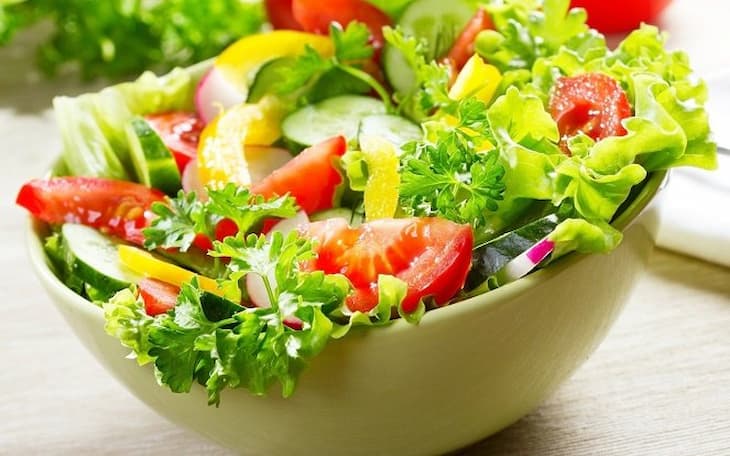
- Vegetables: Green vegetables are an important source of dietary fiber, which enhances intestinal motility and helps soften stool, thereby reducing constipation. Patients are encouraged to include fiber-rich vegetables in their daily meals, particularly Malabar spinach, sweet potato leaves, amaranth, and broccoli.
- Sweet potatoes: Rich in dietary fiber, water, vitamins, and minerals, sweet potatoes are highly effective in improving bowel movements and relieving constipation.
- Legumes: Beans and legumes are high in fiber and contain beneficial natural fats that promote bowel motility and support digestion.
- Yogurt: Yogurt contains a high concentration of probiotics, which are beneficial for gut health. Consuming one serving daily can help maintain intestinal balance and effectively prevent and improve constipation.
- Adequate hydration: Maintaining sufficient daily water intake is essential to support digestion, enhance intestinal motility, and soften stool, thereby reducing constipation.
Foods to avoid in constipation with rectal bleeding
Patients with constipation and rectal bleeding are advised to limit or avoid the following:
- Milk and dairy products: Products high in lactose may cause bloating, indigestion, and worsen constipation-related discomfort. Instead of complete avoidance, patients may reduce intake and opt for probiotic-rich yogurt to support gut health.
- Fast food and processed foods: These foods are typically low in fiber and high in preservatives, which are unfavorable for digestive function.
- Fried foods: High-fat content and poor digestibility can slow intestinal transit, leading to dehydration of stool and increased hardness.
- Eggs: Although rich in protein, eggs are low in fiber. They can still be consumed if combined with fiber-rich foods to balance the diet.
- Red meat: Similar to eggs, red meat is high in protein and fat but low in fiber. It should be consumed in moderation and accompanied by vegetables or other fiber sources.
- Sugary foods: Cakes, cookies, and other processed sweets are typically low in fiber and high in unhealthy fats, which may exacerbate constipation.
- Refined grains (white flour, white rice): The refining process removes fiber-rich bran and germ, leaving starch that may contribute to bloating and constipation. Whole grains such as brown rice are preferable alternatives.
- Alcohol and stimulants: These substances can promote fluid loss from the intestinal mucosa, worsening constipation and impairing bowel function.
Note: If you experience any of the following symptoms, you should seek evaluation at a reputable healthcare facility: fever, blood in the toilet bowl or on toilet paper after defecation, unexplained weight loss, or persistent fatigue.
Is constipation with rectal bleeding dangerous?
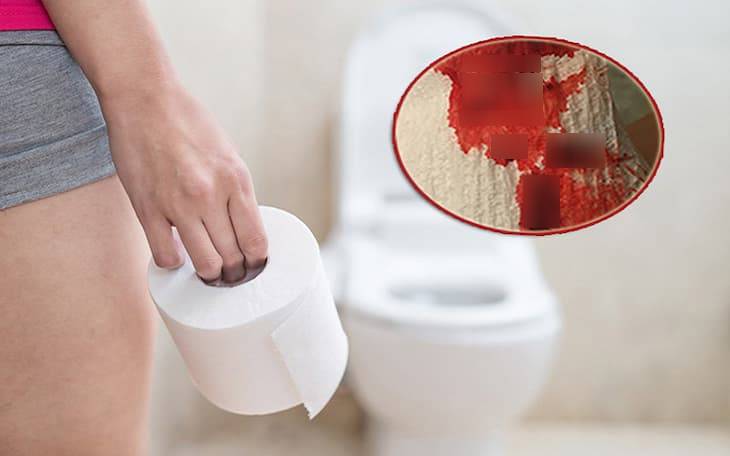
Constipation with rectal bleeding may occur in patients with chronic constipation. During defecation, excessive straining to pass hard stool creates significant friction against the anal canal, leading to mucosal injury and bleeding.
In such cases, blood may be seen coating the surface of the stool or appearing at the end of defecation. The amount of bleeding varies depending on the extent of injury to the anal mucosa.
Constipation with rectal bleeding may also result in serious complications. Specifically, it can lead to conditions such as hemorrhoids and anal fissures, and in more severe cases, may be associated with anorectal malignancies, including anal and colorectal cancer.
Persistent or heavy bleeding may cause local irritation, pruritus, and infection of the anal region. Bacterial invasion and chronic inflammation can further contribute to mucosal damage and increase the risk of pathological cellular changes.
Where to seek reliable care for constipation with rectal bleeding
Currently, there are numerous clinics and hospitals offering evaluation and treatment for constipation-related conditions nationwide, providing patients with a wide range of options. However, to ensure accurate diagnosis and cost-effective treatment, patients are advised to seek care at reputable medical facilities.

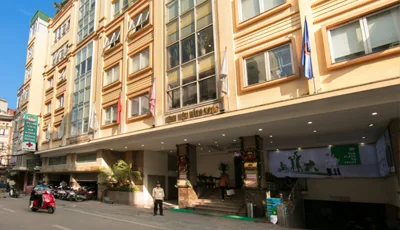
If you are unsure where to go, the Gastroenterology Center at Hong Ngoc General Hospital is a trusted choice for the evaluation and management of constipation and related disorders.
At this center, patients are examined and treated by a team of highly qualified, dedicated, and experienced specialists, many of whom are leading experts who have previously worked at top-tier institutions such as Bach Mai Hospital, Hanoi Medical University, and 198 Hospital. Notably, several physicians have received advanced training in countries with well-developed healthcare systems, including the United Kingdom, Japan, and South Korea.
For further consultation, please contact the hotline: (+84) 911 908 856
Gastroenterology Center – Hong Ngoc General Hospital
- Hong Ngoc Phuc Truong Minh Hospital – 8 Chau Van Liem Street, Nam Tu Liem District, Hanoi
- Hong Ngoc General Hospital – 55 Yen Ninh Street, Ba Dinh District, Hanoi
- Hong Ngoc Savico Long Bien Clinic – 3rd Floor, Building B, Savico Megamall, 07–09 Nguyen Van Linh Street, Long Bien District, Hanoi
Note: The information provided in this article by Hong Ngoc General Hospital is for reference purposes only and does not replace professional medical diagnosis or treatment. Patients are advised not to self-medicate. For an accurate diagnosis and appropriate treatment plan, individuals should seek direct evaluation by qualified physicians at medical facilities.
Follow the official fanpage of Hong Ngoc General Hospital for more useful health information and special programs.