
Herniated discs may result from multiple underlying factors. Accurate identification of the etiology plays a critical role in guiding appropriate treatment and preventing disease recurrence.
Herniated disc is one of the most prevalent musculoskeletal disorders in Vietnam. According to medical experts, this condition may arise from multiple etiological factors. Among these, lumbar disc herniation and cervical disc herniation are the most commonly encountered clinical forms.
Five common causes of lumbar disc herniation
Several factors may contribute to the development of lumbar disc herniation, including:
Aging
The natural aging process leads to progressive deterioration of the musculoskeletal system, making lumbar disc herniation more likely to occur. Intervertebral discs are primarily nourished through diffusion; however, with advancing age, this process becomes less efficient, resulting in gradual dehydration and loss of disc elasticity.
Consequently, the annulus fibrosus weakens and becomes more susceptible to injury. Even minor mechanical stress may cause annular tears, allowing the nucleus pulposus to protrude outward, leading to disc herniation.
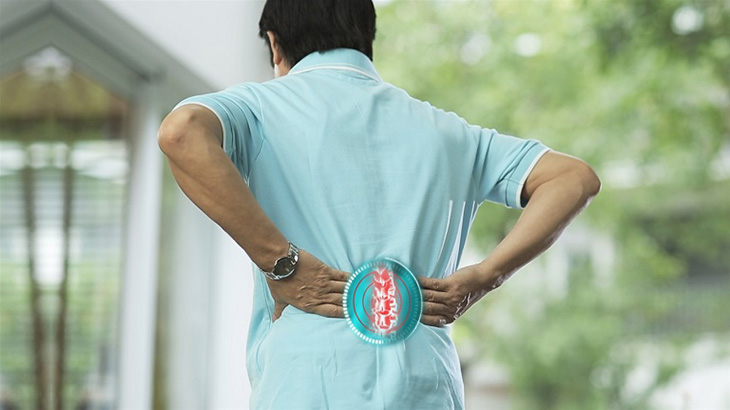
Lumbar disc herniation may result from multiple contributing factors.
Poor posture and improper body mechanics
Incorrect posture during heavy lifting, manual labor, carrying loads, or physical exercise, particularly when excessive force is applied to the lumbar spine, can significantly increase the risk of disc herniation.
Additionally, habitual slouching, prolonged forward head posture, and overexertion place excessive mechanical stress on the lumbar spine, thereby contributing to the development of lumbar disc herniation.
Trauma
One of the most common causes of lumbar disc herniation is trauma. This may result from accidents, sports related injuries, direct impact, or blunt force to the back, leading to damage of the intervertebral disc, including annular tears and displacement of the nucleus pulposus.
Overweight and obesity
Studies indicate that individuals who are overweight or obese have a higher risk of lumbar disc herniation. Excess body weight increases mechanical load on the spine, making intervertebral discs more susceptible to degeneration and structural damage.
In addition to the factors mentioned above, other elements may also contribute to lumbar disc herniation, including frequent use of stimulants, excessive alcohol consumption, unhealthy dietary habits, and genetic predisposition.
Five common causes of cervical disc herniation
In addition to the lumbar spine, cervical disc herniation is also a commonly encountered condition. The etiology of this disorder may be attributed to several factors, including:
Occupational factors
Certain occupations require prolonged maintenance of improper postures, such as frequent neck flexion, forward head positioning, or carrying heavy loads on the shoulders and neck. These factors place continuous mechanical stress on the cervical spine, leading to disc degeneration, annular tears, and an increased risk of cervical disc herniation.
Unhealthy lifestyle habits
Daily habits that are not scientifically appropriate may also contribute to cervical disc herniation. These include excessive alcohol consumption, physical inactivity, poor nutritional intake with deficiencies in essential micronutrients, use of excessively high pillows during sleep, and prolonged use of mobile devices in supine or improper positions.
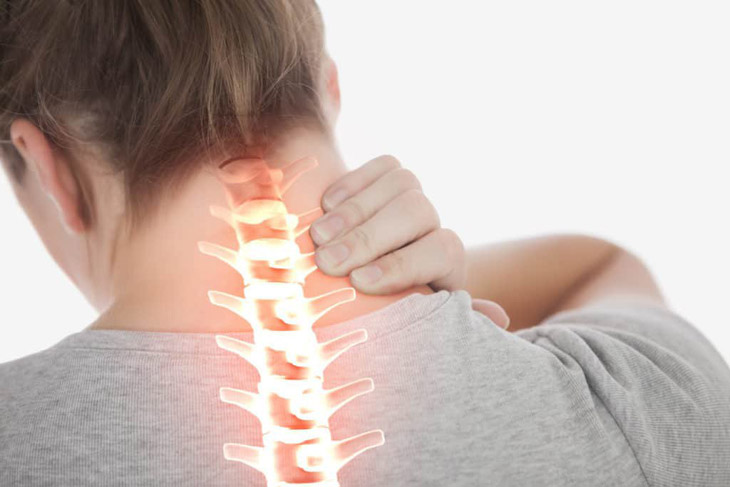
Unhealthy daily lifestyle habits may also contribute to the development of cervical disc herniation.
Traumatic injury
Acute trauma involving the cervical region may lead to cervical disc herniation. Sudden impacts, falls, or heavy objects striking the neck can generate excessive force, resulting in disc rupture and subsequent herniation.
Aging
Similar to lumbar disc herniation, advancing age is a significant contributing factor. Degenerative changes increase over time, causing intervertebral discs to lose hydration and elasticity, making them more prone to annular tears and herniation.
Congenital conditions
Some individuals have an inherently weaker cervical spine structure, which predisposes them to reduced disc resilience, annular damage, and eventual disc herniation.
Cervical disc herniation most commonly occurs at the C5 and C6 levels, as these segments are subject to frequent movement and mechanical stress.
Why is disc herniation such a common musculoskeletal disorder?
Studies have shown that disc herniation is among the most prevalent musculoskeletal conditions. This high incidence can be partly explained by human evolutionary adaptations.
The intervertebral disc, which connects adjacent vertebrae, has a unique structure. At its core lies the nucleus pulposus, a highly hydrated component, surrounded by the annulus fibrosus composed of elastic collagen fibers that provide mechanical strength and resistance to pressure. Together with ligaments and musculotendinous structures, these components form a stable yet flexible spinal column.
From an evolutionary perspective, early humans and quadrupedal animals had a spine adapted to a horizontal posture, distributing mechanical load across both the spine and four limbs. As humans evolved into bipedal beings, the upper limbs became specialized for manipulation, while the lower limbs adapted for upright locomotion.
Consequently, the spine developed an S shaped curvature to support an upright posture. This adaptation, however, results in the spine bearing the full weight of the body, significantly increasing axial load.
In addition, the intervertebral discs are inherently susceptible to compression. Prolonged or excessive mechanical stress may lead to disc bulging, annular tears, and extrusion of the nucleus pulposus, ultimately resulting in disc herniation.
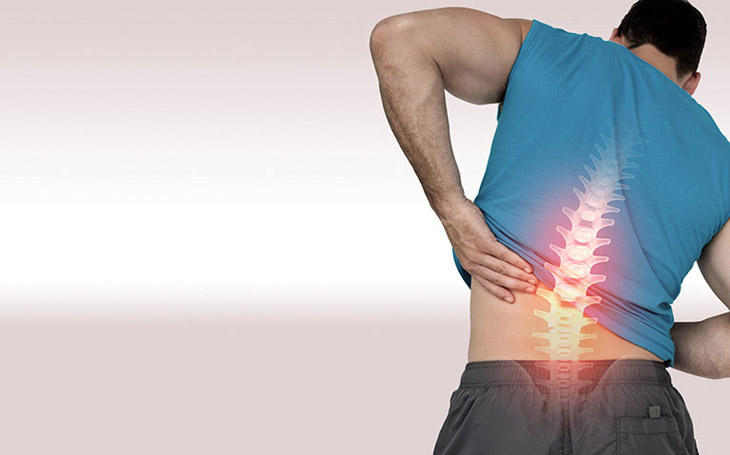
Studies indicate that the unique anatomical structure of the intervertebral disc predisposes it to herniation.
Preventive strategies for disc herniation
To reduce the risk of disc herniation, it is essential to understand the underlying causes and avoid predisposing factors. In addition, the following measures may help effectively prevent disc herniation and associated neck and back pain:
Standing posture
Maintain an upright posture when standing, ensuring even weight distribution across both legs. Avoid excessive lumbar lordosis or abdominal protrusion to preserve the natural curvature of the spine. Prolonged use of high heeled footwear should be avoided, as it increases spinal load. For individuals required to stand for extended periods, flat shoes are recommended.
Sitting posture
Individuals with sedentary occupations should use chairs of appropriate height, allowing both feet to rest flat on the floor. Maintain an upright sitting position, with the thighs and lower legs forming a right angle, and the back supported against the chair. A small cushion placed behind the lower back may help support spinal alignment and reduce strain.
Lifting techniques
Improper lifting of heavy objects is a common cause of disc herniation. To minimize risk, stand with feet shoulder width apart for stability, squat down to grasp the object firmly, and keep it close to the body. Lift by extending the legs rather than using the lower back, while maintaining a neutral spine. If the load is excessive, assistance or mechanical support should be utilized to prevent spinal injury.
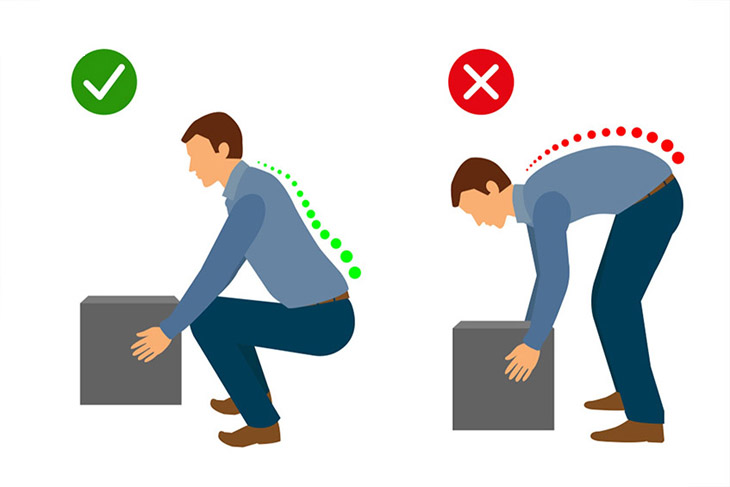
Maintain proper posture during physical activities to prevent disc herniation.
Reaching for objects at height
When retrieving objects placed at height, appropriate measures should be taken to avoid spinal injury. It is recommended to use a ladder or a stable chair to ensure a safe and suitable distance, rather than standing on tiptoe or overstretching.
In addition, to accurately determine the underlying cause of disc herniation, patients should seek evaluation at reputable healthcare facilities with specialized departments in musculoskeletal medicine. Experienced physicians, together with advanced diagnostic equipment, play a crucial role in ensuring precise diagnosis.
At the Department of Musculoskeletal Medicine at Hong Ngoc General Hospital, patients benefit from high quality healthcare services in Hanoi, including:
- A team of highly experienced physicians with strong clinical expertise, previously affiliated with leading domestic and international hospitals such as Bach Mai Hospital, Viet Duc University Hospital, and Royal North Shore Hospital (Australia).
- A comprehensive system of advanced medical equipment imported from the United States, including SIGNA Prime MRI, 128 slice CT scanner, Hologic bone densitometry system, and Logiq P7 musculoskeletal ultrasound, enabling high resolution imaging and accurate early detection of tumors and musculoskeletal lesions.
- In addition, the department integrates Physical Therapy and Rehabilitation into treatment protocols, utilizing German therapeutic equipment combined with advanced manual therapy techniques from Austria, helping patients restore mobility rapidly and effectively alleviate pain associated with disc herniation.
In addition, patients benefit from a wide range of modern amenities and supportive services, including:
- A structured follow up schedule with proactive appointment reminders tailored to each patient.
- A clean, well maintained hospital environment equipped with modern facilities such as complimentary WiFi, on site café, and dining services.
- Extended service hours, including weekends, without additional charges.
- Efficient direct billing procedures with insurance providers, ensuring maximum coverage and convenience for patients.
Note: The information provided in this article by Hong Ngoc General Hospital is for reference purposes only and does not replace professional medical diagnosis or treatment. Patients are strongly advised not to self medicate. For an accurate assessment of their condition, individuals should visit reputable healthcare facilities for direct examination, diagnosis, and appropriate treatment planning by qualified physicians.
Herniated discs may result from multiple underlying factors. Accurate identification of the etiology plays a critical role in guiding appropriate treatment and preventing disease recurrence.
Herniated disc is one of the most prevalent musculoskeletal disorders in Vietnam. According to medical experts, this condition may arise from multiple etiological factors. Among these, lumbar disc herniation and cervical disc herniation are the most commonly encountered clinical forms.
Five common causes of lumbar disc herniation
Several factors may contribute to the development of lumbar disc herniation, including:
Aging
The natural aging process leads to progressive deterioration of the musculoskeletal system, making lumbar disc herniation more likely to occur. Intervertebral discs are primarily nourished through diffusion; however, with advancing age, this process becomes less efficient, resulting in gradual dehydration and loss of disc elasticity.
Consequently, the annulus fibrosus weakens and becomes more susceptible to injury. Even minor mechanical stress may cause annular tears, allowing the nucleus pulposus to protrude outward, leading to disc herniation.
Lumbar disc herniation may result from multiple contributing factors.
Poor posture and improper body mechanics
Incorrect posture during heavy lifting, manual labor, carrying loads, or physical exercise, particularly when excessive force is applied to the lumbar spine, can significantly increase the risk of disc herniation.
Additionally, habitual slouching, prolonged forward head posture, and overexertion place excessive mechanical stress on the lumbar spine, thereby contributing to the development of lumbar disc herniation.
Trauma
One of the most common causes of lumbar disc herniation is trauma. This may result from accidents, sports related injuries, direct impact, or blunt force to the back, leading to damage of the intervertebral disc, including annular tears and displacement of the nucleus pulposus.
Overweight and obesity
Studies indicate that individuals who are overweight or obese have a higher risk of lumbar disc herniation. Excess body weight increases mechanical load on the spine, making intervertebral discs more susceptible to degeneration and structural damage.
In addition to the factors mentioned above, other elements may also contribute to lumbar disc herniation, including frequent use of stimulants, excessive alcohol consumption, unhealthy dietary habits, and genetic predisposition.
Five common causes of cervical disc herniation
In addition to the lumbar spine, cervical disc herniation is also a commonly encountered condition. The etiology of this disorder may be attributed to several factors, including:
Occupational factors
Certain occupations require prolonged maintenance of improper postures, such as frequent neck flexion, forward head positioning, or carrying heavy loads on the shoulders and neck. These factors place continuous mechanical stress on the cervical spine, leading to disc degeneration, annular tears, and an increased risk of cervical disc herniation.
Unhealthy lifestyle habits
Daily habits that are not scientifically appropriate may also contribute to cervical disc herniation. These include excessive alcohol consumption, physical inactivity, poor nutritional intake with deficiencies in essential micronutrients, use of excessively high pillows during sleep, and prolonged use of mobile devices in supine or improper positions.
Unhealthy daily lifestyle habits may also contribute to the development of cervical disc herniation.
Traumatic injury
Acute trauma involving the cervical region may lead to cervical disc herniation. Sudden impacts, falls, or heavy objects striking the neck can generate excessive force, resulting in disc rupture and subsequent herniation.
Aging
Similar to lumbar disc herniation, advancing age is a significant contributing factor. Degenerative changes increase over time, causing intervertebral discs to lose hydration and elasticity, making them more prone to annular tears and herniation.
Congenital conditions
Some individuals have an inherently weaker cervical spine structure, which predisposes them to reduced disc resilience, annular damage, and eventual disc herniation.
Cervical disc herniation most commonly occurs at the C5 and C6 levels, as these segments are subject to frequent movement and mechanical stress.
Why is disc herniation such a common musculoskeletal disorder?
Studies have shown that disc herniation is among the most prevalent musculoskeletal conditions. This high incidence can be partly explained by human evolutionary adaptations.
The intervertebral disc, which connects adjacent vertebrae, has a unique structure. At its core lies the nucleus pulposus, a highly hydrated component, surrounded by the annulus fibrosus composed of elastic collagen fibers that provide mechanical strength and resistance to pressure. Together with ligaments and musculotendinous structures, these components form a stable yet flexible spinal column.
From an evolutionary perspective, early humans and quadrupedal animals had a spine adapted to a horizontal posture, distributing mechanical load across both the spine and four limbs. As humans evolved into bipedal beings, the upper limbs became specialized for manipulation, while the lower limbs adapted for upright locomotion.
Consequently, the spine developed an S shaped curvature to support an upright posture. This adaptation, however, results in the spine bearing the full weight of the body, significantly increasing axial load.
In addition, the intervertebral discs are inherently susceptible to compression. Prolonged or excessive mechanical stress may lead to disc bulging, annular tears, and extrusion of the nucleus pulposus, ultimately resulting in disc herniation.
Studies indicate that the unique anatomical structure of the intervertebral disc predisposes it to herniation.
Preventive strategies for disc herniation
To reduce the risk of disc herniation, it is essential to understand the underlying causes and avoid predisposing factors. In addition, the following measures may help effectively prevent disc herniation and associated neck and back pain:
Standing posture
Maintain an upright posture when standing, ensuring even weight distribution across both legs. Avoid excessive lumbar lordosis or abdominal protrusion to preserve the natural curvature of the spine. Prolonged use of high heeled footwear should be avoided, as it increases spinal load. For individuals required to stand for extended periods, flat shoes are recommended.
Sitting posture
Individuals with sedentary occupations should use chairs of appropriate height, allowing both feet to rest flat on the floor. Maintain an upright sitting position, with the thighs and lower legs forming a right angle, and the back supported against the chair. A small cushion placed behind the lower back may help support spinal alignment and reduce strain.
Lifting techniques
Improper lifting of heavy objects is a common cause of disc herniation. To minimize risk, stand with feet shoulder width apart for stability, squat down to grasp the object firmly, and keep it close to the body. Lift by extending the legs rather than using the lower back, while maintaining a neutral spine. If the load is excessive, assistance or mechanical support should be utilized to prevent spinal injury.
Maintain proper posture during physical activities to prevent disc herniation.
Reaching for objects at height
When retrieving objects placed at height, appropriate measures should be taken to avoid spinal injury. It is recommended to use a ladder or a stable chair to ensure a safe and suitable distance, rather than standing on tiptoe or overstretching.
In addition, to accurately determine the underlying cause of disc herniation, patients should seek evaluation at reputable healthcare facilities with specialized departments in musculoskeletal medicine. Experienced physicians, together with advanced diagnostic equipment, play a crucial role in ensuring precise diagnosis.
At the Department of Musculoskeletal Medicine at Hong Ngoc General Hospital, patients benefit from high quality healthcare services in Hanoi, including:
- A team of highly experienced physicians with strong clinical expertise, previously affiliated with leading domestic and international hospitals such as Bach Mai Hospital, Viet Duc University Hospital, and Royal North Shore Hospital (Australia).
- A comprehensive system of advanced medical equipment imported from the United States, including SIGNA Prime MRI, 128 slice CT scanner, Hologic bone densitometry system, and Logiq P7 musculoskeletal ultrasound, enabling high resolution imaging and accurate early detection of tumors and musculoskeletal lesions.
- In addition, the department integrates Physical Therapy and Rehabilitation into treatment protocols, utilizing German therapeutic equipment combined with advanced manual therapy techniques from Austria, helping patients restore mobility rapidly and effectively alleviate pain associated with disc herniation.
In addition, patients benefit from a wide range of modern amenities and supportive services, including:
- A structured follow up schedule with proactive appointment reminders tailored to each patient.
- A clean, well maintained hospital environment equipped with modern facilities such as complimentary WiFi, on site café, and dining services.
- Extended service hours, including weekends, without additional charges.
- Efficient direct billing procedures with insurance providers, ensuring maximum coverage and convenience for patients.
Note: The information provided in this article by Hong Ngoc General Hospital is for reference purposes only and does not replace professional medical diagnosis or treatment. Patients are strongly advised not to self medicate. For an accurate assessment of their condition, individuals should visit reputable healthcare facilities for direct examination, diagnosis, and appropriate treatment planning by qualified physicians.
Để lại câu hỏi của bạn để nhận được giải đáp từ các bác sĩ của Hồng Ngọc
Lorem ipsum dolor
Lorem ipsum dolor sit amet, consectetur adipiscing elit. Mauris odio lectus, pretium faucibus nisi eu, accumsan consectetur orci. In blandit vehicula nisl, vel lacinia ligula finibus a. Donec fermentum rhoncus