


Disc herniation is a common condition that causes persistent, chronic spinal pain, significantly affecting mobility and daily activities.
Can disc herniation be effectively treated? What are the available treatment options? These are common concerns among patients. Let Hong Ngoc General Hospital provide detailed answers in the following article.
What is disc herniation?
Before addressing whether disc herniation can be effectively treated, it is essential to understand its nature, causes, and potential severity in order to select appropriate management strategies.
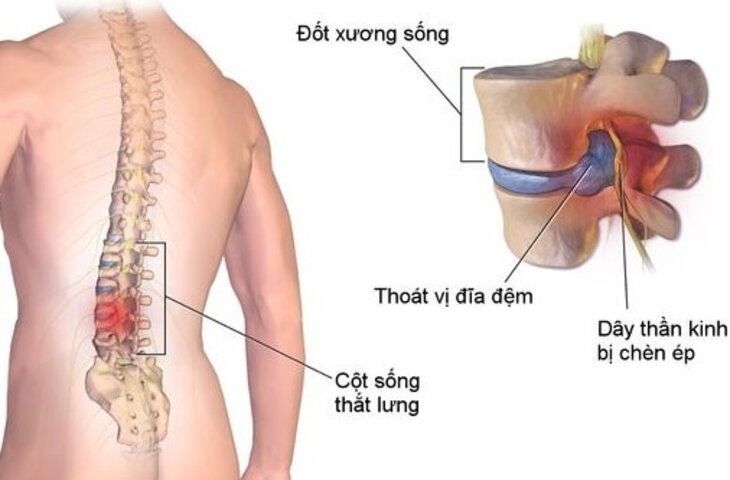
Disc herniation is a condition characterized by damage to the annulus fibrosus of the intervertebral disc, allowing the nucleus pulposus to protrude beyond its normal boundaries. This may result in compression of adjacent nerve roots or the spinal canal. The most common clinical manifestation is persistent spinal pain.
Disc herniation can occur at any level of the spine, most frequently affecting the cervical and lumbar regions, often associated with unhealthy lifestyle and occupational habits.
Clinical manifestations of disc herniation by stages
Disc herniation typically progresses through four stages, with symptoms varying depending on the severity and location of the affected spinal segment. Patients may experience persistent pain, numbness, or tingling radiating from the lower back down to the legs, or from the neck to the shoulders and upper limbs.
- Stage 1: Often difficult to detect, as patients may only experience mild numbness or paresthesia without significant pain. At this stage, the disc begins to deform, but the annulus fibrosus remains intact.
- Stage 2: Pain remains subtle; however, the annulus fibrosus has partially torn, and the nucleus pulposus begins to protrude, causing disc bulging.
- Stage 3: Most patients seek medical attention at this stage due to more severe and persistent pain. The annulus fibrosus is completely ruptured, allowing the nucleus pulposus to herniate and compress adjacent nerve roots.
- Stage 4: Pain becomes chronic and may worsen suddenly due to prolonged nerve compression. Patients may also experience significant physical discomfort accompanied by psychological distress, including fatigue and stress.
Is disc herniation a serious condition?
If not diagnosed and treated early, or if managed inappropriately, disc herniation may lead to significant complications. Beyond persistent pain and discomfort, the condition can severely impact overall health and functional mobility.
- Patients may experience: Difficulty in walking and performing limb movements.
- Neurological impairment, with pain intensity increasing in relation to physical activity and spinal load.
- Sensory disturbances, including numbness, tingling, or abnormal temperature sensations such as burning or coldness.
- Intermittent claudication, characterized by the inability to walk continuously, requiring frequent rest.
- In advanced stages (Stage 3 and Stage 4), delayed or inadequate treatment may result in serious complications such as limb muscle atrophy, urinary dysfunction, and in severe cases, paralysis or permanent disability.
Can disc herniation be effectively treated?
For patients suffering from persistent pain caused by disc herniation, the desire for rapid and definitive relief is entirely understandable. However, the effectiveness of treatment depends largely on the severity of the condition and the patient’s adherence to therapy.
In clinical practice, early diagnosis and timely intervention are key factors associated with favorable outcomes. Approximately 95 percent of disc herniation cases can be managed with conservative treatment, including pharmacotherapy and physical therapy, without the need for surgical intervention. However, patients should be aware that treatment requires consistency and may take several months to achieve significant improvement.
Therefore, instead of enduring chronic pain, individuals are strongly encouraged to seek early medical evaluation when symptoms arise. Once diagnosed, adherence to the prescribed treatment regimen under specialist supervision, along with maintaining a positive psychological state, plays an important role in recovery.
Patients should strictly avoid self medication, including the unsupervised use of analgesics, injections, or unverified traditional remedies, as these may lead to adverse health outcomes.

Treatment options for disc herniation
Following diagnosis, many patients experience significant anxiety and concern regarding whether disc herniation can be effectively treated or if they will have to endure chronic pain long term.
The following are commonly applied treatment approaches for disc herniation:
Conservative management
- Pharmacological therapy: Medications such as analgesics, opioid analgesics, and muscle relaxants may be prescribed. Dosage and administration must be strictly followed according to the physician’s instructions, based on the patient’s clinical condition and disease stage.
- Epidural steroid injection: This approach helps reduce pain and inflammation. Imaging modalities such as X ray or CT scan are typically used to accurately identify the appropriate injection site.
Physical therapy and rehabilitation
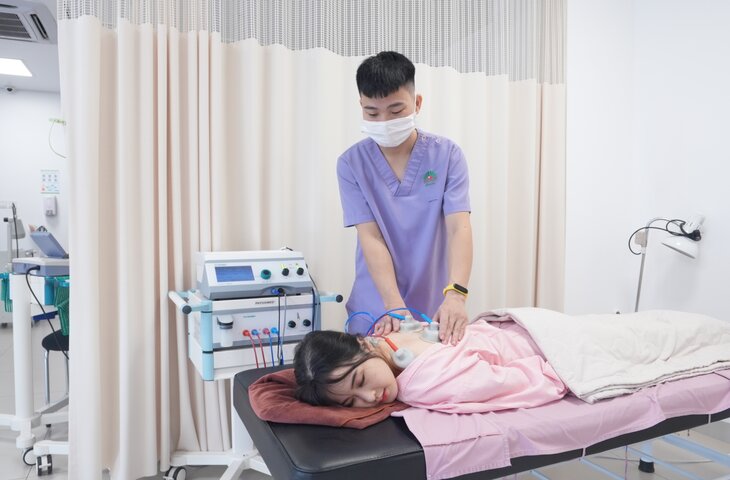
In addition to pharmacological treatment, physical therapy is an effective conservative approach for managing disc herniation. Patients are guided to perform therapeutic stretching exercises under medical supervision, combined with adjunctive modalities such as acupuncture, acupressure, and manual therapy to help restore disc alignment and relieve nerve compression.
Currently, physical therapy for disc herniation is widely implemented at major hospitals with specialized departments in musculoskeletal medicine and traditional medicine.
In Hanoi, the Department of Traditional Medicine and Rehabilitation at Hong Ngoc General Hospital is a reputable destination for physical therapy in the treatment of disc herniation, widely trusted and highly regarded by patients for both clinical expertise and service quality.
A team of highly qualified and experienced physicians, including:
- Dr. Dinh Van Hao, Head of the Department of Traditional Medicine and Rehabilitation at Hong Ngoc General Hospital Phuc Truong Minh, with advanced training in Austria and over 10 years of experience in managing musculoskeletal and neurological disorders.
- Dr. Do Chi Hung, former Head of the Department of Rehabilitation at E Central Hospital, with nearly 40 years of experience in functional rehabilitation for pre and postoperative conditions, joint injuries, peripheral nerve disorders, and post stroke recovery.
- Alongside a team of skilled physicians and therapists, including Dr. Nguyen Tien Tai, MD Tong Khanh Linh, and MD Do Duc Bao.
Advanced therapeutic protocols combining German technology with specialized manual therapy techniques from Austria, enabling rapid pain relief and effective restoration of mobility:
A comprehensive system of therapeutic equipment imported from Germany, including interferential electrical stimulation devices, laser therapy systems, spinal traction tables, and state of the art hydrotherapy units.
Specialized Austrian manual therapy techniques help release muscle tension, correct joint misalignment, and restore normal biomechanics, thereby reducing the risk of recurrence while minimizing the need for pharmacological intervention.
In addition, patients receiving examination and treatment at Hong Ngoc General Hospital benefit from a wide range of modern amenities and patient centered services, including:
- A clean and comfortable hospital environment equipped with modern facilities such as complimentary WiFi, on site café, and dining services.
- A structured follow up schedule with proactive appointment reminders tailored to each patient.
- Efficient direct billing procedures with insurance providers, ensuring maximum benefits and convenience. Extended service hours, including weekends, without additional charges.
Surgical management
Surgical intervention is indicated in patients with progressive or severe symptoms, including intractable pain, urinary dysfunction, annular rupture, or migrated disc herniation. Surgery may also be considered when patients do not respond to conservative treatments such as pharmacotherapy and physical therapy after approximately 5 to 8 weeks.
Emergency surgical intervention is required in certain cases, such as when analgesic therapy is ineffective, or when patients develop motor weakness, paralysis due to nerve root compression, or severe spinal canal stenosis caused by large herniated discs.
Common surgical procedures for disc herniation include discectomy, artificial disc replacement, and spinal fusion.
- Discectomy: Performed via open surgery or microsurgical techniques to remove the damaged intervertebral disc, thereby relieving pressure on the affected nerve structures.
- Spinal fusion: Following removal of the diseased disc, the surgeon stabilizes the spine by fusing the adjacent vertebrae. This prevents abnormal motion and helps alleviate chronic pain.
- Artificial disc replacement: This procedure is less commonly indicated and is typically reserved for patients with adequate overall health status. The damaged disc is replaced with an artificial implant made of biocompatible materials such as metal or polymer, aiming to preserve spinal stability and improve functional mobility.
To optimize treatment outcomes and prevent recurrence, patients are advised to adopt and maintain a healthy lifestyle. This includes avoiding heavy lifting that may lead to spinal injury, engaging in regular physical exercise as recommended by physicians, and ensuring adequate nutritional intake, particularly calcium rich foods to support bone health.
In summary, the above information addresses the question “Can disc herniation be effectively treated?” and outlines current treatment approaches. To prevent disease progression, patients should seek medical evaluation promptly upon recognizing early symptoms, enabling timely diagnosis and appropriate management while minimizing the risk of serious complications.
Note: The information provided in this article by Hong Ngoc General Hospital is for reference purposes only and does not replace professional medical diagnosis or treatment. Patients are strongly advised not to self medicate. For an accurate evaluation of their condition, individuals should visit reputable healthcare facilities for direct examination, diagnosis, and appropriate treatment planning by qualified physicians.
Follow the official fanpage of Hong Ngoc General Hospital for more useful health information:https://www.facebook.com/BenhvienHongNgoc