


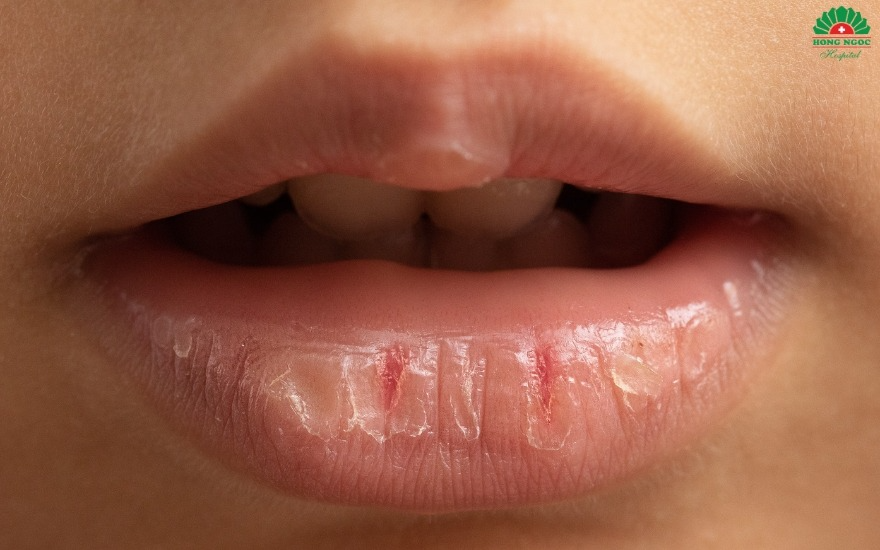
Dehydration does not always cause intense thirst. During summer, many people may become silently dehydrated, with symptoms such as dry mouth, dry lips, headache, mild fatigue, reduced urination, dark-colored urine, or dizziness when standing up. If prolonged, dehydration may affect blood pressure, cardiovascular function, kidney function, and increase the risk of heat exhaustion or heatstroke.
Quick answer: Silent dehydration in summer refers to mild or prolonged fluid deficiency in the body, with early symptoms that may not be obvious. Patients may not feel very thirsty, but they may already have signs such as dry mouth, headache, fatigue, reduced urination, dark-colored urine, or dizziness when standing up. Older adults, young children, outdoor workers, people with cardiovascular disease, kidney disease, diabetes, or those taking diuretics should be especially cautious.
Professional consultation: Nguyen Duc Manh, MD, Specialist Level II – Department of General Internal Medicine, Hong Ngoc General Hospital – Phuc Truong Minh. Last updated: May 20, 2026.
Quick summary of the article
- Silent dehydration is a condition in which the body has a mild or prolonged fluid deficit, but early symptoms are not obvious, making it easy for patients to overlook.
- Common signs include dry mouth, dry lips, headache, mild fatigue, reduced urination, dark-colored urine, or dizziness when standing up.
- Summer increases the risk of dehydration because the body sweats more to regulate body temperature, especially during outdoor work, exercise, or exposure to hot and humid environments.
- Older adults, young children, outdoor workers, people taking diuretics, and those with cardiovascular disease, kidney disease, or diabetes should be more cautious.
- Prolonged dehydration may cause blood pressure fluctuations, a rapid heartbeat, electrolyte imbalance, reduced kidney function, and an increased risk of heat exhaustion or heatstroke.
- People should not drink too little water, but they also should not drink too much at once. Fluid intake should be individualized according to weather conditions, physical activity, underlying medical conditions, and current medications.
What is silent dehydration?
Many people think dehydration only occurs when they feel intensely thirsty, become exhausted from hot weather, or sweat heavily. However, the body may have a mild fluid deficit for many hours or even several days, with early symptoms that are quite vague, making it difficult for patients to recognize.
“Silent dehydration” refers to a gradual loss of body fluid that has not yet caused obvious or severe symptoms. Patients may still be able to carry out daily activities, go to work, study, or rest almost as usual, while the body has already begun to show signs of fluid deficiency.
It is important to note that even mild dehydration can affect many essential bodily functions:
In people with underlying cardiovascular disease, hypertension, diabetes, or kidney disease, prolonged dehydration may increase the risk of complications during hot weather.
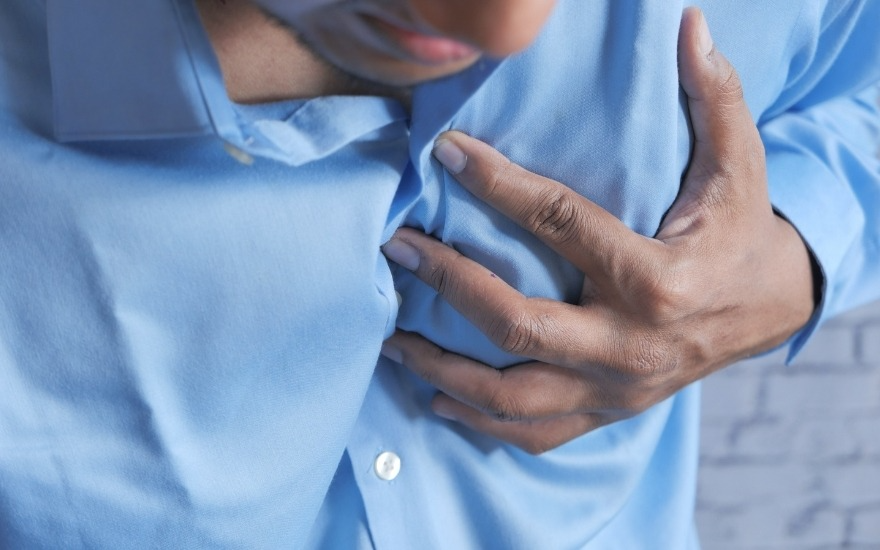
Why do many people become dehydrated without realizing it?
Thirst does not always appear early
Many people assume that as long as they do not feel thirsty, their body is still adequately hydrated. However, thirst does not always accurately reflect the body’s fluid status, especially in older adults or people who are busy and working continuously.
Several habits may cause the body to become dehydrated without patients realizing it:
- Working continuously and forgetting to drink water: When people focus on work, study, or outdoor travel, they may ignore the body’s signals that fluids are needed. As a result, dehydration may develop silently over several hours.
- Sitting in an air-conditioned room for many hours without drinking water: Cold, dry air from air conditioning may cause mild fluid loss through the skin and breathing, even when sweating is not obvious. Office workers may commonly experience dry throat, mild headache, or fatigue by the end of the day.
- Drinking water only when the throat feels clearly dry: A dry throat or dry mouth is often a sign that the body has already begun to lose fluid. If this habit continues over time, the risk of silent dehydration may increase during summer.
- Drinking a lot of coffee, strong tea, or alcohol but little plain water: Some beverages may make people feel as though they have “drunk enough,” but they do not fully replace the need for appropriate hydration on hot days.

How does the body lose fluid during summer?
In hot weather, the body has to increase thermoregulatory activity to maintain a stable core temperature. This process causes greater loss of fluid and electrolytes, especially in outdoor workers, people who exercise, young children, and older adults.
The body increases sweating to cool itself down
When ambient temperature rises, the body increases sweating to cool itself down. This is a natural protective mechanism, but it also causes continuous fluid loss.
If fluid replacement is inadequate:
- The blood may become more concentrated: When the water content in the blood decreases, the blood becomes more concentrated and circulates less efficiently. As a result, the heart has to work harder to maintain circulation.
- Circulation becomes less efficient: Fluid deficiency slightly reduces circulating blood volume, making oxygen and nutrient delivery to organs less optimal than usual. Patients may feel fatigued, have reduced endurance, or experience dizziness.
- The heart has to work harder to maintain blood pressure: The heart may increase its rate to compensate for reduced fluid volume within the blood vessels. In people with cardiovascular disease or hypertension, this may increase the risk of complications on hot days.
- Heat tolerance decreases: When the body is dehydrated, heat dissipation becomes less effective, causing patients to fatigue more quickly when outdoors or during physical activity.
In outdoor workers or people engaging in high-intensity exercise, fluid loss may increase rapidly within just a few hours without the person realizing it in time.
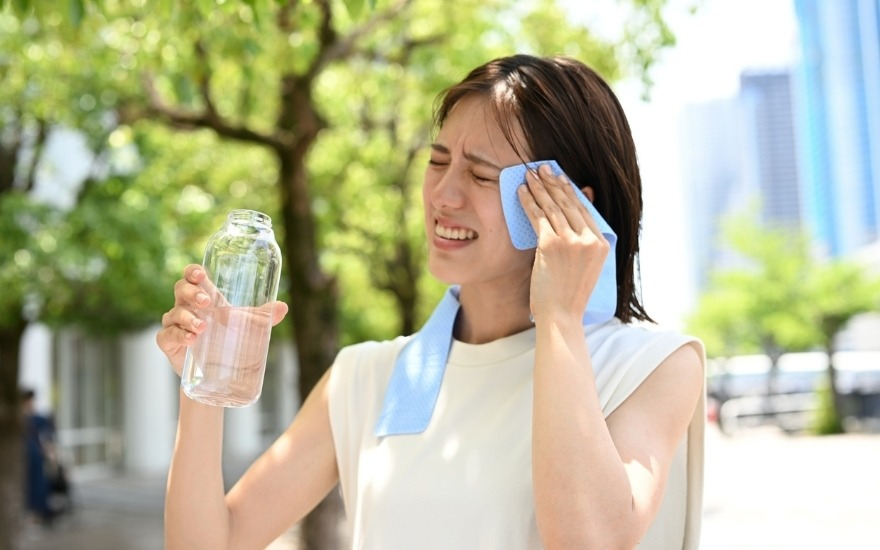
The body loses not only fluid but also electrolytes
When sweating heavily in hot weather, the body loses not only fluid but also important electrolytes. Electrolytes are electrically charged minerals that help maintain nerve function, muscle activity, cardiovascular function, and fluid balance in the body.
Important electrolytes include:
- Sodium: Sodium helps retain fluid within the blood vessels, maintain blood pressure, and regulate fluid balance inside and outside cells. When sodium levels decrease or become imbalanced, patients may experience severe fatigue, headache, nausea, confusion, or muscle cramps.
- Potassium: Potassium is essential for muscle function and heart rhythm. Potassium deficiency or imbalance may cause muscle weakness, cramps, a rapid heartbeat, or palpitations, and can be particularly dangerous in people with cardiovascular disease.
- Chloride: Chloride helps maintain fluid balance and acid-base balance in the body. Prolonged chloride loss due to heavy sweating may contribute to fatigue, reduced endurance, and disturbances in internal homeostasis.
When fluid and electrolyte loss persists, patients may develop:
- Muscle cramps: These commonly occur in the calves, feet, or arm muscles after heavy sweating. They indicate that the muscles are being affected by fluid and electrolyte depletion.
- Rapid heartbeat: When fluid volume decreases, the heart has to pump faster to maintain circulation. If electrolyte imbalance is also present, palpitations or a pounding heartbeat may become more noticeable.
- Severe fatigue: When the body lacks fluid and electrolytes, its ability to circulate blood and oxygen and maintain muscle energy is reduced. Patients may feel exhausted even with mild activity.
- Headache: Dehydration may affect cerebral circulation and fluid balance in the body. Dehydration-related headaches are often dull and may worsen in hot weather or when standing up.
- Dizziness: When circulating blood volume decreases, blood flow to the brain may be temporarily reduced, especially during changes in posture. This is a warning sign that requires attention if it occurs repeatedly on hot days.
In older adults, people with cardiovascular disease or kidney disease, or those taking diuretics, electrolyte imbalance may be more dangerous because the body has greater difficulty regulating fluid and salt balance on its own.

Warning signs of silent dehydration that many people may overlook
Mild or silent dehydration may present with very familiar signs such as fatigue, dry mouth, headache, or reduced urination. Because these symptoms are nonspecific, many people may mistake them for lack of sleep, overwork, or the effects of hot weather.
Persistent dry mouth or dry lips
Many people think that dry lips or a dry throat are caused only by hot weather or sleeping in an air-conditioned room. However, these may also be among the early signs that the body is becoming dehydrated.
If the following symptoms occur frequently, more regular fluid intake should be considered:
- Sticky sensation in the mouth: This may indicate reduced saliva production, as the body is trying to conserve fluid for vital organs.
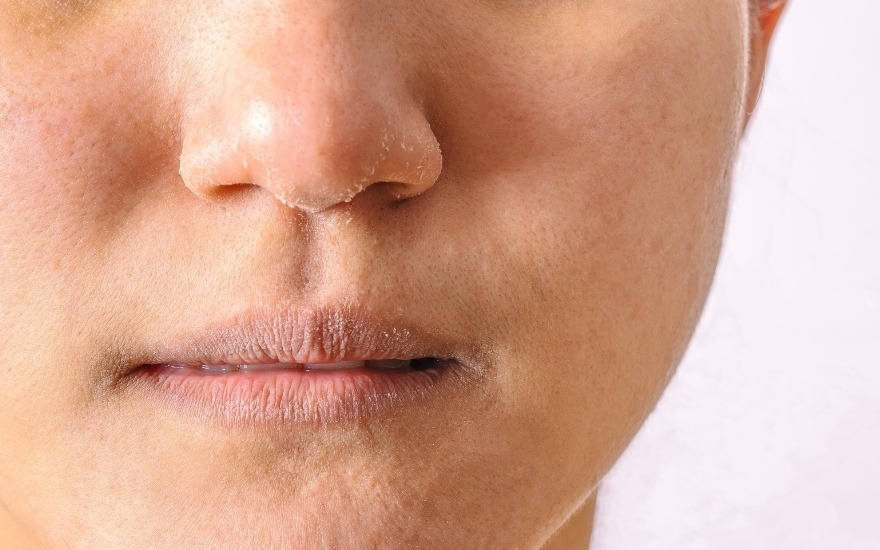
- Dry lips: The lips are prone to fluid loss and may show early signs of dehydration. Persistent peeling or dryness of the lips on hot days should be given closer attention.
- Mild but persistent thirst: A recurring desire to drink water, even without significant physical activity, may indicate that the body has not been adequately rehydrated.
- Dry throat after waking up: This is more common in people who sleep in an air-conditioned room, drink too little water, or breathe through the mouth while sleeping.
Reduced urination or dark-colored urine
Urine is an easy sign to monitor at home. When the body is dehydrated, the kidneys tend to conserve water, causing urine output to decrease and urine color to become darker.
More attention is needed if:
- Urination is less frequent than usual.
- Urine is dark yellow several times a day.
- Thirst, dry mouth, or fatigue occurs at the same time.
- The patient is taking diuretics or has kidney disease.
Dark-colored urine is not always caused by dehydration. Certain medications, vitamins, hepatobiliary diseases, or urinary tract infections may also change urine color. If dark-colored urine persists or is accompanied by pain, fever, swelling, or painful urination, medical evaluation should be sought.
Headache and reduced concentration
Mild dehydration may cause a dull headache, reduced concentration, or a feeling of “heaviness” in the head. This condition is often more noticeable after prolonged work in an air-conditioned room, exposure to hot weather, or inadequate fluid intake during the day.
More attention is needed if headache is accompanied by:
- Dizziness.
- Nausea.
- Severe fatigue.
- Blurred vision.
- Drowsiness or confusion.
- High fever or suspected heatstroke.
Pain relievers should not be used as the only self-management approach if headache persists on a hot day, especially when signs of dehydration are present or the patient has underlying cardiovascular disease or blood pressure disorders.

Dizziness when standing up
When the body is dehydrated, circulating blood volume may decrease. When a person stands up quickly, blood flow to the brain may temporarily drop, causing lightheadedness, dizziness, or a feeling of near-fainting.
This sign is more common in:
- Older adults.
- People taking antihypertensive medications or diuretics.
- People with poor food and fluid intake.
- Outdoor workers.
- People who have recently experienced vomiting, diarrhea, or fever.
If dizziness occurs repeatedly or is accompanied by a rapid heartbeat, fainting, low blood pressure, or chest pain, early medical evaluation is needed.
Prolonged fatigue despite minimal physical activity
Mild dehydration may reduce the efficiency of circulation and thermoregulation, causing patients to feel tired, sluggish, less physically resilient, or unable to concentrate.
Many people may mistake this condition for lack of sleep, stress, or overwork. However, if fatigue persists on a hot day and is accompanied by dry mouth, reduced urination, dark-colored urine, or dizziness, dehydration should be considered.
Groups at higher risk of dehydration
Certain groups are more prone to dehydration during summer due to increased sweating, reduced thirst sensation, medications that affect fluid balance, or underlying medical conditions.
Older adults are more prone to silent dehydration
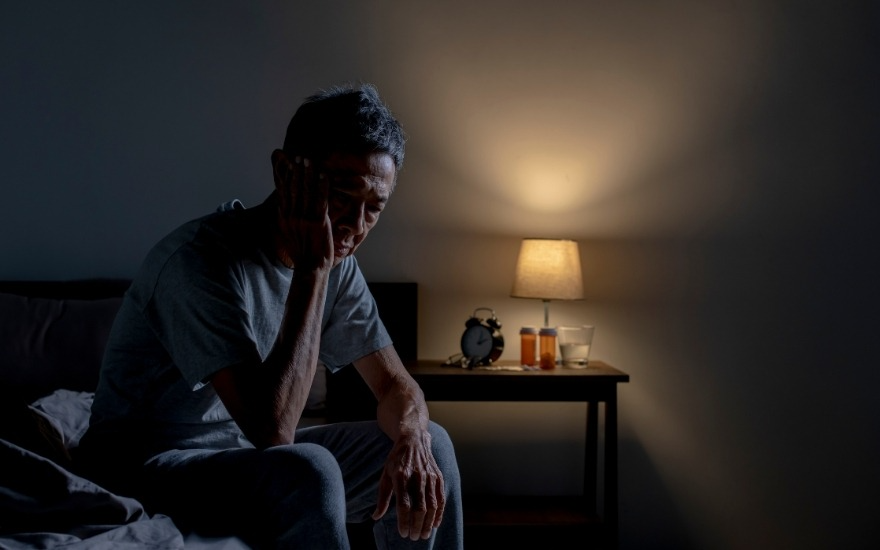
In older adults, the body often responds more slowly to fluid deficiency. When the body’s fluid level decreases, the brain sends thirst signals to prompt fluid intake. However, with aging, this signal may become weaker, causing older adults not to feel clearly thirsty even when their body is already dehydrated.
In addition, kidney function in older adults often gradually declines. Normally, when the body is dehydrated, the kidneys conserve water and produce less urine. However, as kidney function declines with age, the body may have more difficulty conserving water effectively, making fluid deficiency more likely to persist.
This risk increases further if older adults:
- Take diuretics: These medications increase the excretion of water and salt through urine. Without appropriate fluid replacement or monitoring, patients may quickly become dehydrated in hot weather.
- Restrict fluid intake because of fear of nocturia: Many older adults intentionally drink less water to avoid waking up at night to urinate. However, this may lead to inadequate total fluid intake during the day, especially during prolonged heat waves.
- Have underlying cardiovascular disease, kidney disease, or diabetes: These conditions may affect fluid balance, blood pressure, and the body’s ability to regulate water, increasing the risk of dehydration compared with healthy individuals.
- Have poor food and fluid intake on hot days: Older adults who eat less, drink less, or lose appetite during summer may develop fluid and electrolyte deficiency without clear symptoms at the beginning.
Therefore, older adults may become dehydrated without obvious or dramatic symptoms. Signs such as severe fatigue, dizziness when standing up, reduced urination, dark-colored urine, mild confusion, or low blood pressure should be closely monitored during hot weather.

Outdoor workers
Delivery workers, construction workers, drivers, farmers, and people who play outdoor sports may lose a large amount of fluid through sweating within just a few hours.
Without regular fluid replacement:
- The body may be more likely to develop heat exhaustion: When body temperature rises but the body cannot cool itself effectively, patients may quickly develop severe fatigue, dizziness, or reduced physical capacity.
- The risk of electrolyte imbalance increases: Continuous heavy sweating causes sodium and potassium loss, which may lead to muscle cramps, a rapid heartbeat, or headache.
- Thermoregulation becomes less effective: When the body is dehydrated, sweating gradually becomes less efficient, increasing the risk of heatstroke during intense heat.
- Work performance declines: Dehydration may reduce endurance, reflexes, and concentration, potentially increasing the risk of occupational accidents.
Young children
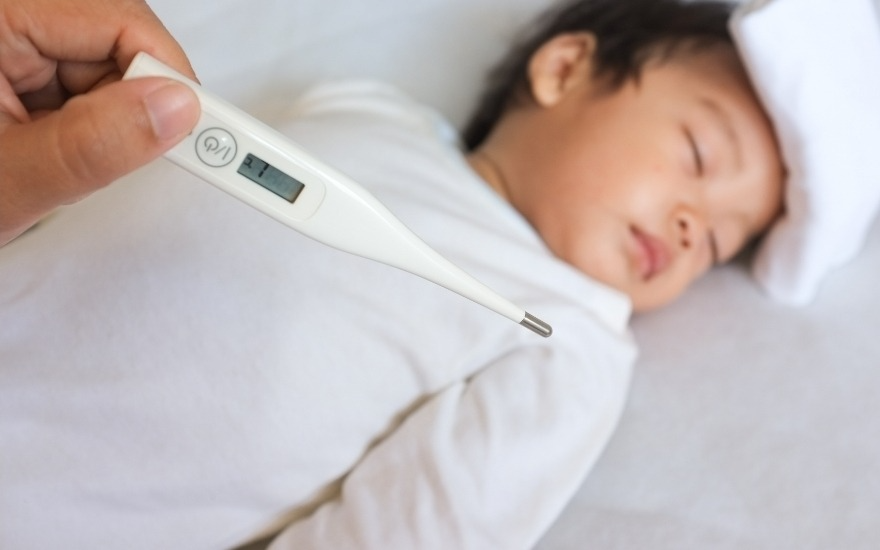
Young children have a higher body water percentage than adults and can become dehydrated quickly when they have fever, vomiting, diarrhea, or are exposed to a hot environment. They may also have difficulty clearly expressing thirst, dizziness, or fatigue.
Parents and caregivers should pay attention if a child has:
- Less frequent urination than usual.
- Dry lips or a dry tongue.
- Crying with a few tears.
- Poor feeding or reduced food and fluid intake.
- Lethargy or unusually prolonged sleepiness.
- Sunken eyes.
- Persistent fever, vomiting, or diarrhea.
Young children with lethargy, rapid breathing, sunken eyes, poor feeding, or inability to drink water should be taken for medical evaluation early.
People taking diuretics or cardiovascular medications
Certain diuretics, antihypertensive medications, or cardiovascular drugs may affect fluid and electrolyte balance. During hot weather, patients taking these medications should pay closer attention if they experience dizziness, low blood pressure, reduced urination, or unusual fatigue.
Patients should not stop, increase, or reduce their medication dosage on their own because they feel thirsty, dizzy, or urinate frequently. They should consult their doctor for appropriate adjustments if signs of dehydration or blood pressure fluctuations occur.
Patients with kidney disease, cardiovascular disease, or diabetes
Patients with kidney disease, heart failure, hypertension, or diabetes are at higher risk of fluid imbalance than healthy individuals. However, this group should also avoid drinking excessive amounts of water on their own, as some conditions require fluid restriction or close monitoring of fluid intake and output.
Patients should ask their doctor about:
- The appropriate amount of water to drink each day.
- Signs of dehydration that should be monitored.
- When electrolyte testing and kidney function tests are needed.
- How to adjust daily activities during hot weather.
- Which medications may increase the risk of dehydration.
How dangerous is prolonged dehydration?
Mild dehydration may improve with appropriate fluid replacement. However, if dehydration persists or occurs in people with underlying medical conditions, the risk of complications may increase.
Increased risk of heatstroke
The body needs adequate fluid to produce sweat and cool itself down. If fluid deficiency persists:
- Body temperature becomes more difficult to regulate: The body’s ability to dissipate heat through sweating decreases, causing internal temperature to rise more quickly when exposed to hot outdoor environments.
- The risk of heat exhaustion increases: Patients may develop severe fatigue, headache, nausea, or dizziness after only a short period of exposure to high temperatures.
- The risk of heatstroke also increases: This is a dangerous condition that can cause altered consciousness and organ injury, and requires immediate emergency care if not managed promptly.

Effects on blood pressure and cardiovascular function
Fluid deficiency reduces circulating blood volume, causing the heart to work harder to maintain blood flow. Patients may experience a rapid heartbeat, palpitations, dizziness, or a drop in blood pressure when standing up.
In people with cardiovascular disease, hypertension, or a history of stroke, dehydration may make it more difficult for the body to adapt to hot weather, increasing the risk of cardiovascular events if not managed early.
Effects on kidney function
The kidneys need adequate fluid to filter waste products and maintain electrolyte balance. When dehydration persists, urine output decreases, urine becomes more concentrated, and the kidneys may be placed under greater stress.
Patients with kidney disease, older adults, or people taking medications that may affect the kidneys should pay particular attention if they develop reduced urination, dark-colored urine, swelling, unusual fatigue, or blood pressure fluctuations.
Electrolyte imbalance
Dehydration accompanied by heavy sweating may cause the loss of sodium, potassium, and other electrolytes. Electrolyte imbalance may lead to muscle cramps, muscle weakness, a rapid heartbeat, confusion, or seizures in severe cases.
People taking diuretics, patients with kidney disease, older adults, or those with prolonged vomiting or diarrhea should seek medical evaluation if signs suggestive of electrolyte imbalance occur.
Common mistakes that may worsen dehydration
Assuming that staying in an air-conditioned room does not cause fluid loss
Many people think dehydration only occurs during outdoor activity. However, cold and dry air from air conditioning may still cause silent fluid loss through the skin and breathing.
This is particularly likely to occur in:
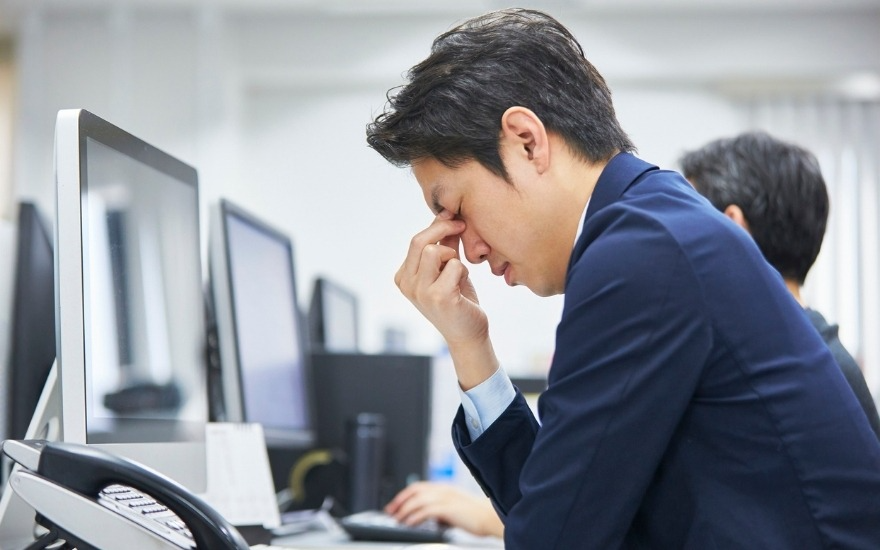
- Office workers who work continuously for many hours: When focusing on work, many people forget to drink water even though the body may already be mildly dehydrated.
- People who sleep in an air-conditioned room overnight: Prolonged exposure to dry air for many hours may cause patients to wake up with a dry throat, headache, or dry lips.
- Older adults with reduced thirst sensation: This group is more prone to dehydration but may have greater difficulty recognizing early bodily warning signs.
- People who drink a lot of coffee but little plain water: The feeling of having consumed enough fluids may cause patients to forget to maintain appropriate water intake.
Drinking too much water at once
Some people forget to drink water throughout the day and then drink a large amount all at once. This approach is not always beneficial, as it may cause abdominal fullness, nausea, increased urination afterward, or difficulty maintaining consistent hydration.
It is better to drink small amounts regularly throughout the day. When working outdoors or sweating heavily, appropriate fluid and electrolyte replacement may be needed instead of drinking a large amount of plain water over a short period of time.
Excessive consumption of alcohol or sugary drinks
Alcohol does not effectively rehydrate the body during hot weather. It may increase the risk of dehydration and affect blood pressure, sleep, and the body’s ability to regulate temperature.
Sugary drinks should also not be used regularly as a substitute for plain water, especially in people who are overweight or have diabetes or metabolic disorders. Plain water, cool water, soups, or oral rehydration solutions should be prioritized when clinically appropriate.
Incorrect use of electrolyte replacement
Oral rehydration solutions may be helpful during heavy sweating, vomiting, diarrhea, or prolonged outdoor work. However, not everyone needs to drink electrolyte solutions regularly.
Patients with kidney disease, hypertension, or heart failure, as well as those who need to restrict salt intake, should consult a doctor before using electrolyte replacement products regularly, as some products may contain sodium or sugar.
How to prevent dehydration during summer
Drink water regularly throughout the day
According to dietary reference intake recommendations, total water intake from foods and beverages in healthy adults is generally about 2.7 liters per day for women and 3.7 liters per day for men. However, this refers to total water intake from all sources, not the mandatory amount of plain water that must be consumed each day.
Actual fluid needs vary depending on weather conditions, physical activity, sweating, underlying medical conditions, and current medications. People with heart disease, kidney disease, liver failure, or those who have been advised to restrict fluids should ask their doctor about the appropriate amount of water for them.
Instead of drinking a large amount of water at once, people should:
- Distribute water intake evenly throughout the day: This helps the body absorb water more effectively and reduces the risk of forgetting to drink for long periods.
- Avoid waiting until thirst occurs: By the time thirst appears, the body may already have begun to experience some degree of fluid deficiency, especially on hot days.
- Increase fluid intake during physical activity or heavy sweating: Outdoor workers and people who exercise need more regular fluid replacement to reduce the risk of heat exhaustion.
- Monitor urine color: Pale yellow urine often suggests better hydration than dark-colored urine, but this should be interpreted together with symptoms and underlying medical conditions.

Replace electrolytes when needed
If a person sweats heavily for a prolonged period, has vomiting or diarrhea, or works outdoors, the body may lose both fluid and electrolytes. In some cases, drinking plain water alone may not be sufficient.
Oral rehydration solutions may be considered as directed if the person has:
- Prolonged heavy sweating.
- Muscle cramps after outdoor work.
- Severe fatigue or dizziness after physical activity.
- Diarrhea or vomiting.
- A high risk of dehydration.
Patients with hypertension, heart failure, kidney disease, or diabetes should consult a doctor before regularly using electrolyte replacement products, sports drinks, or sugary beverages.
Avoid outdoor activities during peak heat hours
During periods of hot weather, outdoor work or exercise should be limited during the hottest hours of the day. If going outdoors is unavoidable, people should wear a hat, choose breathable clothing, take rest breaks, and drink water regularly.
Outdoor workers should pay attention to warning signs such as headache, dizziness, severe fatigue, muscle cramps, a rapid heartbeat, or nausea. These may indicate that the body is becoming dehydrated or overloaded by heat.
Maintain adequate nutrition and avoid prolonged meal skipping
Food also provides part of the body’s fluid and electrolyte intake. Skipping meals, eating too little, or consuming only coffee or soft drinks on hot days may increase the risk of fatigue, low blood pressure, or dehydration.
People should prioritize:
- Appropriate vegetables and fruits.
- Soups, broths, or fluid-rich dishes.
- Meals with adequate protein and suitable carbohydrates.
- Limiting alcohol consumption.
- Avoiding excessive intake of high-sugar beverages.

Monitor older adults and young children on hot days
Families with older adults or young children should proactively remind them to drink water, monitor urination frequency, urine color, level of alertness, and ability to eat and drink.
Greater attention is needed if an older adult or young child has:
- Poor food or fluid intake.
- Reduced urination.
- Dry lips or a dry tongue.
- Severe fatigue.
- Confusion or unusually prolonged sleepiness.
- Fever, vomiting, or diarrhea.
- Dizziness, falls, or fainting.
When should medical evaluation or emergency care be sought?
Mild dehydration may improve with rest and appropriate fluid replacement. However, some cases require medical evaluation to prevent complications, especially in older adults, young children, or people with underlying medical conditions.
Consultation with a general internal medicine specialist is recommended if symptoms persist
Medical evaluation should be sought if the following symptoms occur:
- Persistent dizziness: This may be related to orthostatic hypotension, dehydration, or electrolyte imbalance.
- Rapid heartbeat: If a rapid heartbeat persists, causes palpitations, or is accompanied by fatigue, blood pressure, electrolytes, and cardiovascular function should be assessed.
- Severe fatigue without a clear cause: Persistent fatigue during hot weather may be related to dehydration, electrolyte deficiency, underlying disease, or infection.
- Markedly reduced urination: Reduced urination may suggest dehydration, but it may also be related to kidney disease or current medications.
- Persistent headache: Headache accompanied by dry mouth, dizziness, or dark-colored urine should be monitored carefully.
- Blood pressure fluctuations: People with hypertension or those taking antihypertensive medications should be evaluated if blood pressure changes abnormally.
- Cardiovascular disease or kidney disease: Patients in this group need individualized guidance on fluid intake, medications, and monitoring of kidney function and electrolytes during hot weather.
Emergency care is needed if severe dehydration is suspected
Emergency care should be sought, or the patient should be taken to a medical facility immediately, if any of the following signs occur:
- Drowsiness, confusion, or difficulty being awakened.
- Fainting or low blood pressure.
- Rapid heartbeat accompanied by shortness of breath or chest pain.
- Inability to drink water due to persistent vomiting.
- Very little urination or no urination for several hours.
- High fever, suspected heat exhaustion, or suspected heatstroke.
- Seizures.
- In young children: poor feeding, lethargy, sunken eyes, or rapid breathing.
- In older adults: sudden confusion, severe fatigue, or falls.
Patients should not simply be left to “rest a little longer” if they have altered consciousness, fainting, shortness of breath, chest pain, or inability to drink water.

At Hong Ngoc General Hospital, patients can visit the Department of General Internal Medicine for evaluation of dehydration, blood pressure, cardiovascular function, kidney function, electrolytes, and related risk factors during hot weather.
Frequently asked questions
Does dehydration always cause intense thirst?
No. Many people with mild dehydration may only have symptoms such as headache, dry mouth, fatigue, reduced urination, or dark-colored urine. Older adults may have a reduced thirst sensation, making them more prone to silent dehydration.
Can sitting in an air-conditioned room cause dehydration?
Yes, it can. Cold, dry air from air conditioning may cause mild fluid loss through the skin and breathing, especially when people sit for many hours and forget to drink water. If dry throat, dry lips, or mild headache occurs frequently, more regular fluid intake should be maintained.
How much water is enough each day?
Daily water needs depend on age, weather conditions, physical activity, sweating, underlying medical conditions, and current medications. The levels of 2.7 liters per day for women and 3.7 liters per day for men refer to total water intake from foods and beverages in healthy adults, not the mandatory amount of plain water required for everyone.
What urine color may indicate dehydration?
Dark yellow urine or reduced urination may suggest that the body is dehydrated. However, urine color may also change due to medications, vitamins, hepatobiliary diseases, or urinary tract infections. If abnormalities persist, medical evaluation should be sought.
Is silent dehydration dangerous?
It can be dangerous if it persists or occurs in older adults, young children, or patients with cardiovascular disease, kidney disease, or diabetes. Dehydration may cause blood pressure fluctuations, a rapid heartbeat, electrolyte imbalance, reduced urine output, and an increased risk of heat exhaustion or heatstroke.
When does dehydration require emergency care?
Emergency care is needed if the patient develops drowsiness or confusion, fainting, low blood pressure, a rapid heartbeat accompanied by shortness of breath or chest pain, persistent vomiting that prevents fluid intake, very little urination or no urination for several hours, high fever with suspected heatstroke, or lethargy and poor feeding in young children.
Is it good to drink a large amount of water at once?
Drinking too much water at once is not recommended. Drinking too quickly or excessively may cause discomfort, nausea, and, in rare situations, disturbances in blood sodium levels. Water should be consumed in small amounts regularly throughout the day, with electrolyte replacement when prolonged heavy sweating occurs.
How should patients with kidney or cardiovascular disease drink water?
Patients with kidney disease, heart failure, liver failure, or those taking diuretics should not increase water intake excessively on their own. Fluid intake should be individualized according to underlying medical conditions, current medications, the degree of swelling, blood pressure, kidney function, and the doctor’s guidance.
Conclusion
Silent dehydration is a condition that many people may easily overlook during summer because early symptoms are often not obvious. However, if prolonged, fluid deficiency may affect blood pressure, cardiovascular function, kidney function, and electrolyte balance, while increasing the risk of heat exhaustion or heatstroke.
To prevent dehydration, water should be consumed regularly throughout the day, without waiting until intense thirst occurs. People should avoid outdoor activities during peak heat, replace electrolytes when sweating heavily, and closely monitor older adults, young children, and patients with cardiovascular disease, kidney disease, or diabetes. If dizziness, prolonged fatigue, a rapid heartbeat, or underlying cardiovascular or kidney disease occurs during hot weather, patients should seek medical evaluation early for assessment of fluid and electrolyte status and appropriate care guidance. At Hong Ngoc General Hospital, patients can be examined by experienced general internal medicine doctors, supported by modern laboratory testing and an efficient process designed to minimize waiting time.
Medical note
This article is for informational purposes only and does not replace medical diagnosis or treatment. If drowsiness or confusion, low blood pressure, shortness of breath, chest pain, a rapid heartbeat, seizures, inability to drink water, persistent vomiting, or very little urination occurs, the patient should receive medical evaluation early.
People with cardiovascular disease, kidney disease, liver failure, diabetes, older adults, young children, or those taking diuretics should not adjust their fluid intake or treatment medications on their own without guidance from a doctor.