



Osteoarthritis causes pain and discomfort, leading to reduced mobility and, in severe cases, paralysis or disability, significantly impairing quality of life. Therefore, early identification of symptoms and accurate determination of the underlying causes are essential to ensure appropriate and effective treatment.
Causes of osteoarthritis
Primary causes
The main underlying cause of osteoarthritis is the degeneration of articular cartilage due to reduced synovial lubrication. This leads to progressive cartilage wear and joint deterioration, resulting in pain during movement, particularly in the early morning or at night. When inflammation occurs, affected joints may become swollen and pain intensity increases significantly.
From middle age onward, declining collagen levels reduce the production of synovial fluid and impair the nutritional support of cartilage. Over time, repeated mechanical stress causes cartilage damage, fissuring and eventual loss, increasing friction between joint surfaces and leading to osteoarthritis, especially in older individuals.

Secondary causes of osteoarthritis
- Overweight and obesity: Excess body weight places increased mechanical stress on the joints, particularly weight bearing joints such as the spine and knees. This leads to ligament strain, cartilage degeneration and accelerated joint deterioration
- Joint overuse and mechanical stress: Repetitive heavy labor or activities requiring sustained joint loading (e.g., lifting heavy objects) increase the risk of joint damage and degeneration
- Early excessive physical workload: Children engaged in heavy labor during skeletal development may experience impaired musculoskeletal growth, increasing the risk of early onset osteoarthritis later in life
- Congenital joint abnormalities: Individuals with structural joint deformities present from birth are more prone to early and severe osteoarthritis
- Genetic predisposition: Inherited defects in cartilage formation increase susceptibility to osteoarthritis. A family history of joint disease is associated with higher risk
- Joint trauma: Injuries from accidents, occupational hazards or high intensity physical activity can damage joint structures, leading to inflammation and increasing the risk of subsequent degeneration if not properly treated
- Unhealthy diet: Insufficient intake of essential nutrients such as calcium and vitamin D may impair bone health, increasing the risk of osteoporosis, osteoarthritis and other musculoskeletal disorders

In addition, frequent alcohol consumption, use of stimulants and smoking can weaken the musculoskeletal system and increase the risk of osteoarthritis.
Moreover, diets high in fast food, processed foods and fatty, greasy meals may contribute to weight gain and obesity, further adversely affecting joint health.
Other contributing factors to osteoarthritis
Lifestyle and occupational posture play a crucial role in joint health. Sedentary habits, poor posture, frequent heavy lifting, prolonged sitting or standing, as well as excessive physical activity can increase mechanical stress on joints and accelerate degeneration. This is particularly common among office workers and manual laborers.
Individuals with underlying conditions such as osteoporosis, joint infections or rheumatoid arthritis are also at increased risk of developing osteoarthritis.
Medication related factors: The misuse of anti inflammatory drugs containing corticosteroids may worsen joint degeneration. In practice, some patients self administer intra articular corticosteroid injections or use traditional or over the counter medications indiscriminately. While these may provide temporary pain relief, long term overuse can lead to bone fragility and accelerate osteoarthritis progression.
Reader may also be interested in:
- Hip osteoarthritis: causes, symptoms and treatment
- Knee osteoarthritis: causes, symptoms, treatment and prevention
- Complications of herniated disc and preventive measures
In summary, osteoarthritis has multiple contributing factors and can significantly impact health and quality of life. However, it is largely preventable with appropriate lifestyle modifications and adherence to preventive measures.
Prevention of osteoarthritis
To prevent osteoarthritis, individuals should adopt a healthy and balanced lifestyle:
- Engage in regular, appropriate physical activity to improve joint flexibility and strength. Suitable exercises include yoga, walking and swimming
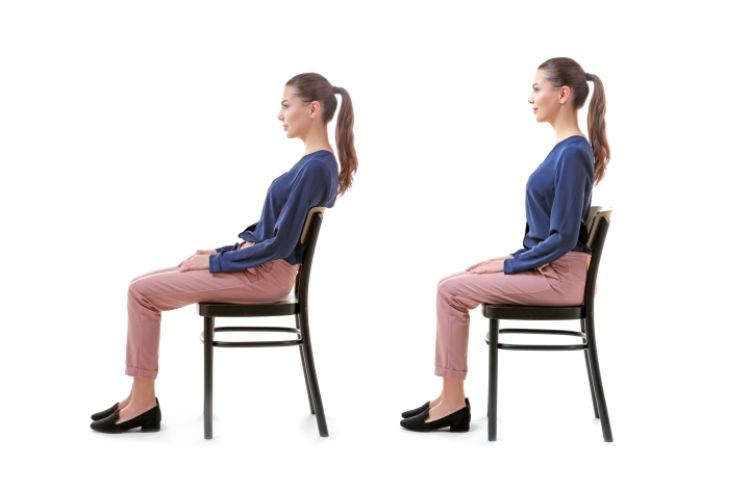
- Maintain proper posture during daily activities to avoid unnecessary joint stress
- Avoid heavy lifting and excessive physical exertion
- Change positions frequently; avoid prolonged sitting, standing or lying to prevent joint stiffness and impaired circulation
- Maintain a healthy body weight to reduce mechanical load on joints and ligaments
- Follow a balanced diet rich in nutrients, including calcium, glucosamine, chondroitin, omega 3 fatty acids, vitamin D and B vitamins
- Prevent injuries by using proper equipment, performing adequate warm up before exercise, wearing appropriate footwear and exercising in safe environments. Seek prompt medical care if injury occurs
- Limit alcohol consumption, avoid smoking and other stimulants
- Maintain psychological well being and avoid stress
- Do not overexert; seek assistance when needed
- Undergo routine health check ups every 6 months for early detection of abnormalities
When experiencing symptoms such as joint pain, stiffness or reduced mobility, patients are advised to seek prompt evaluation at the Musculoskeletal Department of Hong Ngoc General Hospital for appropriate diagnosis and treatment.
At Hong Ngoc, patients benefit from high quality healthcare services, including:
- A team of highly experienced specialists trained and working at leading hospitals both domestically and internationally, such as Bach Mai Hospital, Viet Duc Hospital and Royal North Shore Hospital (Australia)
- A modern, fully integrated system of advanced medical equipment imported from the United States, including SIGNA Prime MRI, 128 slice CT scanner, Hologic bone densitometry system and Logiq P7 musculoskeletal ultrasound, enabling high resolution imaging and early detection of musculoskeletal disorders
- An integrated treatment approach combining physiotherapy and rehabilitation, utilizing German therapeutic systems and advanced Austrian manual therapy techniques to restore mobility and effectively relieve pain associated with osteoarthritis
In addition, patients are provided with a wide range of modern amenities and services:
- Personalized follow up schedules with proactive appointment reminders
- A clean, modern hospital environment with facilities such as free Wi Fi, café and restaurant services
- Weekend service availability with no additional charges
- Fast and efficient insurance direct billing procedures, ensuring maximum patient benefits
With these advantages, Hong Ngoc General Hospital is a trusted destination for the diagnosis and management of musculoskeletal disorders in general and osteoarthritis in particular.
Note:
The information provided in this article by Hong Ngoc General Hospital is for reference purposes only and does not replace professional medical diagnosis or treatment. Patients are strongly advised not to self medicate. For an accurate assessment of their condition, individuals should visit medical facilities for direct consultation, diagnosis and appropriate treatment planning by qualified healthcare professionals.
For more health related updates and useful information, please follow Hong Ngoc General Hospital’s official fanpage:https://www.facebook.com/BenhvienHongNgoc/