


Women are highly susceptible to hemorrhoids after childbirth due to multiple contributing factors. This condition can significantly affect both the physical health and psychological well-being of postpartum mothers. Depending on the severity of the disease, some cases may be managed with conservative medical treatment at home, while more severe cases may require surgical intervention.
Causes of postpartum hemorrhoids
Women are more likely to develop hemorrhoids after childbirth due to the following main causes:
Pre-existing hemorrhoids before or during pregnancy: Women who had hemorrhoids before pregnancy or developed them during pregnancy may experience worsening of the condition after childbirth if adequate postpartum care is not maintained. This may lead to more severe symptoms and complications such as bleeding or thrombosis of hemorrhoidal tissue.
Fetal pressure on the rectal and anal region: During the final months of pregnancy, the enlarged fetus may exert pressure on the rectal and anal area. This pressure can obstruct venous return, causing the hemorrhoidal venous plexus to become congested and dilated, which contributes to the development of hemorrhoids after childbirth.
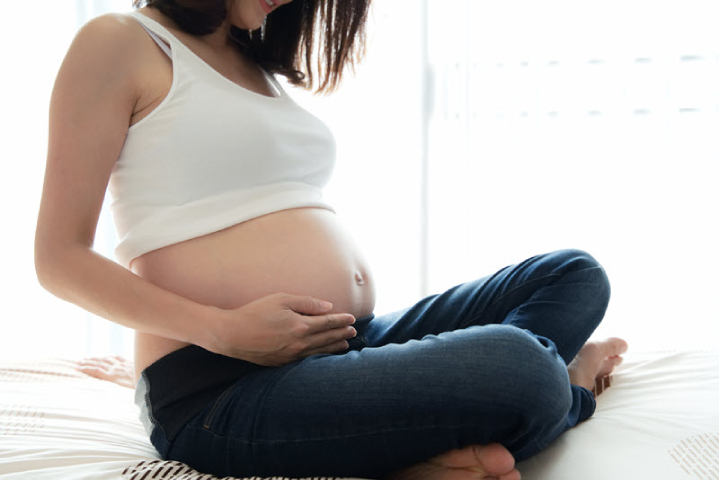
- Constipation: Many factors may cause constipation during pregnancy and the postpartum period. For example, pregnant women often sit or lie down for extended periods, which slows intestinal transit and increases water reabsorption from stool, leading to constipation. Inappropriate dietary habits, such as low intake of vegetables, insufficient water consumption, or excessive calcium supplementation, may also contribute to constipation. Frequent postpartum constipation increases the risk of hemorrhoids. When hemorrhoidal masses enlarge significantly, they may prolapse through the anus, commonly referred to as prolapsed internal hemorrhoids.
- Excessive straining during childbirth: During pregnancy and labor, improper straining during delivery may increase intra-abdominal pressure, particularly in the pelvic region. This elevated pressure can promote prolapse of hemorrhoidal tissue.
- Inappropriate postpartum diet: After childbirth, many women adopt various dietary restrictions. Some of these regimens may be unsuitable, such as reduced consumption of vegetables or inadequate water intake, which may worsen hemorrhoidal symptoms.
Recognizable signs of postpartum hemorrhoids
The following signs may help postpartum women identify hemorrhoids after childbirth:
Rectal bleeding during defecation
In the early stage, bleeding usually occurs in small amounts and appears infrequently. It is often noticed when blood is seen on used toilet tissue or when streaks of blood are observed on the stool.
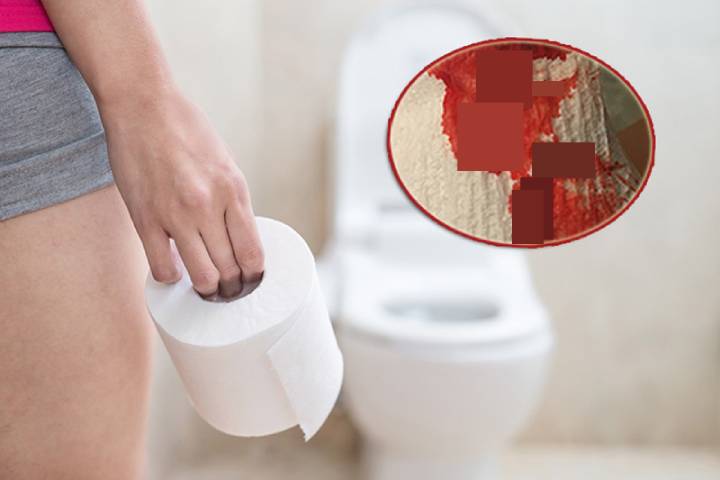
Over time, as hemorrhoids progress, rectal bleeding may become more severe. The frequency of bleeding during defecation increases, and the amount of blood lost during each episode may also become greater. In some cases, patients may clearly feel blood flowing from the hemorrhoidal tissue. Occasionally, blood from hemorrhoids may clot within the rectal lumen, resulting in the passage of blood clots during defecation.
Prolapsed hemorrhoids after childbirth
Clinical manifestations vary depending on the severity of hemorrhoids. In mild stages (grade I or grade II), hemorrhoids may not significantly affect daily activities. However, when hemorrhoids progress to grade III or higher, patients may experience pronounced discomfort, a sensation of a mass in the anal region, and irritation during defecation, especially when walking frequently or performing heavy physical tasks.
Anal itching
When hemorrhoids develop, the anal region may become intensely itchy and uncomfortable, which can cause embarrassment and reduced confidence during social interactions or daily activities.
Reader may also be interested in:
- 5 key signs of hemorrhoids that should not be ignored
- How dangerous are the complications of hemorrhoids? A safe and effective address for hemorrhoid treatment with minimized complications
- 4 causes of hemorrhoids and preventive measures
Painful anal swelling
This is a common manifestation in patients with postpartum hemorrhoids. The symptom typically occurs when external hemorrhoids become thrombosed or when prolapsed internal hemorrhoids become strangulated, leading to vascular obstruction. Patients may notice one or more swollen masses around the anus resembling a clustered structure, accompanied by severe pain that can make sitting, walking, or performing daily activities extremely difficult. Some patients even describe the pain of thrombosed or strangulated hemorrhoids as more intense than labor pain.
This condition causes significant discomfort and distress. Thrombosed hemorrhoids are particularly common in pregnant and postpartum women due to physiological factors that promote hemorrhoid progression and increased blood coagulability.
Other symptoms of postpartum hemorrhoids
Anal pain associated with constipation and rectal bleeding either mixed with stool or visible on toilet paper may occur, particularly when hemorrhoids are accompanied by anal fissures. In addition, postpartum hemorrhoid patients may experience other symptoms such as mucous discharge from the anal opening, rectal inflammation, or perianal dermatitis.
Can postpartum hemorrhoids resolve on their own?
Postpartum hemorrhoids are not usually a serious problem if they are detected early and treated promptly. However, in reality, due to subjective attitudes or attempts to tolerate the symptoms, many women seek medical attention only when the condition has progressed to a more severe stage and surgical hemorrhoidectomy becomes necessary.
Therefore, when early symptoms appear, postpartum women should seek medical evaluation at a hospital so that specialist physicians can assess the condition, establish an accurate diagnosis, and initiate appropriate treatment early, which is often more effective and less complex.
Are postpartum hemorrhoids dangerous?
Postpartum hemorrhoids are a common condition and are generally not considered dangerous. However, neglecting symptoms or delaying diagnosis and treatment may lead to serious complications that may ultimately require surgical intervention.
Possible complications include:
- Strangulated hemorrhoids: This is one of the most common complications. It occurs when hemorrhoidal tissue enlarges significantly and compresses the anal sphincter muscles, causing obstruction and impaired blood circulation. Patients often experience persistent pain when the hemorrhoidal mass is touched and may have considerable difficulty during defecation.
- Anal dysfunction: As hemorrhoidal masses enlarge, they may compress surrounding structures and interfere with normal anal sphincter contraction, leading to difficulty in expelling stool.
- Anemia: This complication may occur in advanced stages of hemorrhoids when bleeding becomes frequent and significant.
Infection or necrosis of hemorrhoidal tissue: Persistent mucous discharge from hemorrhoids, combined with contamination from fecal matter, may lead to infection. If not treated promptly, inflammation may cause ulceration of hemorrhoidal tissue and, in severe cases, tissue necrosis.
Gynecological infections: Because the anus and vagina are anatomically close, pathogenic bacteria from the anal region may easily spread to the vagina, potentially leading to various gynecological infections.
When should postpartum women with hemorrhoids see a doctor?
Postpartum hemorrhoids often improve with simple home care measures. However, medical evaluation is necessary in certain situations, including:
- Hemorrhoids do not improve after 7 days of home treatment.
- Recurrence of hemorrhoids.
- Pus discharge from the hemorrhoidal tissue.
- Hemorrhoids accompanied by symptoms such as fever, chills, and general discomfort.
- Worsening symptoms with increased rectal bleeding.
Prevention of postpartum hemorrhoids
Postpartum hemorrhoids can be prevented by maintaining appropriate lifestyle habits beginning early in pregnancy. These habits include:
Daily activities: Engage in regular physical activity with gentle exercises such as walking or yoga. Rest when feeling fatigued. Avoid prolonged sitting or standing, as this may increase pressure on the pelvic region.
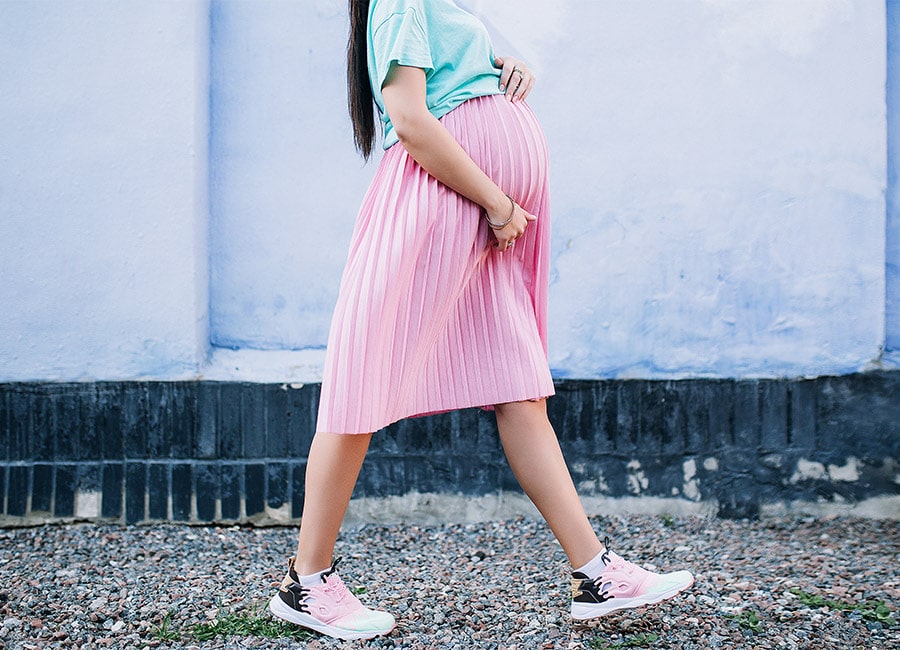
- Hygiene: Maintain proper hygiene of the perineal area to reduce the risk of bacterial invasion. Defecate when the urge arises to help regulate digestive function, as delaying bowel movements may cause injury to the anal muscles.
- Dietary habits: Increase dietary fiber intake and drink adequate amounts of water.
What should postpartum women with hemorrhoids eat and avoid?
What should postpartum women with hemorrhoids eat?
The following food groups may help support effective management of hemorrhoids and should be included in the diet of postpartum women:
- Fiber-rich fruits and vegetables: sweet leaf, Malabar spinach, broccoli, bean sprouts, bananas, pumpkin, apples, strawberries, kiwi, etc.
- Complex carbohydrate foods: sweet potatoes, oats, etc.
- Protein-rich foods: eggs, milk, shrimp, crab, salmon, tuna, flounder, etc.
- Magnesium-rich foods: spinach, avocados, and dried nuts.
What should postpartum women with hemorrhoids avoid?
The following foods may worsen hemorrhoidal symptoms:
- Fried foods and foods high in fat, which may impair digestion.
- Excessively spicy foods that may irritate the stomach and colon.
- Alcohol, coffee, and tobacco, which may interfere with postpartum recovery and negatively affect overall health.
Management of postpartum hemorrhoids
Conservative (medical) treatment
Medical management of postpartum hemorrhoids involves a combination of lifestyle modification and pharmacologic therapy. In postpartum patients, priority is given to lifestyle interventions and minimizing medication use in order to ensure the safety of breast milk and the breastfeeding infant.
Warm hypertonic saline sitz bath: Dissolve 100 grams of salt in 3 liters of warm water and soak the anal region for about 30 minutes each time, three times daily.
Healthy lifestyle measures
- Maintain proper anal hygiene: Always use soft, moist tissue to avoid irritation. When cleaning, wipe from front to back.
- Increase dietary fiber intake: Fiber helps soften stool and facilitates bowel movements. It is commonly found in fruits, vegetables, and whole grains.
- Supplement probiotics: Foods such as yogurt may help support intestinal health.
- Drink plenty of water: Dehydration can harden stool and make defecation more difficult, especially in breastfeeding mothers.
- Engage in gentle physical activity: Light exercises such as walking or yoga help improve circulation and reduce prolonged pressure from sitting.
- Do not delay bowel movements: Postpartum women should attempt to defecate promptly when the urge arises rather than suppressing the urge.
Medication use
When using medications for hemorrhoid treatment, patients should strictly follow the physician’s instructions. Self-medication or inappropriate drug use may worsen hemorrhoidal symptoms or negatively affect breastfeeding.
Some commonly prescribed medications include:
- Topical hemorrhoid creams, sprays, or ointments to help relieve symptoms such as pain, itching, and bleeding for short-term management.
- Prescription stool softeners.
- Analgesics such as paracetamol.
Surgical treatment of postpartum hemorrhoids
Most cases of postpartum hemorrhoids can resolve within a few days or weeks with conservative treatment. However, when the condition progresses to a severe stage or leads to complications such as acute bleeding, hemorrhoidal necrosis, or anal obstruction, surgical intervention may be required.
- Hemorrhoid band ligation: In cases of persistent bleeding or pain caused by postpartum hemorrhoids, physicians may recommend a minimally invasive procedure known as hemorrhoid band ligation. During this procedure, one or two rubber bands are placed around the base of the hemorrhoidal tissue to cut off its blood supply. After approximately one week, the hemorrhoidal mass dries out and falls off.
Common side effects of this procedure include discomfort and mild bleeding for about 2–4 days after treatment.
- Hemorrhoidectomy: Hemorrhoidectomy is considered the most definitive and effective treatment for severe or recurrent hemorrhoids.
Postpartum patients undergoing this procedure may receive local anesthesia combined with sedation, spinal anesthesia, or general anesthesia. The surgeon then removes the excess hemorrhoidal tissue responsible for bleeding. Possible complications, ranging from mild to severe, may include pain, bleeding, urinary retention, anal stenosis, and infection.
Common hemorrhoidectomy techniques currently used include:
- Laser hemorrhoidectomy: This outpatient procedure uses a focused laser beam to precisely target and treat hemorrhoidal tissue without the need for a surgical scalpel. The method allows rapid removal of hemorrhoids with minimal pain and faster recovery.
- Ferguson technique: The Ferguson hemorrhoidectomy is a classic surgical procedure in which each hemorrhoidal mass is excised and sutured individually. This approach removes hemorrhoidal tissue while preserving the normal anatomical structure of the anus. It can be applied to most hemorrhoids requiring surgical treatment and requires highly skilled surgeons as well as modern medical equipment.
- Milligan–Morgan technique: This procedure involves excising individual hemorrhoidal masses while preserving bridges of mucosa and skin between them, which are then sutured. In cases of circumferential hemorrhoids, additional accessory hemorrhoidal tissue may also need to be removed. With a relatively simple surgical process, short procedure time, low recurrence rate (approximately 5–10% within five years), and lower cost, this technique remains widely used.
- Longo technique: Based on the principle of repositioning prolapsed hemorrhoidal tissue to its normal anatomical position, this technique is commonly indicated for circumferential hemorrhoids or grade III–IV hemorrhoids. Surgeons use a circular stapling device designed to excise and staple the mucosal tissue and associated blood vessels above the dentate line (the junction between the distal digestive tract and the anal canal, separating internal and external hemorrhoids). This lifts the hemorrhoidal tissue upward while simultaneously interrupting its blood supply, allowing the hemorrhoids to gradually shrink. Patients typically experience less postoperative pain, faster recovery, and no open wounds or risk of anal stenosis.
When can postpartum women undergo hemorrhoid surgery?
Postpartum women may undergo hemorrhoidectomy immediately if medically indicated. However, surgical intervention may affect breast milk production and potentially interfere with breastfeeding. Therefore, in most cases, surgery is usually recommended when the infant is around six months old.
Where to receive effective and pain-minimized treatment for postpartum hemorrhoids?
If symptoms of postpartum hemorrhoids occur, mothers should not ignore them. Instead, they should seek medical evaluation from a specialist at a reputable healthcare facility in order to obtain an accurate diagnosis and receive timely and appropriate treatment.
The Center for Gastrointestinal, Colorectal, and Pelvic Floor Surgery at Hong Ngoc General Hospital is currently a reputable medical facility for hemorrhoid treatment, trusted by many patients. The center has successfully treated numerous hemorrhoid cases with the following advantages:
A team of leading colorectal and anorectal specialists, led by Assoc. Prof., Dr. Nguyen Xuan Hung, People’s Doctor – Former Director of the Colorectal and Pelvic Floor Surgery Center at Viet Duc University Hospital; Vice President of the Vietnam Association of Anus and Rectum; Member of the French Society of Physicians for the Treatment of Colorectal and Anal Diseases.
- Dr. Cu Trung Kien, MD, MSc – Received advanced training in gastrointestinal surgery in Hong Kong; previously worked at Bach Mai Hospital; currently Deputy Head of the Department of Gastrointestinal Surgery at Hong Ngoc Yen Ninh General Hospital.
- Dr. Bach Phuc Huy, MD, Specialist Level I – With more than 15 years of clinical experience; currently Head of the Gastrointestinal Surgery Unit at Hong Ngoc Phuc Truong Minh General Hospital.
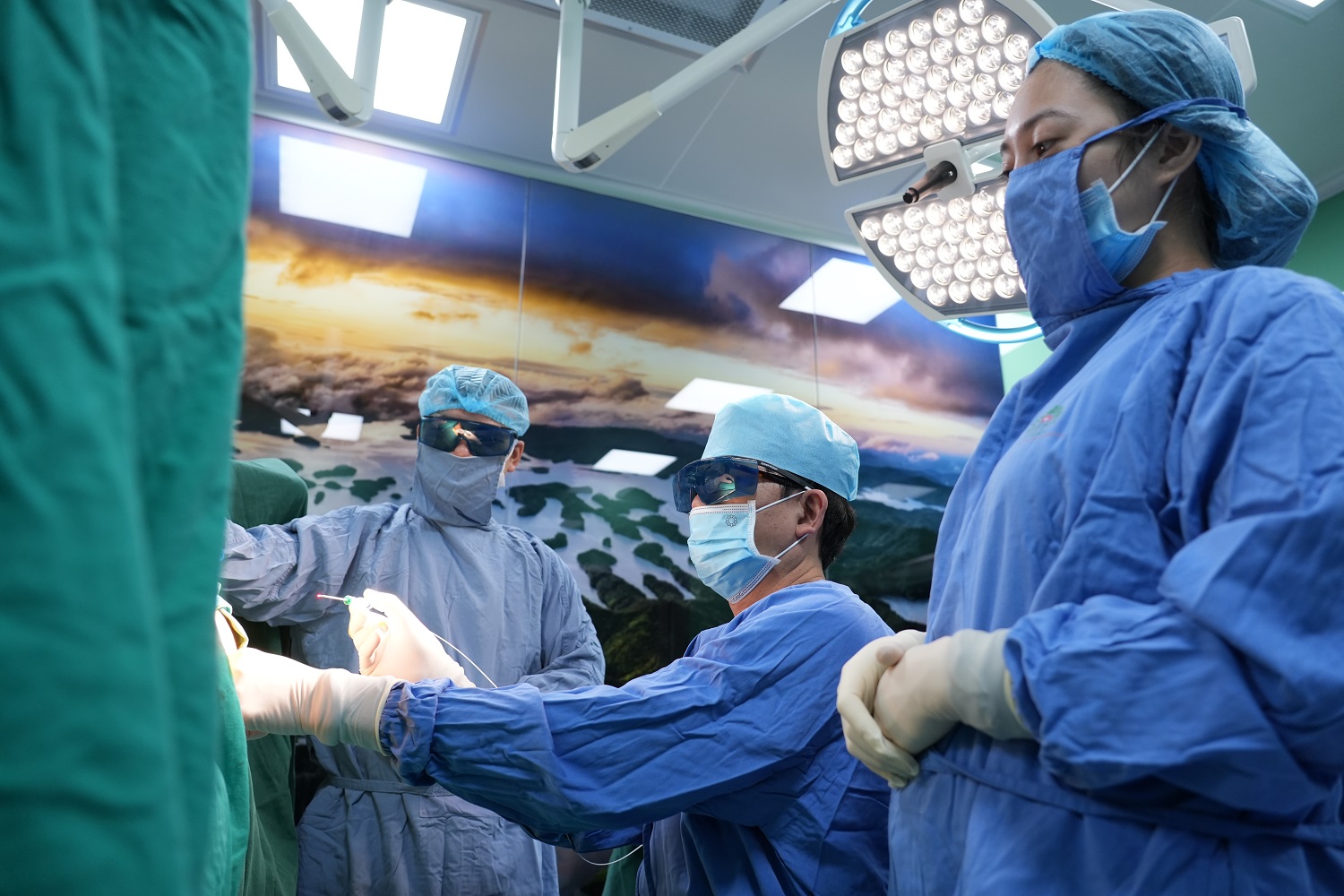
- Modern surgical techniques: Application of advanced technologies for hemorrhoid treatment, including radiofrequency hemorrhoidectomy, PPH procedure, and Longo technique.
- Pain-minimized hemorrhoid surgery: Implemented with a comprehensive pain control protocol before, during, and after surgery, developed by Dr. Nguyen Thi Thu Ba, MD, MSc.,who received specialized residency training in France. A highly qualified anesthesiology team closely monitors patients throughout the surgical procedure.
- Proactive pain management strategy: Patients undergo thorough pre-anesthetic evaluation, continuous intraoperative monitoring, and early pain control before symptoms develop.
- 24/7 patient support team: Dedicated medical staff provide attentive care and monitoring throughout the hospitalization period.
- Comfortable inpatient environment: Spacious, clean, and well-equipped patient rooms with hotel-standard amenities to ensure patient comfort during recovery.
For detailed consultation, please contact:
Hotline for scheduling appointments with specialists: 0911 908 856Hotline for consultation on hemorrhoid surgery: 0949 646 556
Note: The information provided in this article by Hong Ngoc General Hospital is for reference purposes only and does not replace professional medical diagnosis or treatment. Patients should not self-medicate or independently purchase medications for treatment. To accurately determine their medical condition, individuals should visit a healthcare facility for direct examination, diagnosis, and appropriate treatment consultation by a qualified physician.
Follow the official Fanpage of Hong Ngoc General Hospital to receive more useful health information and updates on the hospital’s special offers and programs.