


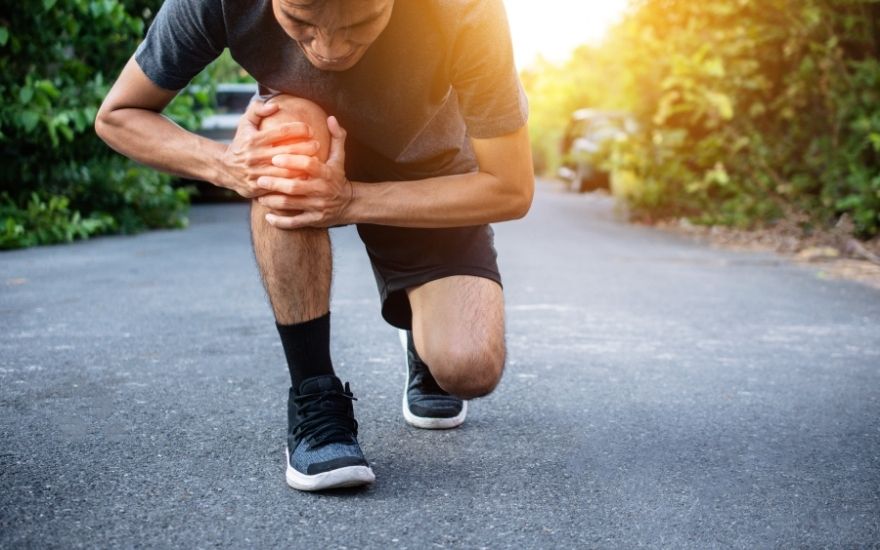
Sports-related patellar tendinitis commonly causes pain just below the kneecap, particularly during running, jumping, landing, changing direction or squatting. The condition often develops when training intensity increases too quickly, preventing the tendon from adapting to the increased load.
Therefore, athletes should reduce movements that worsen the pain while rebuilding strength and improving the tendon’s load tolerance before returning to sports.
Medical consultation: Tran Thi Kim Chuan, MSc, MD, Department of Musculoskeletal Medicine, Hong Ngoc Phuc Truong Minh General Hospital.
Medical disclaimer: The information and exercises provided in this article are for reference purposes only and do not replace an in-person medical evaluation. Patients should not self-medicate, undergo injections without medical advice or continue exercising if pain worsens significantly or if the knee becomes swollen, unstable or difficult to straighten. If symptoms persist or affect mobility, medical evaluation is recommended to identify the cause and develop an appropriate rehabilitation program.
What is sports-related patellar tendinitis?
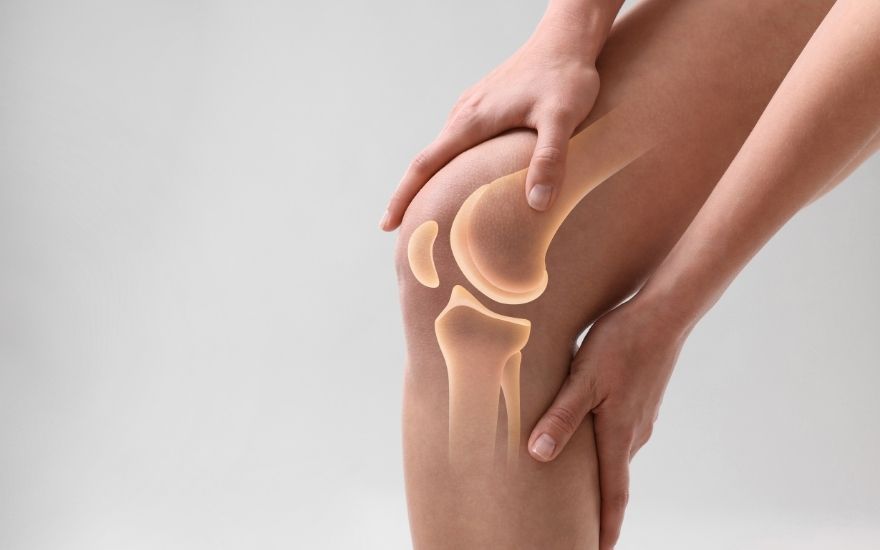
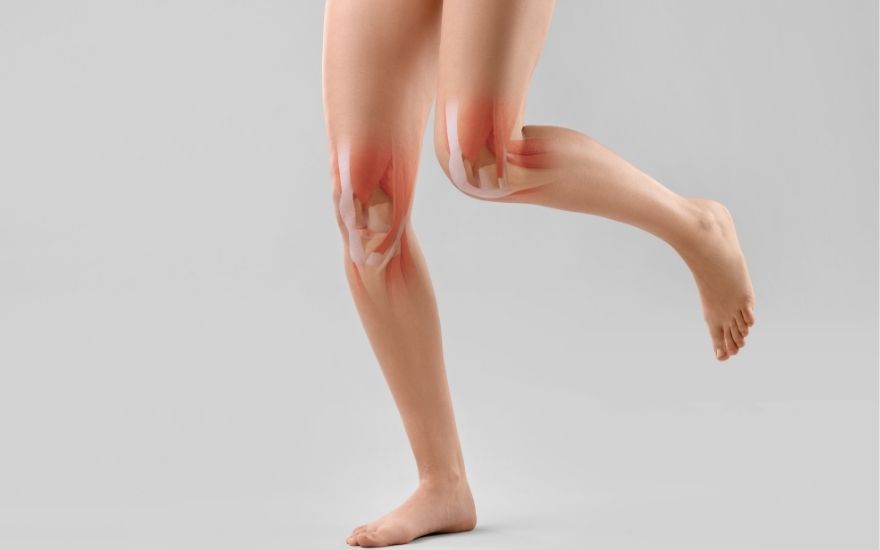
The patellar tendon is a strong band of tissue connecting the lower part of the kneecap to the upper end of the tibia. Working together with the muscles at the front of the thigh, it helps straighten the knee and transmit force during running, jumping, kicking, landing and rising from a squat. These activities place considerable stress on the tendon, particularly when performed repeatedly at high intensity without adequate recovery.
“Patellar tendinitis” is the commonly used term. However, in people with persistent pain, the condition often involves not only inflammation but also changes in the tendon’s structure and load-bearing capacity. Therefore, rest or pain medication may provide temporary symptom relief but may not be sufficient to prepare the knee for the demands of sports.
Signs of sports-related patellar tendinitis
Pain that varies with activity level is a key feature of patellar tendinitis. Athletes may experience little pain at rest but greater discomfort when the knee is subjected to heavy loads or repetitive movements.
Location and characteristics of patellar tendon pain
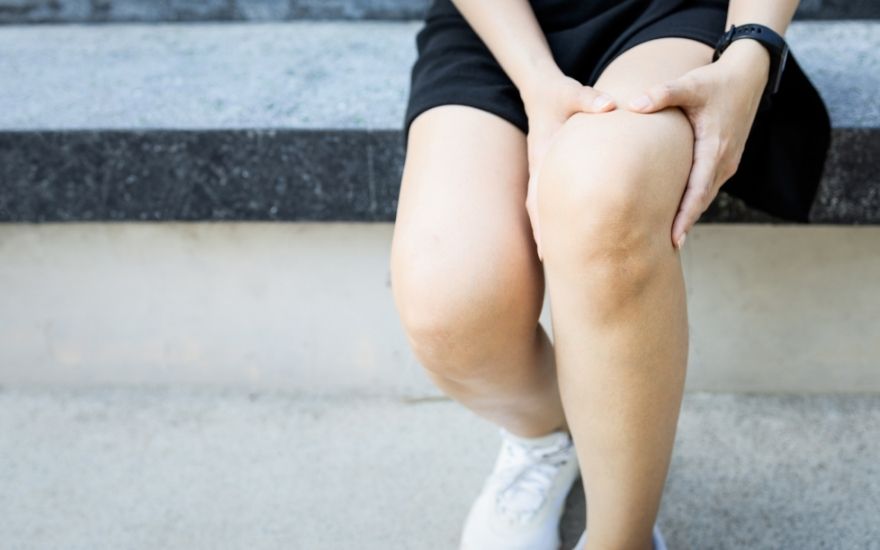
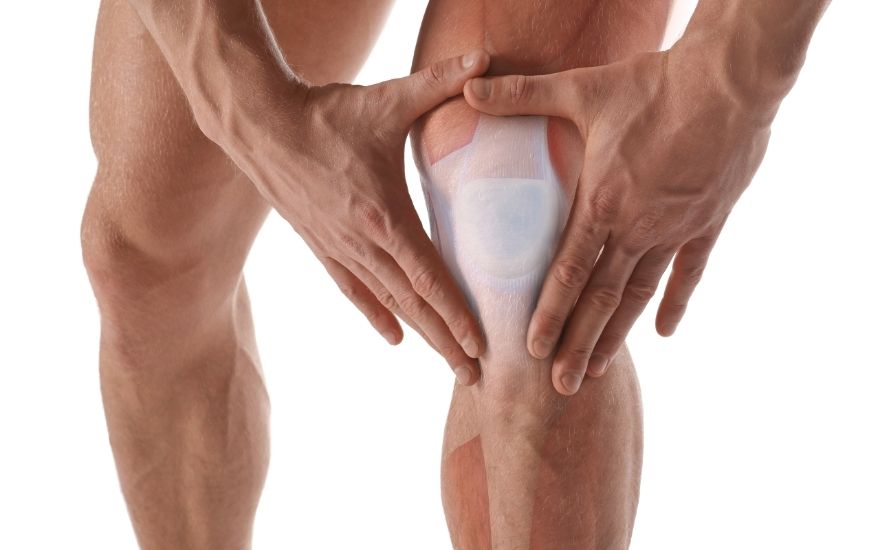
Pain is usually localized just below the kneecap, where the upper portion of the tendon attaches to the bone. Patients can often identify the painful point quite precisely with one finger rather than experiencing diffuse pain throughout the knee. Pressing this area or contracting the thigh muscles to straighten the knee may worsen the pain.
Activities that commonly aggravate symptoms include:
- Sprinting, long-distance running or running downhill;
- Repeated jumping and landing;
- Accelerating, decelerating or changing direction;
- Squatting, performing squat exercises or lunging;
- Climbing or descending stairs;
- Standing up after prolonged sitting.
In the early stages, pain may occur only after exercise. Some athletes find that the knee feels better after warming up, but the pain returns toward the end of the session or the following morning. As the condition progresses, pain may begin at the start of training and reduce jumping ability, speed or athletic performance.
How does pain affect running, jumping and physical activity?
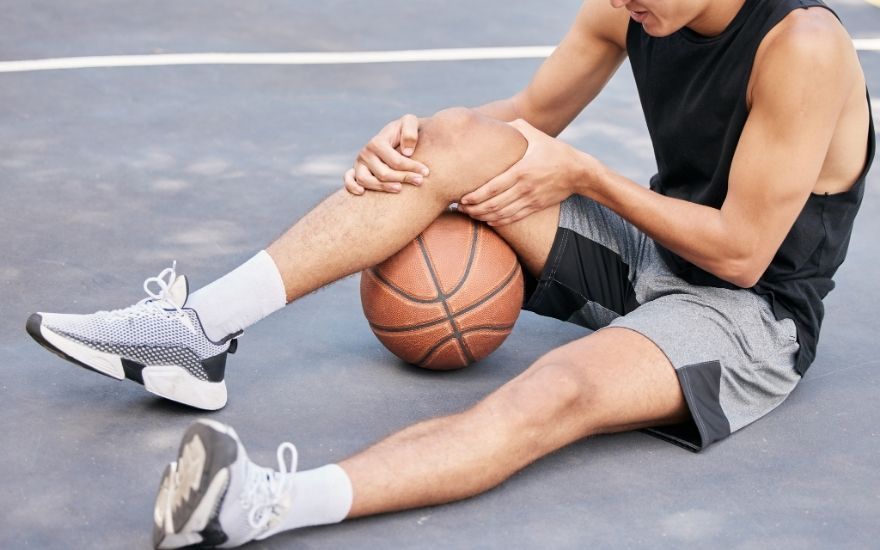
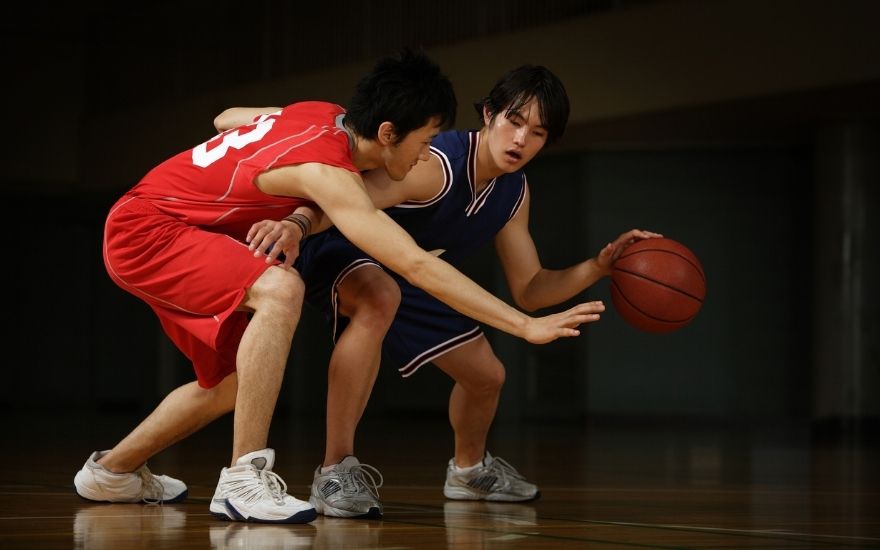
Patellar tendinitis may cause athletes to avoid placing weight or force through the affected leg, altering the way they run, land or rise from a seated position. Volleyball and basketball players may experience reduced jump height; runners may need to shorten their distance or slow their pace; and football, badminton and tennis players may have difficulty decelerating or changing direction.
Pain does not always accurately reflect the extent of tendon changes. Some people may have abnormal tendon findings on imaging without pain, while others experience significant pain despite relatively minor imaging abnormalities. Physicians therefore need to assess symptoms together with functional ability rather than relying solely on pain severity or imaging findings.
Why are athletes prone to patellar tendinitis?
Patellar tendinitis commonly develops when physical demands exceed the tendon’s ability to adapt. The risk depends not only on the type of sport but also on how quickly training intensity increases, movement technique, muscle strength and recovery time.
Training intensity increases faster than the tendon can adapt
The tendon can become stronger when exposed to an appropriate load that increases gradually. Conversely, if the training program changes too quickly, the tendon may not have sufficient time to adapt. Pain often develops after a period of increasing running distance, speed, jumping frequency, weight load or the number of weekly training sessions.
Overloading is more likely when athletes immediately resume their previous training program after a break, participate in several consecutive matches or increase multiple training variables within the same week. High overall training loads and frequent jumping are associated with patellar tendon disorders, but there is no single threshold suitable for everyone.
Inadequate strength, movement technique and recovery
The hips, thighs, knees and ankles all contribute to running, jumping and landing. When the thigh, gluteal or calf muscles cannot meet the demands of the activity, the knees may be subjected to greater stress. Limited ankle dorsiflexion, reduced leg muscle flexibility or poor knee control during landing may also increase the load on the patellar tendon.
Training shoes, playing surfaces and movement technique may contribute to the onset of symptoms but should not be considered the sole causes. Current research has not identified any single factor that can reliably predict patellar tendinitis in all athletes. Assessment should therefore consider each athlete’s training history, physical condition, previous injuries and movement patterns.
What should athletes do when experiencing patellar tendon pain?
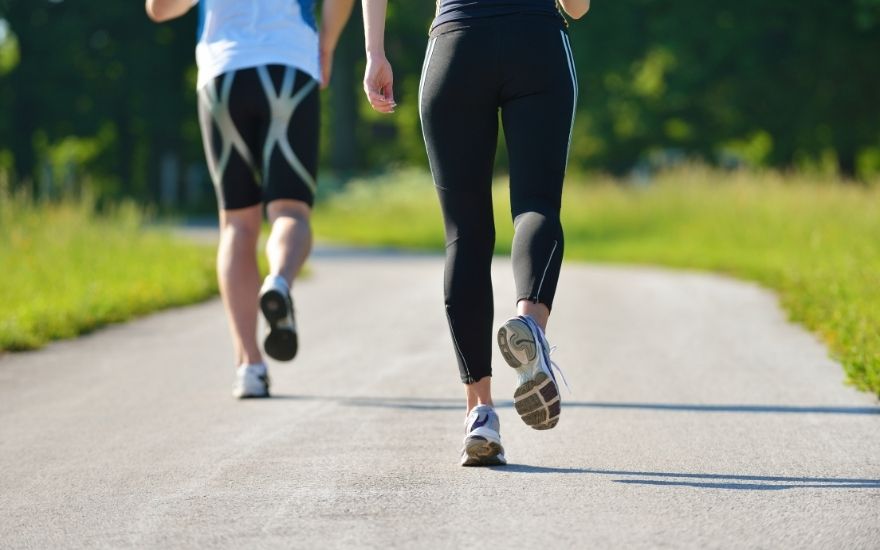
Athletes should reduce activities that worsen the pain rather than trying to maintain their existing training program. The initial goal is to bring activity levels within the tendon’s current load tolerance without keeping the knee completely inactive for an extended period.
Reduce painful activities without completely immobilizing the knee
Athletes should temporarily reduce sprinting, hill running, repeated jumping, deep squats or heavy lower-body resistance exercises if these activities significantly worsen the pain. Instead, they may continue gentle walking, cycling with appropriate resistance, swimming or upper-body exercises, provided the knee tolerates them well.
After each training session, patients should monitor their pain level and the knee’s response the following day. If pain increases, persists or alters their gait, the current activity level may be excessive. Cold therapy may provide temporary relief; medications, supportive braces, shockwave therapy or injections should only be used following medical evaluation.
When should athletes seek medical evaluation?
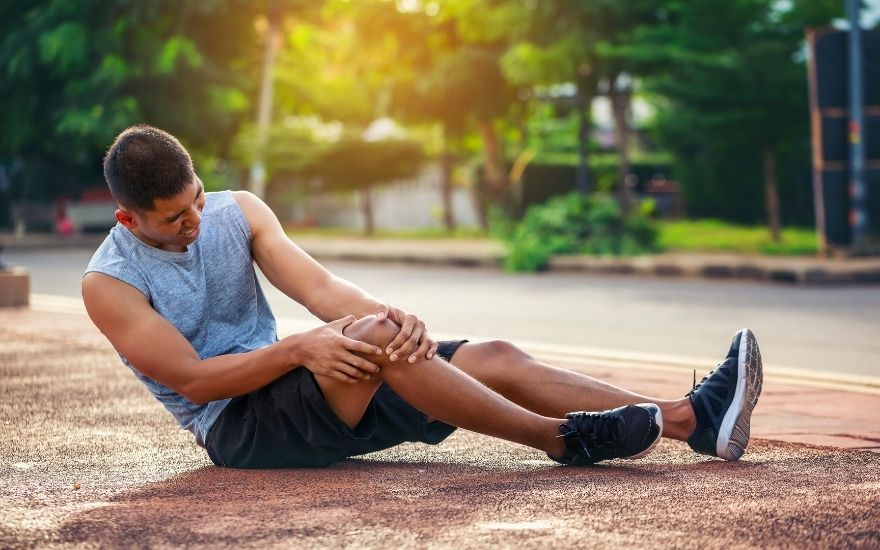
Athletes should seek medical evaluation if the pain persists, gradually worsens or interferes with walking, climbing stairs or daily activities. A physician will determine whether the pain originates from the patellar tendon or is related to the patellofemoral joint, meniscus, ligaments or another injury.
Patients should seek prompt medical attention if they experience any of the following signs:
- Sudden pain after jumping or landing;
- A cracking or popping sound in the knee;
- Inability to actively straighten the leg;
- Significant knee swelling or rapidly developing bruising;
- Knee locking or inability to fully bend or straighten the joint;
- Knee instability or frequent episodes of giving way;
- Redness and warmth around the joint or pain accompanied by fever;
- Pain following a forceful impact.
A complete patellar tendon rupture may prevent the patient from extending the knee and make standing or walking difficult. This condition differs from gradually worsening pain caused by overuse and requires prompt medical evaluation.
How is patellar tendinitis diagnosed and treated?
Patellar tendinitis is diagnosed primarily through symptom assessment and physical examination. Treatment generally begins with activity-load management combined with rehabilitation exercises rather than relying immediately on medication or interventional procedures.
Physical examination and diagnostic imaging when necessary
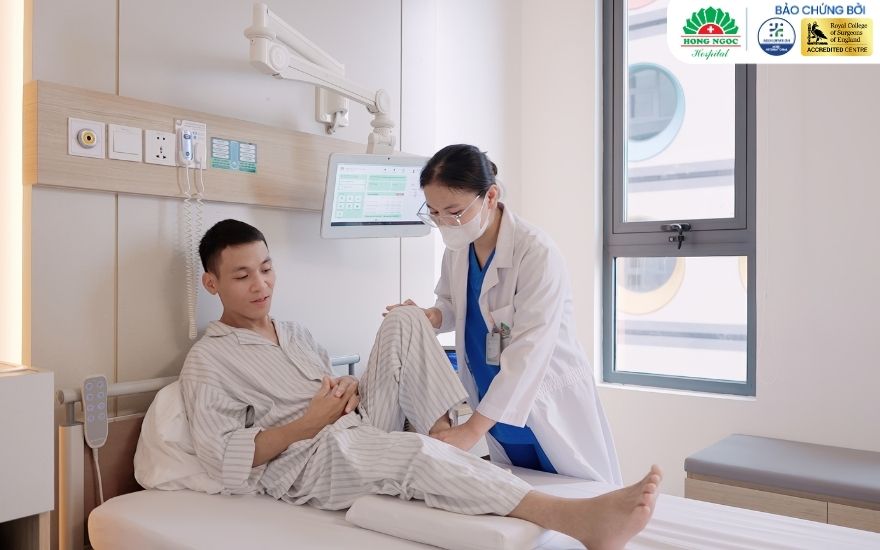
The physician will review the patient’s sport, training schedule, onset of pain and any recent changes in exercise intensity. The examination focuses on the location of pain below the kneecap, range of motion, muscle strength and the knee’s load tolerance.
Patients may be asked to squat, step up and down or stand on one leg to assess knee function. Ultrasound or magnetic resonance imaging (MRI) may be recommended when symptoms are atypical, a tendon tear or another knee injury is suspected, or the condition has not improved after an appropriate period of treatment and rehabilitation.
Treatment focuses on load management and restoring tendon strength
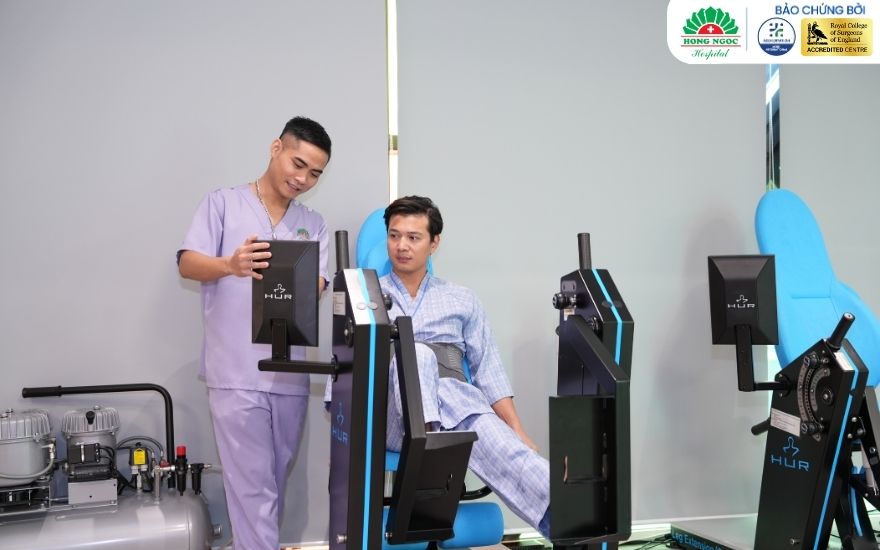
Rehabilitation exercises are the foundation of treatment for patellar tendinitis. Patients typically begin with low-intensity exercises, followed by gradual progression in strength training, jumping ability and sport-specific movements according to the knee’s actual load tolerance.
A trial involving 76 patients found that a progressive tendon-loading program provided greater improvements in pain and function than exercises focused solely on eccentric loading. Depending on the patient’s condition, physicians may consider pain medication, supportive braces, shockwave therapy or platelet-rich plasma injections. Surgery is rarely required and is considered only when prolonged conservative treatment fails to produce adequate improvement.
Rehabilitation for patellar tendinitis and return to sports
Rehabilitation should progress from pain management to strength training, jumping exercises and movements specific to each sport. In the progressive tendon loading program studied, each stage lasted at least one week. Patients progressed to the next stage only when pain during testing remained at or below 3 out of 10. Therefore, the timelines below represent the earliest points for reference rather than a fixed schedule for every patient.
Pain management and maintenance of mobility (Week 1)
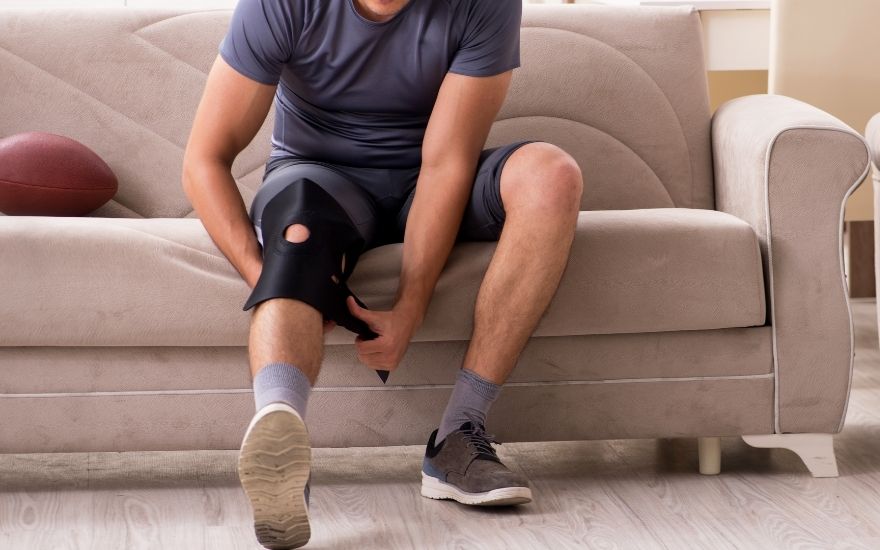
During the first week, patients reduce movements that clearly worsen the pain while remaining active within tolerable limits. A physician or rehabilitation specialist may recommend isometric quadriceps exercises. These exercises involve contracting the thigh muscles with minimal knee movement to maintain strength and gradually introduce a light load to the tendon.
Exercise intensity should be adjusted if pain increases significantly, technique becomes unstable or the knee feels worse the following day. Patients should not force themselves to complete the prescribed repetitions once the leg becomes fatigued or movement quality deteriorates.
Restoring strength and tendon load tolerance (from Week 2 at the earliest)
From the second week, if the knee tolerates light loading and pain remains within an acceptable range, the program may progress to squats, lunges, leg presses, resisted knee extensions and exercises that strengthen the gluteal and calf muscles. Exercises should be selected according to pain level, current strength and the ability to maintain proper technique.
Athletes should increase resistance, movement depth or repetitions gradually rather than increasing all variables within the same session. A program incorporating different types of loading, including isometric holds, resisted exercises and faster movements, is better suited to the functional demands of returning to sports.
Running, jumping and sport specific training (from Week 3 at the earliest)
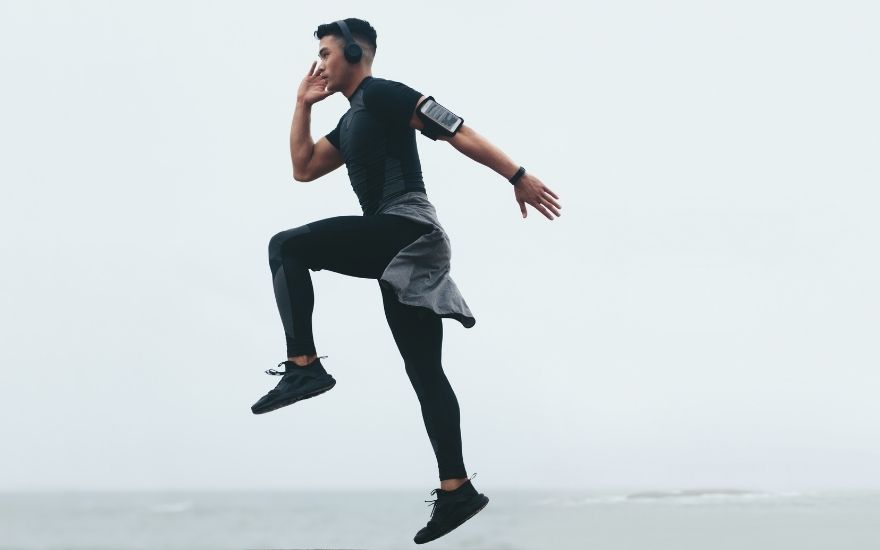
From the third week, once strength and load tolerance have improved, patients may progress to exercises that generate high levels of force over a short period, such as sprinting, jumping, landing and changing direction. Training usually begins with light running or two legged jumps, followed by single leg jumps, acceleration, deceleration and directional changes.
The training program should be tailored to each sport. Runners should gradually increase running duration and speed. Volleyball and basketball players should monitor the number of jumps performed. Football, badminton and tennis players should practise stopping and changing direction before returning to full training sessions.
Return to training and reducing the risk of recurrence (from Week 4 at the earliest)
From the fourth week, patients may begin exercises that resemble the demands of their sport if they have completed the previous stages within acceptable pain limits. This is only the earliest possible point. Many patients may require several months to recover fully. Returning to competition should be based on strength, load tolerance, movement technique and the knee’s response after each training session, rather than solely on the absence of pain.
Athletes may gradually increase their activity level when:
- Daily activities do not significantly increase pain;
- Strength exercises can be performed with stable technique;
- Strength in the affected leg is approaching that of the unaffected leg;
- Running, jumping, landing and changing direction can be performed with good control;
- A simulated training session can be completed without a significant increase in symptoms;
- The knee does not feel more painful the following day;
- The athlete feels confident performing the required movements.
Athletes should return gradually, beginning with light training, then progressively increasing training frequency before returning to competition. Maintaining strength exercises, increasing training load gradually and allowing adequate recovery time can help reduce the risk of recurrent pain.
Diagnosis and treatment of patellar tendinitis at the Department of Musculoskeletal Medicine, Hong Ngoc General Hospital
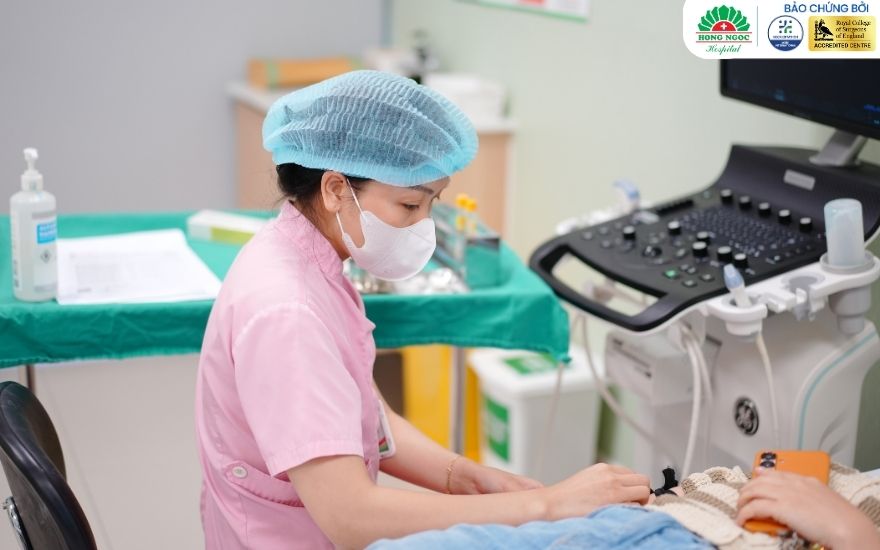
Patients who experience pain below the kneecap while running, jumping or changing direction can seek medical evaluation at the Department of Musculoskeletal Medicine, Hong Ngoc General Hospital. The physician reviews the patient’s sport, training schedule and onset of pain, while assessing pain location, range of motion, muscle strength and the knee’s load tolerance. This evaluation helps distinguish patellar tendinitis from other knee conditions and determine whether ultrasound, magnetic resonance imaging or other appropriate examinations are needed.
The Department of Musculoskeletal Medicine provides medical management and conservative treatment for tendon disorders. Depending on the condition, physicians may recommend activity modification, appropriate medication and supportive treatments such as knee braces, shockwave therapy or platelet rich plasma injections. When more intensive rehabilitation is required, care may be coordinated with the Department of Physical Therapy and Rehabilitation to improve strength and load tolerance and support a gradual return to sports.
Frequently asked questions about sports related patellar tendinitis
Can patellar tendinitis resolve on its own?
Mild symptoms may improve when athletes reduce painful movements and adjust their training load. However, persistent pain often requires an appropriate progressive loading program to restore the tendon’s load tolerance. Patients should seek medical evaluation if pain recurs, gradually worsens or affects daily activities.
Should athletes continue playing sports while experiencing patellar tendon pain?
Athletes should avoid running, jumping or changing direction if these movements worsen the pain or alter their technique. They may continue light activities that do not cause pain and perform rehabilitation exercises as instructed, then gradually increase activity when the knee responds well.
How long does it take to return to sports?
The timing of return depends on the severity of the condition, muscle strength and the tendon’s load tolerance. Athletes should return only when daily activities do not worsen the pain, strength in both legs is nearly equal, and they can run, jump, land and change direction with stable technique without increased symptoms the following day.
Conclusion
Sports related patellar tendinitis commonly develops when the tendon is exposed to activity levels beyond its ability to adapt. Athletes should reduce painful activities, maintain an appropriate level of movement and rebuild strength progressively.
Patients should seek medical evaluation if pain persists, mobility decreases or sudden pain, significant swelling, knee instability or an inability to fully straighten the knee occurs. A medical assessment can identify the cause and guide an appropriate rehabilitation program.
References
- Ophey M, Koëter S, van Ooijen L, và cộng sự.Dutch multidisciplinary guideline on anterior knee pain: Patellofemoral pain and patellar tendinopathy. Knee Surgery, Sports Traumatology, Arthroscopy. 2025;33(2):457–469.
- Rosen AB, Wellsandt E, Nicola M, Tao MA.Clinical Management of Patellar Tendinopathy. Journal of Athletic Training. 2022;57(7):621–631.
- Breda SJ, Oei EHG, Zwerver J, và cộng sự.Effectiveness of progressive tendon-loading exercise therapy in patients with patellar tendinopathy: A randomised clinical trial. British Journal of Sports Medicine. 2021;55(9):501–509.
- Sprague AL, Smith AH, Knox P, Pohlig RT, Silbernagel KG.Modifiable risk factors for patellar tendinopathy in athletes: A systematic review and meta-analysis. British Journal of Sports Medicine. 2018;52(24):1575–1585.
- Ardern CL, Glasgow P, Schneiders A, và cộng sự.2016 Consensus statement on return to sport from the First World Congress in Sports Physical Therapy, Bern. British Journal of Sports Medicine. 2016;50(14):853–864.
- American Academy of Orthopaedic Surgeons.Patellar Tendon Tear. OrthoInfo.