


Anterior cruciate ligament (ACL) tear is a common knee injury, particularly in high-intensity sports such as soccer, volleyball, and basketball. This condition significantly impairs the patient’s mobility. Therefore, timely intervention and optimal treatment are essential to promote recovery and prevent long-term complications.
What is an anterior cruciate ligament (ACL) tear? Causes and potential risks
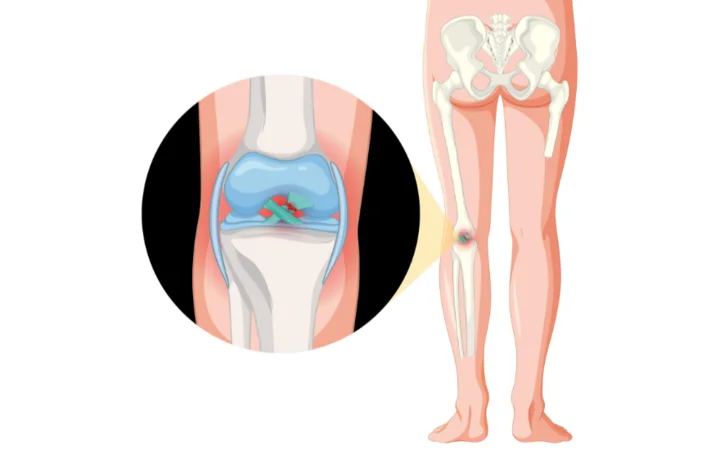
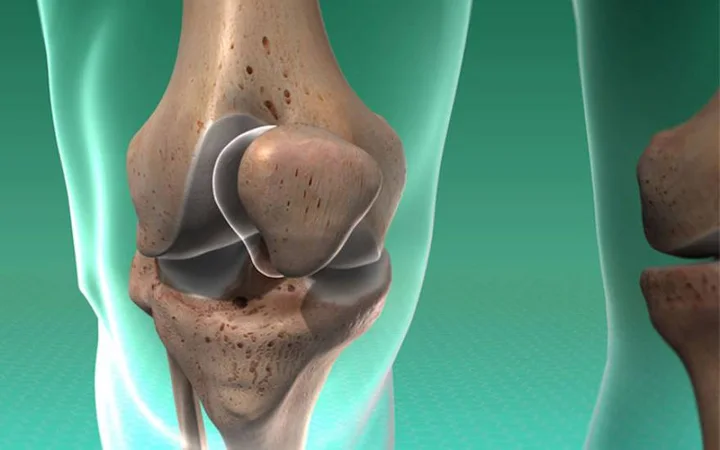
An anterior cruciate ligament (ACL) tear is a knee injury that occurs when the ligament connecting the femur to the tibia is damaged, resulting in knee instability. The ACL plays a vital role in maintaining joint stability during movements such as twisting, jumping, or rapid changes in direction. When the ligament is torn, the knee becomes unstable, causing pain and significant difficulty in movement.
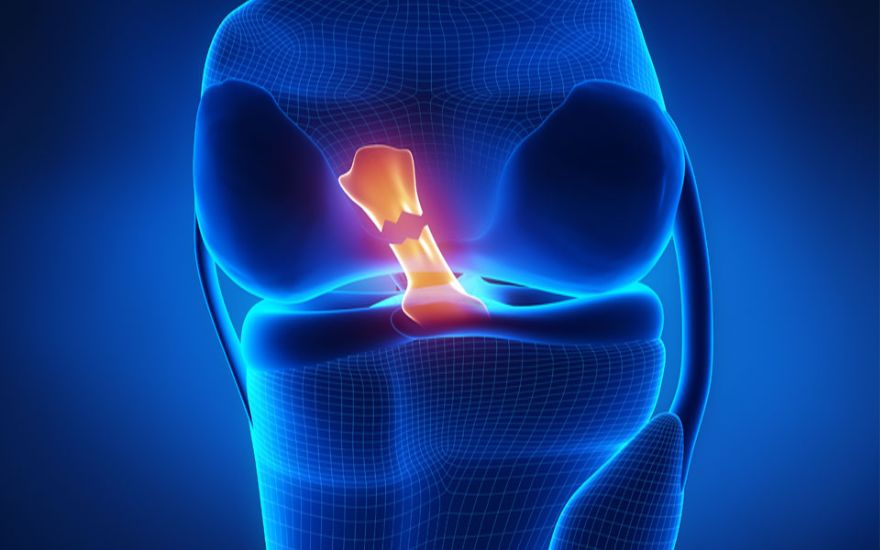
The primary causes of anterior cruciate ligament (ACL) tears are often related to sudden, forceful, or improper movements. Actions such as jumping and landing incorrectly, making abrupt changes in direction while running, or sustaining direct collisions during sports can place excessive strain on the ligament, leading to rupture. In addition, traffic accidents or falls from height are other contributing factors that may result in ACL injury.
An anterior cruciate ligament (ACL) tear not only causes immediate pain and swelling but may also lead to loss of mobility, increased risk of recurrent injuries, and early-onset osteoarthritis if not properly treated.
Symptoms of an anterior cruciate ligament (ACL) tear
The most characteristic symptom of an anterior cruciate ligament (ACL) tear is a “popping” sensation at the moment of injury, accompanied by sharp, intense pain in the knee joint. Shortly afterward, rapid swelling usually develops as a result of bleeding within the joint.
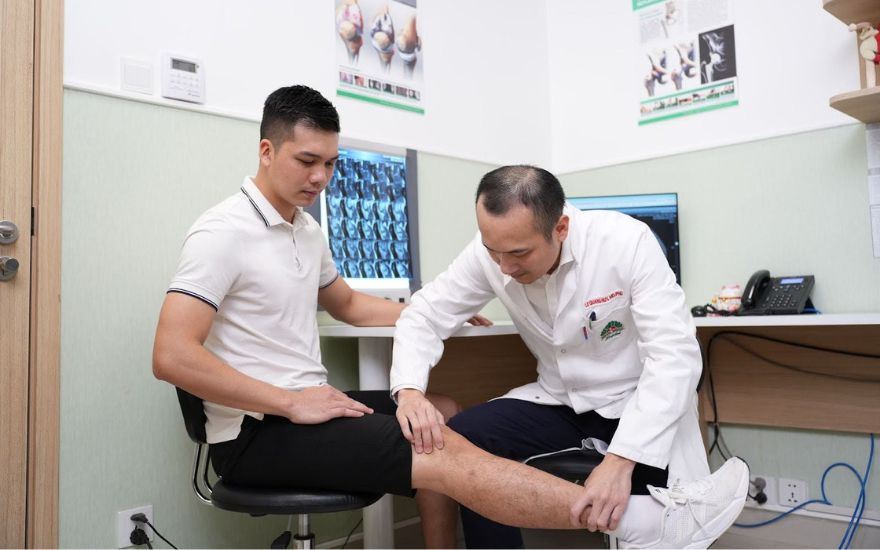
Another common sign is a sensation of instability in the knee, making patients feel as though the joint is “loose” and unable to bear weight. This condition becomes especially noticeable when attempting to stand, walk, or make sudden changes in direction. In addition, patients may experience difficulty fully extending or bending the knee and often have to stop physical activity immediately due to pain.
If not diagnosed and treated promptly, these symptoms may worsen over time and have long-term effects on knee mobility.
Methods for diagnosing an anterior cruciate ligament (ACL) tear
For an accurate diagnosis of an anterior cruciate ligament (ACL) tear, patients should undergo examination at specialized centers for orthopedics and sports medicine. Physicians will directly assess the knee joint by performing specific functional tests to evaluate the degree of looseness and overall stability of the joint.
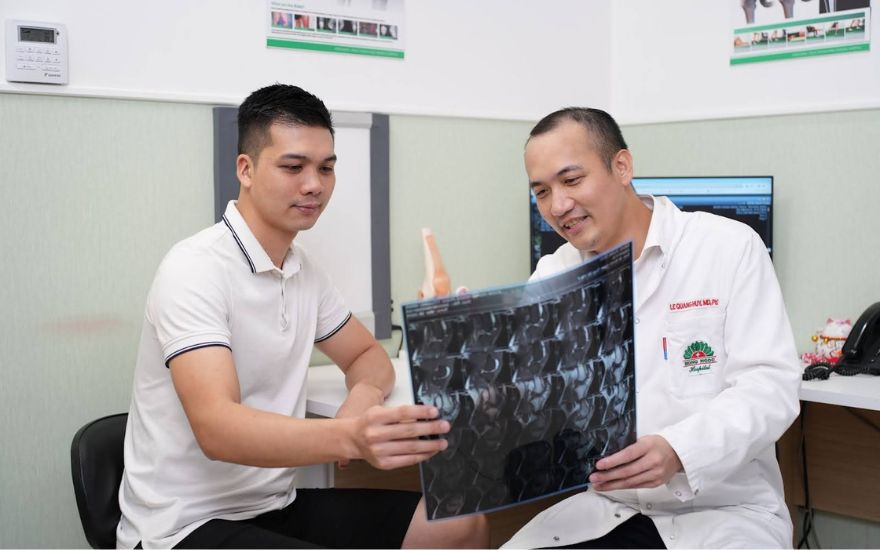
In addition, physicians will order magnetic resonance imaging (MRI). This method provides detailed images of the ligament and surrounding structures, helping to detect concurrent intra-articular injuries such as meniscal tears or other lesions. MRI is an essential tool to ensure that no injury is overlooked, thereby enabling physicians to determine the most accurate and effective treatment plan and prevent future complications.
Reader may also be interested in:
- Meniscal tear of the knee: Causes and warning signs
- Bone fracture: Classification, symptoms, diagnosis, and treatment methods
Treatment methods for anterior cruciate ligament (ACL) tear
Treatment of an anterior cruciate ligament (ACL) tear depends on the severity of the injury and the patient’s activity demands. In general, management is divided into two main approaches: conservative treatment and surgical intervention.
4.1. Conservative treatment
This method is typically applied in cases of mild ACL injury or when patients do not require high levels of physical activity. Patients are advised to rest, use a knee brace for stabilization, and participate in physical therapy to strengthen the muscles surrounding the knee, thereby enhancing joint stability.
4.2. ACL reconstruction surgery
For complete ligament tears or in patients with high activity demands (such as athletes or individuals engaged in regular sports), ACL reconstruction surgery is usually indicated. During the procedure, surgeons use grafts taken from other parts of the patient’s body (such as the quadriceps tendon or patellar tendon) to reconstruct the torn ligament. Following surgery, patients must undergo a structured rehabilitation program under medical supervision to restore knee function and ensure optimal recovery.
Hong Ngoc General Hospital – A trusted address for anterior cruciate ligament (ACL) tear treatment
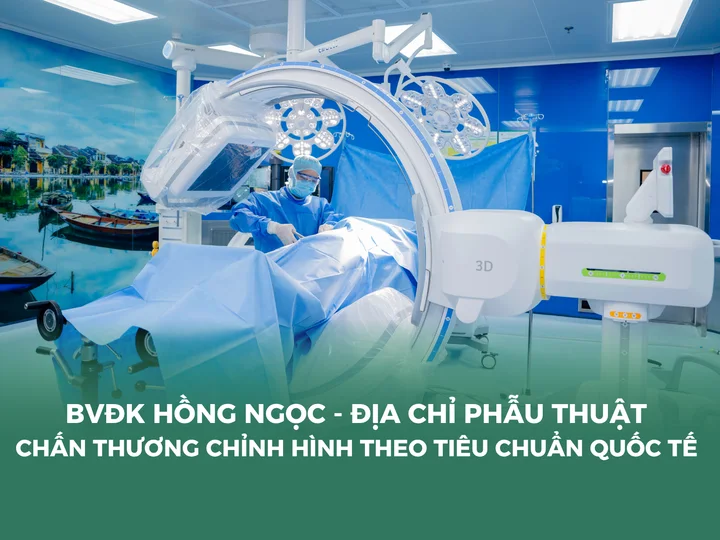
Hong Ngoc General Hospital takes pride in being a trusted destination for the treatment of anterior cruciate ligament (ACL) tears, with more than 20 years of experience and thousands of successful cases.
The hospital brings together a team of highly qualified and experienced physicians, including Associate Professors, PhDs, and Masters, many of whom have worked at leading national and international hospitals.
Equipped with world-class diagnostic imaging systems, Hong Ngoc General Hospital ensures precise detection of knee and ligament injuries. The hospital applies optimal treatment methods, ranging from conservative management to advanced ACL reconstruction surgery, combined with individualized rehabilitation programs to maximize recovery outcomes.
With spacious, modern, and well-ventilated facilities, along with premium services comparable to a 5-star hotel, Hong Ngoc General Hospital is committed to delivering safe, effective treatment and complete satisfaction for every patient.
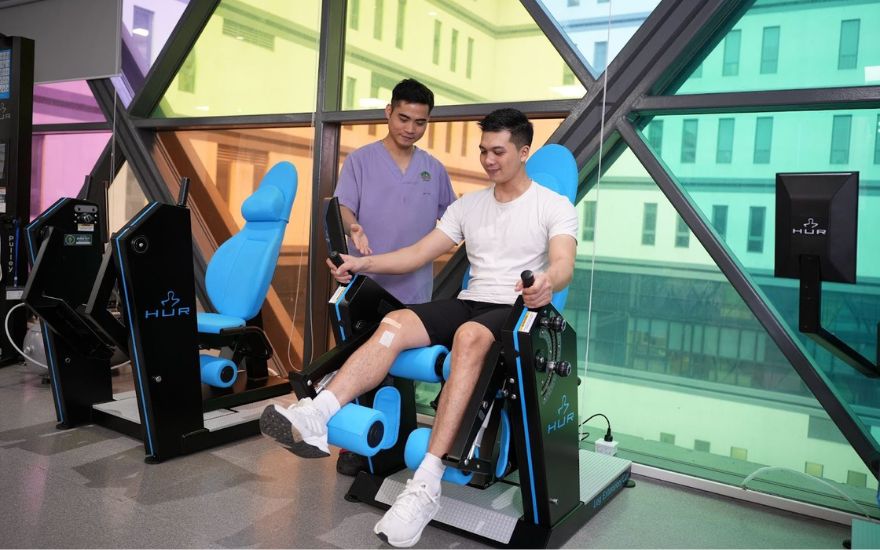
If you wish to receive examination and treatment for anterior cruciate ligament (ACL) tears at Hong Ngoc General Hospital, please contact our hotline at 0912002131 or 0949646556 for consultation and support.
Note: The information provided in this article by Hong Ngoc General Hospital is for reference only and is not a substitute for professional medical diagnosis or treatment. Patients should not self-medicate. To obtain an accurate diagnosis and an appropriate treatment plan, please visit the hospital for direct examination and consultation with a physician.
Follow the official fanpage of Hong Ngoc General Hospital for more helpful health information: https://www.facebook.com/BenhvienHongNgoc