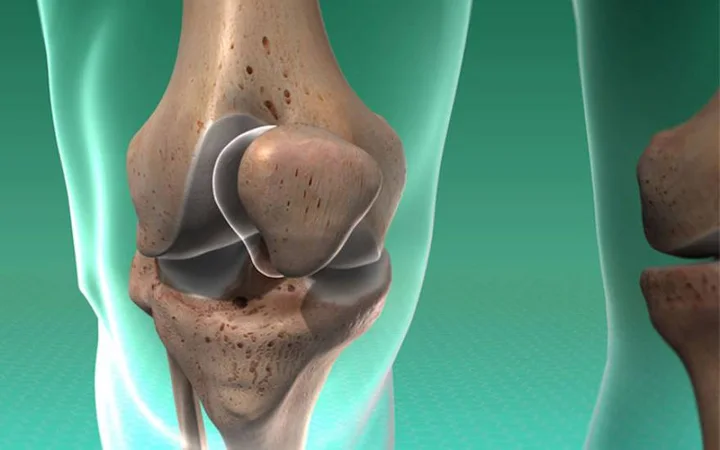



The knee ligaments are short bands composed of dense fibrous connective tissue and elongated collagen fibers that connect the bones within the knee joint, thereby maintaining joint stability and facilitating movement. This raises important questions: is knee ligament rupture a serious condition, and what diagnostic and treatment modalities are currently available?
Functions of the knee ligaments
The knee ligaments maintain firm yet flexible connections between the femur, tibia, and patella, forming a stable knee joint. This structural integrity allows the knee to perform essential movements such as flexion, extension, and slight rotation, enabling activities including walking, sitting, standing, and even bearing substantial loads during daily activities and high-intensity physical exertion.
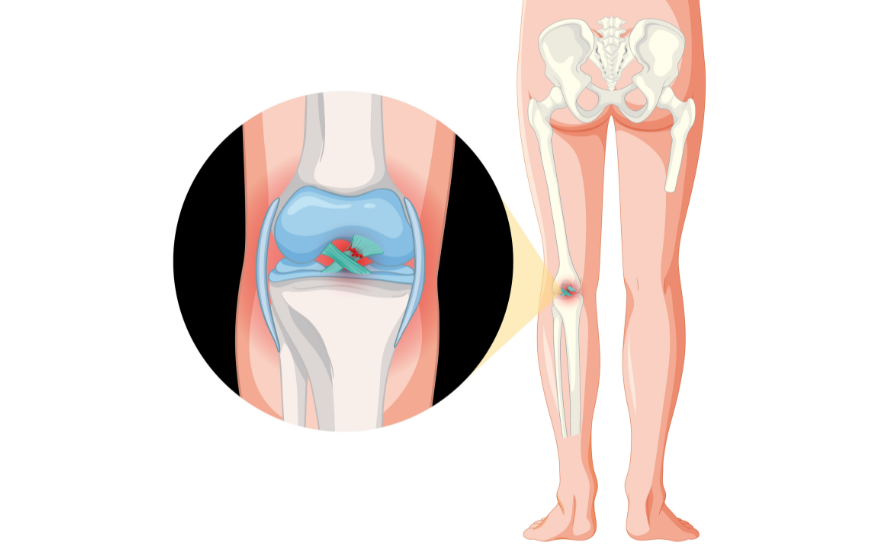
In addition, the ligaments function as a natural “shock-absorbing system,” helping to dissipate forces transmitted to the knee joint during movement. This mechanism reduces the risk of injury to the articular cartilage, menisci, and other intra-articular structures.
The ligaments of the knee joint include:
– Anterior cruciate ligament (ACL)
– Posterior cruciate ligament (PCL)
– Medial collateral ligament (MCL)
– Lateral collateral ligament (LCL)
Among sports-related injuries, rupture of the anterior cruciate ligament (ACL) occurs far more frequently than posterior cruciate ligament (PCL) rupture, as the ACL is particularly vulnerable to rotational stress or direct anterior impact to the knee. This represents the most common ligament injury among athletes and individuals engaged in high-intensity sports activities.
Is knee ligament rupture dangerous?
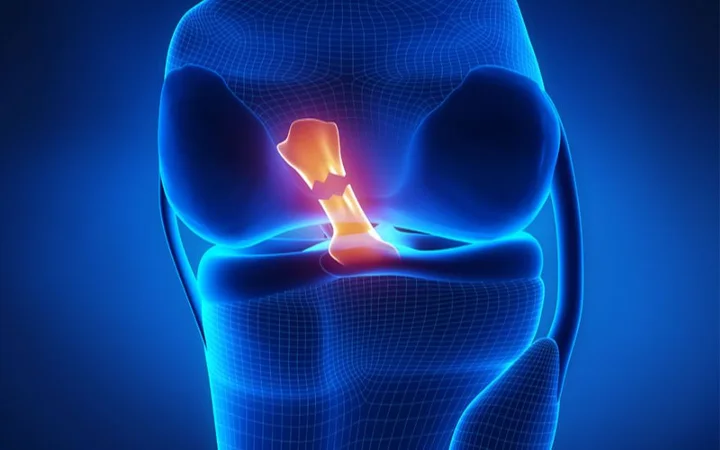
Knee ligament rupture is a common traumatic injury that typically occurs when excessive force exceeds the tensile strength of the ligament. Typical mechanisms of injury include:
- Sports-related injuries. These occur with sudden pivoting of the knee, improper landing after jumping, or direct collision, and are commonly seen in activities such as football, basketball, martial arts, and skiing.
- Traffic accidents or domestic accidents.
- Trauma resulting from improper movement patterns, such as slipping or falling with forceful twisting of the knee.
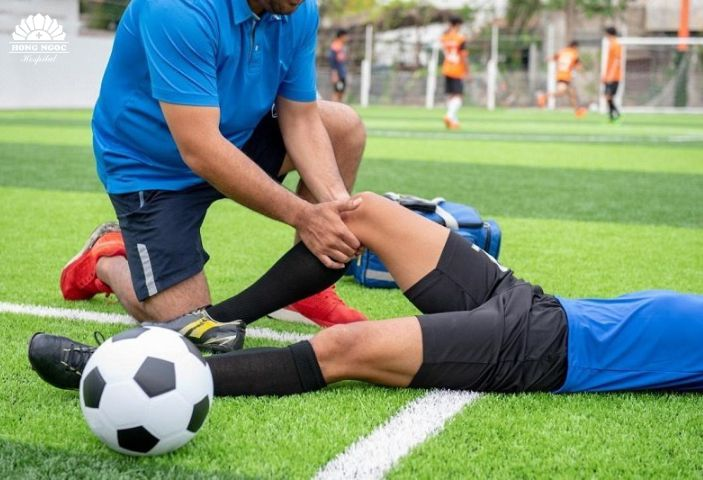
When a ligament ruptures, the knee joint loses its structural stability, causing patients to experience a sensation of joint “giving way,” impaired balance, and an increased risk of subluxation or dislocation during movement. This instability significantly limits walking, stair climbing, and participation in physical activities, thereby interfering with daily functioning.
Furthermore, ligament rupture increases the risk of secondary injuries, such as meniscal tears or articular cartilage degeneration, particularly when not managed appropriately. Over time, untreated or inadequately treated ligament injuries may lead to premature knee osteoarthritis, resulting in chronic pain and joint stiffness.
Clinical signs of knee ligament rupture
Patients may recognize a knee ligament rupture immediately following trauma through the following characteristic symptoms:
- An audible “pop” or “crack” at the moment of injury.
- Severe pain localized to the anterior aspect or medial/lateral region of the knee joint.
- Rapid onset of knee swelling due to intra-articular bleeding (hemarthrosis).
- A sensation of knee instability or “giving way,” with difficulty standing firmly or an inability to run or jump.
- Pain and swelling leading to a reduced range of motion, with difficulty fully extending or flexing the knee.
Diagnostic methods for knee ligament rupture
To diagnose knee ligament rupture, physicians typically combine a thorough medical history, detailed clinical examination, and advanced paraclinical investigations in order to establish the most accurate diagnosis.
- Clinical examination: This is the initial step in the diagnostic process and includes assessment of swelling, pain, and range of motion of the knee joint. The physician will perform specific orthopedic tests to evaluate ligamentous integrity and joint stability.
- Imaging studies: Imaging modalities play a crucial role in confirming the diagnosis and characterizing the extent of ligament injury.
- Magnetic resonance imaging (MRI): MRI is the most accurate modality for evaluating ligament rupture, particularly injuries involving the anterior cruciate ligament (ACL) and posterior cruciate ligament (PCL). It provides detailed visualization of ligament structures, menisci, and associated soft-tissue injuries.
- Plain radiography (X-ray): Although X-ray imaging does not directly visualize ligaments, it is useful for excluding associated osseous injuries, such as fractures or joint dislocations.
Through the integration of these diagnostic approaches, physicians can accurately determine the extent of ligament injury and subsequently develop an appropriate, individualized treatment plan for each patient.
Treatment approaches for knee ligament rupture
Treatment for knee ligament rupture is determined based on the severity of injury, the patient’s functional demands, and overall health status. Accordingly, physicians may recommend an individualized management plan, often involving a combination of therapeutic approaches, including:
Initial first aid: In cases of mild injury, first-aid measures such as ice application, limb elevation, and adequate rest can help reduce pain and swelling. Compression bandaging or the use of crutches to offload weight from the knee joint is also important to prevent further injury.
- Pharmacological management: To control symptoms, physicians may prescribe analgesic and anti-inflammatory medications. In cases of severe pain or significant inflammation, intra-articular corticosteroid injections may be considered to achieve rapid reduction of swelling.
- Use of knee braces: For less severe injuries, wearing a knee brace helps stabilize the joint, supports the healing process, and reduces the risk of recurrent injury during ambulation or physical activity.
- Platelet-rich plasma (PRP) injection: PRP therapy is effectively applied in cases of partial ligament rupture. PRP is autologously prepared from the patient’s own blood and contains a platelet concentration approximately 6–10 times higher than that of standard plasma. This biologic treatment is safe and biocompatible, promotes natural ligament healing, alleviates pain and inflammation, and may reduce the need for surgical intervention when adequate ligament recovery is achieved.
- Surgical intervention: When the ligament is completely ruptured or when knee instability severely affects daily activities, surgical reconstruction becomes the definitive treatment. The procedure may be performed via open surgery or arthroscopy to repair the ligament or reconstruct it using a graft or synthetic ligament substitute.
- Physical therapy and rehabilitation: Patients undergo structured physiotherapy programs under the guidance of orthopedic specialists or trained physical therapists to restore knee strength, stability, and full functional capacity. With appropriate rehabilitation, most individuals can return to sports and high-level physical activities approximately 9–12 months after injury.
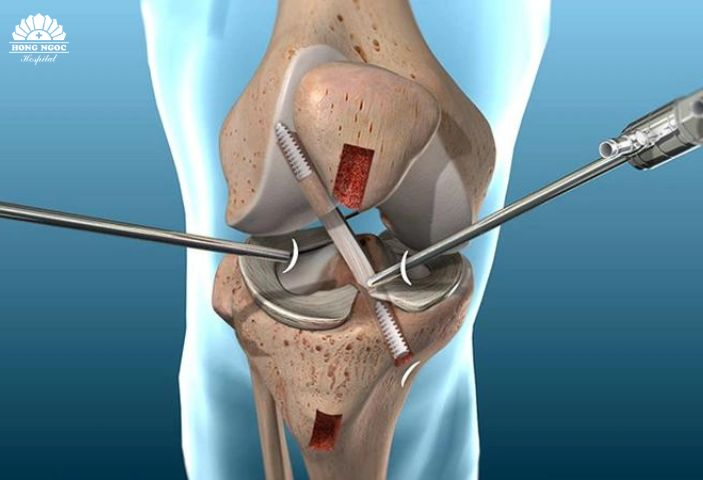
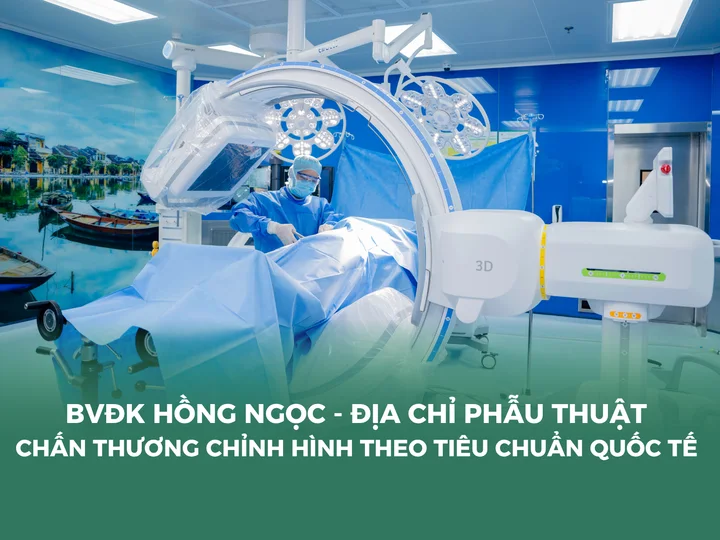
The Orthopedic Trauma Unit at Hong Ngoc General Hospital, staffed by a team of highly experienced orthopedic specialists, routinely manages and treats injuries resulting from sports and accidents. The unit has successfully treated hundreds of patients with knee ligament rupture using arthroscopic ligament reconstruction techniques. In addition, close collaboration with the Physical Therapy and Rehabilitation Department allows for the development of comprehensive treatment protocols, ensuring optimal outcomes and rapid restoration of mobility for patients.
In addition, patients undergoing examination and treatment at Hong Ngoc General Hospital benefit from a range of patient-centered amenities, including a premium, hotel-standard hospital environment; structured and proactive follow-up schedules with convenient appointment booking; and streamlined insurance coverage and cashless guarantee procedures.
For more detailed consultation regarding surgical management of knee ligament rupture at Hong Ngoc General Hospital, please contact the Orthopedic Trauma Unit via the hotlines 0912 002 131 or 0949 646 556 for timely professional support.
Note: The information provided in this article by Hong Ngoc General Hospital is for reference purposes only and does not replace professional medical diagnosis or treatment. Patients should not self-medicate. For an accurate assessment of the condition, individuals are advised to visit a hospital or reputable healthcare facility for direct examination, diagnosis, and consultation on an appropriate treatment plan.
Follow the official fanpage of the Musculoskeletal Department – Hong Ngoc General Hospital for more useful health information:https://www.facebook.com/Coxuongkhophongngoc