


Shoulder pain when playing pickleball may develop after repeated overhead shots, continuous racket swings or a sudden increase in playing time. Mild pain caused by shoulder overuse may improve with activity modification. However, if pain persists, raising the arm becomes difficult or arm strength decreases noticeably, players should seek medical evaluation to identify the cause and receive appropriate rehabilitation.
Medical consultation: Hoang Van Ban, MSc, MD, Department of Orthopaedics, Trauma Surgery and Neurosurgery, Hong Ngoc Phuc Truong Minh General Hospital.
Medical disclaimer: Shoulder pain after playing sports is not sufficient to determine whether a player has tendinitis, a rotator cuff tear or another specific condition. Physicians assess the timing and location of pain, range of motion, shoulder strength and physical examination findings to identify the underlying cause.
How can the shoulder become overloaded when playing pickleball?
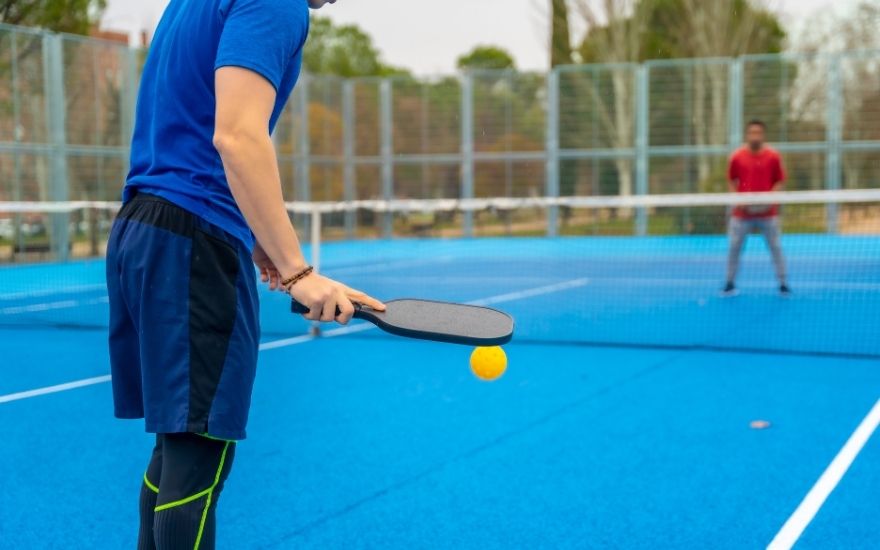
When playing pickleball, the shoulder repeatedly performs forward reaching movements, shoulder rotation, reaching for the ball and overhead strokes. When these movements are repeated over a prolonged period, the muscles and tendons around the shoulder, particularly the rotator cuff, must work continuously to maintain joint stability. Studies of pickleball injuries have also identified the shoulder and upper arm as areas that may be injured during play.
Serving and reaching for difficult shots require the shoulder to move through a wide range of motion. If the shoulder and shoulder blade muscles are weak or fatigued but the player continues playing, pain may develop during play, after the session or gradually over the following several hours.
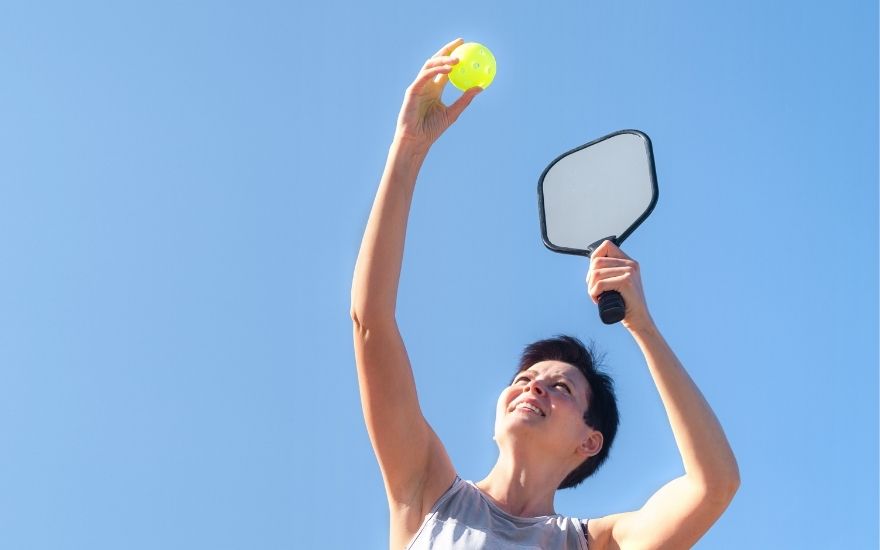
What are the common symptoms of shoulder pain after playing pickleball?
Shoulder pain after playing pickleball may arise from various structures around the joint. The location of pain, movements that worsen symptoms and the ability to raise and rotate the arm help physicians identify the possible cause.
Common symptoms include:
- Pain at the front or outer side of the shoulder: Pain may worsen when raising the arm, reaching overhead or serving. It may sometimes extend down the upper arm and improve with rest.
- Pain during overhead movements: Players may experience pain within a specific range of motion when raising the arm, making serves and overhead shots more difficult.
- Pain at night or when lying on the affected shoulder: Pain may make it difficult to lie on the affected side or may disturb sleep when changing position.
- Difficulty raising the arm or reduced arm strength: Players may find it difficult to lift objects, reach overhead or perform powerful strokes as before. If these symptoms develop suddenly after a forceful stroke, fall or impact, prompt medical evaluation is recommended.
- Shoulder stiffness or difficulty rotating the arm or reaching behind the back: Reduced shoulder range of motion can make activities such as dressing, combing the hair or reaching behind the body more difficult.
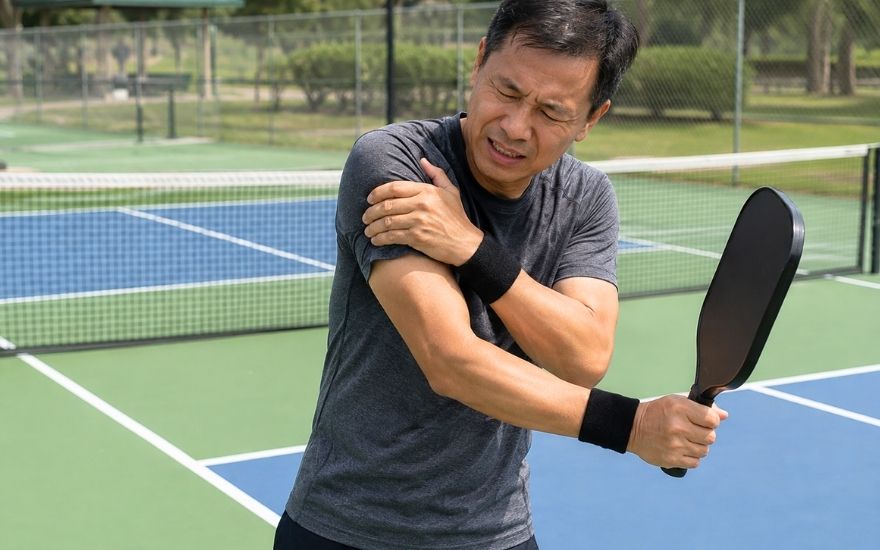
Factors that may contribute to shoulder pain after training
Players may develop shoulder pain when playing time or intensity increases too quickly, before the muscles and tendons around the joint have had sufficient time to adapt. This commonly occurs in beginners, players returning after a break or those playing on consecutive days.
Factors that may increase the risk of shoulder pain include:
- Playing continuously or suddenly extending the amount of time spent on the court.
- Performing numerous serves or overhead shots during one session.
- Swinging the paddle too forcefully or reaching for balls outside a comfortable hitting range.
- Poor shoulder blade rotation or control, which places greater stress on the shoulder joint.
- Not allowing adequate recovery time between sessions or continuing to play despite shoulder pain.
- Returning to the court after a previous shoulder injury or condition before mobility and strength have adequately recovered.
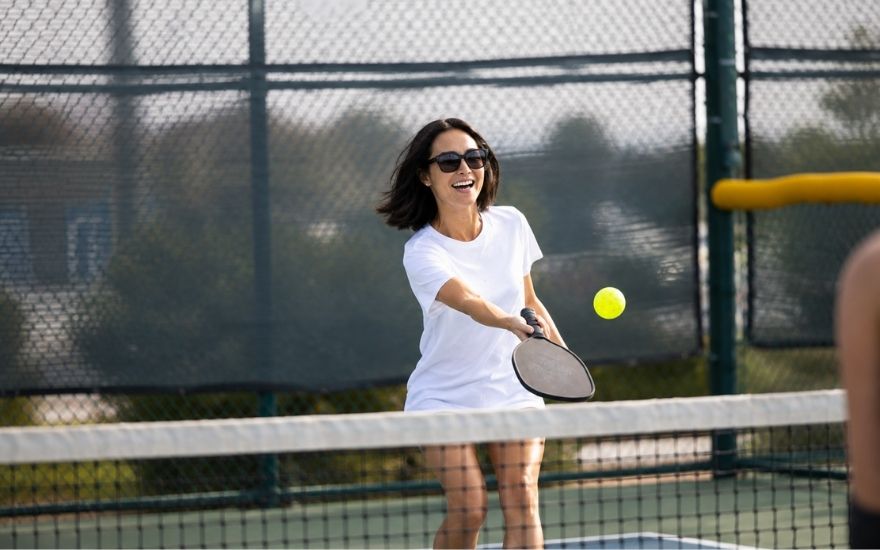
What should players do for shoulder pain when playing pickleball?
When shoulder pain develops, players should reduce or temporarily stop movements that worsen the pain, such as serving and strokes that require raising the arm overhead. If the shoulder remains mobile, light daily activities may be continued. After a minor impact during play, applying a cold pack for 15 to 20 minutes may help relieve pain and discomfort. Players should not attempt to manipulate or forcefully pull the shoulder joint or use medication without medical guidance.
Once the pain has decreased, players should gradually resume shoulder movement, focusing on exercises that improve flexibility and strengthen the rotator cuff and muscles around the shoulder blade. Exercise intensity should increase progressively according to individual ability. Serving and powerful strokes should be resumed only when the shoulder moves comfortably, has regained sufficient strength and remains pain free.
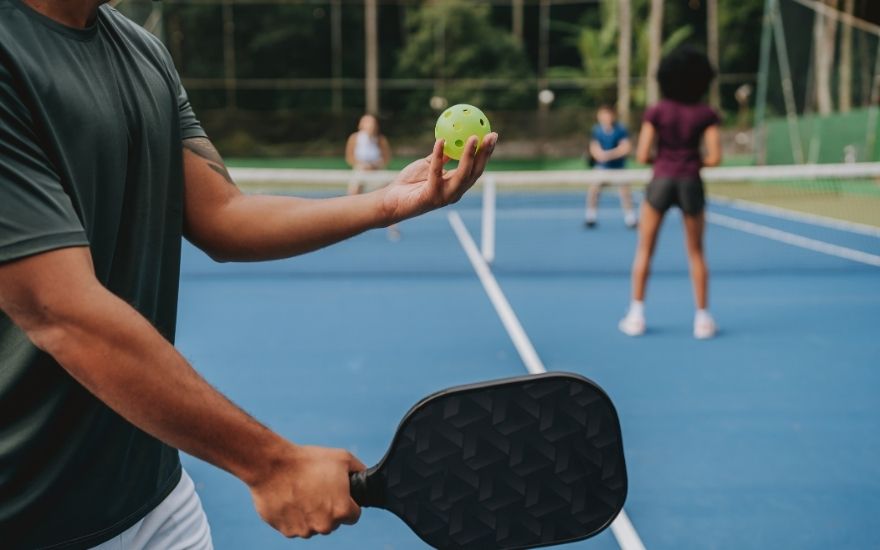
When does shoulder pain require medical evaluation?
Players should seek medical evaluation if shoulder pain persists despite rest, reduced playing intensity or avoiding movements that worsen symptoms. If the pain repeatedly returns when they resume playing or begins to affect daily activities such as dressing, combing the hair, reaching for objects overhead or sleeping, they should visit a healthcare facility for timely evaluation and treatment.
Prompt medical attention is recommended if any of the following signs occur:
- Severe shoulder pain after a stroke, fall or impact.
- Inability to raise the arm normally or arm weakness following an injury.
- Shoulder deformity or a sensation that the joint has moved out of position.
- Significant swelling or extensive bruising around the shoulder.
- Numbness, coldness or color changes in the arm or hand.
- Persistent pain, progressively limited movement or difficulty performing daily activities.
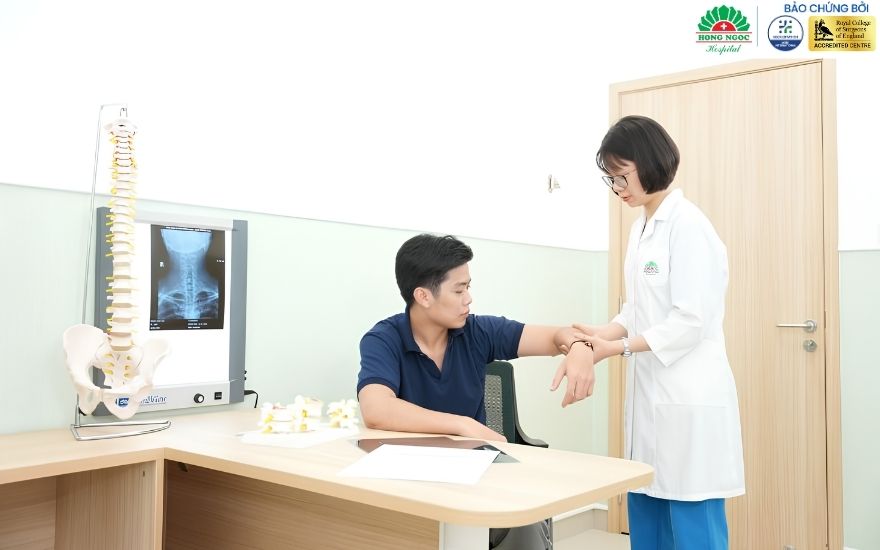
During the examination, the physician will review the location and onset of pain, pickleball movements that trigger symptoms and any history of injury. The physician will then assess arm elevation and rotation, shoulder muscle strength and areas of tenderness. Depending on the findings, X rays, ultrasound or magnetic resonance imaging may be recommended to evaluate the bones, tendons and structures within the shoulder joint.
Rehabilitation for pickleball related shoulder pain at Hong Ngoc Phuc Truong Minh General Hospital
Treatment for shoulder pain caused by sports depends on the underlying cause and severity of the injury. When the muscles and tendons around the shoulder are overloaded, physicians generally prioritize activity modification combined with rehabilitation. Surgery may be considered for severe injuries that significantly limit movement or do not improve with conservative treatment.
At Hong Ngoc Phuc Truong Minh General Hospital, physicians assess the extent of the injury and the shoulder’s functional ability to determine an appropriate treatment plan. Depending on the condition, patients may receive rehabilitation for sports injuries, combining therapeutic exercises, the HUR rehabilitation training system and physical therapy to relieve pain, improve range of motion and strengthen the muscles surrounding the shoulder.
As pain decreases and shoulder function improves, players gradually progress from basic movements to exercises simulating serves and powerful strokes. Return to the court should occur in stages. Playing time and intensity should increase only when shoulder mobility and strength have adequately recovered and no pain occurs during or after training.
Frequently asked questions about shoulder pain when playing pickleball
Can shoulder pain after playing pickleball resolve on its own?
Mild pain after a high intensity playing session may improve when players modify their activity and allow the shoulder time to recover. However, if pain persists or frequently recurs, raising the arm becomes difficult or shoulder mobility decreases, players should seek medical evaluation rather than wait for the pain to resolve on its own.
How soon can I return to pickleball after treatment for shoulder pain?
There is no fixed timeline that applies to every player. The timing of return to the court depends on the cause and severity of the injury. Players should return when daily activities no longer cause significant pain, shoulder mobility is restored, strength has improved and movements that simulate pickleball strokes can be performed without worsening symptoms.
Can I resume powerful strokes once my shoulder is no longer painful?
The absence of pain during daily activities does not necessarily mean that the shoulder has recovered sufficiently for repeated powerful strokes. Players should continue exercises that restore strength and improve shoulder and shoulder blade control. They should then gradually increase stroke speed, force and the number of repetitions of movements specific to pickleball before returning to their previous playing intensity.
Conclusion
Shoulder pain when playing pickleball is commonly associated with repeated racket swings, reaching for the ball and overhead shots. When pain develops, players should reduce playing intensity, limit movements that worsen discomfort and gradually restore shoulder mobility and strength.
If pain persists, raising the arm becomes difficult, the arm feels weaker than usual or pain develops after an injury, players should seek medical evaluation to identify the injury and receive appropriate treatment before returning to the court.
References
- Desmeules F, et al. Rotator Cuff Tendinopathy Diagnosis, Nonsurgical Medical Care, and Rehabilitation: A Clinical Practice Guideline. Journal of Orthopaedic & Sports Physical Therapy, 2025. https://www.jospt.org/doi/10.2519/jospt.2025.13182
- American Academy of Orthopaedic Surgeons. Rotator Cuff and Shoulder Conditioning Program. https://orthoinfo.aaos.org/en/recovery/rotator-cuff-and-shoulder-conditioning-program/
- American Academy of Orthopaedic Surgeons. Shoulder Impingement/Rotator Cuff Tendinitis. https://orthoinfo.aaos.org/en/diseases--conditions/shoulder-impingementrotator-cuff-tendinitis/
- Jeong B, et al. Injury risk and epidemiology of pickleball players in South Korea. 2025. https://pubmed.ncbi.nlm.nih.gov/40860536/