



Injectable weight-loss pens are the commonly used term for certain subcutaneous injectable medications prescribed by physicians to support weight management in people with overweight, obesity, or weight-related medical conditions. This group of medications may help reduce appetite, increase satiety, and support weight loss when combined with a reduced-calorie diet, increased physical activity, and medical monitoring.
Quick answer: Injectable weight-loss pens are usually prescription medications that act on gut hormones such as GLP-1 or GIP/GLP-1. They may help patients eat less by increasing satiety, reducing appetite, and slowing gastric emptying. However, these medications are not suitable for everyone, may cause side effects, and should not be purchased or injected without prior medical evaluation by a physician.

Medical review: Nguyen Thi Nhu Quynh, MSc, Resident Doctor - Department of Endocrinology, Hong Ngoc Phuc Truong Minh General Hospital.
Updated: May 20, 2026.
Quick summary of the article
- Injectable weight-loss pens are subcutaneous injectable medications, usually acting on GLP-1 or GIP/GLP-1 pathways, prescribed by physicians for selected people with overweight, obesity, or weight-related medical conditions.
- These medications may help increase satiety, reduce appetite, slow gastric emptying, and support blood glucose control in some patients.
- Injectable weight-loss pens are not cosmetic products, dietary supplements, or rapid fat-loss methods.
- These medications are not suitable for everyone. People with a history of medullary thyroid carcinoma, MEN2, pancreatitis, gallbladder disease, kidney disease, pregnant women, or those taking glucose-lowering medications require careful medical evaluation by a physician.
- Common side effects include nausea, vomiting, diarrhea, constipation, abdominal pain, bloating, or injection-site reactions.
- Patients should not purchase injectable weight-loss pens online, increase the dose on their own, share injection pens with others, or use medications of unknown origin.
- If prescribed, these medications still need to be combined with a reduced-calorie diet, increased physical activity, adequate sleep, stress management, and regular follow-up visits.
Bút tiêm giảm cân là gì?
What are injectable weight-loss pens?
Injectable weight-loss pens are pen-shaped devices containing medications administered by subcutaneous injection. They are designed for patients to use only as prescribed and instructed by healthcare professionals. These medications are often used in chronic weight management for people with overweight, obesity, or weight-related medical conditions such as hypertension, dyslipidemia, type 2 diabetes, sleep apnea, or cardiovascular disease.
An important point is that injectable weight-loss pens are not cosmetic products, dietary supplements, or rapid fat-loss solutions. They are prescription medications that require a benefit–risk assessment before use.
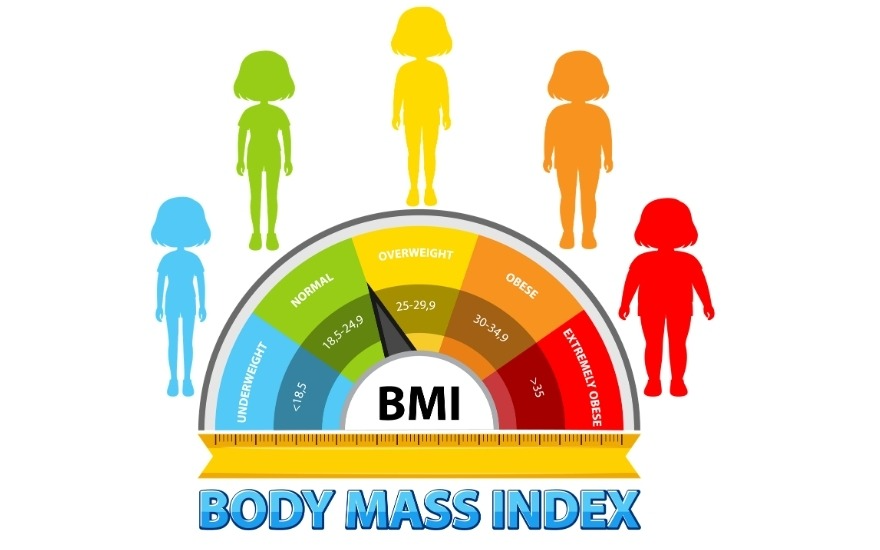
According to the WHO, overweight and obesity are defined as abnormal or excessive fat accumulation that may impair health. In adults, a BMI of 25 kg/m² or higher is classified as overweight, while a BMI of 30 kg/m² or higher is classified as obesity according to international standards.
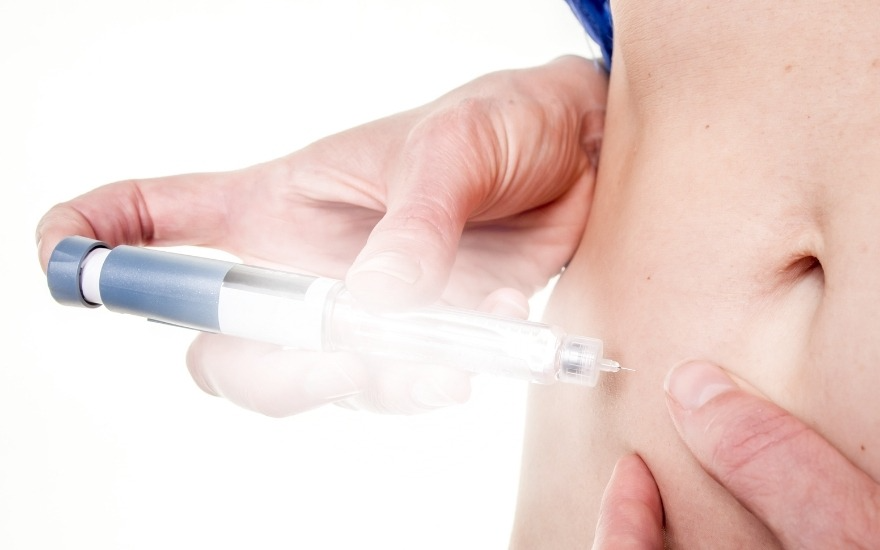
Why is it called an “injection pen”?
It is called an “injection pen” because the medication is contained in a pen-shaped device, which allows for easier dose setting and subcutaneous injection compared with traditional medication vials. However, a convenient design does not mean the medication can be used at will.
Patients still need to be instructed on:
- injection sites;
- proper medication storage;
- what to do if a dose is missed;
- warning signs that require medical evaluation;
- follow-up schedules and monitoring for side effects;
- safe disposal of needles and injection pens.
These medications should only be used when prescribed by a physician.
Are injectable weight-loss pens the same as insulin?
Not all injection pens contain insulin. Some injectable weight-loss medications belong to the GLP-1 or GIP/GLP-1 class and work through mechanisms different from insulin.
However, some people with diabetes may already be using insulin or other glucose-lowering medications. If they add a GLP-1/GIP-based medication without medical supervision, the risk of hypoglycemia or gastrointestinal side effects may increase.
How do injectable weight-loss pens work?
Injectable weight-loss pens do not “burn fat directly,” as many advertisements claim. These medications usually support weight loss by affecting hunger and satiety signals, the speed of digestion, and glucose metabolism. The best results are typically achieved when they are combined with a reduced-calorie diet, increased physical activity, and medical monitoring.
Increasing satiety
Some medications mimic or enhance gut hormone signals, helping the brain recognize satiety more effectively. When the feeling of fullness lasts longer, patients may be able to reduce portion sizes and cut down on snacking.
However, patients still need nutritional counseling to ensure adequate nutrient intake, rather than simply eating less in an uncontrolled way. If protein, green vegetables, or micronutrient intake is too low, patients may experience fatigue, constipation, muscle loss, or difficulty maintaining their results.

Reducing appetite
These medications may act on areas of the brain involved in appetite regulation, making patients less driven by cravings for sweets, fatty foods, or high-calorie snacks. However, if the food environment still includes frequent access to soft drinks, sweets, and fried foods, patients may still consume excess calories.
Therefore, medication does not replace the need for behavioral changes in eating habits. Patients still need to learn how to choose appropriate foods, control portion sizes, limit emotional eating, and build balanced meals.
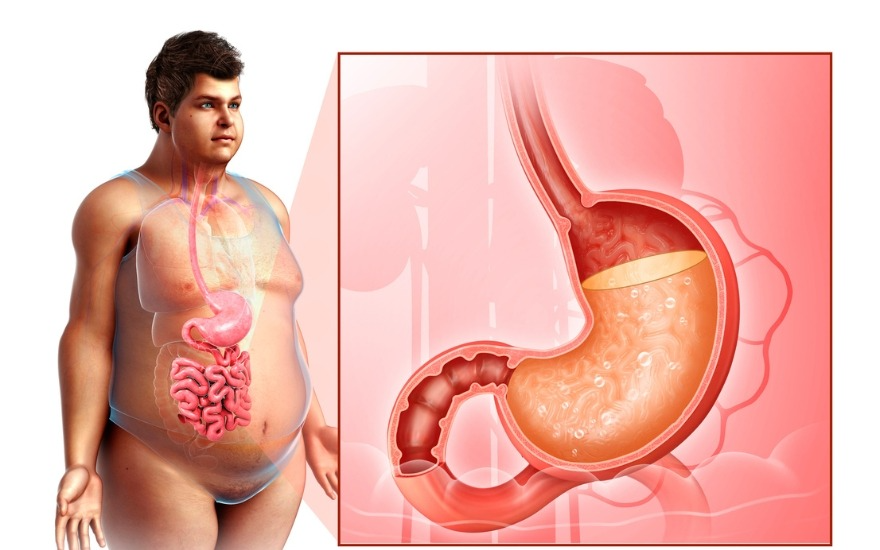
Slowing gastric emptying
Some GLP-1 medications can slow the movement of food out of the stomach, helping patients feel full for longer. However, this mechanism is also associated with side effects such as nausea, bloating, vomiting, or indigestion, especially when patients overeat, consume high-fat meals, or increase the dose too quickly.
Patients should inform their physician if nausea, vomiting, abdominal pain, or bloating persists, particularly when these symptoms affect eating, fluid intake, or daily activities
Supporting blood glucose control in some patients
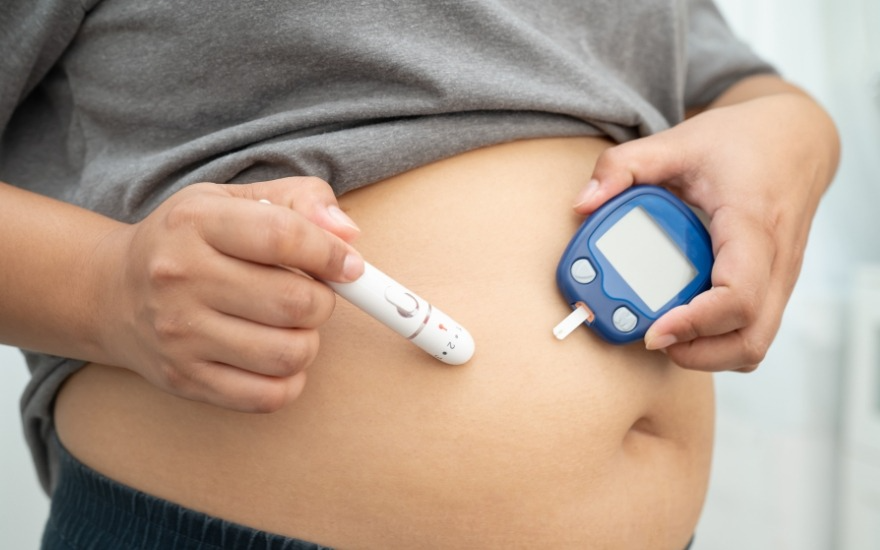
Medications that act on GLP-1/GIP pathways were initially studied extensively in the treatment of type 2 diabetes because they can influence insulin, glucagon, and blood glucose levels.
For patients who have both obesity and impaired glucose regulation, physicians need to carefully assess the medications they are currently taking, the risk of hypoglycemia, and the blood glucose monitoring plan. People with diabetes should not add injectable weight-loss medications to their current treatment regimen on their own.
Common active ingredients in injectable weight-loss pens
Injectable medications used to support weight management today are mainly related to the incretin class, including GLP-1 receptor agonists and dual GIP/GLP-1 receptor agonists.
Important note: The active ingredient names and brand names below are provided for medical information purposes only and are not recommendations for self-purchase or self-use. In Vietnam, patients should use these medications only in accordance with their approval status, a physician’s prescription, legal supply sources, and current professional guidelines.
Brand names, approval status, supply sources, and indications may vary between countries. Patients should not choose a medication based on advertising, recommendations from acquaintances, or content on social media.
Who may be considered for injectable weight-loss pens?
Injectable weight-loss pens are usually considered only when a patient has overweight or obesity that requires medical treatment, particularly when weight-related medical conditions are already present. Their use should be based on a physician’s assessment, not merely on the desire to lose a few kilograms or achieve rapid fat loss.
People with obesity based on BMI
People whose BMI falls within the obesity range may be evaluated by a physician for medication-based treatment if lifestyle modification alone has not been effective enough or if health risks are already present.
However, BMI is not the only criterion. Physicians also need to consider:
- waist circumference;
- visceral fat;
- underlying medical conditions;
- current medications;
- history of thyroid, pancreatic, gallbladder, or kidney disease;
- treatment goals;
- the patient’s ability to adhere to dietary changes, physical activity, and follow-up visits.
People with overweight and weight-related medical conditions
Some people may not meet the BMI threshold for obesity but may have hypertension, dyslipidemia, prediabetes, type 2 diabetes, fatty liver disease, or sleep apnea, and still require risk assessment.
In this group, the treatment goal is not only weight loss but also reduction of metabolic, cardiovascular, sleep-related respiratory, and hepatobiliary complication risks.
People who have made lifestyle changes but have not achieved their goals
If patients have adjusted their diet, physical activity, and sleep habits but their weight still does not improve, or if they repeatedly regain weight, physicians may consider additional treatment options.
Medication use should be accompanied by:
- a dietary plan;
- a physical activity plan;
- monitoring for side effects;
- periodic evaluation of treatment effectiveness;
- a long-term weight maintenance plan.

Who should not use injectable weight-loss pens on their own?
Patients should not use injectable weight-loss pens on their own simply because they want to lose a few kilograms, achieve rapid fat loss, or follow a social media trend. Some groups require particular caution or may not be suitable candidates.
People with a history of medullary thyroid carcinoma or multiple endocrine neoplasia type 2 — MEN2
Some GLP-1 medications carry warnings related to thyroid C-cell tumors observed in animals and are contraindicated in people with a personal or family history of medullary thyroid carcinoma or multiple endocrine neoplasia type 2.
Patients should clearly report their personal and family medical history before a physician considers prescribing these medications.
People with a history of pancreatitis or unexplained abdominal pain
Medications in this class carry warnings about acute pancreatitis. If patients have had pancreatitis or are experiencing severe abdominal pain, nausea, or vomiting, they need medical evaluation before use.
Patients should not inject these medications on their own when the cause of abdominal pain is unclear.
People with gallbladder disease
Rapid weight loss and some weight-loss medications may be associated with gallbladder problems, such as gallstones or cholecystitis. Patients with a history of right upper quadrant pain, gallstones, or cholecystitis should inform their physician so that the risks can be carefully considered.
People with kidney disease, dehydration, or frequent vomiting and diarrhea
Nausea, vomiting, and diarrhea may cause dehydration and worsen kidney problems in some patients. People with kidney disease, those taking diuretics, those who frequently experience vomiting or diarrhea, or those at risk of dehydration need careful medical assessment by a physician.

People taking insulin or insulin secretagogues
When these medications are combined with insulin or sulfonylureas, the risk of hypoglycemia may increase. People with diabetes should not add injectable weight-loss medications to their current treatment regimen on their own. Their physician needs to adjust the treatment plan and monitor blood glucose levels.
Pregnant women, women planning pregnancy, or breastfeeding mothers
Weight-loss medications in general are not used for weight loss during pregnancy. Women who are pregnant, planning pregnancy, or breastfeeding should speak directly with their physician before using any weight management medication.
People who only want cosmetic weight loss while having a normal BMI
If BMI and waist circumference are within normal ranges and there are no weight-related medical conditions, the risks of using injectable weight-loss medications may outweigh the benefits.
This group should prioritize nutrition, physical activity, adequate sleep, and specialist counseling if they have disordered eating, weight preoccupation, or excessive body image concerns.

What side effects can injectable weight-loss pens cause?
Side effects depend on the active ingredient, dose, rate of dose escalation, underlying medical conditions, and eating habits. Patients should receive counseling in advance so they can recognize common reactions and warning signs that require medical attention.
Common side effects
- Nausea: This is a common reaction when starting the medication or increasing the dose. Patients are often advised to eat slowly, have smaller meals, and avoid overeating or consuming high-fat foods if nausea worsens.
- Vomiting or bloating: The mechanism that slows gastric emptying may help patients feel full for longer, but it can also cause bloating and indigestion. If vomiting is frequent, the patient cannot keep fluids down, or dizziness occurs, they should contact a healthcare facility.
- Diarrhea or constipation: Gastrointestinal disturbances may occur during treatment. Patients should drink enough fluids, consume an appropriate amount of dietary fiber, and inform their physician if symptoms persist.
- Abdominal pain, indigestion, or reflux: These symptoms may be mild, but they should also be distinguished from abdominal pain caused by pancreatitis or gallbladder disease. If abdominal pain is severe, radiates to the back, and is accompanied by vomiting, patients should not manage the condition at home on their own.
- Injection-site reactions: Redness, itching, mild pain, or swelling may occur at the injection site. Patients should be instructed to rotate injection sites and never share needles or injection pens with others.
- Fatigue or poor food intake: Some patients may eat too little because of reduced appetite, leading to fatigue, low energy, or reduced meal quality. Patients should inform their physician if this condition persists.

Warning signs that require immediate medical evaluation
People using injectable weight-loss pens should seek medical evaluation promptly if they experience:
- severe, persistent abdominal pain that may radiate to the back;
- frequent vomiting, inability to keep fluids down, or signs of dehydration;
- right upper quadrant pain, fever, jaundice, or suspected gallbladder problems;
- shortness of breath, swelling of the lips, face, or tongue, or a generalized rash;
- hypoglycemia, including sweating, hand tremors, rapid heartbeat, or confusion;
- a lump in the neck, difficulty swallowing, or persistent hoarseness;
- thoughts of self-harm or unusual mood changes;
- reduced urination, profound fatigue, dizziness, or signs of severe dehydration.
These warning signs should not be monitored at home without medical advice. Patients should contact their physician or a healthcare facility for timely evaluation.
Why should patients not buy injectable weight-loss pens online?
Buying injectable weight-loss pens on social media, e-commerce platforms, or from unclear sources can pose multiple risks. The FDA has warned about unapproved GLP-1 medications used for weight loss, including illegally marketed products, counterfeit drugs, or products containing ingredients that do not match what is advertised.

Patients may purchase counterfeit or unapproved medications
Counterfeit medications may not contain the correct active ingredient, may have an incorrect dosage, may be contaminated, or may have been stored improperly. Users may fail to lose weight as expected, experience side effects, or miss appropriate treatment if they have underlying medical conditions.
Contraindications are not assessed
Before prescribing these medications, physicians need to review the patient’s history of thyroid, pancreatic, gallbladder, kidney, and diabetes-related conditions, as well as current medications, pregnancy status, and mental health history. If this step is skipped, patients may use the medication in situations where it is not appropriate.
Incorrect dosing or self-escalation is more likely
Many gastrointestinal side effects occur when the dose is increased too quickly or used incorrectly. Patients should not adjust the dose on their own based on how quickly or slowly their weight changes, because treatment goals must balance effectiveness and safety.
Complications are not monitored
Injectable weight-loss medications may affect blood glucose, the digestive system, the gallbladder, the pancreas, the kidneys, or nutritional status. Without follow-up visits, patients may have difficulty recognizing early warning signs.
Unrealistic expectations may develop
Injectable weight-loss pens do not replace diet, physical activity, or behavioral change. If patients rely only on medication, weight loss may not be sustainable, and weight regain may occur when the medication is discontinued or previous habits return.
Do patients using injectable weight-loss pens still need diet and exercise?
Yes. If injectable weight-loss pens are prescribed, they still need to be used together with dietary changes and physical activity. The prescribing information for several weight management medications states that they should be used in combination with a reduced-calorie diet and increased physical activity, not as stand-alone treatment.
Nutrition should be adequate, not excessively restrictive
When medication reduces appetite, some patients may tend to eat too little or skip meals. This can lead to inadequate protein intake, low fiber intake, micronutrient deficiencies, fatigue, muscle loss, constipation, or reduced quality of life. Therefore, even when using weight-loss medications, patients still need to maintain adequate nutrition and monitor appropriate portion sizes.
The diet should include:
Lean protein: Priority should be given to fish, lean meat, eggs, tofu, unsweetened yogurt, and legumes. Protein helps maintain muscle mass during weight loss and supports longer-lasting satiety. People with kidney disease or special medical conditions should consult their physician about an appropriate protein intake.
Green vegetables: Green vegetables provide vitamins and minerals and help increase meal volume without adding excessive calories. Patients should include vegetables in most main meals and prioritize boiling, steaming, soup-based preparation, or salads with minimal oil rather than stir-frying with large amounts of fat.
Fiber: Fiber is found in vegetables, whole fruits, oats, legumes, nuts, seeds, and whole grains. Fiber supports digestion, helps reduce constipation, and increases satiety. If a patient previously consumed little fiber, intake should be increased gradually to avoid gas and bloating.
Appropriate carbohydrates: Carbohydrates should not be completely eliminated, as the body still needs energy for daily activities. Patients may prioritize brown rice, sweet potatoes, oats, whole-wheat bread, or whole grains in moderate portions. People with diabetes or prediabetes should receive individualized counseling on carbohydrate intake.
Healthy fats: Moderate amounts of healthy fats can come from fatty fish, avocado, nuts, seeds, olive oil, or suitable vegetable oils. Fat helps the body absorb certain fat-soluble vitamins, but it is still energy-dense and should not be consumed excessively.
Adequate hydration: Drinking enough water supports digestion, helps reduce constipation, and may prevent mistaking thirst for hunger. Patients may prioritize plain water, mineral water, or unsweetened tea, while limiting soft drinks, milk tea, sweetened juices, or other high-calorie beverages.
Note: Patients should not fast for prolonged periods, eat too little, or rely on only one food group in an attempt to lose weight quickly. If they are using weight-loss medications, have underlying medical conditions, or frequently experience nausea, poor appetite, constipation, or fatigue, they should speak with a physician or dietitian to adjust their diet appropriately.

Exercise helps preserve muscle mass and reduce weight regain
Weight loss is not only about lowering the number on the scale. If a patient loses too much muscle mass, basal metabolic rate may decrease, making long-term weight maintenance more difficult.
Strength training combined with aerobic exercise, such as brisk walking, cycling, swimming, or other activities appropriate for the patient’s physical condition, can help maintain muscle mass and support cardiovascular health.
Sleep and stress affect treatment effectiveness
Sleep deprivation, staying up late, and prolonged stress may increase food cravings, emotional eating, and physical inactivity. Patients using medication still need to build a regular sleep schedule, limit late-night eating, and manage stress to support sustainable weight loss.
Realistic expectations are important
Injectable weight-loss pens do not produce the same results in everyone. Effectiveness depends on the medication, dose, tolerability, diet, physical activity, sleep, underlying medical conditions, and adherence to follow-up visits.
The treatment goal should be safe weight loss, along with improvements in waist circumference, blood glucose, blood lipids, blood pressure, and quality of life, rather than simply losing weight as quickly as possible.

What medical evaluation is needed before using weight-loss medications?
Before injectable weight-loss pens are considered, patients should undergo a comprehensive assessment to determine whether medication is truly necessary, which medication may be appropriate, and what monitoring is required.
Assessment of body weight, BMI, and waist circumference
BMI helps screen for overweight and obesity, but it is not sufficient to assess overall risk. Waist circumference helps identify abdominal obesity and visceral fat, which are strongly associated with type 2 diabetes, hypertension, dyslipidemia, and fatty liver disease.
Review of underlying medical conditions and current medications
Physicians need to know whether the patient has diabetes, thyroid disease, pancreatitis, gallstones, kidney disease, liver disease, cardiovascular disease, eating disorders, depression, or is currently using insulin or other glucose-lowering medications.
This is an important step to reduce the risk of side effects and drug interactions.

Metabolic testing when needed
Depending on each case, physicians may consider the following:
Not everyone needs to undergo all of these tests. Physicians will order tests based on the patient’s underlying medical conditions, symptoms, body weight, waist circumference, and current medications.
Planning follow-up after starting medication
If medication is prescribed, patients need a follow-up schedule to assess:
- body weight;
- waist circumference;
- side effects;
- blood glucose levels if they have diabetes;
- dietary intake;
- physical activity level;
- dehydration, digestive symptoms, and gallbladder, pancreatic, or kidney problems if symptoms occur.
The goal is not simply rapid weight loss, but safe, sustainable weight reduction and improvement in health risks.
Frequently asked questions
What are injectable weight-loss pens?
Injectable weight-loss pens are subcutaneous injectable medications prescribed by physicians to support weight management in people with overweight, obesity, or weight-related medical conditions. These medications usually act on satiety, appetite, gastric emptying, and glucose metabolism.
Are injectable weight-loss pens prescription medications?
Yes. Injectable weight-loss medications in the GLP-1 or GIP/GLP-1 class require medical evaluation and prescription by a physician. Patients should not purchase, self-inject, or use these medications based on advertisements on social media.
Are injectable weight-loss pens safe?
They may be safe for appropriate patients when used as prescribed and monitored by a physician, but they are not safe for everyone. These medications may cause nausea, vomiting, diarrhea, constipation, and abdominal pain, as well as some serious risks such as pancreatitis, gallbladder disease, dehydration, kidney injury, or hypoglycemia in people using glucose-lowering medications.
Who can use injectable weight-loss pens?
They are usually considered for people with obesity or those with overweight and weight-related medical conditions, after a physician assesses BMI, waist circumference, underlying medical conditions, current medications, and the risk of side effects. Patients should not decide to use these medications on their own simply because they want to lose weight quickly.
Should people with a normal BMI use injectable weight-loss pens?
They should not use these medications on their own. If BMI is normal and there are no weight-related medical conditions, using medication to lose a few kilograms for cosmetic purposes may cause the risks to outweigh the benefits. Nutrition, physical activity, and specialist counseling should be prioritized if patients have concerns about body image.
Can injectable weight-loss pens reduce fat permanently?
No medication can guarantee permanent fat loss. If patients discontinue medication without improving their eating habits, physical activity, sleep, and stress management, weight regain may occur. Medication is only one component of a long-term weight management plan.
Should patients buy injectable weight-loss pens online?
No. Patients may purchase counterfeit medications, unapproved medications, products with incorrect ingredients or dosages, or medications that have not been stored properly. Injectable weight-loss pens are prescription medications and require medical evaluation and monitoring by a physician.
Do patients using injectable weight-loss pens need to follow a diet?
Yes, but this does not mean extreme fasting. Patients need a reasonable reduced-calorie diet with adequate protein, vegetables, and fiber, along with increased physical activity. If prescribed, medication should be used together with a lifestyle modification plan.
Can weight regain occur after stopping injectable weight-loss pens?
Yes. Weight regain may occur if patients do not maintain dietary changes, physical activity, adequate sleep, and medical follow-up. Medication is only one part of a long-term weight management plan. After stopping medication, physicians should provide an appropriate maintenance strategy.
Can injectable weight-loss pens be shared with others?
No. Injection pens, needles, or medications should never be shared with others because of the risk of incorrect dosing, infection, blood-borne transmission, and inappropriate use based on each person’s health condition.
Conclusion
Injectable weight-loss pens are prescription medications used to support weight management in people with overweight, obesity, or weight-related medical conditions when prescribed by a physician. These medications may help reduce appetite, increase satiety, and support weight loss, but they are not cosmetic solutions, are not suitable for everyone, and may cause serious side effects if used incorrectly.
If patients have overweight, obesity, abdominal obesity, elevated blood glucose, high blood lipids, fatty liver disease, or are considering injectable weight-loss pens, they should seek medical evaluation so that physicians can assess the causes of weight gain, underlying medical conditions, the risk of side effects, and safe weight management options.
At the Overweight Disease Control Center, Hong Ngoc General Hospital, patients can receive specialist evaluation of BMI, waist circumference, underlying medical conditions, and metabolic tests when needed. Based on this assessment, physicians can provide a weight management plan tailored to the patient’s health condition.

Medical note
This article is for reference only and is not a substitute for medical diagnosis, prescription, or treatment monitoring by a physician. Injectable weight-loss pens are prescription medications, are not suitable for everyone, and may cause serious side effects if used incorrectly. Patients should not purchase these medications on their own, self-inject, increase the dose without medical guidance, share injection pens, or use medications of unknown origin. Medication use requires a physician’s assessment of indications, contraindications, underlying medical conditions, current medications, and periodic monitoring.