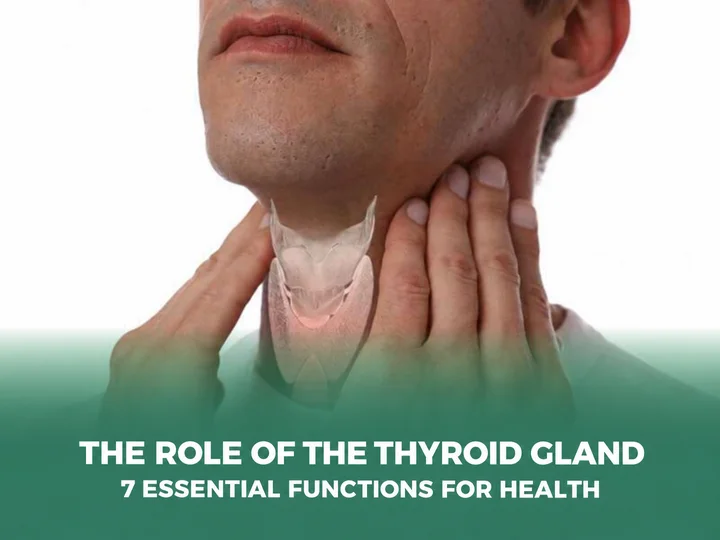




Visceral fat is one of the types of fat that requires attention when assessing health risks, especially in people with a large waist circumference, rapid weight gain, physical inactivity, elevated blood glucose, high blood lipids, or fatty liver disease. Unlike subcutaneous fat, which can be felt under the skin, visceral fat lies deep within the abdominal cavity and may affect the body’s metabolism.
Quick answer: Visceral fat is fat located deep inside the abdominal cavity, surrounding organs such as the liver, intestines, pancreas, and stomach. A certain amount of visceral fat helps protect the organs, but excessive accumulation may increase the risk of insulin resistance, type 2 diabetes, hypertension, dyslipidemia, fatty liver disease, and cardiovascular disease.
Medical review: Nguyen Thi Nhu Quynh, MSc, Resident Doctor - Department of Endocrinology, Hong Ngoc Phuc Truong Minh General Hospital.
Updated: May 20, 2026.
Quick summary of the article
- Visceral fat is fat located deep inside the abdominal cavity, surrounding organs such as the liver, intestines, pancreas, and stomach.
- A certain amount of visceral fat helps protect the organs, but excessive accumulation may increase the risk of metabolic disorders.
- Visceral fat is associated with insulin resistance, type 2 diabetes, hypertension, dyslipidemia, fatty liver disease, and cardiovascular disease.
- A large waist circumference, high BMI, elevated blood glucose, abnormal blood lipids, elevated liver enzymes, or fatty liver disease are warning signs that require attention.
- Safe reduction of visceral fat requires a combination of a healthy diet, regular physical activity, adequate sleep, limiting alcohol intake, and stress management.
- Men with a waist circumference of 90 cm or more and women with a waist circumference of 80 cm or more, or those with abnormal metabolic test results, should seek medical evaluation for a comprehensive assessment.
What is visceral fat?
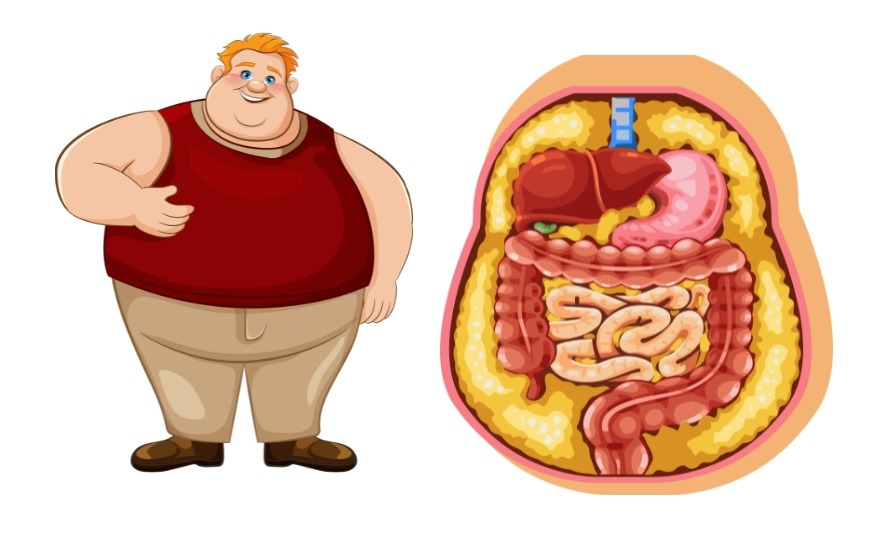
Visceral fat is fat stored deep inside the abdominal cavity, surrounding internal organs such as the liver, intestines, pancreas, and stomach. Because it lies deep within the body, visceral fat is not as easy to see or feel as subcutaneous fat.
A certain amount of visceral fat serves as a cushion and helps protect the organs. However, when it accumulates excessively, visceral fat can act as an endocrine tissue, releasing inflammatory substances and affecting glucose metabolism, blood lipids, and blood pressure. This is why visceral fat often receives greater attention than subcutaneous fat when assessing metabolic risk.
Where is visceral fat usually located?
Visceral fat is mainly located within the abdominal cavity, around organs and structures such as:
- the liver;
- the intestines;
- the stomach;
- the pancreas;
- the mesentery;
- deep tissues within the abdominal cavity.
Therefore, people with excess visceral fat often tend to have abdominal enlargement and increased waist circumference, even if their arms and legs are not noticeably large.

How is visceral fat different from subcutaneous fat?
Visceral fat and subcutaneous fat are both types of body fat, but they differ in location, how they are identified, and their health implications.
Subcutaneous fat may affect body shape, but visceral fat is generally more concerning from a metabolic perspective. When accumulated in excess, visceral fat may be associated with low-grade chronic inflammation, impaired blood glucose regulation, dyslipidemia, and cardiovascular disease.
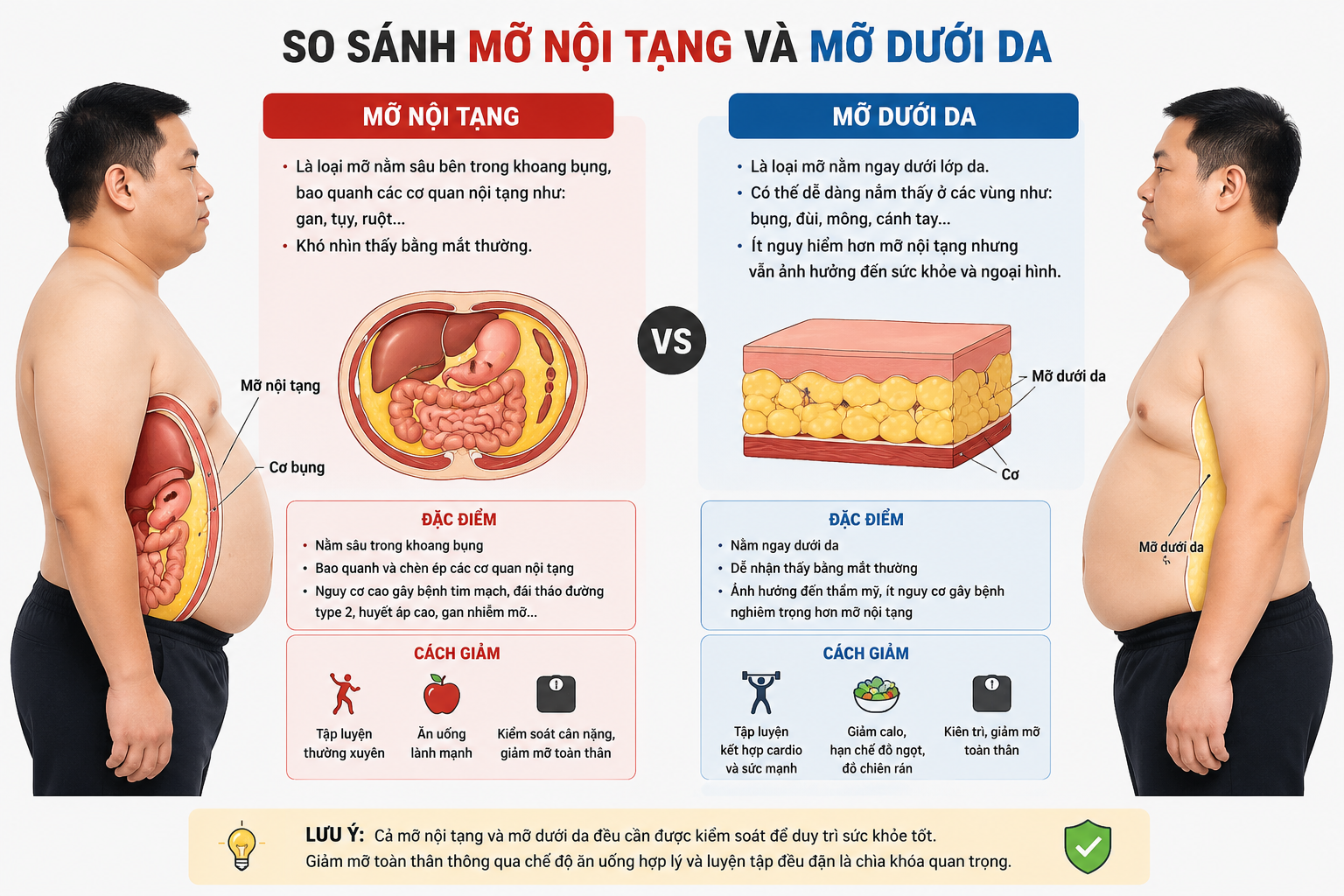
Comparison of visceral fat and subcutaneous fat
Why is visceral fat dangerous?
Visceral fat is dangerous because it is not merely a site for energy storage. When it increases excessively, this type of fat can contribute to inflammation, insulin resistance, and metabolic disorders.
Increased risk of insulin resistance and type 2 diabetes
Visceral fat is closely associated with insulin resistance. When insulin becomes less effective, glucose has more difficulty entering cells to be used for energy, causing blood glucose levels to gradually rise. If this condition persists, it increases the risk of prediabetes and type 2 diabetes.
People with a large waist circumference, frequent fatigue, excessive thirst, frequent urination, rapid weight gain, or a family history of diabetes should have fasting blood glucose and HbA1c checked.
Association with hypertension and cardiovascular disease
Visceral fat may increase inflammatory responses, contribute to dyslipidemia, and affect vascular function. When accompanied by hypertension, abnormal cholesterol levels, smoking, physical inactivity, or diabetes, the risk of cardiovascular disease may be higher.
People with abdominal obesity should measure their blood pressure regularly and have their blood lipids checked, especially if they experience chest discomfort, shortness of breath on exertion, dizziness, or have a family history of premature cardiovascular disease.
Increased risk of fatty liver disease
When visceral fat increases, fat may also accumulate in the liver, causing fatty liver disease. Early stages often cause few symptoms, but if the condition persists, it may be associated with elevated liver enzymes and metabolic disorders.
People with a large waist circumference, high triglycerides, elevated blood glucose, or frequent alcohol consumption should have liver enzyme testing and liver ultrasound when indicated by a physician.
Contribution to metabolic syndrome
Metabolic syndrome is a cluster of risk factors, including abdominal obesity, hypertension, elevated blood glucose, high triglycerides, and low HDL cholesterol. Visceral fat is an important component in the underlying mechanism of this syndrome.
If increased waist circumference is accompanied by abnormal blood glucose, blood lipids, or blood pressure, patients should not focus only on cosmetic weight loss but should undergo a comprehensive metabolic risk assessment.

Causes of increased visceral fat
Increased visceral fat is usually caused by a combination of factors, not simply by overeating. A prolonged calorie surplus, physical inactivity, insufficient sleep, stress, alcohol consumption, aging, hormonal changes, and genetics may all contribute to increased abdominal and visceral fat.
Prolonged calorie surplus
When energy intake consistently exceeds energy expenditure, the body stores the excess energy as fat. If the diet is high in sugar, refined carbohydrates, fried foods, fast food, sugary drinks, or alcohol, the risk of increased abdominal fat and visceral fat becomes higher
Physical inactivity
Prolonged sitting, limited walking, lack of strength training, or too little physical activity reduces energy expenditure and decreases muscle mass. When muscle mass is low, the body burns less energy, making fat accumulation more likely.
See also: Does staying up late cause weight gain?
Insufficient sleep and prolonged stress
Sleep deprivation, staying up late, and stress can affect hunger and satiety hormones, cortisol levels, food cravings, and eating behavior. People who sleep too little or experience prolonged stress are often more likely to snack, crave sweets, eat late at night, and gain abdominal fat.
Excessive alcohol consumption
Alcohol increases energy intake, affects the liver, and may promote fat accumulation in the abdominal area. People with fatty liver disease, high triglycerides, or a large waist circumference should be particularly cautious with alcohol.
Aging, hormones, and genetics
Increasing age, hormonal changes in postmenopausal women, genetics, or a family history of diabetes, abdominal obesity, or hypertension may also increase the risk of visceral fat accumulation.

Signs of high visceral fat
The exact amount of visceral fat cannot be determined by visual inspection alone. However, a large waist circumference, high BMI, abnormal metabolic test results, or fatty liver disease may be suggestive signs. Patients should view these signs as reasons for further evaluation, not as a basis for self-diagnosis.
Increased waist circumference
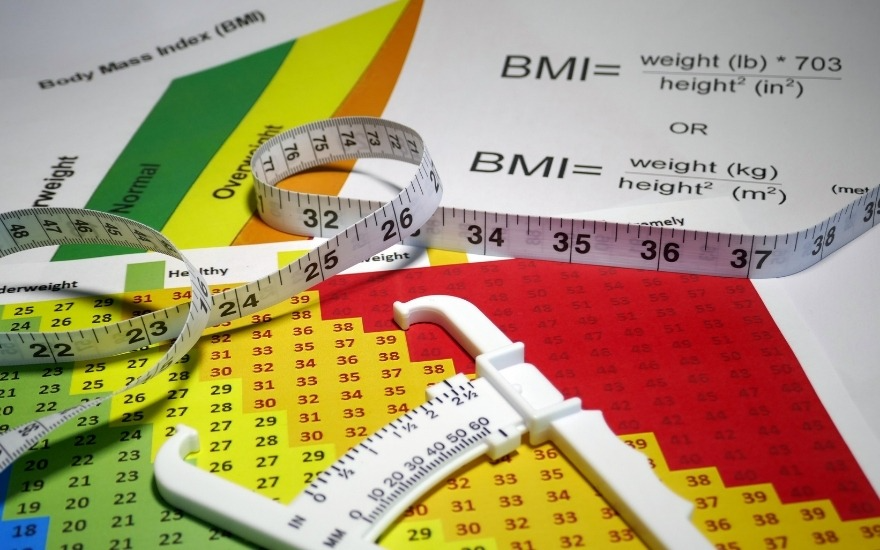
A large waist circumference is the most easily recognizable sign of abdominal fat and may reflect visceral fat accumulation. BMI does not indicate where fat is distributed, while waist circumference helps identify abdominal obesity and metabolic risk more effectively.
For Asian adults, a waist circumference of 90 cm or more in men and 80 cm or more in women is generally considered a threshold that warrants attention for abdominal obesity or central obesity.
Normal BMI but persistent abdominal enlargement
Some people may not have a particularly high body weight but still have an enlarged abdomen. This may occur in people who are physically inactive, have low muscle mass, follow an unbalanced diet, or have metabolic disorders. Therefore, a normal BMI does not completely rule out the possibility of high visceral fat.
Abnormal metabolic test results
High visceral fat may be accompanied by:
- elevated fasting blood glucose;
- elevated HbA1c;
- elevated triglycerides;
- low HDL cholesterol;
- high blood pressure;
- elevated liver enzymes;
- fatty liver detected on ultrasound.
These abnormalities do not only reflect a weight-related issue but also help physicians assess metabolic and cardiovascular risk.
Fatigue, poor sleep, and reduced endurance
Some people with high visceral fat may experience fatigue, reduced exercise capacity, snoring, or difficulty maintaining a regular exercise routine. However, these symptoms are nonspecific and require medical evaluation to identify the underlying cause, especially if they are accompanied by rapid weight gain, a large waist circumference, or abnormal test results.

How is visceral fat measured?
Visceral fat can be assessed in several ways, from simple methods such as measuring waist circumference to more accurate imaging techniques such as CT or MRI. In clinical practice, physicians usually combine multiple indicators to assess risk rather than relying on a single measurement.
Measuring waist circumference
This is a simple, inexpensive method that can be performed easily at home. The person being measured should stand upright, relax, avoid pulling in the abdomen, place the measuring tape horizontally around the abdomen, and measure after gently exhaling. Measurements should be taken at the same location and at the same time of day to make changes easier to track.
Calculating BMI
BMI helps screen for overweight and obesity, but it does not show where fat is distributed. Therefore, BMI should be interpreted together with waist circumference, underlying medical conditions, and metabolic test results.
CT or MRI imaging
CT and MRI can assess visceral fat more accurately, but they are more expensive and are not always necessary for routine screening. Physicians will order these tests when there is an appropriate medical indication.

Body composition analyzers
Some health scales or body composition analyzers can estimate visceral fat, but results may vary depending on hydration status, timing of measurement, the device used, and the algorithm applied. Conclusions should not be drawn based on a single measurement alone.
Who is more likely to accumulate visceral fat?
Certain groups are at higher risk of visceral fat accumulation, especially those with a sedentary lifestyle, increased waist circumference, metabolic disorders, or a family history of chronic diseases.
Groups that should pay attention include:
- people with a large waist circumference or rapid waist circumference increase;
- people who are physically inactive or work long hours in an office setting;
- people who frequently eat late at night or consume large amounts of sweets, fried foods, or fast food;
- people who drink alcohol excessively;
- people with insufficient sleep or prolonged stress;
- postmenopausal women;
- people with a family history of type 2 diabetes, hypertension, or cardiovascular disease;
- people with fatty liver disease, high blood lipids, or elevated blood glucose;
- people with a normal BMI but abdominal enlargement.

How to reduce visceral fat safely
There is no way to reduce visceral fat alone within just a few days. Visceral fat usually decreases when patients reduce overall body fat through a sustainable combination of diet, physical activity, and lifestyle changes.
Follow an energy-controlled but nutritionally adequate diet
Priority should be given to:
- green vegetables at each meal;
- whole fruits in appropriate portions;
- lean protein sources such as fish, lean meat, eggs, tofu, and unsweetened yogurt;
- slow-digesting carbohydrates such as brown rice, sweet potatoes, oats, and whole grains;
- healthy fats from fish, nuts, and olive oil in moderate amounts.
Patients should limit:
- soft drinks, milk tea, candies, and sweets;
- fried foods and fast food;
- alcohol;
- high-calorie late-night meals;
- excessively large portions, even when the foods are considered “healthy.”

Increase physical activity
Physical activity helps increase energy expenditure, improve insulin sensitivity, and support abdominal fat reduction. Combining a balanced diet with increased physical activity is often more beneficial for weight management and visceral fat reduction than changing only one factor.
Practical recommendations include:
- brisk walking for about 30 minutes a day, five days a week, if appropriate for the person’s physical condition;
- strength training 2–3 sessions per week;
- reducing prolonged sitting time;
- adding light activity after meals, such as walking for 10–15 minutes.
People with cardiovascular disease, severe joint pain, shortness of breath on exertion, or complex underlying medical conditions should consult a physician before increasing exercise intensity.

Get enough sleep and avoid staying up late
Sleep deprivation can increase food cravings, reduce energy for physical activity, and affect metabolism. Adults should maintain a regular sleep schedule, limit electronic device use before bedtime, avoid caffeine in the evening, and reduce late-night eating.
Manage stress
Prolonged stress may increase emotional eating and abdominal fat accumulation. Patients may try walking, meditation, deep breathing, journaling, organizing their workload, or speaking with a specialist if stress persists.
Do not use weight-loss products of unknown origin
Patients should not use weight-loss pills, diuretics, laxatives, slimming teas, or products advertised as “visceral fat burners” when their ingredients are unclear. These products may cause electrolyte disturbances, liver and kidney injury, low blood pressure, or worsening of underlying medical conditions.

When should you seek medical evaluation?
People with a large waist circumference, abnormal metabolic test results, or rapid weight gain should seek medical evaluation to identify the underlying cause and associated health risks. Medical assessment helps determine whether visceral fat is associated with metabolic disorders, fatty liver disease, diabetes, or cardiovascular disease.
You should seek medical evaluation if you have any of the following:
- waist circumference of 90 cm or more in men or 80 cm or more in women;
- rapid weight gain or rapid abdominal enlargement;
- BMI in the overweight or obesity range;
- abnormal blood glucose, HbA1c, blood lipid levels, liver enzymes, or blood pressure;
- a diagnosis of fatty liver disease;
- frequent fatigue, snoring, or daytime sleepiness;
- a family history of type 2 diabetes or cardiovascular disease;
- repeated attempts at weight loss followed by weight regain;
- plans to use weight-loss medications or weight-loss support products.
At the Center for Overweight and Obesity-Related Disease Management, Hong Ngoc General Hospital, patients may receive multidisciplinary assessment when needed, including Nutrition, Endocrinology, Cardiology, Gastroenterology and Hepatology, and Sleep Respiratory Medicine. This approach helps determine whether visceral fat is accompanied by metabolic disorders or medical conditions that require treatment.
Frequently asked questions
What is visceral fat?
Visceral fat is fat located deep inside the abdominal cavity, surrounding organs such as the liver, intestines, pancreas, and stomach. When it accumulates excessively, visceral fat may increase the risk of metabolic disorders, type 2 diabetes, cardiovascular disease, and fatty liver disease.
Is visceral fat dangerous?
It can be dangerous if it accumulates in excess. Visceral fat is associated with low-grade chronic inflammation, insulin resistance, hypertension, dyslipidemia, fatty liver disease, and cardiovascular disease.
Can thin people have visceral fat?
Yes. Some people may have a normal BMI but still have a large waist circumference, low muscle mass, physical inactivity, or metabolic disorders, all of which can be associated with visceral fat accumulation. Therefore, body weight alone should not be used to assess health.
How can I know if I have too much visceral fat?
More accurate methods include CT or MRI scans. In practice, however, screening can be performed using waist circumference, BMI, waist-to-height ratio, blood glucose testing, lipid profile, liver enzyme testing, and liver ultrasound when needed.
What waist circumference should raise concern about visceral fat?
For Asian adults, a waist circumference of 90 cm or more in men and 80 cm or more in women is considered a threshold that warrants attention. However, risk also depends on BMI, age, underlying medical conditions, blood glucose, blood lipids, and blood pressure.
Can visceral fat be reduced specifically?
It is not possible to selectively reduce fat in only one area within a few days. Visceral fat usually decreases when overall body fat is reduced through a healthy diet, increased physical activity, adequate sleep, limited alcohol intake, and stress management.
What should I eat to reduce visceral fat?
Priority should be given to green vegetables, whole fruits, whole grains, lean protein, fish, tofu, unsweetened yogurt, and healthy fats in appropriate portions. Soft drinks, sweets, fried foods, fast food, and alcohol should be limited.
Is visceral fat related to fatty liver disease?
It may be related. When visceral fat increases, the risk of fat accumulation in the liver also rises, especially in people with elevated blood glucose, high triglycerides, overweight, or frequent alcohol consumption.
How long does it take to reduce visceral fat?
The time needed to reduce visceral fat varies from person to person, depending on baseline weight, waist circumference, diet, physical activity level, sleep, stress, and underlying medical conditions. Patients should aim for sustainable weight loss and monitor waist circumference and metabolic indicators rather than focusing only on body weight.
Conclusion
Visceral fat is fat located deep inside the abdominal cavity, surrounding internal organs. This type of fat deserves attention because it is associated with insulin resistance, type 2 diabetes, hypertension, dyslipidemia, fatty liver disease, and cardiovascular disease.
To assess risk, body weight alone should not be used. Waist circumference, BMI, metabolic test results, and medical evaluation should be considered, especially in people with risk factors. Safe reduction of visceral fat should be based on a balanced diet, regular physical activity, adequate sleep, limited alcohol intake, and stress management.
If a patient has a large waist circumference, rapid weight gain, high blood lipids, elevated blood glucose, or fatty liver disease, they should seek medical evaluation at a healthcare facility so that physicians can assess their condition and recommend an appropriate weight management plan.
Medical note
This article is for reference only and is not a substitute for medical diagnosis or treatment advice from a physician. Visceral fat cannot be accurately determined by external observation or a single waist circumference measurement alone. People with a large waist circumference, rapid weight gain, elevated blood glucose, high blood lipids, abnormal liver enzymes, fatty liver disease, or underlying metabolic conditions should seek medical evaluation for individualized assessment.