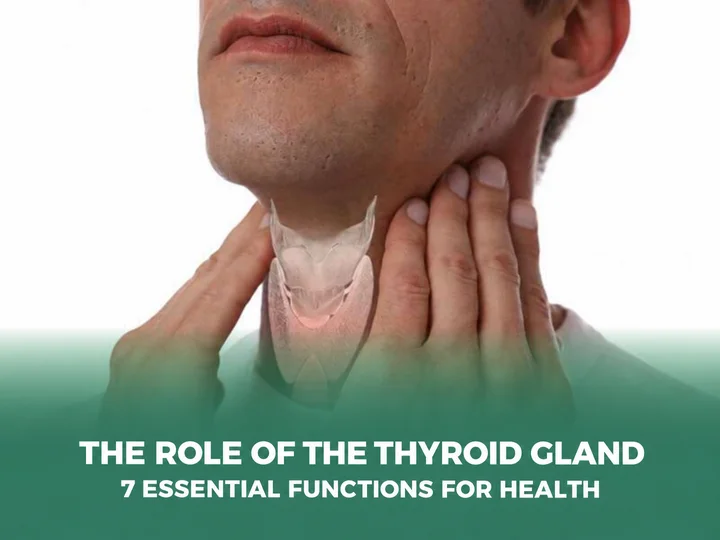




Body fat percentage indicates what proportion of your body weight is made up of fat tissue. It is a useful indicator for assessing body composition, especially when body weight or BMI does not clearly show whether a person has more fat or more muscle. However, this index should be interpreted together with sex, age, waist circumference, BMI, and other health-related factors.
Quick answer: Body fat percentage is considered high when the proportion of body fat exceeds the level appropriate for a person’s sex, age, and health status. According to commonly used reference tables, men should generally pay attention when body fat is around 25% or higher, while women should do so at around 32% or higher. However, there is currently no single universally accepted “normal” cutoff for body fat percentage. Therefore, results should be interpreted together with BMI, waist circumference, measurement method, underlying medical conditions, and metabolic test results.
Medical review: Nguyen Thi Nhu Quynh, MSc, Resident Doctor - Department of Endocrinology, Hong Ngoc Phuc Truong Minh General Hospital.
Updated: May 20, 2026.
Quick summary of the article
- Body fat percentage is the proportion of fat tissue relative to total body weight.
- Body fat percentage helps assess body composition more clearly than body weight or BMI alone, especially in people with high or low muscle mass.
- According to commonly used reference tables, men should pay attention when body fat is around 25% or higher, while women should do so at around 32% or higher.
- There is currently no single universally accepted “normal” cutoff for body fat percentage as there is for BMI. Therefore, results should be interpreted based on sex, age, measurement method, and overall health status.
- If a high body fat percentage is accompanied by a large waist circumference, elevated blood glucose, abnormal blood lipids, high blood pressure, or fatty liver, the patient should seek medical evaluation.
- Safe reduction of body fat percentage should focus on reducing fat, preserving muscle mass, maintaining a nutritionally adequate diet, increasing physical activity, and monitoring trends rather than becoming fixated on individual measurements.
- An excessively low body fat percentage is also unhealthy, especially in women, as it may affect hormones, menstruation, bone density, and overall health.
What is body fat percentage?
Body fat percentage, also known as the body fat index, is the proportion of fat tissue relative to total body weight. For example, if a person weighs 60 kg and has a body fat percentage of 30%, this means that an estimated 18 kg of their body weight is fat tissue.
This indicator helps assess body composition more clearly than body weight alone. Two people with the same weight and height may have very different body fat percentages if one has more muscle mass while the other has more fat.
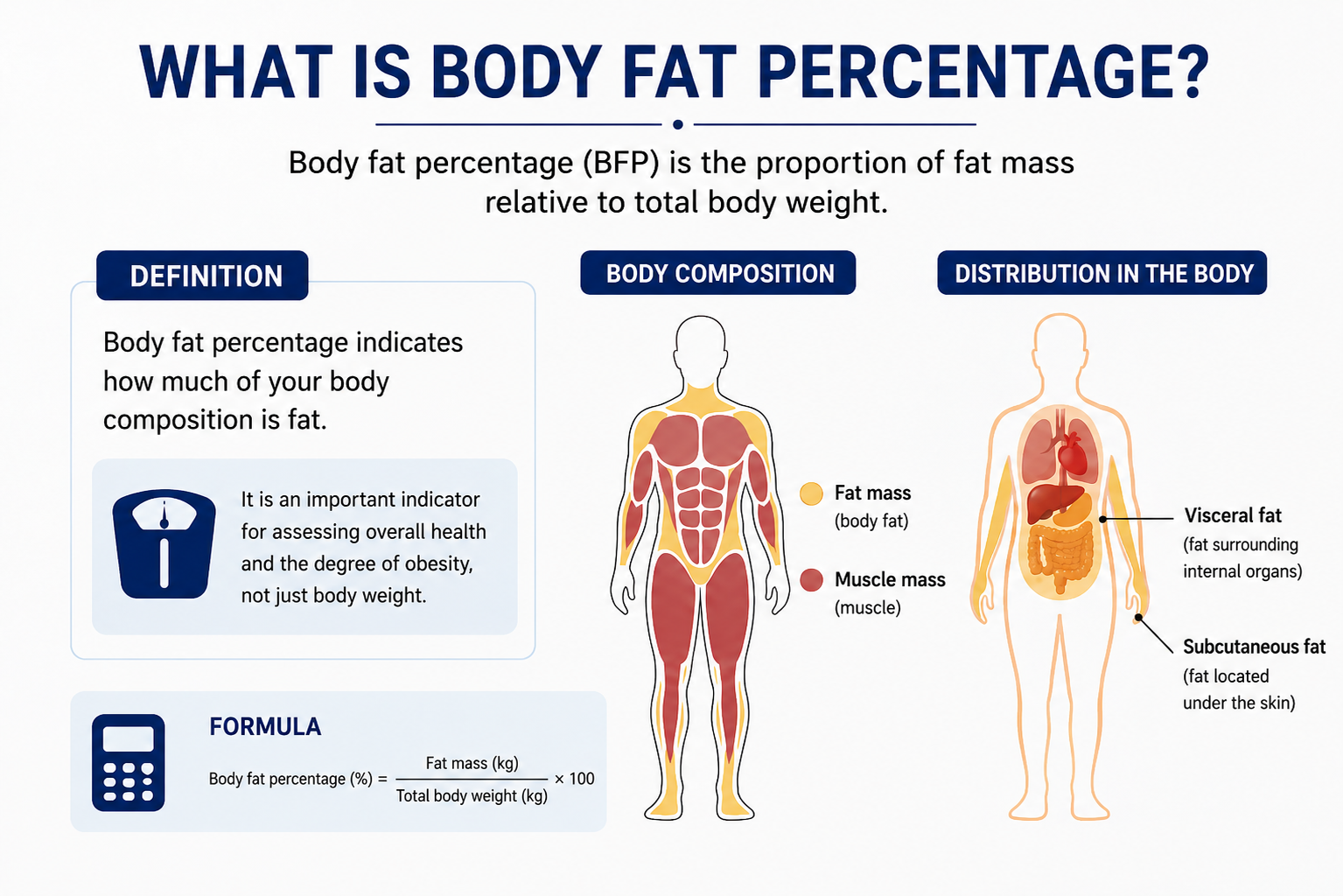
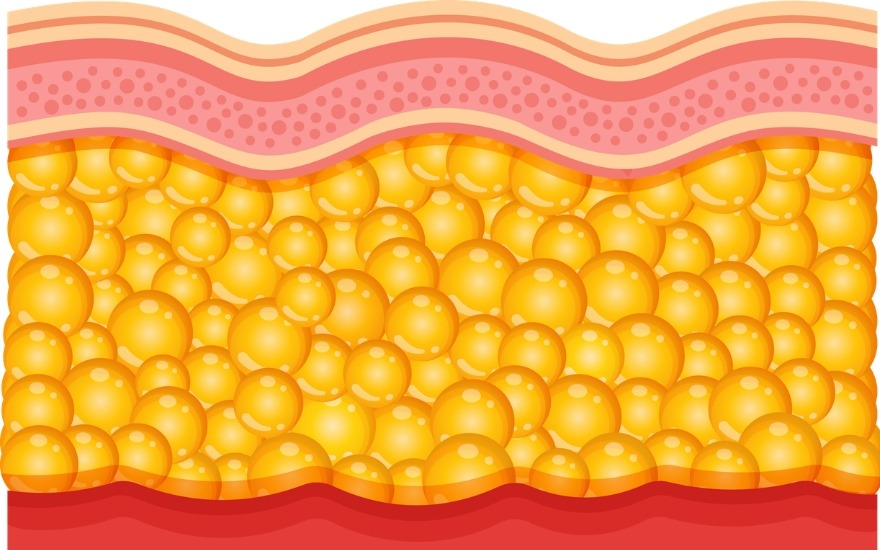
Body fat includes several types, of which the most commonly discussed are subcutaneous fat, visceral fat, and essential fat.
Subcutaneous fat
Subcutaneous fat is the layer of fat located just beneath the skin. It can be felt or pinched in areas such as the abdomen, thighs, hips, and arms. This type of fat has a significant impact on body shape but does not fully reflect metabolic risk.
Visceral fat
Visceral fat is fat located deep inside the abdominal cavity, surrounding organs such as the liver, intestines, pancreas, and heart. Visceral fat is more strongly associated with insulin resistance, type 2 diabetes, hypertension, dyslipidemia, and cardiovascular disease.
People with a large waist circumference, high BMI, fatty liver, or abnormal blood glucose or lipid test results should pay attention to the risk of excess visceral fat, even if their body weight is not excessively high.
Essential fat
Essential fat is the amount of fat required for the body to maintain vital functions, hormonal balance, immune function, and organ protection. Therefore, the health goal should not be to reduce body fat as much as possible.
An excessively low body fat percentage can also affect health, especially in women. Very low body fat may be associated with menstrual irregularities, reduced sex hormones, decreased bone density, fatigue, or impaired immune function. Therefore, the goal should be to reach a level appropriate for health status, physical condition, and individual goals, rather than lowering body fat percentage as much as possible.
What body fat percentage is considered high?
There is no single number that applies to everyone. Whether body fat percentage is considered high should be assessed based on sex, age, muscle mass, waist circumference, underlying medical conditions, and the measurement method used.
In common clinical practice, it can be understood simply as follows:
However, these cutoffs should be regarded as reference points only. Body fat percentage does not currently have a standardized classification system that is as widely used as BMI in the diagnosis of overweight and obesity. Therefore, results should be interpreted together with BMI, waist circumference, measurement method, underlying medical conditions, and metabolic test results.
Some recent studies have also proposed different cutoffs for assessing “excess fat” or “obesity based on body fat percentage.” For example, a 2025 study proposed health-related thresholds for excess body fat of 25% in men and 35% in women. However, these are research-based thresholds and are not yet standardized criteria for broad application in clinical assessment and treatment.
Reference table of body fat percentage for men and women
The table below is a commonly used reference in fitness and nutrition practice, not a unified medical diagnostic standard. When assessing health risks, physicians will interpret body fat percentage together with BMI, waist circumference, blood pressure, blood glucose, blood lipids, liver enzymes, and underlying medical conditions.
Health status should not be judged based on this table alone. A person whose body fat percentage falls within the “average” range but who has a large waist circumference or abnormal metabolic test results still needs further evaluation. Conversely, a person with a slightly elevated body fat percentage but good physical activity levels, a normal waist circumference, and stable test results may have a different risk profile from someone who is physically inactive and has abdominal obesity.

Why do women usually have a higher body fat percentage than men?
Women generally have a higher body fat percentage than men due to physiological, hormonal, and reproductive differences. Therefore, male reference thresholds should not be used to assess women, and vice versa.
The role of sex hormones
Estrogen affects fat distribution in the hips, thighs, buttocks, and subcutaneous tissue. This is why women often have a higher body fat percentage than men, even with the same BMI or a similar body weight.
In women, body fat is not only related to body shape but also plays a role in hormonal function and reproductive health.
Physiological needs related to reproduction
The female body requires a higher amount of essential fat to support hormonal function, menstruation, pregnancy, and energy reserves. An excessively low body fat percentage in women may cause menstrual irregularities, reduced bone density, or adverse effects on reproductive health.
Therefore, women should not aim for an excessively low body fat percentage based on aesthetic or bodybuilding standards without professional supervision.
Changes with age and menopause
After middle age or menopause, body fat tends to increase and accumulate more in the abdominal region. This increases the risk of visceral fat, insulin resistance, and metabolic disorders, even when body weight does not change significantly.
Postmenopausal women should also monitor waist circumference, blood pressure, blood glucose, blood lipids, and bone and joint health.
Differences in muscle mass
Men generally have greater muscle mass, so their body fat percentage is lower at the same body weight. Muscle mass affects basal metabolism and daily energy expenditure.
Therefore, when reducing body fat, both men and women should focus on maintaining or increasing muscle mass through adequate protein intake and appropriate exercise.
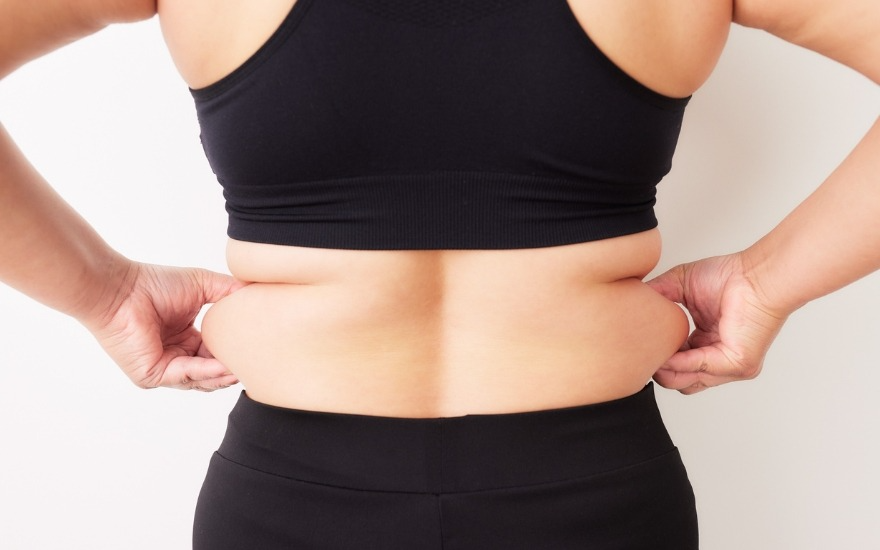
How is body fat percentage different from BMI and waist circumference?
Body fat percentage, BMI, and waist circumference are all useful indicators, but they cannot fully replace one another. Each reflects a different aspect of the body.
The CDC emphasizes that BMI is a screening tool and should be considered together with other factors when assessing an individual’s health. The WHO also states that BMI is a surrogate measure of body fat, while waist circumference can help assess obesity and health risks.
When can BMI be normal but body fat percentage still be high?
This can occur in people who are physically inactive, have low muscle mass, consume insufficient protein, or lose weight improperly in a way that leads to muscle loss. A person may not appear significantly overweight but may still have excess body fat, especially abdominal fat.
If BMI is normal but waist circumference is large, body fat percentage is high, or blood glucose or lipid test results are abnormal, metabolic risk should still be assessed rather than assuming health is adequate simply because body weight is “within the normal range.”

When can BMI be high but body fat percentage not be high?
This can occur in people with large muscle mass, athletes, or those who have done strength training for many years. Higher body weight due to greater muscle mass is not the same as higher body weight due to excess fat.
In this group, body fat percentage, waist circumference, and metabolic test results can provide a more accurate assessment than BMI alone.
Is a high body fat percentage dangerous?
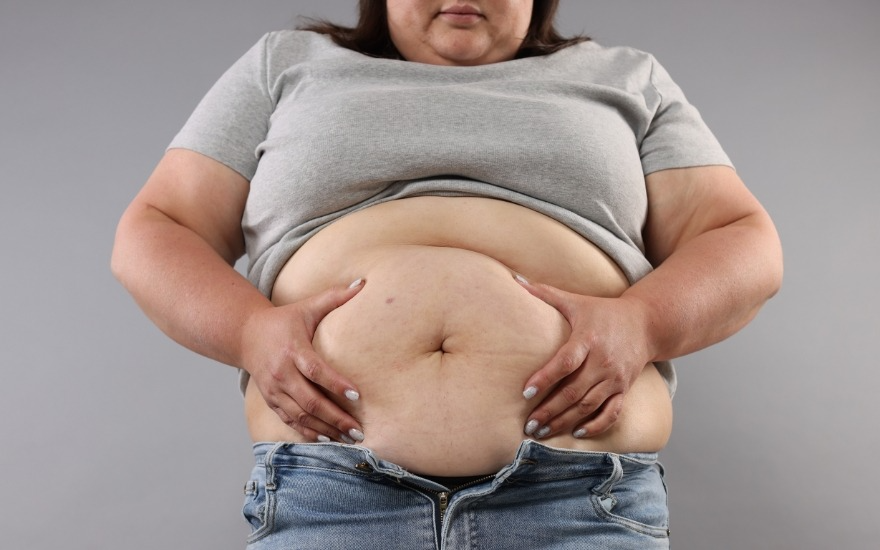
A high body fat percentage does not necessarily mean that a person already has a disease, but it may increase the risk of metabolic disorders, especially when fat is concentrated in the abdominal area or when visceral fat is elevated.
The level of risk depends on several factors, including how high the body fat percentage is, where fat is distributed, waist circumference, muscle mass, physical activity level, age, sex, underlying medical conditions, and metabolic test results.
Increased risk of type 2 diabetes
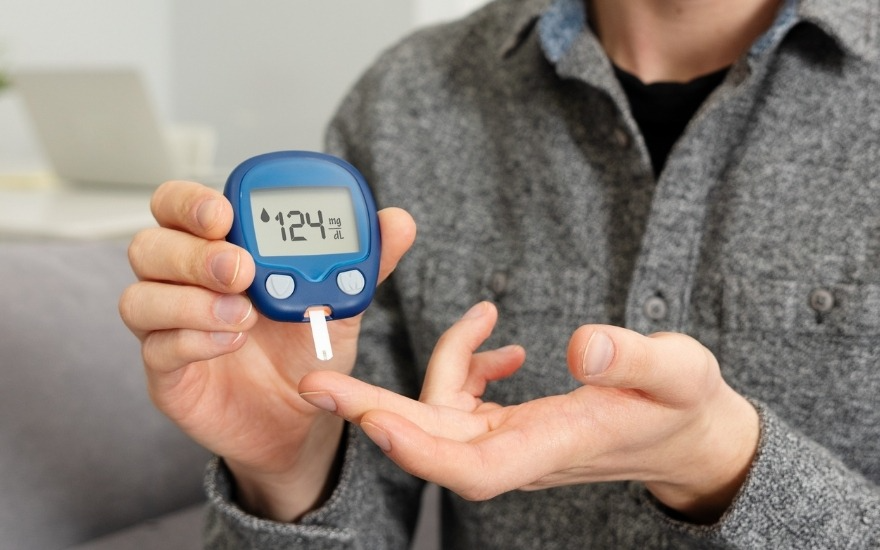
Excess fat, particularly visceral fat, is associated with insulin resistance. When insulin becomes less effective, blood glucose levels may gradually rise, increasing the risk of prediabetes and type 2 diabetes.
If a high body fat percentage is accompanied by a large waist circumference, frequent hunger, fatigue after meals, or a family history of diabetes, fasting blood glucose and HbA1c testing should be considered.
Increased risk of dyslipidemia and cardiovascular disease
A high body fat percentage is often associated with elevated triglycerides, low HDL cholesterol, or increased LDL cholesterol. Over time, these factors can increase the risk of atherosclerosis and cardiovascular disease.
People with a high body fat percentage should have their blood lipids checked periodically, especially if they also have hypertension, smoke, are physically inactive, or have a family history of premature cardiovascular disease.
Association with fatty liver disease
When total body fat and visceral fat increase, fat may accumulate in the liver. Early-stage fatty liver disease often causes few symptoms, but it may be detected through liver ultrasound or liver enzyme tests.
If a high body fat percentage is accompanied by elevated triglycerides, a large waist circumference, or regular alcohol consumption, patients should discuss liver function testing and abdominal ultrasound with their physician.
Effects on physical activity and musculoskeletal health
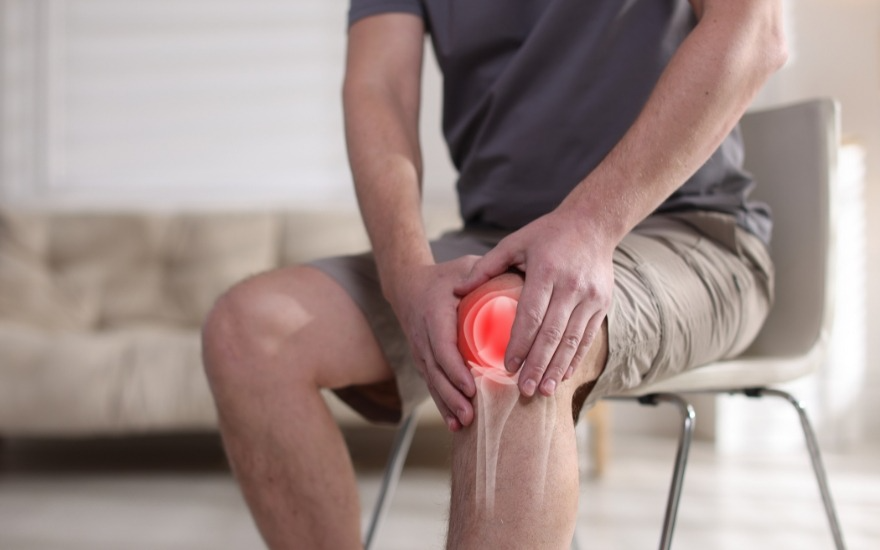
A high body fat percentage is often associated with relatively low muscle mass or physical inactivity. This may reduce endurance, contribute to knee pain or back pain, and make weight-loss exercise more difficult to sustain.
Fat reduction should go hand in hand with maintaining or increasing muscle mass, rather than focusing only on rapid weight loss on the scale.
How is body fat percentage measured?
There are several methods for measuring body fat percentage, each with its own advantages and limitations. Patients should understand that most commonly used methods only estimate body fat percentage rather than measuring it with absolute precision.
Measurement with smart scales or InBody/BIA devices
BIA, or bioelectrical impedance analysis, estimates body fat, muscle mass, and body water based on a mild electrical current passing through the body. This method is convenient, fast, and commonly used in clinics and fitness centers.
BIA results may vary depending on hydration status, meals, exercise, alcohol consumption, the menstrual cycle, and the timing of measurement. Measurements should be taken under similar conditions and at the same time of day, with attention paid to trends rather than becoming overly concerned about a single reading.
DEXA
DEXA can provide a more detailed assessment of body composition, including fat mass, lean mass, and bone mineral density. This method is more accurate than most smart scales, but it is more expensive and not necessary for everyone.
DEXA may be appropriate when a physician needs a more in-depth assessment of body composition, osteoporosis risk, or close monitoring in certain medical situations.
Skinfold calipers
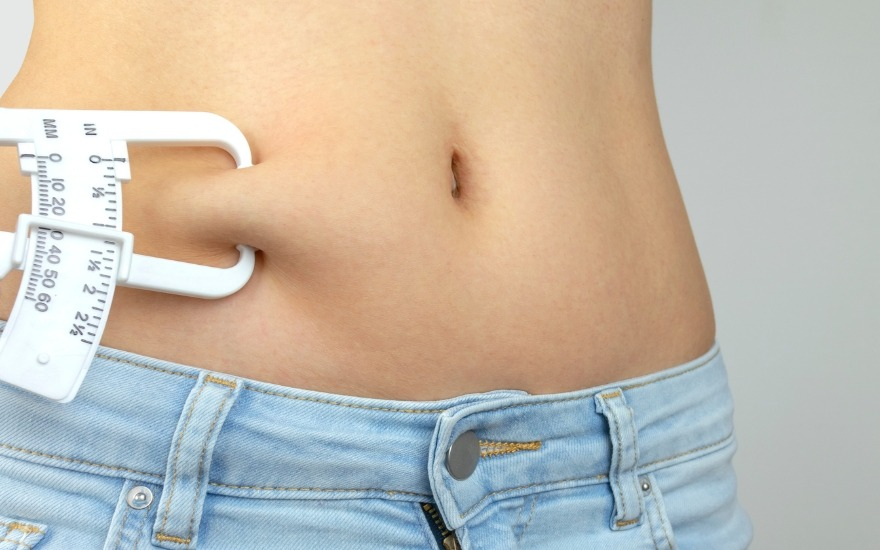
This method uses calipers to measure the thickness of skinfolds at several body sites and then estimates body fat percentage. Results depend greatly on the examiner’s technique and the formula used.
When performed by an experienced examiner and repeated using the same method, skinfold measurement can be useful for monitoring fat-loss trends.
Measuring waist circumference, waist-to-height ratio, and waist-to-hip ratio
Although these measurements do not directly measure body fat percentage, waist circumference helps indirectly assess abdominal fat and visceral fat. It is a simple indicator, easy to perform at home, and has high practical value.
People whose body fat percentage is not excessively high but who have a large waist circumference should still pay attention, as visceral fat is strongly associated with metabolic risk.
When should you see a doctor if your body fat percentage is high?
You should seek medical evaluation if a high body fat percentage is accompanied by any of the following situations. The goal of the consultation is not only to confirm that body fat is “high,” but also to assess whether excess fat has affected metabolism, cardiovascular health, the liver and biliary system, or the musculoskeletal system.
Increased waist circumference or obvious abdominal obesity
Fat concentrated in the abdominal area is more strongly associated with visceral fat. This type of fat is closely linked to type 2 diabetes, hypertension, dyslipidemia, and fatty liver disease.
BMI in the overweight or obesity range
A high BMI combined with a high body fat percentage increases the likelihood of true excess fat, rather than higher body weight due to greater muscle mass alone. Patients should undergo further assessment of metabolic risk and receive an appropriate weight management plan.
Abnormal blood glucose, HbA1c, or blood lipid levels
These indicators suggest that excess fat may already be affecting metabolism. Early detection can help reduce the risk of progression to diabetes, cardiovascular disease, or hepatobiliary complications.
Elevated liver enzymes or ultrasound evidence of fatty liver
A high body fat percentage, especially when accompanied by abdominal obesity, may be associated with fat accumulation in the liver. Patients should receive appropriate counseling on diet, physical activity, and liver enzyme monitoring.
Fatigue, snoring, or daytime sleepiness
These symptoms may be related to overweight, obesity, or sleep apnea. If they persist, patients should seek medical evaluation for a comprehensive assessment.
Repeated attempts at weight loss followed by weight regain
Improper weight loss may lead to muscle loss, reduced metabolism, and a rebound increase in body fat percentage. A physician or dietitian can help develop a fat-loss plan that preserves muscle mass.
At Hong Ngoc General Hospital, patients may receive multidisciplinary assessment when needed, including Endocrinology, Nutrition, Cardiology, and Gastroenterology and Hepatology. A comprehensive evaluation helps determine whether a high body fat percentage is related solely to lifestyle factors or is already accompanied by metabolic disorders that require medical monitoring. Customers may contact the hotline at 024 3927 5568 or leave their information below to be contacted and advised by a physician.

How to reduce body fat percentage safely
The goal of reducing body fat should not be rapid weight loss, but rather fat reduction, muscle preservation, and improvement in metabolic health. If weight is lost quickly but a significant amount of muscle is lost, body fat percentage may not improve as expected.
Reduce energy intake while maintaining adequate nutrition
Fat loss requires creating an appropriate energy deficit, but extreme fasting should be avoided. Meals should include adequate protein, vegetables, appropriate carbohydrate sources, and healthy fats to help maintain muscle mass and reduce hunger.
Priority should be given to fish, lean meat, eggs, tofu, unsweetened yogurt, green vegetables, whole fruits, oats, sweet potatoes, and brown rice in appropriate portions.
Increase protein intake to preserve muscle mass
Protein helps promote satiety and supports the maintenance of muscle mass during fat loss. If protein intake is too low, patients are more likely to lose muscle, which may reduce basal metabolism and make weight maintenance more difficult.
Each main meal should include an appropriate source of protein, such as fish, lean meat, eggs, tofu, or unsweetened yogurt. Patients with kidney disease should consult a physician about a safe amount of protein intake.

Combine strength training with aerobic exercise
Brisk walking, cycling, and swimming help increase energy expenditure, while strength training helps preserve and build muscle mass. Combining these two forms of exercise is often more effective than dieting alone or doing only cardio.
Beginners can start with 20–30 minutes of walking per day and strength training 2–3 sessions per week, at an intensity appropriate for their physical condition.
Get enough sleep and manage stress
Prolonged sleep deprivation and stress may increase food cravings, reduce motivation to exercise, and promote emotional eating. This is why many people may not eat excessively but still find it difficult to lose body fat.
Try to maintain a regular sleep schedule, limit electronic device use before bedtime, reduce caffeine intake in the evening, and maintain relaxing activities such as walking, deep breathing, or light meditation.

Monitor trends rather than becoming fixated on individual measurements
Body fat percentage may fluctuate due to hydration status, meals, the menstrual cycle, timing of measurement, and the device used. Monitoring trends over 4–8 weeks is more meaningful than comparing individual readings.
Body weight, waist circumference, and body fat percentage should be measured at the same time and under similar conditions. Progress photos, body measurements, and overall health perception can also be used for a more comprehensive assessment.
Who should not attempt rapid fat loss on their own?
Certain groups should not follow strict fat-loss regimens or rapid weight-loss plans without medical guidance, including:
- older adults;
- pregnant or postpartum women;
- people with kidney disease, liver disease, or diabetes;
- people with eating disorders or suspected eating disorders;
- people taking long-term medications;
- people with cardiovascular disease, severe joint pain, or malnutrition;
- adolescents who are still growing.
These groups should receive individualized counseling to avoid muscle loss, nutritional deficiencies, electrolyte disturbances, or worsening of underlying medical conditions.

Frequently asked questions
What body fat percentage is considered high?
Men are generally considered to have a high body fat percentage at around 25% or higher, while women are generally considered high at around 32% or higher, according to commonly used classification tables. However, cutoffs may vary depending on age, measurement method, and health goals. BMI, waist circumference, and metabolic test results should also be considered.
What body fat percentage is considered high in women?
Women are generally considered to have a high body fat percentage at around 32% or higher, according to commonly used classification tables. However, women physiologically have a higher body fat percentage than men, so age, postpartum status, menopause, waist circumference, and underlying medical conditions should also be taken into account.
What body fat percentage is considered high in men?
Men are generally considered to have a high body fat percentage at around 25% or higher. If this is accompanied by a large waist circumference, high blood pressure, elevated blood lipids, or abnormal blood glucose, medical evaluation is recommended to assess metabolic risk.
Is it dangerous to have a normal BMI but a high body fat percentage?
It can be. A normal BMI with a high body fat percentage is often seen in people who are physically inactive, have low muscle mass, or have abdominal obesity. This condition may still be associated with visceral fat and metabolic disorders, so body weight alone should not be used to assess health.
Are InBody scans or smart scales accurate?
InBody devices and smart scales use bioelectrical impedance analysis, or BIA, to estimate body composition. This method is convenient, but results may be affected by hydration status, food intake, exercise, and the timing of measurement. It should be used to monitor trends, not to draw medical conclusions from a single reading.
If body fat is high, should the goal be weight loss or fat loss?
The focus should be on reducing fat while preserving muscle, rather than simply losing weight. Rapid weight loss may lead to muscle loss, resulting in limited improvement in body fat percentage and a higher likelihood of weight regain.
Is an excessively low body fat percentage healthy?
Not necessarily. An excessively low body fat percentage may affect hormones, immune function, bone density, and reproductive health, especially in women. The general population should not aim for athlete-level body fat percentages without professional supervision.
Conclusion
What body fat percentage is considered high depends on sex, age, underlying medical conditions, and the measurement method used. According to commonly used reference tables, men should pay attention when body fat is around 25% or higher, while women should do so at around 32% or higher. However, to assess health risks, body fat percentage should not be interpreted in isolation. It should be considered together with BMI, waist circumference, visceral fat, blood glucose, blood lipids, blood pressure, and liver function.
If you have a high body fat percentage, a large waist circumference, rapid weight gain, or abnormal metabolic test results, you should seek medical evaluation so that a physician can assess your condition and recommend a safe fat-loss plan appropriate for your physical status.
At Hong Ngoc General Hospital, patients can have their BMI, waist circumference, body fat percentage, underlying medical conditions, and metabolic test results assessed when needed, allowing physicians to develop a personalized weight management and fat-loss plan. Customers may contact the hotline at 024 3927 5568 or leave their information below to be contacted and advised by a physician.

Medical note
This article is for reference only and is not a substitute for medical diagnosis or treatment advice from a physician. Body fat percentage may vary depending on the measurement method, hydration status, timing of measurement, menstrual cycle, meals, and physical activity before measurement. People with a high body fat percentage, large waist circumference, abnormal BMI, elevated blood glucose, high blood lipids, high blood pressure, abnormal liver enzymes, or underlying medical conditions should seek medical evaluation for individualized assessment.