



Medical consultation: Master of Science, Resident Doctor Nguyen Xuan Quang, Department of Endocrinology, Hong Ngoc General Hospital, Phuc Truong Minh facility
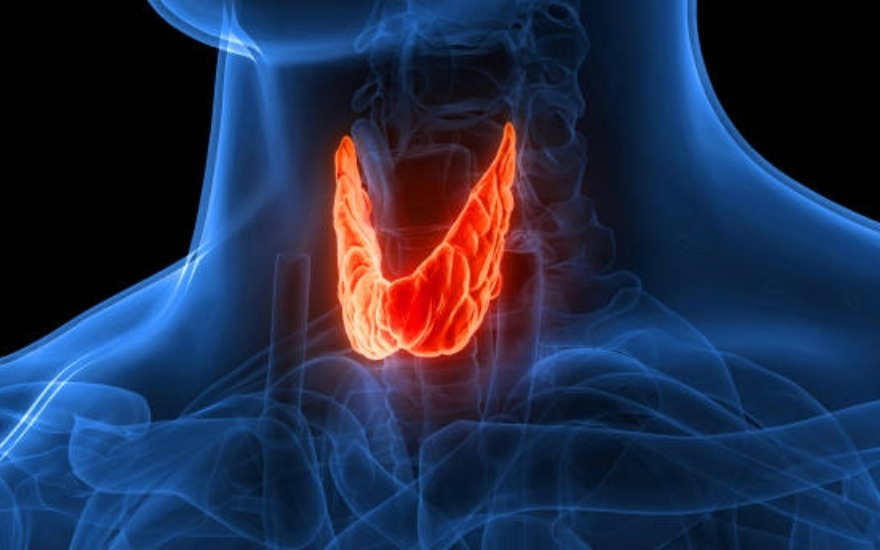
The thyroid is a small endocrine gland located in the neck, yet it plays an especially important role in overall health. By producing hormones such as T3, T4 and calcitonin, it helps regulate metabolism, heart activity, nervous system function, reproduction and bone health [1]. So what does the thyroid do, and how does it affect the body? This article looks at seven important roles of the thyroid gland.
Summary of key points:
- The thyroid is an important endocrine gland that produces the hormones T3, T4 and calcitonin, which help regulate many of the body’s vital activities.
- The thyroid performs many essential functions, helping to regulate metabolism, the cardiovascular system, body temperature and the nervous system, as well as growth, reproduction and bone health.
- When the thyroid is not working normally (hyperthyroidism or hypothyroidism), patients may experience symptoms such as changes in weight, fatigue, a rapid heartbeat, sleep disturbances, changes in skin and hair, and reduced concentration.
- To keep the thyroid healthy, it is important to get a sensible amount of iodine, maintain a balanced diet and a healthy lifestyle, manage stress and have regular check-ups.
- See a doctor early for thyroid examination and treatment if you notice signs such as a swollen neck or a lump in the neck, unexplained weight gain or loss, a rapid heartbeat, persistent fatigue, menstrual irregularities, difficulty swallowing or prolonged hoarseness.
1. Seven important roles of the thyroid in the body
The thyroid plays an essential role in regulating many of the body’s vital activities. The hormones it produces not only control metabolism but also influence the cardiovascular system, the nervous system, fertility, children’s development and bone health. Below are seven important roles of the thyroid in health. Many people wonder what the thyroid does for the body. In fact, through the hormones it produces, the thyroid helps regulate many important activities, including energy metabolism, heart function, nervous system function, reproduction and the body’s growth and development.
1.1. Regulating metabolism
Thyroid hormones T3 and T4 help control the body’s metabolic rate, influencing how cells use fat, protein and carbohydrate to produce energy. This is a fundamental function that keeps most organs working normally, and it has a direct effect on weight, energy levels and the body’s ability to adapt to everyday physiological demands. [2]
1.2. Controlling heart rate and blood pressure
Thyroid hormones regulate the cardiovascular system by influencing heart rate, the force of the heart’s contractions and blood flow. When hormone levels change abnormally, patients may experience a rapid heartbeat, palpitations, arrhythmia or changes in blood pressure, which raises the risk of cardiovascular complications. [3]
1.3. Regulating body temperature
The thyroid helps the body generate and use energy to produce heat, thereby keeping body temperature stable. This allows the body to adapt to changes in the external environment. When thyroid function is disrupted, patients often have a persistent feeling of cold, or feel hot and sweat abnormally heavily. [4]
1.4. Supporting brain and nervous system function
Thyroid hormones play an important role in the development and functioning of the brain and nervous system. They affect concentration, memory, mood and nerve reflexes. Too little or too much thyroid hormone can cause difficulty concentrating, anxiety, irritability, memory impairment and a poorer quality of life. [3]
1.5. Promoting growth and development in children
Thyroid hormones are essential for children’s physical and intellectual development. They are involved in the development of the brain and nervous system and in height growth. If a child lacks thyroid hormone in early life, there may be a risk of delayed physical development, reduced learning ability and impaired cognition. [5]
1.6. Maintaining reproductive health
The thyroid is closely linked to reproductive function in both men and women. In women in particular, thyroid hormones help regulate the menstrual cycle, support conception and contribute to a healthy pregnancy. Thyroid dysfunction can reduce fertility, cause menstrual irregularities or increase the risk of pregnancy complications. [6]
1.7. Regulating calcium metabolism and protecting the skeleton
In addition to T3 and T4, the thyroid produces calcitonin, a hormone involved in regulating calcium levels in the blood. Calcitonin helps limit the release of calcium from bone into the blood, contributing to bone density and a strong skeleton. When thyroid function is disrupted for a long time, the risk of reduced bone density and osteoporosis may increase. [7]
2. How can you protect and maintain healthy thyroid function?
To support normal thyroid function and reduce the risk of thyroid disorders:
- Maintain an appropriate iodine intake through iodised salt and foods such as fish and seafood. Iodine is essential for the production of the thyroid hormones T3 and T4. However, excessive intake, particularly from seaweed or supplements, may increase the risk of thyroid dysfunction.
- Follow a balanced diet that provides essential nutrients such as selenium, zinc, iron and vitamin D to support thyroid and overall health.
- Avoid smoking, as harmful substances in tobacco smoke may interfere with thyroid function and increase the risk of certain thyroid disorders.
- Manage stress and maintain a healthy lifestyle by getting enough sleep, exercising regularly and avoiding prolonged stress to support endocrine health.
- Attend regular health checks, particularly if you have a family history of thyroid disease, are pregnant or have previously been diagnosed with an endocrine disorder. Regular screening can help identify abnormalities early and allow timely treatment.

3. Frequently asked questions about the role of the thyroid gland
In addition to learning about common thyroid disorders, many people want to understand the role of the thyroid gland in the body. By regulating hormone levels, this endocrine gland influences nearly every organ system. Thyroid dysfunction can therefore lead to a wide range of health problems.
3.1. What problems can thyroid hormone deficiency cause?
A deficiency of thyroid hormones, known as hypothyroidism, can slow the body’s metabolism. This may cause persistent fatigue, unexplained weight gain, dry skin, constipation, sensitivity to cold, memory problems and difficulty concentrating.
In women, hypothyroidism may also cause menstrual irregularities and affect fertility. If left untreated, it can increase the risk of cardiovascular disease and other health complications.
3.2. How can I tell whether my thyroid is functioning normally?
Not everyone with a thyroid disorder develops noticeable symptoms. Thyroid function is assessed primarily through blood tests such as TSH and FT4, with FT3 measured when clinically indicated.
A thyroid ultrasound may also be recommended to identify structural abnormalities such as thyroid nodules or goitre. Regular health checks can help detect thyroid disorders before symptoms become apparent.
3.3. How does the thyroid affect body weight?
Thyroid hormones play an important role in regulating metabolism and the way the body uses energy. When the thyroid is underactive, as in hypothyroidism, metabolism slows, which may contribute to weight gain or make weight loss more difficult.
Conversely, an overactive thyroid, known as hyperthyroidism, accelerates metabolism and may cause weight loss even when dietary habits remain unchanged. However, body weight is also influenced by many other factors, including diet, physical activity and overall health. [14]
This article has explained the role of the thyroid gland in the body. Although small, the thyroid is essential to many bodily functions, including energy metabolism, cardiovascular and nervous system activity, and reproductive health. Understanding its role can help people monitor their health and recognise abnormalities early.
If you develop symptoms suggestive of thyroid disease, visit a reputable healthcare provider such as Hong Ngoc General Hospital for timely assessment, diagnosis and treatment.
If you have concerns about your thyroid health, please contact Hong Ngoc General Hospital on 0916 987 366 for timely assistance.
Medical disclaimer: The information provided in this article by Hong Ngoc General Hospital is for general reference only and does not replace professional medical diagnosis or treatment. For an accurate assessment, patients should visit a reputable healthcare facility for an in-person examination and an appropriate treatment plan recommended by a qualified doctor.
References:
NHS - Underactive thyroid (hypothyroidism). https://www.nhs.uk/conditions/underactive-thyroid-hypothyroidism/
National Institute of Diabetes and Digestive and Kidney Diseases - Thyroid Tests. https://www.niddk.nih.gov/health-information/diagnostic-tests/thyroid
Merck Manuals - Overview of the Thyroid Gland. https://www.merckmanuals.com/home/hormonal-and-metabolic-disorders/thyroid-gland-disorders/overview-of-the-thyroid-gland
Cleveland Clinic - Thyroid. https://my.clevelandclinic.org/health/body/23188-thyroid
National Institute of Diabetes and Digestive and Kidney Diseases - Thyroid Disease & Pregnancy. https://www.niddk.nih.gov/health-information/endocrine-diseases/pregnancy-thyroid-disease