


Acute gout is a highly prevalent clinical condition affecting a substantial proportion of the population. When diagnosed and managed promptly, this disorder can be effectively treated to achieve complete resolution, thereby minimizing its impact on patients’ overall health status and daily functional activities.
What is gout?
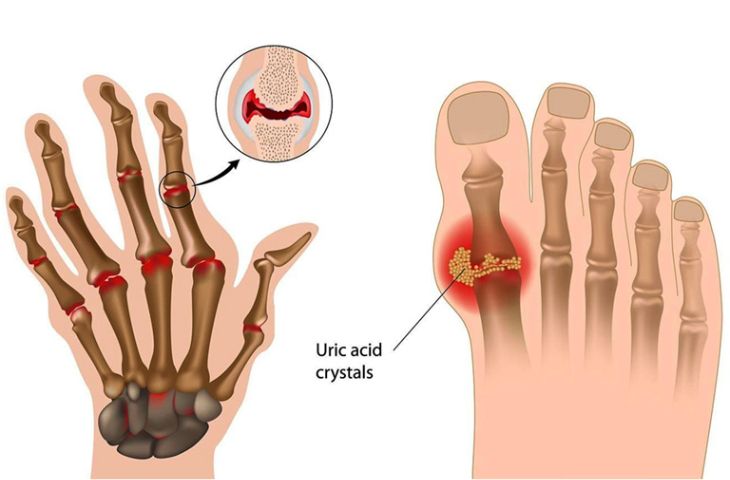
Gout is a metabolic disorder characterized by dysregulation of uric acid metabolism, resulting in hyperuricemia and subsequent deposition of monosodium urate crystals within the joints.
According to clinical experts, gout is typically classified into three distinct stages, each presenting with characteristic clinical manifestations as follows:
- Stage 1 – Asymptomatic hyperuricemia: At this early stage, patients do not experience pain, making clinical recognition challenging. However, serum uric acid levels are elevated above normal thresholds (exceeding 420 µmol/L in men and 360 µmol/L in women).
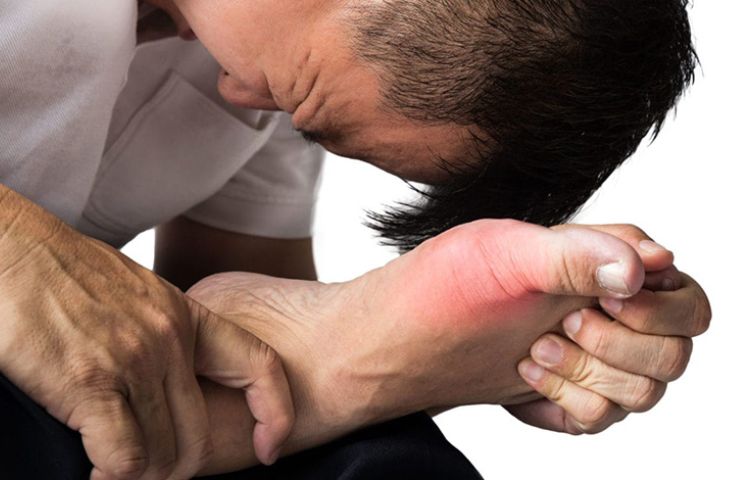
- Acute stage (acute gout attack): This stage is characterized by sudden, severe pain accompanied by joint swelling, erythema, and warmth. Commonly affected sites include the first metatarsophalangeal joint (great toe), ankles, midfoot joints, knees, and wrists.
- Intercritical stage (intermission phase): During this asymptomatic interval, acute pain episodes are absent, and patients are free from gout flares. Nevertheless, monosodium urate crystals continue to accumulate progressively within the tissues.
- Chronic tophaceous gout: This represents the advanced stage of the disease, marked by persistent deposition of urate crystals in periarticular and subcutaneous tissues, forming tophi. These nodular deposits may protrude beneath the skin surface, leading to joint deformities and significant impairment of physical function.
What is acute gout?
Acute gout represents an intermediate stage in the natural history of gout. If not promptly and adequately treated, the condition may progress to chronic gout, leading to potentially serious complications.
Acute gout attacks are typically triggered by various precipitating factors, including excessive alcohol consumption, prolonged intake of purine rich foods such as seafood and red meat. Elevated serum uric acid levels promote the formation of monosodium urate crystals, which tend to aggregate and deposit within and around the joints, most commonly affecting the first metatarsophalangeal joint.
Clinical manifestations of acute gout
Acute gout is characterized by sudden onset of severe, intense pain, often more pronounced than that observed in osteoarthritis or rheumatoid arthritis.
Affected joints typically present with swelling, warmth, and erythema. Symptoms may develop rapidly and peak within 6 to 24 hours.
Pain episodes can significantly disrupt sleep and impair mobility, making ambulation difficult.
These manifestations generally subside spontaneously and resolve within 3 to 10 days.
Patients may also experience systemic symptoms such as fatigue and low grade fever, with body temperature rising to approximately 38 to 38.5°C.
Reader may also be interested in:
- What is Gout? Causes, symptoms, and treatment
- Definitive management of acute gout with minimized recurrence risk using the American College of Rheumatology (ACR) guideline based protocol at Hong Ngoc General Hospital.
Acute gout attacks often occur abruptly and unpredictably. Approximately 60 percent of patients may experience recurrent flares within 1 to 3 years. However, in some cases, individuals may have only a single acute episode before entering an intercritical or asymptomatic phase.
What causes acute gout?
Gout develops as a result of elevated serum uric acid levels beyond the normal physiological range. This condition may arise either from excessive production of uric acid or from impaired renal excretion.
Consequently, uric acid accumulates in the synovial fluid and forms monosodium urate crystals. These crystals trigger an inflammatory response within the joints, leading to swelling, erythema, and significant pain.
The precise underlying mechanisms responsible for the onset of this process, however, have not yet been fully elucidated.
Who is at increased risk of developing acute gout?
Several factors that contribute to elevated serum uric acid levels may increase the risk of acute gout, including:
- An imbalanced diet, particularly high intake of red meat, seafood, fructose rich sugary beverages, and excessive alcohol consumption.
- Overweight and obesity.
- Underlying medical conditions such as diabetes mellitus, metabolic syndrome, hepatic disorders, and renal disease.
- Certain medications, including low dose aspirin, thiazide diuretics, angiotensin converting enzyme inhibitors, and beta blockers, which may contribute to hyperuricemia.
- A positive family history of gout.
- Sex and age related factors, with a higher prevalence observed in men compared to women. Women typically have lower serum uric acid levels; however, postmenopausal women experience levels comparable to men. In addition, men tend to develop gout at an earlier age.
- Recent surgery or physical trauma, which may precipitate acute gout flares.
Treatment of gout
Management of acute gout
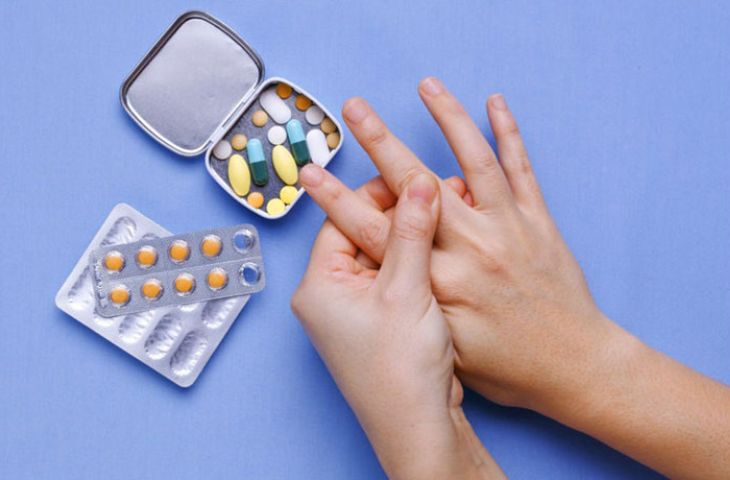
If acute gout symptoms develop suddenly, pharmacological treatment should be initiated as early as possible. According to the Ministry of Health treatment guidelines, the main classes of medications used in the management of acute gout include:
Anti inflammatory management in acute gouty arthritis
- Colchicine: Colchicine is considered a first line therapy for reducing inflammation, pain, and swelling during acute gout flares. Current recommendations advise against high dose regimens. A dose of 1 mg per day, initiated as early as possible, preferably within 12 hours of symptom onset, is commonly prescribed for most patients. It may be used in combination with nonsteroidal anti inflammatory drugs to enhance anti inflammatory efficacy, provided there are no contraindications.
- Nonsteroidal anti inflammatory drugs (NSAIDs):Commonly used agents include indomethacin, naproxen, ibuprofen, ketoprofen, piroxicam, diclofenac, as well as selective COX 2 inhibitors such as meloxicam, celecoxib, and etoricoxib. NSAIDs may be administered as monotherapy or in combination with colchicine. Clinicians should be mindful of potential adverse effects, including gastrointestinal ulceration and renal impairment.
- Systemic corticosteroids: Systemic corticosteroids are indicated in cases where the above therapies are ineffective or contraindicated. Their use should be limited, with short term administration recommended to minimize potential side effects.
Urate lowering therapy following acute gout
After an acute gout attack, certain medications may be prescribed for daily use to reduce serum uric acid levels. These include xanthine oxidase inhibitors such as allopurinol and febuxostat, as well as uricosuric agents like probenecid.
Lifestyle modifications
In patients with acute gout, adopting appropriate lifestyle and dietary modifications can help alleviate symptoms and reduce the risk of recurrent flares, including:
- Limiting the intake of purine rich foods such as red meat, fish, shellfish, and organ meats. Daily meat consumption should not exceed 150 grams and may be substituted with eggs, vegetables, and fruits.
- Avoiding alcohol consumption.
- Ensuring adequate hydration, with a daily fluid intake of approximately 2 to 4 liters, particularly alkaline mineral water. This helps increase urine output over 24 hours and reduces urate crystal precipitation within the urinary tract.
- Achieving weight reduction and maintaining regular physical activity.
- Avoiding potential triggers of acute gout attacks such as stress and physical trauma.
Management of chronic gout
- Treatment principles: Management of chronic gout is based on a combination of pharmacological therapy and dietary modification aimed at reducing serum uric acid levels.
- Allopurinol: Allopurinol is a xanthine oxidase inhibitor that lowers serum uric acid concentrations by reducing uric acid production. It also facilitates the gradual dissolution of monosodium urate crystals within tophi.
- Probenecid: Probenecid lowers serum uric acid levels by enhancing renal excretion of urate. It is generally associated with fewer adverse effects compared to allopurinol; however, its use is not recommended in patients with renal impairment.
- Pegloticase: Pegloticase is indicated in severe cases of gout where conventional therapies fail to adequately reduce serum uric acid levels. It is administered via intravenous infusion, with each session typically lasting approximately two hours, and is suitable for patients without contraindications to infusion therapy.
- Adjunctive therapies: Chondroprotective agents such as glucosamine, diacerein, and hyaluronic acid may be utilized in combination with physical therapy and rehabilitation to support joint function and slow degenerative changes.
- Surgical management:Surgical excision of tophi may be indicated in cases where tophaceous deposits significantly impair joint function or lead to functional disability.
Traditional remedies for alleviating gout symptoms
Symptomatic relief using Artemisia vulgaris (mugwort):
- Ingredients: A handful of fresh mugwort leaves and two tablespoons of honey.
- Preparation and administration: The mugwort leaves should be thoroughly washed and soaked in diluted saline solution for disinfection. They are then crushed to extract the juice, which is subsequently mixed with honey.
The preparation is taken orally twice daily, typically at midday and in the afternoon.
Management of gout symptoms using Perilla frutescens (perilla leaves):
- Ingredients: Fresh perilla leaves, thoroughly washed.
- Preparation and administration: Perilla leaves may be decocted in a manner similar to traditional herbal preparations. The resulting extract should be divided into multiple doses and consumed throughout the day.
Alternatively, fresh perilla leaves can be incorporated directly into daily meals as a dietary adjunct.
Supportive management of gout using Piper lolot (wild betel leaves):
- Ingredients: Five to ten dried Piper lolot leaves.
- Preparation and administration: The dried leaves are decocted with two cups of water until the volume is reduced to approximately one cup. The preparation is then consumed after the evening meal.
For optimal supportive effect, this regimen should be maintained consistently for approximately 10 days.
Use of Piper betle (betel leaves):
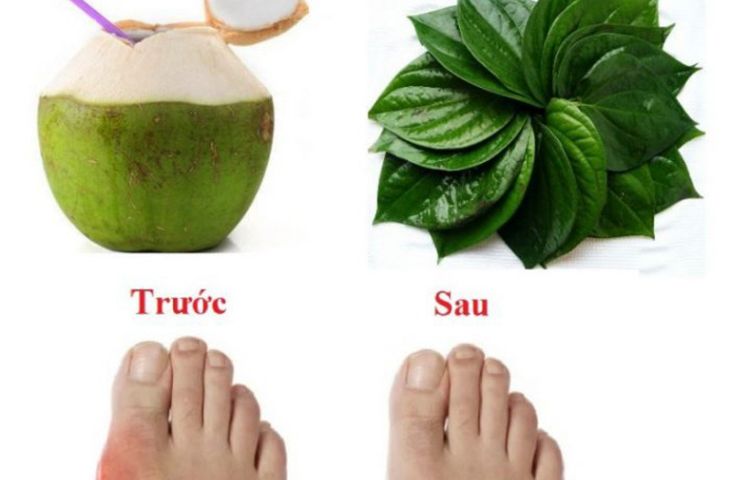
- Ingredients: 100 grams of fresh betel leaves and one young coconut.
- Preparation and administration: The betel leaves are finely chopped and placed inside the coconut, then allowed to infuse for approximately 30 minutes. The liquid extract is subsequently collected and consumed.
Preventive measures for gout
To reduce the risk of developing gout or prevent recurrent flares, the following measures are recommended:
- Adherence to prescribed medications, preferably taken before the first morning urination to optimize pharmacokinetic absorption.
- Limiting the intake of purine rich foods such as seafood, organ meats, and red meat.
- Restricting alcohol consumption and avoiding stimulants.
- Increasing the intake of green vegetables, which may help reduce inflammation and joint swelling.
- Maintaining adequate hydration, particularly with alkaline mineral water.
- Avoiding medications that may elevate serum uric acid levels, including diuretics, low dose aspirin, and prolonged corticosteroid use, unless clinically indicated.
- Effective management of comorbid conditions such as hypertension, dyslipidemia, and diabetes mellitus.
- Consideration of dietary supplements or nutraceuticals that support musculoskeletal health, where appropriate.
The above information provides essential insights into the clinical manifestations and management of both acute and chronic gout. If any of the aforementioned symptoms occur, patients are strongly advised to seek prompt evaluation at reputable healthcare facilities to ensure timely intervention and prevent potentially serious complications.
At Hong Ngoc General Hospital, patients undergoing consultation and treatment for gout are entitled to a wide range of comprehensive and high quality medical services and privileges:
- Management based on the 2022 American College of Rheumatology (ACR) guidelines, integrating a dual approach that combines pharmacological therapy (urate lowering treatment) with physical therapy and rehabilitation. This protocol encompasses two key components: control and prevention of acute gout flares, and reduction of serum uric acid levels. It represents the fundamental principle in gout management, optimizing clinical outcomes such as relief of pain and inflammation, and prevention of complications including nephrolithiasis and joint deformities.
- Individualized treatment regimens tailored to each patient’s clinical condition, with close monitoring throughout the course of therapy.
- A highly experienced team of physicians with professional backgrounds at leading national and international institutions, including Bach Mai Hospital, Viet Duc Hospital, and Royal North Shore Hospital in Australia.
- Continuous updates and application of advanced treatment protocols in accordance with recommendations from major rheumatology associations in Europe, the United States, and Vietnam.
- Structured follow up schedules with proactive appointment reminders for each patient.
- Service availability on weekends, with no additional charges incurred.
- Streamlined insurance procedures with direct billing support, ensuring maximum patient benefits.
Patients may register for consultation and management of gout and other musculoskeletal disorders via the hotline at 0889 621 046 or by completing the registration form for further assistance.
Note: The information provided by Hong Ngoc General Hospital is intended for reference purposes only and does not replace professional medical diagnosis or treatment. Patients are advised not to self medicate. For accurate assessment and appropriate therapeutic recommendations, individuals should seek direct consultation with qualified healthcare professionals at medical facilities.
For more health related information, please follow the official fanpage of Hong Ngoc General Hospital:https://www.facebook.com/BenhvienHongNgoc