


Acute gout, if not promptly and effectively treated, may progress to chronic gout and be associated with multiple serious complications. At Hong Ngoc General Hospital, management of acute gout is conducted in accordance with the American College of Rheumatology (ACR) guidelines, aiming for definitive treatment, minimization of recurrence risk, and prevention of complications such as nephrolithiasis and joint destruction.
Clinical manifestations of acute gout
Gout is a common musculoskeletal disorder, predominantly affecting men, particularly those aged 30 years and older. The condition arises from abnormalities in uric acid metabolism, leading to hyperuricemia.
In Vietnam, gout accounts for approximately one third of musculoskeletal related clinical visits and ranks among the top four most prevalent rheumatologic conditions.
Gout is broadly classified into acute and chronic forms. If acute gout is not detected and managed early, it may progress to chronic gout, which is more challenging to treat and often results in long term disease burden.
Therefore, early recognition of acute gout symptoms is essential for timely intervention, preservation of musculoskeletal health, and prevention of potential complications. The most common clinical manifestations of acute gout include:
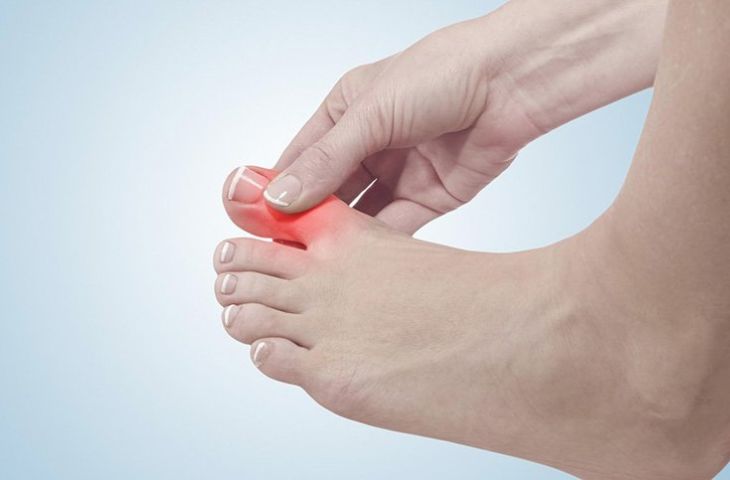
- Signs and symptoms of acute gout affecting the foot
- Patients with gout commonly experience acute pain in the first metatarsophalangeal joint (great toe), often triggered by excessive protein intake, alcohol consumption, psychological stress, or intense physical exertion.
- The pain is typically severe and highly distressing, with exacerbation during nighttime, significantly impairing sleep quality.
- Episodes of pain may persist continuously for several days, usually around one week, before gradually resolving. Following symptom resolution, joint function generally returns to normal.
- Affected joints may present with marked inflammation, including swelling, erythema, and a sensation of heat in the periarticular region. These areas are often highly tender to palpation, with increased pain upon contact.
- Patients may also experience reduced appetite or anorexia.
- Systemic manifestations can occur, including chills and low grade fever in some cases.
Acute gout attacks typically occur suddenly, with abrupt onset, and may recur multiple times over a period of 1 to 3 years. However, in some individuals, only a single acute episode may be observed before the disease transitions into another phase. These presentations are generally considered mild forms of gout and can be effectively treated if managed at an early stage.
If left untreated, the condition may progress, leading to more severe clinical manifestations and potentially serious complications.
Is acute gout a serious condition?
Acute gout does not typically cause continuous pain, which may lead many individuals to underestimate its clinical significance. Some patients may prematurely discontinue treatment once symptoms improve, without adhering to the prescribed therapeutic regimen. However, inadequate or incomplete treatment can result in progression to chronic gout, characterized by recurrent flares over prolonged periods, significantly impacting overall health and daily functioning.
If not promptly and appropriately managed, gout may lead to progressive joint damage, deformities, and impaired mobility. In severe cases, patients may develop functional disability. Furthermore, rupture of tophi can increase the risk of secondary bacterial infection, potentially resulting in septic arthritis and systemic infection.
Gout is also associated with serious systemic complications, including nephrolithiasis, chronic kidney disease, and multi organ involvement. Inappropriate use of medications, particularly unsupervised use of analgesics, may increase the risk of adverse events such as gastrointestinal bleeding, osteoporosis related fractures, diabetes mellitus, myocardial infarction, and sudden death.
Reader may also be interested in:
Given the potential severity of these complications, gout should not be underestimated. Early diagnosis and appropriate treatment are essential to prevent disease progression and optimize long term outcomes.
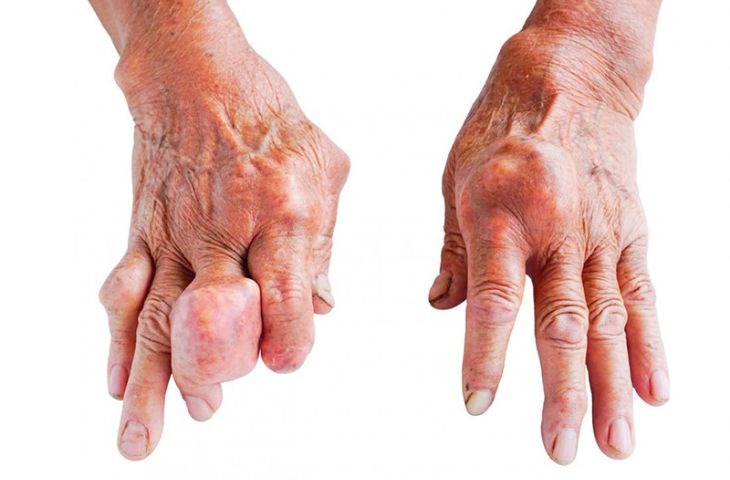
Management of acute gout
Currently, acute gout is primarily managed through two main approaches: pharmacological therapy and lifestyle modification, including appropriate dietary adjustments and healthy daily habits.
Pharmacological management
According to clinical experts, the acute phase of gout requires early and aggressive intervention to prevent disease progression and reduce the risk of subsequent complications. Pharmacological therapy remains the cornerstone of treatment in the majority of acute gout cases.
Depending on the severity of the condition, clinical manifestations, and the patient’s overall health status, physicians will prescribe appropriate medications to achieve optimal therapeutic outcomes. The use of these medications must strictly adhere to the guidance of qualified healthcare professionals to ensure both efficacy and safety.
Lifestyle and dietary modifications
Dietary habits and daily lifestyle play a crucial role in the management of gout. Adopting a healthy lifestyle can significantly enhance treatment outcomes and reduce the risk of recurrent flares. Patients are encouraged to modify unhealthy habits and follow these recommendations:
- Reducing the intake of purine rich and high protein foods, as they contribute to increased serum uric acid levels and may exacerbate gout symptoms. Instead, a diet rich in dietary fiber such as vegetables, fruits, and whole grains is recommended.
- Limiting alcohol consumption and avoiding stimulants.
- Maintaining adequate hydration with a daily fluid intake of approximately 2 to 2.5 liters.
- Engaging in regular physical activity to improve overall fitness, enhance joint function, and reduce the risk of obesity.
- Ensuring sufficient rest and minimizing stress, as psychological stress may precipitate gout flares.
Adherence to the above recommendations, in combination with appropriate pharmacological therapy as prescribed by a physician, can lead to significant and rapid improvement in disease control.

Definitive management of acute gout with minimized recurrence using the ACR guideline based protocol
In addition to pharmacological therapy and lifestyle modification, patients may benefit from treatment based on the American College of Rheumatology (ACR) guidelines. This approach is considered a highly effective and advanced strategy in the management of acute gout, aiming for optimal disease control and long term prevention of recurrence.
The ACR based protocol integrates a dual modality approach, combining urate lowering pharmacotherapy with physical therapy and rehabilitation. It consists of two core components: control and prevention of acute gout flares, and reduction of serum uric acid levels. These principles form the foundation of comprehensive gout management, targeting both symptomatic relief and the underlying pathophysiology, thereby reducing the risk of recurrence.
The ACR based approach offers multiple clinical benefits in the management of acute gout, including:
- Rapid control of acute gout flares, with complete resolution of clinical manifestations, including pain relief, reduction of inflammation, and elimination of erythema.
- Accelerated reduction and clearance of excess serum uric acid levels.
- Individualized treatment protocols tailored to each patient’s clinical profile, ensuring optimal and timely therapeutic outcomes.
- A high safety profile, including suitability for elderly patients and those with comorbidities such as hepatic, renal, or cardiovascular conditions.
- Integration of physical therapy and rehabilitation to restore joint mobility and function in affected upper and lower extremities.
- Prevention of complications, including nephrolithiasis and joint deformities.
Notably, this protocol is implemented through a one to one consultation and treatment model, allowing for close monitoring and timely adjustments based on the patient’s clinical progression to achieve optimal therapeutic outcomes.
To ensure both safety and efficacy, patients are required to undergo several diagnostic evaluations and laboratory investigations prior to initiating this treatment approach, including:
- Assessment of inflammatory markers associated with arthritis.
- Serum uric acid testing.
- Liver function tests.
- Renal function tests.
- Musculoskeletal ultrasound of affected joints.
- Radiographic imaging (X ray) of symptomatic joints.
- Abdominal ultrasound to evaluate for nephrolithiasis.
11 reasons to choose ACR guideline based acute gout management at Hong Ngoc General Hospital
The American College of Rheumatology (ACR) guideline based protocol offers an effective and safe approach to the management of acute gout. However, to fully optimize its clinical benefits, patients require treatment under the guidance of highly qualified physicians and skilled technicians, supported by advanced medical technology.
Hong Ngoc General Hospital is a trusted and reputable healthcare provider for acute gout management following ACR guidelines. The hospital is highly regarded by patients for both its clinical expertise and high quality medical services.
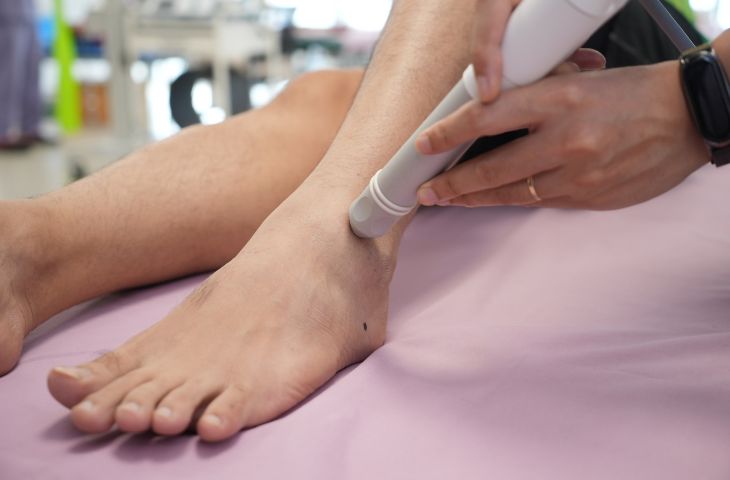
Top 10 reasons to choose gout management at Hong Ngoc General Hospital
- A highly experienced team of physicians with extensive expertise in managing complex and chronic gout cases, trained and having worked at leading national and international institutions such as Bach Mai Hospital, Viet Duc Hospital, and Royal North Shore Hospital (Australia).
- Continuous updates and implementation of advanced treatment protocols in accordance with leading rheumatology associations in Europe, the United States, and Vietnam.
- State of the art medical equipment and technology imported from Germany, including microwave therapy systems, hydrotherapy units, and deep oscillation devices.
- Structured follow up schedules with proactive appointment management tailored to each patient.
- Comprehensive pharmacological options, carefully selected to minimize impact on comorbid conditions such as hepatic, renal, and cardiovascular diseases.
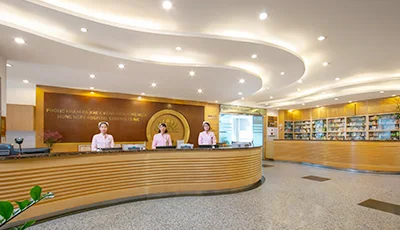
- A clean, well ventilated, and comfortable hospital environment designed to enhance patient experience.
- Modern healthcare facilities with multiple amenities, including complimentary WiFi, café, and dining services.
- Dedicated and professional front desk and nursing staff, providing attentive and patient centered care.
- Service availability on weekends, without additional charges.
- Streamlined insurance and direct billing procedures, ensuring maximum coverage and convenience for patients.
Choosing definitive gout management with the ACR guideline based protocol at Hong Ngoc General Hospital ensures a high level of patient satisfaction in both clinical outcomes and service quality. For consultation and support, please contact the hotline at 0889 621 046 or complete the registration form.
Note: The information provided by Hong Ngoc General Hospital is for reference purposes only and does not replace professional medical diagnosis or treatment. Patients are advised not to self medicate. For accurate diagnosis and appropriate treatment planning, individuals should seek direct consultation with qualified healthcare professionals at medical facilities.
For more health related information, please follow the official fanpage of Hong Ngoc General Hospital:https://www.facebook.com/BenhvienHongNgoc