




The number of people diagnosed with gout has been steadily increasing in recent years. But do you truly understand what gout is, as well as its symptoms and treatment options?
Gaining a clear understanding of the disease at an early stage can help facilitate effective prevention and enable timely treatment, thereby reducing the risk of complications.
What is Gout?
Gout (also known as gouty arthritis) is a common form of inflammatory arthritis. Patients typically experience sudden and intense attacks of joint pain, most frequently affecting the big toe, fingers, or knees. These painful episodes are often accompanied by redness, swelling, and inflammation of the affected joint, and in severe cases the pain may be so intense that walking becomes difficult or impossible.
Arthritis is a highly prevalent condition, with approximately 35% of the population affected. On average, 2-5 out of every 100 adults may develop some form of arthritis. The condition occurs when one or more joints become irritated and inflamed. Gout is classified as a crystal-induced arthritis, characterized by recurrent episodes of acute inflammatory arthritis caused by the deposition of urate crystals in the joints.
In modern times, the outdated perception that gout is a “disease of the wealthy” or that it only affects men has largely been dispelled. In reality, the prevalence of gout among women is increasing, particularly in postmenopausal women. Furthermore, improvements in living standards, greater food availability, and unhealthy dietary habits have contributed to the rising incidence of gout and its occurrence at increasingly younger ages.
Individuals at higher risk of Gout
The prevalence of gout is estimated at approximately 1 in 200 adults. The condition can affect individuals of all ages and both sexes. However, it occurs more frequently in men aged 30-50 years and in women after menopause. Gout is rare in young adults and children.
Several risk factors may increase the likelihood of developing gout, including:
Risk factors for Gout
Several factors may increase the risk of developing gout, including:
- A diet high in protein and seafood, particularly foods rich in purines
- Age and sex: the condition is more common in men and older adults
- Long-term excessive alcohol consumption, especially beer
- Obesity
- Family history of gout
- Recent trauma or surgery
- Excessive weight gain
- Hypertension (high blood pressure)
- Abnormal kidney function, which can impair uric acid excretion
- Use of certain medications that may increase uric acid accumulation in the body, such as:
- Aspirin
- Diuretics
- Chemotherapy drugs
- Immunosuppressive medications, such as cyclosporine
- History of underlying medical conditions, including diabetes mellitus, chronic kidney disease, cardiovascular disease, atherosclerosis, vascular obstruction, infectious diseases, and hypertension
- Dehydration
Classification of Gout
Gout is classified according to the stage of disease progression. Specifically, it includes the following stages:
Asymptomatic
Hyperuricemia: An individual may have elevated serum uric acid levels without any overt clinical symptoms. At this stage, treatment is generally not required, although urate crystals may deposit in tissues and cause subclinical damage. If laboratory tests reveal hyperuricemia in the absence of clinical manifestations, patients are advised to consult a rheumatology specialist for appropriate evaluation and guidance.
Acute
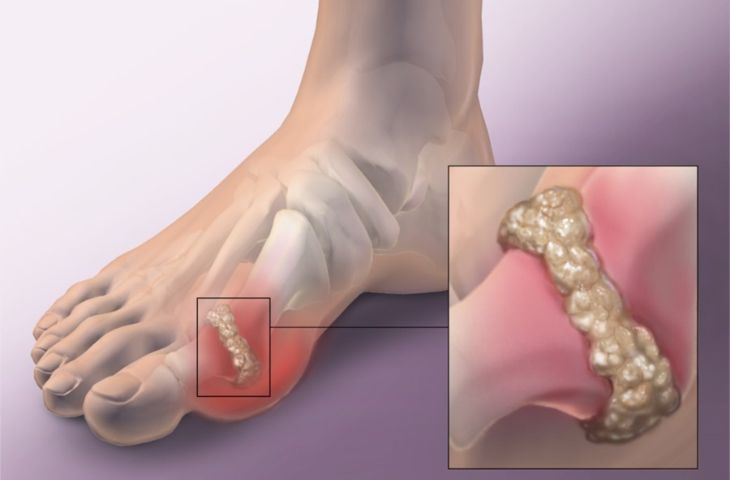
Gout: In this stage, urate crystals small, hard, and needle-shaped accumulate within the joints. When these crystals irritate the synovial membrane, they trigger intense inflammation, resulting in severe pain, swelling, and erythema, characteristic of an acute gout flare.
These acute attacks may be precipitated by factors such as emotional stress, excessive alcohol intake, heavy meals, substance use, or exposure to cold, all of which can provoke sudden disease exacerbations.
Chronic gout during intercritical periods
This stage refers to the interval between acute gout flares. The recurrence of attacks is unpredictable, ranging from several months to several years, depending on treatment adherence and lifestyle management.
Epidemiological data indicate that approximately 62% of patients experience recurrence within the first year, 16% within 1–2 years, 11% within 2–5 years, and about 7% remain recurrence-free for 10 years or longer.
During this phase, monosodium urate crystals continue to deposit and accumulate in body tissues despite the absence of acute symptoms.
Complicated chronic gout
This represents the most debilitating stage of the disease. Patients may develop large tophi around joints, as well as deposits within soft tissues and renal structures, leading to significant joint destruction and kidney damage.
Without appropriate long-term management, the disease may progress to advanced chronic gout with severe complications.
Pseudogout (Calcium Pyrophosphate Deposition Disease – CPPD)
Pseudogout, also known as calcium pyrophosphate dihydrate (CPPD) deposition disease, is a condition that can be easily mistaken for gout.
Its clinical manifestations closely resemble those of gout, although acute episodes are typically less severe. The key distinction lies in the type of crystal deposition: pseudogout is caused by calcium pyrophosphate crystals, whereas gout results from monosodium urate crystals.
Management strategies for pseudogout differ from those used in gout and require specific diagnostic and therapeutic approaches.
Clinical manifestations of gout
In the early stage, some individuals may present with elevated serum uric acid levels without clinical symptoms, a condition known as asymptomatic hyperuricemia.
Over time, persistently elevated uric acid levels lead to the deposition of monosodium urate crystals in joints, triggering inflammatory responses and resulting in gout attacks.
These episodes often occur suddenly, with pain ranging from severe to persistent, and are commonly reported at night.
Gout can be recognized through the following clinical signs and symptoms:
Clinical manifestations
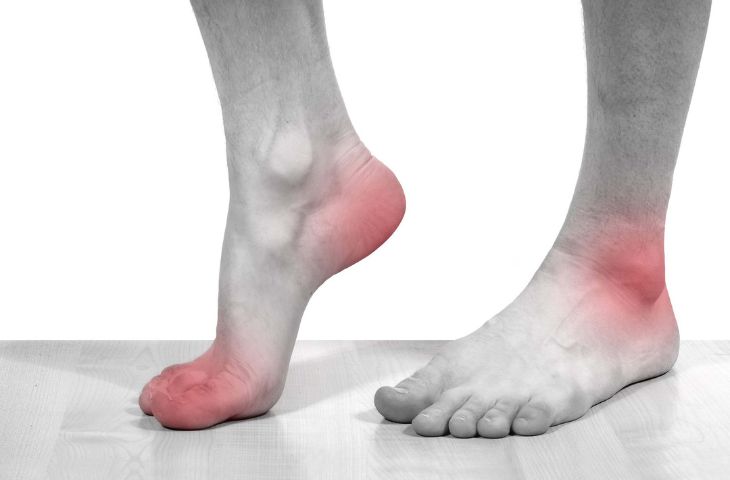
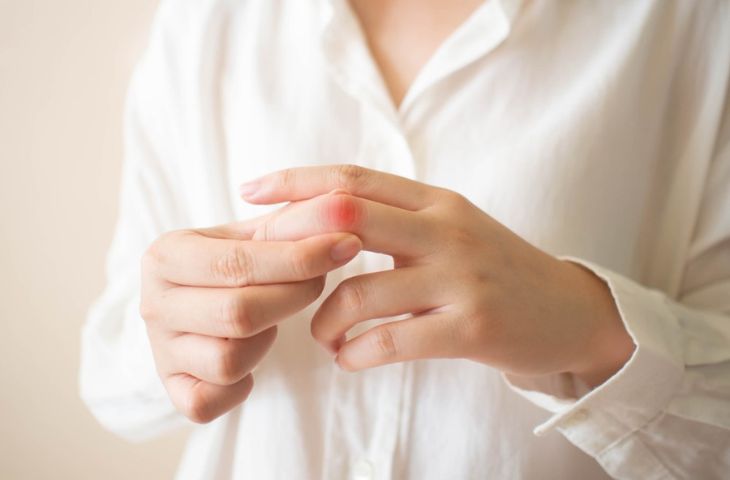
- Severe joint pain: Pain most commonly affects the first metatarsophalangeal joint (big toe), as well as the ankles, knees, wrists, and elbows. Involvement of the hips, shoulders, and pelvic joints is less frequent. The pain typically reaches peak intensity within the first 4 to 12 hours of onset.
- Persistent, low-grade pain: Following an acute attack, patients may experience lingering discomfort that can last for several days or weeks. Subsequent episodes often become more prolonged and severe.
- Inflammation and erythema: Affected joints become swollen, tender, warm, and erythematous.
- Limited range of motion: As gout progresses, joint mobility may become increasingly restricted, impairing normal movement.
Chronic gout
In the absence of appropriate treatment, persistently elevated serum uric acid levels lead to the deposition of monosodium urate crystals in various tissues and organs, resulting in the formation of tophi.
Chronic gout is associated with progressive joint damage and deformity due to chronic inflammatory arthritis. Systemic complications may include urolithiasis (urinary stones), interstitial nephritis, chronic kidney disease, and hypertension. Extra-articular manifestations such as tendinitis and bursitis may also occur.
Serum uric acid levels are consistently elevated, and radiographic imaging typically reveals characteristic joint and bone changes.
Etiology of gout
Under normal physiological conditions, serum uric acid levels are maintained within a stable range, approximately 210–420 µmol/L in men and 150–350 µmol/L in women.
Gout develops when there is an imbalance between uric acid production and excretion. This may result from reduced renal clearance of uric acid, excessive production, or abnormalities in purine metabolism, leading to hyperuricemia and an increased risk of gout.
Excess monosodium urate crystals can accumulate in joints over many years without causing symptoms. These crystals are small, hard, and needle-shaped, and can irritate the synovial membrane, triggering inflammation, pain, and swelling. When this occurs, it leads to acute gout flares.
Purines are naturally occurring substances found in various foods, with particularly high concentrations in certain types of meat, fish, and seafood. During metabolism, purines are broken down into uric acid. Excessive consumption of purine-rich foods can therefore lead to increased uric acid production and contribute to the development of gout.
Primary (idiopathic) gout
Primary gout accounts for the majority of cases and is often associated with genetic predisposition and individual metabolic factors.
In idiopathic gout, increased endogenous purine synthesis leads to excessive production of uric acid. The condition predominantly affects men over the age of 40, particularly those with unhealthy dietary habits and lifestyle factors.
Secondary gout
Secondary gout refers to hyperuricemia resulting from underlying medical conditions or external factors.
It may be associated with hematological disorders such as polycythemia vera, chronic myelogenous leukemia, Hodgkin lymphoma, and other malignancies, as well as increased cellular turnover. Additionally, it can occur as a consequence of medications used in the treatment of malignancies.
Complications of gout
The frequency of gout flares varies depending on disease severity. Some individuals may experience attacks only once every few years, while others may have recurrent episodes every few months.
Without timely and appropriate treatment, gout attacks may become more frequent, and a greater number of joints may be affected. Persistently elevated serum uric acid levels, if left untreated, can lead to serious health complications, including:
- Nephrolithiasis (kidney stones): Approximately 20% of patients with gout develop kidney stones, primarily due to the accumulation of urate and calcium crystals. This may impair renal function and lead to urinary tract obstruction and infections.
- Reduced glomerular filtration rate (GFR): Chronic hyperuricemia may contribute to a decline in renal filtration capacity.
- Increased risk of ischemic heart disease: Disease severity has been associated with a higher prevalence of cardiovascular conditions, including ischemic heart disease.
- Joint destruction and disability: Rupture of tophi may result in ulceration, creating an entry point for bacterial infection and leading to septic arthritis. Prolonged damage can result in irreversible joint destruction and disability.
- Arterial stenosis and cardiovascular complications: Vascular narrowing may increase the risk of stroke, myocardial infarction, and other cardiovascular disorders.
- Osteoarthritis: Chronic deposition of urate crystals and hardened tophi may lead to progressive joint degeneration.
- Increased risk of certain malignancies: Gout has been associated with a higher risk of some cancers, particularly prostate cancer.
- Mental health disorders: Patients may experience psychological complications, including depression.
- Erectile dysfunction: Male patients may present with erectile dysfunction as a comorbidity.
Early diagnosis and appropriate treatment, combined with a healthy diet and lifestyle, can prevent most complications and disease-related damage.
Diagnosis of gout
The diagnosis of gout is often straightforward, particularly in patients presenting with characteristic clinical features such as acute inflammation, redness, and swelling of the first metatarsophalangeal joint (big toe).
In addition, physicians may base the diagnosis on a comprehensive evaluation, including medical history, physical examination, and clinical presentation.
Patients may be asked to provide detailed information regarding:
- The characteristics of joint pain
- The frequency and severity of acute attacks
- The specific joints affected and the presence of redness, swelling, or inflammation
Although gout presents with characteristic clinical features, the diagnosis may sometimes be challenging. To confirm the condition, physicians may recommend specific diagnostic tests.
Blood tests
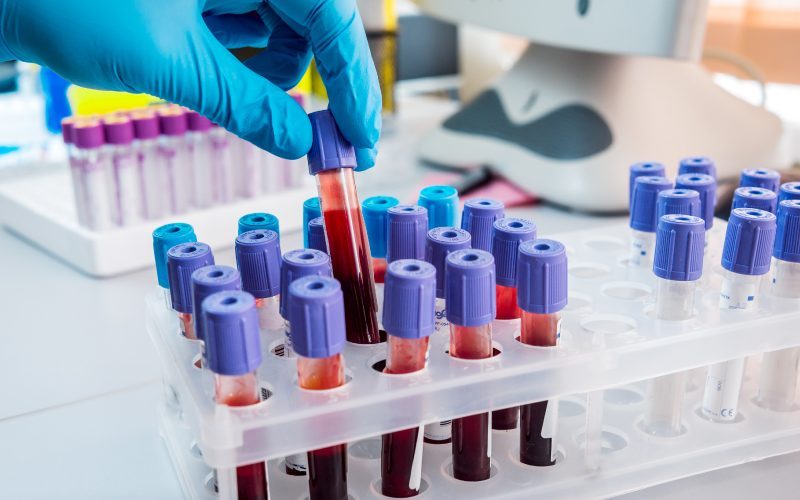
Blood tests, particularly the measurement of serum uric acid levels, are useful in supporting the diagnosis of gout. Elevated uric acid levels may suggest gout; however, results should always be interpreted in conjunction with clinical symptoms. Notably, some individuals may have hyperuricemia without exhibiting any clinical manifestations.
Imaging studies
Ultrasound and computed tomography (CT) are effective in detecting joint damage, crystal deposition, and early signs of the disease. Conventional radiography (X-ray) is commonly used to identify bone and joint damage associated with long-standing gout.
Synovial fluid analysis
Synovial fluid analysis is a definitive diagnostic method used to confirm gout and exclude other crystal-induced arthropathies. The procedure involves aspirating synovial fluid from an affected joint using a needle. The sample is then examined under a microscope to identify monosodium urate crystals.
In cases where tophi are present, a sample may also be obtained from a tophus for microscopic evaluation.
Management of gout
Principles of treatment
- Management of acute gouty arthritis: Treatment aims to control inflammation and relieve pain during acute gout flares.
- Prevention of recurrent attacks and complications: Long-term management focuses on preventing recurrent gout attacks, reducing urate crystal deposition in tissues, and minimizing complications. This is achieved through the management of hyperuricemia, with target serum uric acid levels of:
- < 360 µmol/L (6.0 mg/dL) in patients without tophi
- < 300 µmol/L (5.0 mg/dL) in patients with tophaceous gout
Specific management
Dietary and lifestyle modifications
- Avoid foods high in purines, such as organ meats, red meat, seafood (including shrimp and crab). Eggs, fruits, and vegetables are recommended. Meat intake should not exceed 150 g per day.
- Avoid alcohol consumption. Maintain a healthy weight and engage in regular physical activity.
- Ensure adequate hydration, with a daily fluid intake of approximately 2–4 liters.
- Avoid medications that increase serum uric acid levels and minimize triggers of acute gout attacks, such as stress and physical trauma.
Pharmacological treatment
- Anti-inflammatory agents: Used during acute gout flares to reduce inflammation and relieve pain (e.g., NSAIDs, colchicine, corticosteroids).
- Urate-lowering therapy (ULT): Indicated for long-term management to reduce serum uric acid levels and prevent recurrent gout attacks.
Treatment according to ACR guidelines
Management based on ACR guidelines
In addition to pharmacological treatment and lifestyle modification, patients with gout may be managed according to the recommendations of the American College of Rheumatology (ACR).
The ACR guidelines are widely recognized as an evidence-based and effective approach for managing both acute gout flares and long-term disease control. This strategy integrates pharmacological treatment aimed at reducing serum uric acid levels with supportive measures, including lifestyle modification and, in some cases, physical therapy to improve joint function.
The ACR-based approach focuses on two main components:
- Control and prevention of acute gout flares
- Reduction and maintenance of serum uric acid levels
These principles are essential for achieving optimal disease control, addressing the underlying cause of gout, and reducing the risk of recurrence.
- Rapid control of acute gout flares Effective relief of pain, inflammation, and erythema during acute episodes.
- Reduction of excess serum uric acid Supports the lowering of uric acid levels to prevent crystal deposition.
- Individualized treatment approach Personalized management plans tailored to each patient’s clinical condition for optimal outcomes.
- Favorable safety profile Suitable for elderly patients and those with comorbidities, including hepatic, renal, and cardiovascular conditions.
- Adjunctive physical therapy Supports the restoration of joint function and mobility affected by gout.
- Prevention of complications Helps reduce the risk of complications such as nephrolithiasis and joint deformities.
Surgical management
Surgical removal of tophi may be indicated in the following cases:
- Gout complicated by ulceration
- Secondary infection of tophi
- Large tophi causing functional impairment or cosmetic concerns
During the perioperative period, colchicine may be administered to prevent acute gout flares, in combination with urate-lowering therapy to control serum uric acid levels.
Prevention of gout
Lifestyle measures to reduce disease progression
- Adhere to medical advice; avoid self-medication or discontinuation of prescribed therapy without medical supervision.
- Attend regular follow-up appointments to monitor disease progression and overall health status.
- Effectively manage underlying conditions associated with secondary gout, such as chronic kidney disease and metabolic disorders.
- Engage in regular physical activity.
- Maintain a healthy body weight.
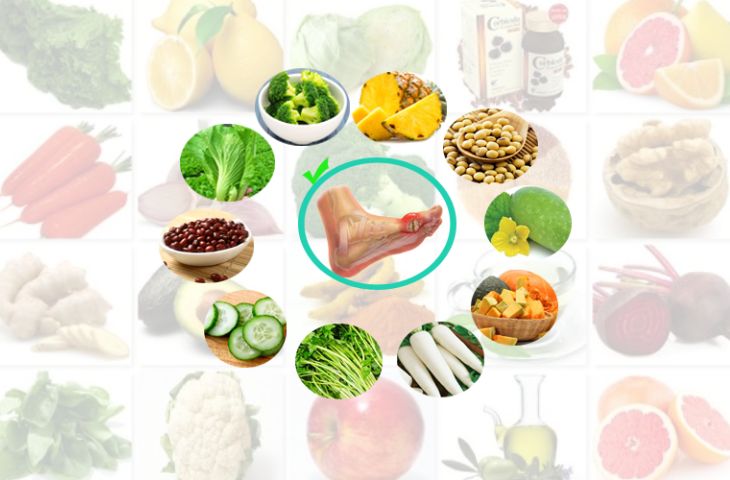
Dietary recommendations for gout prevention
- Avoid organ meats, particularly liver, and certain fish such as sardines.
- Limit intake of seafood and red meat.
- Reduce consumption of saturated fats; prefer low-fat products.
- Increase intake of fiber-rich foods such as cucumbers, jicama, and tomatoes.
- Replace refined sugars with natural sources from fruits, vegetables, and whole grains.
- Maintain adequate hydration, with a daily fluid intake of approximately 2.5–3 liters.
- Reduce alcohol consumption, especially beer.
- Limit intake of caffeinated beverages and carbonated drinks.
In addition, when symptoms of gout appear, patients should seek prompt medical attention at specialized rheumatology facilities for accurate diagnosis and timely management, in order to prevent serious complications.
Beyond the aforementioned approaches, patients with acute gout at Hong Ngoc General Hospital are evaluated and managed in accordance with the American College of Rheumatology (ACR) guidelines, ensuring a safe and effective treatment strategy.
In addition, patients benefit from a range of comprehensive care services available at the hospital.
- Experienced medical team with strong clinical expertise The hospital’s physicians have extensive experience and have trained or worked at leading institutions in Vietnam and internationally, including Bach Mai Hospital, Viet Duc Hospital, and Royal North Shore Hospital (Australia).
- Advanced medical equipment and technology A comprehensive system of modern medical equipment is imported from leading countries such as the United States, the United Kingdom, and Finland, supporting accurate diagnosis and effective treatment.
- Comprehensive pharmacological management A wide range of medications is available, selected to ensure safety and minimize potential adverse effects on liver and renal function.
- Integrated physical therapy approaches Rehabilitation programs incorporate advanced technologies and specialized manual therapy techniques to support pain relief and improve joint mobility.
- Patient-centered services and facilities Patients benefit from a clean and comfortable hospital environment, structured follow-up schedules, efficient insurance support, and flexible service availability, including weekends.
Note:
The information provided in this article by Hong Ngoc General Hospital is for reference purposes only and does not replace professional medical diagnosis or treatment. Patients are advised not to self-medicate. For an accurate assessment of their condition, individuals should consult qualified healthcare professionals for proper examination, diagnosis, and treatment recommendations.
For more information, please visit:https://www.facebook.com/BenhvienHongNgoc