



Cervical spondylosis is a chronic condition that progresses gradually over time. If not diagnosed and treated early, it may lead to serious complications and significantly impact the patient’s quality of life.
What are the symptoms of cervical spondylosis? Let us explore Hong Ngoc General Hospital in the article below.
Recognizing the symptoms of cervical spondylosis
In the early stages, the signs and symptoms of cervical spondylosis are often subtle and nonspecific, making them difficult to detect. As a result, patients may overlook early evaluation.
As the condition progresses, symptoms become more pronounced, leading to significant impairment in daily activities and work performance.
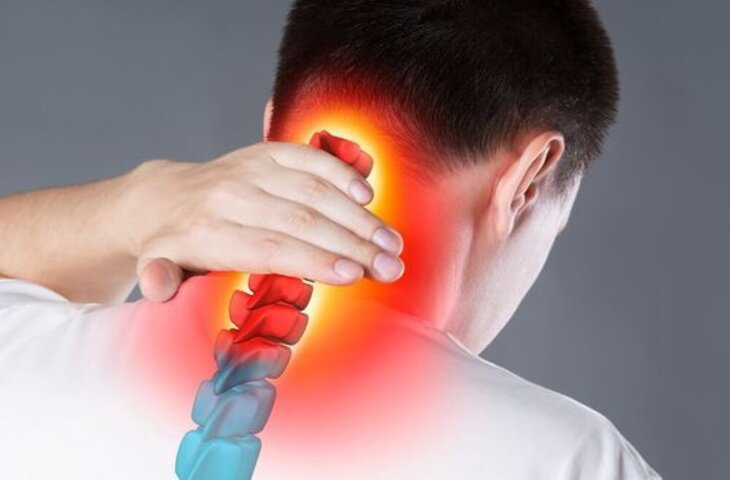
Neck and shoulder pain is the most typical symptom of cervical spondylosis.
- Neck and shoulder pain: A hallmark sympt om of cervical spondylosis. Pain typically begins in the neck and may radiate to the shoulder blades. Patients may experience sudden neck stiffness or torticollis. As the condition progresses, pain becomes more severe due to nerve compression.
- Headache and dizziness: Patients may develop headaches in the occipital, frontal, or temporal regions, often accompanied by dizziness. These symptoms result from nerve or vascular compression affecting cerebral blood flow and may be mistaken for stress related headaches. Some cases may also present with retro orbital discomfort, tinnitus, or blurred vision.
- Neck stiffness and restricted mobility: Commonly characterized by difficulty moving the neck, stiffness, and discomfort even at rest. Patients may notice limited range of motion, a cracking sensation during movement, or delayed ability to change neck position. Symptoms often worsen in the morning, with weather changes, or after sudden movements.
- Lhermitte’s sign: A neurological sign associated with cervical spinal cord involvement, presenting as an electric shock like sensation radiating from the neck down the spine and into the limbs, especially when the neck is flexed forward.
Warning signs of serious complications of cervical spondylosis
If not diagnosed and treated early, cervical spondylosis can lead to serious complications due to compression of nerve roots and the spinal cord.
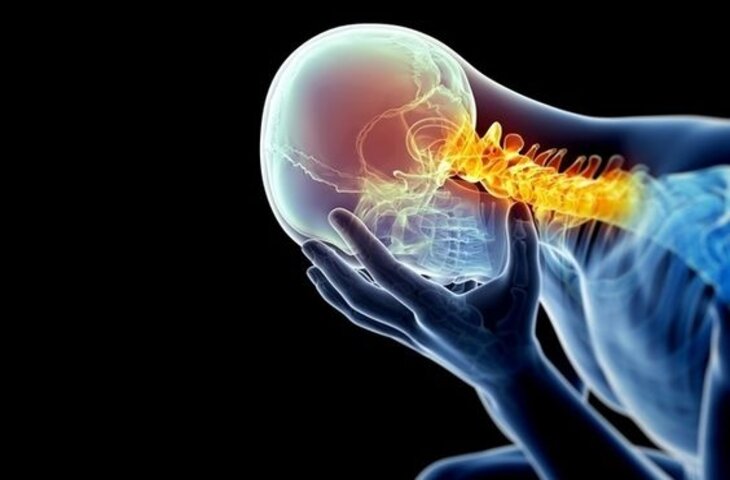
- Nerve compression: One of the earliest complications, presenting with neck pain, stiffness, and limited rotation. Pain may radiate from the occipital or frontal region to one or both arms due to nerve root compression. Over time, patients may develop numbness or even loss of sensation in the arms, hands, and fingers.
- Vestibular dysfunction: In advanced stages, cervical spondylosis may lead to vestibular disturbances, including headache, dizziness, imbalance, nausea, vomiting, poor sleep, anxiety, and depression. These symptoms are associated with impaired cerebral blood flow due to vascular and nerve compression.
- Cervical disc herniation: A serious complication in which compression of nerve roots and the spinal cord may result in limb weakness or paralysis, sensory disturbances, and autonomic dysfunction, including loss of bowel and bladder control.
Prevention of cervical spondylosis
Cervical spondylosis is common in older adults; however, it is increasingly affecting younger individuals aged 25 to 30. Therefore, prevention remains the most effective strategy to avoid long term complications and persistent pain.
Reader may also be interested in:
- Is cervical spondylosis dangerous? What are the most effective treatment options?
- Spinal tuberculosis: etiology, clinical manifestations, diagnosis, and management
Seek medical evaluation when symptoms occur: Individuals experiencing recurrent neck and shoulder pain should consult a specialist promptly for early diagnosis and appropriate management. Self medication without medical guidance should be strictly avoided.

With extensive experience in managing musculoskeletal disorders, the Department of Rheumatology and Orthopedics at Hong Ngoc General Hospital is recognized as a trusted destination for safe and effective treatment of cervical spondylosis in Hanoi.
Highly qualified medical team: Dr. Pham Van Cuong, PhD, with over 35 years of experience, has successfully performed numerous complex hip and knee replacement surgeries and orthopedic procedures. Dr. Nguyen Thi Ngoc, PhD, with more than 30 years of experience, specializes in conservative management of musculoskeletal conditions while minimizing the impact on patients’ comorbidities. Supported by a team of skilled physicians, including MSc. Dr. Ngo Thi Trang, MSc. Dr. Hoang Thi Phuong Thao, and MSc. Dr. Phan Thi Sinh.
Advanced medical equipment imported from the United States: The SIGNA Prime MRI system with AIR reconstruction technology enables early detection of tumors and musculoskeletal lesions. A 128 slice CT scanner reduces radiation exposure by up to 82% while providing high resolution imaging of the cervical and thoracic spine. Additional advanced systems include digital X ray, Hologic bone densitometry (WHO standard), and Logiq P7 musculoskeletal ultrasound, ensuring optimal diagnostic and treatment outcomes.
In addition, the department integrates physical therapy and rehabilitation into treatment, utilizing advanced German technologies such as shockwave therapy, radiofrequency therapy, and magnetic field therapy, combined with specialized Austrian manual techniques to help patients restore mobility more rapidly.
Patients receiving care at Hong Ngoc General Hospital also benefit from a range of patient centered amenities:
- Clean, modern hospital environment with facilities such as free WiFi, cafés, and restaurants
- Structured follow up schedules with proactive appointment reminders
- Fast and efficient insurance processing, ensuring optimal patient benefits
- Weekend services available without additional charges
For further consultation on cervical spondylosis at Hong Ngoc General Hospital, please contact the hotline: 0243 927 5568 (extensions 2225, 2265) or register via the form below:
Avoid prolonged sitting in one position: Cervical spondylosis is common among individuals who remain sedentary for extended periods, such as office workers and drivers. Regular breaks are recommended (e.g., 10–15 minutes after every 2 hours of work) to change posture and perform light stretching. Workstations should be ergonomically adjusted to maintain proper posture, with the back kept straight.
Limit excessive strain on the cervical spine: Individuals engaged in heavy lifting or physically demanding work involving the neck should ensure adequate rest and consider gentle neck massage to relieve muscle tension. However, if symptoms of cervical spondylosis are present, forceful neck movements such as twisting or sudden rotation should be avoided. Medical evaluation and treatment under specialist guidance are strongly recommended, particularly in cases complicated by disc herniation.

Maintain a nutrient rich diet: A calcium rich diet including foods such as shrimp, crab, shellfish, and dairy products is essential to support bone health and prevent osteoporosis. Daily intake of fruits and vegetables is recommended to provide essential micronutrients, particularly B vitamins, which contribute to musculoskeletal health.
Adopt a healthy lifestyle: Unhealthy daily habits can increase the risk of cervical spondylosis. When reading or using mobile devices, prolonged neck flexion should be avoided. During sleep, pillows should be of appropriate height and softness to maintain proper cervical alignment. Regular changes in posture are important to prevent muscle imbalance and promote adequate blood circulation.
To prevent serious complications, individuals experiencing symptoms of cervical spondylosis should seek early evaluation at specialized healthcare facilities, particularly those with musculoskeletal expertise, for appropriate and effective management.
Note: The information provided in this article by Hong Ngoc General Hospital is for reference purposes only and does not replace professional medical diagnosis or treatment. Patients should not self medicate. For accurate diagnosis and appropriate management, individuals are advised to visit a healthcare facility for direct examination, diagnosis, and consultation with qualified physicians.
Follow the official fanpage of Hong Ngoc General Hospital for more health updates and useful information:https://www.facebook.com/BenhvienHongNgoc