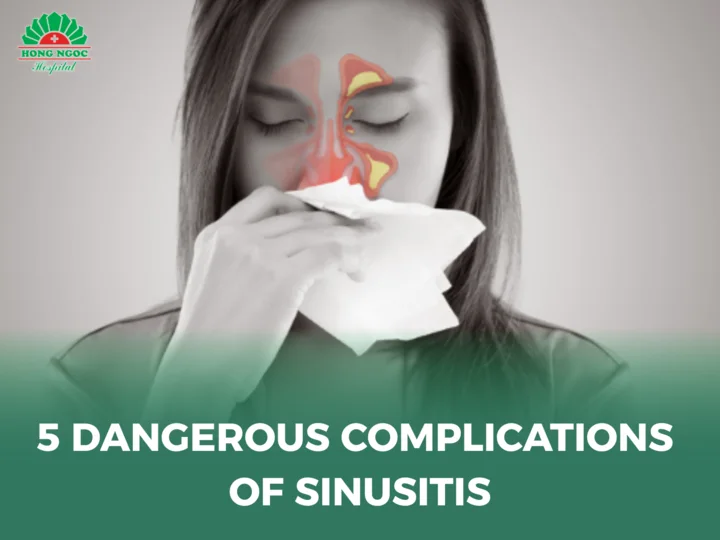




Many people assume that allergic rhinitis occurs only during cold weather, seasonal transitions or humid conditions. However, summer can also trigger significant symptom flare-ups due to a combination of pollen, fine dust, mold, house dust mites, pet dander, dry cold air from air conditioning and sudden temperature changes between the outdoor heat and chilled indoor environments.
Quick answer: Summer can still trigger allergic rhinitis flare-ups because patients are exposed to pollen, fine dust, mold, house dust mites, pet dander, and dry cold air from air conditioning. Common symptoms include bouts of sneezing, nasal itching, clear runny nose, nasal congestion, and itchy eyes. Patients should seek medical evaluation if nasal congestion persists, sense of smell decreases, facial pain develops, or breathing difficulty or wheezing occurs.

Professional medical consultation: ENT and Pulmonology specialists - Hong Ngoc General Hospital.
Quick article summary
- Summer allergic rhinitis is not uncommon. Hot weather, air conditioning, fine particulate matter, pollen, mold and temperature changes can trigger symptoms in people with an allergic predisposition.
- Typical symptoms include bouts of sneezing, clear runny nose, nasal congestion, nasal itching and itchy eyes. Some people may also experience a dry cough, frequent throat clearing or morning sore throat due to postnasal drip or mouth breathing.
- Allergic rhinitis differs from the common cold in that it usually does not cause fever or obvious body aches, is not contagious and is linked to allergen exposure. Nasal itching and itchy eyes are signs that more strongly suggest allergy rather than a viral infection.
- Air conditioning can worsen symptoms if the temperature is set too low, the air is too dry, cold air blows directly onto the body or the air conditioner is not cleaned regularly.
- People with bronchial asthma, atopic dermatitis, a family history of allergies, exposure to dusty or moldy environments, or those who work in enclosed air-conditioned rooms are at higher risk.
- Medical evaluation is recommended if nasal congestion persists, sense of smell decreases, facial pain or pressure occurs, nighttime cough, wheezing or shortness of breath develops, or symptoms affect sleep, study or work.
What is allergic rhinitis?
Allergic rhinitis is a condition in which the nasal mucosa overreacts when exposed to environmental allergens. Allergens are substances that are harmless to most people but can trigger an immune response in individuals with an allergic predisposition.
Common allergens include:
- pollen;
- house dust;
- house dust mites;
- pet dander;
- mold;
- cockroaches or insects;
- fine particulate matter, cigarette smoke and air pollution.
When people with an allergic predisposition inhale these triggers, their immune system may overreact, causing sneezing, nasal itching, runny nose, nasal congestion and itchy eyes.

How does an allergic reaction occur?
When allergens come into contact with the nasal mucosa, the body may mistakenly recognize them as “harmful agents.” This can trigger an allergic response.
- The immune system produces IgE antibodies: IgE is a type of antibody involved in allergic reactions. People with an allergic predisposition are often more sensitive to allergens such as pollen, house dust or mold.
- Histamine and other mediators are released: Histamine causes blood vessels to dilate, increases mucus secretion and stimulates sensory nerves in the nasal mucosa. This is why patients experience sneezing, nasal itching and clear runny nose.
- The nasal mucosa becomes swollen: When the mucosa becomes edematous, the nasal airway narrows, causing nasal congestion, difficulty breathing through the nose or mouth breathing during sleep.
- The reaction may recur repeatedly: If allergens remain present in the living or working environment, symptoms may persist or recur in episodes.
Why can allergic rhinitis still flare up in summer?
Several factors in summer can trigger allergic rhinitis flare-ups. In addition to outdoor pollen, indoor factors such as air conditioning, mold, dust mites and pet dander can also worsen symptoms.
Air conditioning can make the nasal mucosa more easily irritated
Air conditioning does not directly cause allergic rhinitis, but it can worsen symptoms in people with an allergic predisposition.
- Cold, dry air reduces moisture in the nasal mucosa: When the nasal mucosa becomes dry, its natural protective barrier is weakened, making the nose more sensitive to dust, mold and allergens.
- Temperature differences can trigger nasal reactions: Moving repeatedly between outdoor heat above 35°C and an air-conditioned room at 25–27°C can cause sudden changes in the nasal mucosa, leading to sneezing, nasal congestion or runny nose.
- Direct cold airflow irritates the airways: Cold air blowing directly toward the face, nose or neck can cause more frequent sneezing, nasal dryness, dry throat or morning sore throat.
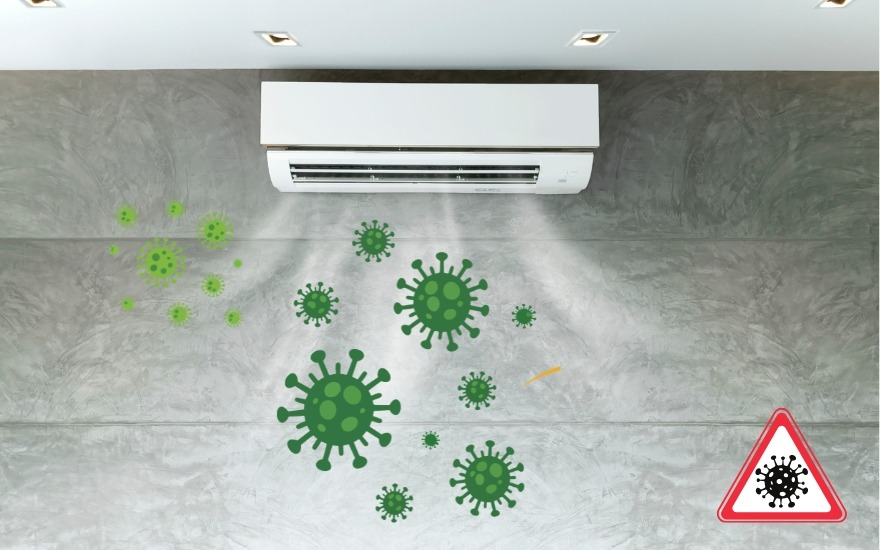
- Unclean air conditioners can disperse allergens: Without regular cleaning, filters and cooling coils can accumulate dust, mold, pet dander, pollen and bacteria, causing allergy symptoms to recur.
See also: what temperature to set your air conditioner to andcommon mistakes when using air conditioning in summer if you often experience sneezing, nasal congestion or a dry throat while sleeping in an air-conditioned room.
Mold grows rapidly in hot and humid weather
Summer in Vietnam is often hot and humid, especially after periods of rain. These conditions are favorable for mold growth in homes, bathrooms, wall corners, carpets, curtains, air conditioners and poorly ventilated areas.
- Mold spores are very small and easily become airborne: When inhaled, they can cause sneezing, nasal itching, runny nose or persistent nasal congestion in people with an allergic predisposition.
- Mold can easily hide in air conditioners and enclosed rooms: Even when a home appears clean, mold may still be present in cooling coils, carpets, damp walls or bedding that has not been cleaned for a long time.
- Prolonged exposure can make symptoms persistent: If medications are used without addressing damp or moldy environments, symptoms may continue to recur.
- People with bronchial asthma should be particularly cautious: Mold can worsen respiratory symptoms in some people with allergies or asthma.

Increased exposure to pollen and fine particulate matter in summer
Many types of grasses and plants release pollen during the hot season. At the same time, hot, dry weather, traffic and urban pollution can increase the amount of fine particulate matter suspended in the air.
- Pollen can easily cling to hair, clothing and face masks: Patients may unknowingly bring outdoor allergens into the home.
- Fine particulate matter irritates the nasal mucosa: Dust not only causes mechanical irritation but may also worsen allergic responses.
- People who ride motorbikes or work outdoors are more easily affected: Delivery workers, laborers, drivers and people who frequently travel on dusty roads may experience more sneezing and nasal congestion.
- Opening windows when pollen or dust levels are high can worsen symptoms: This is especially common on windy, dry days or in areas with dense vegetation or construction sites.
House dust mites, pet dander and indoor allergens
In summer, many people keep doors and windows closed and use air conditioning for long periods. This can cause indoor allergens to accumulate if rooms are not ventilated and cleaned regularly.
- House dust mites are commonly found in blankets, sheets, pillows and mattresses: They are a common allergen and can cause morning sneezing, nighttime nasal congestion or nasal itching upon waking.
- Pet hair and animal dander can easily cling to fabrics: If pets enter the bedroom or lie on the bed, allergy symptoms may persist even without direct contact.
- Curtains, carpets and fabric sofas can trap dust: These are often overlooked sources of indoor allergens.
- Poorly ventilated enclosed rooms allow allergens to build up: Patients may notice worsening symptoms after staying in a room for a long time, especially an air-conditioned bedroom or office.
Sudden temperature changes can make the nose react more strongly
Not all sneezing and clear nasal discharge in summer are purely allergic in origin. Some people have nasal mucosa that is highly sensitive to changes in temperature, humidity, strong odors or dust and smoke. This condition may resemble allergic rhinitis, but it is not entirely driven by an IgE-mediated mechanism.
- Suddenly moving from outdoor heat into a cold room: The nasal mucosa may react with sneezing, runny nose or nasal congestion.
- Cold, dry air stimulates sensory nerves in the nose: Patients may start sneezing as soon as they enter an air-conditioned room.
- Perfume, cigarette smoke and cleaning chemicals can also irritate the nose: This is an important point to distinguish from allergies caused by pollen or house dust.
- Symptoms may overlap: A person may have both an allergic predisposition and sensitivity to temperature changes or strong odors.
Summer factors that can worsen allergic rhinitis
Signs of summer allergic rhinitis
Patients rarely experience only a single symptom. Sneezing, clear runny nose, nasal congestion and itchy eyes often occur together and tend to worsen after allergen exposure. Common signs include:
Persistent sneezing
Sneezing is a reflex that helps the body expel irritants from the respiratory tract. In allergic rhinitis, sneezing often occurs in repeated bouts, especially after exposure to allergens.
Patients may notice:
- Multiple consecutive sneezing episodes: These often occur upon waking, when entering an air-conditioned room, while cleaning the house, after dust exposure or after spending time outdoors where pollen levels are high.
- Sneezing accompanied by nasal itching: Nasal itching is more suggestive of allergy than the common cold.
- Symptoms that recur depending on the environment: For example, sneezing may occur only in rooms with unclean air conditioning, dusty homes, near pets or after going outdoors.
- Not necessarily accompanied by fever: If sneezing is accompanied by fever, sore throat, fatigue or body aches, a viral infection or another respiratory illness should also be considered.

Clear runny nose
Clear, watery nasal discharge is a common sign of allergic rhinitis. Nasal discharge may be excessive, causing patients to blow their nose frequently.
Features suggestive of allergy include:
- Clear and watery nasal discharge: This differs from thick, yellow-green or foul-smelling discharge, which may suggest infection or sinusitis.
- Symptoms may last for days or weeks: If the patient continues to be exposed to allergens, symptoms may not fully resolve.
- Often accompanied by sneezing and nasal itching: The triad of sneezing, nasal itching and clear runny nose is very common in allergic rhinitis.
- Nasal discharge may drain down the throat: This can cause frequent throat clearing, dry cough, a sensation of mucus in the throat or morning sore throat.
If nasal discharge becomes thick, yellow-green or foul-smelling, or is accompanied by facial pain, fever or reduced sense of smell, patients should seek medical evaluation to rule out sinusitis or infection.
Nasal congestion
Nasal congestion occurs when the nasal mucosa becomes swollen, narrowing the nasal airway. For many people, this is one of the most bothersome symptoms because it directly affects sleep and daily activities.
Nasal congestion caused by allergic rhinitis may lead to:
- Difficulty breathing through the nose: Patients may have to breathe through the mouth, especially during sleep.
- Poor sleep quality: Nighttime nasal congestion can cause fragmented sleep, frequent waking and daytime fatigue.
- Morning sore throat: Mouth breathing can dry out the throat, leading to irritation or soreness upon waking.
- Reduced daytime concentration: Poor sleep and persistent nasal congestion may affect learning and work performance.
When should patients seek medical evaluation? Persistent nasal congestion, one-sided congestion, reduced sense of smell, facial pain or pressure, or thick nasal discharge should be assessed by an otolaryngologist.

Nasal itching and itchy eyes
Nasal itching and itchy eyes are strong indicators of an allergic predisposition. Histamine stimulates sensory nerve endings in the nasal mucosa and conjunctiva, causing an uncomfortable itching sensation.
Patients may experience:
- Nasal itching with frequent rubbing or picking of the nose: This can damage the nasal mucosa, leading to mild nosebleeds or further irritation.
- Itchy, watery eyes: This is often accompanied by mild eye redness, a stinging sensation or a gritty feeling in the eyes after exposure to pollen or dust.
- Itching in the palate or ears: Some people may feel deep itching in the throat or ears due to a more widespread allergic response.
- Symptoms that become more noticeable outdoors or after allergen exposure: For example, when cleaning a room, airing bedding, cuddling pets or passing through areas with dense vegetation.
When should patients pay attention? If the eyes become very red, painful, blurred vision occurs, discharge appears or swelling develops around the eyes, patients should seek medical evaluation to rule out eye disease or infection.
Postnasal drip, dry cough or morning sore throat
Allergic rhinitis can cause nasal discharge to drain down the back of the throat, especially when lying down during sleep. This is why many people experience a dry cough, throat discomfort or sore throat after waking.
Common manifestations include:
- Frequent throat clearing: Patients may feel as though mucus is stuck in the throat.
- Dry cough at night or in the early morning: Nasal discharge can irritate the throat and trigger coughing, but it is usually not associated with thick sputum as seen in infection.
- Morning sore throat: Nasal congestion can cause patients to breathe through the mouth, making the throat drier and more painful upon waking.
- Bad breath or dry mouth: This may result from prolonged mouth breathing during sleep.
See also: why you may wake up with a sore throat if you frequently experience sore throat, dry throat or dry cough after waking.

Differentiating allergic rhinitis from the common cold
Allergic rhinitis and the common cold can both cause sneezing, runny nose and nasal congestion, making them easy to confuse. However, these two conditions are different in nature: allergic rhinitis is a reaction to allergens, whereas the common cold is usually caused by a respiratory virus.
Practical tip: If sneezing, nasal itching and itchy eyes recur whenever you enter a dusty room, sleep in an air-conditioned environment, come into contact with pets or go outdoors when pollen levels are high, allergy is more likely. If symptoms are accompanied by fever, sore throat, body aches, marked fatigue and spread to people around you, a viral infection or the common cold should be considered.

Who is more likely to develop summer allergic rhinitis?
People with a personal or family history of allergic conditions
People who have allergic rhinitis, bronchial asthma, atopic dermatitis, food allergies or drug allergies themselves, or have family members with these conditions, may have a higher risk of developing allergic rhinitis.
This group often has a more sensitive immune response to common allergens such as house dust, pollen, pet dander and mold.
People with bronchial asthma
Allergic rhinitis and bronchial asthma can coexist in people with an allergic predisposition. Nasal congestion, postnasal drip or respiratory allergens may worsen coughing, wheezing or shortness of breath in some individuals.
People with asthma should pay attention if the following symptoms occur in summer:
- nighttime cough;
- wheezing;
- chest tightness;
- shortness of breath;
- increased need for reliever medication.
If these signs are present, patients should seek medical evaluation to assess asthma control and allergic rhinitis.

People who work in enclosed air-conditioned rooms
Office workers, employees who work in enclosed rooms and people who sleep in air-conditioned rooms throughout the night may be more prone to nasal dryness, nasal irritation or exposure to dust and mold from air-conditioning systems if these systems are not cleaned regularly.
The risk increases when:
- the room has poor ventilation;
- the air conditioner has not been cleaned for a long time;
- the temperature is set too low;
- cold air blows directly onto the body;
- carpets, curtains or fabric sofas accumulate dust.
People frequently exposed to dust, pollen, mold or pet dander
People who often ride motorbikes, work outdoors, live near construction sites, live in damp or moldy homes or keep pets may have greater exposure to allergens.
Symptoms are often more noticeable when:
- cleaning the house;
- washing or handling bedding that has not been cleaned for a long time;
- cuddling pets;
- passing through areas with dense vegetation;
- staying in damp or moldy rooms;
- going outdoors on dusty days.
People with sinusitis, nasal polyps or a deviated nasal septum
Structural abnormalities or underlying sinonasal conditions can cause persistent nasal congestion, making allergic rhinitis more difficult to control. If patients experience one-sided nasal congestion, a noticeable reduction in sense of smell, facial pain or persistent thick nasal discharge, they should see an otolaryngologist for further evaluation.
Children
Children can develop allergic rhinitis with symptoms such as sneezing, runny nose, nasal congestion, nose rubbing, eye rubbing, mouth breathing during sleep or nighttime cough. Persistent symptoms may affect sleep, learning and cause daytime fatigue.
Parents should not give children adult medications without medical guidance. If a child has persistent nasal congestion, snoring, nighttime cough or wheezing, they should be taken for medical evaluation.

What complications can summer allergic rhinitis cause?
Allergic rhinitis is not immediately dangerous in most cases. However, if it persists and is poorly controlled, it can significantly affect quality of life and increase the risk of certain respiratory problems.
Impact on sleep and quality of life
Nasal congestion, runny nose and frequent sneezing can lead to poor sleep quality, difficulty falling asleep or nighttime awakenings. As a result, patients may experience fatigue, reduced concentration and decreased academic or work performance during the day.
Increased risk of sinusitis
Persistent swelling of the nasal mucosa can affect sinus drainage. If thick nasal discharge, facial pain or pressure, reduced sense of smell or fever occurs, sinusitis should be considered.
More difficult asthma control
In people with asthma, respiratory allergens may worsen coughing, wheezing or shortness of breath. Good control of allergic rhinitis may help improve overall respiratory symptom control.
Sore throat and dry cough caused by postnasal drip
Persistent postnasal drip can cause frequent throat clearing, dry cough, a sensation of mucus in the throat or morning sore throat. These symptoms may be easily mistaken for pharyngitis or acid reflux.

How to prevent recurrent allergic rhinitis
Control the living environment
- Clean the air conditioner regularly: Filters and cooling coils can accumulate dust, mold, pet dander and pollen. Regular cleaning helps reduce indoor allergen sources.
- Keep the home dry and well ventilated: Mold grows rapidly in damp areas. Damp walls, humid bathrooms, carpets or curtains that have not been cleaned for a long time should be properly addressed.
- Wash bedding regularly: Sheets, pillowcases, blankets and mattresses can easily accumulate house dust mites. People with allergies should wash and dry them regularly.
- Limit carpets, thick curtains and stuffed toys: These items can easily trap dust and dust mites.
- Limit pets’ access to the bedroom: Pet hair and dander can remain on fabrics, blankets and mattresses for a long time.

Limit outdoor allergen exposure
- Wear a mask when going outdoors: Especially when riding a motorbike, passing through dusty areas or construction sites, or on days with poor air quality.
- Shower and change clothes after being outdoors: Pollen and dust can cling to the hair, clothing and skin.
- Close windows when pollen or dust levels are high: Opening windows during windy or polluted periods may allow allergens to enter the home.
- Avoid drying bedding in areas with high dust or pollen exposure: If bedding is dried outdoors, shake it thoroughly before use.
Use air conditioning properly
- Avoid setting the temperature too low: Maintain a temperature appropriate for the body’s condition and avoid a large difference from the outdoor temperature.
- Do not let cold air blow directly onto the face: Direct cold airflow can irritate the nose and dry out the nasal mucosa.
- Ventilate the room periodically: When a room remains closed for a long time, dust and allergens can easily accumulate.
- Clean the air conditioner: This is especially important before the hot season or when a musty odor, dust or dirt appears.
Nasal irrigation when needed
Nasal irrigation with normal saline can help clear dust, nasal discharge and allergens from the nasal mucosa. However, it should be performed with proper technique, using an appropriate solution and clean irrigation devices.
Nasal irrigation should not be done too frequently, and non-sterile or unhygienic water should not be used, as this may irritate the nasal mucosa or increase the risk of infection.

How should allergic rhinitis be treated properly?
Treatment for allergic rhinitis depends on symptom severity, recurrence frequency, underlying medical conditions and triggering factors. Patients should not use medications for a prolonged period without medical evaluation.
Antihistamines
Antihistamines can help relieve sneezing, nasal itching and runny nose. Some older-generation antihistamines may cause drowsiness and affect driving or tasks that require concentration. Patients should use these medications as directed by a doctor or pharmacist.
Intranasal corticosteroids
Intranasal corticosteroids are commonly used when nasal congestion persists or when symptoms are moderate to severe. These medications must be used with proper technique and may take some time to become fully effective. Patients should not use them for prolonged periods without medical guidance.
Nasal decongestants
Nasal decongestant sprays or drops can provide rapid relief of nasal congestion, but they should not be used for an extended period because of the risk of rebound congestion, which can worsen the condition. This is a very common mistake among people with persistent nasal congestion.
Allergen immunotherapy
In some cases of persistent allergic rhinitis, when the allergen has been identified and symptoms are not well controlled with standard measures, allergen immunotherapy may be considered by a doctor. This approach requires specialist evaluation and long-term follow-up.
Treatment of coexisting conditions
If patients also have bronchial asthma, sinusitis, nasal polyps, a deviated nasal septum or acid reflux, these conditions should be treated in combination. Managing only nasal symptoms while overlooking underlying conditions may lead to recurrent symptoms.

When should patients seek medical care or emergency treatment?
Emergency care is needed when warning signs are present
Typical allergic rhinitis is rarely an emergency. However, patients should be taken for emergency care if they experience:
- Shortness of breath, stridor or bluish lips: These may indicate an asthma attack or a severe airway reaction.
- Rapidly worsening wheezing that does not respond to reliever medication in patients with asthma: Timely medical management is required.
- Swelling of the lips, tongue or throat, or generalized hives accompanied by breathing difficulty: These may suggest a severe allergic reaction.
- Drowsiness, extreme fatigue or chest pain: These symptoms should not be managed at home.
Patients should seek medical evaluation early if symptoms persist or affect daily life
Patients should see an otolaryngologist, pulmonologist or allergist if they experience:
- persistent nasal congestion;
- reduced sense of smell;
- facial pain or pressure;
- thick or foul-smelling nasal discharge;
- sneezing or runny nose that affects sleep, study or work;
- symptoms that do not improve despite allergen avoidance or standard medication use;
- bronchial asthma, wheezing or nighttime cough;
- symptoms in young children, pregnant women or people with underlying medical conditions;
- suspected sinusitis, nasal polyps or a deviated nasal septum.
At Hong Ngoc General Hospital, patients can visit the ENT or Pulmonology Department for evaluation of persistent nasal congestion, prolonged sneezing, suspected sinusitis, bronchial asthma or poorly controlled allergic rhinitis. With an experienced team of specialists and a modern equipment system, the hospital supports fast and accurate assessment while minimizing waiting time for patients. Customers may contact the hotline at 024 3927 5568 or leave their information below to receive a call and consultation from a doctor.
Frequently asked questions
Can allergic rhinitis occur in summer?
Yes. Summer can still trigger allergic rhinitis flare-ups due to pollen, mold, fine particulate matter, house dust mites, pet dander and cold, dry air from air conditioning. Common symptoms include repeated bouts of sneezing, clear runny nose, nasal itching, itchy eyes and nasal congestion.
Can allergic rhinitis go away on its own?
Symptoms may improve when allergens are avoided, but the condition can easily recur if patients continue to be exposed to triggering factors. If symptoms persist or affect sleep or daily activities, patients should seek medical evaluation for appropriate treatment advice.
Can air conditioning make allergic rhinitis worse?
Yes, it can. Cold, dry air and dust or mold from air conditioners that are not cleaned regularly can irritate the nasal mucosa, increasing sneezing, nasal congestion or runny nose.
Is allergic rhinitis contagious?
No. Allergic rhinitis is an immune reaction to allergens and is not an infectious disease. However, its symptoms may resemble those of the common cold, making the two conditions easy to confuse.
Can allergic rhinitis cause a sore throat?
Yes, it can. Postnasal drip and mouth breathing caused by nasal congestion may lead to throat dryness, dry cough or morning sore throat.
Can allergic rhinitis cause sinusitis?
If persistent and poorly controlled, allergic rhinitis can cause swelling of the nasal and sinus mucosa, impair sinus drainage and increase the risk of sinusitis. Patients should seek medical evaluation if they develop facial pain, reduced sense of smell, thick nasal discharge or fever.
Should nasal sprays be used for allergic rhinitis?
They may be needed, but the type of medication and duration of use should follow medical guidance. Patients should not overuse nasal decongestant sprays, as they may cause rebound congestion.
Is allergic rhinitis related to bronchial asthma?
Yes. Allergic rhinitis and asthma may both be associated with an allergic predisposition. If patients experience wheezing, shortness of breath, nighttime cough or worsening asthma, they should seek medical care to control both nasal symptoms and lower airway disease.
Conclusion
Summer allergic rhinitis is not as uncommon as many people think. Factors such as cold, dry air from air conditioning, fine particulate matter, pollen, mold, house dust mites, pet dander and sudden temperature changes can all trigger symptoms such as sneezing, runny nose, nasal itching, nasal congestion or itchy eyes.
To control the condition, patients should reduce allergen exposure, maintain a clean living environment, use air conditioning properly, perform nasal irrigation correctly when needed and follow medical guidance for treatment. Nasal decongestant sprays should not be overused, and medications should not be used for prolonged periods without medical advice.
If nasal congestion persists, sense of smell decreases, facial pain develops, nighttime cough, wheezing or shortness of breath occurs, or symptoms affect sleep and daily activities, patients should seek specialist evaluation for appropriate assessment and counseling.
Medical note
This article is for informational purposes only and is not a substitute for medical diagnosis or treatment. Patients should not use antihistamines, intranasal corticosteroids, nasal decongestants or asthma medications for a prolonged period without guidance from a doctor.
References