


High cholesterol is often called a “silent killer” because it usually causes no noticeable symptoms in its early stages, while damage to the blood vessels can develop over time. This article will help you recognise the signs of high cholesterol, understand possible cardiovascular warning signs and learn about accurate diagnostic methods to help protect your health.
High blood lipids (also known as dyslipidaemia) means that the levels of one or more types of fat in the blood are abnormally high or low. It is an important risk factor for cardiovascular disease and stroke, but it often causes no noticeable symptoms in the early stages. There are four main blood lipid measurements:
|
Key points:
- **High blood lipids may cause signs ranging from early changes to warning signs of serious complications, such as yellowish skin deposits, a white ring around the cornea, chest pain, calf pain, severe abdominal pain due to acute pancreatitis, or signs of stroke.
- High blood lipid levels can increase the risk of serious conditions, including stroke, heart attack, peripheral artery disease and acute pancreatitis.
- The main way to diagnose high blood lipids is a venous blood test measuring four key lipid levels: total cholesterol, LDL cholesterol, HDL cholesterol and triglycerides.
- To help manage blood lipids, patients should increase their intake of foods rich in soluble fibre and omega 3.
- High blood lipid levels may be caused by lifestyle factors, underlying conditions or inherited factors.
- People with high blood lipid levels should limit organ meats, trans fats and sugary foods.
1. What are the signs of high cholesterol? Symptoms to watch for
In the early stages, high cholesterol usually develops silently and causes few noticeable symptoms. Many people discover it during a routine health check or after complications have developed. The following signs may be associated with high cholesterol. They are arranged from early signs to more serious warning signs to help you know when to seek medical care or emergency help.
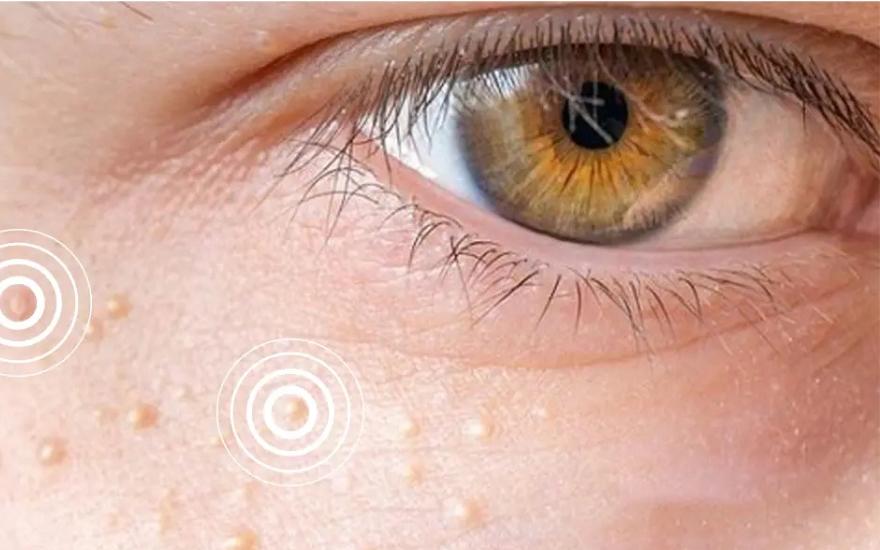
1.1. Yellowish deposits under the skin or around the eyes: an early warning sign
Yellowish deposits under the skin or around the eyes are caused by cholesterol building up in the skin tissues. They are often associated with very high blood lipid levels or inherited conditions. These deposits may appear on the elbows, chest, back, heels, thighs or around the eyelids.
They may gradually become more numerous over time. However, they usually do not cause pain or itching, even when touched.
1.2. A white or grey ring around the cornea: a possible early sign
A white or grey ring around the cornea, known as corneal arcus, forms when lipids build up in the outer part of the cornea. It may begin as a faint arc at the top and bottom of the cornea, then gradually join to form a complete ring around the pupil. Corneal arcus can be associated with high blood lipid levels, especially in younger adults, but it is also common with ageing and does not always indicate high cholesterol.
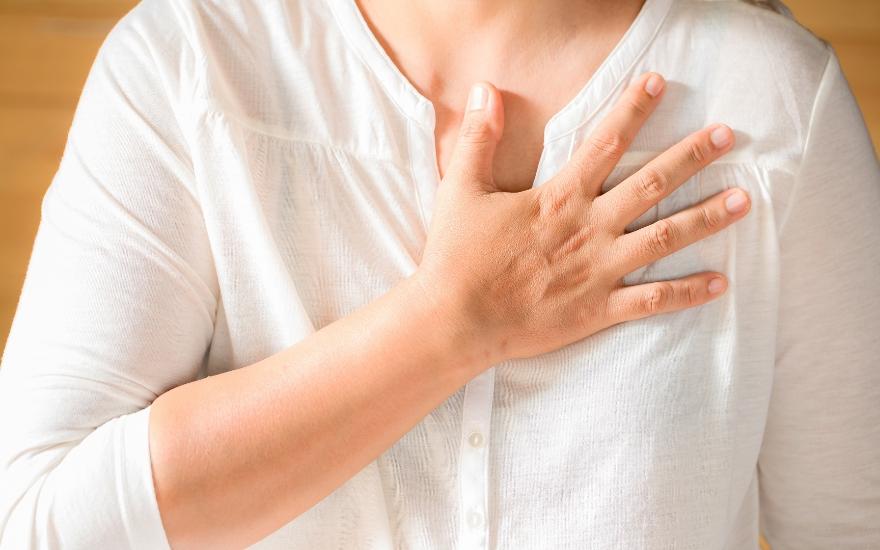
1.3. Chest pain or shortness of breath during exertion: possible signs of coronary artery disease
Chest pain or shortness of breath during strenuous activity may indicate that high cholesterol has contributed to cardiovascular disease. Fatty deposits can narrow the coronary arteries, reducing blood flow to the heart and causing brief episodes of angina. These episodes may resolve on their own but can recur. People may feel pressure or tightness in the chest lasting from a few minutes to several tens of minutes.
The pain may worsen with exertion and ease with rest. It may also spread from the chest to one or both arms, the neck, jaw, upper abdomen or back.
1.4. Calf pain or aching when walking that improves with rest: a possible sign of peripheral artery disease
Atherosclerosis associated with high blood lipid levels can affect not only the heart and brain but also the arteries in the pelvis and legs. Fatty plaques can reduce blood flow to the leg muscles, causing pain, cramping or aching. After stopping to rest for a few minutes, the muscles need less oxygen and the pain may ease temporarily.
1.5. Severe abdominal pain, nausea and vomiting: possible signs of acute pancreatitis
Very high triglyceride levels can trigger acute pancreatitis. The condition may cause severe pain in the upper abdomen, often accompanied by nausea and vomiting. Acute pancreatitis is serious and can be life threatening without timely medical care. Seek medical attention immediately if these symptoms occur.
1.6. Sudden weakness or numbness on one side, facial drooping or difficulty speaking: possible signs of stroke
Persistently high blood lipid levels, particularly high LDL cholesterol, can contribute to atherosclerotic plaque building up in the arteries that supply the brain. If a plaque ruptures, a blood clot may form and block blood flow to the brain.
Because the brain controls movement and speech, a stroke may cause sudden symptoms such as weakness or numbness on one side of the body, facial drooping, facial paralysis or difficulty speaking. These symptoms require emergency medical care.

2. Serious health risks associated with high blood lipid levels
Persistently high blood lipid levels, particularly LDL cholesterol and triglycerides, can contribute to fatty deposits building up in artery walls. These plaques can narrow and stiffen the arteries and reduce their elasticity, increasing the risk of several serious conditions:
- Stroke: If an atherosclerotic plaque ruptures, a blood clot may form and block an artery supplying the brain. This can cause an ischaemic stroke, which carries a high risk of death or lasting disability.
- Coronary artery disease and heart attack: Narrowing of the arteries that supply the heart can cause angina. If blood flow is severely reduced or suddenly blocked, part of the heart muscle can be damaged, creating a life threatening emergency.
- Peripheral artery disease (PAD): Blocked arteries in the limbs, usually the legs, can cause pain or cramping while walking. Severe cases may lead to tissue death and amputation.
- Acute pancreatitis: Very high blood lipid levels, particularly markedly elevated triglycerides, can increase the risk of acute pancreatitis.
3. How is high blood cholesterol diagnosed?
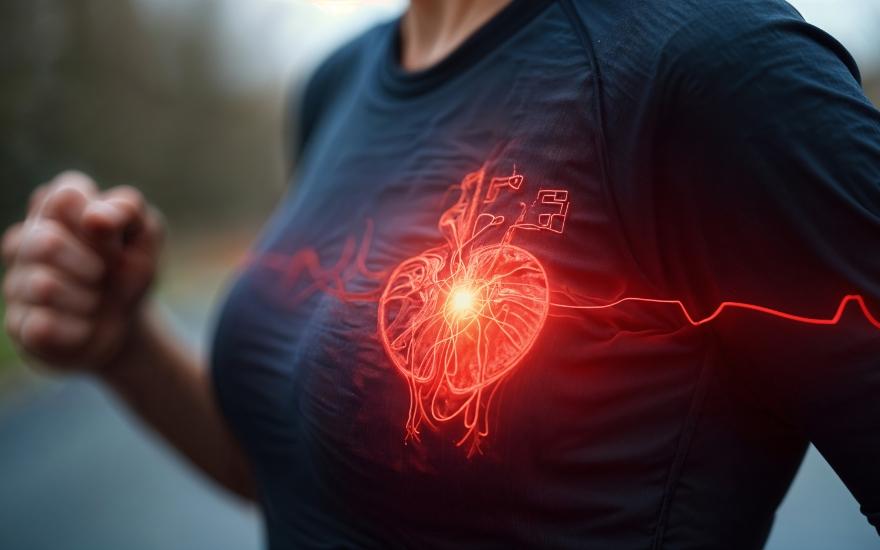
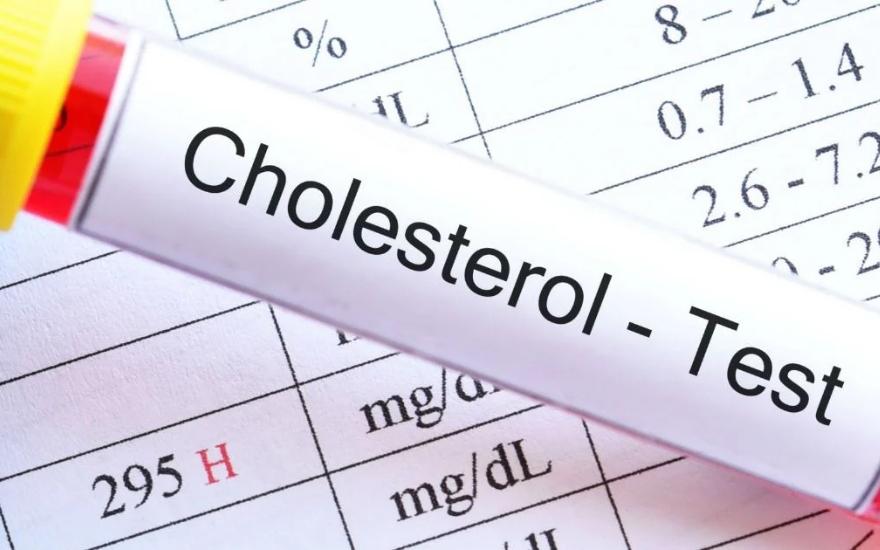
High blood cholesterol cannot be reliably diagnosed from symptoms alone because it often develops without noticeable signs. The standard method is a lipid panel, performed using a venous blood sample.
A comprehensive lipid panel measures four key values:
Measure | What it indicates | Reference threshold |
Total cholesterol | The total amount of cholesterol in the blood | ≥ 5,2 mmol/L (≥ 200 mg/dL) |
LDL-C | “Bad” cholesterol, a major contributor to atherosclerosis | ≥ 3,4 mmol/L (≥ 130 mg/dL) |
HDL-C | “Good” cholesterol, which helps carry excess cholesterol to the liver for removal | < 1,03 mmol/L (< 40 mg/dL) |
Triglyceride | A type of fat used to store energy; high levels may harm the blood vessels and pancreas | ≥ 1,7 mmol/L (≥ 150 mg/dL) |
Note: These thresholds are for general reference in adults. The doctor will interpret the results alongside the patient’s age, underlying conditions and cardiovascular risk to determine appropriate treatment targets.
4. Accurate lipid testing with modern laboratory systems at Hong Ngoc General Hospital
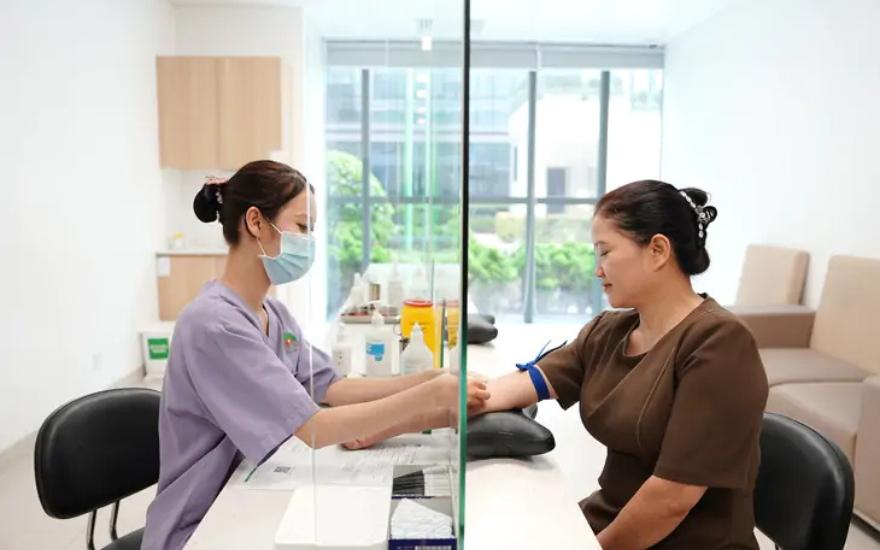
The Laboratory Department at Hong Ngoc General Hospital is a trusted centre for screening and diagnosing lipid disorders, supported by modern facilities and an experienced medical team.
The department uses internationally recognised automated equipment, including advanced biochemistry and immunoassay analysers from leading medical technology companies such as Abbott in the United States and Sysmex in Japan. This automated workflow helps reduce waiting times, streamline sample analysis and minimise testing errors.
Experienced doctors review the test results and provide guidance on the patient’s current health and overall cardiovascular risk. They can also develop a scientifically informed treatment plan tailored to each patient.
5. Frequently asked questions about the signs of high blood lipids
Doctors in the relevant specialties at Hong Ngoc General Hospital answer common questions about high blood lipid levels to help you better understand the condition.
5.1. What should I eat to lower my blood lipid levels?
People with high blood lipid levels may benefit from foods that help reduce cholesterol absorption and improve their lipid profile:
- Foods rich in soluble fibre: Oats, legumes such as soybeans and mung beans, apples, grapefruit and vegetables such as Malabar spinach and broccoli.
- Sources of healthy fats and omega 3: Oily fish such as salmon, mackerel and tuna, avocados, olive oil and nuts such as almonds and walnuts.
- Plant compounds: Green tea, garlic and foods containing plant sterols may help reduce cholesterol absorption.
5.2. What causes high blood lipid levels?
High blood lipid levels may be associated with several factors:
- Lifestyle factors: A diet high in saturated fat, including fatty meat and organ meats, physical inactivity, smoking and excessive alcohol consumption.
- Body weight and underlying conditions: Overweight or obesity, as well as conditions such as diabetes, hypothyroidism, liver disease or chronic kidney disease.
- Inherited factors: Genetic mutations passed down through families can affect the body’s ability to process and clear certain blood lipids.
5.3. What foods should I limit if I have high blood lipid levels?
To help manage blood lipid levels, limit:
- Foods high in cholesterol: Animal organs such as liver, intestines and brain, pork fat, poultry skin and egg yolks.
- Foods containing trans fats: Deep fried foods, fast food, instant noodles and packaged biscuits.
- Red and processed meat: Beef, lamb, sausages, Vietnamese pork sausages and bacon.
- Sugary foods and refined carbohydrates: Sweets, fizzy drinks and large portions of white rice. Excess carbohydrates may be converted by the liver into triglycerides.

Recognising the signs of high blood lipid levels early and seeking timely care can help reduce the risk of serious cardiovascular complications. Adopt healthy lifestyle habits, follow a balanced diet and attend regular screening to manage your blood lipid levels and support a healthy circulatory system.
If you notice signs that may be associated with high blood lipid levels, visit a reputable medical facility such as Hong Ngoc General Hospital for prompt, accurate testing and advice on protecting your health.
References:
- My Clevelandclinic - Hyperlipidemia - 13. Oct. 2025: https://my.clevelandclinic.org