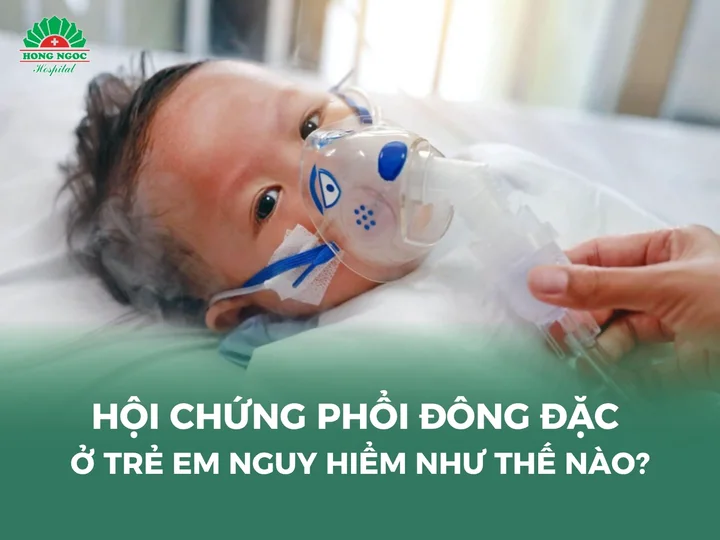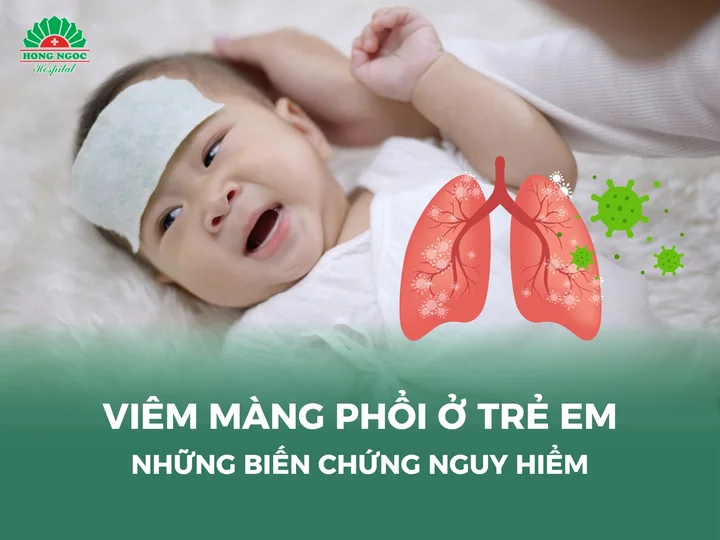



Seasonal influenza in children, particularly those under two years of age, is associated with a markedly elevated risk of severe influenza-related complications. This age group is especially vulnerable due to immunologic immaturity and limited prior exposure to circulating influenza strains, predisposing them to adverse clinical outcomes. Influenza vaccination confers the most effective protection against infection and its potentially serious sequelae, while also contributing to reduced viral transmission within the community. Immunization has been unequivocally demonstrated to decrease the incidence of laboratory-confirmed influenza, as well as to significantly lower the risk of influenza-related hospitalization and mortality in pediatric populations.
Seasonal influenza in children is extremely dangerous
How dangerous is seasonal influenza in children? Influenza is more serious than the common cold in pediatric patients. Each year, millions of children contract seasonal influenza, thousands require hospitalization, and some children die as a result of influenza-related complications.
Children frequently require medical care due to influenza, particularly those under five years of age. This age group is at higher risk of severe illness and complications associated with influenza, and therefore often necessitates prompt clinical evaluation and medical intervention.
Complications of influenza in children within this age group may include:
- Pneumonia: an infection and inflammation of the lung parenchyma, which may be viral or secondary bacterial in origin
- Dehydration: a condition in which the child’s body loses excessive fluids and electrolytes, typically when fluid losses exceed fluid intake
- Exacerbation of underlying medical conditions, such as congenital or acquired heart disease and bronchial asthma
- Neurologic complications, including encephalopathy and other forms of cerebral dysfunction
- Sinus disorders and acute otitis media
In rare cases, influenza-related complications may progress to life-threatening conditions and result in death.
Complications of seasonal influenza in children vary in severity; however, children remain at risk of infection and adverse outcomes each year.
The Centers for Disease Control and Prevention (CDC) estimates that from the 2010–2011 through the 2019–2020 influenza seasons, influenza-associated hospitalizations among children under five years of age in the United States ranged from approximately 7,000 to 26,000 annually.
Although pediatric influenza-related deaths are relatively uncommon, fatalities continue to be reported each year. From the 2004–2005 through the 2019–2020 influenza seasons, the number of pediatric deaths reported to the CDC during typical influenza seasons ranged from 37 to 199 per year. During the 2009 H1N1 influenza pandemic, 358 influenza-associated pediatric deaths were reported to the CDC between April 2009 and September 2010. Notably, among reported pediatric fatalities, approximately 80% of children were not fully vaccinated.
While influenza-associated pediatric deaths are nationally notifiable and must be reported to the CDC, underreporting is likely, and the true mortality burden may be higher. To address potential under-ascertainment, the CDC has developed statistical modeling approaches to estimate the actual number of influenza-related pediatric deaths. For example, during the 2019–2020 season, 199 pediatric deaths were reported to the CDC; however, statistical modeling suggests that approximately 434 deaths may have occurred.

Vaccination is the most effective protection against seasonal influenza in children
The most effective strategy to prevent seasonal influenza in children is annual influenza vaccination. The Centers for Disease Control and Prevention (CDC) recommends that all individuals aged six months and older receive the seasonal influenza vaccine every year, ideally by the end of October.
Children may be vaccinated as soon as the influenza vaccine becomes available, even if this occurs in July or August. Importantly, as long as influenza viruses continue to circulate within the community, vaccination should be maintained throughout the influenza season, including in January or later.
Influenza immunization is particularly critical for individuals at increased risk of severe influenza-related complications, as well as for those in close contact with high-risk populations. This includes children with elevated risk for influenza-associated complications and adults who have close, regular contact with these children.
Seasonal influenza vaccines are reformulated annually to provide protection against four influenza virus strains that surveillance data and global epidemiologic modeling predict will be the most prevalent in the upcoming influenza season.
Types of influenza vaccines for children
- During the current influenza season, the Centers for Disease Control and Prevention (CDC) recommends annual influenza vaccination for all individuals aged six months and older using any licensed, age-appropriate influenza vaccine.
- The inactivated influenza vaccine quadrivalent (IIV4) is administered via intramuscular injection and is approved for use in children aged six months and older. Specific indications and age approvals may vary depending on the vaccine formulation and manufacturer.
- The live attenuated influenza vaccine quadrivalent (LAIV4) is administered intranasally as a nasal spray and is approved for use in healthy, non-pregnant individuals aged 2 through 49 years. However, precautions and contraindications apply to the use of LAIV4 in individuals with certain underlying medical conditions, and clinical evaluation is recommended prior to administration.
For further information regarding currently available influenza vaccines, please contact the Hong Ngoc Vaccination Center hotline for professional consultation and individualized guidance.

Special vaccination guidance for children aged 6 months to 8 years
Certain children aged 6 months through 8 years require two doses of seasonal influenza vaccine. This includes children who are receiving influenza vaccination for the first time and those who have previously received only one dose of influenza vaccine. These children should receive two doses administered during the same influenza season.
For children requiring two doses, the first dose should be administered as soon as the vaccine becomes available, as the second dose must be given at least four weeks after the initial dose.
If two doses are indicated, the vaccination schedule should be initiated as early as possible. Children may receive influenza vaccination as soon as vaccine supply is available, even if this occurs in July or August. Early initiation ensures that the child achieves optimal immunologic protection before influenza viruses begin circulating widely within the community.
Additional measures to prevent seasonal influenza in children
In addition to influenza vaccination, children and their caregivers should implement routine preventive measures recommended by the Centers for Disease Control and Prevention (CDC). These include avoiding close contact with individuals who are ill, practicing frequent and proper hand hygiene, and adhering to respiratory etiquette, such as covering the mouth and nose when coughing or sneezing.
In the context of the COVID-19 pandemic or other public health emergencies, local authorities or public health departments may recommend additional community-based mitigation strategies. These guidelines should be strictly followed to further reduce the risk of viral transmission and protect vulnerable pediatric populations.
Symptoms and treatment of seasonal influenza in children
Symptoms
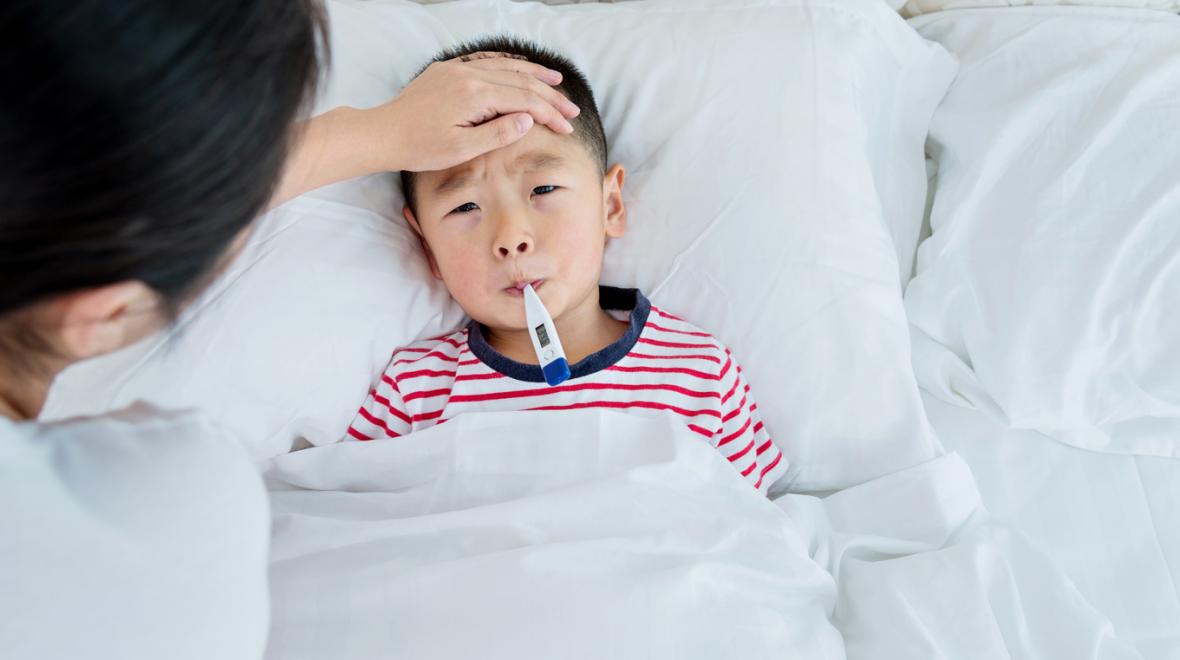
Clinical manifestations of influenza in children typically include fever, cough, sore throat, rhinorrhea or nasal congestion, myalgia, headache, and marked fatigue. Gastrointestinal symptoms such as vomiting and diarrhea may also occur and are observed more frequently in children than in adults.
It is important to note that influenza infection may present with respiratory symptoms in the absence of fever, particularly in certain pediatric cases.
Treatment
A physician who directly examines the child can determine whether antiviral medication is indicated if the child has influenza. Antiviral agents for children are available in oral tablet form, liquid suspension, inhaled powder, or intravenous solution.
These medications act against influenza by inhibiting replication of the influenza virus within the body. Antiviral drugs must be prescribed by a physician.
Emergency warning signs of influenza
Individuals experiencing any of the following warning signs should seek immediate medical attention:
- Rapid breathing or difficulty breathing
- Bluish or cyanotic lips or face
- Intercostal retractions (rib cage pulling in with each breath)
- Chest pain or chest pressure
- Severe myalgia (for example, a child refusing to walk)
- Signs of dehydration (no urination for 8 hours, dry mouth, absence of tears when crying)
- Decreased alertness or lack of responsiveness while awake
- Seizures
- Fever above 39°C (102.2°F)
- In infants younger than 12 weeks, any episode of fever
- Fever or cough that improves but then returns or worsens
- Worsening of underlying chronic medical conditions
Certain children are at higher risk
Children at highest risk for serious influenza related complications include:
Children younger than 6 months of age Infants in this age group are too young to receive influenza vaccination. The most effective way to protect them is maternal influenza vaccination during pregnancy, along with vaccination of household members and caregivers after birth. Influenza immunization during pregnancy has been shown not only to protect the pregnant individual from influenza, but also to provide passive immunity to the infant during the first several months of life, before the child becomes eligible for vaccination.
Children aged 6 months to 5 years Even otherwise healthy children in this age range are at increased risk of influenza complications due to their young age. Children aged 2 to 5 years are more likely to require medical evaluation at outpatient clinics, urgent care centers, or emergency departments for influenza compared with older healthy children.
To protect their health, all children aged 6 months and older should receive annual influenza vaccination. Vaccinating young children, as well as their family members and caregivers, also helps reduce transmission within households and the community.
Reader may also be interested in:
- Flu symptoms in children and how to differentiate influenza from the common cold
- [Overview] Influenza A in children: what parents need to know
- All essential information about influenza in infants. Can infants get influenza? Modes of transmission
Children aged 6 months to 18 years with chronic medical conditions, including:
- Asthma and other chronic pulmonary diseases such as chronic obstructive pulmonary disease and cystic fibrosis
- Neurologic and neurodevelopmental disorders affecting the brain, spinal cord, peripheral nerves, or muscles, including cerebral palsy, epilepsy, stroke, intellectual disability, moderate to severe developmental delay, muscular dystrophy, or spinal cord injury
- Chronic lung disease
- Cardiovascular disease including congenital heart disease, congestive heart failure, and coronary artery disease
- Hematologic disorders such as sickle cell disease
- Endocrine disorders including diabetes mellitus
- Renal disorders
- Hepatic disorders
- Metabolic disorders including inherited metabolic conditions and mitochondrial disorders
- Immunosuppression due to disease or immunosuppressive therapy such as HIV infection, malignancy, or long term corticosteroid use
- Children receiving aspirin or salicylate containing medications
- Obesity
Extreme obesity has been associated with severe influenza in several adult studies and may also represent a risk factor in pediatric populations.
In children, obesity is defined as a body mass index (BMI) at or above the 95th percentile for age and sex, based on standardized growth charts.

Note: the information provided in this article by Hong Ngoc General Hospital is intended for reference purposes only and does not replace professional medical diagnosis or treatment. Patients should not self medicate. For an accurate assessment of their medical condition, individuals should seek direct consultation at a healthcare facility for clinical evaluation, diagnosis, and appropriate treatment recommendations from a qualified physician.
For more helpful health information, please follow the official fanpage of Hong Ngoc General Hospital: https://www.facebook.com/BenhvienHongNgoc/