



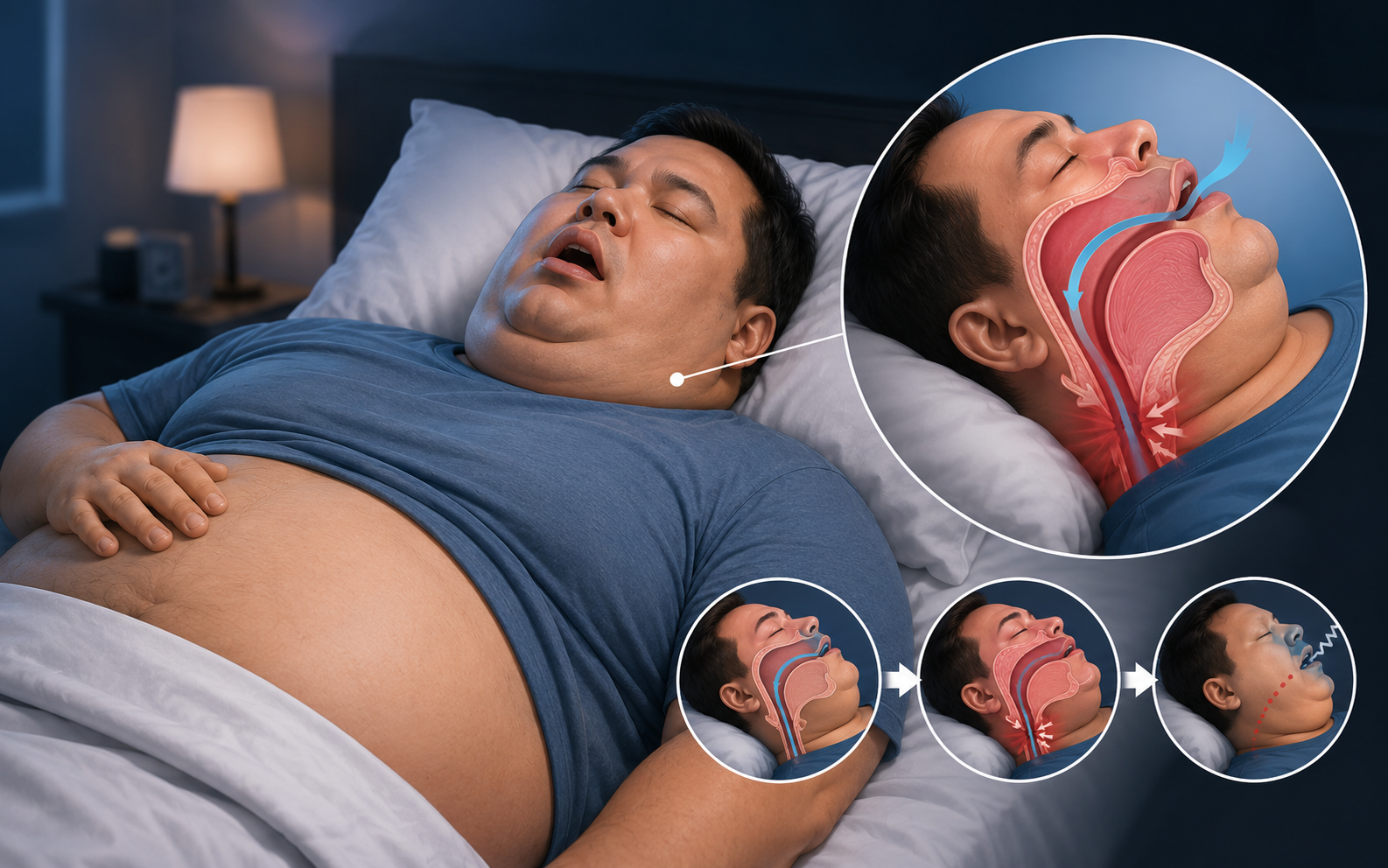
Obesity-related sleep apnea most commonly presents as obstructive sleep apnea (OSA). During sleep, the upper airway becomes narrowed or intermittently collapses, causing airflow to decrease or temporarily stop even though the patient continues trying to breathe. This condition can lead to intermittent oxygen desaturation, fragmented sleep, loud snoring, morning headaches and daytime sleepiness.
Below, Nguyen Thi Nhu Quynh, MD, MSc, Resident Physician - Overweight Management Center and Management of Obesity-related Consequences at Hong Ngoc General Hospital, explains the signs, warning risks and treatment options that can help control this condition.
Quick answer: Obesity-related sleep apnea is a condition in which people with overweight or obesity experience repeated airway obstruction during sleep. It often presents with loud snoring, witnessed pauses in breathing during sleep, sudden gasping awakenings, morning headaches, daytime sleepiness and reduced concentration. Obesity increases the risk of OSA because fat accumulation around the neck, chest and abdomen narrows the airway and makes it more likely to collapse during sleep. People with obesity who snore loudly, feel sleepy during the day or have hypertension or diabetes should seek medical evaluation and consider sleep testing.
Warning signs requiring prompt medical evaluation or emergency care: Severe shortness of breath, chest pain, bluish discoloration of the lips or fingertips, fainting, confusion, uncontrollable sleepiness, falling asleep while driving, newly developed severe headache, extremely high blood pressure, coughing up blood, swelling and pain in one leg, or suspected pulmonary embolism.
Professional medical consultation: This article was reviewed by Nguyen Thi Nhu Quynh, MD, MSc, Resident Physician - Overweight Management Center and Management of Obesity-related Consequences at Hong Ngoc General Hospital.
Medical disclaimer: This article is for informational purposes only and is not a substitute for medical diagnosis or treatment. Patients should not purchase CPAP/PAP devices, anti-snoring devices, sleeping pills, sedatives or weight-loss medications, or adjust blood pressure or diabetes medications on their own without a physician’s indication. If severe shortness of breath, chest pain, cyanosis, fainting, confusion, uncontrollable sleepiness, falling asleep while driving, coughing up blood, or swelling and pain in one leg occurs, patients should seek medical care or emergency treatment immediately.
Article summary
What is obesity-related sleep apnea?
Obesity-related sleep apnea is most commonly obstructive sleep apnea (OSA). This is a condition in which the upper airway repeatedly narrows or collapses during sleep, reducing or temporarily stopping airflow even though the body continues to make efforts to breathe. According to the U.S. National Library of Medicine (NLM), overweight and obesity are major causes of obstructive sleep apnea. The prevalence of sleep apnea in people with obesity is estimated at 45%, compared with approximately 25% in adults overall.
An apnea episode can cause blood oxygen levels to drop, prompting the brain to briefly “wake” the body so the airway can reopen. Patients may not remember waking up, but their sleep is repeatedly fragmented throughout the night. As a result, they may still feel tired upon waking, have morning headaches, experience daytime sleepiness, reduced concentration and irritability.
In summary, obesity-related sleep apnea is a condition in which the upper airway is repeatedly obstructed during sleep, often causing snoring, intermittent oxygen desaturation and daytime sleepiness.
Why does obesity increase the risk of sleep apnea?
Fat around the neck and airway narrows the upper airway
When fat accumulates around the neck, tongue, pharyngeal wall and soft tissues of the throat, the airway lumen may become narrower. During sleep, muscle tone in the throat decreases, making an already narrowed airway more likely to collapse, causing snoring and apnea episodes.
Fat around the chest and abdomen reduces breathing efficiency
Abdominal obesity and fat around the chest wall can limit diaphragmatic movement and reduce lung volume when lying down. When the lungs contain less air, the upper airway is also more likely to collapse during sleep. This is also why people with obesity often feel more short of breath when lying on their back.
Poor sleep makes weight loss harder, creating a vicious cycle
OSA fragments sleep, leaving patients fatigued, less physically active, more prone to cravings and less able to maintain healthy eating and exercise habits. Conversely, weight gain can further worsen OSA.
Obesity often coexists with metabolic diseases
People with obesity may also have hypertension, type 2 diabetes, dyslipidemia, fatty liver disease and cardiovascular disease. When OSA is present, intermittent oxygen desaturation and sympathetic nervous system activation can make these conditions more difficult to control.
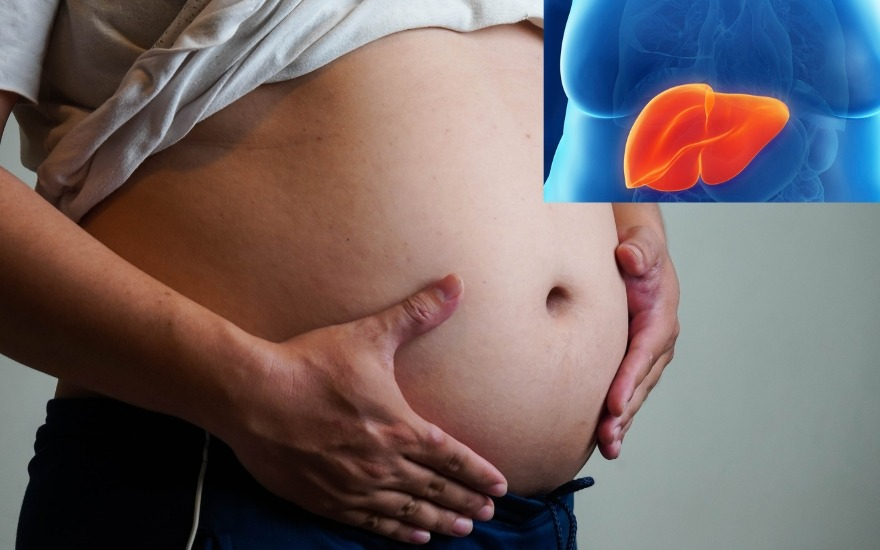
Signs of sleep apnea in people with obesity
Nighttime signs

Daytime signs
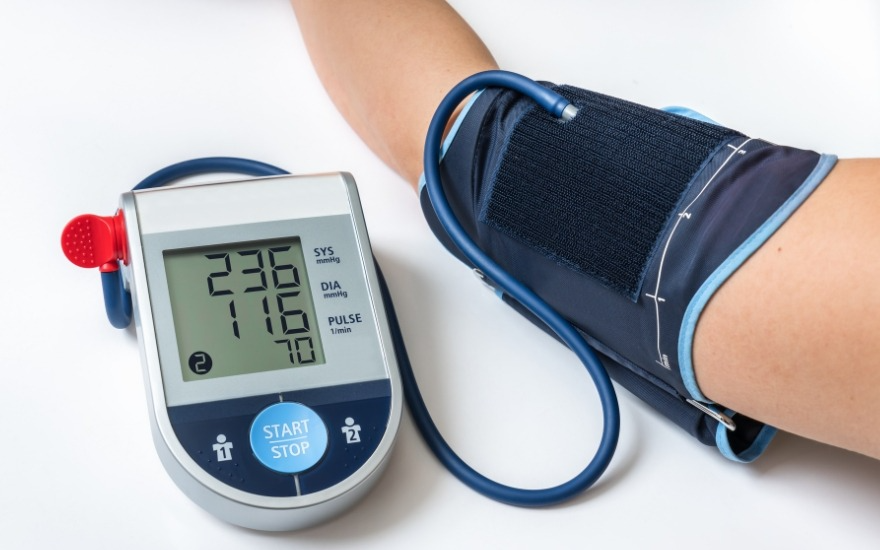
How dangerous is obesity-related sleep apnea?
Hypertension and cardiovascular disease
Each apnea episode can cause blood oxygen levels to drop and trigger an “alarm” response in the body, making the heart beat faster, blood vessels constrict and blood pressure rise. If this repeats many times each night, the cardiovascular system may remain under prolonged stress.
Cardiac arrhythmias, atrial fibrillation and coronary artery disease
OSA is associated with cardiac arrhythmias, atrial fibrillation, coronary artery disease and heart failure in high-risk groups. Intermittent oxygen desaturation, blood pressure fluctuations and increased sympathetic nervous system activation can increase the burden on the heart.
Stroke and cerebrovascular events
Intermittent oxygen desaturation, blood pressure fluctuations, inflammation and metabolic dysfunction may contribute to an increased risk of cerebrovascular disease in people with untreated OSA, especially when obesity, hypertension, diabetes or smoking is also present.
Type 2 diabetes and insulin resistance
Fragmented sleep and intermittent oxygen desaturation can affect glucose metabolism, hunger and satiety signals, and daytime energy levels. People with obesity and OSA often have an increased risk of coexisting insulin resistance, prediabetes or type 2 diabetes.
Traffic accidents and workplace accidents
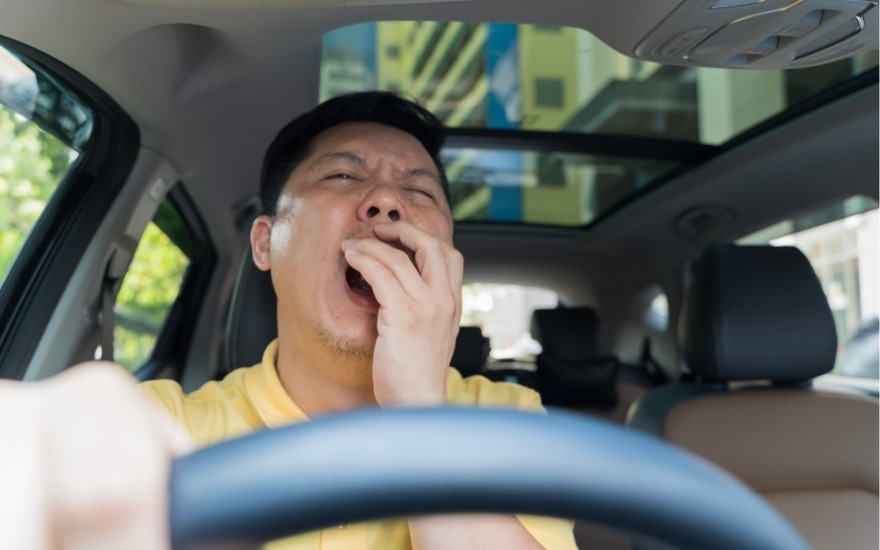
Daytime sleepiness, reduced concentration and falling asleep unintentionally are common consequences of OSA. This is especially dangerous for people who drive, operate machinery, work night shifts or perform jobs that require a high level of alertness.

What should people with obesity and snoring be evaluated for?
Snoring does not necessarily mean that a person has OSA. However, if loud snoring is accompanied by daytime sleepiness, witnessed pauses in breathing during sleep, or underlying cardiovascular or metabolic disease, medical evaluation is needed.
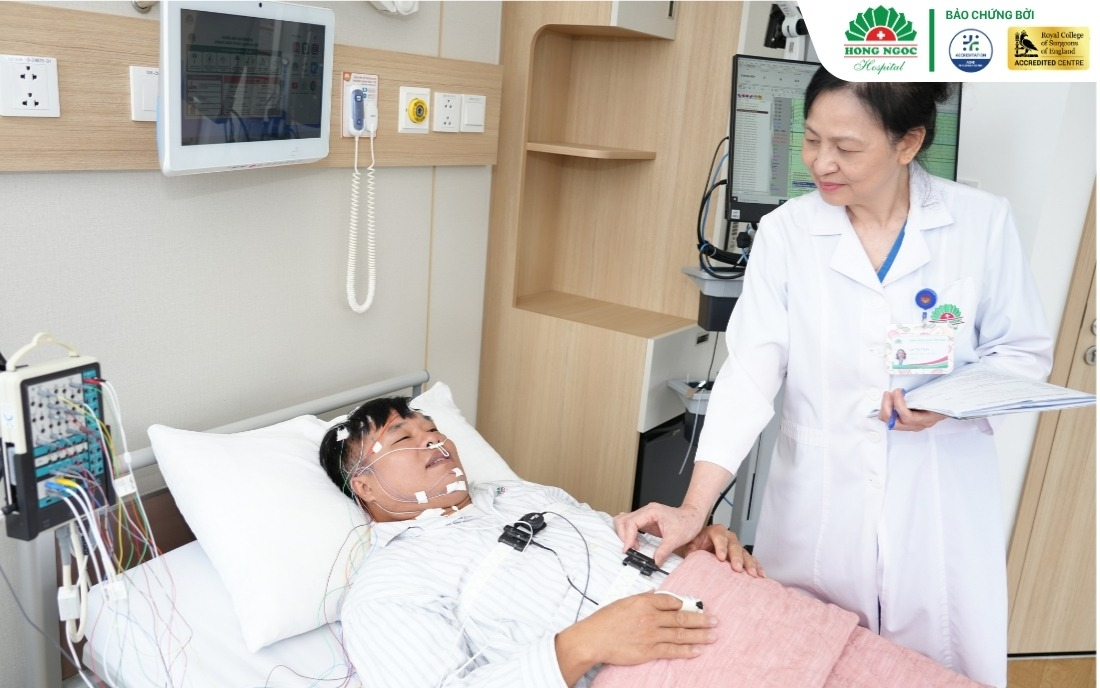
Sleep testing is an important method for diagnosing OSA and assessing disease severity, especially in people with obesity who snore loudly, have witnessed pauses in breathing during sleep or experience daytime sleepiness.
Differentiating OSA from obesity hypoventilation syndrome (OHS)
OSA and obesity hypoventilation syndrome (OHS) are not the same condition.
Suggestive signs of OHS include:
- Severe obesity;
- Excessive daytime sleepiness;
- Shortness of breath even during the day;
- Morning headaches;
- Leg edema;
- Low blood oxygen levels;
- Elevated CO₂;
- Pulmonary hypertension or right-sided heart failure in some cases.
People suspected of having OHS should be evaluated by a respiratory or sleep medicine specialist and should not manage the condition on their own as if it were ordinary snoring.
Treatment of obesity-related sleep apnea
Treatment of OSA in people with obesity often requires a combined approach: maintaining airway patency during sleep, weight loss, sleep position adjustment, treatment of ear, nose and throat conditions, and control of metabolic diseases.
Weight loss and weight management
Weight loss helps reduce fat around the neck, throat, chest and abdomen, which may decrease the degree of airway obstruction in many patients. However, weight loss does not always completely resolve OSA.
Patients should lose weight in a safe and sustainable manner by:
- controlling energy intake;
- increasing fiber-rich foods;
- consuming adequate protein;
- engaging in appropriate physical activity;
- getting enough sleep;
- controlling underlying medical conditions;
- attending regular follow-up visits.
Patients should not use weight-loss medications, diuretics, slimming teas or extreme fasting on their own, especially if they have hypertension, diabetes, cardiovascular disease or severe OSA.

CPAP/PAP helps keep the airway open during sleep
CPAP or other PAP devices deliver continuous or variable positive airway pressure to prevent the airway from collapsing during sleep. This is a commonly used treatment for OSA, especially in moderate to severe cases or when symptoms are significant.
CPAP does not reduce fat, but it may help:
- reduce the number of apnea and hypopnea episodes;
- improve blood oxygen levels during sleep;
- reduce daytime sleepiness;
- improve sleep quality;
- support the control of certain cardiovascular-metabolic risks when used correctly and consistently.
Safety note: CPAP/PAP should be prescribed by a physician, with appropriate selection of pressure settings, device type, mask type and adherence monitoring. Purchasing a device independently or using incorrect pressure settings may cause discomfort, nasal or throat dryness, air leakage, treatment discontinuation or inadequate OSA control.
Oral appliances
Some patients with mild to moderate OSA may be considered for a mandibular advancement device to move the lower jaw forward and widen the airway. This requires evaluation by a sleep medicine specialist and an appropriately qualified dental specialist.
Patients should not purchase anti-snoring devices of unclear origin on their own, as these may cause jaw pain, bite misalignment, discomfort or may be ineffective for severe OSA.
Sleep position adjustment
Sleeping on the back may worsen snoring and OSA in some people. Side sleeping, using an appropriate pillow or elevating the head of the bed may help reduce symptoms.
However, sleep position adjustment is only a supportive measure. If OSA is moderate or severe, specialist treatment is required.
Avoid alcohol and sedatives before bedtime
Alcohol and certain sedatives can relax the throat muscles, making the airway more likely to collapse. People with OSA should limit alcohol consumption, especially in the evening.
If patients are taking sleeping pills, sedatives, muscle relaxants or psychiatric medications, they should discuss this with their physician. They should not stop medication abruptly on their own.
Treat associated ear, nose and throat conditions
Chronic nasal congestion, allergic rhinitis, sinusitis, enlarged tonsils, nasal polyps or a deviated septum can worsen airway obstruction. Treating ear, nose and throat conditions may help reduce snoring and improve breathing during sleep in some patients.
People with obesity who snore and also have nasal congestion, mouth breathing or recurrent rhinosinusitis should see an otolaryngologist.
Control cardiovascular and metabolic comorbidities
OSA and obesity often coexist with hypertension, type 2 diabetes, dyslipidemia and fatty liver disease. Treatment should be coordinated to reduce long-term risks.
Patients should not focus only on treating snoring. They need comprehensive assessment of body weight, blood glucose, blood pressure, lipid levels, liver status and cardiovascular health.
When should patients seek medical care or emergency care for obesity-related sleep apnea?
Signs that require medical evaluation
Patients should seek medical evaluation if any of the following occur:
- Obesity accompanied by loud snoring.
- Pauses in breathing, choking or gasping during sleep.
- Daytime sleepiness or falling asleep while driving or working.
- Morning headaches or fatigue despite getting enough hours of sleep.
- Difficult-to-control hypertension, diabetes or cardiovascular disease.
- Severe obesity accompanied by daytime shortness of breath.
Signs that require emergency care
Emergency care is needed if any of the following occur:
- Severe shortness of breath;
- Chest pain;
- Cyanosis;
- Fainting;
- Confusion;
- Uncontrollable sleepiness;
- Coughing up blood;
- Swelling and pain in one leg;
- Suspected stroke symptoms such as facial drooping, weakness or paralysis, or difficulty speaking;
- Falling asleep while driving or operating machinery.
Where to treat overweight and obesity-related sleep apnea in Hanoi
At the Overweight Management Center and Management of Obesity-related Consequences – Hong Ngoc General Hospital, patients may receive multidisciplinary evaluation involving pulmonology, otolaryngology, endocrinology, nutrition and cardiology. This approach helps identify the cause of snoring or sleep apnea, assess the level of risk and develop an appropriate treatment plan.
With the advantage of more than 25 specialized departments, an experienced team of experts and a coordinated multidisciplinary consultation process, the Overweight Management Center and Management of Obesity-related Consequences at Hong Ngoc General Hospital aims not only to help patients lose weight, but also to control metabolic disorders and improve obesity-related consequences, including obstructive sleep apnea, thereby supporting sustainable improvement in quality of life.
For one-on-one consultation with leading doctors and specialists, patients may contact the hotline at 024 3927 5568 or leave their information in the form to be contacted for consultation.
Frequently asked questions
Can obesity cause sleep apnea?
Yes. Obesity is one of the major risk factors for obstructive sleep apnea. Excess fat around the neck, throat, chest and abdomen can narrow the airway and make it more likely to collapse during sleep, causing repeated snoring and apnea episodes.
Do people with obesity who snore have sleep apnea?
Not everyone who snores has OSA. However, loud snoring accompanied by witnessed pauses in breathing, sudden gasping awakenings, daytime sleepiness or hypertension is a warning sign that requires medical evaluation and consideration of sleep testing.
Is obesity-related sleep apnea dangerous?
It can be dangerous if left untreated. OSA may be associated with hypertension, cardiac arrhythmias, cardiovascular disease, stroke, type 2 diabetes, reduced concentration and accidents caused by daytime sleepiness.
Can weight loss resolve sleep apnea?
Weight loss can improve OSA in many people with obesity, but it does not always eliminate the condition completely. Depending on disease severity, patients may still need CPAP/PAP therapy, oral appliances, treatment of ear, nose and throat conditions or other interventions.
Does CPAP need to be used for life?
Not everyone needs CPAP for life, but patients should not stop CPAP on their own without physician reassessment. If significant weight loss occurs or symptoms improve, the physician may recommend repeat sleep testing to determine whether treatment should be adjusted.
Can sleep apnea make weight loss more difficult?
It can. OSA causes poor sleep, daytime fatigue, reduced physical activity and may affect hormones that regulate hunger and satiety, making weight control more difficult. Treating OSA may help patients feel more alert and better able to maintain a healthy lifestyle.
When should people with obesity undergo polysomnography?
Sleep testing should be considered if loud snoring, witnessed pauses in breathing, daytime sleepiness, morning headaches, difficult-to-control hypertension, cardiovascular disease, diabetes or severe obesity is present.
Are OSA and obesity hypoventilation syndrome the same?
No. OSA is a condition in which the upper airway is repeatedly obstructed during sleep. Obesity hypoventilation syndrome (OHS) is a condition in which people with obesity do not breathe effectively enough even while awake, often leading to daytime hypercapnia and reduced oxygen levels. OHS requires more in-depth respiratory evaluation.
Should patients buy anti-snoring devices on their own?
Patients should not buy anti-snoring devices of unclear origin on their own, especially if daytime sleepiness, breathing pauses during sleep or cardiovascular disease is present. These devices may be ineffective for moderate to severe OSA and may cause jaw pain, bite misalignment or delayed proper treatment.
Conclusion
Obesity-related sleep apnea is a health condition that should be recognized early because it not only causes snoring, fatigue and daytime sleepiness, but is also associated with multiple cardiovascular and metabolic risks. Obesity makes the upper airway more likely to narrow and collapse during sleep, while OSA can make weight loss more difficult, creating a pathological cycle.
If obesity is accompanied by loud snoring, witnessed pauses in breathing during sleep, morning headaches, daytime sleepiness or difficult-to-control hypertension or diabetes, patients should seek medical evaluation early. At Hong Ngoc General Hospital, physicians may coordinate pulmonology, otolaryngology, endocrinology-nutrition and cardiology when needed to identify the cause and develop an appropriate treatment plan.