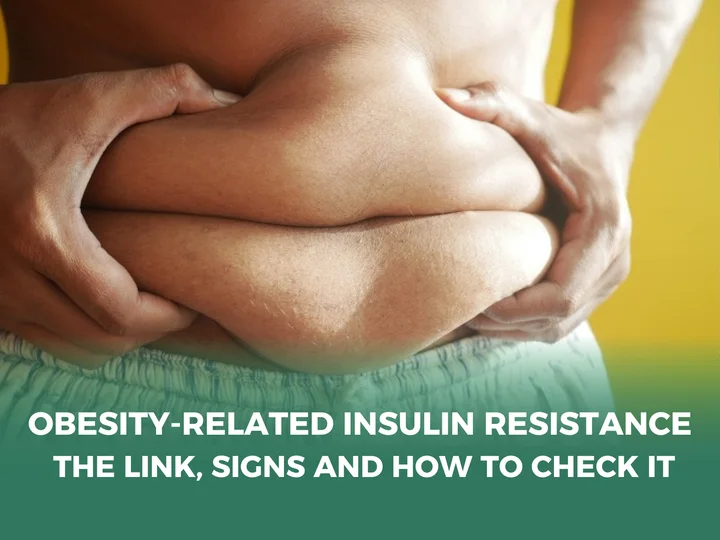



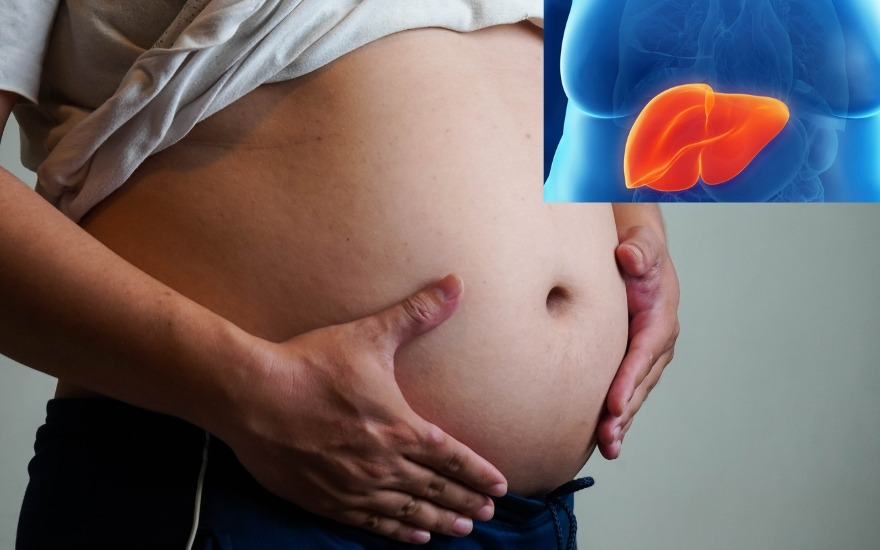
Obesity can directly affect the liver, particularly through visceral fat, insulin resistance, dyslipidemia and chronic inflammation. When excessive fat accumulates in the liver, patients may develop metabolic dysfunction–associated fatty liver disease. If not detected and controlled early, this condition may progress to steatohepatitis, liver fibrosis, cirrhosis and, in some cases, an increased risk of liver cancer.
Obesity-related fatty liver disease often progresses silently. Many patients have no pain, no jaundice and may still have normal liver enzyme levels, even though fat has already accumulated in the liver or the risk of fibrosis has begun to emerge. Therefore, people with obesity, abdominal obesity, type 2 diabetes, dyslipidemia or elevated liver enzymes should not wait until symptoms appear before having their liver evaluated.
Quick answer: Obesity affects the liver mainly by increasing visceral fat and insulin resistance, making fat more likely to accumulate in liver cells. Obesity-related fatty liver disease is often silent and may cause no symptoms, but it can still progress to steatohepatitis, liver fibrosis and cirrhosis. People with obesity, abdominal obesity, type 2 diabetes, dyslipidemia, elevated liver enzymes or fatty liver detected on ultrasound should have regular liver assessments and fibrosis risk evaluation when needed.
Professional medical consultation: Nguyen Thi Nhu Quynh, MD, MSc, Resident Physician - Department of Endocrinology, Hong Ngoc Phuc Truong Minh General Hospital.
Medical disclaimer: This article is for informational purposes only and is not a substitute for medical diagnosis or treatment. Patients should not use “liver-support” or “liver detox” products, weight-loss medications, diuretics or dietary supplements without a physician’s indication. If jaundice, yellowing of the eyes, rapid abdominal swelling, leg edema, vomiting blood, black stools, altered consciousness, severe abdominal pain or unexplained weight loss occurs, patients should seek medical care or emergency treatment promptly.
Article overview
How does obesity affect the liver?
Obesity affects the liver mainly through fat accumulation in the liver, insulin resistance, dyslipidemia and low-grade chronic inflammation. The liver is a central organ in glucose, lipid and energy metabolism. When excess body fat persists over time, the liver has to process a greater amount of fatty acids, making fat more likely to accumulate in liver cells.
In people with obesity, especially abdominal obesity, visceral fat releases more free fatty acids into the circulation. The liver receives this increased fatty acid load while also being affected by insulin resistance and dyslipidemia. As a result, triglycerides may accumulate in liver cells, leading to fatty liver disease.
In brief: Obesity makes the liver more prone to fat accumulation because visceral fat and insulin resistance cause the liver to receive more fatty acids, increase fat synthesis and become less able to process excess fat effectively.
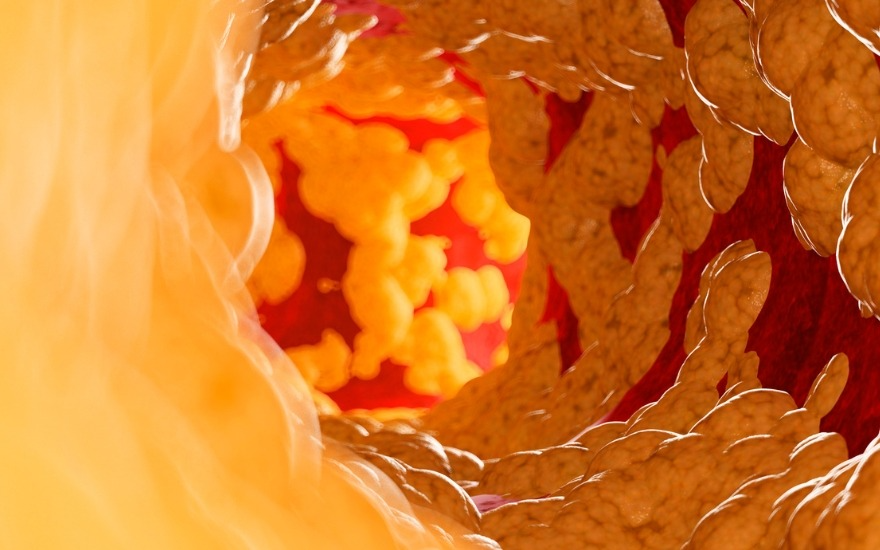
Why does obesity increase the risk of fatty liver disease?
Visceral fat increases free fatty acid flux to the liver
Visceral fat is fat located deep within the abdominal cavity, close to the liver, intestines and other metabolic organs. When visceral fat increases, free fatty acid delivery to the liver also rises, making the liver more prone to fat accumulation.
People with abdominal obesity and a large waist circumference have a higher risk of fatty liver disease than those who mainly have increased subcutaneous fat. Therefore, waist circumference is an important indicator, and body weight alone should not be the only factor considered.
In Asian populations, a waist circumference of 90 cm or greater in men and 80 cm or greater in women is commonly considered a threshold that warrants attention for abdominal obesity and metabolic risk.
Insulin resistance increases hepatic fat accumulation
In people with obesity, especially abdominal obesity, the body may respond poorly to insulin. When insulin resistance occurs, the liver increases glucose production and becomes more prone to impaired lipid metabolism, raising the risk of triglyceride accumulation in the liver.
People with obesity who have high blood glucose, elevated HbA1c or prediabetes should have their liver assessed, as fatty liver disease and blood glucose disorders often occur together.
This is also why people with type 2 diabetes need particular attention. Fatty liver disease is not only more common in this group, but the risk of progressive liver fibrosis may also be higher.
Dyslipidemia places additional burden on the liver
Elevated triglycerides, low HDL cholesterol and dyslipidemia are common in people with obesity. When lipid metabolism is disrupted, the liver becomes both the site responsible for processing fats and the site where excess fat accumulates.
If blood tests show elevated triglycerides or abnormal cholesterol levels, patients should also have liver enzymes checked and undergo liver ultrasound, especially when a large waist circumference or type 2 diabetes is present.
Chronic inflammation makes the liver more vulnerable to injury
Excess adipose tissue, particularly visceral fat, can release inflammatory mediators. This low-grade chronic inflammation may contribute to liver injury and promote the development of steatohepatitis and liver fibrosis.
Fatty liver disease should not be viewed as “harmless excess fat.” When inflammation and liver cell injury are present, the risk of disease progression becomes higher.
Alcohol can worsen the condition
Fatty liver disease in people with obesity is often associated with metabolic dysfunction, but alcohol intake still needs to be carefully assessed. If a patient has both metabolic risk factors and significant alcohol consumption, physicians will evaluate the condition to distinguish between MASLD - metabolic dysfunction–associated steatotic liver disease, alcohol-related liver disease, or an overlap category such as MetALD - metabolic fatty liver disease with increased alcohol intake.
Alcohol can increase liver inflammation, raise liver enzyme levels and accelerate the progression of liver injury. People with obesity who already have fatty liver disease, elevated liver enzymes or high triglycerides should discuss with their physician whether alcohol should be limited or stopped.

* MASLD is a new term used to describe fatty liver disease associated with metabolic dysfunction, such as obesity, type 2 diabetes, hypertension or dyslipidemia.
* MASH is the new term replacing NASH, used when fatty liver disease is accompanied by inflammation and liver cell injury. This group has a higher risk of liver fibrosis than simple fatty liver disease.
During the transition period, patients may still see the terms NAFLD/NASH in older medical records, examination results or medical documents. In this article, MASLD can be understood as corresponding to NAFLD, and MASH as corresponding to NASH in many contexts.
How does obesity affect the liver?
Is obesity-related fatty liver disease dangerous?
It can be dangerous if not detected and controlled. Many people think fatty liver disease is merely “fat deposited in the liver,” but the condition can progress through different stages.
Not everyone with fatty liver disease will progress to cirrhosis. However, the risk is higher in patients with long-standing obesity, type 2 diabetes, dyslipidemia, alcohol consumption, persistently elevated liver enzymes or existing signs of liver fibrosis.
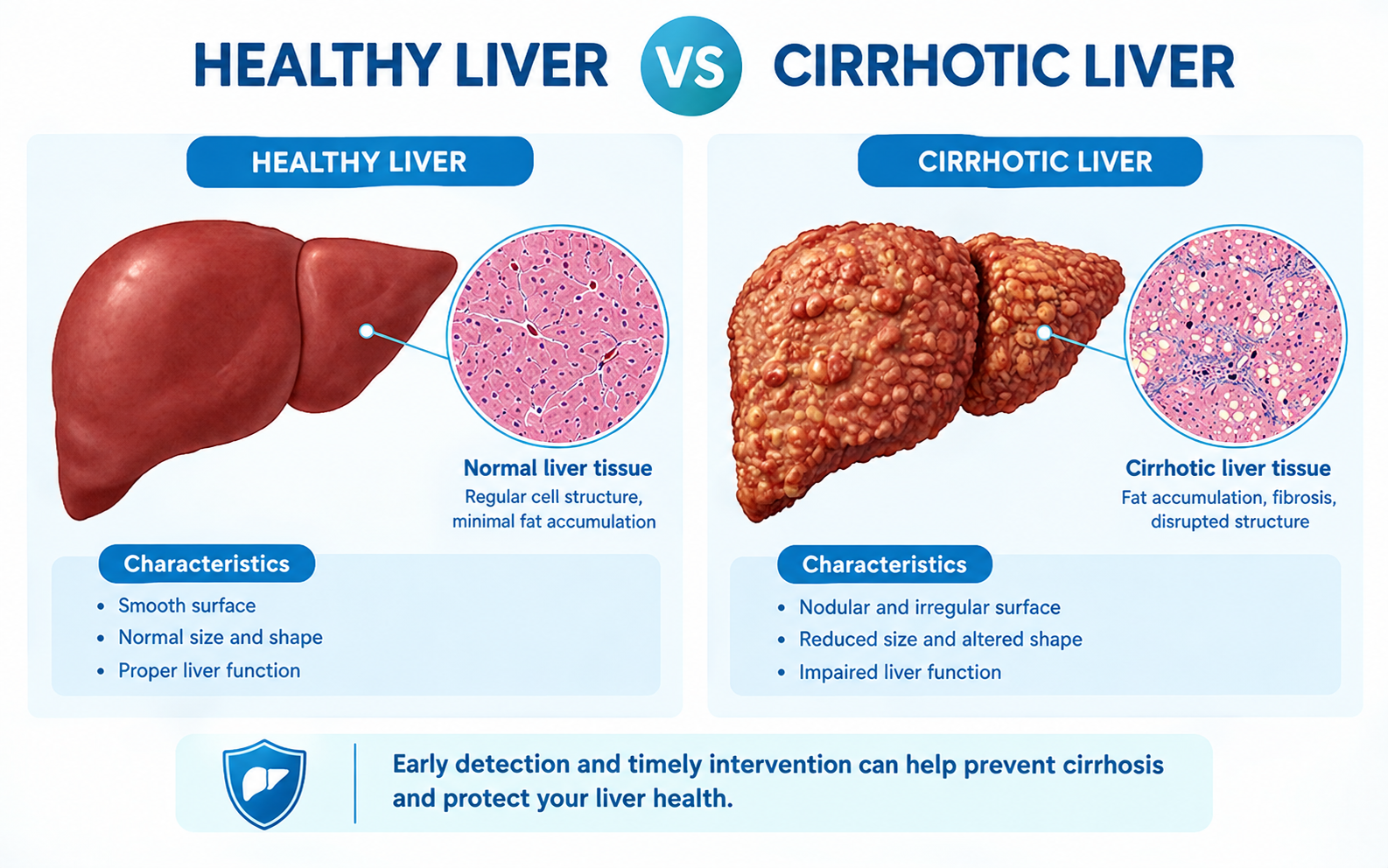
* MASH - Fatty liver disease accompanied by inflammation and liver cell injury.
Signs that the liver may be affected in people with obesity
Obesity-related fatty liver disease often causes no symptoms for many years. Therefore, people with obesity, abdominal obesity, type 2 diabetes or dyslipidemia should not wait until they develop “liver pain” before having their liver checked.
Persistent fatigue
Fatigue is a nonspecific symptom and may be related to sleep deprivation, stress, diabetes, hypothyroidism or liver disease. In people with obesity, persistent fatigue accompanied by abnormal liver enzymes or fatty liver detected on ultrasound requires further evaluation.
Patients should not use “liver-support” products without knowing the underlying cause. Liver enzymes, blood glucose, blood lipid profile and other risk factors should be assessed.
Heaviness or discomfort in the right upper abdomen
Some people may experience fullness, discomfort or heaviness in the right upper abdomen. This symptom may be related to liver enlargement, gallbladder disease, stomach disorders or other causes, and is not specific to fatty liver disease.
If right upper abdominal pain or discomfort persists, especially when accompanied by nausea, jaundice, fever or elevated liver enzymes, patients should see a gastroenterology and hepatology specialist.
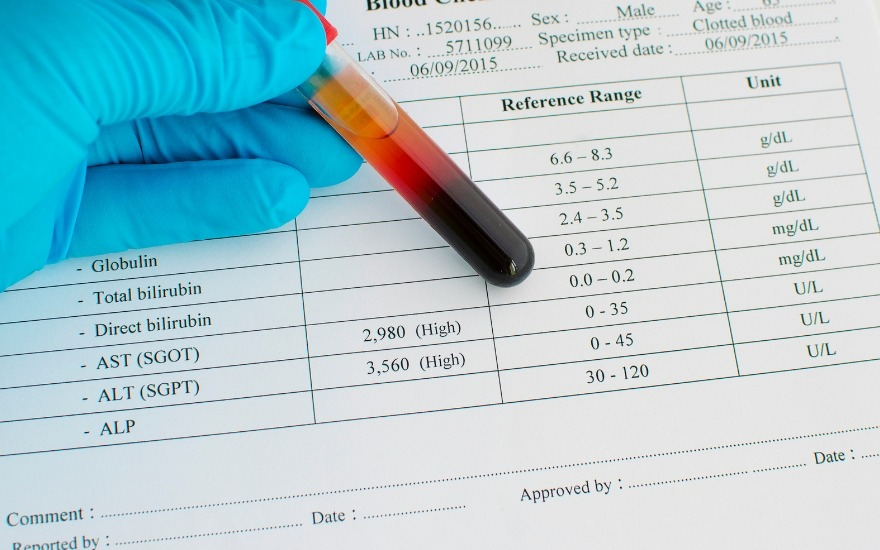
Elevated liver enzymes on blood tests
ALT, AST or GGT may increase when the liver is inflamed, injured or affected by alcohol, medications, viral hepatitis or fatty liver disease. However, some people with fatty liver disease may still have normal liver enzyme levels.
Normal liver enzymes do not completely rule out fatty liver disease or liver fibrosis. Assessment should be combined with liver ultrasound, metabolic evaluation and the physician’s clinical indications.
Fatty liver detected on ultrasound
Liver ultrasound is a commonly used method to detect fatty liver disease. The result may describe fatty liver as grade 1, 2 or 3, depending on the imaging severity.
Fatty liver detected on ultrasound should not be managed simply by taking “liver-cooling” or “liver-support” products. The important step is to identify the cause, such as abdominal obesity, alcohol consumption, diabetes, dyslipidemia, medications or another liver disease.
Warning signs of advanced liver disease
Jaundice, yellowing of the eyes, rapid abdominal swelling, leg edema, vomiting blood, black stools, altered consciousness and unexplained weight loss are warning signs that require early medical evaluation or emergency care, depending on severity.
These are not signs of mild fatty liver disease. Patients need prompt physician assessment to rule out decompensated cirrhosis, gastrointestinal bleeding, liver failure or severe liver disease.
Groups at high risk of fatty liver disease in the setting of obesity include people with abdominal obesity, type 2 diabetes, dyslipidemia, hypertension, metabolic syndrome and heavy alcohol consumption.
How should people with obesity have their liver checked?
Not everyone with obesity needs to undergo all tests. Physicians will determine the appropriate evaluation based on age, waist circumference, alcohol intake history, underlying medical conditions, liver enzyme levels, blood glucose, lipid profile and ultrasound findings.
Can weight loss help improve fatty liver disease?
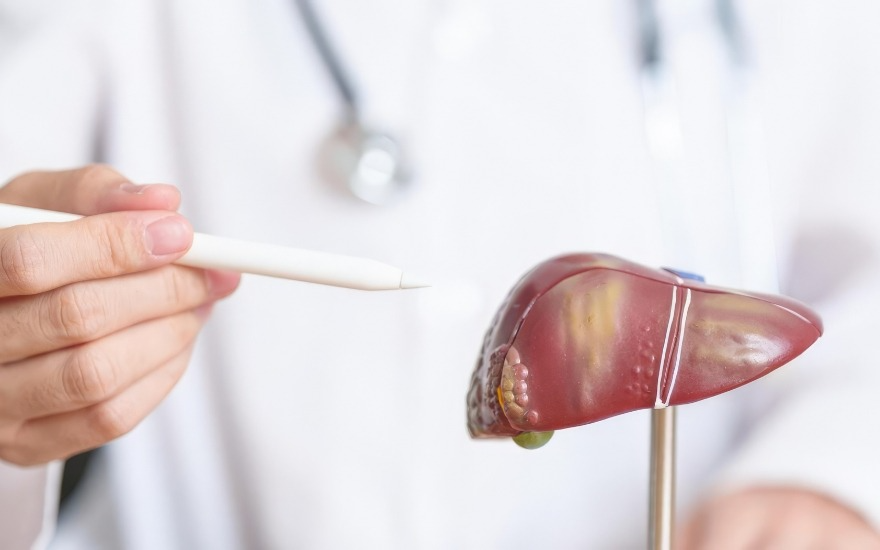
Yes. Appropriate weight loss, especially reducing visceral fat, can help decrease liver fat and improve liver enzymes, blood glucose and lipid levels. However, weight loss should be sustainable; extreme fasting or losing weight too rapidly should be avoided.
For people with overweight or obesity, losing approximately 5–10% of initial body weight is often meaningful for liver fat and metabolic indicators. Greater weight loss may be needed in some cases of steatohepatitis or fibrosis, but the target must be individualized according to the patient’s health status.
Weight loss should focus on reducing visceral fat
Not every form of weight loss is beneficial for the liver. Rapid weight loss, dehydration or muscle loss may worsen overall health. A more appropriate goal is to reduce visceral fat, decrease waist circumference and improve blood glucose, triglycerides and liver enzymes.
Patients should monitor body weight, waist circumference and laboratory indicators, rather than focusing only on the number on the scale.
Avoid extreme weight-loss methods
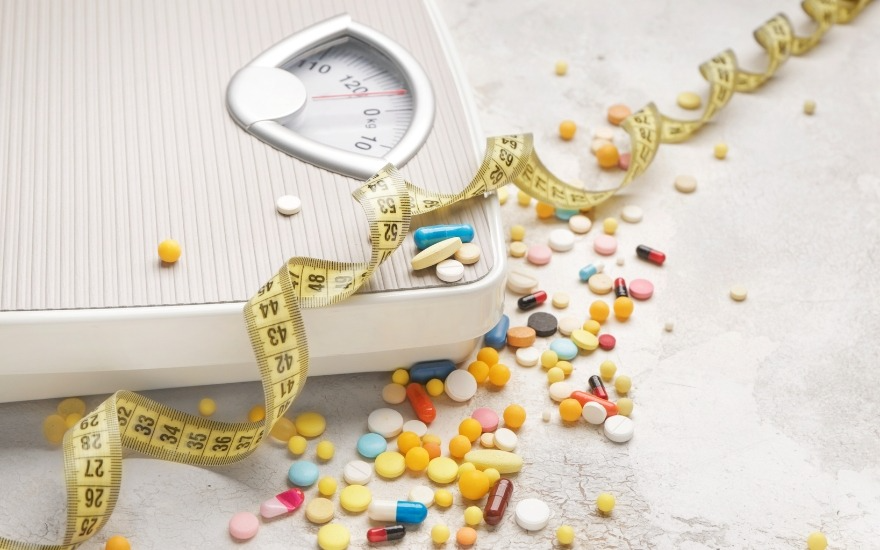
Prolonged fasting and the use of weight-loss medications of unclear origin, diuretics or laxatives can cause dehydration, electrolyte disturbances, nutritional deficiencies and additional stress on the liver.
People with fatty liver disease should follow a weight-loss plan that provides adequate nutrition and should not use “liver-cooling” products, “detox teas” or weight-loss products with unclear ingredients on their own.
Control associated underlying conditions
If patients have type 2 diabetes, hypertension, dyslipidemia or metabolic syndrome, weight loss alone is not enough. These conditions also need to be controlled simultaneously to reduce the risk of fatty liver disease progression.
How to reduce the risk of liver injury in people with obesity
Reduce visceral fat and waist circumference
Visceral fat is an important factor associated with fatty liver disease. A reduction in waist circumference often reflects improvement in visceral fat more accurately than body weight alone.
Patients can monitor waist circumference every 2–4 weeks, measuring at the same time of day, while also tracking body weight, blood glucose, lipid levels and liver enzymes.
Follow a diet that reduces sugar and unhealthy fats
Sugary beverages, sweets, fast food, fried foods, refined carbohydrates and alcohol can increase the risk of fatty liver disease. The diet should prioritize vegetables, lean protein, whole grains, healthy fats and appropriate portions.
Patients can start with simple changes, such as replacing soft drinks with plain water or unsweetened tea, reducing fried foods, increasing vegetable intake and choosing slower-digesting carbohydrates such as sweet potatoes, oats and brown rice when appropriate.

Increase physical activity
Physical activity helps reduce liver fat, improve insulin sensitivity, lower triglycerides and support weight management. Beginners may start with brisk walking, light cycling, swimming or guided exercise.
Patients can begin with 20–30 minutes of walking per day and gradually increase intensity according to their physical condition. Combining this with strength training 2–3 sessions per week helps preserve muscle mass and improve metabolism.
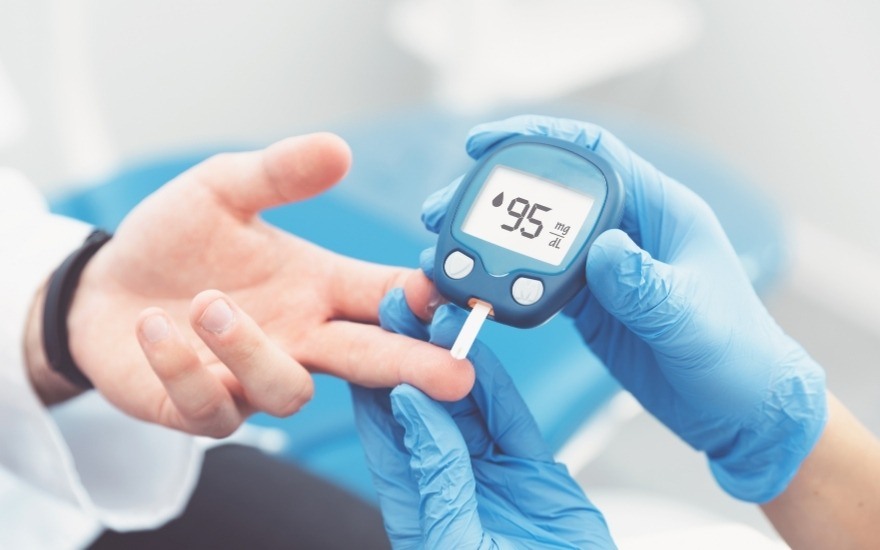
Control blood glucose, lipid levels and blood pressure
Obesity-related fatty liver disease often occurs in the context of metabolic dysfunction. If only liver enzymes are reduced without controlling diabetes, dyslipidemia and hypertension, the risk of disease progression remains.
Patients should attend regular follow-up visits, take medications as prescribed if underlying conditions are present and avoid stopping medication on their own when test results temporarily improve.
Limit alcohol and use medications with caution
Alcohol and certain medications can injure the liver. People with fatty liver disease, elevated liver enzymes or liver fibrosis should consult a physician before using medications, dietary supplements or weight-loss products.
Patients should not use multiple “liver-support” products at the same time. Products of unclear origin may increase liver enzyme levels or cause drug-induced liver injury.
When should patients seek medical care?
Early medical evaluation is recommended if
Patients should see a gastroenterology-hepatology or endocrinology specialist if they belong to any of the following risk groups:
- BMI in the obesity range or large waist circumference.
- Fatty liver disease detected on ultrasound.
- Elevated ALT, AST or GGT liver enzymes.
- Type 2 diabetes, prediabetes or elevated triglycerides.
- Hypertension, dyslipidemia or metabolic syndrome.
- Right upper abdominal discomfort or persistent fatigue.
- Regular alcohol consumption.
- Multiple self-directed weight-loss attempts without improvement in fatty liver disease or liver enzyme levels.
- Current use of medications or dietary supplements that may affect the liver.
Seek medical care or emergency treatment immediately if warning signs appear
Patients should seek medical care or emergency treatment promptly if any of the following signs occur:
- jaundice or yellowing of the eyes;
- rapid abdominal swelling;
- leg edema;
- vomiting blood;
- black stools;
- altered consciousness or unusual drowsiness;
- severe abdominal pain;
- fever accompanied by right upper abdominal pain;
- unexplained weight loss;
- shortness of breath or extreme fatigue.
At the Overweight and Obesity Management Center – Hong Ngoc General Hospital, patients may receive multidisciplinary evaluation when needed, involving gastroenterology-hepatology, endocrinology, nutrition and cardiology. This approach helps determine how obesity has affected the liver and supports the development of an appropriate plan to manage body weight, liver fat, blood glucose and blood lipid levels.
Frequently asked questions
How does obesity affect the liver?
Obesity increases visceral fat, insulin resistance and dyslipidemia, making fat more likely to accumulate in the liver. This condition may lead to fatty liver disease, steatohepatitis, liver fibrosis and, in some cases, progression to cirrhosis.
Is MASLD the same as fatty liver disease?
MASLD is the new term for fatty liver disease associated with metabolic dysfunction, commonly seen in people with obesity, abdominal obesity, type 2 diabetes, hypertension or dyslipidemia. Previously, this condition was often referred to as NAFLD.
How is MASH different from MASLD?
MASLD is the general term for fatty liver disease associated with metabolic dysfunction. MASH is the form accompanied by inflammation and liver cell injury, previously commonly referred to as NASH. MASH carries a higher risk of liver fibrosis than simple fatty liver disease.
Can obesity cause fatty liver disease?
Yes. Obesity, especially abdominal obesity, is an important risk factor for metabolic dysfunction–associated fatty liver disease. The risk is higher when it is accompanied by type 2 diabetes, elevated triglycerides, hypertension or metabolic syndrome.
Does obesity-related fatty liver disease cause symptoms?
It often causes no obvious symptoms in the early stages. Some people may experience fatigue or heaviness in the right upper abdomen, or the condition may only be detected through liver ultrasound or liver enzyme testing. Therefore, people with obesity should have regular health checkups.
Do normal liver enzymes rule out fatty liver disease?
No. Some people with fatty liver disease may still have normal liver enzyme levels. Assessment should be combined with liver ultrasound, waist circumference evaluation, blood glucose, lipid profile and fibrosis risk assessment when indicated by a physician.
Can fatty liver disease lead to cirrhosis?
It can, but not everyone progresses. The risk is higher in people with steatohepatitis, liver fibrosis, long-standing obesity, type 2 diabetes, alcohol consumption or multiple associated metabolic disorders.
What liver tests do people with obesity need?
Common evaluations include ALT, AST, GGT, liver ultrasound, lipid profile, fasting blood glucose and HbA1c. Some cases may require FIB-4, FibroScan, liver fibrosis assessment, viral hepatitis testing or more specialized tests as indicated.
Can weight loss resolve fatty liver disease?
Fatty liver disease may improve with safe weight loss, reduction of visceral fat, a balanced diet, regular physical activity, limiting alcohol intake and control of blood glucose and lipid levels. However, if liver fibrosis or another liver disease is already present, specialist follow-up is needed.
Should people with fatty liver disease take liver-support supplements?
Patients should not use liver-support products, detox teas or dietary supplements without first identifying the cause. Some products of unclear origin may cause drug-induced liver injury or increase liver enzyme levels. Patients should seek medical evaluation to determine the cause and level of risk before using any product.
Conclusion
Obesity affects the liver mainly through visceral fat, insulin resistance, dyslipidemia and chronic inflammation. The most common consequence is metabolic dysfunction–associated fatty liver disease, now commonly referred to as MASLD. If not controlled, some cases may progress to MASH, liver fibrosis, cirrhosis and an increased risk of liver cancer.
If abdominal obesity, fatty liver disease, elevated liver enzymes, type 2 diabetes, high triglycerides or suspected liver fibrosis is present, patients should see a gastroenterology-hepatology or endocrinology specialist to evaluate the cause and level of risk. At Hong Ngoc General Hospital, physicians can coordinate liver, metabolic and nutritional assessment to develop an appropriate plan for weight management and liver protection. Patients may contact the hotline at 024 3927 5568 or leave their information in the form to be contacted for consultation.