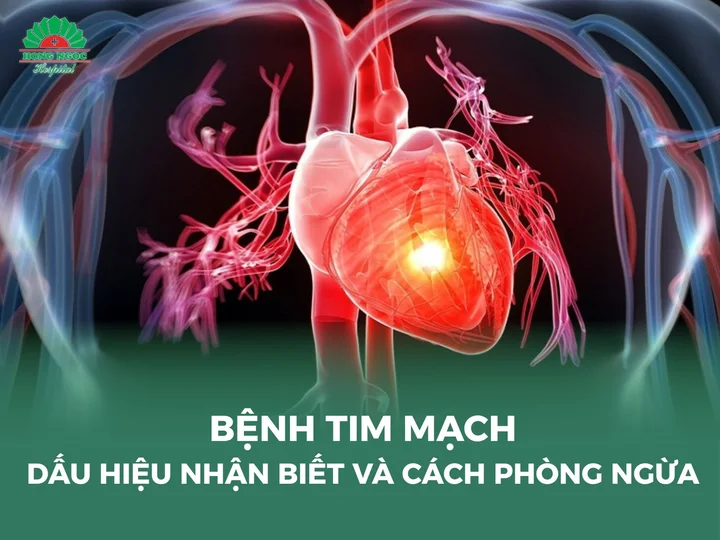



Ischemic heart disease is a cardiovascular disorder that directly affects overall health and daily life. Therefore, it is essential to recognize early warning signs and apply appropriate treatment methods to prevent serious impacts on health and quality of life.
What is ischemic heart disease?
Ischemic heart disease, also known as coronary artery disease, is a condition in which the blood vessels responsible for supplying oxygen and nutrients to the heart become partially restricted or blocked.
This occurs when the coronary arteries narrow due to the accumulation of fatty deposits, cholesterol, and other substances along the arterial walls. These buildups can form blood clots in cases of complete blockage or sticky plaques that impede blood flow. When the coronary arteries are narrowed, the heart receives insufficient oxygen and nutrients, leading to myocardial ischemia (restricted blood supply to the heart muscle).
In some cases, ischemic heart disease may indicate a more severe underlying condition such as coronary artery disease. Without timely diagnosis and treatment, coronary artery disease can lead to dangerous complications, including acute heart attack, myocardial infarction, or stroke.
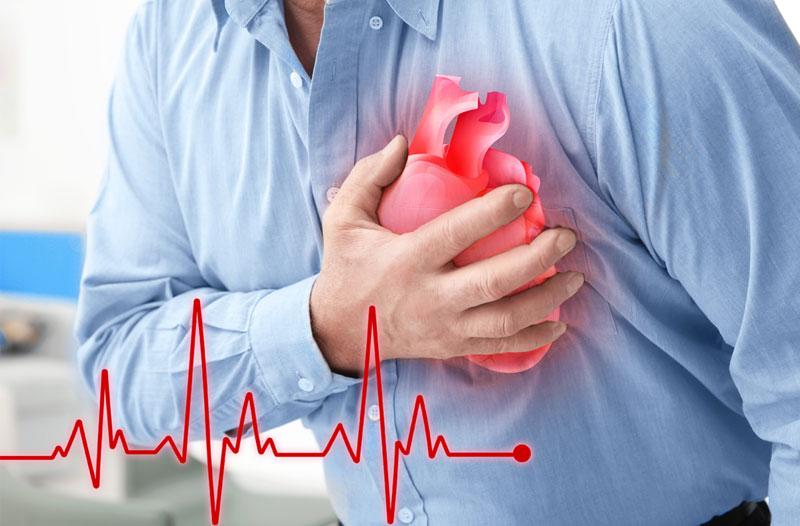
Symptoms of ischemic heart disease
Ischemic heart disease often presents with the following noticeable symptoms:
Chest pain
This is the most common symptom of ischemic heart disease. Chest pain occurs when the heart muscle does not receive enough blood and oxygen. The pain is often described as aching, pressing, or heavy, and may feel like tightness or numbness. It usually appears in a specific area of the chest most commonly in the front or center and may radiate to the neck, shoulders, arms, or jaw. The pain typically lasts for several minutes and may ease with rest or the use of vasodilator medication.
Shortness of breath
Patients may experience difficulty breathing or a feeling of breathlessness during physical activity because the heart cannot supply enough blood and oxygen to the heart muscle. This sensation often persists while exerting effort and subsides with rest.
Fatigue
Ischemia can cause unexplained fatigue, making patients feel persistently weak or lacking energy.
Nausea and tinnitus
Some patients may experience nausea or ringing in the ears when suffering from ischemic heart disease.
Irregular heartbeat
Patients may have unstable heart rhythms, including rapid, slow, or irregular heartbeats.
However, in some cases, ischemic heart disease may not present with obvious symptoms, causing patients to overlook regular medical check-ups. This can lead to disease progression and the development of serious, potentially life-threatening complications.
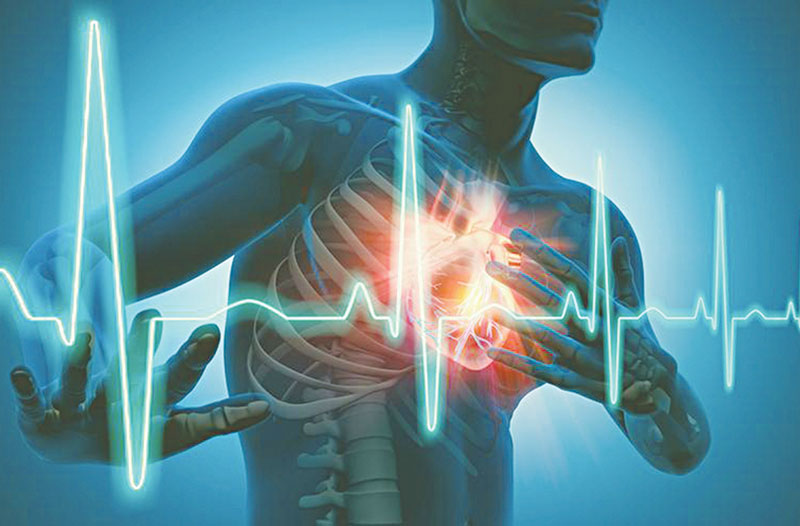
Diagnosis of ischemic heart disease
To diagnose ischemic heart disease, doctors will require the patient’s full medical history and perform the following evaluations:
- Medical history: The doctor will ask about current symptoms and review your medical history, including risk factors such as smoking, diabetes, hypertension, and high cholesterol.
- Physical examination: The doctor will examine the chest and listen to the heart to detect any abnormal sounds or irregularities.
- Electrocardiogram (ECG): An ECG records the heart’s electrical activity and can reveal signs of ischemia. However, in some cases, ischemic heart disease may not be detected through a standard ECG.
- Blood tests: Blood tests may be performed to check blood sugar, lipid levels (cholesterol and triglycerides), and other indicators related to heart health.
- Stress test: This test evaluates heart function during physical exertion or exercise. It helps identify abnormalities in heart activity when the heart muscle does not receive enough blood and oxygen.
- Imaging studies: Techniques such as thallium scanning or cardiac magnetic resonance imaging (MRI) may be used to visualize the heart and surrounding blood vessels, helping determine the location and severity of ischemia.
In addition, the doctor may recommend a vasodilation test or coronary angiography to obtain a more accurate assessment of the blood vessels and establish a definitive diagnosis.
Reader may also be interested in:
- Heart stroke: Signs, causes, first aid, and treatment
- Chest pain – Causes, symptoms, and management
- Cardiology Department
Treatment methods for ischemic heart disease
Depending on the symptoms, condition, and severity of ischemic heart disease, doctors will recommend appropriate treatment options for each patient, which may include:
Lifestyle modification
Adopting a healthy lifestyle is an essential part of treating ischemic heart disease. Patients should follow a balanced diet low in saturated fat and sodium, engage in regular physical activity, maintain a healthy weight, and avoid smoking and alcohol consumption. These changes help improve blood circulation and reduce cardiovascular risk factors.
Medication therapy
Doctors may prescribe vasodilators such as nitrates, diltiazem, verapamil, or beta-blockers to relax blood vessels and improve blood flow to the heart muscle. Pain-relief medications like nitroglycerin may also be used to alleviate chest discomfort. In addition, medications may be prescribed to control other risk factors such as hypertension, high cholesterol, or diabetes.
Angiography and intervention
Coronary angiography and angioplasty may be performed to widen narrowed or blocked arteries, followed by stent placement to keep the arteries open. This procedure helps restore and improve blood flow to the ischemic areas of the heart muscle.
Surgical treatment
In severe cases where other treatment methods are ineffective, surgery may be considered. Procedures such as coronary artery bypass grafting (CABG) are performed to redirect blood flow around blocked arteries, ensuring adequate oxygen supply to the heart.
If diagnosed with ischemic heart disease, patients should attend regular follow-up appointments as scheduled by their cardiologist to monitor disease progression and maintain proper management at reputable cardiovascular centers.
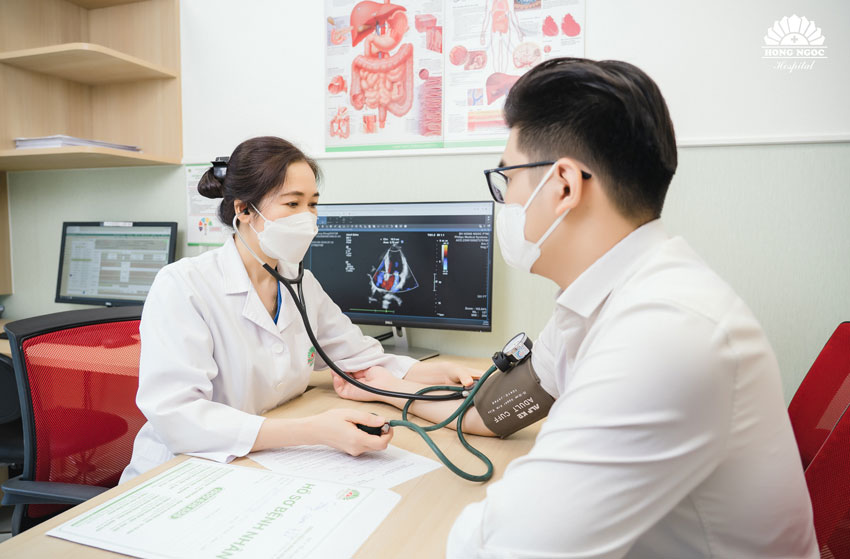
The Cardiology Department at Hong Ngoc General Hospital is a trusted destination for cardiovascular care. With a team of highly skilled specialists and state-of-the-art medical equipment, the department provides accurate diagnosis of ischemic heart disease and develops the most appropriate treatment plan for each patient.
Register for a consultation with our cardiology specialists here:
Note: The information provided in this article by Hong Ngoc General Hospital is for reference purposes only and should not replace professional medical diagnosis or treatment. Patients should not self-medicate. To determine the exact medical condition, please visit a hospital for direct examination, diagnosis, and appropriate treatment advice from qualified physicians.
Follow the official fanpage of Hong Ngoc General Hospital for more useful health information and updates.