


Chest pain is often an early warning sign of serious cardiovascular diseases. It is essential to understand its causes and seek timely medical evaluation and treatment to minimize the risk of severe complications for yourself and your loved ones.
What is chest pain?
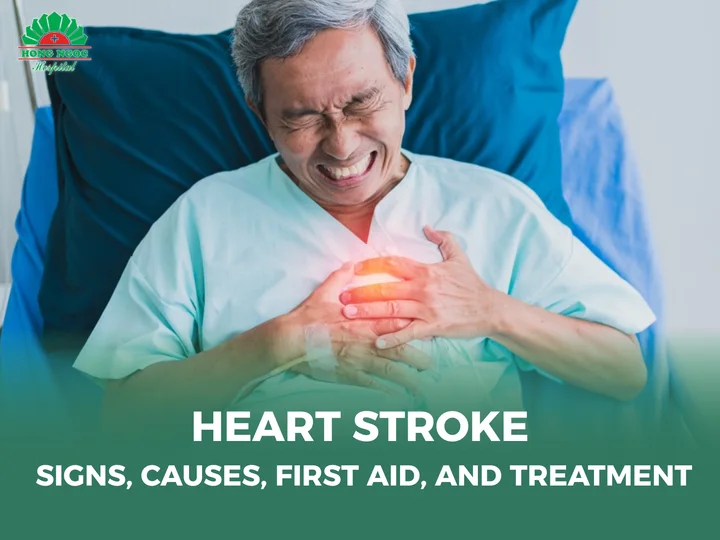
Chest pain is a common symptom associated with cardiovascular conditions. Patients often describe it as a feeling of heaviness, pressure, tightness, or discomfort in the upper chest area. The pain may last for several minutes or occur suddenly with intense severity.
Causes of chest pain
The chest contains several vital organs, so any internal disorder or injury can cause chest discomfort or pain. There are many possible causes, but the most common include:
- Angina: This occurs when the blood vessels supplying the heart muscle become constricted, reducing blood and oxygen flow to the heart.
- Heart attack (myocardial infarction): A heart attack happens when part of the heart muscle loses its blood supply completely due to a blocked artery. This is a medical emergency requiring immediate intervention.
- Endocarditis: An infection of the inner lining of the heart chambers and valves, usually caused by bacteria such as Streptococcus or Staphylococcus, or sometimes fungi. Typical symptoms include chest pain, fever, and nausea.
- Myocardial disorders: Conditions such as cardiomyopathy, valvular stenosis, or aneurysm may also lead to chest pain or tightness.

Individuals at higher risk of chest pain
Chest pain can occur in people of all ages and backgrounds. However, certain factors increase the likelihood of developing this condition, including:
- Age factor: Middle-aged and elderly individuals are more likely to experience chest pain, and their symptoms tend to be more severe than those of younger people.
- Family history: If you have close relatives with cardiovascular diseases or frequent chest pain, your risk of developing similar symptoms is significantly higher.
- Smoking: Smoking or frequent exposure to secondhand smoke increases the risk of cardiovascular diseases and worsens chest pain symptoms.
- Diabetes: People with diabetes are at a higher risk of developing cardiovascular complications, which in turn raises the likelihood of experiencing chest pain.
Reader may also be interested in:
- Heart stroke: Signs, causes, first aid, and treatment
- What is ischemic heart disease? Symptoms and treatment methods
- Cardiology Department
What to do when experiencing chest pain
Chest pain can occur at any time, so it is important to stay calm and take the following steps:
- Rest: If you are working or engaging in physical activity, stop immediately and take a rest. If the chest tightness does not subside after 5 minutes of rest, proceed to the next steps.
- Take nitroglycerin: If you have previously been prescribed nitroglycerin by your doctor, take it as directed. Nitroglycerin helps relax blood vessels and relieve chest pain symptoms.
- Contact your doctor: If chest pain persists despite rest and medication, call your doctor right away or go to the nearest medical facility for timely examination and treatment.

Doctor’s recommendations for patients with chest pain symptoms
To reduce and prevent chest pain as well as other cardiovascular diseases, it is important to follow medical advice and maintain a heart-healthy lifestyle:
- Maintain a healthy lifestyle: Follow a balanced diet that includes all four essential nutrient groups — fiber, carbohydrates, protein, and healthy fats. Limit foods high in sugar and unhealthy fats, such as fast food. Exercise regularly to support cardiovascular health, and avoid harmful habits such as smoking, alcohol consumption, and stimulant use.
- Manage stress: Learn to cope with stress and daily pressures through relaxation techniques such as yoga, meditation, or light exercise. Avoid prolonged anxiety or mental tension, as these can significantly affect heart health.
- Take medication as prescribed: If you have an existing medical condition and are under treatment, take your medication exactly as directed by your doctor — correct dosage, timing, and duration. Do not self-medicate, skip doses, or stop taking prescribed medication without medical advice.
- Have regular health check-ups: Schedule comprehensive health examinations every six months to detect and screen for potential health risks early. For patients with cardiovascular or other chronic conditions, adhere to follow-up appointments as scheduled to monitor disease progression and adjust treatment plans accordingly.
The Cardiology Department at Hong Ngoc General Hospital is a trusted destination for cardiovascular care. With a team of highly qualified specialists and modern medical equipment, the department provides accurate diagnosis, timely detection of heart-related conditions, and personalized treatment plans tailored to each patient’s needs.
Note: The information provided in this article by Hong Ngoc General Hospital is for reference purposes only and should not replace professional medical diagnosis or treatment. Patients should not self-medicate. To determine the exact medical condition, please visit a hospital for direct examination, diagnosis, and appropriate treatment advice from qualified physicians.
Follow the official fanpage of Hong Ngoc General Hospital for more useful health information and updates.