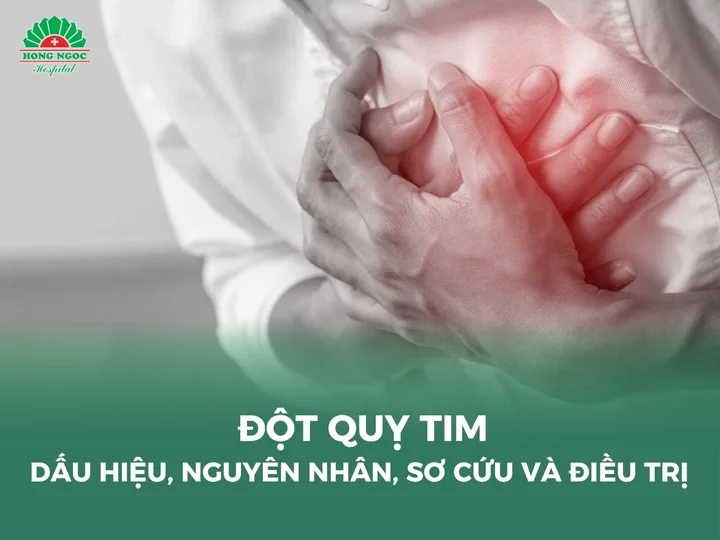



Cardiovascular diseases are becoming increasingly prevalent and show a clear trend toward younger age groups. Early detection and timely implementation of appropriate therapeutic strategies represent an effective approach to limiting disease progression and preventing the risk of severe, life-threatening complications.
What are cardiovascular diseases?
Cardiovascular diseases refer to a group of pathological conditions affecting the heart and blood vessels. In these disorders, the heart and vascular system become structurally and functionally impaired, leading to compromised blood circulation to the brain and other vital organs.
Cardiovascular diseases can occur across all age groups, sexes, and occupational backgrounds. In recent years, they have demonstrated a clear trend toward younger populations, emerging as a significant and growing threat to human health worldwide.
Are cardiovascular diseases dangerous?
According to World Health Organization (WHO) statistics in 2016, cardiovascular diseases were the leading cause of death worldwide, accounting for a higher number of deaths than any other cause. They were estimated to represent approximately 31% of all global mortality, corresponding to about 17.9 million deaths.
Similarly, cardiovascular diseases were responsible for 31% of total deaths in Vietnam in 2016. Of particular concern is the steadily increasing prevalence of hypertension among adults aged 18–69 years, while the proportion of patients who are adequately monitored and managed at healthcare facilities remains relatively low. This gap significantly increases the risk of disease progression and severe cardiovascular complications.
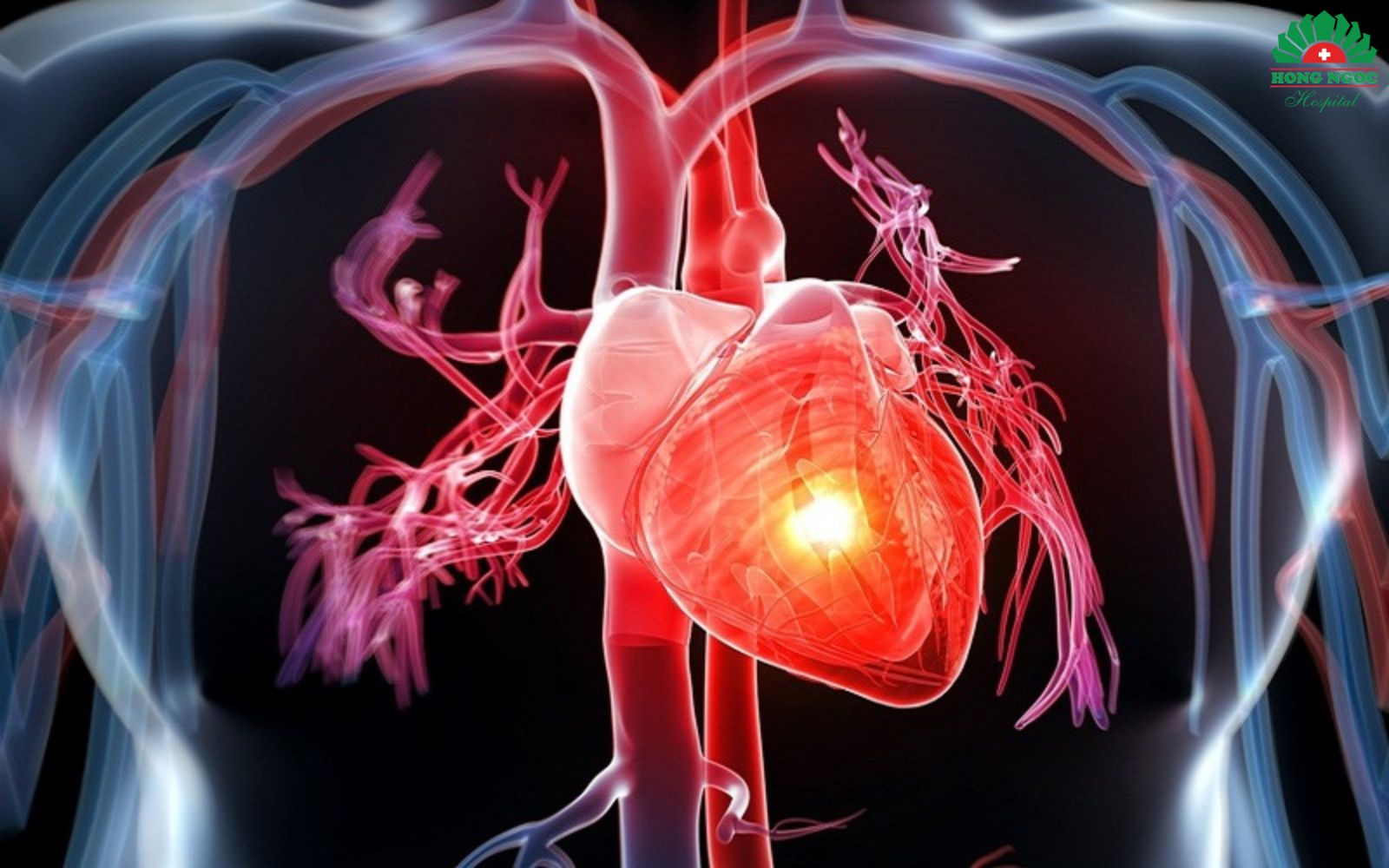
Warning: 9 cardiovascular symptoms that should not be underestimated
In the early stages, cardiovascular diseases often present with no symptoms or only vague, nonspecific clinical manifestations that can be easily mistaken for other common conditions. If any of the following cardiovascular-related symptoms are present, individuals are strongly advised to seek evaluation by a cardiology specialist for accurate diagnosis and appropriate assessment of their cardiovascular health.
Dyspnea
Shortness of breath may occur during physical exertion and, in more severe cases, even at rest. This symptom can be indicative of heart failure, in which impaired cardiac function is insufficient to maintain adequate blood perfusion to vital organs throughout the body.
Chest pain
Persistent or recurrent chest pain may be a clinical manifestation of myocardial ischemia. This pressure-like or constricting chest discomfort typically has a cyclical pattern, occurring during physical exertion or emotional stress and subsiding with rest. Each episode usually lasts approximately 5–10 minutes and tends to recur over time.
When experiencing prolonged or recurrent chest pain, patients should immediately cease physical activity and seek prompt medical evaluation at a healthcare facility. These symptoms do not exclude the possibility of acute myocardial infarction and require timely assessment and intervention.
Persistent fatigue
Inadequate blood supply to the brain, heart, and lungs may cause patients to experience persistent fatigue following routine daily activities. In more advanced cases, fatigue may occur even at rest or be present upon awakening after sleep, reflecting significant impairment of cardiopulmonary function.
Chronic cough
In heart failure, reduced cardiac pumping capacity leads to insufficient systemic perfusion and venous congestion. Blood may accumulate in the pulmonary circulation and leak into the interstitial tissues and alveoli, resulting in a persistent, non-resolving cough. This symptom often indicates worsening cardiac function and warrants prompt cardiovascular evaluation.
Nausea and loss of appetite
Nausea and anorexia may arise from various etiologies; however, they can also represent clinical manifestations of heart failure. Patients often experience early satiety and abdominal fullness due to venous congestion in the liver and gastrointestinal organs. This congestion impairs hepatic and digestive function, leading to reduced appetite and persistent nausea.
Persistent tachycardia
When cardiac function is compromised and unable to adequately pump blood to meet the metabolic demands of peripheral tissues, the heart compensates by increasing its rate to maintain cardiac output. Patients may clearly perceive a persistently rapid heartbeat, heightened cardiac awareness, and frequent palpitations, which may reflect underlying cardiac dysfunction and should not be overlooked.
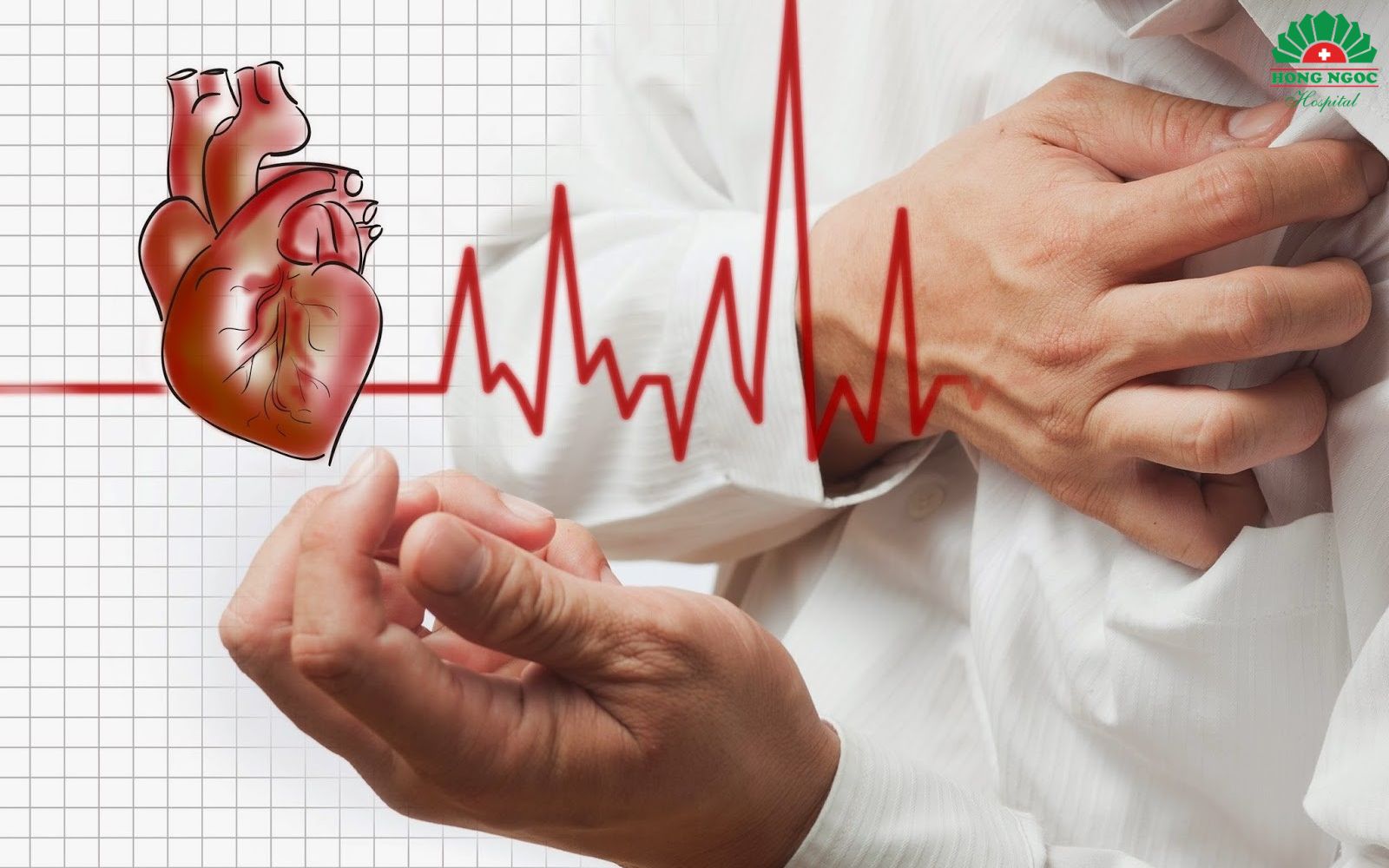
Persistent anxiety
Persistent or unexplained anxiety may be a manifestation of heart failure, although it is often overlooked because patients commonly attribute it to everyday psychological stress. When anxiety is accompanied by rapid breathing, irregular heart rhythm, excessive sweating of the palms, or a constant sense of palpitations, prompt evaluation at a medical facility is recommended for timely diagnosis and appropriate management.
Dizziness and syncope
Impaired cardiac function can result in reduced cerebral perfusion, leading to dizziness and, in more severe cases, syncope. This symptom is commonly observed in patients with significant cardiac arrhythmias or advanced conduction disturbances, where effective cardiac output is intermittently or persistently compromised.
Edema
The presence of swelling in the body or in specific areas such as the lower extremities, eyelids, or hands at certain times of the day should not be overlooked. Peripheral or generalized edema may indicate heart failure due to fluid retention and venous congestion, and timely cardiovascular evaluation and treatment are strongly recommended.
Common cardiovascular diseases
There is a wide spectrum of conditions affecting the cardiovascular system. Among these, the most commonly encountered cardiovascular diseases include the following:
Hypertension
Hypertension is defined as a persistent elevation of blood pressure above normal levels (normal adult blood pressure is a systolic pressure below 120 mmHg and a diastolic pressure below 80 mmHg). Sustained high blood pressure increases hemodynamic stress on the heart and blood vessels, leading to structural and functional cardiovascular damage. Hypertension is a major risk factor for serious cardiovascular conditions, including myocardial infarction and heart failure.
Localized myocardial ischemia
Localized myocardial ischemia is a condition in which the myocardium does not receive an adequate supply of oxygen-rich blood, leading to progressive weakening of cardiac muscle tissue. The primary underlying cause is atherosclerosis, which obstructs the coronary blood flow responsible for nourishing the heart muscle.
Coronary artery disease
Coronary artery disease, also known as coronary insufficiency, is characterized by the narrowing or obstruction of the coronary arteries that supply blood to the heart. This condition is most commonly caused by the accumulation of atherosclerotic plaques, resulting in reduced myocardial perfusion and oxygen delivery. Coronary artery disease can progress to myocardial infarction, cause irreversible cardiac damage, or, in severe cases, lead to sudden cardiac death.
Congenital heart disease
Congenital heart disease refers to a group of cardiovascular abnormalities that are present at birth. It is one of the most common congenital conditions, affecting approximately 1–2% of live births. This group includes disorders such as mitral valve regurgitation, tricuspid valve regurgitation, patent ductus arteriosus, and other structural cardiac defects.
Cardiac arrhythmias
Cardiac arrhythmias are characterized by abnormalities in heart rhythm, which may be excessively rapid or abnormally slow. These rhythm disturbances impair the heart’s ability to pump blood effectively, potentially leading to hemodynamic instability and other serious cardiovascular consequences.
Chronic venous insufficiency of the lower extremities
Chronic venous insufficiency of the lower extremities is a condition characterized by dysfunction of the venous valves in the legs, resulting in impaired venous return to the heart and venous blood pooling in the lower limbs. This leads to clinical manifestations such as leg swelling, pain, muscle cramps, and visibly dilated superficial veins.
Valvular heart disease
Valvular heart disease occurs when one or more cardiac valves fail to open or close properly, resulting in valvular stenosis and/or regurgitation. These abnormalities directly compromise effective cardiac output and impair systemic blood circulation.
Myocardial infarction
Myocardial infarction is a life-threatening cardiovascular condition that occurs when the heart muscle is deprived of an adequate supply of oxygen-rich blood, leading to myocardial injury, progressive cardiac dysfunction, and potentially cardiac arrest or sudden death. The primary underlying cause of myocardial infarction is atherosclerosis of the coronary arteries.
In addition to the conditions mentioned above, there are numerous other common cardiovascular disorders, including heart failure, cardiomyopathies, mitral valve regurgitation, tricuspid valve regurgitation, and related structural or functional cardiac abnormalities.
Who is at risk of cardiovascular disease?
Cardiovascular diseases may be congenital or acquired as a result of long-term lifestyle habits and environmental factors. With the exception of individuals with congenital heart disease, the following populations are at increased risk of developing cardiovascular-related conditions:

Individuals who regularly smoke tobacco
Toxic substances contained in tobacco smoke impair oxygen delivery to the heart and other organs. Smoking also alters the chemical composition of the blood, promoting endothelial dysfunction and the formation of atherosclerotic plaques within arterial walls. These pathological changes lead to vasoconstriction and progressive atherosclerosis, increasing the risk of thrombus formation. Consequently, tobacco use markedly elevates the likelihood of myocardial infarction, stroke, and sudden death.
Individuals with unhealthy dietary habits
A diet high in saturated fats, particularly those found in red meat, significantly increases levels of low-density lipoprotein cholesterol, promoting the formation of atherosclerotic plaques along arterial walls and leading to vascular narrowing or obstruction.
Frequent consumption of processed and ultra-processed foods such as sausages and fried chicken, which are typically high in sodium and unhealthy fats, has a detrimental impact on cardiovascular health.
In addition, excessive daily intake of refined sugars contributes to metabolic disturbances and further increases the risk of developing cardiovascular diseases.
Individuals with a sedentary lifestyle and low levels of physical activity
Regular physical activity helps condition the heart, allowing it to pump more efficiently and maintain a lower heart rate during exertion. In contrast, prolonged sedentary behavior and lack of exercise increase the risk of obesity, dyslipidemia, and hypertension, while reducing myocardial adaptability and promoting arterial stiffness.
These pathological changes impair blood circulation and significantly elevate the risk of serious cardiovascular complications, including stroke and myocardial infarction.
Individuals who are overweight or obese
According to the American Heart Association, individuals with obesity are at significantly increased risk of heart failure, stroke, and other cardiovascular diseases. Obesity is associated with a higher prevalence of atrial fibrillation, which can lead to cardiac arrhythmias and promote the formation of intracardiac thrombi.
Furthermore, excess body weight places a sustained hemodynamic burden on the heart, requiring it to work harder to maintain adequate cardiac output. When this condition persists over time, it can result in progressive cardiac dysfunction, heart failure, and an increased risk of stroke.
Individuals experiencing chronic stress
Prolonged psychological stress can cause endothelial dysfunction and damage to the coronary arteries, while also exacerbating other established risk factors for cardiovascular disease. Chronic stress contributes to adverse neurohormonal and inflammatory responses, thereby increasing the risk of the onset and progression of cardiovascular disorders.
Individuals with elevated cholesterol levels
Regular consumption of cholesterol-rich foods contributes to increased serum cholesterol levels, promoting the formation of atherosclerotic plaques within arterial walls. These plaques may rupture and lead to thrombus formation, increasing the risk of stroke and other cardiovascular events due to inadequate blood and oxygen supply to vital organs.
Individuals with underlying medical conditions
People with pre-existing conditions such as hypertension or diabetes mellitus have a significantly higher risk of developing cardiovascular disease compared with the general population. Hypertension can cause arterial wall thickening and stiffening, leading to vascular narrowing, occlusion, or even vessel rupture.
Older adults
Advancing age is a well-established, non-modifiable risk factor for cardiovascular disease. The risk of developing cardiovascular conditions increases progressively with age.
Family history of cardiovascular disease
Individuals with a family history of cardiovascular disease are at increased risk, reflecting the contribution of genetic predisposition and shared environmental or lifestyle factors.
Reader may also be interested in:
- Causes of cardiovascular disease and effective prevention strategies
- What is dyspnea? Causes of shortness of breath
- Is heavy breathing dangerous? Causes and treatment
Methods for diagnosis and treatment of cardiovascular disease
Cardiovascular diseases often progress silently and may lead to serious, potentially life-threatening consequences if not detected and treated at an early stage. Therefore, accurate diagnosis and the implementation of appropriate therapeutic strategies are essential to optimize treatment outcomes and protect long-term cardiovascular health.

Diagnosis of cardiovascular disease
During clinical evaluation, if a physician suspects that a patient may have a cardiovascular condition, comprehensive diagnostic investigations are typically indicated to establish an accurate diagnosis. These may include blood tests, chest X-ray imaging, electrocardiography (ECG), and other specialized cardiovascular assessments, such as the following:
- Cardiac magnetic resonance imaging (cardiac MRI)
- Electrocardiography (ECG)
- Holter electrocardiographic monitoring (Holter ECG)
- Transthoracic echocardiography with Doppler assessment
- Cardiac catheterization
- Cardiac computed tomography (cardiac CT scan)
- Digital subtraction coronary angiography (DSA coronary angiography)
Treatment of cardiovascular disease
After an accurate diagnosis has been established, a cardiology specialist will determine and prescribe the most appropriate treatment strategy based on the specific cardiovascular condition and the individual patient’s overall health status.
Commonly used treatment modalities include:
- Pharmacological therapy: The use of antibiotics in cases of cardiac infections, along with medical management for conditions such as hypertension and other cardiovascular disorders, tailored according to clinical indications.
- Lifestyle and dietary modification: In addition to strict adherence to prescribed medications, patients with cardiovascular disease are advised to adopt healthier lifestyle practices, including a balanced diet low in saturated fat and refined sugars, regular low- to moderate-intensity physical activity, and absolute avoidance of alcohol and tobacco use.
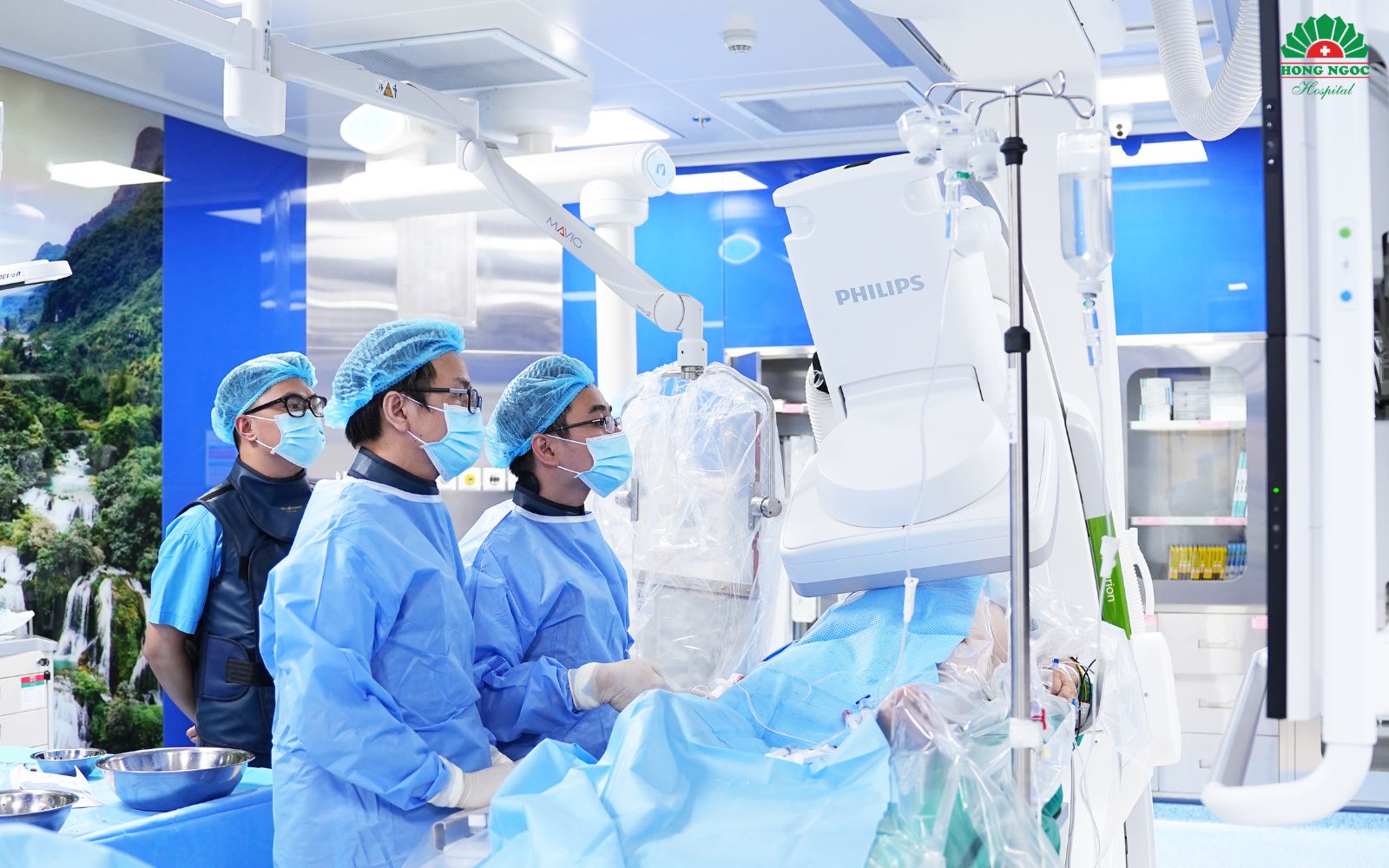
- Interventional and surgical management: In cases of significant coronary artery stenosis or myocardial infarction, interventional procedures such as coronary stent implantation or drug-coated balloon angioplasty may be indicated. For severe cardiac arrhythmias, implantation of a temporary or permanent cardiac pacemaker may be recommended to restore and maintain effective cardiac rhythm.
Measures for the prevention of cardiovascular disease
With the exception of congenital heart disease, which cannot be prevented, most other cardiovascular conditions can be effectively reduced in risk through the adoption of a healthy and appropriate lifestyle:
- Do not smoke, do not consume alcohol, and avoid the use of stimulants: complete avoidance of tobacco products, alcoholic beverages, and stimulatory substances helps significantly reduce the risk of cardiovascular disease.
- Maintain a healthy diet: limit the intake of unhealthy fats and sugars, while ensuring adequate and balanced consumption of essential nutrient groups to achieve optimal overall and cardiovascular health.
- Monitor, assess, and effectively control blood cholesterol levels: maintaining cholesterol within recommended ranges is crucial for cardiovascular protection.
- Control blood pressure and monitor diabetes: regular monitoring and good control of hypertension and diabetes mellitus are essential to reduce cardiovascular risk.
- Maintain a stable body weight: avoid excessive or rapid weight gain and prevent obesity, which place increased strain on the cardiovascular system.
- Engage in regular physical activity: practice routine exercise and select appropriate types and intensities of physical activity that suit individual living conditions and daily schedules.
- Ensure adequate sleep and reduce stress: get sufficient sleep and limit prolonged stress and anxiety to protect cardiovascular health.
- Undergo periodic health check-ups: regular medical examinations enable early detection of disease and allow for timely screening and early intervention.
Cardiovascular diseases pose significant risks to health and life; however, they are largely preventable. Therefore, individuals should take a proactive approach to their own health, remain attentive to any abnormal bodily signs or symptoms, and undergo regular cardiovascular examinations for early detection and timely intervention.
Note: The information provided in this article by Hong Ngoc General Hospital is for reference purposes only and is not intended to replace professional medical diagnosis or treatment. Patients should not self-medicate under any circumstances. To accurately determine their medical condition, patients are advised to visit a hospital or healthcare facility for direct examination, diagnosis, and consultation with qualified physicians regarding an appropriate treatment plan.
Follow the official fanpage of Hong Ngoc General Hospital for more useful and updated health information.