




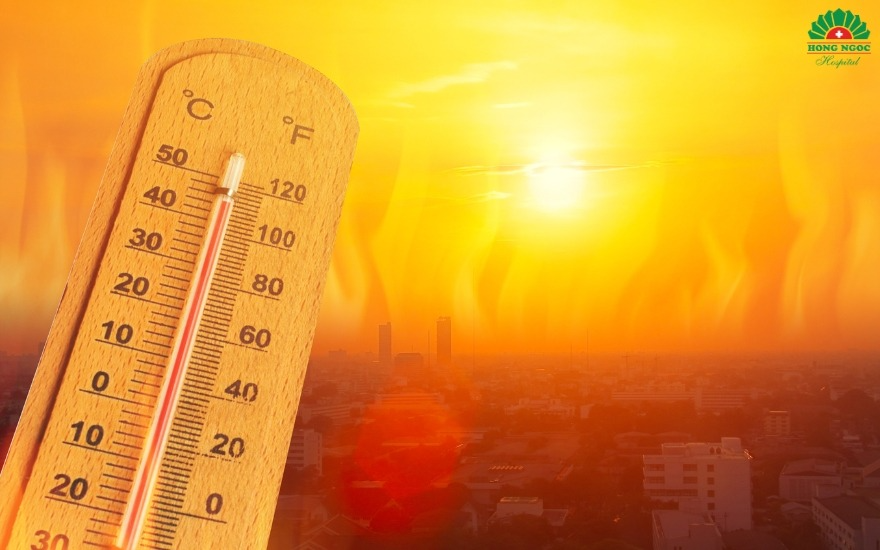
Hot weather not only causes a feeling of heat and discomfort, but may also increase health risks in people with underlying medical conditions. One common mistake is continuing to go outdoors, work, or exercise during peak heat hours without appropriate protective measures.
Quick answer: During hot weather, outdoor activities should be limited between around 12:00 p.m. and 4:00 p.m., especially when sunlight is intense, the UV index is high, or prolonged physical activity is required. This is the period when the body is more prone to dehydration, elevated body temperature, low blood pressure, heat exhaustion, and heatstroke. Older adults, young children, pregnant women, people with cardiovascular, respiratory, or kidney disease, and those taking diuretics should be especially cautious.
Professional consultation: Nguyen Duc Manh, MD, Specialist Level II - General Internal Medicine Department, Hong Ngoc General Hospital - Phuc Truong Minh. Last updated: May 20, 2026.
Quick summary of the article
- The period from around 12:00 p.m. to 4:00 p.m. is generally the time when outdoor exposure should be limited during hot weather, as temperature, solar radiation, and the UV index are often higher during this part of the day.
- The level of risk does not depend only on the time of day, but is also related to the actual temperature, humidity, UV index, air quality, concrete or asphalt surfaces, duration of exposure, and each individual’s health status.
- Going outdoors during peak heat hours may cause the body to lose fluid more quickly, make the heart work harder, increase the likelihood of blood pressure fluctuations, and raise the risk of heat exhaustion or heatstroke.
- Older adults, young children, pregnant women, outdoor workers, people with cardiovascular, respiratory, kidney disease, or diabetes, and those taking diuretics or antihypertensive medications should be monitored more closely.
- If confusion, shortness of breath, chest pain, high fever, fainting, seizures, bluish lips, or stroke warning signs such as facial drooping, weakness on one side of the body, or difficulty speaking occur after sun exposure, emergency care is required immediately.
- If going outdoors during peak heat hours is unavoidable, people should wear loose, light-colored clothing, wear a hat, drink appropriate fluids, rest in a cool place at regular intervals, avoid prolonged exertion, and monitor for signs of dehydration or heatstroke.
Why does hot weather easily affect health?
When ambient temperature rises, the body has to work harder to maintain a stable core temperature. Its main cooling mechanisms are increased sweating and redirecting more blood flow to the skin to dissipate heat. With prolonged heat exposure, especially during peak sunlight hours, these mechanisms may become overloaded.
Hot weather may affect health through the following mechanisms:
- Fluid loss through sweating: Sweating helps cool the body, but it also causes the loss of fluid and mineral salts. Without adequate replacement, patients may develop dry mouth, reduced urination, dizziness, severe fatigue, or low blood pressure.
- The heart has to work harder: When more blood is directed to the skin for heat dissipation, the heart needs to beat faster and pump more forcefully. People with cardiovascular disease, hypertension, arrhythmias, or older adults may be more prone to palpitations, shortness of breath, chest pain, or fatigue.
- The risk of electrolyte imbalance increases: Heavy sweating may lead to the loss of fluid, potassium, and other electrolytes that are essential for muscle, nerve, and heart function. When electrolyte loss becomes significant, affected individuals may experience muscle cramps, muscle weakness, nausea, a rapid heartbeat, or confusion.
- Thermoregulation may become impaired: When the body cannot dissipate heat in time, core temperature may rise rapidly, leading to heat exhaustion or heatstroke. Heatstroke is a medical emergency that can damage the brain, kidneys, heart, and other organs.
- Underlying medical conditions may become unstable: Hot weather may make cardiovascular disease, respiratory disease, kidney disease, diabetes, or hypertension more difficult to control, especially if the patient becomes dehydrated, has poor food and fluid intake, or changes medication without medical guidance.

What hours should people avoid going outdoors during hot weather?
During hot weather, people should limit outdoor exposure between around 12:00 p.m. and 4:00 p.m., especially on days with intense sunlight, high-temperature warnings, or a UV index at dangerous levels. This is typically the period when sunlight is strongest, outdoor temperatures rise, and surfaces such as roads, concrete, and metal roofing can absorb substantial heat.
However, this time frame is only a general reference, not a fixed rule for every day or every location. The actual level of risk also depends on:
- Daily temperature and humidity.
- The UV index.
- Cloud cover.
- Wind and ventilation.
- Air quality.
- Surrounding surfaces such as asphalt, concrete, and metal roofing.
- Duration of outdoor exposure.
- Intensity of physical activity.
- Age, underlying medical conditions, and current medications.
Key point: If extreme heat warnings are issued, older adults, young children, pregnant women, people with cardiovascular, respiratory, or kidney disease, or those with a history of stroke should avoid going outdoors unless it is truly necessary.
Risk periods and recommended actions
The table above is for reference only. People should check the weather forecast, heat warnings, UV index, and their personal health status before deciding to go outdoors.
Why can going outdoors during peak heat hours be dangerous?
The body loses fluid more quickly
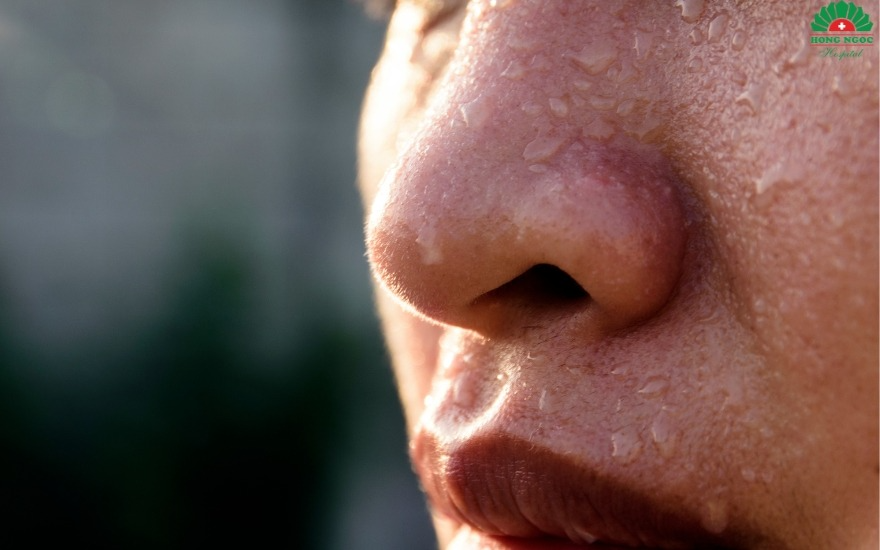
When a person goes outdoors in hot weather, the body increases sweating to cool itself down. If heat exposure is prolonged or physical activity is intense, fluid loss through sweating may increase rapidly, while thirst does not always appear early.
Warning signs of dehydration include:
- Dry mouth and dry lips: These are early signs that the body may be lacking fluid or that the mucous membranes are becoming dry. Older adults may not feel clearly thirsty even when the body is already dehydrated.
- Reduced urination and dark-colored urine: When the body lacks fluid, the kidneys try to conserve water, causing urine output to decrease. If urination is very limited and accompanied by severe fatigue, dizziness, or low blood pressure, medical evaluation should be sought.
- Dizziness when standing up: Dehydration reduces circulating blood volume, which may temporarily reduce blood flow to the brain when changing position. Patients may feel lightheaded, dizzy, or near-fainting.
- Rapid heartbeat: The heart may beat faster to support heat dissipation and maintain circulation when the body is dehydrated. If a rapid heartbeat persists and is accompanied by chest pain, shortness of breath, or fainting, emergency care is needed.
- Read more: Silent dehydration in summer should be considered if dry mouth, reduced urination, dizziness, or prolonged fatigue occurs frequently on hot days.
Learn more: Silent dehydration during the summer can be recognized by frequent dry mouth, reduced urination, dizziness, or persistent fatigue during hot weather.
The heart and lungs have to work harder
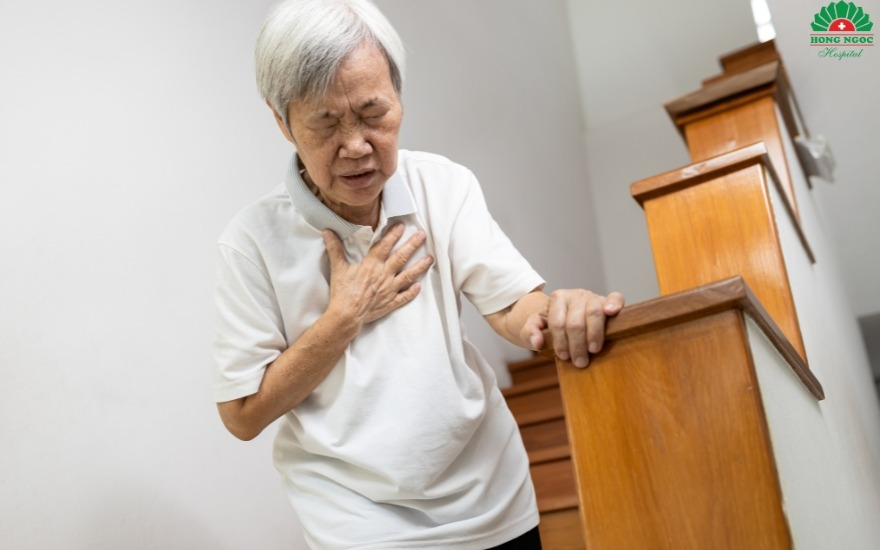
In hot weather, the heart has to work harder to direct blood flow to the skin, support heat dissipation, and maintain circulation. The lungs also have to meet higher oxygen demands if the patient is physically active or dehydrated.
This may cause:
- Palpitations and a rapid heartbeat: This may be a temporary response as the body tries to dissipate heat, but it may also be related to dehydration, electrolyte imbalance, or underlying cardiovascular disease.
- Shortness of breath with mild exertion: If a person becomes breathless after only a short walk, climbing a few stairs, or performing light activity, underlying heart or lung disease or heat exhaustion should be considered.
- Chest pain or chest tightness: Chest pain on a hot day, especially when accompanied by cold sweats, shortness of breath, nausea, or pain radiating to the shoulder, left arm, neck, or jaw, requires emergency care to rule out an acute cardiovascular event.
- Faster-than-usual fatigue: When the heart and lungs have to work harder in a hot environment, patients may experience reduced endurance, especially older adults or those with underlying medical conditions.
- Read more: A rapid heartbeat in hot weather and shortness of breath during hot weather should be assessed if palpitations, breathlessness, or cardiovascular discomfort occurs on hot days.
Learn more: A rapid heartbeat and shortness of breath in hot weather may occur if you frequently experience palpitations, breathlessness, or cardiovascular discomfort on hot days.
A high UV index may harm the skin and eyes
In addition to high temperatures, a high UV index is also an important factor to watch during summer. Ultraviolet radiation can cause sunburn, skin darkening, eye damage, and increase the risk of skin injury with prolonged unprotected exposure.
Key concerns include:
- Sunburn: The skin may become red, painful, and burning, and may blister after prolonged sun exposure. Severe sunburn accompanied by fever, severe fatigue, or vomiting requires medical evaluation.
- Eye irritation or injury: Strong sunlight may cause eye stinging, tearing, discomfort, or light sensitivity. Appropriate sunglasses should be worn when spending extended periods outdoors.
- Increased heat absorption around the head and neck: Direct sun exposure to the head and neck may cause headache, dizziness, or a higher risk of heat exhaustion.
- Do not underestimate cloudy weather: UV rays can still affect the skin even when the sky is cloudy, especially when the UV index is high.
Heatstroke can progress rapidly
Heatstroke occurs when the body can no longer control its core temperature. It may develop after prolonged exposure to a hot environment, excessive physical exertion, or severe dehydration. This is a medical emergency and should not be managed at home if severe warning signs appear.
Warning signs of suspected heatstroke include:
- High fever or rapidly rising body temperature.
- Hot, red skin or profuse sweating.
- Confusion, incoherent speech, agitation, or difficulty being awakened.
- Seizures or fainting.
- Shortness of breath or a rapid heartbeat.
- Severe fatigue, low blood pressure, or inability to drink water.
Read more: Warning signs of heatstroke that require hospitalization should be recognized early to help identify dangerous symptoms in time.
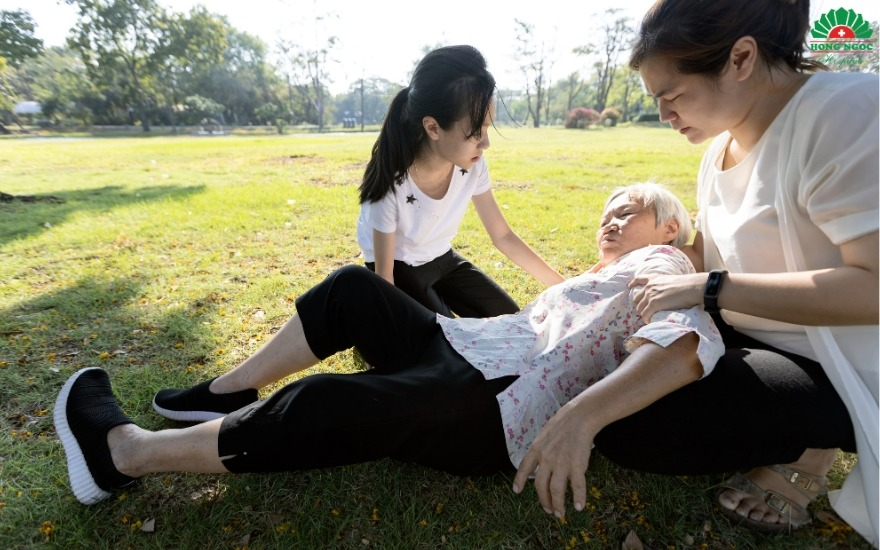
Who should be especially careful to avoid prolonged heat exposure?
Older adults
Older adults often have a reduced thirst sensation, decreased thermoregulatory capacity, and multiple underlying conditions such as hypertension, cardiovascular disease, kidney disease, or diabetes. During prolonged hot weather, they are more likely than younger people to develop silent dehydration, low blood pressure, confusion, or heatstroke.
Family members should regularly check whether older adults are drinking enough water as advised, urinating normally, staying alert, not experiencing dizziness, and remaining in a sufficiently cool and well-ventilated environment.
Read more: Preventive health measures for older adults during hot weather.
Young children
Young children can become dehydrated quickly, have an immature ability to regulate body temperature, and may not be able to clearly describe fatigue, thirst, dizziness, or shortness of breath. Symptoms may include irritability, lethargy, poor feeding, fever, dry lips, reduced urination, or unusually prolonged sleepiness.
Parents should limit children’s outdoor play during peak heat hours, prepare water, hats, and breathable clothing, and monitor them closely after outdoor activity.
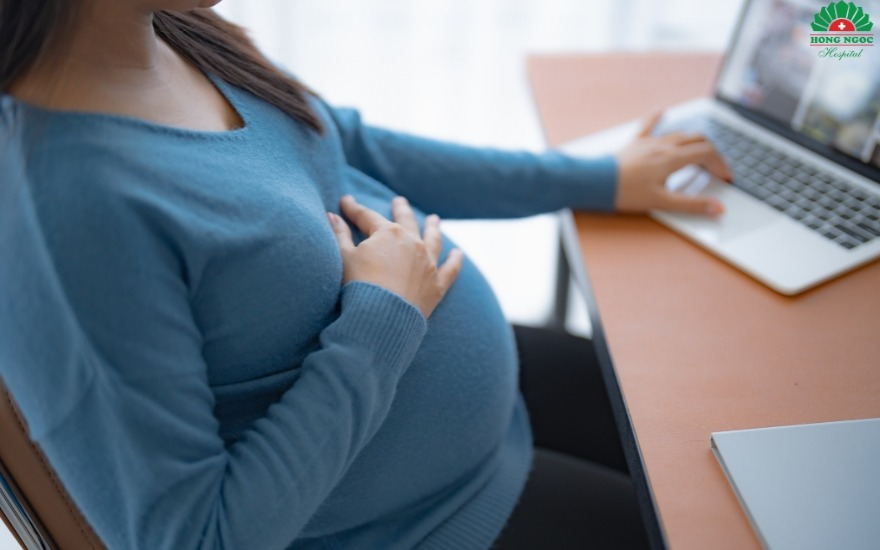
Pregnant women
Pregnancy increases circulatory demands and makes the body more sensitive to dehydration, heat exposure, and low blood pressure. Pregnant women may be more prone to dizziness, fatigue, palpitations, or increased swelling during hot weather.
They should avoid going outdoors during peak heat hours, maintain appropriate hydration, rest in a cool place, and seek medical evaluation if shortness of breath, severe headache, blurred vision, fainting, abdominal pain, vaginal bleeding, or abnormal fetal movement occurs.
Outdoor workers
Delivery workers, construction workers, farmers, drivers, athletes, and people who exercise outdoors can lose significant amounts of fluid and electrolytes through sweating. If they continue working despite headache, dizziness, nausea, a rapid heartbeat, or severe fatigue, the risk of heat exhaustion and heatstroke increases substantially.
This group should plan regular rest breaks, maintain appropriate fluid intake, use protective coverings, reduce work intensity during peak heat hours, and avoid working alone in extreme conditions whenever possible.
People with cardiovascular disease, hypertension, or a history of stroke
Hot weather makes the heart work harder, while dehydration may cause blood pressure to fluctuate. People with cardiovascular disease, hypertension, arrhythmia, heart failure, or a history of stroke should be especially cautious.
If chest pain, shortness of breath, a persistent rapid heartbeat, weakness or numbness on one side of the body, facial drooping, difficulty speaking, or sudden blurred vision occurs, emergency care is needed immediately.
People with kidney disease, diabetes, or those taking diuretics
People with kidney disease and diabetes are more vulnerable to fluid and electrolyte disturbances. Diuretics, antihypertensive medications, or certain cardiovascular medications may increase the risk of dehydration, low blood pressure, or electrolyte abnormalities during hot weather.
Patients should not stop their medications or drink excessive amounts of water without consulting their doctor. Medical evaluation should be sought if reduced urination, swelling, shortness of breath, severe dizziness, blood glucose fluctuations, or abnormal blood pressure occurs.
People living alone or with dementia
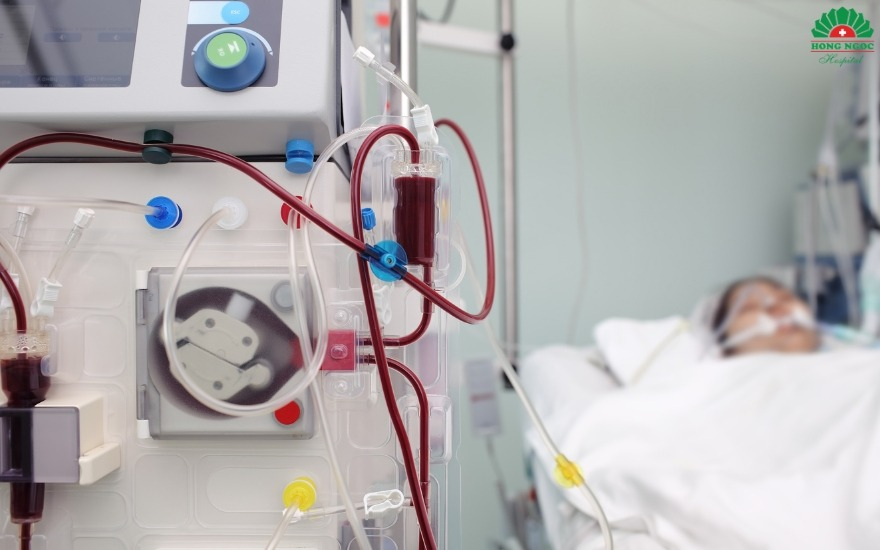
People living alone, those with dementia, or individuals who have difficulty caring for themselves may not recognize signs of dehydration, may not actively drink water, or may not know how to seek help when they feel unwell. Family members should check on them regularly during heat waves, especially around midday and early afternoon.
Checklist when going outdoors in hot weather is unavoidable
Before going outdoors
- Drink an appropriate amount of water: Do not wait until you feel thirsty to drink, as thirst often appears only after the body has already begun to lose fluid. People with heart failure, kidney disease, liver disease, or those who have been advised to restrict fluid intake should consult their doctor about the appropriate amount of water.
- Check the weather forecast and UV index: If there are warnings of extreme heat, a high UV index, or poor air quality, consider postponing nonessential activities.
- Wear loose, light-colored clothing: Light-colored, loose-fitting, sweat-absorbing clothing helps the body dissipate heat more effectively. Avoid clothing that is too thick, tight, or poorly ventilated.
- Wear a hat, sunglasses, and sunscreen when appropriate: These measures help reduce the direct effects of sunlight on the skin, eyes, head, and neck.
- Carry necessary medications if you have underlying medical conditions: People with asthma, cardiovascular disease, hypertension, diabetes, or chronic illnesses should carry medications as directed and should not stop taking them on their own when going outdoors.
While outdoors
- Take regular breaks in a cool place: Short breaks help lower body temperature and reduce cardiovascular strain. If dizziness, nausea, a rapid heartbeat, or severe fatigue occurs, activity should be stopped immediately rather than continued.
- Drink water in small sips: Regular fluid intake helps reduce the risk of dehydration. Avoid drinking too much water at once, especially when feeling nauseous or immediately after strenuous activity.
- Avoid overexertion: The risk of heat exhaustion and heatstroke increases in hot weather. Outdoor workers should divide work shifts, reduce intensity, and have someone monitor them during extreme heat whenever possible.
- Monitor warning signs: Headache, dizziness, muscle cramps, nausea, severe fatigue, a rapid heartbeat, shortness of breath, or confusion are all signs that activity should be stopped and cooling measures should be started.
- Do not drink alcohol to “cool down”: Alcohol may worsen dehydration and affect blood pressure, heart rhythm, and the ability to recognize danger signs.

After returning from the sun
- Do not enter a very cold room immediately: A sudden temperature difference may cause headache, dizziness, or cardiovascular discomfort in some people. It is better to rest in a well-ventilated, cool place for a few minutes, wipe off sweat, and then enter an air-conditioned room.
- Rehydrate gradually: If heavy sweating has occurred, water should be taken in small sips. If the patient has repeated vomiting, confusion, or inability to drink water, medical evaluation or emergency care is needed.
- Monitor symptoms for several hours: Some signs of dehydration, heat exhaustion, or heatstroke may appear after the person has already left the hot environment.
- Seek medical evaluation if symptoms do not improve: Persistent severe fatigue, headache, dizziness, a rapid heartbeat, shortness of breath, or reduced urination after rest should be assessed by a doctor.
Danger signs after sun exposure that should not be ignored
Confusion, incoherent speech, or difficulty being awakened
These are dangerous warning signs because they may indicate that the brain is being affected by elevated body temperature, oxygen deficiency, severe dehydration, or electrolyte imbalance. This should not be dismissed simply as “fatigue from the sun”; the patient should be taken for emergency care.
Shortness of breath, bluish lips, or rapid breathing
Shortness of breath after sun exposure may be related to heat exhaustion, heatstroke, an asthma attack, lung disease, or an acute cardiovascular event. If the patient cannot speak in full sentences, has bluish lips, labored breathing, or chest pain, emergency care is required.
Chest pain, cold sweats, or fainting
These warning signs require evaluation to rule out an acute cardiovascular event, severe low blood pressure, or arrhythmia. Patients should not drive themselves or take cardiovascular medications on their own without medical guidance.
High body temperature, hot skin, or seizures
Elevated body temperature after exposure to a hot environment, especially when accompanied by hot skin, confusion, seizures, or fainting, may indicate heatstroke. Emergency services should be called immediately. While waiting for medical assistance, move the patient to a cool place, loosen clothing, and begin cooling the body.
Facial drooping, weakness on one side of the body, or difficulty speaking
These are warning signs of suspected stroke and require immediate emergency care. Hot weather, dehydration, and blood pressure fluctuations may increase the risk of acute events in people with underlying vascular disease. Regardless of the cause, focal neurological symptoms require urgent management.

Common mistakes when going outdoors during hot weather
Avoiding sun exposure only when it feels “too hot”
Many people avoid going outdoors only when they clearly feel overheated. However, the body may already be losing fluid and experiencing a rise in core temperature before discomfort becomes obvious. Older adults, young children, and people with underlying medical conditions may not recognize the risk early.
Drinking water only when thirsty
Thirst is not always an early warning sign. By the time thirst occurs, the body may already have developed some degree of fluid deficiency. Water should be consumed regularly throughout the day, especially when working outdoors or sweating heavily.
Exercising at midday to “sweat more”
High-intensity exercise during peak heat hours increases the risk of dehydration, electrolyte imbalance, heat exhaustion, and heatstroke. Exercise should be scheduled for the early morning or cooler late afternoon, with reduced intensity when the weather is extremely hot.
Wearing sun-protective clothing that is too thick or poorly ventilated
Sun protection is necessary, but clothing that is too thick, tight, or poorly ventilated may make it harder for the body to dissipate heat. Breathable, light-colored materials that are appropriate for the weather should be chosen.
Becoming complacent after going indoors
Some people assume they are immediately safe once they go indoors, but symptoms of dehydration or heat exhaustion may continue to develop afterward. If severe fatigue, headache, dizziness, a rapid heartbeat, or reduced urination persists, symptoms should be monitored and medical evaluation sought when needed.
When should medical evaluation or emergency care be sought?
Emergency care is needed immediately if danger signs occur
Emergency services should be called, or the patient should be taken to a medical facility immediately, if any of the following signs occur after sun exposure or staying in a hot environment:
- Confusion, incoherent speech, or difficulty being awakened: These may indicate heatstroke affecting the brain or a neurological disturbance.
- Shortness of breath, bluish lips, or labored breathing: These may be related to respiratory failure, heatstroke, or worsening of underlying heart or lung disease.
- Chest pain, cold sweats, or fainting: These signs require evaluation to rule out an acute cardiovascular event, severe low blood pressure, or arrhythmia.
- High body temperature, hot skin, or seizures: These suggest possible heatstroke and require cooling measures and emergency care.
- Facial drooping, weakness on one side of the body, or difficulty speaking: Stroke should be suspected, and emergency services should be called immediately.
- Inability to drink water, persistent vomiting, or very little urination: These may indicate severe dehydration or impaired kidney function.
Early medical evaluation is recommended if symptoms persist or recur
Consultation with a general internal medicine, cardiology, pulmonology, or other appropriate specialist is recommended if any of the following occur:
- Prolonged fatigue after sun exposure.
- Recurrent headache or dizziness.
- A rapid heartbeat or palpitations.
- Reduced urination or dark-colored urine.
- Recurrent cough, wheezing, or shortness of breath.
- Blood pressure fluctuations.
- Underlying cardiovascular disease, hypertension, kidney disease, respiratory disease, or diabetes.
- Current use of diuretics, antihypertensive medications, or cardiovascular medications.
At Hong Ngoc General Hospital, patients can receive multidisciplinary medical evaluation to assess dehydration, blood pressure, cardiovascular and respiratory function, and other heat-related health risks during hot weather. Customers can contact the hotline at 024 3927 5568 or leave their information below to receive a call and consultation from a doctor.

Frequently asked questions
What is the most dangerous time to go outdoors?
The period from around 12:00 p.m to 4:00 p.m is often when heat and UV radiation are higher during the day. However, the actual level of risk also depends on weather conditions, humidity, heat warnings, and personal health status. Older adults, young children, and people with underlying medical conditions should limit outdoor exposure during this time.
Why can hot weather easily cause heatstroke?
When the body is exposed to heat for a prolonged period, becomes dehydrated, or is physically overexerted, its ability to dissipate heat may become overwhelmed. A rapid rise in core body temperature may cause confusion, seizures, organ injury, and the need for emergency care.
Should older adults go outdoors at midday?
They should avoid doing so unless it is truly necessary. Older adults are more prone to dehydration, have reduced thermoregulatory capacity, and often have underlying cardiovascular, blood pressure, or kidney conditions, placing them at higher risk of complications.
Is it advisable to exercise outdoors at noon?
High-intensity exercise should be avoided at noon or in the early afternoon on hot days. Exercise should be scheduled for early morning or the cooler late afternoon, with reduced intensity. Activity should be stopped immediately if dizziness, nausea, a rapid heartbeat, or severe fatigue occurs.
What should be done if going outdoors during peak heat hours is unavoidable?
People should wear loose, light-colored clothing, wear a hat, drink appropriate fluids, take regular breaks in a cool place, avoid continuous exertion, and monitor for signs of dehydration or heatstroke such as dizziness, nausea, a rapid heartbeat, severe fatigue, or confusion.
Should people with cardiovascular disease go outdoors in hot weather?
People with cardiovascular disease, hypertension, heart failure, or a history of stroke should limit outdoor exposure during peak heat hours. If going outdoors is unavoidable, they should take medications as prescribed, maintain appropriate hydration, and seek medical evaluation if chest pain, shortness of breath, a rapid heartbeat, or dizziness occurs.
What warning signs require emergency care after sun exposure?
Emergency care is needed if confusion, difficulty being awakened, high fever, hot skin, seizures, fainting, shortness of breath, chest pain, bluish lips, or stroke warning signs such as facial drooping, weakness on one side of the body, or difficulty speaking occur.
Conclusion
The period from around 12:00 p.m to 4:00 p.m is generally the time when outdoor exposure should be limited during hot weather, especially when sunlight is intense, the UV index is high, humidity is elevated, or extreme heat warnings are issued. However, the level of risk also depends on daily weather conditions, the surrounding environment, duration of exposure, and each person’s health status.
To protect health, prolonged outdoor activity during peak heat hours should be avoided. People should maintain appropriate hydration, wear loose and light-colored clothing, take regular breaks in a cool place, and monitor for signs of dehydration, heat exhaustion, or heatstroke. If confusion, shortness of breath, chest pain, high fever, fainting, seizures, or stroke warning signs occur after sun exposure, emergency care is needed immediately.
Medical note
This article is for informational purposes only and does not replace medical diagnosis or treatment. Older adults, young children, pregnant women, people with cardiovascular, respiratory, or kidney disease, diabetes, or those taking diuretics or antihypertensive medications should consult a doctor if they develop any abnormal symptoms during hot weather.