


Heatstroke is a medical emergency that occurs when the body can no longer regulate its core temperature after prolonged exposure to a hot environment or excessive physical exertion. If not treated promptly, heatstroke can damage the brain, heart, kidneys, and many other organs. In the article below, doctors at Hong Ngoc General Hospital help readers recognize dangerous warning signs and understand when a patient should be hospitalized immediately.
Quick answer: A patient with heatstroke needs immediate hospitalization if body temperature reaches around 40°C or higher, or if they develop confusion, incoherent speech, fainting, seizures, shortness of breath, a rapid heartbeat, hot red skin or profuse sweating, persistent vomiting, low blood pressure, or failure to regain alertness after cooling measures. This is a medical emergency and should not be left to recover on its own. The U.S. Centers for Disease Control and Prevention (CDC) warns that heatstroke is the most serious heat-related illness; body temperature can rise very rapidly within 10-15 minutes and may lead to death or long-term complications without emergency treatment.
Professional consultation: Nguyen Duc Manh, MD, Specialist Level II – Department of General Internal Medicine, Hong Ngoc General Hospital – Phuc Truong Minh. Last updated: May 25, 2026.
Quick summary of the article
- Heatstroke is a medical emergency that occurs when the body can no longer control its core temperature, often due to hot weather, hot and humid environments, or strenuous physical exertion.
- Patients need immediate hospitalization if their body temperature reaches around 40°C or higher, or if they develop confusion, incoherent speech, fainting, seizures, shortness of breath, a rapid heartbeat, low blood pressure, or failure to improve after cooling measures.
- Altered consciousness is a particularly dangerous warning sign. In the context of hot weather, heatstroke should be suspected and emergency services should be called.
- Heatstroke can cause brain injury, cardiovascular disturbances, acute kidney injury, electrolyte imbalance, and multiple organ failure if treatment is delayed.
- While waiting for emergency services, move the patient to a cool place, loosen clothing, and begin active cooling with cool water, a fan, or cold compresses applied to the neck, armpits, and groin.
- Do not give fever-reducing medication on your own, do not cover the patient tightly, and do not give water if the patient is confused, has fainted, is having seizures, or is vomiting continuously.
- Older adults, young children, people with cardiovascular disease, kidney disease, diabetes, outdoor workers, and people taking certain medications should be especially cautious in preventing heatstroke.
What is heatstroke?
Heatstroke is a severe elevation of body temperature caused by the body’s loss of ability to regulate heat. It often occurs after prolonged exposure to hot weather, staying in a closed, hot, humid environment, or engaging in strenuous physical activity in high temperatures.
Heatstroke may occur when body temperature rises to around 40°C or higher. The U.S. Centers for Disease Control and Prevention (CDC) also warns that body temperature can rise very rapidly within 10-15 minutes and may lead to death or long-term complications without timely emergency care.

What types of heatstroke are there?
Heatstroke is commonly discussed in two main contexts:
- Classic heatstroke: This usually occurs as a result of exposure to a hot environment. It is more common in older adults, young children, people with underlying medical conditions, or those staying in hot, poorly ventilated spaces.
- Exertional heatstroke: This is more commonly seen in outdoor workers, athletes, or people who exercise or work at high intensity in hot and humid environments.
Regardless of the type, if the patient develops altered consciousness, fainting, seizures, shortness of breath, or a very high body temperature, emergency services should be called or the patient should be taken to the hospital immediately.
How is heatstroke different from common heat-related illness?
Many people use the term “heat-related illness” broadly to describe fatigue caused by sun exposure, but in terms of severity, heatstroke is much more dangerous.
- Common heat-related illness or heat exhaustion often causes fatigue, dizziness, sweating, headache, and nausea, but the patient remains alert.
- Heatstroke is often accompanied by neurological symptoms such as drowsiness, confusion, seizures, fainting, or loss of consciousness.
Key point: If the patient is no longer fully alert in the context of hot weather, this should be considered a dangerous warning sign.
Warning signs of heatstroke that require immediate hospitalization
Patients should be taken to the hospital or emergency services should be called immediately if the following signs occur after sun exposure, outdoor work, high-intensity exercise, or prolonged stay in a hot, poorly ventilated, humid environment.
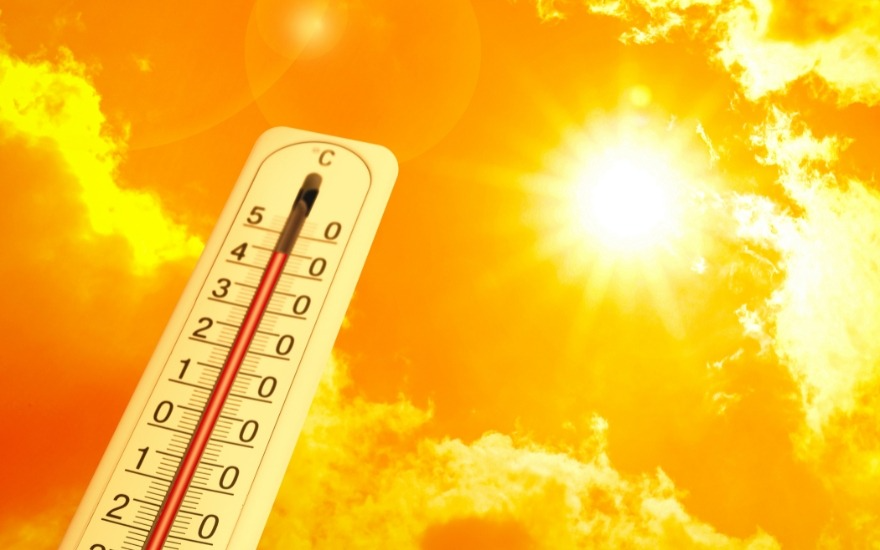
1. Body temperature rises to around 40°C or higher
A high body temperature is a typical sign of heatstroke. When body temperature rises excessively, vital cells and organs such as the brain, heart, and kidneys may be damaged.
Patients may present with:
- Hot, red, or dry skin.
- Profuse sweating, especially in exertional heatstroke.
- Severe fatigue or inability to stand steadily.
- A sensation of intense heat or a severe headache.
Note: People with heatstroke do not always “stop sweating.” The CDC/NIOSH notes that patients may have hot, dry skin or profuse sweating. Therefore, heatstroke should not be ruled out simply because the patient is still sweating.
2. Drowsiness, confusion, incoherent speech, or behavioral changes
This is a particularly important group of warning signs because it indicates that the central nervous system is being affected.
Patients may present with:
- Slow responses or unclear speech.
- Failure to recognize family members or confusion about where they are.
- Agitation, restlessness, or abnormal behavior.
- Unusual sleepiness or difficulty being awakened.
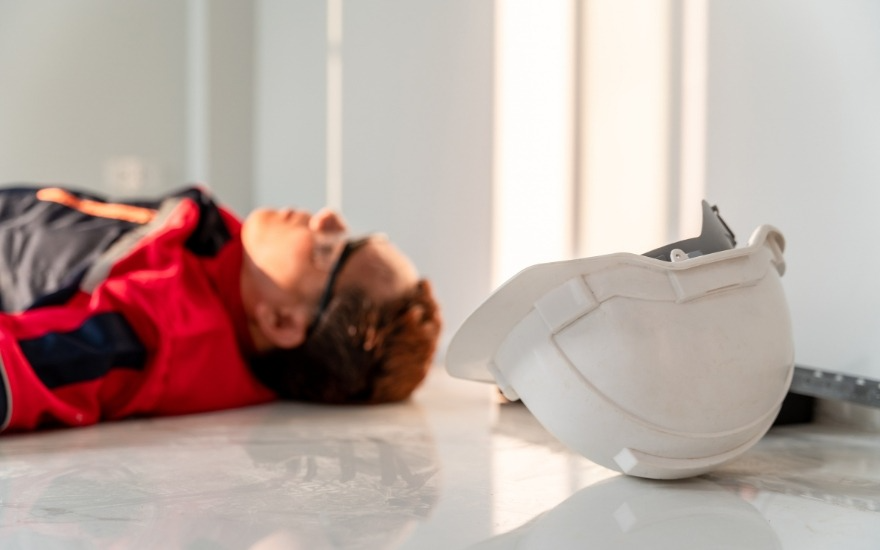
When heatstroke causes altered consciousness, the patient needs immediate emergency care instead of simply resting at home.
3. Fainting or loss of consciousness
Fainting in the context of hot weather may be related to dehydration, low blood pressure, circulatory disturbance, or worsening heatstroke.
If the patient faints after sun exposure, outdoor work, or staying in a hot environment, people nearby should:
- Move the patient to a cool, well-ventilated place.
- Call emergency services if the patient does not regain consciousness quickly.
- Avoid trying to give water if the patient is drowsy or unconscious, as this may cause aspiration.
Fainting accompanied by high fever, hot skin, a rapid heartbeat, or confusion is a sign that hospitalization is needed.
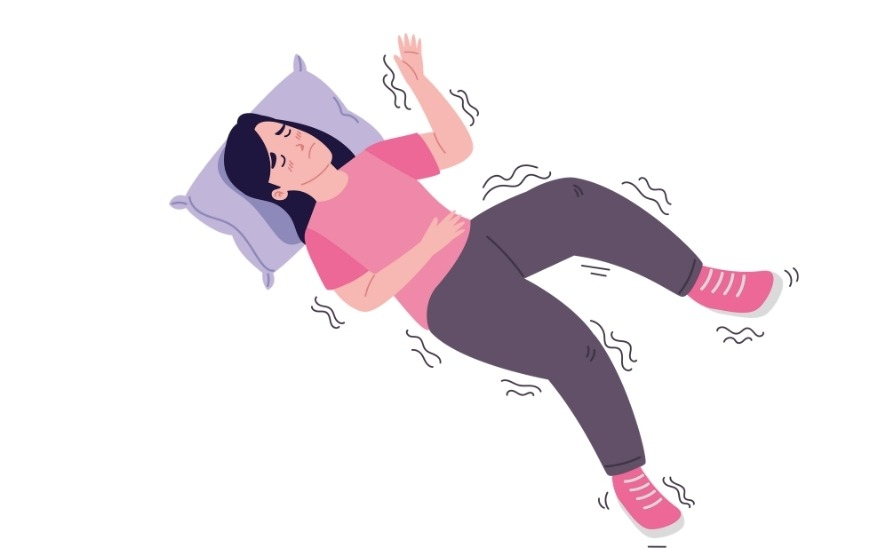
4. Seizures
Seizures are a severe warning sign. When body temperature rises excessively, the brain may become irritated or injured, leading to seizures.
In this situation, people nearby should:
- Place the patient in the recovery position.
- Do not put anything into the patient’s mouth.
- Do not try to restrain the patient’s arms or legs.
- Call emergency services immediately.
Seizures suspected to be caused by heatstroke should not be managed at home.
5. Shortness of breath, rapid breathing, and a rapid heartbeat
When the body becomes excessively overheated, the heart and lungs have to work harder to direct blood flow to the peripheral tissues for heat dissipation. This may cause rapid breathing, palpitations, a pounding heartbeat, or a sensation of breathlessness.
This warning sign is particularly dangerous in people with:
- Cardiovascular disease.
- Hypertension.
- Chronic lung disease.
- Older age.
- Use of diuretics or medications that affect blood pressure.
If shortness of breath is accompanied by confusion, chest pain, cyanosis, or cold sweats, emergency care is required immediately.
6. Nausea, repeated vomiting, or inability to drink water
Nausea and vomiting may occur when the body is overheated, dehydrated, or affected by electrolyte imbalance. If the patient vomits continuously, oral rehydration will not be effective.
In this situation, the patient should be taken to a medical facility for assessment of:
- The degree of dehydration.
- Blood electrolyte levels.
- Kidney function.
- Circulatory status.
Do not force the patient to drink a large amount of water at once, as this may increase the risk of aspiration or worsen vomiting.

7. Muscle cramps, muscle weakness, or severe fatigue that does not improve
Heat-related muscle cramps are often associated with the loss of salt and fluid through sweating. If the cramps are mild, the patient may rest, drink fluids, and continue monitoring.
However, medical evaluation or hospitalization is needed if:
- The cramps persist.
- Marked muscle weakness occurs.
- The patient is severely fatigued and unable to walk.
- Symptoms are accompanied by dizziness, fainting, confusion, or a high fever.
The U.S. Centers for Disease Control and Prevention (CDC) recommends seeking medical help if heat cramps last for more than 1 hour or if the patient has heart problems
8. No improvement after 30 minutes of cooling
In heat exhaustion, patients often improve after being moved to a cool place, drinking fluids, and cooling the body. The NHS recommends that if symptoms do not improve after about 30 minutes of cooling, the condition should be managed as a more serious illness.
Hospitalization is needed if, after cooling, the patient still has:
- High fever.
- Confusion.
- Severe headache.
- Repeated vomiting.
- Shortness of breath.
- A rapid heartbeat.
- Inability to drink water.
Table: distinguishing heat exhaustion from heatstroke
Key point to remember: Any altered consciousness in the context of hot weather should raise suspicion of heatstroke.
Why is heatstroke dangerous?
Heatstroke is dangerous because prolonged elevation of body temperature can damage multiple organs at the same time. The World Health Organization (WHO) emphasizes that heatstroke is a medical emergency with a high mortality rate if not treated promptly.
Brain injury
The brain is highly sensitive to high temperatures. Patients may develop confusion, seizures, coma, or long-term neurological complications if treatment is delayed.
Cardiovascular disturbances
Hot weather increases strain on the heart. In people with cardiovascular disease, hypertension, or older adults, the risk of circulatory collapse may be higher.
Acute kidney injury
Severe dehydration and circulatory disturbance can reduce blood flow to the kidneys. Patients may develop reduced urination, dark-colored urine, or acute kidney injury.
Electrolyte imbalance
Heavy sweating causes the body to lose fluid and salts. Electrolyte imbalance may lead to muscle cramps, severe fatigue, cardiac arrhythmias, or seizures.
Who is at high risk of heatstroke?
Certain groups are more vulnerable to heatstroke during hot weather or when working or exercising in hot and humid environments.
Older adults
Older adults often have a reduced ability to regulate body temperature, and their thirst sensation may also be diminished. If they also have underlying conditions such as cardiovascular disease, hypertension, diabetes, or kidney disease, the risk of heat-related complications is higher.
Young children
Young children can become dehydrated quickly, may not be able to recognize warning signs, and depend on caregivers for protection. Symptoms may include irritability, lethargy, poor feeding, fever, vomiting, or unusually prolonged sleepiness.
Outdoor workers
Construction workers, delivery workers, drivers, farmers, and people who exercise outdoors are at higher risk because of prolonged heat exposure.
People with chronic underlying conditions
The U.S. Centers for Disease Control and Prevention (CDC) notes that hot weather can worsen chronic diseases, and people with underlying medical conditions should be especially cautious in high-temperature environments. People with heart disease, lung disease, diabetes, kidney disease, or hypertension should discuss an appropriate heat-prevention plan with their treating physician.
People taking certain medications
Some medications may affect the body’s ability to retain fluid, regulate temperature, or control blood pressure. People taking diuretics, cardiovascular medications, sedatives, or psychiatric medications should consult their doctor when entering a prolonged hot-weather period.
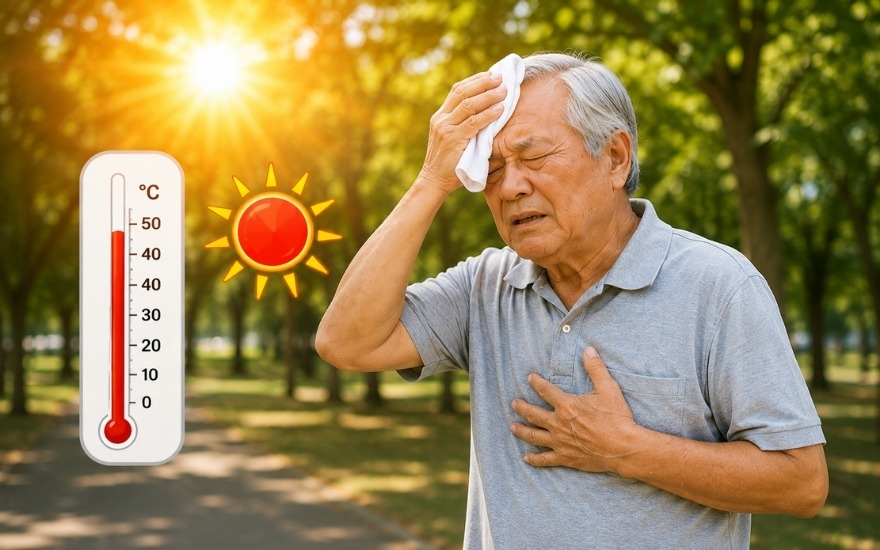
What should be done when heatstroke is suspected?
If heatstroke is suspected, it should be treated as a medical emergency. Do not wait for the patient to “rest for a while and wake up.”
Step 1: Call emergency services or take the patient to the hospital
If the patient is confused, faints, has seizures, experiences shortness of breath, or has a very high body temperature, emergency services should be called immediately. The CDC recommends that heatstroke requires emergency medical care, and cooling measures should be started while waiting for help.
Step 2: Remove the patient from the hot environment
Move the patient to:
- An air-conditioned room.
- A shaded area.
- A well-ventilated area away from direct sunlight.
Leaving the heat source helps prevent the body temperature from continuing to rise.
Step 3: Loosen clothing
Remove excess layers such as jackets, hats, shoes, or tight clothing. This helps the body dissipate heat more effectively and supports the cooling process.
Step 4: Begin active cooling
The following measures may be used:
- Wipe the body with a cool towel.
- Spray or pour cool water onto the skin.
- Use a fan directly.
- Apply cool compresses to the neck, armpits, and groin.
The neck, armpits, and groin contain large blood vessels close to the skin surface, which can help support faster cooling.
Note: When applying cold compresses, wrap ice in a towel or use a cool towel. Avoid placing ice directly on the skin for a prolonged period, especially in young children, older adults, or people with reduced skin sensation.
Step 5: Give fluids if the patient remains alert
If the patient is alert, able to swallow safely, and is not vomiting repeatedly, small sips of cool water or an oral rehydration solution may be given.
Do not give fluids if the patient is:
- Confused.
- Unconscious.
- Having seizures.
- Vomiting continuously.
- At risk of aspiration.
What should not be done when heatstroke is suspected
- Do not take fever-reducing medication on your own: Heatstroke is not the same as fever caused by infection. Common fever-reducing medications do not address the underlying cause of hyperthermia due to overheating.
- Do not cover the patient tightly: Covering the patient with blankets or adding more clothing may cause body temperature to rise further.
- Do not give alcohol: Alcohol may worsen dehydration and affect the body’s ability to regulate temperature.
- Do not allow the patient to remain exposed to the sun: Even “resting a little longer” outdoors in the sun may make the condition worse.
- Do not wait for spontaneous recovery if altered consciousness is present: Confusion, fainting, or seizures are emergency warning signs.
- Do not force fluids if the patient is not fully alert: This may cause aspiration, especially if the patient is confused, unconscious, or having seizures.

How to prevent heatstroke during heat waves
Preventing heatstroke is especially important for older adults, young children, people with underlying medical conditions, and those who have to work outdoors.
Drink enough water and do not wait until you feel thirsty
In hot weather, the body loses fluid through sweating even before you feel thirsty. People who work outdoors, exercise, or sweat heavily need to drink water more regularly.
Healthy adults should maintain adequate hydration throughout the day. Fluid needs may increase in hot weather, during heavy sweating, or during outdoor physical activity. People with heart disease, kidney disease, liver failure, those taking diuretics, or those advised by their doctor to restrict fluids should ask their doctor about the appropriate amount of fluid intake.
Avoid going outdoors during peak heat hours
The National Health Service (NHS) recommends avoiding sun exposure between 11:00 a.m. and 3:00 p.m. during hot weather. Given the heat conditions in Vietnam, people should limit outdoor activities around midday and in the early afternoon, especially during high-temperature warnings.
Wear breathable, light-colored clothing
Loose, lightweight, sweat-absorbing clothing helps the body dissipate heat more effectively. A wide-brimmed hat, sunglasses, and sunscreen also help reduce the effects of direct sunlight.
Take breaks when working outdoors
Outdoor workers should divide work into shorter periods, rest in shaded areas, and drink water regularly. They should not continue working continuously if dizziness, headache, nausea, or a rapid heartbeat occurs.

Monitor high-risk individuals
Families with older adults, young children, or people with underlying medical conditions should check on them regularly during hot weather:
- Are they drinking enough water? Dry mouth, reduced urination, dark-colored urine, or dizziness may be signs of dehydration.
- Are they eating or drinking poorly? Poor food and fluid intake during hot weather may make older adults and young children more prone to dehydration, low blood pressure, and severe fatigue.
- Are they unusually lethargic or sleeping more than usual? Drowsiness, sleepiness, incoherent speech, or difficulty being awakened may be signs of altered consciousness caused by heatstroke.
- Is the room too hot? Older adults, young children, and people with underlying medical conditions should stay in an air-conditioned or well-ventilated space during hot weather.
- Do they have shortness of breath, chest pain, or dizziness? Shortness of breath, a rapid heartbeat, chest pain, or dizziness during hot weather may be related to severe dehydration or cardiovascular overload and should be evaluated medically as early as possible.
When should emergency services be called, and when should a general internal medicine consultation be sought?
Not every symptom after sun exposure is heatstroke. However, if neurological symptoms, shortness of breath, fainting, seizures, or a very high body temperature occur, emergency care should be prioritized rather than waiting for a routine appointment.
Call emergency services or go to the hospital immediately if heatstroke is suspected
Emergency services should be called or the patient should be taken to the hospital immediately if they develop:
- Confusion, disorientation, or incoherent speech.
- Fainting or seizures.
- Body temperature around 40°C or higher.
- Shortness of breath, chest pain, or cyanosis.
- Marked rapid heartbeat or low blood pressure.
- Repeated vomiting or inability to drink water.
- No improvement after 30 minutes of cooling.
- Severe fatigue with inability to stand or walk.
The official medical emergency number in Vietnam is 115, available nationwide. In Hanoi, family members may also contact the emergency hotline of Hong Ngoc General Hospital at 1900 636 555. The hotline is available 24/7 to receive and respond promptly to emergency situations.

A general internal medicine consultation is recommended if mild symptoms persist
Patients should seek a general internal medicine consultation if they experience the following symptoms after heat exposure:
- Persistent fatigue despite rest.
- Recurrent dizziness or headache.
- An abnormally rapid heartbeat.
- Reduced urination or dark-colored urine.
- Nausea or poor food and fluid intake.
- Underlying cardiovascular disease, hypertension, diabetes, or kidney disease.
- Use of diuretics, cardiovascular medications, sedatives, or psychiatric medications.
A general internal medicine specialist can provide a comprehensive assessment of dehydration, blood pressure, cardiovascular status, kidney function, electrolyte balance, and related risk factors. In severe cases or when heatstroke is suspected, the patient should be taken to the emergency department immediately.
FAQ – Frequently asked questions
Is heatstroke a medical emergency? Yes. Heatstroke is a medical emergency. If not treated promptly, patients may develop brain injury, acute kidney injury, cardiovascular disturbances, multiple organ failure, or death.
At what body temperature does heatstroke become dangerous? A body temperature of around 40°C or higher is a dangerous sign, especially when accompanied by confusion, fainting, seizures, or shortness of breath. However, body temperature should not be the only criterion; altered consciousness is a warning sign that requires emergency care.
Can a person with heatstroke drink water? Small sips of water may be given if the patient is alert, able to swallow safely, and is not vomiting repeatedly. Do not give water if the patient is confused, unconscious, or having seizures, as this may increase the risk of aspiration.
Are heatstroke and common heat-related illness the same? Not exactly. Common heat-related illness is often used to describe general fatigue caused by hot weather or sun exposure, while heatstroke is a severe condition involving failure of thermoregulation and may affect the brain, heart, and kidneys.
Is follow-up care needed after heatstroke? Yes. People who have had heatstroke should be monitored and re-evaluated, especially if they continue to experience fatigue, reduced urination, headache, dizziness, palpitations, or have underlying medical conditions. Follow-up evaluation can help detect electrolyte imbalance, acute kidney injury, or cardiovascular complications early.
Should fever-reducing medication be used for heatstroke? Fever-reducing medication should not be used on one’s own to manage heatstroke. Heatstroke is not the same as fever caused by infection. The priority is to call emergency services, move the patient to a cool place, and begin active cooling while waiting for medical assistance.
What should outdoor workers do to prevent heatstroke? Outdoor workers should drink water regularly, take breaks in shaded areas, avoid continuous work during peak heat hours, wear breathable clothing, and report symptoms immediately if dizziness, headache, nausea, a rapid heartbeat, or confusion occurs.
Conclusion
Heatstroke is not merely fatigue caused by hot weather. It is a potentially life-threatening medical emergency. Warning signs such as body temperature around 40°C or higher, confusion, fainting, seizures, shortness of breath, a rapid heartbeat, repeated vomiting, or failure to improve after cooling all require immediate hospital care.
If you or a family member develops abnormal symptoms after sun exposure, outdoor work, or prolonged stay in a hot environment, call emergency services or go to the hospital if severe warning signs are present. For mild but persistent symptoms, patients may seek a consultation with the Department of General Internal Medicine at Hong Ngoc General Hospital for assessment of dehydration, blood pressure, cardiovascular status, kidney function, and electrolyte balance.
Medical note
This article is intended for informational health reference only and does not replace medical diagnosis or treatment. If heatstroke is suspected, especially when the patient has altered consciousness, fainting, seizures, shortness of breath, or a high fever, emergency services should be called or the patient should be taken to a medical facility immediately.
People with cardiovascular disease, kidney disease, diabetes, hypertension, chronic lung disease, young children, older adults, or those taking medications that affect blood pressure, fluid balance, or electrolyte levels should consult their doctor about how to prevent heatstroke during hot weather.