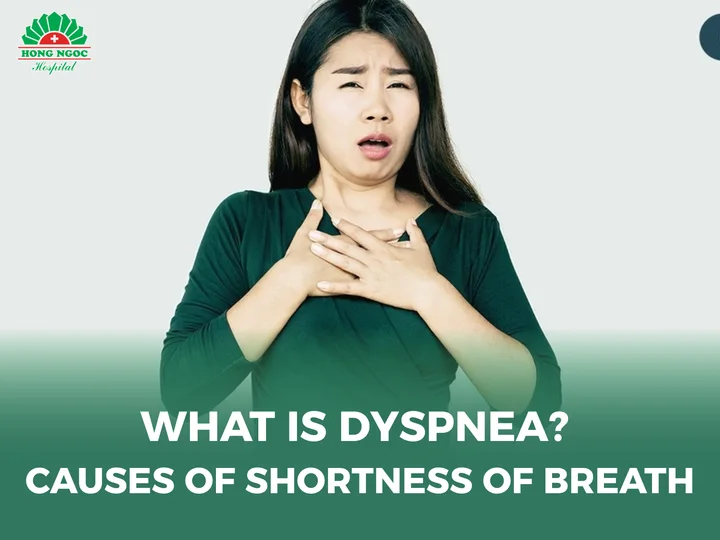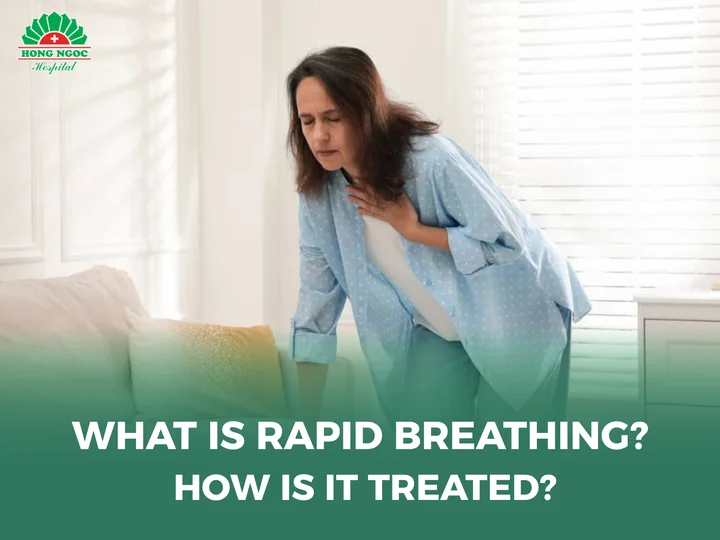


Shortness of breath in hot weather may occur when the body has to work harder to regulate its core temperature, especially after sun exposure, outdoor physical activity, or staying in a hot, poorly ventilated environment. In some people, this is only a temporary response and improves after resting in a cool place.
However, shortness of breath may also be a sign of dehydration, severe electrolyte imbalance, bronchial asthma, chronic obstructive pulmonary disease (COPD), cardiovascular disease, respiratory infection, or heatstroke. If shortness of breath worsens rapidly, occurs at rest, makes the patient unable to speak in full sentences, or is accompanied by chest pain, bluish lips, fainting, confusion, or a high fever, emergency care should be sought promptly.
Quick answer: Transient shortness of breath in hot weather is usually less concerning if it is mild, occurs only after physical activity, improves after resting in a cool place, and is not accompanied by other symptoms. However, medical evaluation or emergency care is needed if shortness of breath worsens rapidly, is severe even at rest, makes the patient unable to speak in full sentences, or is accompanied by chest pain, bluish lips, a persistent rapid heartbeat, fainting, confusion, or a high fever suggestive of heatstroke.

Shortness of breath in hot weather can be a warning sign in older adults.
Professional consultation: This article was medically reviewed by the respiratory medicine/general internal medicine team at Hong Ngoc General Hospital.
Last updated: May 20, 2026.
Quick summary of the article
Shortness of breath in hot weather may be a temporary response as the body increases heart rate and respiratory rate to dissipate heat, especially after outdoor physical activity or in a hot, poorly ventilated environment.
Shortness of breath is usually less concerning if the symptoms are mild, transient, occur after exertion, improve quickly after resting in a cool place, and are not accompanied by chest pain, bluish lips, fainting, confusion, or labored breathing.
Shortness of breath may be dangerous if it is severe, occurs even at rest, makes the patient unable to speak in full sentences, or is accompanied by chest pain, bluish lips, a persistent rapid heartbeat, dizziness, fainting, or confusion. These may be signs of respiratory failure, cardiovascular disease, heatstroke, or severe dehydration.
Dehydration, electrolyte imbalance, heatstroke, bronchial asthma, COPD, heart failure, coronary artery disease, and respiratory infections can all worsen shortness of breath during hot weather.
Older adults, young children, pregnant women, people with obesity, outdoor workers, people with respiratory, cardiovascular, or kidney disease, and those taking diuretics should be monitored more closely during prolonged hot weather.
If shortness of breath is accompanied by bluish discoloration of the lips or fingernails, chest pain, confusion, fainting, labored breathing, or suspected heatstroke, emergency care is required. Patients should not wait for the condition to improve on its own at home.
Why can hot weather cause shortness of breath?
When the ambient temperature rises, the body has to work harder to maintain a stable core temperature. The heart, lungs, and circulatory system must coordinate more actively to direct blood flow to the skin, dissipate heat, and deliver enough oxygen to the organs.
In healthy individuals, this process usually causes only fatigue or mild breathlessness during physical activity. However, in people with cardiopulmonary disease, older adults, people who are dehydrated, or those exposed to hot and humid environments for prolonged periods, shortness of breath may become more noticeable.
The body needs more oxygen in hot weather
In hot and humid conditions, the body needs to increase circulation to release heat. As a result, the heart has to pump more blood, while the lungs must help supply oxygen to meet the increased metabolic demand.
Several changes may occur:
The heart has to increase circulation to dissipate heat: In hot weather, the body increases sweating and dilates blood vessels to release heat. This makes the heart work harder, especially when the patient walks, climbs stairs, works outdoors, or stays in a hot, poorly ventilated environment.
The respiratory rate may increase slightly: The body may naturally increase the breathing rate to meet oxygen demand and support temperature regulation. Some people may feel that they are breathing faster or become mildly breathless when outdoors in hot weather.
People with heart or lung disease may feel discomfort more easily: In people with underlying heart or lung disease, these organs may already function less efficiently. The increased demand for ventilation and circulation in hot weather can cause shortness of breath to occur earlier, even with mild physical activity.
Hot and humid environments make it harder for the body to dissipate heat: When humidity is high, sweat evaporates less effectively, making it more difficult for the body to cool down. Patients may feel suffocated, experience chest heaviness, or have difficulty taking a deep breath.
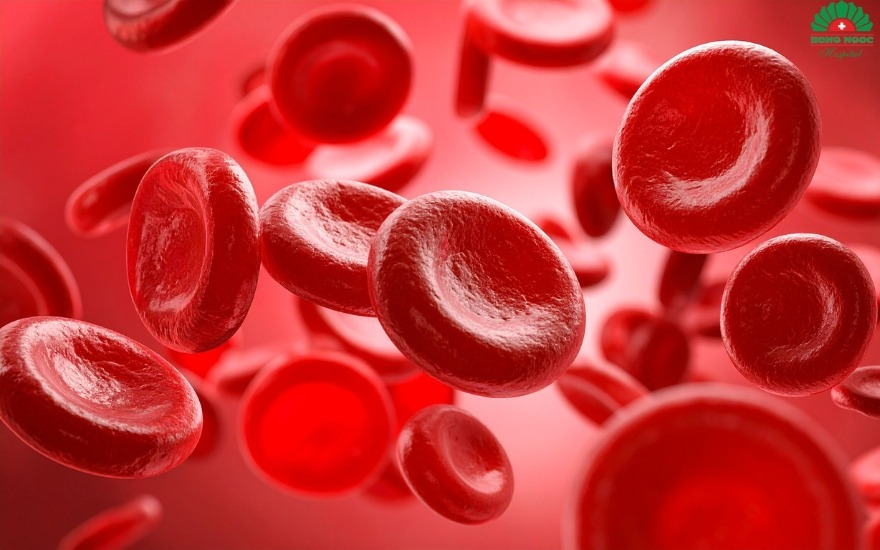
In hot weather, the heart beats faster to increase circulation.
Dehydration makes circulation and breathing less efficient
During summer, the body loses more fluid through sweating. If fluids are not adequately replaced, circulating blood volume decreases, and the heart has to beat harder to maintain blood flow to the organs, making breathlessness more noticeable.
Dehydration can affect breathing in several ways:
Reduced circulating blood volume: When the volume of fluid within the blood vessels decreases, the heart has to increase its rate to maintain circulation. Patients may experience palpitations, breathlessness, dizziness, or become tired more quickly during physical activity.
Less efficient blood circulation: Inadequate hydration may reduce circulating blood volume, causing the body to fatigue more easily and making shortness of breath more likely, especially during outdoor activity in hot weather.
The airways may become dry: Hot, dry air or prolonged exposure to air-conditioned environments may reduce moisture in the airway mucosa, causing dryness, irritation, and discomfort when breathing.
Electrolyte imbalance may cause a rapid heartbeat: Dehydration accompanied by the loss of essential minerals through sweat may lead to palpitations, muscle cramps, muscle weakness, or a sensation of an irregular heartbeat.
Associated signs that may suggest dehydration include dry mouth, reduced urination, dark-colored urine, a rapid heartbeat, dizziness, severe fatigue, or headache.

In hot weather, inadequate hydration may reduce circulating blood volume, causing the body to fatigue more quickly and making shortness of breath more likely.
Hot air may irritate the airways
In sensitive individuals, factors such as high temperature, high humidity, fine particulate matter, ozone, or polluted air may act as irritants and cause the airways to react more strongly. This is particularly important for people with bronchial asthma, COPD, allergic rhinitis, or chronic lung disease.
For example:
People with bronchial asthma: Hot air, air pollution, or sudden temperature changes may trigger airway constriction. Patients may experience increased coughing, wheezing, chest tightness, or shortness of breath.
People with COPD: In hot weather, the body is more prone to dehydration, sputum may become thicker, and airway obstruction may worsen. Patients with COPD may feel breathless during mild physical activity or experience more severe shortness of breath than usual.
People with allergic rhinitis: Hot and humid air, dust, mold, or frequent transitions between outdoor heat and air-conditioned rooms may worsen nasal congestion, runny nose, and sneezing, making the patient feel more short of breath.
People with chronic lung disease: Because their respiratory reserve is already reduced, factors such as heat, humidity, dust, smoke, or dehydration may cause symptoms to worsen more quickly, making breathlessness and fatigue more likely.
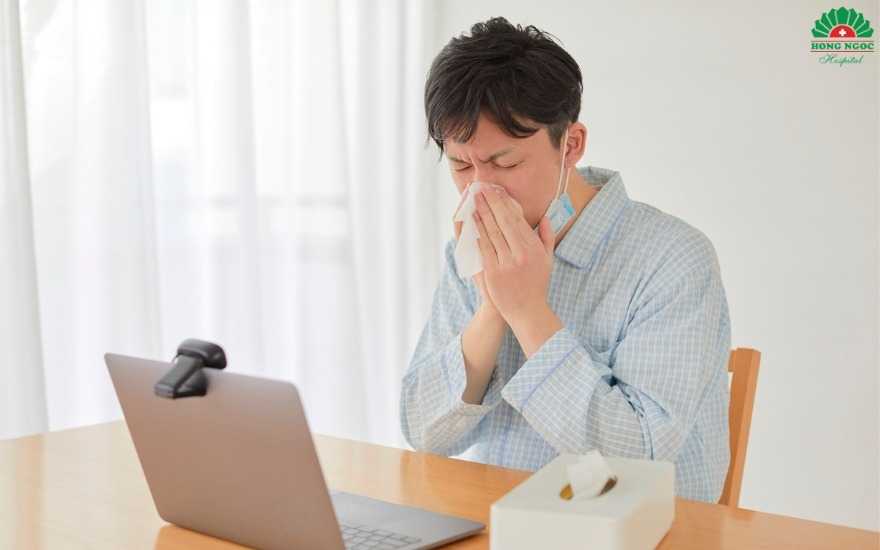
Hot air can irritate the airways.
When is shortness of breath in hot weather a normal response?
Not all cases of shortness of breath are dangerous. In some situations, the body may breathe faster, feel mildly breathless, or become more fatigued than usual when active in hot weather.
Shortness of breath may be a temporary physiological response if it:
Occurs after outdoor physical activity: When walking, climbing stairs, working under the sun, or exercising, the body needs to increase circulatory activity. A temporary increase in breathing rate is a normal response if it improves quickly after rest.
Occurs in an excessively hot or crowded environment: Hot, poorly ventilated air makes it harder for the body to dissipate heat. Some people may feel suffocated, but symptoms usually improve after moving to a cooler, well-ventilated place.
Is related to anxiety or stress: Hot and humid weather may make sensitive individuals more prone to stress, rapid breathing, shallow breathing, or a sensation of breathlessness. However, cardiopulmonary causes should be ruled out if symptoms recur.
Improves after resting in a cool place: If mild shortness of breath improves after sitting down, drinking water, avoiding sun exposure, and is not accompanied by warning signs, the patient may continue to monitor the symptoms.
Physiological shortness of breath usually does not persist continuously, does not occur at rest, and is not accompanied by chest pain, bluish lips, fainting, confusion, or obvious labored breathing.

Strenuous outdoor physical activity in hot weather can cause transient shortness of breath.
Table: distinguishing normal and warning signs of shortness of breath
Situation
May be less concerning if
Medical evaluation or emergency care is needed if
Shortness of breath after outdoor physical activity
It improves quickly after resting in a cool place and drinking water, with no chest pain
It does not improve after rest or is accompanied by severe fatigue or dizziness
Rapid breathing in hot weather
It is transient and the patient can still speak normally
The patient cannot speak in full sentences or has labored breathing
Mild breathlessness
It occurs only when climbing stairs or doing strenuous work
It occurs at rest or progressively worsens over time
Shortness of breath accompanied by palpitations
It improves after rest and fluid replacement
A rapid heartbeat persists, the rhythm is irregular, or the patient feels near-fainting
Shortness of breath accompanied by coughing or wheezing
It is mild and responds to medication as instructed by a doctor
Wheezing is severe, stridor occurs, or symptoms do not respond to reliever medication
Shortness of breath accompanied by chest pain or bluish lips
This should not be considered normal
Emergency care is required immediately
Warning signs of dangerous shortness of breath
Shortness of breath should not be ignored if it develops rapidly, becomes progressively worse, or is accompanied by any of the signs below. These may indicate respiratory failure, cardiovascular disease, heatstroke, severe dehydration, or electrolyte imbalance.
Rapidly worsening shortness of breath or inability to speak in full sentences
Rapidly worsening shortness of breath may indicate that the body is not receiving enough oxygen or that the respiratory and circulatory systems are under excessive strain. The patient may have to stop all activities to breathe, sit leaning forward, brace their hands on their knees, or speak only in short, interrupted words.
Attention is needed if the patient:
Has to sit upright to breathe: This may be a sign that the respiratory system is under significant strain. The patient may be unable to lie down comfortably and may need to sit up or lean forward to breathe more easily. This can indicate severe shortness of breath.
Cannot speak in full sentences because of breathlessness: If the patient cannot complete a sentence, has to pause repeatedly to breathe, or cannot respond normally, oxygen deficiency or severe respiratory distress should be suspected.
Has obvious labored breathing: The patient may need to use the muscles of the neck, shoulders, or chest to support breathing. This is no longer mild breathlessness caused by hot weather.
Does not improve after resting in a cool place: If shortness of breath persists despite rest, avoidance of sun exposure, and appropriate fluid intake, early medical evaluation is needed.
This group of signs requires prompt emergency care, especially in patients with underlying conditions such as asthma, COPD, or cardiovascular disease, as well as in older adults and pregnant women.
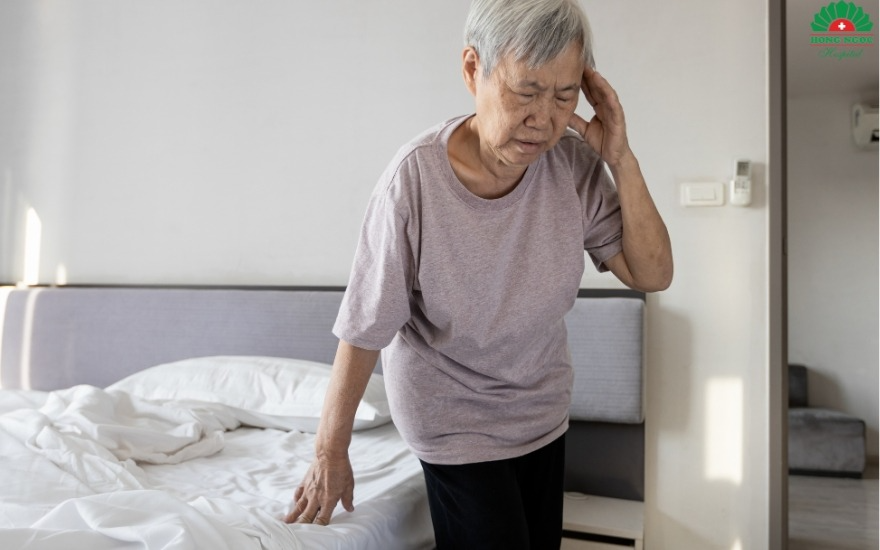
Rapidly worsening shortness of breath may force the patient to sit upright in order to breathe.
Bluish lips or fingertips
Bluish discoloration of the lips or fingertips, or pale and cold skin, may indicate low blood oxygen levels or reduced peripheral perfusion. This is a warning sign and may suggest severe shortness of breath or unstable circulation.
When these signs occur, especially if accompanied by shortness of breath, chest pain, confusion, or fainting, urgent medical care is required.
The patient may experience:
Bluish lips: This is a more visible sign of oxygen deficiency and may occur during a severe asthma attack, respiratory failure, cardiovascular disease, or heatstroke.
Pale or bluish fingertips: When blood oxygen levels decrease or circulation is poor, the extremities may become cold, bluish, or pale.
Pale, cold, and sweaty skin: If accompanied by shortness of breath, chest pain, or lightheadedness, this may suggest a serious circulatory or cardiovascular condition.
Bluish discoloration with confusion: This is a medical emergency and should not be delayed.
Bluish lips or bluish discoloration of the extremities should not be monitored at home, even if the patient thinks it is only due to hot weather or fatigue.
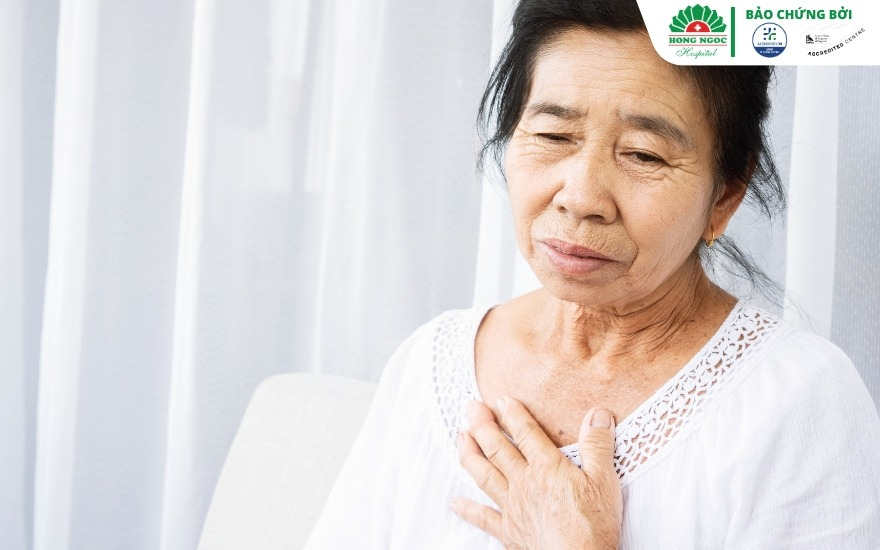
Cyanosis and worsening fatigue are signs that require urgent medical intervention.
Chest pain or a rapid heartbeat
Shortness of breath accompanied by chest pain or a rapid heartbeat should be evaluated carefully, as it may be related to cardiovascular disease, arrhythmias, dehydration, electrolyte imbalance, or heatstroke.
Warning signs to watch for include:
Chest tightness or pain: A sensation of pressure, squeezing, tightness in the center of the chest, or pain that worsens with exertion may be related to myocardial ischemia, especially in older adults and people with hypertension, diabetes, or coronary artery disease.
Pain radiating to the shoulder, left arm, neck, jaw, or back: This is a warning sign of an acute cardiovascular event and requires emergency care.
A persistent rapid heartbeat: The heart may beat faster to compensate for dehydration or heatstroke. However, if the rapid heartbeat persists, does not improve with rest, or is accompanied by lightheadedness, heart rhythm and electrolyte levels should be checked.
Marked palpitations or a sensation of an irregular rhythm: Some arrhythmias can cause shortness of breath, dizziness, fainting, or chest pain.
If shortness of breath is accompanied by chest pain, cold sweats, nausea, dizziness, or pain radiating to the arm or jaw, emergency care is required immediately.
Confusion, altered consciousness, or dizziness
When oxygen deficiency, severe dehydration, low blood pressure, or elevated body temperature occurs, the brain may be affected due to reduced perfusion or inadequate oxygen supply. In older adults, this may sometimes present only as slow speech, delayed responses, or drowsiness.
Attention is needed if the following signs occur:
The brain may be affected: The patient responds slowly, has difficulty concentrating, speaks slowly, gives inappropriate answers, or does not recognize family members.
Dizziness worsens when standing up: This may indicate low blood pressure due to dehydration, diuretic use, antihypertensive medications, or reduced blood flow to the brain.
Progressively worsening confusion or drowsiness: This may be related to heatstroke, respiratory failure, electrolyte imbalance, or severe infection and requires emergency care.
Fainting or near-fainting: Shortness of breath accompanied by fainting is a dangerous sign and may be related to arrhythmias, low blood pressure, oxygen deficiency, or an acute cardiovascular event.
Patients should not be allowed to walk unassisted if they are dizzy, confused, or near-fainting, as the risk of falls and injury is increased.

Oxygen deprivation in the brain may cause dizziness when standing up.
High fever, hot skin, severe fatigue, or suspected heatstroke
Shortness of breath during hot weather accompanied by high fever, hot skin, confusion, or severe fatigue may be related to heat exhaustion or heatstroke. This condition requires early management.
Warning signs to watch for include:
High fever or a rapidly rising body temperature of 40°C or higher: The body may no longer be able to dissipate heat effectively, especially after sun exposure, working in a hot environment, or staying in a poorly ventilated room.
Hot, flushed skin, absence of sweating, or profuse sweating: Heatstroke is not always associated with dry skin. Patients may still sweat heavily, particularly after exertion.
Severe fatigue, headache, or nausea: These may be signs of heat exhaustion, dehydration, or electrolyte imbalance.
Confusion, delirium, seizures, fainting, or coma: These are emergency signs and may indicate severe heatstroke.
Severe headache: This may also be a warning sign and should not be overlooked, especially when accompanied by altered consciousness, vomiting, high fever, or worsening shortness of breath.
While waiting for medical assistance, move the patient to a cool place, offer cool water, oral rehydration solution, or an electrolyte drink in small sips, loosen clothing, cool the body, and allow the patient to rest for 30–60 minutes. If symptoms do not improve or become worse, the patient should be taken to a medical facility. Do not force the patient to drink water if they are confused, vomiting repeatedly, or unable to swallow properly.
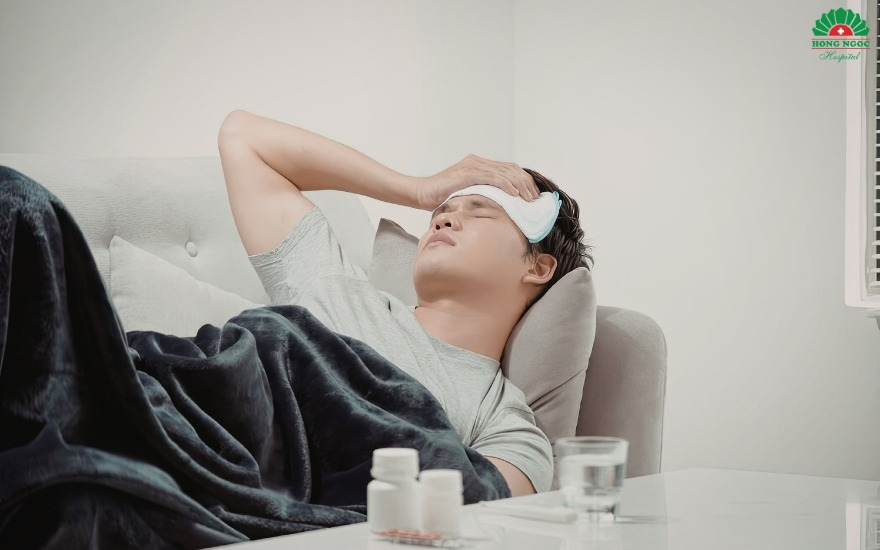
High fever should be managed promptly.
Who is more likely to experience shortness of breath in hot weather?
Some groups are at higher risk of shortness of breath or complications during hot weather because of limited cardiopulmonary function, increased susceptibility to dehydration, or the use of medications that affect circulation and electrolyte balance.
People with respiratory diseases
People with respiratory conditions may experience worsening shortness of breath when temperatures are high, the air is humid or polluted, or when there are sudden temperature changes.
Groups that require particular attention include:
Bronchial asthma: Heat, ozone, fine particulate matter, smoke, or sudden transitions between hot and cold environments may trigger airway constriction. Patients may develop coughing, wheezing, chest tightness, or shortness of breath.
COPD: Patients with COPD are more prone to breathlessness in hot weather because their respiratory reserve is reduced. Dehydration may also make sputum thicker, while inflammation and airway constriction can worsen airway obstruction.
Chronic pneumonia or bronchiectasis: High temperatures, dehydration, and poor air quality may worsen productive cough, fatigue, and shortness of breath.
Allergic rhinitis or sinusitis: Persistent nasal congestion may force patients to breathe through the mouth more often, leading to dry throat, fatigue, and a sensation of insufficient air.
People with cardiovascular disease
The heart and lungs function in close coordination. In hot weather, the heart has to pump more actively as part of the body’s heat-dissipation mechanism. If underlying cardiovascular disease is present, patients may be more likely to experience shortness of breath.
Particular caution is needed in people with:
Heart failure: Shortness of breath may worsen when lying down, during mild exertion, or at night. If the patient needs to sleep with more pillows or notices worsening leg swelling, medical evaluation is needed.
Coronary artery disease: During hot weather or dehydration, the heart has to work harder. Patients may experience chest pain, breathlessness, cold sweats, or unusual fatigue.
Cardiac arrhythmias: A heart that beats too fast or irregularly may pump blood less effectively. Dehydration and electrolyte imbalance may further increase the risk, causing shortness of breath, palpitations, dizziness, or fainting.
Hypertension: Blood pressure may fluctuate in hot weather, especially if the patient is dehydrated or changes medication on their own.
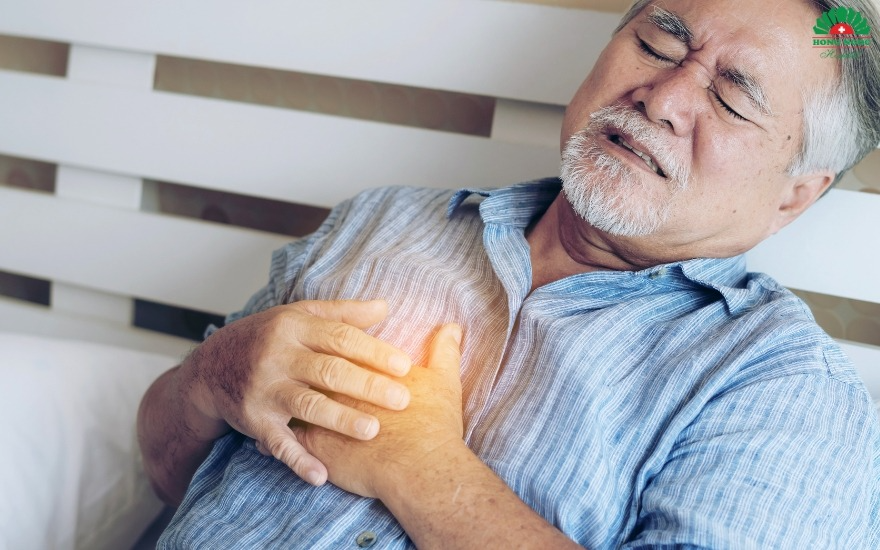
People with heart disease require closer attention during hot weather.
Older adults
Older adults have a reduced ability to regulate body temperature, are more prone to dehydration, and often have multiple underlying medical conditions. Therefore, shortness of breath during hot weather in this group should be monitored more closely.
Older adults are more likely to experience shortness of breath because:
The body has more difficulty dissipating heat: Thermoregulation declines with age, making older adults more prone to fatigue, breathlessness, or heat exhaustion in hot weather.
Dehydration may occur silently: The sensation of thirst decreases with age, so older adults may become dehydrated without realizing it, leading to a rapid heartbeat, low blood pressure, and dizziness.
Multiple cardiovascular, respiratory, kidney, and neurological conditions may coexist: Chronic diseases in older adults can increase the risk of worsening shortness of breath.
Symptoms may be atypical: Older adults may present only with fatigue, drowsiness, confusion, poor appetite, excessive sleepiness, or unsteady gait rather than clearly reporting shortness of breath.
Young children and pregnant women
Young children and pregnant women are also groups that require special attention during hot weather.
Young children: Children may not be able to recognize or describe shortness of breath as clearly as adults. Warning signs include rapid breathing, chest retractions, nasal flaring, stridor, and wheezing. Particular attention should be paid to signs of severe oxygen deficiency, such as bluish lips, poor feeding, lethargy, severe fatigue, difficulty waking, or not crying or speaking as usual. If these signs occur, the child should be taken for emergency care promptly.
Pregnant women: During pregnancy, oxygen demand and circulating blood volume increase. Hot weather may make fatigue, palpitations, or breathlessness more noticeable. If shortness of breath or breathlessness worsens rapidly, or is accompanied by chest pain, an abnormally rapid heartbeat, persistent cough, fainting, marked swelling, severe headache, syncope, or abnormal fetal movements, medical evaluation is required immediately.
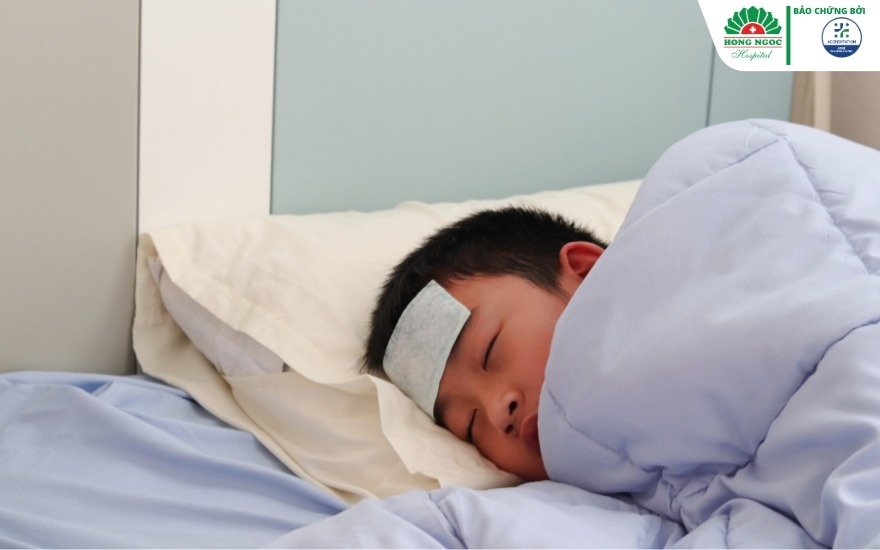
Children should be closely monitored if they have a persistent high fever, lethargy, or severe fatigue.
Patients using oxygen therapy or home respiratory support
Patients with severe COPD, chronic respiratory failure, neuromuscular disease, or those using oxygen therapy at home should have a safety plan during hot weather, especially in the event of a power outage or when travel is required, as respiratory compromise in these situations may become a dangerous emergency. Families should pay attention to the following:
Check the equipment and power supply: Make sure the oxygen concentrator, non-invasive ventilator, or other respiratory support devices are functioning properly.
Monitor the remaining oxygen supply if using oxygen cylinders: Ensure that backup oxygen is available during prolonged hot weather or when traveling.
Monitor SpO₂ if instructed by a doctor: If SpO₂ drops below the patient’s usual level or is accompanied by bluish lips, confusion, or worsening shortness of breath, emergency care is required immediately.
Do not increase the oxygen flow rate without medical guidance: Some patients with COPD need oxygen therapy according to specific medical prescriptions. Adjusting oxygen levels on their own may be unsafe.
How do air quality and humidity affect shortness of breath?
During periods of hot weather, shortness of breath is not related to temperature alone. Humidity, fine particulate matter, ground-level ozone, tobacco smoke, cooking fumes, or indoor air pollution can also worsen respiratory symptoms.
Hot weather is often associated with pollution, ozone, and high humidity
When temperatures rise, air quality may worsen, especially in urban areas or locations with heavy traffic or construction activity. Fine particulate matter and ozone can irritate the airways, making people with asthma, COPD, allergic rhinitis, or chronic lung disease more prone to coughing, wheezing, chest tightness, and shortness of breath.
High humidity also makes it harder for sweat to evaporate, reducing the body’s ability to dissipate heat. Patients may feel suffocated, experience chest heaviness, or become fatigued more quickly.
Air conditioning that is too cold or too dry may also cause discomfort
Air conditioning does not directly cause shortness of breath in most people. However, if the temperature is set too low, the air is too dry, or cold air blows directly onto the body, the airways may become irritated.
Sensitive individuals may experience:
Dry throat or dry nose.
Dry cough.
Nasal congestion.
Wheezing.
Mild chest tightness.
Difficulty taking a deep breath.
People with asthma, allergic rhinitis, or COPD should avoid excessively low temperatures, avoid direct airflow from air conditioners, and clean air-conditioning units regularly to reduce dust, mold, and allergens.
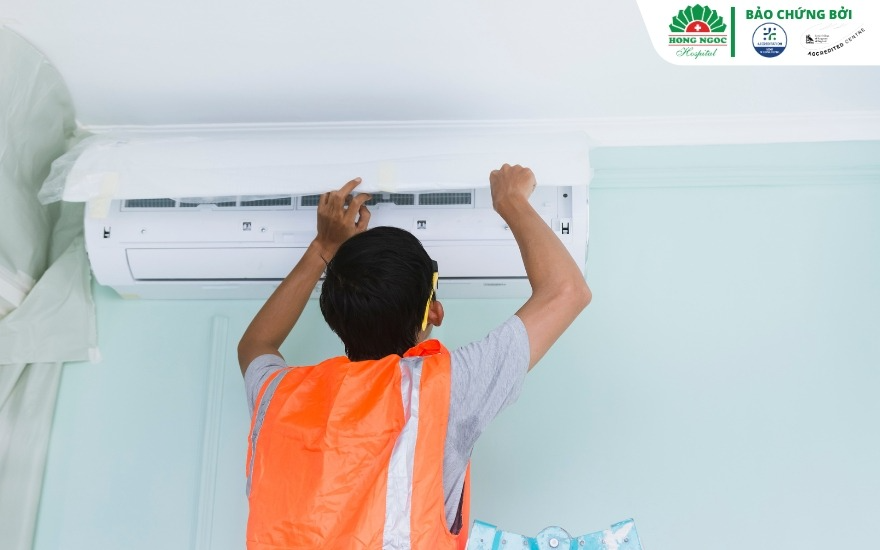
Air-conditioning units should be cleaned regularly to reduce dust, mold, and allergens.
Mistakes that can worsen shortness of breath during summer
Outdoor activity during peak heat hours
The period from 1 p.m. to 4 p.m. is often among the hottest times of the day. Prolonged outdoor activity during this period can place greater strain on the heart, lungs, and circulatory system.
This may lead to:
Rapid fluid loss: Heavy sweating reduces circulating blood volume, making the heart work harder.
Increased workload on the heart and lungs: When the body has to support both physical activity and heat dissipation, oxygen demand increases, making breathlessness more likely.
Higher risk of heat-related illness and heatstroke: If the body cannot dissipate heat effectively, the patient may develop severe fatigue, headache, nausea, confusion, fainting, heat exhaustion, or even dangerous heatstroke.
Worsening symptoms in people with underlying conditions: People with asthma, COPD, heart failure, coronary artery disease, or hypertension may have more difficulty adapting to hot weather. Mechanisms such as dehydration, reduced circulating blood volume, peripheral vasodilation, and increased strain on the heart and lungs may occur simultaneously during hot weather, causing shortness of breath to appear earlier or become more severe.
Drinking too little water
Even prolonged mild dehydration can make shortness of breath more noticeable, especially in older adults, people with cardiovascular disease, or those with chronic underlying medical conditions.
Drinking too little water may:
Make the heart beat faster: When fluid levels are low, the heart has to contract more forcefully to maintain circulation. Patients may experience palpitations, breathlessness, and increased fatigue.
Make blood circulation less efficient: Reduced circulating blood volume and increased blood viscosity may impair oxygen transport in the blood, causing the body to fatigue more quickly during physical activity and potentially increasing the risk of blood clot formation and stroke.
Make the airways drier: Inadequate hydration may reduce natural moisture in the airways, dry the mucosa, and make sputum thicker in patients with respiratory disease.
Increase the risk of electrolyte imbalance: Heavy sweating without appropriate mineral replacement may lead to the loss of sodium, potassium, and magnesium, causing muscle cramps, fatigue, a rapid heartbeat, or palpitations.
Patients with heart failure, kidney disease, liver disease, or those advised to restrict fluid intake should not drink excessive amounts of water on their own and should ask their doctor about the appropriate amount of fluid.

Adequate hydration should be maintained during hot weather.
Overusing air conditioning at very low temperatures
Cold, dry air may irritate the airways in sensitive individuals and in people with chronic respiratory disease. Frequent transitions between outdoor heat and very cold indoor environments can also make it harder for the body to adapt.
This may:
Irritate the airways: People with asthma or allergic rhinitis may experience more coughing, wheezing, nasal congestion, or chest tightness.
Dry out the respiratory mucosa: Dryness of the nose and throat may cause a dry cough, sore throat, or discomfort when breathing.
Make respiratory symptoms harder to control: People with COPD, asthma, or sinusitis should avoid direct exposure to cold airflow, as it may trigger episodes of shortness of breath.
Make adaptation more difficult for older adults: A large temperature difference may cause headache, dizziness, palpitations, or general discomfort.
Stopping medications for underlying conditions without medical guidance
Some people feel fatigued, have a dry mouth, or become dizzy during hot weather and therefore stop taking blood pressure medications, diuretics, asthma or COPD medications, or cardiovascular medications on their own. This can be dangerous.
Patients should not stop medications on their own because:
Underlying diseases may become uncontrolled: Asthma, COPD, heart failure, hypertension, or arrhythmias may worsen when treatment is discontinued.
Shortness of breath may worsen rapidly: This is especially important if maintenance inhalers, cardiovascular medications, or diuretics are stopped incorrectly, as this may cause the disease to progress or become unstable.
Symptoms may be difficult to interpret: Dizziness, fatigue, or shortness of breath may be caused by dehydration, medications, underlying disease, or heatstroke. A doctor’s assessment is needed to identify the cause.
Patients should record their symptoms, measure blood pressure and heart rate if possible, and contact their doctor for guidance.

Do not stop taking medications without medical guidance.
How to reduce shortness of breath during hot weather
If shortness of breath is mild and occurs after sun exposure or physical activity, patients may take several initial measures. However, if warning signs such as bluish lips, chest pain, confusion, fainting, or inability to speak in full sentences occur, emergency care is required instead of attempting home management.
Stop the activity and rest in a cool place
When breathlessness occurs, the patient should stop the activity and avoid further exertion.
Recommended steps include:
Move to a cool, well-ventilated place: This helps reduce the body’s heat-dissipation burden and lowers cardiopulmonary demand.
Sit in a position that makes breathing easier: The patient may sit upright, lean slightly forward, and relax the shoulders. This position may help some people breathe more comfortably.
Loosen clothing: Tight clothing around the neck, chest, or abdomen may make breathing more uncomfortable.
Monitor symptoms: If shortness of breath does not improve after rest or worsens rapidly, medical evaluation or emergency care is needed.
Drink fluids appropriately if the patient is alert and able to swallow
If the patient is alert, not vomiting repeatedly, and able to swallow safely, they may take small sips of water, oral rehydration solution, or an electrolyte drink. Fluid replacement helps reduce the risk of dehydration and supports circulation.
Important notes:
Do not drink a large amount of water at once.
Electrolyte replacement may be needed after heavy sweating, diarrhea, or vomiting, but it should be used according to proper guidance.
Patients with heart failure, kidney disease, or fluid restriction should ask their doctor about the appropriate amount of fluid.
Do not give fluids if the patient is confused, fainting, having seizures, or at risk of aspiration. Emergency care is required immediately in these situations.
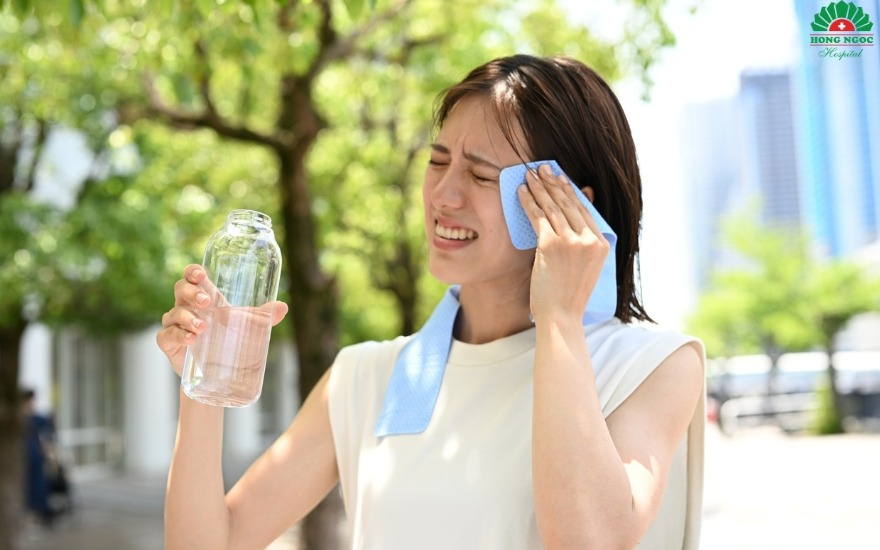
Drink fluids to replace water loss when the body sweats heavily during physical activity.
Avoid going outdoors during peak heat hours
If outdoor activity is necessary, patients should choose cooler times of the day and take regular breaks.
Recommended measures include:
Avoid strenuous activity between approximately 1 p.m. and 4 p.m. whenever possible.
Wear loose, light-colored clothing.
Wear a hat and avoid direct sun exposure.
Rest in shaded areas.
Carry water.
Watch for signs such as fatigue, dizziness, headache, a rapid heartbeat, or shortness of breath.
People with asthma, COPD, heart failure, coronary artery disease, and older adults should limit going outdoors or engaging in strenuous activity during peak heat hours, especially during prolonged heat waves.
Use medications for underlying conditions as prescribed
People with respiratory or cardiovascular disease should take their medications according to the treatment plan prescribed by their doctor. Patients should not stop medications or increase doses on their own when shortness of breath occurs.
Important considerations include:
People with asthma: Controller medications and reliever medications should be used according to the treatment plan. If reliever medication does not improve symptoms as it usually does, medical evaluation or emergency care is needed.
People with COPD: Maintenance inhalers should be continued, and patients should monitor sputum, fever, increased coughing, or worsening shortness of breath. If SpO₂ decreases or shortness of breath becomes worse than usual, the patient should contact a doctor.
People with heart failure: Shortness of breath when lying down, leg swelling, rapid weight gain, or fatigue with mild exertion may suggest worsening disease and should be medically evaluated.
People with hypertension or coronary artery disease: Patients should not stop medications on their own because of dizziness or fatigue on hot days. Blood pressure should be measured, and medical advice should be sought.
Check air quality and adjust the environment
People with respiratory disease should pay attention to both indoor and outdoor air quality.
They may:
Limit going outdoors during periods of pollution, smoke, dust, or peak heat.
Keep windows closed when outdoor dust levels are high, while ensuring that the room is not poorly ventilated.
Clean air conditioners, fans, and air purifiers if they are used.
Avoid tobacco smoke, cooking fumes, incense smoke, and chemical odors.
Keep the room moderately cool, control indoor humidity, and avoid setting the air conditioner too cold or allowing airflow to blow directly onto the body.
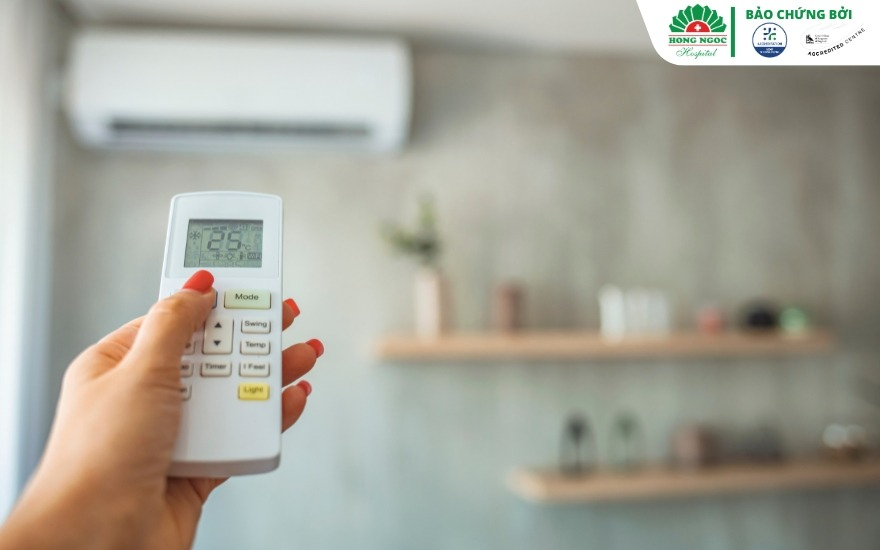
Keep the room temperature at a moderate level.
What should patients monitor at home?
Home monitoring helps detect early signs of worsening illness and provides useful information for doctors during medical consultation.
Severity of shortness of breath
It is important to distinguish shortness of breath on exertion from shortness of breath at rest. Shortness of breath at rest, rapidly worsening breathlessness, inability to speak in full sentences, or the need to sit upright to breathe are more concerning warning signs.
Respiratory rate
Persistent rapid breathing, labored breathing, use of the neck or chest muscles to breathe, or stridor may indicate that the respiratory system is under excessive strain. Family members should observe the patient’s breathing pattern, not only ask how the patient feels.
SpO₂, if a pulse oximeter is available
If a pulse oximeter is available and the patient has been instructed by a doctor, blood oxygen saturation may be monitored at home. If SpO₂ falls below the patient’s usual level, or is accompanied by bluish lips, confusion, or chest pain, medical evaluation or emergency care is needed. Patients should not rely solely on the device if clinical symptoms are severe; emergency care is required promptly for appropriate management.
Heart rate and blood pressure
A rapid heartbeat, low blood pressure, or fluctuating blood pressure accompanied by shortness of breath should be evaluated. Patients with cardiovascular disease should record their readings, the time symptoms occur, and the circumstances, such as sun exposure, physical activity, or inadequate fluid intake.
Signs of dehydration, heat exhaustion, heat-related illness, or heatstroke
Patients should watch for dry mouth, reduced urination, dark-colored urine, hot skin, elevated body temperature, headache, severe fatigue, confusion, altered consciousness, or fainting. These signs may occur together with shortness of breath during hot weather.
Current medications
Patients should keep a record of respiratory medications, cardiovascular medications, diuretics, antihypertensive medications, or any recently used medications. They should not stop taking medications without medical guidance.
When should patients seek medical evaluation or emergency care?
Emergency care is required immediately if shortness of breath is accompanied by warning signs
Emergency services should be called, or the patient should be taken to a medical facility immediately, if any of the following signs occur:
Inability to speak in full sentences or the need to sit leaning forward to breathe: This indicates severe shortness of breath, and the body may not be receiving enough oxygen.
Bluish lips, bluish fingertips, or pale and cold skin: These signs may suggest oxygen deficiency or poor circulation.
Chest pain, chest heaviness, or pain radiating to the shoulder, left arm, neck, or jaw: An acute cardiovascular event must be ruled out.
Confusion, altered consciousness, or difficulty waking: These may be related to respiratory failure, heatstroke, severe dehydration, or electrolyte imbalance.
Fainting or near-fainting: Shortness of breath accompanied by fainting is a dangerous sign and may be related to cardiovascular disease, low blood pressure, or oxygen deficiency.
Stridor, severe wheezing, or an asthma attack that does not improve with reliever medication as instructed: This may indicate a severe asthma attack or an acute exacerbation of chronic respiratory disease.
High fever, hot skin, confusion, or suspected heatstroke: Heatstroke is a medical emergency.
Coughing up blood, severe chest pain, or sudden shortness of breath: Urgent evaluation is required to rule out serious causes.
Chest retractions, poor feeding, cyanosis, or lethargy in young children: These are dangerous respiratory signs in children.
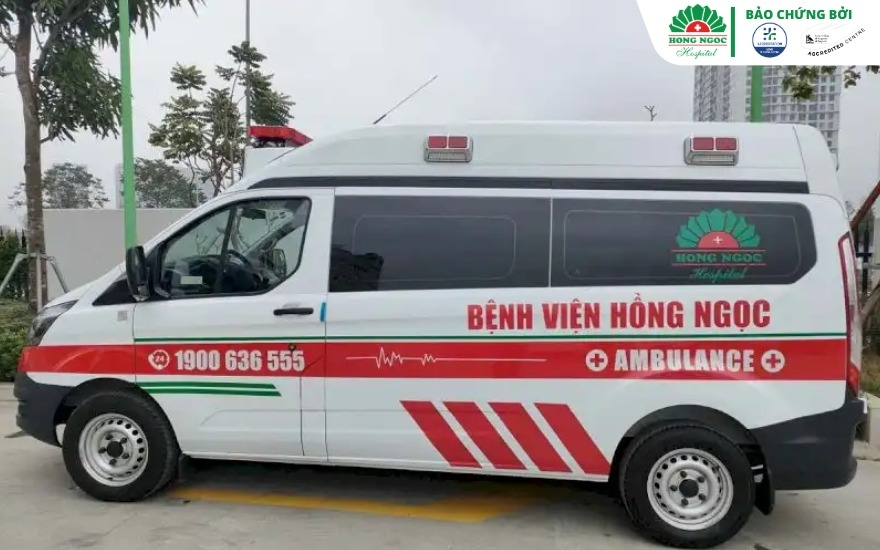
Hong Ngoc General Hospital emergency hotline: 1900 636 555.
Patients should seek medical evaluation early if shortness of breath persists or recurs
Patients should see a respiratory medicine, general internal medicine, or cardiology specialist if they experience:
Persistent or recurrent shortness of breath during hot weather: Respiratory causes, cardiovascular disease, anemia, electrolyte imbalance, or underlying medical conditions should be assessed.
Progressively worsening breathlessness during mild physical activity: If the patient was previously able to walk normally but has recently become easily breathless, medical evaluation is recommended.
Persistent cough, wheezing, or chest tightness: These may be related to asthma, COPD, bronchitis, pneumonia, or other respiratory conditions.
Rapid heartbeat, palpitations, or dizziness: Heart rhythm, blood pressure, hydration status, and electrolyte balance should be checked.
Asthma, COPD, heart failure, hypertension, or coronary artery disease: Patients in these groups should be monitored earlier if symptoms become severe or unusual.
Use of diuretics, cardiovascular medications, or respiratory medications with changing symptoms: Medication effects, hydration status, electrolyte balance, and underlying conditions may need to be evaluated.
Shortness of breath that worsens when lying down or requires sleeping with extra pillows: This may indicate cardiovascular disease, lung disease, or respiratory failure and requires medical assessment.
At Hong Ngoc General Hospital, patients can consult specialists in general internal medicine or respiratory medicine to evaluate the cause of shortness of breath, cardiopulmonary status, dehydration, electrolyte balance, and related underlying conditions during hot weather.

Doctors at Hong Ngoc General Hospital provide health counseling for patients.
Frequently asked questions
Can hot weather cause shortness of breath?
Yes, it can. In hot weather, the body needs to increase circulation and respiratory rate to support heat dissipation. In healthy individuals, mild shortness of breath may improve after resting in a cool place. However, if shortness of breath persists or is accompanied by chest pain, bluish lips, confusion, or altered consciousness, medical evaluation is needed.
Can dehydration cause shortness of breath?
Yes. Inadequate hydration reduces circulating blood volume, causing the heart to work harder to maintain blood flow to the organs. Patients may experience palpitations, chest tightness, dizziness, fatigue, and breathlessness, especially during physical activity on hot days.
When does shortness of breath require emergency care?
Emergency care is required if shortness of breath is accompanied by bluish lips, chest pain, confusion, fainting, inability to speak in full sentences, labored breathing, coughing up blood, high fever suggestive of heatstroke, or an asthma attack that does not improve with reliever medication as instructed.
Are people with asthma more likely to experience shortness of breath in hot weather?
Yes. High temperatures, humidity, air pollution, and sudden temperature changes may trigger airway constriction in people with asthma. Patients should use medications according to their treatment plan, use bronchodilators to manage acute asthma attacks as prescribed, and seek medical care if shortness of breath becomes severe or difficult to control.
Is shortness of breath in hot weather caused by oxygen deficiency?
It may be, but not always. Shortness of breath may result from increased oxygen demand in hot weather, dehydration, asthma, COPD, cardiovascular disease, anxiety, or heatstroke. If bluish lips, inability to speak in full sentences, confusion, altered consciousness, or chest pain occurs, emergency care is required.
What should people with asthma do if they become short of breath on hot days?
People with asthma should avoid going outdoors during peak heat hours or when air quality is poor, use medications according to their treatment plan, carry reliever medication if prescribed by a doctor, and seek medical evaluation or emergency care if shortness of breath does not improve, wheezing becomes severe, or cyanosis occurs.
Should patients use oxygen on their own when shortness of breath occurs?
No. Patients should not use oxygen without a medical prescription, except when oxygen therapy has already been prescribed for home use and specific instructions have been provided by a doctor. Shortness of breath can have many causes and should be evaluated if symptoms worsen rapidly, persist, or are accompanied by warning signs.
Is shortness of breath when lying down dangerous?
Shortness of breath that worsens when lying down, requires extra pillows, or forces the patient to sit up to breathe may be related to cardiovascular disease, heart failure, or respiratory disease. Patients should seek medical evaluation early, especially if it is accompanied by leg swelling, chest pain, nighttime cough, or fatigue during exertion.
When does shortness of breath in young children during hot weather require emergency care?
Emergency care is required if a child has rapid breathing, chest retractions, bluish lips, poor feeding, lethargy, inability to speak or cry as usual, high fever, or suspected heatstroke.
Conclusion
Shortness of breath in hot weather may be a temporary response when the body has to work harder to regulate temperature. This condition is usually less concerning if it is mild, occurs only after physical activity, improves after resting in a cool place, and is not accompanied by abnormal symptoms.
However, if shortness of breath persists, worsens rapidly, occurs at rest, or is accompanied by chest pain, bluish lips, confusion, altered consciousness, fainting, a persistent rapid heartbeat, high fever, or suspected heatstroke, patients should not ignore it. These may be signs of cardiopulmonary disease, severe dehydration, electrolyte imbalance, or heatstroke that require early medical evaluation.
Medical note
This article is for reference purposes only and is not a substitute for medical diagnosis or treatment. If shortness of breath worsens rapidly or is accompanied by chest pain, bluish lips, confusion, fainting, inability to speak in full sentences, labored breathing, high fever, or suspected heatstroke, the patient should receive emergency care promptly.
People with bronchial asthma, COPD, heart failure, coronary artery disease, hypertension, kidney disease, pregnant women, young children, older adults, and those using home oxygen therapy should be monitored more closely during hot weather and should not change their medications without medical guidance.
Shortness of breath in hot weather may occur when the body has to work harder to regulate its core temperature, especially after sun exposure, outdoor physical activity, or staying in a hot, poorly ventilated environment. In some people, this is only a temporary response and improves after resting in a cool place.
However, shortness of breath may also be a sign of dehydration, severe electrolyte imbalance, bronchial asthma, chronic obstructive pulmonary disease (COPD), cardiovascular disease, respiratory infection, or heatstroke. If shortness of breath worsens rapidly, occurs at rest, makes the patient unable to speak in full sentences, or is accompanied by chest pain, bluish lips, fainting, confusion, or a high fever, emergency care should be sought promptly.
Quick answer: Transient shortness of breath in hot weather is usually less concerning if it is mild, occurs only after physical activity, improves after resting in a cool place, and is not accompanied by other symptoms. However, medical evaluation or emergency care is needed if shortness of breath worsens rapidly, is severe even at rest, makes the patient unable to speak in full sentences, or is accompanied by chest pain, bluish lips, a persistent rapid heartbeat, fainting, confusion, or a high fever suggestive of heatstroke.
Shortness of breath in hot weather can be a warning sign in older adults.
Professional consultation: This article was medically reviewed by the respiratory medicine/general internal medicine team at Hong Ngoc General Hospital.
Last updated: May 20, 2026.
Quick summary of the article
Shortness of breath in hot weather may be a temporary response as the body increases heart rate and respiratory rate to dissipate heat, especially after outdoor physical activity or in a hot, poorly ventilated environment.
Shortness of breath is usually less concerning if the symptoms are mild, transient, occur after exertion, improve quickly after resting in a cool place, and are not accompanied by chest pain, bluish lips, fainting, confusion, or labored breathing.
Shortness of breath may be dangerous if it is severe, occurs even at rest, makes the patient unable to speak in full sentences, or is accompanied by chest pain, bluish lips, a persistent rapid heartbeat, dizziness, fainting, or confusion. These may be signs of respiratory failure, cardiovascular disease, heatstroke, or severe dehydration.
Dehydration, electrolyte imbalance, heatstroke, bronchial asthma, COPD, heart failure, coronary artery disease, and respiratory infections can all worsen shortness of breath during hot weather.
Older adults, young children, pregnant women, people with obesity, outdoor workers, people with respiratory, cardiovascular, or kidney disease, and those taking diuretics should be monitored more closely during prolonged hot weather.
If shortness of breath is accompanied by bluish discoloration of the lips or fingernails, chest pain, confusion, fainting, labored breathing, or suspected heatstroke, emergency care is required. Patients should not wait for the condition to improve on its own at home.
Why can hot weather cause shortness of breath?
When the ambient temperature rises, the body has to work harder to maintain a stable core temperature. The heart, lungs, and circulatory system must coordinate more actively to direct blood flow to the skin, dissipate heat, and deliver enough oxygen to the organs.
In healthy individuals, this process usually causes only fatigue or mild breathlessness during physical activity. However, in people with cardiopulmonary disease, older adults, people who are dehydrated, or those exposed to hot and humid environments for prolonged periods, shortness of breath may become more noticeable.
The body needs more oxygen in hot weather
In hot and humid conditions, the body needs to increase circulation to release heat. As a result, the heart has to pump more blood, while the lungs must help supply oxygen to meet the increased metabolic demand.
Several changes may occur:
The heart has to increase circulation to dissipate heat: In hot weather, the body increases sweating and dilates blood vessels to release heat. This makes the heart work harder, especially when the patient walks, climbs stairs, works outdoors, or stays in a hot, poorly ventilated environment.
The respiratory rate may increase slightly: The body may naturally increase the breathing rate to meet oxygen demand and support temperature regulation. Some people may feel that they are breathing faster or become mildly breathless when outdoors in hot weather.
People with heart or lung disease may feel discomfort more easily: In people with underlying heart or lung disease, these organs may already function less efficiently. The increased demand for ventilation and circulation in hot weather can cause shortness of breath to occur earlier, even with mild physical activity.
Hot and humid environments make it harder for the body to dissipate heat: When humidity is high, sweat evaporates less effectively, making it more difficult for the body to cool down. Patients may feel suffocated, experience chest heaviness, or have difficulty taking a deep breath.
In hot weather, the heart beats faster to increase circulation.
Dehydration makes circulation and breathing less efficient
During summer, the body loses more fluid through sweating. If fluids are not adequately replaced, circulating blood volume decreases, and the heart has to beat harder to maintain blood flow to the organs, making breathlessness more noticeable.
Dehydration can affect breathing in several ways:
Reduced circulating blood volume: When the volume of fluid within the blood vessels decreases, the heart has to increase its rate to maintain circulation. Patients may experience palpitations, breathlessness, dizziness, or become tired more quickly during physical activity.
Less efficient blood circulation: Inadequate hydration may reduce circulating blood volume, causing the body to fatigue more easily and making shortness of breath more likely, especially during outdoor activity in hot weather.
The airways may become dry: Hot, dry air or prolonged exposure to air-conditioned environments may reduce moisture in the airway mucosa, causing dryness, irritation, and discomfort when breathing.
Electrolyte imbalance may cause a rapid heartbeat: Dehydration accompanied by the loss of essential minerals through sweat may lead to palpitations, muscle cramps, muscle weakness, or a sensation of an irregular heartbeat.
Associated signs that may suggest dehydration include dry mouth, reduced urination, dark-colored urine, a rapid heartbeat, dizziness, severe fatigue, or headache.
In hot weather, inadequate hydration may reduce circulating blood volume, causing the body to fatigue more quickly and making shortness of breath more likely.
Hot air may irritate the airways
In sensitive individuals, factors such as high temperature, high humidity, fine particulate matter, ozone, or polluted air may act as irritants and cause the airways to react more strongly. This is particularly important for people with bronchial asthma, COPD, allergic rhinitis, or chronic lung disease.
For example:
People with bronchial asthma: Hot air, air pollution, or sudden temperature changes may trigger airway constriction. Patients may experience increased coughing, wheezing, chest tightness, or shortness of breath.
People with COPD: In hot weather, the body is more prone to dehydration, sputum may become thicker, and airway obstruction may worsen. Patients with COPD may feel breathless during mild physical activity or experience more severe shortness of breath than usual.
People with allergic rhinitis: Hot and humid air, dust, mold, or frequent transitions between outdoor heat and air-conditioned rooms may worsen nasal congestion, runny nose, and sneezing, making the patient feel more short of breath.
People with chronic lung disease: Because their respiratory reserve is already reduced, factors such as heat, humidity, dust, smoke, or dehydration may cause symptoms to worsen more quickly, making breathlessness and fatigue more likely.
Hot air can irritate the airways.
When is shortness of breath in hot weather a normal response?
Not all cases of shortness of breath are dangerous. In some situations, the body may breathe faster, feel mildly breathless, or become more fatigued than usual when active in hot weather.
Shortness of breath may be a temporary physiological response if it:
Occurs after outdoor physical activity: When walking, climbing stairs, working under the sun, or exercising, the body needs to increase circulatory activity. A temporary increase in breathing rate is a normal response if it improves quickly after rest.
Occurs in an excessively hot or crowded environment: Hot, poorly ventilated air makes it harder for the body to dissipate heat. Some people may feel suffocated, but symptoms usually improve after moving to a cooler, well-ventilated place.
Is related to anxiety or stress: Hot and humid weather may make sensitive individuals more prone to stress, rapid breathing, shallow breathing, or a sensation of breathlessness. However, cardiopulmonary causes should be ruled out if symptoms recur.
Improves after resting in a cool place: If mild shortness of breath improves after sitting down, drinking water, avoiding sun exposure, and is not accompanied by warning signs, the patient may continue to monitor the symptoms.
Physiological shortness of breath usually does not persist continuously, does not occur at rest, and is not accompanied by chest pain, bluish lips, fainting, confusion, or obvious labored breathing.
Strenuous outdoor physical activity in hot weather can cause transient shortness of breath.
Table: distinguishing normal and warning signs of shortness of breath
Situation
May be less concerning if
Medical evaluation or emergency care is needed if
Shortness of breath after outdoor physical activity
It improves quickly after resting in a cool place and drinking water, with no chest pain
It does not improve after rest or is accompanied by severe fatigue or dizziness
Rapid breathing in hot weather
It is transient and the patient can still speak normally
The patient cannot speak in full sentences or has labored breathing
Mild breathlessness
It occurs only when climbing stairs or doing strenuous work
It occurs at rest or progressively worsens over time
Shortness of breath accompanied by palpitations
It improves after rest and fluid replacement
A rapid heartbeat persists, the rhythm is irregular, or the patient feels near-fainting
Shortness of breath accompanied by coughing or wheezing
It is mild and responds to medication as instructed by a doctor
Wheezing is severe, stridor occurs, or symptoms do not respond to reliever medication
Shortness of breath accompanied by chest pain or bluish lips
This should not be considered normal
Emergency care is required immediately
Warning signs of dangerous shortness of breath
Shortness of breath should not be ignored if it develops rapidly, becomes progressively worse, or is accompanied by any of the signs below. These may indicate respiratory failure, cardiovascular disease, heatstroke, severe dehydration, or electrolyte imbalance.
Rapidly worsening shortness of breath or inability to speak in full sentences
Rapidly worsening shortness of breath may indicate that the body is not receiving enough oxygen or that the respiratory and circulatory systems are under excessive strain. The patient may have to stop all activities to breathe, sit leaning forward, brace their hands on their knees, or speak only in short, interrupted words.
Attention is needed if the patient:
Has to sit upright to breathe: This may be a sign that the respiratory system is under significant strain. The patient may be unable to lie down comfortably and may need to sit up or lean forward to breathe more easily. This can indicate severe shortness of breath.
Cannot speak in full sentences because of breathlessness: If the patient cannot complete a sentence, has to pause repeatedly to breathe, or cannot respond normally, oxygen deficiency or severe respiratory distress should be suspected.
Has obvious labored breathing: The patient may need to use the muscles of the neck, shoulders, or chest to support breathing. This is no longer mild breathlessness caused by hot weather.
Does not improve after resting in a cool place: If shortness of breath persists despite rest, avoidance of sun exposure, and appropriate fluid intake, early medical evaluation is needed.
This group of signs requires prompt emergency care, especially in patients with underlying conditions such as asthma, COPD, or cardiovascular disease, as well as in older adults and pregnant women.
Rapidly worsening shortness of breath may force the patient to sit upright in order to breathe.
Bluish lips or fingertips
Bluish discoloration of the lips or fingertips, or pale and cold skin, may indicate low blood oxygen levels or reduced peripheral perfusion. This is a warning sign and may suggest severe shortness of breath or unstable circulation.
When these signs occur, especially if accompanied by shortness of breath, chest pain, confusion, or fainting, urgent medical care is required.
The patient may experience:
Bluish lips: This is a more visible sign of oxygen deficiency and may occur during a severe asthma attack, respiratory failure, cardiovascular disease, or heatstroke.
Pale or bluish fingertips: When blood oxygen levels decrease or circulation is poor, the extremities may become cold, bluish, or pale.
Pale, cold, and sweaty skin: If accompanied by shortness of breath, chest pain, or lightheadedness, this may suggest a serious circulatory or cardiovascular condition.
Bluish discoloration with confusion: This is a medical emergency and should not be delayed.
Bluish lips or bluish discoloration of the extremities should not be monitored at home, even if the patient thinks it is only due to hot weather or fatigue.
Cyanosis and worsening fatigue are signs that require urgent medical intervention.
Chest pain or a rapid heartbeat
Shortness of breath accompanied by chest pain or a rapid heartbeat should be evaluated carefully, as it may be related to cardiovascular disease, arrhythmias, dehydration, electrolyte imbalance, or heatstroke.
Warning signs to watch for include:
Chest tightness or pain: A sensation of pressure, squeezing, tightness in the center of the chest, or pain that worsens with exertion may be related to myocardial ischemia, especially in older adults and people with hypertension, diabetes, or coronary artery disease.
Pain radiating to the shoulder, left arm, neck, jaw, or back: This is a warning sign of an acute cardiovascular event and requires emergency care.
A persistent rapid heartbeat: The heart may beat faster to compensate for dehydration or heatstroke. However, if the rapid heartbeat persists, does not improve with rest, or is accompanied by lightheadedness, heart rhythm and electrolyte levels should be checked.
Marked palpitations or a sensation of an irregular rhythm: Some arrhythmias can cause shortness of breath, dizziness, fainting, or chest pain.
If shortness of breath is accompanied by chest pain, cold sweats, nausea, dizziness, or pain radiating to the arm or jaw, emergency care is required immediately.
Confusion, altered consciousness, or dizziness
When oxygen deficiency, severe dehydration, low blood pressure, or elevated body temperature occurs, the brain may be affected due to reduced perfusion or inadequate oxygen supply. In older adults, this may sometimes present only as slow speech, delayed responses, or drowsiness.
Attention is needed if the following signs occur:
The brain may be affected: The patient responds slowly, has difficulty concentrating, speaks slowly, gives inappropriate answers, or does not recognize family members.
Dizziness worsens when standing up: This may indicate low blood pressure due to dehydration, diuretic use, antihypertensive medications, or reduced blood flow to the brain.
Progressively worsening confusion or drowsiness: This may be related to heatstroke, respiratory failure, electrolyte imbalance, or severe infection and requires emergency care.
Fainting or near-fainting: Shortness of breath accompanied by fainting is a dangerous sign and may be related to arrhythmias, low blood pressure, oxygen deficiency, or an acute cardiovascular event.
Patients should not be allowed to walk unassisted if they are dizzy, confused, or near-fainting, as the risk of falls and injury is increased.
Oxygen deprivation in the brain may cause dizziness when standing up.
High fever, hot skin, severe fatigue, or suspected heatstroke
Shortness of breath during hot weather accompanied by high fever, hot skin, confusion, or severe fatigue may be related to heat exhaustion or heatstroke. This condition requires early management.
Warning signs to watch for include:
High fever or a rapidly rising body temperature of 40°C or higher: The body may no longer be able to dissipate heat effectively, especially after sun exposure, working in a hot environment, or staying in a poorly ventilated room.
Hot, flushed skin, absence of sweating, or profuse sweating: Heatstroke is not always associated with dry skin. Patients may still sweat heavily, particularly after exertion.
Severe fatigue, headache, or nausea: These may be signs of heat exhaustion, dehydration, or electrolyte imbalance.
Confusion, delirium, seizures, fainting, or coma: These are emergency signs and may indicate severe heatstroke.
Severe headache: This may also be a warning sign and should not be overlooked, especially when accompanied by altered consciousness, vomiting, high fever, or worsening shortness of breath.
While waiting for medical assistance, move the patient to a cool place, offer cool water, oral rehydration solution, or an electrolyte drink in small sips, loosen clothing, cool the body, and allow the patient to rest for 30–60 minutes. If symptoms do not improve or become worse, the patient should be taken to a medical facility. Do not force the patient to drink water if they are confused, vomiting repeatedly, or unable to swallow properly.
High fever should be managed promptly.
Who is more likely to experience shortness of breath in hot weather?
Some groups are at higher risk of shortness of breath or complications during hot weather because of limited cardiopulmonary function, increased susceptibility to dehydration, or the use of medications that affect circulation and electrolyte balance.
People with respiratory diseases
People with respiratory conditions may experience worsening shortness of breath when temperatures are high, the air is humid or polluted, or when there are sudden temperature changes.
Groups that require particular attention include:
Bronchial asthma: Heat, ozone, fine particulate matter, smoke, or sudden transitions between hot and cold environments may trigger airway constriction. Patients may develop coughing, wheezing, chest tightness, or shortness of breath.
COPD: Patients with COPD are more prone to breathlessness in hot weather because their respiratory reserve is reduced. Dehydration may also make sputum thicker, while inflammation and airway constriction can worsen airway obstruction.
Chronic pneumonia or bronchiectasis: High temperatures, dehydration, and poor air quality may worsen productive cough, fatigue, and shortness of breath.
Allergic rhinitis or sinusitis: Persistent nasal congestion may force patients to breathe through the mouth more often, leading to dry throat, fatigue, and a sensation of insufficient air.
People with cardiovascular disease
The heart and lungs function in close coordination. In hot weather, the heart has to pump more actively as part of the body’s heat-dissipation mechanism. If underlying cardiovascular disease is present, patients may be more likely to experience shortness of breath.
Particular caution is needed in people with:
Heart failure: Shortness of breath may worsen when lying down, during mild exertion, or at night. If the patient needs to sleep with more pillows or notices worsening leg swelling, medical evaluation is needed.
Coronary artery disease: During hot weather or dehydration, the heart has to work harder. Patients may experience chest pain, breathlessness, cold sweats, or unusual fatigue.
Cardiac arrhythmias: A heart that beats too fast or irregularly may pump blood less effectively. Dehydration and electrolyte imbalance may further increase the risk, causing shortness of breath, palpitations, dizziness, or fainting.
Hypertension: Blood pressure may fluctuate in hot weather, especially if the patient is dehydrated or changes medication on their own.
People with heart disease require closer attention during hot weather.
Older adults
Older adults have a reduced ability to regulate body temperature, are more prone to dehydration, and often have multiple underlying medical conditions. Therefore, shortness of breath during hot weather in this group should be monitored more closely.
Older adults are more likely to experience shortness of breath because:
The body has more difficulty dissipating heat: Thermoregulation declines with age, making older adults more prone to fatigue, breathlessness, or heat exhaustion in hot weather.
Dehydration may occur silently: The sensation of thirst decreases with age, so older adults may become dehydrated without realizing it, leading to a rapid heartbeat, low blood pressure, and dizziness.
Multiple cardiovascular, respiratory, kidney, and neurological conditions may coexist: Chronic diseases in older adults can increase the risk of worsening shortness of breath.
Symptoms may be atypical: Older adults may present only with fatigue, drowsiness, confusion, poor appetite, excessive sleepiness, or unsteady gait rather than clearly reporting shortness of breath.
Young children and pregnant women
Young children and pregnant women are also groups that require special attention during hot weather.
Young children: Children may not be able to recognize or describe shortness of breath as clearly as adults. Warning signs include rapid breathing, chest retractions, nasal flaring, stridor, and wheezing. Particular attention should be paid to signs of severe oxygen deficiency, such as bluish lips, poor feeding, lethargy, severe fatigue, difficulty waking, or not crying or speaking as usual. If these signs occur, the child should be taken for emergency care promptly.
Pregnant women: During pregnancy, oxygen demand and circulating blood volume increase. Hot weather may make fatigue, palpitations, or breathlessness more noticeable. If shortness of breath or breathlessness worsens rapidly, or is accompanied by chest pain, an abnormally rapid heartbeat, persistent cough, fainting, marked swelling, severe headache, syncope, or abnormal fetal movements, medical evaluation is required immediately.
Children should be closely monitored if they have a persistent high fever, lethargy, or severe fatigue.
Patients using oxygen therapy or home respiratory support
Patients with severe COPD, chronic respiratory failure, neuromuscular disease, or those using oxygen therapy at home should have a safety plan during hot weather, especially in the event of a power outage or when travel is required, as respiratory compromise in these situations may become a dangerous emergency. Families should pay attention to the following:
Check the equipment and power supply: Make sure the oxygen concentrator, non-invasive ventilator, or other respiratory support devices are functioning properly.
Monitor the remaining oxygen supply if using oxygen cylinders: Ensure that backup oxygen is available during prolonged hot weather or when traveling.
Monitor SpO₂ if instructed by a doctor: If SpO₂ drops below the patient’s usual level or is accompanied by bluish lips, confusion, or worsening shortness of breath, emergency care is required immediately.
Do not increase the oxygen flow rate without medical guidance: Some patients with COPD need oxygen therapy according to specific medical prescriptions. Adjusting oxygen levels on their own may be unsafe.
How do air quality and humidity affect shortness of breath?
During periods of hot weather, shortness of breath is not related to temperature alone. Humidity, fine particulate matter, ground-level ozone, tobacco smoke, cooking fumes, or indoor air pollution can also worsen respiratory symptoms.
Hot weather is often associated with pollution, ozone, and high humidity
When temperatures rise, air quality may worsen, especially in urban areas or locations with heavy traffic or construction activity. Fine particulate matter and ozone can irritate the airways, making people with asthma, COPD, allergic rhinitis, or chronic lung disease more prone to coughing, wheezing, chest tightness, and shortness of breath.
High humidity also makes it harder for sweat to evaporate, reducing the body’s ability to dissipate heat. Patients may feel suffocated, experience chest heaviness, or become fatigued more quickly.
Air conditioning that is too cold or too dry may also cause discomfort
Air conditioning does not directly cause shortness of breath in most people. However, if the temperature is set too low, the air is too dry, or cold air blows directly onto the body, the airways may become irritated.
Sensitive individuals may experience:
Dry throat or dry nose.
Dry cough.
Nasal congestion.
Wheezing.
Mild chest tightness.
Difficulty taking a deep breath.
People with asthma, allergic rhinitis, or COPD should avoid excessively low temperatures, avoid direct airflow from air conditioners, and clean air-conditioning units regularly to reduce dust, mold, and allergens.
Air-conditioning units should be cleaned regularly to reduce dust, mold, and allergens.
Mistakes that can worsen shortness of breath during summer
Outdoor activity during peak heat hours
The period from 1 p.m. to 4 p.m. is often among the hottest times of the day. Prolonged outdoor activity during this period can place greater strain on the heart, lungs, and circulatory system.
This may lead to:
Rapid fluid loss: Heavy sweating reduces circulating blood volume, making the heart work harder.
Increased workload on the heart and lungs: When the body has to support both physical activity and heat dissipation, oxygen demand increases, making breathlessness more likely.
Higher risk of heat-related illness and heatstroke: If the body cannot dissipate heat effectively, the patient may develop severe fatigue, headache, nausea, confusion, fainting, heat exhaustion, or even dangerous heatstroke.
Worsening symptoms in people with underlying conditions: People with asthma, COPD, heart failure, coronary artery disease, or hypertension may have more difficulty adapting to hot weather. Mechanisms such as dehydration, reduced circulating blood volume, peripheral vasodilation, and increased strain on the heart and lungs may occur simultaneously during hot weather, causing shortness of breath to appear earlier or become more severe.
Drinking too little water
Even prolonged mild dehydration can make shortness of breath more noticeable, especially in older adults, people with cardiovascular disease, or those with chronic underlying medical conditions.
Drinking too little water may:
Make the heart beat faster: When fluid levels are low, the heart has to contract more forcefully to maintain circulation. Patients may experience palpitations, breathlessness, and increased fatigue.
Make blood circulation less efficient: Reduced circulating blood volume and increased blood viscosity may impair oxygen transport in the blood, causing the body to fatigue more quickly during physical activity and potentially increasing the risk of blood clot formation and stroke.
Make the airways drier: Inadequate hydration may reduce natural moisture in the airways, dry the mucosa, and make sputum thicker in patients with respiratory disease.
Increase the risk of electrolyte imbalance: Heavy sweating without appropriate mineral replacement may lead to the loss of sodium, potassium, and magnesium, causing muscle cramps, fatigue, a rapid heartbeat, or palpitations.
Patients with heart failure, kidney disease, liver disease, or those advised to restrict fluid intake should not drink excessive amounts of water on their own and should ask their doctor about the appropriate amount of fluid.
Adequate hydration should be maintained during hot weather.
Overusing air conditioning at very low temperatures
Cold, dry air may irritate the airways in sensitive individuals and in people with chronic respiratory disease. Frequent transitions between outdoor heat and very cold indoor environments can also make it harder for the body to adapt.
This may:
Irritate the airways: People with asthma or allergic rhinitis may experience more coughing, wheezing, nasal congestion, or chest tightness.
Dry out the respiratory mucosa: Dryness of the nose and throat may cause a dry cough, sore throat, or discomfort when breathing.
Make respiratory symptoms harder to control: People with COPD, asthma, or sinusitis should avoid direct exposure to cold airflow, as it may trigger episodes of shortness of breath.
Make adaptation more difficult for older adults: A large temperature difference may cause headache, dizziness, palpitations, or general discomfort.
Stopping medications for underlying conditions without medical guidance
Some people feel fatigued, have a dry mouth, or become dizzy during hot weather and therefore stop taking blood pressure medications, diuretics, asthma or COPD medications, or cardiovascular medications on their own. This can be dangerous.
Patients should not stop medications on their own because:
Underlying diseases may become uncontrolled: Asthma, COPD, heart failure, hypertension, or arrhythmias may worsen when treatment is discontinued.
Shortness of breath may worsen rapidly: This is especially important if maintenance inhalers, cardiovascular medications, or diuretics are stopped incorrectly, as this may cause the disease to progress or become unstable.
Symptoms may be difficult to interpret: Dizziness, fatigue, or shortness of breath may be caused by dehydration, medications, underlying disease, or heatstroke. A doctor’s assessment is needed to identify the cause.
Patients should record their symptoms, measure blood pressure and heart rate if possible, and contact their doctor for guidance.
Do not stop taking medications without medical guidance.
How to reduce shortness of breath during hot weather
If shortness of breath is mild and occurs after sun exposure or physical activity, patients may take several initial measures. However, if warning signs such as bluish lips, chest pain, confusion, fainting, or inability to speak in full sentences occur, emergency care is required instead of attempting home management.
Stop the activity and rest in a cool place
When breathlessness occurs, the patient should stop the activity and avoid further exertion.
Recommended steps include:
Move to a cool, well-ventilated place: This helps reduce the body’s heat-dissipation burden and lowers cardiopulmonary demand.
Sit in a position that makes breathing easier: The patient may sit upright, lean slightly forward, and relax the shoulders. This position may help some people breathe more comfortably.
Loosen clothing: Tight clothing around the neck, chest, or abdomen may make breathing more uncomfortable.
Monitor symptoms: If shortness of breath does not improve after rest or worsens rapidly, medical evaluation or emergency care is needed.
Drink fluids appropriately if the patient is alert and able to swallow
If the patient is alert, not vomiting repeatedly, and able to swallow safely, they may take small sips of water, oral rehydration solution, or an electrolyte drink. Fluid replacement helps reduce the risk of dehydration and supports circulation.
Important notes:
Do not drink a large amount of water at once.
Electrolyte replacement may be needed after heavy sweating, diarrhea, or vomiting, but it should be used according to proper guidance.
Patients with heart failure, kidney disease, or fluid restriction should ask their doctor about the appropriate amount of fluid.
Do not give fluids if the patient is confused, fainting, having seizures, or at risk of aspiration. Emergency care is required immediately in these situations.
Drink fluids to replace water loss when the body sweats heavily during physical activity.
Avoid going outdoors during peak heat hours
If outdoor activity is necessary, patients should choose cooler times of the day and take regular breaks.
Recommended measures include:
Avoid strenuous activity between approximately 1 p.m. and 4 p.m. whenever possible.
Wear loose, light-colored clothing.
Wear a hat and avoid direct sun exposure.
Rest in shaded areas.
Carry water.
Watch for signs such as fatigue, dizziness, headache, a rapid heartbeat, or shortness of breath.
People with asthma, COPD, heart failure, coronary artery disease, and older adults should limit going outdoors or engaging in strenuous activity during peak heat hours, especially during prolonged heat waves.
Use medications for underlying conditions as prescribed
People with respiratory or cardiovascular disease should take their medications according to the treatment plan prescribed by their doctor. Patients should not stop medications or increase doses on their own when shortness of breath occurs.
Important considerations include:
People with asthma: Controller medications and reliever medications should be used according to the treatment plan. If reliever medication does not improve symptoms as it usually does, medical evaluation or emergency care is needed.
People with COPD: Maintenance inhalers should be continued, and patients should monitor sputum, fever, increased coughing, or worsening shortness of breath. If SpO₂ decreases or shortness of breath becomes worse than usual, the patient should contact a doctor.
People with heart failure: Shortness of breath when lying down, leg swelling, rapid weight gain, or fatigue with mild exertion may suggest worsening disease and should be medically evaluated.
People with hypertension or coronary artery disease: Patients should not stop medications on their own because of dizziness or fatigue on hot days. Blood pressure should be measured, and medical advice should be sought.
Check air quality and adjust the environment
People with respiratory disease should pay attention to both indoor and outdoor air quality.
They may:
Limit going outdoors during periods of pollution, smoke, dust, or peak heat.
Keep windows closed when outdoor dust levels are high, while ensuring that the room is not poorly ventilated.
Clean air conditioners, fans, and air purifiers if they are used.
Avoid tobacco smoke, cooking fumes, incense smoke, and chemical odors.
Keep the room moderately cool, control indoor humidity, and avoid setting the air conditioner too cold or allowing airflow to blow directly onto the body.
Keep the room temperature at a moderate level.
What should patients monitor at home?
Home monitoring helps detect early signs of worsening illness and provides useful information for doctors during medical consultation.
Severity of shortness of breath
It is important to distinguish shortness of breath on exertion from shortness of breath at rest. Shortness of breath at rest, rapidly worsening breathlessness, inability to speak in full sentences, or the need to sit upright to breathe are more concerning warning signs.
Respiratory rate
Persistent rapid breathing, labored breathing, use of the neck or chest muscles to breathe, or stridor may indicate that the respiratory system is under excessive strain. Family members should observe the patient’s breathing pattern, not only ask how the patient feels.
SpO₂, if a pulse oximeter is available
If a pulse oximeter is available and the patient has been instructed by a doctor, blood oxygen saturation may be monitored at home. If SpO₂ falls below the patient’s usual level, or is accompanied by bluish lips, confusion, or chest pain, medical evaluation or emergency care is needed. Patients should not rely solely on the device if clinical symptoms are severe; emergency care is required promptly for appropriate management.
Heart rate and blood pressure
A rapid heartbeat, low blood pressure, or fluctuating blood pressure accompanied by shortness of breath should be evaluated. Patients with cardiovascular disease should record their readings, the time symptoms occur, and the circumstances, such as sun exposure, physical activity, or inadequate fluid intake.
Signs of dehydration, heat exhaustion, heat-related illness, or heatstroke
Patients should watch for dry mouth, reduced urination, dark-colored urine, hot skin, elevated body temperature, headache, severe fatigue, confusion, altered consciousness, or fainting. These signs may occur together with shortness of breath during hot weather.
Current medications
Patients should keep a record of respiratory medications, cardiovascular medications, diuretics, antihypertensive medications, or any recently used medications. They should not stop taking medications without medical guidance.
When should patients seek medical evaluation or emergency care?
Emergency care is required immediately if shortness of breath is accompanied by warning signs
Emergency services should be called, or the patient should be taken to a medical facility immediately, if any of the following signs occur:
Inability to speak in full sentences or the need to sit leaning forward to breathe: This indicates severe shortness of breath, and the body may not be receiving enough oxygen.
Bluish lips, bluish fingertips, or pale and cold skin: These signs may suggest oxygen deficiency or poor circulation.
Chest pain, chest heaviness, or pain radiating to the shoulder, left arm, neck, or jaw: An acute cardiovascular event must be ruled out.
Confusion, altered consciousness, or difficulty waking: These may be related to respiratory failure, heatstroke, severe dehydration, or electrolyte imbalance.
Fainting or near-fainting: Shortness of breath accompanied by fainting is a dangerous sign and may be related to cardiovascular disease, low blood pressure, or oxygen deficiency.
Stridor, severe wheezing, or an asthma attack that does not improve with reliever medication as instructed: This may indicate a severe asthma attack or an acute exacerbation of chronic respiratory disease.
High fever, hot skin, confusion, or suspected heatstroke: Heatstroke is a medical emergency.
Coughing up blood, severe chest pain, or sudden shortness of breath: Urgent evaluation is required to rule out serious causes.
Chest retractions, poor feeding, cyanosis, or lethargy in young children: These are dangerous respiratory signs in children.
Hong Ngoc General Hospital emergency hotline: 1900 636 555.
Patients should seek medical evaluation early if shortness of breath persists or recurs
Patients should see a respiratory medicine, general internal medicine, or cardiology specialist if they experience:
Persistent or recurrent shortness of breath during hot weather: Respiratory causes, cardiovascular disease, anemia, electrolyte imbalance, or underlying medical conditions should be assessed.
Progressively worsening breathlessness during mild physical activity: If the patient was previously able to walk normally but has recently become easily breathless, medical evaluation is recommended.
Persistent cough, wheezing, or chest tightness: These may be related to asthma, COPD, bronchitis, pneumonia, or other respiratory conditions.
Rapid heartbeat, palpitations, or dizziness: Heart rhythm, blood pressure, hydration status, and electrolyte balance should be checked.
Asthma, COPD, heart failure, hypertension, or coronary artery disease: Patients in these groups should be monitored earlier if symptoms become severe or unusual.
Use of diuretics, cardiovascular medications, or respiratory medications with changing symptoms: Medication effects, hydration status, electrolyte balance, and underlying conditions may need to be evaluated.
Shortness of breath that worsens when lying down or requires sleeping with extra pillows: This may indicate cardiovascular disease, lung disease, or respiratory failure and requires medical assessment.
At Hong Ngoc General Hospital, patients can consult specialists in general internal medicine or respiratory medicine to evaluate the cause of shortness of breath, cardiopulmonary status, dehydration, electrolyte balance, and related underlying conditions during hot weather.
Doctors at Hong Ngoc General Hospital provide health counseling for patients.
Frequently asked questions
Can hot weather cause shortness of breath?
Yes, it can. In hot weather, the body needs to increase circulation and respiratory rate to support heat dissipation. In healthy individuals, mild shortness of breath may improve after resting in a cool place. However, if shortness of breath persists or is accompanied by chest pain, bluish lips, confusion, or altered consciousness, medical evaluation is needed.
Can dehydration cause shortness of breath?
Yes. Inadequate hydration reduces circulating blood volume, causing the heart to work harder to maintain blood flow to the organs. Patients may experience palpitations, chest tightness, dizziness, fatigue, and breathlessness, especially during physical activity on hot days.
When does shortness of breath require emergency care?
Emergency care is required if shortness of breath is accompanied by bluish lips, chest pain, confusion, fainting, inability to speak in full sentences, labored breathing, coughing up blood, high fever suggestive of heatstroke, or an asthma attack that does not improve with reliever medication as instructed.
Are people with asthma more likely to experience shortness of breath in hot weather?
Yes. High temperatures, humidity, air pollution, and sudden temperature changes may trigger airway constriction in people with asthma. Patients should use medications according to their treatment plan, use bronchodilators to manage acute asthma attacks as prescribed, and seek medical care if shortness of breath becomes severe or difficult to control.
Is shortness of breath in hot weather caused by oxygen deficiency?
It may be, but not always. Shortness of breath may result from increased oxygen demand in hot weather, dehydration, asthma, COPD, cardiovascular disease, anxiety, or heatstroke. If bluish lips, inability to speak in full sentences, confusion, altered consciousness, or chest pain occurs, emergency care is required.
What should people with asthma do if they become short of breath on hot days?
People with asthma should avoid going outdoors during peak heat hours or when air quality is poor, use medications according to their treatment plan, carry reliever medication if prescribed by a doctor, and seek medical evaluation or emergency care if shortness of breath does not improve, wheezing becomes severe, or cyanosis occurs.
Should patients use oxygen on their own when shortness of breath occurs?
No. Patients should not use oxygen without a medical prescription, except when oxygen therapy has already been prescribed for home use and specific instructions have been provided by a doctor. Shortness of breath can have many causes and should be evaluated if symptoms worsen rapidly, persist, or are accompanied by warning signs.
Is shortness of breath when lying down dangerous?
Shortness of breath that worsens when lying down, requires extra pillows, or forces the patient to sit up to breathe may be related to cardiovascular disease, heart failure, or respiratory disease. Patients should seek medical evaluation early, especially if it is accompanied by leg swelling, chest pain, nighttime cough, or fatigue during exertion.
When does shortness of breath in young children during hot weather require emergency care?
Emergency care is required if a child has rapid breathing, chest retractions, bluish lips, poor feeding, lethargy, inability to speak or cry as usual, high fever, or suspected heatstroke.
Conclusion
Shortness of breath in hot weather may be a temporary response when the body has to work harder to regulate temperature. This condition is usually less concerning if it is mild, occurs only after physical activity, improves after resting in a cool place, and is not accompanied by abnormal symptoms.
However, if shortness of breath persists, worsens rapidly, occurs at rest, or is accompanied by chest pain, bluish lips, confusion, altered consciousness, fainting, a persistent rapid heartbeat, high fever, or suspected heatstroke, patients should not ignore it. These may be signs of cardiopulmonary disease, severe dehydration, electrolyte imbalance, or heatstroke that require early medical evaluation.
Medical note
This article is for reference purposes only and is not a substitute for medical diagnosis or treatment. If shortness of breath worsens rapidly or is accompanied by chest pain, bluish lips, confusion, fainting, inability to speak in full sentences, labored breathing, high fever, or suspected heatstroke, the patient should receive emergency care promptly.
People with bronchial asthma, COPD, heart failure, coronary artery disease, hypertension, kidney disease, pregnant women, young children, older adults, and those using home oxygen therapy should be monitored more closely during hot weather and should not change their medications without medical guidance.
Để lại câu hỏi của bạn để nhận được giải đáp từ các bác sĩ của Hồng Ngọc
Lorem ipsum dolor
Lorem ipsum dolor sit amet, consectetur adipiscing elit. Mauris odio lectus, pretium faucibus nisi eu, accumsan consectetur orci. In blandit vehicula nisl, vel lacinia ligula finibus a. Donec fermentum rhoncus