


A rapid heartbeat in hot weather may be a normal physiological response as the body increases blood flow to the skin to dissipate heat. This often occurs after sun exposure, outdoor physical activity, heavy sweating, or prolonged exposure to hot, humid, and poorly ventilated environments. However, a rapid heartbeat may also be a sign of dehydration, low blood pressure, electrolyte imbalance, or cardiovascular disease, especially if it is accompanied by prolonged palpitations, chest pain, shortness of breath, dizziness, fainting, or a sensation of an irregular heartbeat.
Quick answer: A rapid heartbeat in hot weather is usually not dangerous if it occurs only after physical activity or sun exposure and improves with rest, fluid intake, and cooling. However, medical evaluation or emergency care is needed if the rapid heartbeat persists, occurs at rest, or is accompanied by chest pain, shortness of breath, dizziness, fainting, cold sweats, pain radiating to the shoulder, arm, or jaw, or an irregular heart rhythm.
Professional consultation: This article was medically reviewed by the Cardiology Department at Hong Ngoc General Hospital.
Last updated: May 20, 2026.
Quick summary of the article
- A rapid heartbeat in hot weather may be a physiological response as the body increases blood flow to the skin to dissipate heat. This condition usually improves after resting in a cool place, drinking fluids appropriately, and avoiding further exertion.
- A rapid heartbeat is generally less concerning if it occurs after sun exposure, physical activity, or mild stress, does not persist continuously, and is not accompanied by chest pain, shortness of breath, fainting, or an irregular heart rhythm.
- A rapid heartbeat may be dangerous if it persists, occurs at rest, or is accompanied by strong palpitations, dizziness, chest pain, shortness of breath, fainting, cyanosis, or cold sweats. These may be signs of an arrhythmia, severe dehydration, electrolyte imbalance, or cardiovascular disease.
- Dehydration, orthostatic hypotension, and electrolyte imbalance involving sodium, potassium, or magnesium may cause the heart to beat faster, pound more forcefully, or beat irregularly. People who sweat heavily, take diuretics, or have kidney disease should be more cautious.
- Older adults, pregnant women, people with coronary artery disease, heart failure, arrhythmias, hypertension, kidney disease, or those taking cardiovascular medications or diuretics should be monitored more closely during hot weather.
- If a rapid heartbeat is accompanied by chest pain, shortness of breath, fainting, cold sweats, or pain radiating to the shoulder, arm, or jaw, emergency care is required. Patients should not self-administer cardiovascular medications, antiarrhythmic drugs, or sedatives without medical guidance.
Why does hot weather make the heart beat faster?
When the ambient temperature rises, the body has to increase heat dissipation to maintain a stable core temperature. One important mechanism is increasing blood flow to the skin to release heat. This causes the heart to work harder than usual.
The heart beats faster to maintain circulation
In hot weather, blood vessels beneath the skin dilate to help the body release heat. However, as more blood is directed toward the skin, the heart may need to increase its rate to maintain blood flow to the brain, heart, kidneys, and other vital organs.
Several changes may occur:
- Blood vessels beneath the skin dilate: This response helps the body dissipate heat more effectively through the skin. However, when blood vessels widen, blood pressure may decrease slightly, causing the heart to beat faster to maintain stable circulation.
- The heart pumps blood faster to maintain blood pressure: As more blood circulates toward the periphery for cooling, the heart needs to increase its contraction rate to ensure that vital organs continue to receive adequate blood supply. Patients may feel mild palpitations or become more aware of their heartbeat.
- The body increases circulation to cool itself down: Greater blood flow through the skin helps release heat into the environment. This mechanism makes the heart work harder, especially during outdoor physical activity, prolonged standing under the sun, or exposure to hot and humid environments.
As a result, many people may notice a faster heartbeat, facial flushing, mild palpitations, or increased fatigue in hot weather. If these symptoms improve quickly after rest, cooling, and appropriate fluid intake, they are usually less concerning.
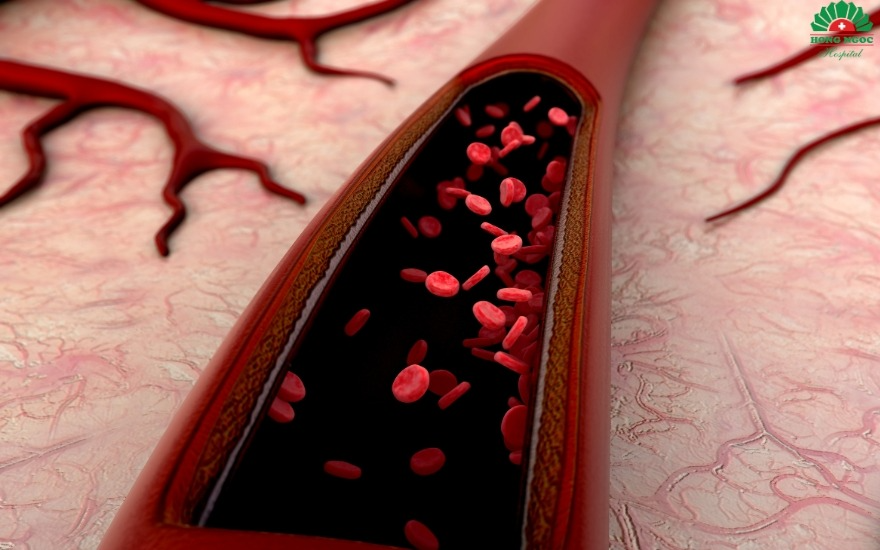
Dehydration makes the heart work harder
During summer, the body loses fluid quickly through sweating. If fluid intake is not sufficient, the volume of fluid within the blood vessels may decrease, causing the heart to beat faster to maintain circulation.
Dehydration can affect the heart in several ways:
- Reduced circulating blood volume: When the volume of fluid within the blood vessels decreases, the heart has to increase its rate to compensate and maintain blood flow to the organs. This is why many people feel their heart beating faster after prolonged sun exposure, outdoor labor, or heavy sweating.
- Blood may become more concentrated: Inadequate hydration makes circulation less efficient and increases the workload on the heart. In people with cardiovascular disease, hypertension, kidney disease, or a history of stroke, this condition may worsen symptoms.
- Blood pressure may drop more easily when changing position: When standing up quickly, blood flow to the brain may temporarily decrease if the body is fluid-depleted. Patients may experience lightheadedness, dizziness, faintness, or a feeling that they are about to faint.
Symptoms suggesting dehydration accompanied by a rapid heartbeat include palpitations, severe fatigue, dizziness, excessive thirst, dry mouth, reduced urination, or dark-colored urine.
Electrolyte imbalance can affect heart rhythm
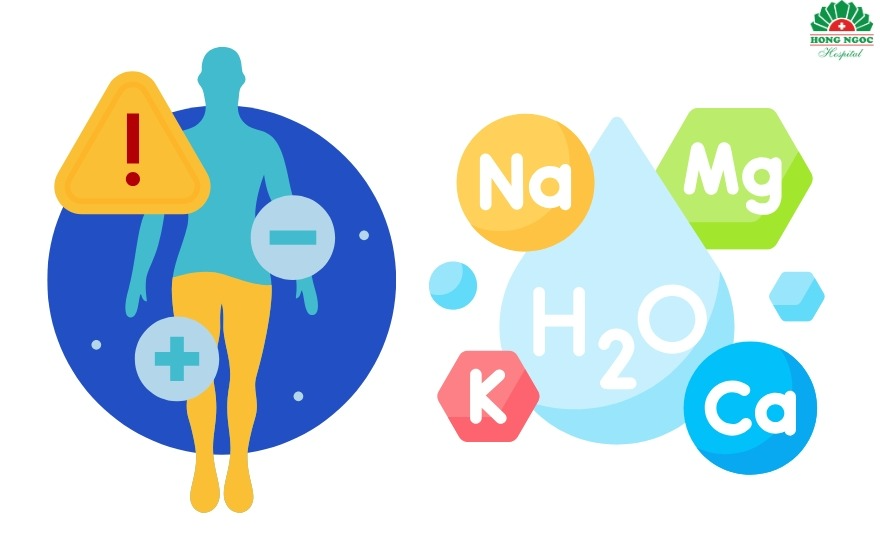
Sweating causes the body to lose not only water but also electrolytes such as sodium, potassium, and magnesium. These minerals are essential for maintaining stable electrical activity in the heart muscle.
When electrolyte imbalance occurs, patients may experience:
- A rapid or irregular heartbeat: The heart relies on stable electrical signals to function properly. When electrolytes are imbalanced, these signals may be disrupted, causing patients to feel palpitations, skipped beats, or an irregular heartbeat.
- More noticeable palpitations: Some people describe a pounding sensation in the chest, mild fluttering, skipped beats, or palpitations even while at rest.
- Higher risk of arrhythmias in people with heart disease: Older adults, people with coronary artery disease, heart failure, arrhythmias, or those taking diuretics should be especially cautious during prolonged heat waves.
If a rapid heartbeat is accompanied by muscle cramps, muscle weakness, severe fatigue, vomiting, diarrhea, or heavy sweating, the patient should be evaluated for fluid and electrolyte status, especially if underlying medical conditions are present.

When is a rapid heartbeat considered a normal response?
Not every case of a rapid heartbeat is dangerous. In many situations, it is a physiological response that helps the body adapt to high temperatures, physical activity, or stress.
A rapid heartbeat may be more likely to represent a normal response if it occurs in the following situations:
- Outdoor physical activity: When engaging in physical activity in hot weather, the body needs more oxygen and must also increase heat dissipation through the skin. The heart increases its rate to supply blood to the muscles and help cool the body.
- After sun exposure or staying in a hot, poorly ventilated environment: The body has to readjust its core temperature after prolonged heat exposure. A mildly rapid heartbeat may occur for a short time and usually improves after resting in a cool place.
- Stress or lack of sleep: Stress, anxiety, and sleep deprivation increase sympathetic nervous system activity, making the heart more likely to beat faster and palpitations more noticeable during hot weather.
- Coffee or energy drink consumption: Caffeine can stimulate the heart to beat faster. This effect may be more pronounced if the patient is dehydrated, sleep-deprived, or physically active outdoors.
In general, a physiological rapid heartbeat improves with rest, adequate fluid intake, does not persist continuously, and is not accompanied by chest pain, shortness of breath, fainting, or cyanosis.

Table: distinguishing normal and dangerous rapid heartbeat
Warning signs of a dangerous rapid heartbeat
Older adults, pregnant women, people with hypertension, cardiovascular disease, kidney disease, or those taking diuretics should pay particular attention if a rapid heartbeat is accompanied by any of the following signs.
Shortness of breath or breathlessness
Shortness of breath accompanied by a rapid heartbeat may indicate that the heart or lungs are under excessive strain. In hot weather, the body already needs to increase circulation to dissipate heat. If shortness of breath also occurs, severe dehydration, arrhythmia, lung disease, or cardiovascular disease should be considered.
Warning signs include:
- A sensation of not getting enough air: The patient may need to breathe deeply or rapidly, or may feel unable to get enough air even with mild physical activity. This may indicate that the body is not responding well to heat stress.
- Breathlessness when walking: If the patient becomes more fatigued than usual after walking a short distance, climbing a few steps, or doing light activities, the heart, lungs, or circulation may be affected.
- Difficulty lying flat: Some patients need to sleep with extra pillows because shortness of breath worsens when lying down. This may be related to cardiovascular disease, heart failure, or respiratory disease and requires evaluation.
- Shortness of breath at rest: This is a more concerning sign than shortness of breath on exertion. If shortness of breath does not improve after resting in a cool place, medical evaluation or emergency care is needed depending on severity.
Dizziness, lightheadedness, or feeling faint
When the heart beats too fast or the body is dehydrated, blood pressure may drop, and blood flow to the brain may become temporarily insufficient. Patients may experience lightheadedness, a floating sensation, loss of balance, or near-fainting.
Signs to watch for include:
- Dizziness when standing up: This may indicate orthostatic hypotension caused by dehydration, antihypertensive medications, or diuretics. If this occurs repeatedly, blood pressure and electrolyte levels should be checked.
- Feeling about to faint: If a rapid heartbeat is accompanied by marked lightheadedness, cold sweats, or blurred vision, blood flow to the brain may be affected.
- Fainting or transient loss of consciousness: Fainting in the setting of hot weather, a rapid heartbeat, or palpitations requires medical evaluation, especially in older adults or people with underlying cardiovascular disease.
- Dizziness accompanied by an irregular heartbeat: A sensation of skipped beats, chaotic heartbeats, or fluttering in the chest accompanied by dizziness may be related to a cardiac arrhythmia.

Chest pain or chest tightness
Chest pain accompanied by a rapid heartbeat is a warning sign that should not be ignored. In hot weather, the heart has to work harder. In people with coronary artery disease, hypertension, or dyslipidemia, the risk of myocardial ischemia may increase during exertion or dehydration.
Warning signs include:
- Angina: The pain may feel like squeezing, pressure, heaviness, or burning in the center of the chest. If it occurs in hot weather or after exertion, early medical evaluation is needed.
- Chest heaviness: Some people may not have obvious pain but only feel chest heaviness, chest discomfort, unusual fatigue, or breathlessness. These may still be signs of cardiovascular disease.
- Pain radiating to the shoulder, neck, jaw, back, or left arm: This is a more serious warning sign and requires emergency care to rule out myocardial infarction or an acute cardiovascular event.
- Chest pain accompanied by cold sweats, nausea, shortness of breath, or dizziness: These warning signs require emergency care and should not be monitored at home.
A rapid heartbeat that persists despite rest
A physiological rapid heartbeat usually gradually improves after the patient rests in a cool place, drinks fluids appropriately, avoids exertion, and relaxes. If the heart continues to beat rapidly despite rest, an underlying medical cause should be considered.
Attention is needed if:
- The heart continues to beat rapidly while sitting or lying down: If the heart rate does not decrease after resting in a cool place, it may be related to dehydration, fever, electrolyte imbalance, hyperthyroidism, anemia, or arrhythmia.
- Palpitations persist for several minutes to several hours: Prolonged palpitations, especially when they occur at rest or at night, should be evaluated with an electrocardiogram or heart rhythm monitoring if indicated by a doctor.
- There is a sensation of skipped beats or fluttering in the chest: A feeling that the heart “skips a beat,” beats irregularly, flutters, or becomes erratic may be related to a cardiac arrhythmia.
- A rapid heartbeat is accompanied by fatigue or reduced exercise tolerance: If the patient used to tolerate physical activity normally but has recently become easily fatigued, breathless, or develops palpitations during mild activity, a cardiology consultation is recommended.

How do dehydration and electrolyte imbalance affect the heart?
The heart needs adequate fluid and electrolytes to maintain stable contraction and electrical signaling. When the body experiences prolonged dehydration or loses a large amount of fluid through sweating, the heart may have to work harder.
In people with underlying cardiovascular disease, kidney failure, hypertension, or those taking diuretics, dehydration and electrolyte imbalance may increase the risk of arrhythmias, low blood pressure, severe fatigue, or hospitalization during heat waves.
Who is more likely to experience a rapid heartbeat during summer?
People with cardiovascular disease
People with hypertension, coronary artery disease, heart failure, or arrhythmias are more vulnerable in hot weather. This is because the heart is already working under the burden of an underlying condition and must then work harder to support heat dissipation.
Attention is needed in patients with:
- Hypertension: Blood pressure may fluctuate due to dehydration, heat stress, or inappropriate medication changes. A rapid heartbeat accompanied by headache, dizziness, or chest pain should be monitored.
- Coronary artery disease: When the heart has to work harder, myocardial oxygen demand increases. If the coronary arteries are narrowed, the patient may develop chest pain or breathlessness.
- Heart failure: People with heart failure are sensitive to changes in fluid balance. Drinking too little may lead to dehydration, while drinking too much may worsen shortness of breath or swelling. Fluid intake should therefore follow the doctor’s guidance.
- Arrhythmias: Hot weather, dehydration, caffeine, lack of sleep, or electrolyte imbalance may make episodes of palpitations occur more frequently.
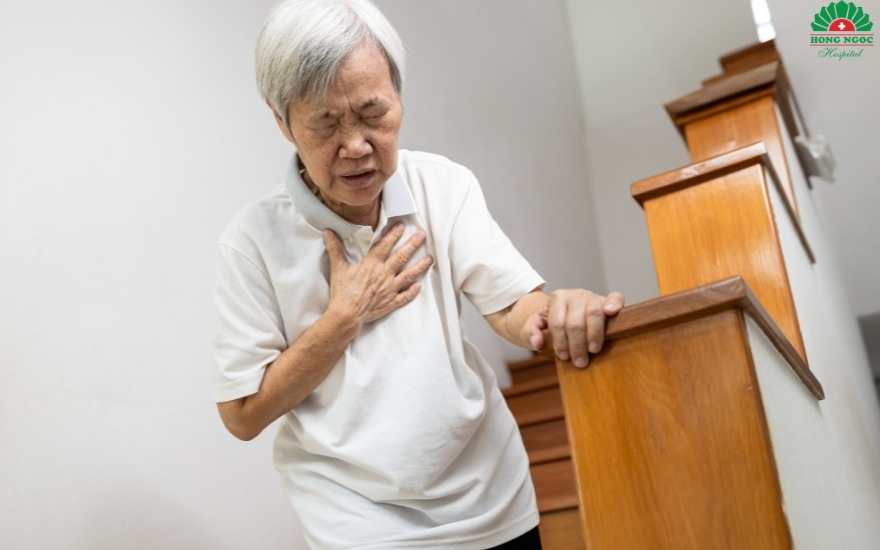
Older adults
Older adults often have a reduced ability to regulate body temperature and a diminished thirst sensation. Many also have underlying conditions such as hypertension, kidney disease, diabetes, or are taking multiple medications.
Older adults are more likely to develop a rapid heartbeat during summer because:
- Reduced ability to regulate body temperature: The body has more difficulty adapting to high temperatures than in younger people, making the heart more likely to beat faster in hot weather.
- Greater susceptibility to dehydration: Thirst sensation declines with age, so many older adults may become dehydrated without realizing it. Signs may be subtle, such as fatigue, dizziness, reduced urination, or mild confusion.
- Frequent coexisting medical conditions: Hypertension, heart disease, diabetes, or kidney disease may increase the risk of cardiovascular complications during hot weather.
- Greater vulnerability to medication effects: Diuretics, antihypertensive medications, and cardiovascular medications may affect blood pressure, heart rate, and fluid balance.
Outdoor workers
Delivery workers, construction workers, drivers, farmers, or people who play outdoor sports are at higher risk because of prolonged heat exposure.
This group is more likely to experience a rapid heartbeat because:
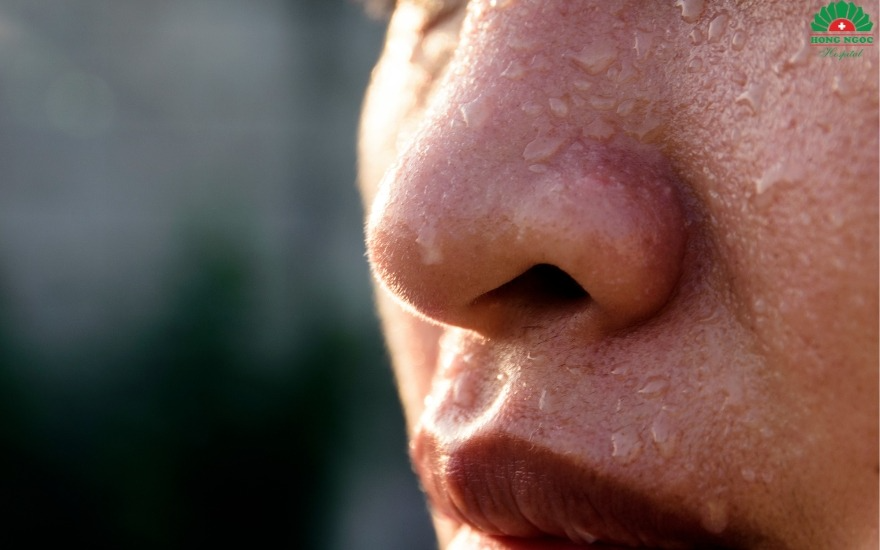
- Prolonged heavy sweating: The body loses fluid and salt more quickly than usual. If these losses are not replaced in time, the heart has to beat faster to maintain circulation.
- Higher risk of electrolyte imbalance: When sodium, potassium, or magnesium is lost through sweat, patients may experience palpitations, muscle cramps, muscle weakness, or an irregular heartbeat.
- The heart has to work continuously in high temperatures: If rest and fluid replacement are inadequate, the risk of heat exhaustion or heatstroke becomes higher.
- Early warning signs may be overlooked: Many people continue working despite dizziness, headache, or a rapid heartbeat. This can make the condition worse.
Pregnant women
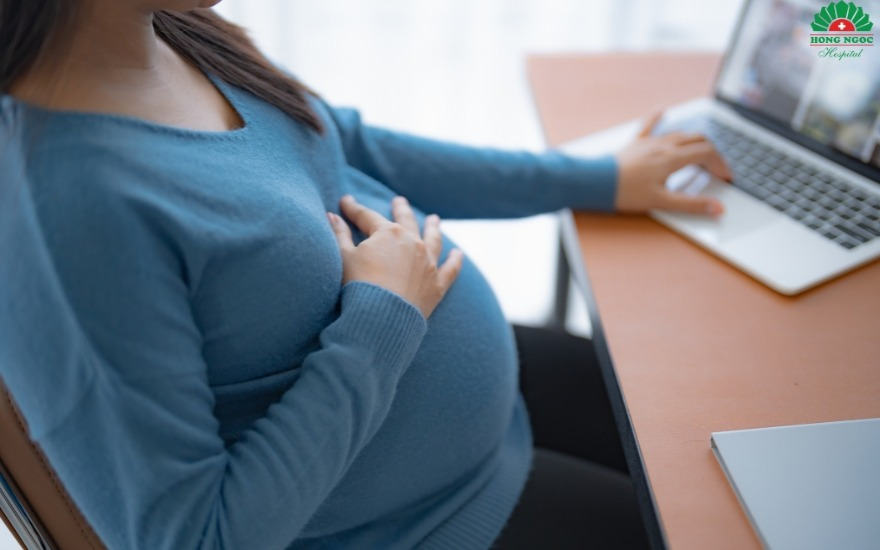
During pregnancy, blood volume and circulatory demand increase, so the heart may beat faster than usual. In hot weather, palpitations or fatigue may become more noticeable.
However, pregnant women should seek medical evaluation if a rapid heartbeat is accompanied by shortness of breath, chest pain, fainting, marked swelling, severe headache, blurred vision, or abnormal fetal movements. They should not take medication for palpitations without medical guidance.
People taking medications that affect electrolyte balance or heart rhythm
Certain medications may affect blood pressure, heart rate, or electrolyte balance, especially on hot days.
Attention is needed in people taking:
- Diuretics: These medications may increase the excretion of water and salt, making patients more susceptible to dehydration or electrolyte imbalance.
- Antihypertensive medications: In hot weather, blood pressure may fluctuate. Patients should not reduce the dose or stop their medication on their own when they feel dizzy or tired.
- Antiarrhythmic medications: These should be taken exactly as prescribed. Patients should not increase or decrease the dose on their own when palpitations occur.
- Thyroid medications: If the dose is not appropriate or if the patient has hyperthyroidism, symptoms such as palpitations, hand tremors, weight loss, heat intolerance, and a rapid heartbeat may occur.
Certain cold and flu medications or medicines containing stimulants: Some medications may make the heart beat faster, especially when taken together with caffeine or energy drinks.
Mistakes that make the heart work harder in hot weather
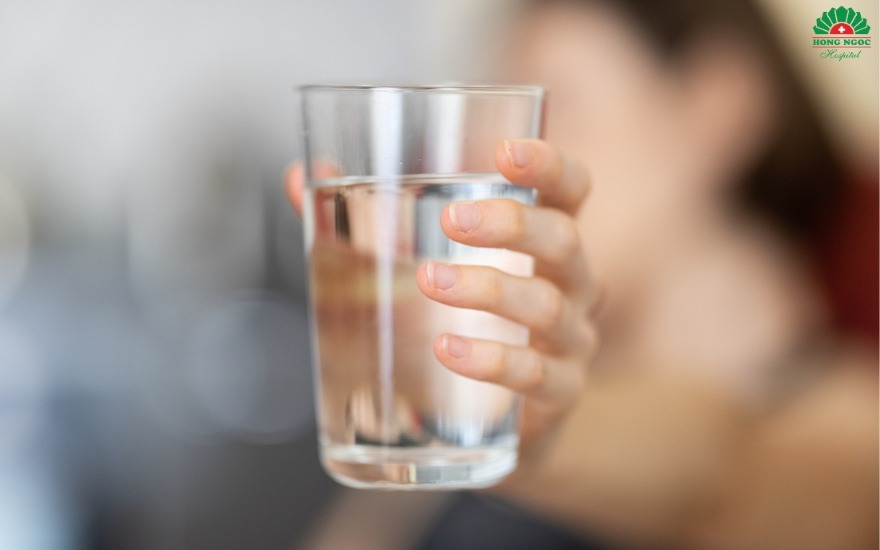
Drinking too little water
Many people only drink water when they feel thirsty. However, thirst may appear later than the point at which the body has already begun to lose fluid, especially in older adults.
Drinking too little water may cause:
- Reduced blood volume: When the amount of fluid within the blood vessels decreases, the heart has to beat faster to maintain circulation.
- Increased risk of low blood pressure: Patients may become lightheaded or dizzy when standing up or after spending a long time outdoors in the heat.
- The heart to work harder: The heart increases its rate to compensate for reduced circulating blood volume, causing palpitations or a pounding heartbeat.
- A higher risk of electrolyte imbalance: If inadequate hydration occurs together with heavy sweating, the body may lose sodium, potassium, and magnesium.
Drinking too much coffee, energy drinks, or alcohol
Caffeine and certain stimulants can make the heart beat faster. In hot weather, this effect may become more noticeable if the body is dehydrated or sleep-deprived.
Habits that should be limited include:
- Drinking too much coffee before eating or drinking water: Caffeine may make palpitations more noticeable, especially in people who are sensitive to it.
- Using energy drinks while working outdoors: Energy drinks may contain caffeine and sugar and are not suitable as a substitute for fluids on hot days.
- Drinking alcohol to “cool down”: Alcohol may contribute to dehydration and affect blood pressure, sleep quality, and heart rhythm.
Spending too much time outdoors under the midday sun
Prolonged exposure to high temperatures can cause the body to lose fluid quickly, increase cardiovascular strain, and raise the risk of heat exhaustion or heatstroke.
The risk is higher if the person:
- Works continuously without breaks.
- Does not drink water regularly.
- Wears thick, poorly ventilated clothing.
- Has cardiovascular disease, hypertension, or kidney disease.
- Takes diuretics or antihypertensive medications.
- Continues working despite dizziness, headache, or a rapid heartbeat.
Stopping cardiovascular or antihypertensive medications without medical guidance
Some people may reduce the dose or stop their medications on their own when they experience dizziness, fatigue, or blood pressure fluctuations on hot days. This can be dangerous because blood pressure or heart rhythm may become uncontrolled.
Patients should measure their blood pressure, record their symptoms, and consult their doctor if they experience dizziness, low blood pressure, swelling, shortness of breath, or a persistently rapid heartbeat. Medications should not be adjusted without medical guidance.
How to reduce a rapid heartbeat during hot weather
Rest in a cool place and cool the body down
If a rapid heartbeat occurs after sun exposure or physical activity, the first step is to stop the activity and move to a cool place.
Recommended steps include:
- Sit or lie down in a shaded, cool area.
- Loosen tight clothing.
- Wipe away sweat and cool the body with a cool towel.
- Avoid standing up suddenly if dizziness is present.
- Monitor whether the heart rate gradually decreases after rest.
If the rapid heartbeat does not improve or is accompanied by chest pain, shortness of breath, fainting, or confusion, emergency care is required.
Drink adequate fluids and replace electrolytes appropriately
According to dietary reference recommendations, total water intake from foods and beverages in healthy adults is generally about 2.7 liters per day for women and 3.7 liters per day for men. However, this refers to total water intake from all sources, not a mandatory amount of plain water for everyone.
Actual fluid needs vary depending on weather conditions, physical activity, sweat loss, heart disease, kidney disease, diuretic use, and the doctor’s guidance.
If heavy sweating occurs:
- Appropriate electrolyte replacement may be needed: Electrolytes help maintain stable heart function, muscle activity, and blood pressure. People who sweat heavily or have diarrhea or vomiting should pay closer attention.
- Do not rely only on soft drinks or alcohol: These beverages are not appropriate choices for rehydration and may contribute to further fluid loss.
- Drink small sips throughout the day: Drinking too much at once may cause discomfort, nausea, or may not be suitable for people with heart or kidney disease.
- People with heart failure, kidney disease, liver failure, or those advised by their doctor to restrict fluids should ask their doctor about the appropriate amount of fluid intake and should not increase fluid intake excessively on their own.

Avoid outdoor activities during peak heat hours
The period from 12:00 p.m. to 4:00 p.m. is often when temperatures are higher during the day. If outdoor work is unavoidable, people should plan regular breaks, drink water, and avoid prolonged exertion.
People with cardiovascular disease, hypertension, or older adults should limit outdoor activities during peak heat hours, especially when the weather is hot and humid or when heat warnings are issued.
Get enough sleep and limit stimulants
Sleep deprivation, stress, and caffeine can all make the heart more prone to beating faster. People who frequently experience palpitations should:
- Get enough sleep.
- Limit coffee intake in the late afternoon and evening.
- Avoid excessive consumption of energy drinks in hot weather.
- Limit alcohol intake.
- Reduce stress and allow adequate rest.
- Avoid high-intensity exercise when tired or sleep-deprived.
Do not take medication for a rapid heartbeat without medical guidance
A rapid heartbeat can have many different causes, including dehydration, fever, electrolyte imbalance, arrhythmia, hyperthyroidism, anemia, medication side effects, or anxiety. Therefore, patients should not take cardiovascular medications, antiarrhythmic drugs, sedatives, or “heart-rate-lowering” medications without a doctor’s prescription.
Self-medication may cause low blood pressure, mask important symptoms, or lead to dangerous drug interactions.

What should patients monitor at home?
Home monitoring helps doctors assess the cause of a rapid heartbeat more accurately, especially if symptoms recur.
Patients should record:
- Heart rate: Count the pulse for 1 minute while sitting at rest. Record the beats per minute, the time of onset, and the circumstances, such as after sun exposure, after drinking coffee, after physical activity, or while resting.
- Blood pressure: Measure blood pressure when dizziness, fatigue, palpitations, or symptoms occur, or after resting for 5 minutes. Blood pressure that is too low or too high and accompanied by symptoms should be evaluated.
- Body temperature: Check body temperature if fever, hot skin, severe fatigue, or suspected heat exhaustion or heatstroke is present.
- Signs of dehydration: Monitor for excessive thirst, dry mouth, reduced urination, dark-colored urine, muscle cramps, or severe fatigue.
- Associated symptoms: Chest pain, shortness of breath, fainting, cold sweats, pain radiating to the arm or jaw, or an irregular heartbeat are warning signs that require prompt medical attention.
- Medications and beverages used: Record coffee, energy drinks, alcohol, cold and flu medications, diuretics, antihypertensive medications, or thyroid medications if applicable.

When should medical evaluation or emergency care be sought?
Seek emergency care immediately if a rapid heartbeat is accompanied by warning signs
Patients should go to the emergency department or call for medical assistance if a rapid heartbeat is accompanied by:
- Chest pain, chest tightness, or a feeling of pressure in the center of the chest: These may be signs of myocardial ischemia or an acute cardiovascular event.
- Shortness of breath at rest, bluish lips, or cold sweats: These signs suggest that the heart or lungs may be seriously affected.
- Fainting, near-fainting, or marked lightheadedness: A rapid heartbeat accompanied by fainting may be related to an arrhythmia or severe low blood pressure.
- Pain radiating to the shoulder, left arm, neck, jaw, or back: This is a warning sign that requires evaluation to rule out myocardial infarction.
- A very rapid, irregular, prolonged heartbeat that does not improve after rest: Electrocardiography and assessment for cardiovascular causes are needed.
- Confusion, weakness or paralysis, difficulty speaking, or suspected stroke: This is a neurological emergency and should not be delayed.
- High fever, hot skin, confusion, or suspected heatstroke: Heatstroke is a medical emergency and may cause organ damage if treatment is delayed.

A cardiology consultation is recommended if symptoms recur
A cardiology consultation is recommended if the patient experiences:
- A persistent rapid heartbeat: If the heart rate remains fast after resting in a cool place, drinking fluids, and avoiding exertion, the underlying cause should be evaluated, such as dehydration, electrolyte imbalance, hyperthyroidism, anemia, or arrhythmia.
- Frequent palpitations or a sensation of skipped beats: A feeling that the heart “skips a beat,” flutters in the chest, or beats irregularly may be related to an arrhythmia. If this occurs repeatedly, especially in people with cardiovascular disease, electrocardiography is needed.
- A rapid heartbeat that occurs even at rest or during sleep: This is no longer simply a response to physical activity or hot weather and should be assessed.
- Persistent fatigue or reduced exercise tolerance: If the patient becomes more easily fatigued than usual, feels breathless during mild activity, or has a clear decline in endurance, medical evaluation is recommended.
- Underlying cardiovascular disease: People with hypertension, coronary artery disease, heart failure, arrhythmias, or a history of stroke should be monitored earlier during heat waves.
- Use of diuretics, antihypertensive medications, cardiovascular medications, or the presence of kidney disease: These groups are more prone to fluid and electrolyte imbalance or blood pressure fluctuations.
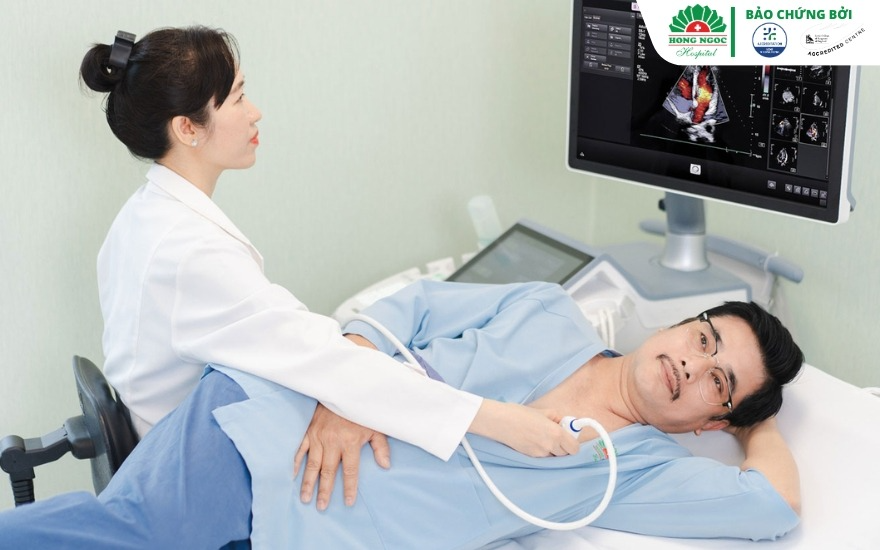
At Hong Ngoc General Hospital, patients can undergo a cardiology consultation to assess heart rhythm, blood pressure, electrocardiography findings, electrolyte status, and related risk factors during hot weather.
Frequently asked questions
Is a rapid heartbeat in hot weather normal? It may be normal if it occurs after sun exposure, physical activity, or mild stress and improves after rest, cooling, and appropriate fluid intake. However, if the rapid heartbeat persists, occurs at rest, or is accompanied by chest pain, shortness of breath, dizziness, or fainting, medical evaluation is needed.
Can dehydration cause a rapid heartbeat? Yes. When the body is dehydrated, circulating blood volume decreases, causing the heart to beat faster to maintain circulation. If dehydration is accompanied by electrolyte imbalance, patients may also experience palpitations, muscle cramps, severe fatigue, or an irregular heartbeat.
What heart rate is considered fast in hot weather? In adults, a resting heart rate is usually about 60-100 beats per minute. If the resting heart rate is frequently above 100 beats per minute, persists despite resting in a cool place, or is accompanied by chest pain, shortness of breath, or dizziness, medical evaluation is recommended.
Is a rapid heartbeat accompanied by dizziness dangerous? It may be dangerous if dizziness recurs, the patient feels near-fainting, or it is accompanied by an irregular heartbeat, chest pain, or shortness of breath. This condition may be related to dehydration, low blood pressure, electrolyte imbalance, or arrhythmia.
When does a rapid heartbeat require emergency care? Emergency care is required if a rapid heartbeat is accompanied by chest pain, shortness of breath, fainting, cyanosis, cold sweats, pain radiating to the shoulder, left arm, neck, or jaw, confusion, or a very rapid heart rate that does not improve after rest.
Can drinking coffee in hot weather make the heart beat faster? Yes, it can. Caffeine stimulates the sympathetic nervous system and may make palpitations more noticeable, especially when the body is dehydrated, sleep-deprived, under stress, or exposed to a hot environment.
What should people with hypertension do if they experience a rapid heartbeat in hot weather? They should rest in a cool place, measure their blood pressure and heart rate, and drink fluids appropriately if they have not been advised to restrict fluid intake. They should not stop taking antihypertensive medications on their own. If chest pain, shortness of breath, fainting, or markedly abnormal blood pressure occurs, medical evaluation or emergency care is needed.
Should patients take heart medication on their own when they have palpitations? No. Patients should not take antiarrhythmic drugs, sedatives, or cardiovascular medications without a doctor’s prescription. A rapid heartbeat can have many causes and may need to be assessed through blood pressure measurement, electrocardiography, electrolyte testing, or other investigations when necessary.
Conclusion
A rapid heartbeat in hot weather may be a normal physiological response as the body adapts to high temperatures. This condition is usually less concerning if it occurs after sun exposure or physical activity and improves with rest, hydration, and cooling.
However, if the rapid heartbeat persists or is accompanied by shortness of breath, chest pain, dizziness, fainting, cold sweats, pain radiating to the shoulder, arm, or jaw, or an irregular heart rhythm, patients should not ignore it. These may be signs of severe dehydration, electrolyte imbalance, arrhythmia, or cardiovascular disease that requires early medical evaluation.
Medical note
This article is for informational purposes only and does not replace medical diagnosis or treatment. If chest pain, shortness of breath, fainting, cyanosis, cold sweats, a persistent rapid heartbeat, or an irregular heart rhythm occurs, patients should seek medical evaluation early.
People with cardiovascular disease, hypertension, kidney disease, pregnant women, older adults, or those taking diuretics, antihypertensive medications, or cardiovascular medications should not adjust their medications or fluid intake without a doctor’s guidance.