




Anal fistula is the second most common anorectal disease after hemorrhoids, yet it remains relatively underrecognized by the general public. If left untreated, the condition can cause persistent tissue damage and lead to a range of potentially serious complications, significantly affecting a patient's quality of life.
What is an Anal Fistula? Causes of Anal Fistula
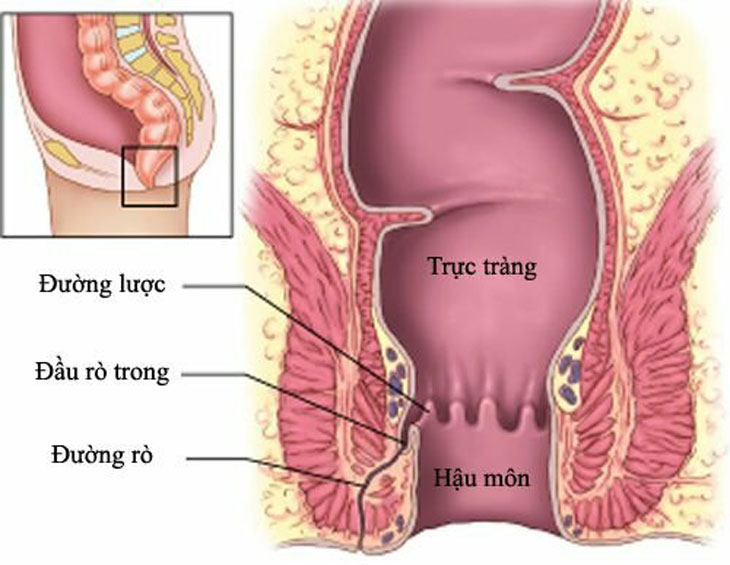
An anal fistula is an abnormal tunnel that develops between the anal canal and the skin surrounding the anus, most commonly as a result of infection in the anal glands located at the junction between the rectum and the anus. These glands are known anatomically as the Hermann and Desfosses glands.
When the Hermann and Desfosses glands become infected, inflammation can progress to the formation of an anal abscess. If the abscess ruptures or drains spontaneously, it may leave behind a persistent tract connecting the anal canal to the external skin surface, resulting in an anal fistula.
Anal fistulas can arise from a variety of causes. The most common cause is a previous anal abscess. Other contributing factors may include complications following hemorrhoid surgery, perineal surgery, rectal injury, tuberculosis, and certain inflammatory or infectious conditions affecting the anorectal region.
Although anal fistulas can occur at any age, they are most frequently diagnosed in middle aged adults.
Why is an Anal Fistula dangerous?
If an anal fistula is not properly diagnosed, accurately classified, and treated with an appropriate surgical approach, it can lead to serious complications that adversely affect both health and quality of life.
Damage to the Anal Sphincter complex
Progression of the fistulous tract or repeated infection may damage the anal sphincter muscles, compromising bowel control. In severe cases, patients may develop fecal incontinence, resulting in difficulty controlling bowel movements.
Infection and abscess formation
Anal fistulas are often associated with persistent discharge, local ulceration, and recurrent infection. Ongoing inflammation can lead to repeated anorectal abscesses, chronic infection, and deterioration of overall health. In rare cases, severe infection may spread systemically and lead to sepsis, a potentially life threatening condition.
Development of multiple fistulous tracts
Without treatment, the infection may spread to surrounding tissues, resulting in the formation of additional external openings and more complex fistulous tracts. This not only worsens symptoms but also makes surgical management more challenging.
Recurrent disease
Anal fistulas have a relatively high risk of recurrence if they are not treated appropriately. Recurrent disease may require repeated surgical procedures, leading to increased healthcare costs, psychological stress, and disruption of daily activities.
Increased risk of complex fistulas and malignant transformation
Long standing or complex anal fistulas may extend into adjacent structures, giving rise to rectovaginal, rectourethral, or other complex fistulas. Although uncommon, chronic inflammation associated with longstanding fistulas may increase the risk of malignant transformation, particularly in persistent and untreated cases.
Reduced quality of life
Persistent pain, discomfort, drainage, and recurrent infections can significantly impair quality of life. Many patients experience embarrassment, anxiety, reduced self confidence, and limitations in work, social activities, and intimate relationships.
For these reasons, individuals experiencing symptoms suggestive of an anal fistula should seek prompt evaluation by a colorectal specialist to ensure accurate diagnosis and timely treatment.
Diagnosis and classification of Anal Fistulas
Anal fistulas are often recognizable because their symptoms are typically characteristic. Patients may notice small openings or nodules around the anus or perineum that intermittently discharge yellowish fluid with an unpleasant odor.
Gas or stool may leak through the external openings during flatulence or bowel movements. Other common symptoms include recurrent pustules, swelling, warmth, irritation, pain, and discomfort around the anal region. Some patients may also experience pain or discomfort during sexual activity.
During evaluation, the physician will perform a thorough anorectal examination. Anoscopy and other diagnostic assessments help evaluate both the external and internal fistula openings. To improve diagnostic accuracy and distinguish an anal fistula from an anorectal abscess, magnetic resonance imaging (MRI) may be recommended.
Accurate identification of the primary internal opening, the number of fistulous tracts, secondary extensions, and their relationship to the anal sphincter complex is essential for selecting the most appropriate treatment strategy.
Anal fistulas are commonly classified into the following categories:
- Complete anal fistula
- Incomplete anal fistula
- Intersphincteric fistula
- Extrasphincteric fistula
- Transsphincteric fistula
Approximately 75% of anal fistulas are classified as simple fistulas, while the remaining 25% are complex fistulas, including conditions such as horseshoe fistulas, multiple tract fistulas, and other complex anatomical variants that often require more advanced surgical management.
Effective treatment options for anal fistulas
When treating an anal fistula, surgeons must carefully assess the relationship between the fistulous tract and the anal sphincter complex, as well as determine whether the fistula is classified as simple or complex.
According to People’s Physician and Associate Professor Nguyen Xuan Hung, MD, PhD, Department of Gastrointestinal Surgery, Hong Ngoc General Hospital, three key principles should be followed during anal fistula surgery:
- Preserve anal sphincter function whenever possible to maintain normal bowel control and continence.
- Identify and eradicate the primary internal opening to achieve definitive treatment and reduce the risk of recurrence.
- Adopt an individualized treatment strategy, tailored to the complexity of the disease and implemented in a stepwise manner to minimize anatomical distortion of the anorectal region.
Currently, surgery remains the mainstay of treatment for anal fistulas and offers the highest likelihood of definitive cure. Depending on the type and complexity of the fistula, additional approaches such as minimally invasive procedures or reconstructive anorectal surgery may also be considered. Regardless of the technique used, adherence to the above principles is essential to optimize outcomes while preserving sphincter function.
Following surgery, patients are advised to rest adequately, maintain a high fiber diet, drink plenty of fluids, and consume easily digestible foods. Alcohol and other stimulants should be avoided during the recovery period. These measures help promote healing and reduce the risk of recurrence.
Patients should promptly consult their physician if they experience symptoms such as anal pain or pressure, persistent urge to defecate, fever, bowel habit disturbances, constipation, or signs of infection following treatment.
Anal Fistula surgery at a reputable medical center
According to Associate Professor Nguyen Xuan Hung, MD, PhD, anal fistulas should be treated at specialized healthcare facilities, and surgery should be performed by experienced colorectal or gastrointestinal surgeons, as these procedures require a high level of precision and expertise.
To ensure optimal treatment outcomes, healthcare institutions should have:
- Highly trained specialists, including experienced colorectal surgeons, anesthesiologists, and dedicated specialist nursing teams.
- Advanced medical technology and modern sterile operating rooms that support safe and effective surgical management.
- Comprehensive perioperative care, including effective pain management and postoperative recovery protocols.
Hong Ngoc General Hospital is among the reputable healthcare providers that meet stringent standards for the diagnosis, treatment, and surgical management of anal fistulas and other anorectal disorders.

For personalized consultation, please contact:
📞 Specialist appointment Hotline: 0911 908 856
📞 Anal Fistula Surgery Consultation Hotline: 0949 646 556
Note: The information provided in this article by Hong Ngoc General Hospital is for informational purposes only and should not be considered a substitute for professional medical diagnosis, advice, or treatment. To obtain an accurate diagnosis and an appropriate treatment plan, patients should seek evaluation and consultation from qualified healthcare professionals at reputable medical institutions.
Follow the Hong Ngoc General Hospital Fanpage for more health information and updates.