



Liver diseases are commonly encountered, particularly those occurring during pregnancy. Unlike viral hepatitis, acute fatty liver of pregnancy (AFLP) is a non-infectious hepatic disorder, and its severity can be unpredictable and potentially life-threatening.
What is the acute fatty liver of pregnancy?
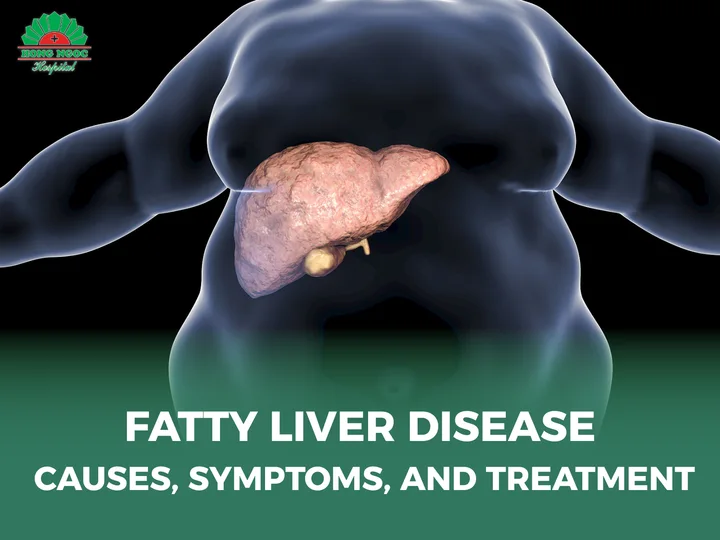
Acute fatty liver of pregnancy (AFLP) is a rare obstetric condition characterized by microvesicular fatty infiltration of hepatocytes.
This disorder occurs in approximately 1 in 10,000 to 20,000 pregnancies annually and most commonly presents in the third trimester, typically between 34 and 37 weeks of gestation. AFLP is associated with high maternal and fetal mortality rates. It is more frequently observed in primigravida women, multiple pregnancies, and pregnancies carrying male fetuses.
AFLP is a multisystem disorder that not only affects hepatic function but may also involve other organ systems. It is often diagnosed late in pregnancy, prior to delivery, although it may also manifest in the immediate postpartum period. Nearly half of AFLP cases present with clinical features that overlap with preeclampsia and HELLP syndrome, leading to potential misdiagnosis. Notably, AFLP carries a significant mortality risk, with reported rates of approximately 18% in mothers and up to 47% in neonates.
Cause of acute fatty liver of pregnancy
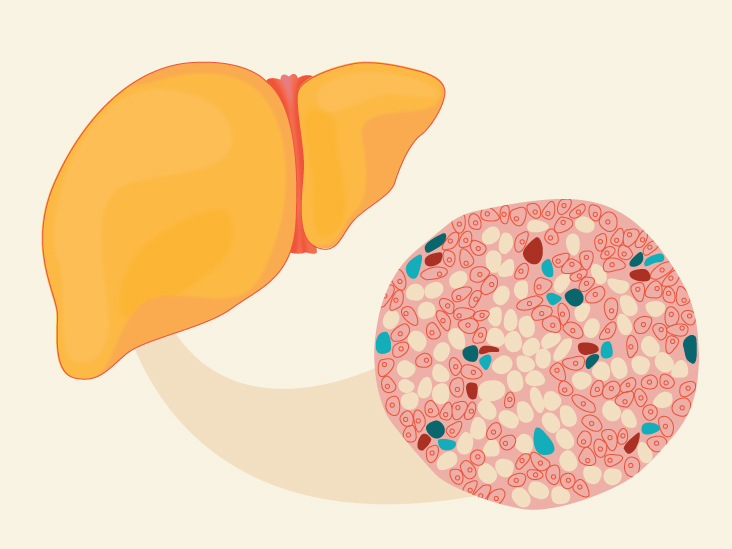
Currently, no single definitive cause of acute fatty liver of pregnancy (AFLP) has been fully established. However, it is widely recognized that women are at increased risk when underlying genetic abnormalities impair fatty acid metabolism. Specifically, defects in mitochondrial β-oxidation most notably due to deficiency of the enzyme long-chain 3-hydroxyacyl-CoA dehydrogenase (LCHAD) lead to the accumulation of lipids within hepatocytes.
As a result, mitochondrial dysfunction prevents the normal breakdown of fatty acids into smaller molecules required for the metabolism of proteins, carbohydrates, and lipids. This inherited metabolic disturbance causes fat accumulation not only in the liver but also potentially in the kidneys, placenta, and other tissues.
In addition, mutation of the G1528C gene in the mother is one of the most commonly implicated factors in AFLP. This mutation disrupts normal fatty acid metabolism, leading to the accumulation of toxic fatty acid intermediates in maternal tissues, which in turn impairs hepatic function and contributes to the pathogenesis of the disease.
Register for comprehensive maternity care services via hotline: 0919 645 271 or complete the registration form below.
What are the clinical manifestations?
As hepatic function progressively deteriorates, the patient’s overall condition declines significantly. The most common clinical features of acute fatty liver of pregnancy (AFLP) include:
- Nausea and vomiting
- Abdominal pain or epigastric discomfort
- Marked fatigue and somnolence
- Anorexia
- Jaundice (in severe cases)
- Fever and unintentional weight loss
- Ascites
- Hepatic encephalopathy
Preeclampsia is present in more than 50% of AFLP cases, and patients may frequently present with overlapping features of both conditions.

Epigastric pain (localized to the right upper quadrant of the abdomen) may resemble that observed in patients with HELLP syndrome. Progressive deterioration of hepatic function, accompanied by metabolic acidosis, can lead to alterations in maternal mental status and adversely affect fetal well-being.
Clinical manifestations of acute fatty liver of pregnancy are often subtle and nonspecific, making early recognition challenging. In some cases, the condition is only identified after the onset of fetal complications or intrauterine fetal demise. Because symptoms typically become apparent at an advanced stage of the disease, diagnosis is frequently delayed and may only be established in the late antepartum or postpartum period.
Diagnosis of acute fatty liver of pregnancy
As previously mentioned, due to its rarity and nonspecific clinical presentation, acute fatty liver of pregnancy (AFLP) is often challenging to diagnose. The condition is typically identified in clinical settings based on a combination of patient symptoms and laboratory investigations.
Clinical findings
- Nausea and vomiting
- Abdominal pain
- Polydipsia and polyuria
- Hepatic encephalopathy
Laboratory and imaging findings
- Elevated serum bilirubin
- Hypoglycemia
- Hyperuricemia
- Leukocytosis
- Ascites or increased hepatic echogenicity on ultrasound
- Elevated liver enzymes (AST/ALT)
- Increased serum ammonia (NH₃)
- Renal impairment
- Coagulopathy
- Microvesicular fatty infiltration detected on imaging studies
In some cases, acute fatty liver of pregnancy (AFLP) is identified during emergency cesarean delivery prompted by abnormal fetal heart rate patterns.
Standard laboratory evaluation typically reveals a combination of abnormalities, including coagulopathy, elevated liver enzymes, hyperammonemia, severe hypoglycemia, hyperbilirubinemia, elevated uric acid levels, and evidence of renal dysfunction.

Laboratory investigations
- Elevated liver enzymes, prolonged prothrombin time (PT), increased uric acid, and elevated bilirubin levels
- Hypoglycemia is associated with poor prognosis
- In severe cases: hyperammonemia, lactic acidosis, and renal failure
Imaging studies (ultrasound and CT scan)
- Evidence of hepatic steatosis
- Detection of intrahepatic hematoma, hepatic rupture, or hepatic infarction
Nearly half of patients with acute fatty liver of pregnancy (AFLP) present with preeclampsia prior to a definitive diagnosis of AFLP. Similar to preeclampsia and HELLP syndrome, AFLP can manifest with a wide spectrum of clinical presentations depending on the individual patient, thereby increasing the complexity and difficulty of accurate diagnosis.
Complications of acute fatty liver of pregnancy
Acute fatty liver of pregnancy (AFLP) can lead to severe and life-threatening maternal complications, including:
- Hepatic complications such as acute liver failure, hepatic encephalopathy, and persistent hepatic steatosis in the postpartum period
- Coagulopathy, which is particularly dangerous during delivery and may result in massive hemorrhage and maternal mortality
- Hypoglycemia
- Severe infections
- Renal failure and acute pancreatitis
- Gastrointestinal bleeding
These complications underscore the critical need for early diagnosis and prompt multidisciplinary management.
How does acute fatty liver of pregnancy differ from HELLP syndrome?
Acute fatty liver of pregnancy (AFLP) is differentiated from HELLP syndrome and preeclampsia primarily by differences in pathophysiology, laboratory findings, and disease progression. Although clinical manifestations may overlap, key distinctions can be identified through coagulation profiles and platelet counts.
HELLP syndrome is diagnosed based on clinical features of preeclampsia in combination with characteristic laboratory abnormalities, including:
- Hemolysis: abnormal peripheral blood smear, lactate dehydrogenase (LDH) > 600 IU/L, total bilirubin > 1.2 mg/dL
- Elevated liver enzymes: AST > 70 U/L, ALT > 50 U/L
- Low platelet count: < 100,000/µL
In contrast, AFLP is diagnosed based on clinical presentation, associated complications, and evidence of acute hepatic dysfunction, typically occurring in the third trimester of pregnancy. Coagulopathy and hypoglycemia are more prominent features in AFLP compared to HELLP syndrome.
Acute fatty liver of pregnancy can lead to severe complications, including:
- Early complications: acute renal failure, acute pancreatitis, hypoglycemia, and severe infections
- Hepatic encephalopathy
- Postpartum hemorrhage
- Diabetes insipidus
These distinctions are critical for accurate diagnosis and timely management, as both conditions require urgent but potentially different clinical approaches.
Management of acute fatty liver of pregnancy
Pregnant women diagnosed with acute fatty liver of pregnancy (AFLP) should be managed in an intensive care unit (ICU). Early recognition and prompt termination of pregnancy are critical to reducing maternal and fetal morbidity and mortality.
Management typically includes corticosteroid therapy and comprehensive supportive care, such as:
- Transfusion of blood products, including fresh frozen plasma, cryoprecipitate, packed red blood cells, and platelets
- Mechanical ventilation in cases of respiratory compromise
- Renal replacement therapy (dialysis) if indicated
- Management of hepatic encephalopathy with lactulose
- Intravenous glucose infusion to prevent and treat hypoglycemia
Most patients show clinical improvement within 48–72 hours after delivery. Hepatic function generally recovers within one week, although in some cases, recovery may take several months postpartum. In severe cases with irreversible liver failure, liver transplantation may be required.

Is acute fatty liver of pregnancy dangerous for the newborn?
Acute fatty liver of pregnancy (AFLP) can adversely affect the fetus, particularly in severe cases or when diagnosis and delivery are delayed. Neonatal outcomes may be more serious if the infant carries an inherited metabolic defect rather than the mother.
Stillbirth may occur in up to 10% of cases (approximately 100–120 per 1,000 births).
Some neonates are at risk of developing life-threatening hypoglycemia due to inherited metabolic disorders in which the body is unable to properly metabolize certain amino acids or fatty acids. Non-ketotic hypoglycemia may mimic Reye-like syndrome, a rare but severe condition characterized by cerebral and hepatic edema or may be associated with urea cycle disorders.
Other potential complications include dilated cardiomyopathy and progressive neuropathy, reflecting underlying metabolic dysfunction.
Variants of AFLP are closely linked to defects in mitochondrial β-oxidation of fatty acids, which may impact fetal development. Therefore, both mothers and newborns should be evaluated for abnormalities in long-chain, medium-chain, and short-chain fatty acid oxidation pathways to enable early detection and appropriate management.
Risk of recurrence of acute fatty liver of pregnancy in subsequent pregnancies
The risk of recurrence of acute fatty liver of pregnancy (AFLP) remains uncertain. It may depend on whether the mother or the fetus in a previous pregnancy carried identifiable genetic abnormalities, particularly those affecting fatty acid metabolism.
AFLP can recur even in cases where diagnostic testing for defects in fatty acid β-oxidation is negative. Therefore, women with a history of AFLP require close monitoring and specialized obstetric care in subsequent pregnancies.
Note: The information provided in this article by Hong Ngoc General Hospital is for reference purposes only and does not substitute for professional medical diagnosis or treatment. Patients should not self-medicate. For an accurate assessment of their condition, individuals are advised to seek direct evaluation, diagnosis, and appropriate treatment planning at qualified healthcare facilities.
Follow the official fanpage of Hong Ngoc General Hospital for more useful health information: https://www.facebook.com/BenhvienHongNgoc