




BMI, or body mass index, is calculated by dividing body weight by the square of height. According to the WHO, a BMI of 25 or higher is considered overweight, while a BMI of 30 or higher is classified as obesity in adults. However, Asian populations may have an increased risk of metabolic diseases starting at a BMI of ≥23.
The prevalence of overweight and obesity is rising in many countries and is associated with multiple chronic conditions, including type 2 diabetes, hypertension, cardiovascular disease, fatty liver disease, and metabolic disorders. BMI is one of the simplest, most widely used, and most practical indicators for screening the risk of overweight and obesity in adults.
However, many people still misunderstand BMI, which may lead to inaccurate self-assessment of their health status or the use of unscientific weight-loss methods. So what is BMI, what BMI level is considered obesity, and does this index accurately reflect overall health?
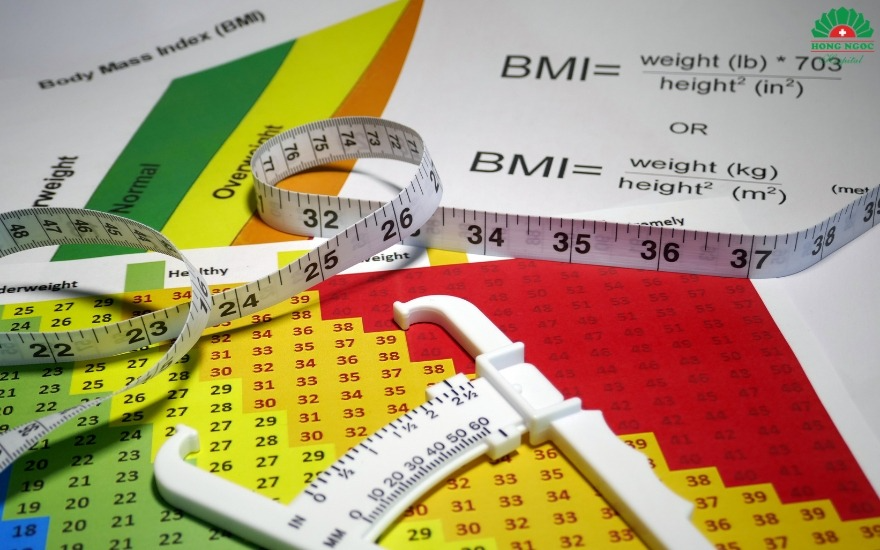
Quick summary of the article
- BMI, or body mass index, is calculated by dividing body weight by the square of height.
- According to the WHO, a BMI of 25 kg/m² or higher is classified as overweight, while a BMI of 30 kg/m² or higher is classified as obesity in adults.
- In Asian populations, a BMI of 23 kg/m² or higher is commonly used as a warning threshold for overweight or increased metabolic risk; a BMI of 25 kg/m² or higher is often used to assess obesity according to some recommendations.
- BMI does not directly measure body fat. Therefore, it should be interpreted together with waist circumference, body fat percentage, blood pressure, blood glucose, and blood lipid levels.
- People with a high BMI accompanied by increased waist circumference, rapid weight gain, snoring, high blood pressure, or blood glucose abnormalities should seek medical evaluation for a comprehensive assessment.
What is BMI?
BMI, short for body mass index, is an index used to assess the relationship between body weight and height. It is a widely used tool for screening underweight, normal weight, overweight, and obesity in adults.
Medical review: Nguyen Thi Nhu Quynh, MSc, Resident Physician – Department of Endocrinology, Hong Ngoc Phuc Truong Minh General Hospital.
BMI does not directly measure body fat, but it is valuable for assessing health risks at the population level and for initial screening. The CDC also emphasizes that BMI is a screening measure, not a direct diagnostic tool for body fatness or an individual’s overall health status.
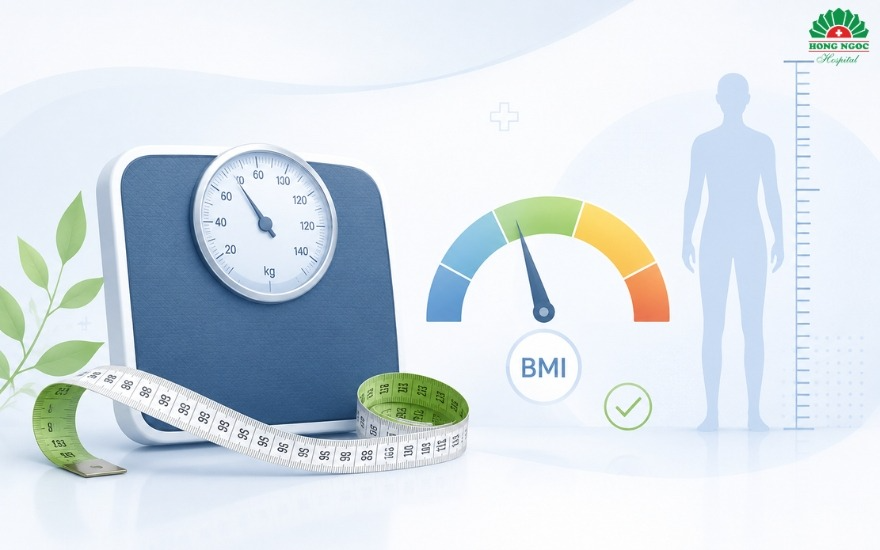
What does BMI mean for health?
BMI helps physicians and patients make an initial assessment of the risk of overweight and obesity. When BMI is elevated, especially when accompanied by increased waist circumference or metabolic disorders, the risk of certain chronic diseases may increase.
Common health risks of concern include:
Type 2 diabetes: Visceral fat may reduce the body’s sensitivity to insulin, making blood glucose more difficult to control. If insulin resistance persists, patients may progress from prediabetes to type 2 diabetes.
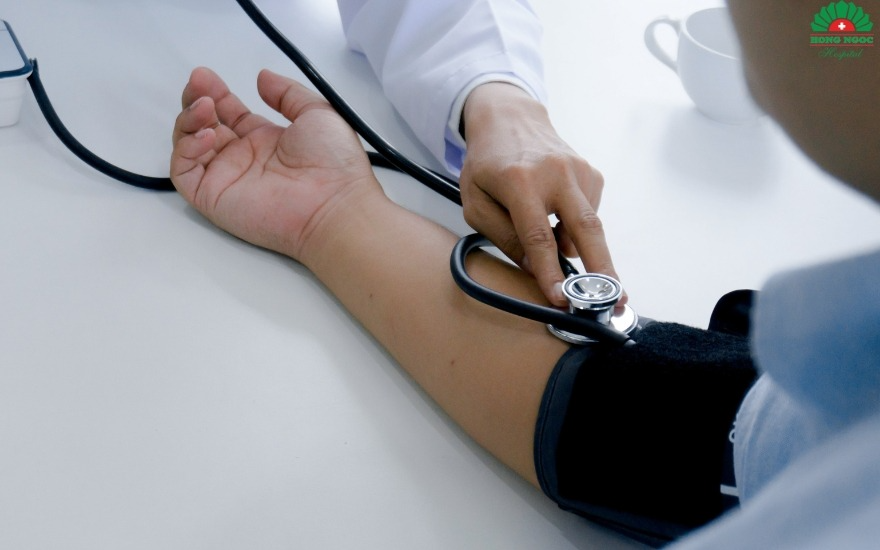
High blood pressure: Excess body weight may place an increased burden on the cardiovascular system. When combined with high salt intake, physical inactivity, stress, or dyslipidemia, the risk of hypertension may be higher.
Cardiovascular disease: A high BMI, particularly when accompanied by abdominal obesity, may be associated with dyslipidemia, atherosclerosis, coronary artery disease, and stroke.
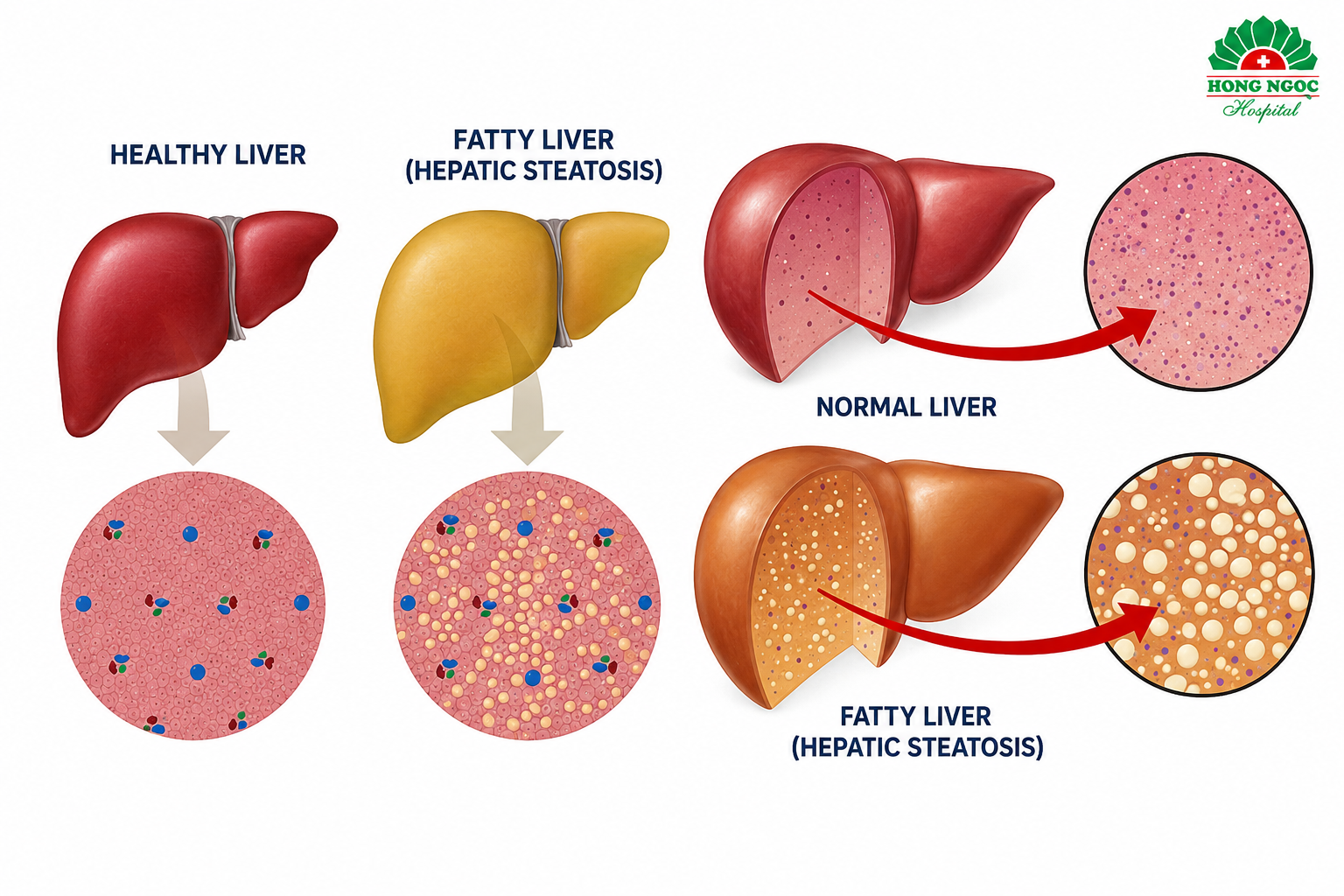
Fatty liver disease: Excess fat may accumulate in the liver. If prolonged, this condition may be associated with steatohepatitis, liver fibrosis, or impaired liver function.
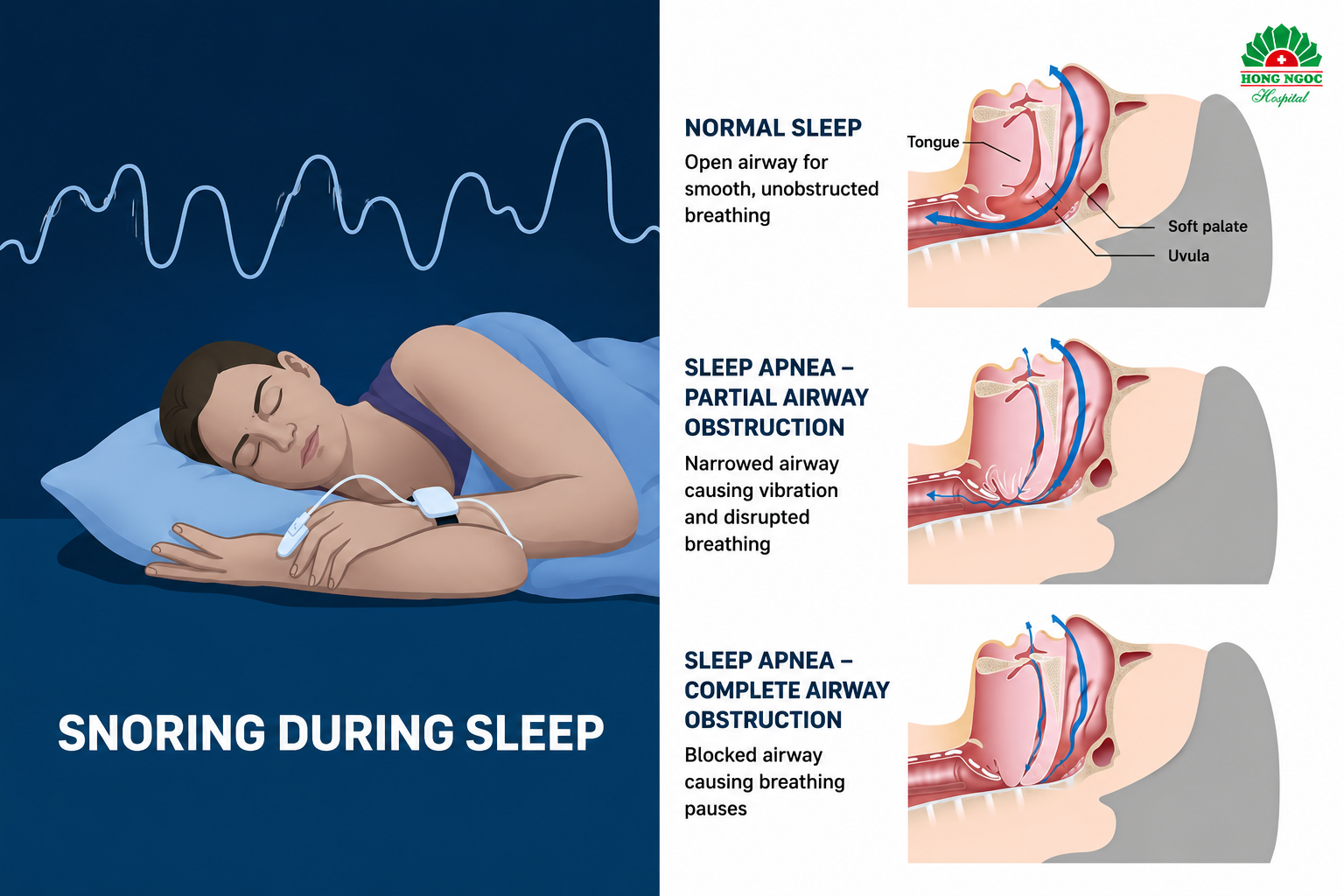
Sleep apnea: People with obesity may accumulate fat around the neck and airway, increasing the risk of snoring, sleep apnea, and daytime fatigue.
Why is BMI widely used?
BMI is widely used because it is easy to calculate, low-cost, and applicable in community health screening programs.
Easy to calculate: Individuals only need to know their height and weight to make an initial assessment of their body status.
No complex equipment required: BMI does not require laboratory testing or specialized measuring devices.
Useful for screening: Although it does not fully reflect body fat levels, BMI still helps identify groups who may need further assessment of metabolic health.
Easy to monitor over time: When combined with waist circumference, body weight, and periodic testing, BMI helps patients track weight-management trends.
Standard BMI calculation formula according to the WHO
BMI is calculated by dividing body weight in kilograms by the square of height in meters.
BMI formula
BMI = body weight (kg) / [height (m) × height (m)]
Or, in simplified form:
BMI = body weight (kg) / height² (m²)
The BMI result is expressed in kg/m².
Example of BMI calculation in practice
For example, for a person weighing 70 kg and measuring 1.70 m in height:
BMI = 70 / 1.70² = 70 / 2.89 ≈ 24.2 kg/m²
According to the general WHO classification, a BMI of 24.2 kg/m² remains within the normal weight range. However, in Asian populations, a BMI of 23 kg/m² or higher is often considered a level that warrants closer attention to metabolic risk, especially in people with increased waist circumference, a family history of diabetes, hypertension, or dyslipidemia.
Important notes when measuring BMI yourself
- Weigh yourself in the morning: This is when body weight is less affected by food, beverages, and fluid intake during the day.
- Measure height without shoes: Even a small height measurement error can change the BMI result.
- Avoid measuring immediately after a large meal or strenuous exercise: These factors may cause temporary changes in body weight.
- Do not assess your health based on BMI alone: If BMI is high or increases rapidly, patients should also assess waist circumference, blood pressure, blood glucose, blood lipids, and associated medical conditions.

What BMI is considered overweight or obese?
According to the general WHO classification for adults, a BMI of 25–29.9 kg/m² is considered overweight, while a BMI of 30 kg/m² or higher is classified as obesity. However, in Asian populations, metabolic risk may occur at lower BMI thresholds. Therefore, some recommendations use a BMI of 23 kg/m² or higher as a warning threshold for overweight or increased risk, and a BMI of 25 kg/m² or higher to assess obesity.
WHO BMI classification and reference cut-off points for Asian populations
The table above is intended for reference and screening purposes only. Individual health assessment should be based on BMI in combination with waist circumference, fat distribution, underlying medical conditions, clinical symptoms, and metabolic tests when necessary.

Why may Asian populations develop metabolic risks at lower BMI levels?
Some studies suggest that Asian populations tend to accumulate more visceral fat and may have a higher risk of insulin resistance at lower BMI levels compared with some other population groups. Visceral fat is fat stored around the organs in the abdominal cavity and is closely associated with blood glucose dysregulation, dyslipidemia, fatty liver disease, and cardiovascular disease.
Therefore, in addition to BMI, Asian individuals should also monitor:
- Waist circumference.
- Body fat percentage, if measurement is available.
- Blood pressure.
- Blood glucose or HbA1c.
- Blood lipid levels.
- Liver enzymes.
- Family history of metabolic diseases.
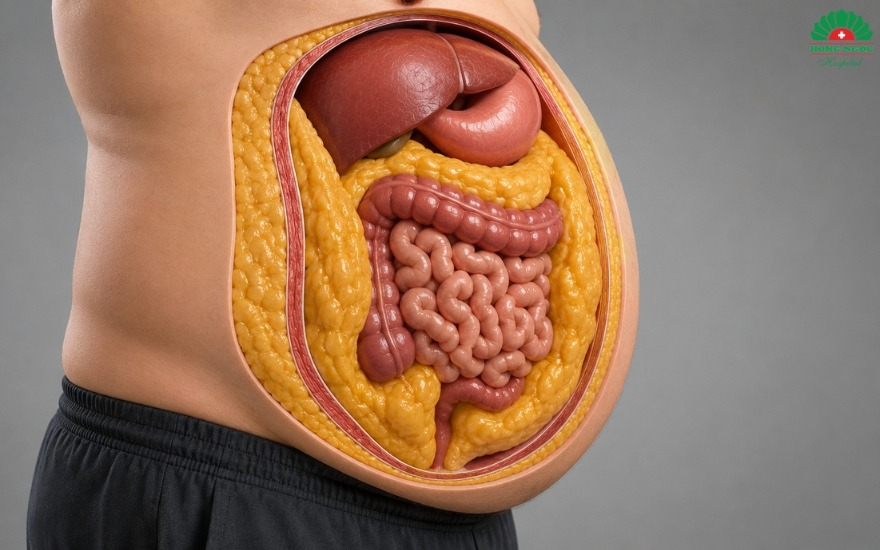
Is a high BMI dangerous?
A high BMI may be a warning sign of excess fat accumulation, especially when accompanied by abdominal obesity, increased waist circumference, high blood pressure, high blood glucose, or dyslipidemia. However, the level of risk does not depend solely on the BMI number, but also on fat distribution, the duration of overweight, age, sex, lifestyle, and underlying medical conditions.
Cardiovascular risk
Overweight and obesity may increase the burden on the cardiovascular system. As body mass increases, the heart has to work harder to pump blood to tissues throughout the body.
Persistently high BMI, particularly when accompanied by abdominal obesity, may be associated with:
- High blood pressure.
- Dyslipidemia.
- Atherosclerosis.
- Coronary artery disease.
- Stroke.
- Heart failure in some cases.
Cardiovascular risk is often higher in patients who smoke, are physically inactive, have type 2 diabetes, have a family history of premature cardiovascular disease, or have poorly controlled blood pressure, blood glucose, or blood lipid levels.

Type 2 diabetes
Obesity, particularly abdominal obesity and visceral fat accumulation, is an important risk factor for type 2 diabetes. Visceral fat may reduce the body’s sensitivity to insulin, making it more difficult for glucose to enter cells and be used for energy.
When insulin resistance persists, patients may progress through the following stages:
- Blood glucose begins to rise.
- Prediabetes.
- Type 2 diabetes.
- Cardiovascular, kidney, eye, or nerve complications if blood glucose is not well controlled.
Many people with prediabetes have no obvious symptoms. Therefore, people with a high BMI accompanied by increased waist circumference or a family history of diabetes should have their blood glucose checked periodically.
Fatty liver disease
People with a high BMI are more likely to accumulate fat in the liver, especially when abdominal obesity, dyslipidemia, or high blood glucose is also present. Early-stage fatty liver disease often causes no obvious symptoms, and many cases are detected only through abdominal ultrasound or liver enzyme testing during routine health checkups.
If prolonged, fatty liver disease may be associated with:
- Steatohepatitis.
- Elevated liver enzymes.
- Liver fibrosis.
- Impaired liver function in some cases.
People with a high BMI should not focus solely on weight loss. They should also have liver enzymes, blood lipids, blood glucose, and alcohol consumption habits assessed to evaluate overall risk.
Sleep apnea
Obesity may increase the risk of snoring and sleep apnea, especially in people with a large neck circumference, abdominal obesity, or frequent daytime sleepiness. When the airway is repeatedly obstructed during sleep, patients may experience poor sleep quality, morning fatigue, reduced concentration, and an increased cardiovascular risk.
People with the following signs should undergo further evaluation:
- Persistent loud snoring.
- Breathing pauses during sleep noticed by family members.
- Excessive daytime sleepiness.
- Morning headaches.
- Poorly controlled high blood pressure.
Effects on bones and joints
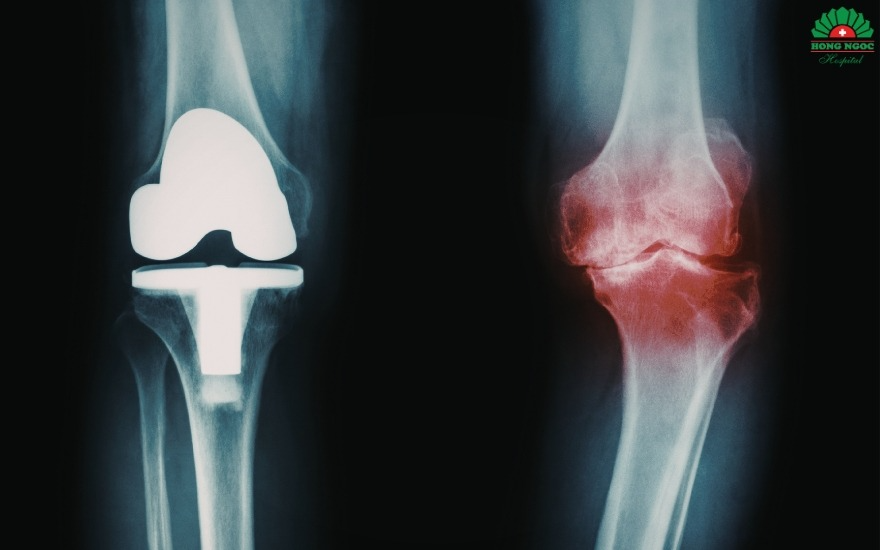
Excess body weight places pressure on the knee joints, lumbar spine, hip joints, and feet. Over time, patients may be more likely to develop joint pain, osteoarthritis, chronic low back pain, or limited mobility.
When movement becomes difficult, patients may reduce physical activity, resulting in lower energy expenditure and continued weight gain. This is a common vicious cycle in people with long-term overweight or obesity.
Is BMI absolutely accurate?
No. BMI is only an initial screening tool and does not fully reflect body fat percentage, muscle mass, fat distribution, or an individual’s overall health risk. The CDC also notes that BMI should be considered together with other factors when assessing personal health.
Cases in which BMI may be misleading
- People who do strength training or athletes: Greater muscle mass may result in a high BMI even when body fat percentage is low.
- Older adults: Older adults may lose muscle mass while accumulating more visceral fat, meaning BMI may not fully reflect their health risk.
- Pregnant women: Body weight changes according to gestational age, fluid volume, and fetal development, so the standard adult BMI classification should not be used for self-assessment during pregnancy.
- Children and adolescents: BMI in children should be assessed according to age and sex, usually based on growth charts or percentiles.
- People with edema or fluid retention: Weight gain caused by fluid accumulation does not accurately reflect body fat levels.
- People with chronic diseases: Nutritional status, muscle strength, underlying medical conditions, and relevant laboratory tests should also be assessed.
A high BMI does not necessarily mean that a person has excess body fat, especially in people with greater muscle mass. Conversely, a normal BMI does not rule out the risk of hidden obesity. Therefore, BMI should be used as an initial screening step and combined with other indicators when necessary.

Additional indicators to assess alongside BMI
In addition to BMI, physicians may also assess:
In Asian populations, a waist circumference of approximately 90 cm or higher in men and 80 cm or higher in women is commonly used as a warning threshold for abdominal obesity and metabolic disorders. However, these thresholds should be interpreted by a physician together with BMI, age, sex, underlying medical conditions, and accompanying laboratory test results.
How can BMI be improved safely?
The goal of improving BMI is not to lose weight as quickly as possible, but to reduce excess fat, improve metabolic health, and maintain long-term results. For people with overweight or obesity, the initial goal does not necessarily have to be bringing BMI back to the ideal range immediately. Improving waist circumference, blood pressure, blood glucose, blood lipids, and physical fitness is also very important.
Dietary adjustment
People with overweight or obesity should prioritize a balanced diet that reduces excess energy intake while still ensuring adequate nutrition. Extreme fasting or self-imposed overly restrictive diets should not be maintained for prolonged periods.
Some practical principles include:
- Increase vegetables and fiber: Prioritize green vegetables, low-sugar fruits, legumes, and whole grains to increase satiety and support blood glucose control.
- Eat enough protein: Protein from fish, lean meat, eggs, tofu, or low-fat dairy products helps maintain muscle mass during weight loss.
- Limit sugar-sweetened beverages: Soft drinks, milk tea, and juices with added sugar can increase energy intake without providing long-lasting satiety.
- Reduce fried and ultra-processed foods: These foods are often high in energy, salt, sugar, or saturated fat.
- Control carbohydrate portions: There is no need to eliminate carbohydrates completely, but portions should be reduced if intake is excessive, with priority given to less refined carbohydrate sources.
- Eat slowly and focus on the meal: Eating slowly helps the body recognize satiety signals more effectively and reduces overeating.
- Avoid extreme meal skipping: Excessive fasting may lead to intense hunger, fatigue, and compensatory overeating at the next meal.
Creating a moderate energy deficit can support weight loss, but a fixed calorie target should not be applied to everyone. People with diabetes, kidney disease, liver disease, gout, pregnant women, older adults, or those taking long-term medications should receive individualized nutritional counseling.

Increase physical activity
Physical activity helps increase energy expenditure, improve cardiovascular health, support blood glucose and blood lipid control, and maintain muscle mass. The WHO recommends that adults engage in at least 150 minutes of moderate-intensity physical activity per week or 75 minutes of vigorous-intensity physical activity per week; increasing this to approximately 300 minutes per week may provide additional health benefits.
Suitable forms of physical activity include:
- Brisk walking.
- Cycling.
- Swimming.
- Resistance training.
- Training with resistance bands or light weights.
- Dancing or light aerobics.
- Reducing prolonged sitting time during the day.
Beginners should gradually increase exercise intensity and avoid overexertion. People with cardiovascular disease, severe joint pain, shortness of breath on exertion, or complex underlying medical conditions should consult a physician before increasing their exercise level.
Periodic health monitoring
People with a high BMI should monitor not only body weight but also metabolic indicators. This helps detect associated risks early and allows for more appropriate adjustments to the weight-management plan.
Indicators to monitor include:
- Body weight.
- Waist circumference.
- Blood pressure.
- Blood glucose or HbA1c.
- Blood lipid levels.
- Liver enzymes.
- Physical activity level.
- Sleep quality.
The key goal is not only to reduce body weight, but also to improve metabolic health, reduce visceral fat, increase physical fitness, and maintain a sustainable lifestyle.

Do not use weight-loss medications without medical guidance
Weight-loss medications should be prescribed and monitored by a physician. Using medications of unknown origin, “rapid weight-loss” drugs, weight-loss teas, or overly advertised products without medical guidance may cause cardiovascular, gastrointestinal, liver, kidney, or electrolyte disorders, or interact with medications the patient is already taking.
Patients should not use weight-loss medications on their own based solely on BMI. Physicians need to assess BMI, waist circumference, underlying medical conditions, current medications, contraindications, and treatment goals before recommending an appropriate management plan.
When should you see a physician?
People with a high BMI should seek medical evaluation if they have additional risk factors, abnormal symptoms, or difficulty controlling their weight despite lifestyle changes.
You should see a physician if:
- BMI is 23 kg/m² or higher and accompanied by increased waist circumference.
- BMI falls within the overweight or obesity range according to the classification table.
- There is rapid weight gain without a clear cause.
- Weight loss remains difficult despite dietary and physical activity adjustments.
- There is a family history of diabetes, hypertension, dyslipidemia, or cardiovascular disease.
- Fatty liver disease, dyslipidemia, or high blood glucose is detected during a health checkup.
You should seek medical evaluation early if:
- You experience shortness of breath, chest pain, palpitations, or marked fatigue on exertion.
- You have loud snoring, daytime sleepiness, or suspected sleep apnea.
- Blood pressure, blood glucose, or blood lipid abnormalities occur repeatedly.
- Rapid weight gain is accompanied by edema, persistent fatigue, or menstrual irregularities.
- You have persistent knee pain, back pain, or limited mobility.
- You are considering using weight-loss medications or weight-loss products.
At a general hospital, patients may be assessed through multidisciplinary coordination among specialties such as Endocrinology, Nutrition, Cardiology, Musculoskeletal Medicine, or other relevant departments depending on their specific condition. A comprehensive assessment helps ensure that the weight-management plan is based not only on the BMI number, but also on the patient’s actual health risks.
BMI assessment and weight-management counseling at Hong Ngoc General Hospital
If BMI falls within the overweight or obesity range, or is accompanied by abdominal obesity, high blood pressure, high blood glucose, abnormal blood lipid levels, fatty liver disease, joint pain, or frequent loud snoring, patients should seek medical evaluation for a comprehensive assessment.
At Hong Ngoc General Hospital, patients may be examined by appropriate specialties such as Endocrinology, Nutrition, Psychology, or Physical Therapy, depending on their condition. Multidisciplinary coordination helps physicians identify risk factors, assess associated medical conditions, and develop a safer and more appropriate weight-management plan.
Patients can proactively schedule an appointment to receive support with a convenient examination process and reduce waiting time.
Frequently asked questions about BMI
What BMI is considered normal?
According to the WHO, a normal BMI in adults ranges from 18.5 to 24.9 kg/m². For Asian populations, the range of 18.5 to 22.9 kg/m² is often used as a more appropriate reference for metabolic risk assessment.
What BMI is considered obesity?
According to the WHO, a BMI of 30 kg/m² or higher is classified as obesity in adults. For Asian populations, a BMI of 25 kg/m² or higher is often used to assess obesity or higher metabolic risk.
Is a BMI of 23 considered obesity?
A BMI of 23 is not classified as obesity under the general WHO standard, but in Asian populations it is often considered overweight or associated with increased metabolic risk. People with a BMI of 23 accompanied by increased waist circumference, high blood glucose, or abnormal blood lipid levels should undergo further assessment.
Is a high BMI dangerous?
It can be. Persistently high BMI, especially when accompanied by abdominal obesity, high blood pressure, blood glucose dysregulation, or high blood lipid levels, may increase the risk of type 2 diabetes, cardiovascular disease, fatty liver disease, and sleep-related breathing disorders.
Does a high BMI in people who work out mean obesity?
Not always. People who do strength training or athletes may have a high BMI because of greater muscle mass, not necessarily excess body fat. This group should also assess body fat percentage, waist circumference, and metabolic indicators.
Does BMI apply to children?
The adult BMI classification should not be applied to children. Children and adolescents need to have BMI assessed according to age and sex, usually based on growth charts or percentiles. Parents should take their child for medical evaluation if the child gains weight rapidly or shows abnormal signs.
Should health be assessed based on BMI alone?
No. BMI is only an initial screening tool. A comprehensive health assessment should also include waist circumference, body fat percentage, blood pressure, blood glucose, blood lipid levels, underlying medical conditions, and clinical examination when necessary.
What waist circumference is considered dangerous?
In Asian populations, a waist circumference of approximately 90 cm or higher in men and 80 cm or higher in women is commonly used as a warning threshold for abdominal obesity and metabolic disorders. However, these thresholds should be interpreted together with BMI, age, sex, underlying medical conditions, and laboratory test results.
How can BMI be reduced safely?
To reduce BMI safely, patients should adjust their diet, increase physical activity, get adequate sleep, manage stress, and undergo periodic health monitoring. Rapid weight loss or self-use of weight-loss medications of unknown origin should be avoided.
Conclusion
BMI is a simple, easy-to-calculate, and useful indicator for screening the risk of overweight and obesity. According to the WHO, a BMI of 25 kg/m² or higher is classified as overweight, while a BMI of 30 kg/m² or higher is classified as obesity in adults. However, in Asian populations, metabolic risk may occur at lower BMI thresholds. Therefore, BMI should be interpreted together with waist circumference, body fat percentage, and other metabolic indicators.
For a comprehensive health assessment, patients should not rely on BMI alone, but should also consider blood pressure, blood glucose, blood lipid levels, liver enzymes, underlying medical conditions, and accompanying symptoms. Early weight management helps reduce the risk of multiple chronic diseases and improve long-term quality of life.
If body weight increases rapidly, waist circumference is elevated, or symptoms such as high blood pressure, blood glucose dysregulation, frequent loud snoring, joint pain, or persistent fatigue occur, patients should seek medical evaluation early so that a physician can assess their condition and recommend an appropriate weight-management plan.
Medical note
This article is for reference only and is not a substitute for medical diagnosis or treatment advice from a physician. BMI is a screening tool and does not fully reflect body fat status, underlying medical conditions, or the metabolic risk of each individual. People with a high BMI, increased waist circumference, rapid weight gain, underlying medical conditions, or abnormal symptoms should seek medical evaluation for individualized assessment.
References
- World Health Organization. Obesity and overweight.
- CDC. Adult BMI Categories.
- CDC. Adult BMI Calculator.
- WHO Expert Consultation. Appropriate body-mass index for Asian populations and its implications for policy and intervention strategies.
- World Health Organization. Physical activity.
- NIH/NHLBI. Assessing Your Weight and Health Risk.
- Harvard T.H. Chan School of Public Health. Healthy Weight.