


Pregnancy is a journey filled with joy, yet it may also involve potential risks and complications that can threaten the health and safety of both the mother and the fetus. Therefore, recognizing abnormal warning signs during pregnancy is essential to ensure timely and appropriate management.
Warning signs during pregnancy to be aware of
The following are potentially serious abnormalities during pregnancy that expectant mothers should be vigilant about:
Miscarriage
Miscarriage is one of the most serious complications in pregnancy, defined as the loss of a fetus before 20 weeks of gestation. In many cases, miscarriage may occur before a woman is even aware of her pregnancy. Some early losses are related to genetic abnormalities, where the fertilized ovum fails to develop and is naturally expelled, sometimes presenting as what appears to be a normal menstrual cycle.
Other cases of miscarriage may present with warning signs such as abnormal vaginal bleeding, severe lower back pain, or absence of fetal cardiac activity. First-trimester miscarriage is most commonly associated with chromosomal abnormalities, leading to spontaneous cessation of fetal development.
In addition, miscarriage may result from maternal health conditions, including chronic diseases, or structural abnormalities of the uterus such as cervical insufficiency, uterine anomalies, or septate uterus. Exposure to toxic substances or the use of harmful medications may also contribute to pregnancy loss.
Most women who experience miscarriage can still have successful subsequent pregnancies. However, in cases of recurrent miscarriage or unexplained pregnancy loss, further medical evaluation is recommended to identify underlying causes and determine appropriate management.
Ectopic pregnancy
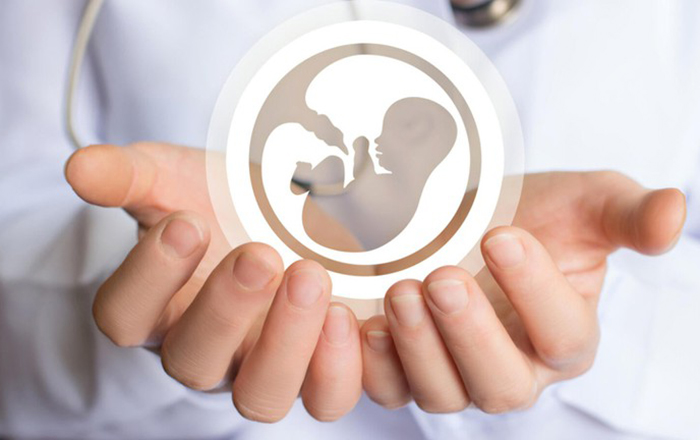
One of the critical complications that pregnant women should be aware of is ectopic pregnancy. Under normal conditions, after fertilization, the embryo travels to the uterus for implantation. However, in ectopic pregnancy, implantation occurs outside the uterine cavity most commonly in the fallopian tube, but it may also occur in the abdominal cavity.
Ectopic pregnancy is a life-threatening condition, as extrauterine sites lack the structural capacity to support fetal growth. As the embryo develops, it may rupture surrounding structures, leading to severe complications for the mother.
This condition is more frequently observed in women with fallopian tube abnormalities, a history of tubal surgery, or tubal obstruction. Common clinical manifestations include:
- Delayed menstruation, although early detection may be difficult in women with irregular cycles
- Lower abdominal pain, typically localized to the site of implantation and sometimes associated with tenesmus
- Abnormal vaginal bleeding, which may occur before or after the expected menstrual period, often prolonged and darker or lighter than normal menstrual blood
- Ectopic pregnancy requires prompt medical intervention, and termination of pregnancy is usually indicated. In severe cases, rupture of the fallopian tube may necessitate surgical removal, potentially reducing future fertility.
Register for comprehensive maternity care services via hotline: 0919 645 271 or complete the registration form below.
Molar pregnancy (hydatidiform mole)
Under normal conditions, after fertilization, the ovum undergoes division to form the embryo and its supporting structures, including the amniotic sac and placenta. The development of these components must be well-coordinated to ensure normal fetal growth.
However, in molar pregnancy, there is abnormal proliferation of trophoblastic tissue, while the development of connective tissue and vascular structures is impaired. As a result, the chorionic villi undergo cystic degeneration, forming fluid-filled vesicles that cluster together, resembling a “grape-like” appearance.
In this condition, the embryo is non-viable, but the placental tissue continues to grow abnormally, leading to a serious gestational disorder known as molar pregnancy.

The exact etiology of molar pregnancy has not been clearly established. However, several risk factors have been identified, including advanced maternal age, poor nutritional status, and a history of multiple pregnancies.
Warning signs of molar pregnancy may include abnormal vaginal bleeding during pregnancy, severe nausea and vomiting, uterine enlargement disproportionate to gestational age, absence of fetal heart activity, and a characteristic “snowstorm” or cystic pattern on ultrasound. Laboratory findings typically show markedly elevated levels of human chorionic gonadotropin (hCG).
If molar pregnancy is suspected, early ultrasound evaluation is essential. Once confirmed, prompt evacuation of the uterine contents is indicated to prevent complications such as heavy bleeding and potential progression to malignant gestational trophoblastic disease.
When should you seek medical attention?
During pregnancy, if any of the following warning signs occur, expectant mothers should promptly consult an experienced obstetrician and seek evaluation at a reputable healthcare facility for accurate diagnosis and appropriate management:
- Abnormal vaginal bleeding or pink-tinged discharge
- Persistent or recurrent abdominal pain
- Absence of fetal heartbeat or no fetal movements for 24 hours after 20 weeks of gestation
- Dizziness, syncope, or lightheadedness
- Visual disturbances such as blurred vision or seeing spots
- Signs of infection, including fever and chills
Where should pregnant women seek reliable antenatal care?
Many expectant mothers are concerned about whether to seek care at private clinics or large hospitals when experiencing abnormalities during pregnancy. In practice, to ensure accurate diagnosis and timely medical guidance, it is recommended to choose reputable and high-quality healthcare facilities.
In Hanoi, the obstetrics and gynecology department at Hong Ngoc General Hospital brings together leading obstetric specialists with extensive clinical experience, supported by advanced medical equipment to ensure precise diagnosis of pregnancy-related abnormalities.
At the department, pregnant women benefit from high-quality healthcare services, including comprehensive and attentive care by dedicated medical staff, direct consultation with experienced specialists, and access to a modern medical system within a comfortable, hotel-like hospital environment.
In addition, skin-to-skin contact practices are implemented to enhance maternal–infant bonding and support optimal neonatal health.
Note: The information provided in this article by Hong Ngoc General Hospital is for reference purposes only and does not substitute for professional medical diagnosis or treatment. Patients should not self-medicate. For an accurate assessment of their condition, individuals are advised to visit a healthcare facility for direct examination, diagnosis, and appropriate treatment planning by qualified physicians.
Follow the official fanpage of Hong Ngoc General Hospital for more useful health information:https://www.facebook.com/BenhvienHongNgoc